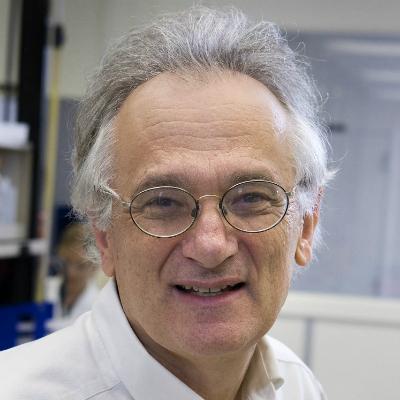
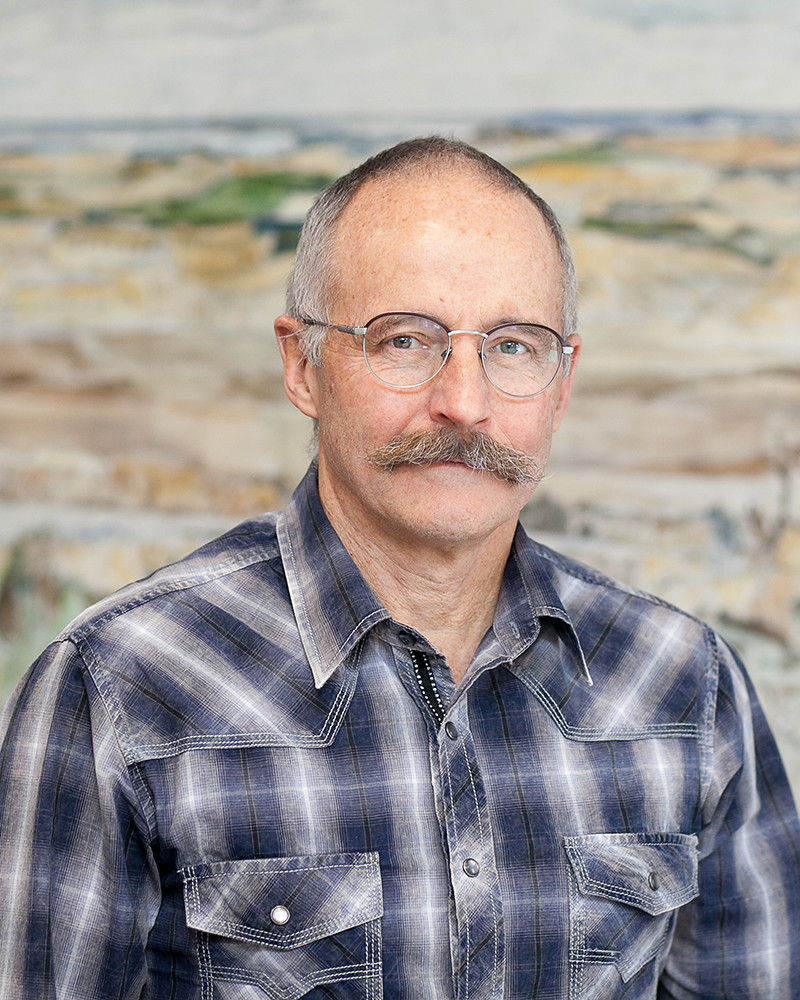
Dr. Steven G. Clarke is a Distinguished Professor at UCLA Department of Chemistry & Biochemistry and director of research at the Molecular Biology Institute . His work bridges protein chemistry , methylation biology , and aging research through studies of spontaneous protein damage and its repair mechanisms. Education: BA in Chemistry and Zoology, Pomona College (magna cum laude, Phi Beta Kappa) PhD in Biochemistry and Molecular Biology, Harvard University (NSF Fellow) Postdoctoral Fellowship at UC Berkeley (Miller Fellow) Dr. Clarke's research focuses on protein isoaspartyl repair via PCMT1/PIMT enzymes , ribosomal protein methylation in Saccharomyces cerevisiae , and PRMT family characterization including PRMT7 and PRMT9. His lab combines biochemical assays , genetic models , and structural analysis to investigate aging mechanisms and disease implications. Recent publications highlight: COQ5 structure-function analysis in coenzyme Q biosynthesis PCMTD1 ubiquitin ligase interactions PRMT7 substrate specificity in histone H2B Protein isoaspartyl impacts on T cell function in lupus Novel PRMT inhibitors for cancer therapy Methionine addiction in osteosarcoma malignancy Major scientific awards: American Chemical Society Ralph F. Hirschmann Award in Peptide Chemistry NIH MERIT Award Ellison Medical Foundation Senior Scholar Award William C. Rose Award, ASBMB UCLA Distinguished Teaching Award (Eby Award winner) Current lab members include PhD candidates Eric Pang (UCSB) and Sining "Cindy" Wang (UCLA), while undergraduates Celeste Medina-Seymoure , Elizabeth Oroudjeva , Olivia Pacheco , and Jasmine Winter contribute to ongoing proteostasis studies. Collaborations with Profs. Jose Rodriguez and Catherine Clarke demonstrate interdisciplinary research approaches.
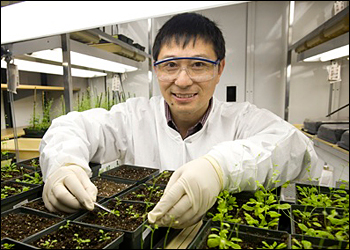
Chang-Jun Liu is a Senior Scientist in the Plant Science Group of the Biology Department at Brookhaven National Laboratory, where he has conducted research on plant phenylpropanoid biosynthesis and lignin metabolism since joining in 2005. He also holds an Adjunct Professor position in the Biochemistry & Cell Biology Department at Stony Brook University and serves as Associate Editor for Plant Cell & Environment (2024-present) and Frontiers in Plant Sciences (2015-present). Dr. Liu's educational background includes: Ph.D. in Plant Biochemistry and Molecular Biology from the Shanghai Institute of Plant Physiology, Chinese Academy of Science (1999) Dr. Liu's research integrates approaches from biochemistry, molecular genetics, biophysics, protein engineering, metabolic engineering, and synthetic biology to investigate phenylpropanoid and lignin biosynthesis in plants. His laboratory addresses fundamental questions about how lignin and related compounds are synthesized and incorporated into cell walls, how regulatory networks govern metabolic activity, and how lignification influences cell wall structure and function. A central aim of his research is optimizing plant feedstocks for efficient lignocellulosic biomass utilization. Analysis of Dr. Liu's publication record reveals a consistent trajectory from fundamental biochemical mechanisms to applied bioenergy solutions. His recent work focuses on cytochrome b5 diversity, electron transfer mechanisms in phenolic biosynthesis, and metabolic engineering approaches to modify lignin composition. This research spans from evolutionary studies of lignin biosynthesis across plant lineages to practical applications in bioenergy crop improvement. Dr. Liu has received recognition for his contributions to science, including: Brookhaven National Laboratory Science and Technology Award (2018) Dr. Liu serves as Editorial Board Member for the Journal of Biological Chemistry (2020-present), PNAS Nexus (2024-present), and Plant Physiology Journal (2025-). He is Scientific Lead at the Joint BioEnergy Institute, Feedstocks Division, Lawrence Berkeley National Laboratory, and Project Lead at the Center for Bioenergy Innovation, Oak Ridge National Laboratory. His research is funded by the U.S. Department of Energy through multiple Bioenergy Research Centers. Dr. Liu leads a research group at Brookhaven National Laboratory focused on elucidating the posttranslational regulation and macromolecular organization of lignin biosynthesis, with applications toward developing designer lignins and reducing biomass recalcitrance for sustainable biofuel production. His work addresses the critical challenge of lignin's dual nature: while it impedes enzymatic access to polysaccharides in biofuel production, it also represents the most abundant renewable source of aromatic carbon for high-value bioproducts.
Dewey G. McCafferty is Professor of Chemistry at Duke University with appointments in Biochemistry and the Duke Cancer Institute. His research focuses on chemical biology of chromatin-modifying enzymes and ubiquitin signaling pathways relevant to neurodegeneration and infection. Notable work includes discovering the lasso peptide antibiotic Arcumycin, characterizing the Nedd4 ubiquitin ligase in Parkinson's disease models, and developing chemoproteomic approaches for target identification. Key contributions include elucidation of the futalosine pathway in Chlamydia infections, mechanisms of CPAF protease in bacterial pathogenesis, and engineering of histone demethylase enzymes. McCafferty received the Eli Lilly Award in Biological Chemistry (2005) and directs NIH-funded projects on ubiquitin ligases in neurodegeneration.
David Vocadlo is a Distinguished Professor of Chemistry and Molecular Biology & Biochemistry at Simon Fraser University (SFU), holding the Canada Research Chair in Chemical Biology. His research focuses on Chemical Glycobiology, investigating carbohydrate-processing enzymes and developing chemical tools to study glycan roles in health and disease. His lab explores O-GlcNAc signaling, neurodegenerative disorders (e.g., Alzheimer’s, Parkinson’s), and enzyme inhibitors for therapeutic applications. Education: PhD from University of British Columbia (UBC), followed by a CIHR postdoctoral fellowship at UC Berkeley. Key roles include E.W.R. Steacie Memorial Fellow and Royal Society Fellow. Research highlights include O-GlcNAcase inhibitors for neuroprotection, glycan structure-function relationships, and enzyme activity imaging tools. Collaborates globally with experts in glycobiology and employs cutting-edge techniques like chemical synthesis, mass spectrometry, and live-cell imaging. Awards: Distinguished Professor title, Canada Research Chair, Royal Society Fellowship. Active in training researchers through SFU’s graduate programs, emphasizing interdisciplinary approaches. Lab members work on topics ranging from enzyme mechanisms to disease modeling.
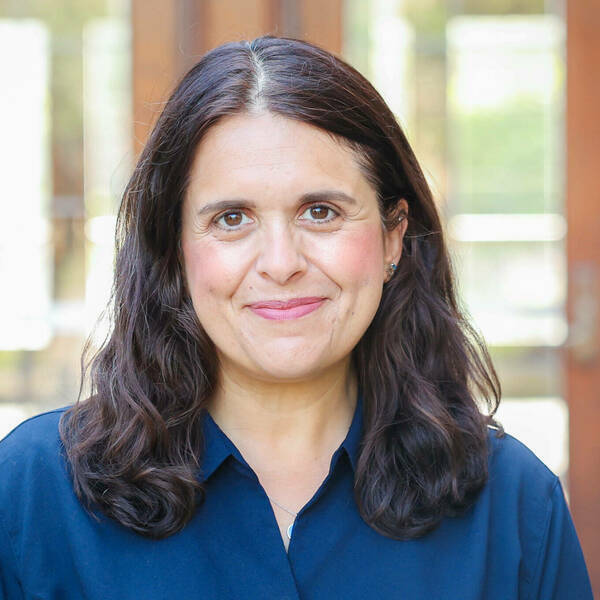
Patricia Champion is a Professor in the Department of Biological Sciences at the University of Notre Dame, where she holds the title of Notre Dame Collegiate Professor. Her research is centered on the molecular mechanisms of mycobacterial pathogenesis, with a focus on protein transport and virulence. She is affiliated with the Eck Institute for Global Health and the Center for Rare and Neglected Diseases. PhD in Molecular Biology, Princeton University (2003) B.S. in Biological Sciences, Carnegie Mellon University (1998) Her research interests lie in understanding how pathogenic mycobacteria, including Mycobacterium tuberculosis and M. marinum , cause disease through targeted protein secretion, particularly via the Type VII (ESX-1) secretion system. She investigates how secreted proteins function as effectors and regulate gene expression, and how post-translational modifications like acetylation influence virulence. Her lab employs an interdisciplinary approach combining genetics, molecular biology, proteomics, and transcriptomics. The recent publications highlight a strong focus on ESX-1-mediated secretion, identification of novel substrates, regulatory mechanisms (e.g., WhiB6, EspM), and post-translational modifications. The work spans fundamental bacterial physiology to host-pathogen interactions, contributing to the broader goal of identifying targets for anti-virulence therapeutics against tuberculosis. Her scientific recognition includes being named a Notre Dame Collegiate Professor, a distinguished honor reflecting her scholarly excellence. Dr. Champion leads an active research laboratory committed to fostering an inclusive and respectful environment, emphasizing core values such as integrity, teamwork, and excellence. Her lab's work is supported by ongoing research grants, though specific funding sources are not detailed in the text. The Champion Lab operates within the Department of Biological Sciences and collaborates with key institutes at Notre Dame focused on global and neglected diseases.
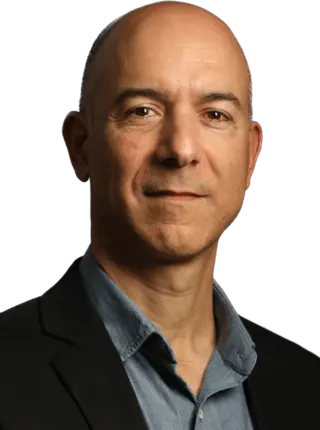
Rotem Karni, PhD, is an Associate Professor of Genetics at the Perelman School of Medicine, University of Pennsylvania, Philadelphia. He leads a research lab focused on understanding how alternative RNA splicing contributes to cancer and genetic diseases, with a strong emphasis on translating these findings into RNA-based therapies. Karni's lab develops decoy oligonucleotides, small molecules, and splice-switching technologies to modulate splicing factors and enhance immunotherapy. Education BSc in Biological Chemistry from The Hebrew University of Jerusalem (1997) PhD in Biological Chemistry from The Hebrew University of Jerusalem, Israel (2002) Postdoctoral Fellowship at Cold Spring Harbor Laboratory, NY (2002-2007) Karni's research explores the deregulation of alternative splicing in oncogenesis, particularly how splicing factors like RBFOX2 and S6K1 influence metastasis, DNA repair, and immune checkpoint modulation. His team investigates m6A RNA modifications for stabilizing mutant genes, with applications in Duchenne Muscular Dystrophy and pancreatic cancer. The lab's work is commercialized through biotech companies: SKIP Therapeutics, Andlit Therapeutics, and RNAble. Selected Research Trends RNA mis-splicing and neoantigen generation (2025) Splicing factor inhibition for tumor suppression (2023) Metastatic splicing signatures in pancreatic cancer (2023) Immune checkpoint splicing in cancer immunotherapy (2021) m6A modulation for mRNA stabilization (2023) Advising & Collaborations Karni has mentored numerous PhD and postdoctoral researchers, many of whom now hold leadership roles in academia, biotech, and medical institutions globally. His lab collaborates extensively on projects involving RNA innovation, including partnerships with the Institute for RNA Innovation. Contact Department of Genetics & Institute for RNA Innovation, One uCity Square, Room 4018, Philadelphia, PA 19104 Phone: 215-898-5072 Email: Rotem.Karni@Upenn.edu
James Van Etten is the William Allington Distinguished Professor of Plant Pathology at the University of Nebraska-Lincoln, affiliated with the School of Biological Sciences and Nebraska Center for Virology. His research focuses on chloroviruses—large dsDNA viruses infecting Chlorella-like algae—with emphasis on DNA replication, restriction systems, and membrane transport proteins. Key research themes include: Viral DNA modification systems Host-virus interactions Structural virology Evolution of organellar genomes Recent work analyzed: SMRT sequencing of viral methylation patterns Chlorovirus cryopreservation methods Potassium channel biophysics Host chemical signaling mechanisms Lab webpage: vanettenlab.unl.edu
Steven L'Hernault is Professor and Chairman of Biology at Emory University, where he leads research on cellular and developmental processes using Caenorhabditis elegans models. His laboratory investigates molecular mechanisms underlying spermatogenesis, focusing on genetic controls of sperm development and function. The L'Hernault Lab studies highly conserved genome protection mechanisms in germ lines using genetic, molecular, and biochemical approaches. Key research areas include secretory vesicle function, membrane protein interactions, and ubiquitin ligase activity during sperm differentiation. Recent publications examine paternal epigenetic inheritance pathways and palmitoyltransferase functions in spermiogenesis. The lab maintains an extensive collection of C. elegans mutants with defective spermatogenesis to study fundamental cellular processes.
Professor John Pickett serves as Chair of the School of Chemistry at Cardiff University, where he holds the position of Professor of Biological Chemistry. His research program has established him as a leading figure in chemical ecology with significant contributions to understanding chemically mediated interactions between organisms. Professor Pickett's research focuses on chemical ecology involving chemically mediated interactions between various organisms, particularly pests attacking plants and animals. His work encompasses the chemical characterisation of pheromones and other semiochemicals across plants and animals, including insect pests and beneficial organisms. He investigates stress-related chemical signalling by plants and vertebrates (including humans and farm animals), elucidates biosynthetic pathways to pheromones and other semiochemicals, and explores how these compounds can be exploited in pest management through ecological approaches and genetic modification. Analysis of Professor Pickett's recent publications reveals a sustained and impactful research trajectory spanning chemical ecology, agricultural science, and sustainable development. His work demonstrates remarkable continuity in investigating semiochemicals and pheromones while expanding into interdisciplinary areas including AI applications for sustainable futures and the economic impacts of agricultural innovations. A consistent theme throughout his career is the practical application of chemical ecology principles to develop sustainable pest management solutions, particularly through the development and refinement of push-pull farming systems that have transformed agricultural practices in Africa.
Furkan Alaca is an Assistant Professor at Queen's University's School of Computing, part of the Faculty of Arts and Science. His research focuses on user authentication systems, addressing security and usability challenges. He holds a Ph.D. (2018) in Computer Science from Carleton University, an M.A.Sc. (2012) in Electrical and Computer Engineering, and a B.Eng. (2010) in Communications Engineering, all from Carleton University. His academic career includes teaching roles at Queen's University and the University of Toronto Mississauga, where he taught courses such as Cryptography, Cybersecurity, and Discrete Mathematics. He is affiliated with Queen's Security Research Group and Computer Security Research Lab. Research interests include computer and internet security, usable security, authentication mechanisms, and systems security. He has contributed to advancements in web authentication frameworks, malware analysis, and privacy-preserving technologies. His work spans conferences like IEEE and ACM, with notable publications in cybersecurity, machine learning, and network efficiency. Current teaching includes CISC 447 (Introduction to Cybersecurity) and CISC 468 (Cryptography). He has advised on courses ranging from undergraduate programming to graduate-level security topics.
Prof. Waldemar Kolanus leads the Molecular Immunology and Cell Biology department at the University of Bonn's Life & Medical Sciences Institute (LIMES) . His research bridges immunoregulation , stem cell dynamics , and metabolic stress responses in immune cells. Unit 2 member at LIMES Principal investigator in SFB 704 and ImmunoSensation Cluster Leads a multidisciplinary lab with postdocs, PhD students, and technical staff His work focuses on intracellular signaling pathways connecting immune activation to tissue homeostasis, particularly through: Cytohesin proteins in integrin-mediated adhesion and migration TRIM71 in stem cell regulation and congenital hydrocephalus High-salt environments affecting macrophage function Publication trends show expertise in immune cell migration , genetic models , and chemical inhibition , with frequent use of mice and zebrafish for in vivo studies. Key articles explore: TRIM71's dual role in auditory development and germ cell maintenance Cytohesin family's Golgi regulation and insulin signaling Ruxolitinib's off-target migration inhibition of dendritic cells Contact details: Address: LIMES Institute, Carl-Troll-Straße 31, Bonn Email: kolanus.sekretariat@uni-bonn.de Phone: +49 228 73-62788
Trent K. Bollinger is a Professor in the Department of Veterinary Pathology at the University of Saskatchewan's Western College of Veterinary Medicine (WCVM), and serves as Regional Director for the Western/Northern Region of the Canadian Wildlife Health Cooperative (CWHC). His academic credentials include a BSc (Honours) from the University of Saskatchewan (1984), a DVM (Distinction) from the University of Saskatchewan (1988), and a DVSc in Pathology from the Ontario Veterinary College (1992). Dr. Bollinger's research focuses on the pathology and epidemiology of diseases in wildlife and fish, with particular emphasis on chronic wasting disease in deer/elk and white-nose syndrome in bats. He has conducted extensive studies on disease transmission dynamics, wildlife population health, and the ecological impacts of emerging pathogens. His work bridges veterinary science, ecology, and conservation biology. His publications demonstrate expertise in viral and bacterial zoonoses, fungal pathogens affecting bats, and spatial epidemiology of wildlife diseases. Recent research highlights include investigating sylvatic plague in prairie dogs, coronavirus persistence in hibernating bats, and landscape connectivity's role in chronic wasting disease spread. His studies often combine molecular diagnostics, field observations, and ecological modeling. Dr. Bollinger collaborates with national and international wildlife agencies, contributing to disease surveillance and management strategies for endangered species. His work emphasizes the interconnectedness of wildlife health, ecosystem health, and public health concerns.
Priya Raman, Ph.D., FCVS, is an Associate Professor of Integrative Medical Sciences at Northeast Ohio Medical University (NEOMED). She holds tenure and serves as Co-Director of the Basic and Translational Biomedicine (BTB) Graduate Program and Chair of the Kent State University-Biomedical Sciences Pharmacology Graduate Program. Her academic roles include teaching in NEOMED’s medical curriculum, focusing on pharmacology, cardiovascular systems, and clinical therapeutics. Raman’s research explores molecular mechanisms linking metabolic disorders (e.g., diabetes, metabolic syndrome) to vascular dysfunction and Alzheimer’s disease, using mouse models and cellular/molecular techniques. She has published extensively on thrombospondin-1, O-GlcNAc signaling, and atherosclerosis pathogenesis. Education: B.Pharm. and M.Pharm. (India), Ph.D. in Pharmacology (University of Louisiana at Monroe). She has over 25 years of postdoctoral and faculty experience, including roles at the Cleveland Clinic and Indiana University School of Medicine. Raman serves on editorial boards for journals like International Journal of Cardiology and Frontiers in Cardiovascular Medicine , and reviews grants for the American Heart Association and NIH. Research focus areas include: (1) Vascular smooth muscle cell phenotypic switching in metabolic diseases, (2) Non-lipid mechanisms of vascular disease in metabolic syndrome, and (3) Interactions between metabolic disorders and neurodegeneration. Her lab employs biochemical assays, mouse models (e.g., ApoE-/-, KKAy), and advanced imaging techniques to study these pathways. Notable recent work includes discovering that O-GlcNAc transferase deletion reduces atherosclerosis in hyperglycemic mice and identifying thrombospondin-1’s role in leptin-driven vascular pathology. She has also linked metabolic syndrome-induced O-GlcNAc deficits to Alzheimer’s-like cognitive impairment in aging mice. Raman is actively involved in interprofessional education and mentoring, directing graduate programs and teaching courses in pharmacology, molecular signaling, and diabetes/vascular disease. Her work bridges basic science and clinical applications, aiming to develop novel therapies for metabolic syndrome-related vascular complications.
Konstantinos Anastassiadis is a Professor at the Center for Molecular and Cellular Bioengineering (CMCB) of Dresden University of Technology , leading the Stem Cell Engineering group at the Biotechnology Center (BIOTEC) . His research focuses on unraveling molecular pathways regulating stem cell self-renewal and lineage commitment, with a strong emphasis on genetic engineering tool development and epigenetic mechanisms during cellular reprogramming. The lab utilizes mouse and human embryonic stem cells, neural stem cells, mesenchymal stromal cells, and induced pluripotent stem cells (iPSCs) in their investigations. Core Research Areas: Molecular regulation of stem cell fate Epigenetic mechanisms (e.g., UTX/UTY histone demethylases) Genetic engineering tool development (Flp, Dre, Vika recombinases, CRISPR protocols) Conditional immortalization systems for rare cell expansion Publications highlight his contributions to understanding: Role of histone methyltransferases (MLL1, MLL2, Setd1b) in hematopoiesis and cancer Epigenetic regulation during mouse development and spermatogenesis Genetic tools for protein tagging, transposon-mediated BAC transgenesis Interactions between stem cells and niche microenvironments Transcriptional and mechanical markers during reprogramming Collaborations span immunology , developmental biology , and bioinformatics . The lab actively participates in teaching activities at CMCB and maintains a focus on translational applications of stem cell research.
Christian Friedrich Wilhelm Becker is a full Professor at the University of Vienna, holding a position within the Faculty of Chemistry and the Department of Biological Chemistry. His research profile shows extensive activity in protein chemistry and biochemistry, with particular focus on post-translational modifications and their implications in disease mechanisms. His work bridges chemical biology, biochemistry, and biomedical applications, contributing significantly to the academic and research landscape at one of Europe's oldest and most prestigious universities. Faculty of Chemistry, University of Vienna Department of Biological Chemistry Active research leader with numerous ongoing projects Significant publication record spanning multiple disciplines Professor Becker's research primarily focuses on protein chemistry, particularly post-translational modifications and their role in protein function and dysfunction. His work spans multiple interconnected areas including ubiquitination, protein aggregation, prion protein behavior, and biomimetic approaches to protein analysis. His research has significant implications for understanding neurodegenerative diseases and developing novel therapeutic approaches. The fingerprint analysis of his work shows strong connections to biochemistry, molecular biology, and chemistry, with particular emphasis on cysteine chemistry, glycosylation, and amino acid modifications. Analysis of Professor Becker's recent publications (2021-2025) reveals a consistent research trajectory focused on protein modification techniques and their biological implications. His work shows increasing sophistication in chemical biology approaches to study protein function, with particular emphasis on ubiquitination pathways and protein aggregation mechanisms. The integration of chemical synthesis methods with biological analysis represents a hallmark of his research approach. His publications span high-impact journals in biochemistry, chemical biology, and peptide science, demonstrating the interdisciplinary nature of his contributions. Professor Becker has received notable recognition for his research contributions, most prominently the Cathay Award in 2020. This award acknowledges his significant contributions to the field of protein chemistry and chemical biology. His work appears to have practical applications in therapeutic development, particularly in the areas of targeted protein degradation and immunotherapy, which likely contributed to this recognition. Cathay Award (2020) Professor Becker leads multiple significant research projects, including 'Targeted protein degradation - from small molecules to complex organelles' (2020-2024), 'Taktira: Development of an improved, low-side-effect and sustainable immunotherapy' (2019-2023), and 'Structure Zoom: Zooming in on protein functional sites with atomic resolution' (2018-2021). These projects demonstrate substantial grant funding and collaborative research efforts across multiple institutions. His active participation in 290 recorded activities through 2025 indicates a highly engaged research program with numerous collaborators and trainees. Targeted protein degradation project (2020-2024) Taktira immunotherapy project (2019-2023) Structure Zoom project (2018-2021) Professor Becker's research environment includes a robust team of collaborators and junior researchers, as evidenced by the numerous co-authored publications and activities. His work intersects with multiple research groups studying protein function, modification, and therapeutic applications. The international collaboration network shown in his profile indicates significant engagement with researchers across multiple countries, creating a dynamic research ecosystem focused on advancing protein science and its biomedical applications.