Fernando Torres, M.D. , is a Professor in the Department of Internal Medicine at UT Southwestern Medical Center. He serves as the Clinical Program Development Chief in the Division of Pulmonary and Critical Care Medicine, Medical Director of Lung Transplantation, and Head of the Pulmonary Hypertension Program. UT Southwestern Medical Center (since 2000) University of Colorado Denver (fellowship in pulmonary disease and critical care) Cornell University (medical degree and bachelor's in biology/chemistry)
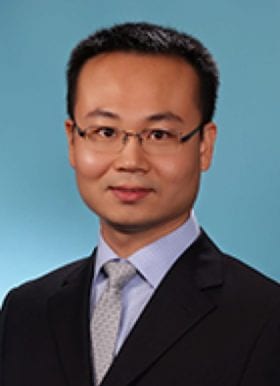
Dr. Jin Zhang is an Associate Professor of Radiation Oncology at Washington University School of Medicine, with affiliations to the Siteman Cancer Center, Institute of Clinical and Translational Sciences (ICTS), and multiple divisions within the Roy and Diana Vagelos Division of Biology & Biomedical Sciences (DBBS), including Biomedical Informatics and Data Science, Cancer Biology, and Computational and Systems Biology. PhD in Computer Science (University of Connecticut, 2012) MPHS in Population Health Sciences (Washington University, 2022) Prior postdoctoral work at McDonnell Genome Institute and Department of Medicine, Washington University His research develops deep learning/AI models and multi-omics approaches (genomics, proteomics, metabolomics, imaging) to advance translational cancer research at the intersection of genomics and radiation oncology. Recent work includes Nature studies on dietary fructose-induced tumor growth mechanisms, Patterns publications on GAN-based gene expression analysis, and Clinical Cancer Research papers on HPV+ cancer MRD detection. Scientific awards include NCI K22, ITCR R21, R37, and R01 grants totaling over $9.7 million in funding. His lab trains DBBS and MSTP rotation students, with alumni pursuing academic/research roles at institutions like University of Washington and Memorial Sloan Kettering Cancer Center.
Julia Cox is an Assistant Professor in the Department of Neuroscience at the Feinberg School of Medicine, Northwestern University, where she investigates how sex-based differences impact health outcomes and neural mechanisms of decision-making. Her research focuses on: Sex differences in disease prevalence and treatment response driven by genetic variations Neural substrates of sex-dependent motivation and avoidance learning Dopamine signaling in nucleus accumbens and VTA circuits Decision-making processes influenced by past experiences Neural engineering approaches like wireless optogenetics Dr. Cox's publication record demonstrates a strong neuroscience focus with 13 of 14 recent articles examining sex differences, neural circuits, and behavioral mechanisms. Her Nature Neuroscience publication revealed novel neural mechanisms underlying sex differences in motivation. The sole non-neuroscience publication (2000) in materials science suggests early-career interdisciplinary work, but her current research is exclusively neuroscience-oriented with emphasis on translational implications for personalized medicine.
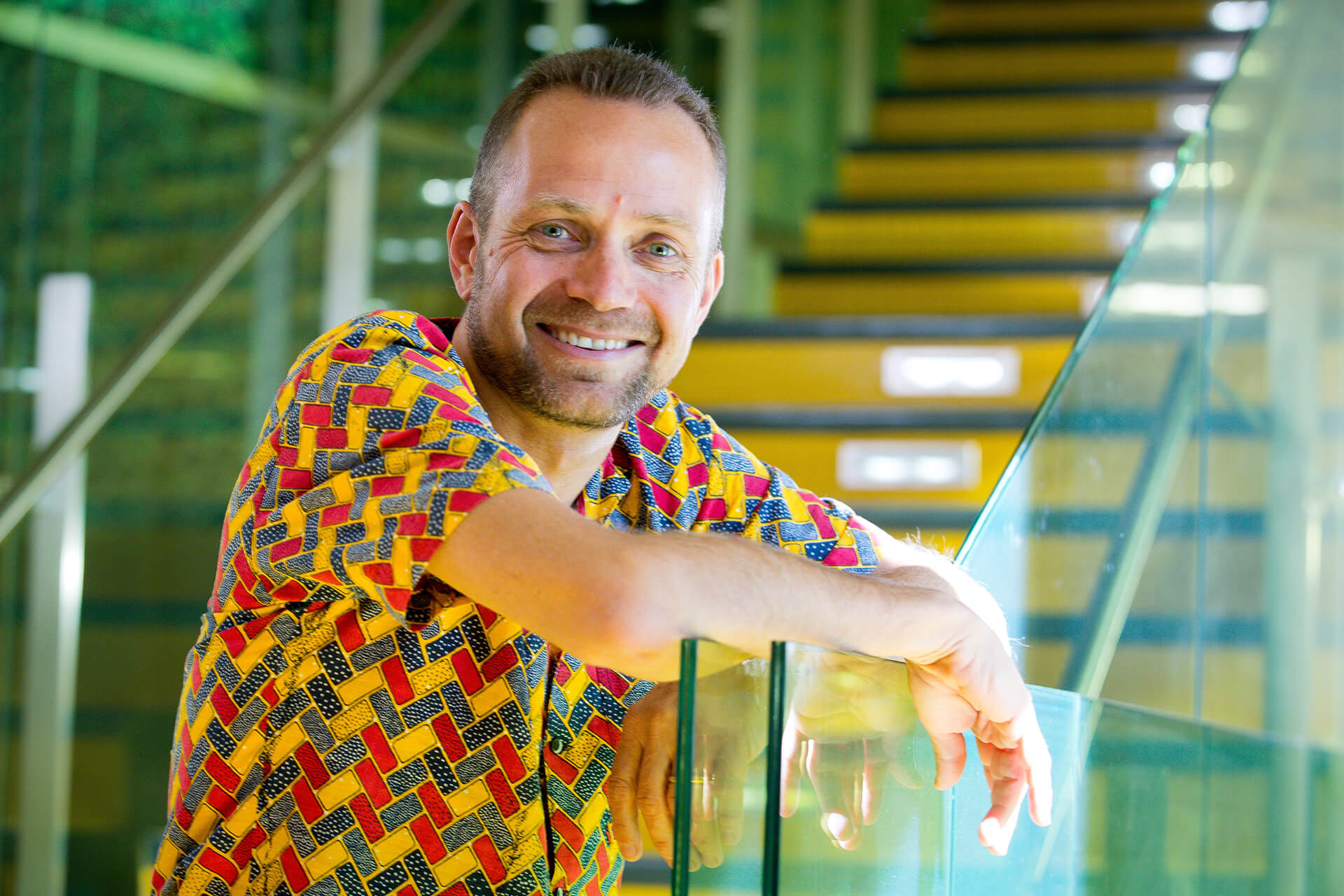
Professor Bruno van Swinderen is a Professorial Research Fellow and Group Leader at the Queensland Brain Institute, University of Queensland, within the Faculty of Health, Medicine and Behavioural Sciences. With over two decades of neuroscience research experience, he leads a laboratory focused on understanding the neural mechanisms of consciousness using Drosophila (fruit fly) as a model organism. His work bridges molecular, electrophysiological, and behavioral approaches to uncover fundamental principles of brain function related to awareness and consciousness. Professor van Swinderen received his PhD in Evolutionary and Population Biology in 1998 from Washington University in St. Louis, Missouri. His graduate work focused on general anesthesia using Caenorhabditis elegans models, applying both quantitative genetics and molecular genetic approaches. He completed his postdoctoral training at The Neurosciences Institute (NSI) in San Diego, California (1999-2003), where he switched to Drosophila melanogaster to develop methods for studying perception. He established his independent laboratory at the Queensland Brain Institute in February 2008. His research centers on understanding consciousness through three brain states where awareness is lost: selective attention, sleep, and general anesthesia. His laboratory uses Drosophila as a genetic model system to investigate visual perception across different arousal states, with particular focus on how sleep regulates selective attention and predictive processing. The lab employs novel visual paradigms within a Drosophila molecular genetics context, examining how neural circuits process information when consciousness is altered or diminished. A key insight from his work is that fundamental mechanisms of consciousness are conserved across species, challenging assumptions about the uniqueness of human consciousness. Professor van Swinderen has proposed that we dream to first become conscious as babies and then to stay conscious as adults, an adaptive hypothesis linked to predictive processing theory. His recent publications reveal increasingly sophisticated methodologies including whole-brain electrophysiology, calcium imaging, and molecular analyses that have identified specific neural mechanisms underlying sleep homeostasis, anesthesia effects, and attention processes. A notable trend is the integration of computational approaches with traditional neuroscience techniques, allowing for nuanced analysis of complex brain activity patterns. His work demonstrates that flies exhibit surprisingly complex brain functions previously thought to be exclusive to higher organisms, with implications for understanding human consciousness and developing new approaches to anesthesia and sleep disorders. Professor van Swinderen maintains an active research program with numerous collaborations, as evidenced by his extensive publication record. His laboratory continues to push methodological boundaries while maintaining focus on core questions about what makes a brain conscious, contributing significantly to our understanding of brain states where awareness is lost.
Dr. Elisa De Franco is a Clinical and Biomedical Sciences researcher at the University of Exeter Medical School , affiliated with the NIHR Exeter Biomedical Research Centre. She has held prestigious fellowships including the Diabetes UK RD Lawrence Fellowship (2019-2024) and the EFSD/Novo Nordisk Future Leaders Fellowship (2023-2028). Elisa leads the neonatal diabetes genetic testing service at Diabetes Genes . Education: BSc (University of Turin, Italy, 2008) MSc (University of Turin, Italy, 2010) PhD (Peninsula College of Medicine & Dentistry, 2014) Research Focus: Elisa investigates genetic causes of neonatal diabetes, pancreatic development, and beta cell dysfunction. Her work integrates exome sequencing, whole genome sequencing, and bioinformatics to uncover novel disease mechanisms, with applications in type 1 diabetes research and cell-based therapies . Scientific Contributions: Her research has identified genes like PAX4, ZNF808, and FICD in neonatal diabetes etiology. She has published extensively in journals like Journal of Clinical Investigation and Diabetologia , with a focus on genotype-phenotype correlations , endoplasmic reticulum stress , and imprinting disorders . Awards: Diabetes UK RD Lawrence Fellowship (2019) EFSD/Novo Nordisk Future Leaders Fellowship (2023) Marie Curie BOLD Project Funding (PhD) Professional Activities: Elisa works part-time as a Healthcare Scientist in the NHS Exeter exome service (2017-2019) and leads international collaborations, including studies on genetic etiologies in Sudan, Vietnam, and Kurdistan. She is a key contributor to consensus reports on precision diabetes medicine.
Zelmina Lubovac-Pilav is a Senior Lecturer in Bioinformatics at the School of Bioscience, University of Skövde. She coordinates advanced and foundational courses in bioscience and serves as Programme Coordinator for Master's-level programs. Her research focuses on bioinformatics , systems biology , and disease module analysis , particularly in pancreatic cancer , multiple sclerosis , and breast cancer . Her work involves multi-omics data integration (genomics, proteomics, transcriptomics) and biomarker discovery , supported by projects like BIO-AID (AI-driven biomedical analytics) and DMDPipe (disease-causing protein modules in asthma). She develops computational tools such as MODalyseR and TFTenricher for disease module inference and transcription factor analysis. The 15 most recent articles highlight trends in latent space modeling , network biology , and clinical data analysis , with applications in pancreatic cancer early detection , multiple sclerosis biomarkers , and miRNA functional analysis . These studies emphasize algorithm development , data normalization , and community-driven network predictions . Contact: zelmina.lubovac@his.se
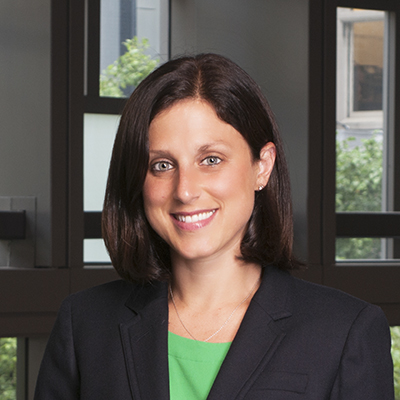
Rochelle Winikoff is an Assistant Clinical Professor in the Department of Pediatrics within the Faculty of Medicine, affiliated with CHU Sainte-Justine in Montreal, Canada. She specializes in hematology-oncology with a focus on hemostasis disorders. Dr. Winikoff completed her medical degree (1995) and Master of Science in Epidemiology and Biostatistics (2003) at McGill University, followed by specialized training in internal medicine, adult hematology, and hemostasis pathologies. Her research focuses on: Hemostasis abnormalities in women and children Von Willebrand Disease management Pediatric thrombotic thrombocytopenic purpura Bleeding disorders in obstetric and gynecological contexts Development of international clinical guidelines She leads the Interdisciplinary Women's Hemostasis Program and directs clinical programs for von Willebrand Disease and Pediatric TTP at CHU Sainte-Justine. Her publication record demonstrates consistent focus on bleeding disorders across pediatric and obstetric contexts, with recent work expanding into COVID-19 coagulopathies and international classification systems. Research themes include: Prophylactic management of inherited bleeding disorders Consensus guidelines for menorrhagia/postpartum hemorrhage Gender-specific approaches to hematological care International collaborative research networks Dr. Winikoff holds leadership positions including: Chair of the Women and Bleeding Disorders Committee (AHCDC) Co-chair of ISTH Women's Health Issues Subcommittee Honorary chair of Code Red program (Canadian Hemophilia Society) Active member of Canadian Pediatric Thrombosis Network She regularly presents at international conferences on women's hematology topics.
Edoardo Sozzi is a Visiting Research Fellow and PhD student at Lund University's Faculty of Medicine, specializing in the Developmental and Regenerative Neurobiology group under Prof. Malin Parmar. He earned a BSc in Biotechnology (2018) and a dual MSc in Neuroscience (2020) from the University of Pisa and Scuola Normale Superiore, Italy. His research focuses on the development, functionality, and diversity of human dopaminergic neurons using 3D cell culture systems like brain organoids and xenograft models, with heavy reliance on single-cell RNA sequencing. His work intersects neuroscience, developmental biology, and regenerative medicine, targeting neurodegenerative disorders such as Parkinson's disease. Key publication trends include innovations in organoid technology , single-cell transcriptomics , and WNT signaling modulation . He has contributed to 11 scientific outputs , including a 2025 doctoral thesis, peer-reviewed articles in Nature Methods and Development , and a 2023 Horizon Europe grant (OpenMIND project) for opto-electronic neural modeling in neurodegenerative diseases. Sozzi actively participates in academic events, organizing conferences like Neuroscience Day 2024 and UniStem Day 2024 , and serves as a presenter in multidisciplinary initiatives (MultiPark). His work aligns with UN Sustainable Development Goals for Medical and Health Sciences and Neurosciences .
Assoc. Prof. Seçil Aksoy is an Associate Professor at Bursa Uludag University, affiliated with the Medical Faculty in the Basic Medical Sciences department and the Experimental Animal Breeding and Research Unit . She also holds a position at İnegöl MYO under the Medical Services and Techniques department. Doctorate (2013–2019) and Postgraduate (2010–2013) in Medical Biology from Bursa Uludag University Undergraduate (2006–2010) in Biology from Bursa Uludag University Her research focuses on molecular oncology , particularly the role of non-coding RNAs (lncRNAs, miRNAs) in cancer progression, drug resistance, and post-transplant recurrence. She investigates glioblastoma multiforme , colorectal cancer , hepatocellular carcinoma , and pancreatic ductal adenocarcinoma , integrating epigenetic mechanisms and nano-drug delivery systems . Recent publications highlight her work on olive leaf extract modulating tumor behavior, epigenetic alterations in pancreatic cancer, organoid models for tumor heterogeneity, and lncRNA MALAT1 as a biomarker for cancer prognosis. Her studies span clinical applications of RNA-based biomarkers and nano-therapeutics . Assoc. Prof. Aksoy leads and collaborates on multiple funded projects, including TÜBİTAK-supported research on flavonoid-based nano-therapies for liver cancer and organoid models for high-grade brain tumors. Her work has significant implications for personalized cancer treatment and post-transplant monitoring .
Janna Hastings is Assistant Professor for Medical Knowledge and Decision Support at the Institute for Implementation Science in Health Care (Faculty of Medicine) at the University of Zurich since August 2022, while also serving as Vice-Director of the School of Medicine at the University of St. Gallen. Her research focuses on digitalization in clinical contexts, examining how AI-driven knowledge systems reshape clinical practice, professional identity, and doctor-patient relationships. Education: PhD in Computational Biology (University of Cambridge, 2019), part-time MSc in Computer Science (University of South Africa, 2011), MSc in Philosophy (Open University, 2012) Prior Roles: Group Coordinator at European Bioinformatics Institute (2006-2015), Postdoctoral Researcher at Otto-von-Guericke University Magdeburg (2019-2022), Co-Leader of Human Behaviour-Change Project at University College London (2017-2022) Her research spans ontology development for biomedical domains (ChEBI, Human Behaviour Ontology), AI applications in healthcare decision-making, and behavior change interventions. Key projects include: Building ChEBI molecular ontology Developing Human Behaviour-Change Project knowledge system Ontology-driven mental health frameworks LLM applications in radiation oncology Time-series modeling of metabolism in ageing She explores the capabilities and limitations of clinical AI systems, with publications in JMIR and Lancet Digital Health , covering topics like bias prevention in generative AI and proteomic biomarker discovery. Her work bridges biomedical research with implementation science and digital ethics.
Julia Metzger is a Research Group Leader at the Max Planck Institute for Molecular Genetics in Berlin, heading the Heisenberg Research Group Veterinary Functional Genomics . Her group investigates the genetic architecture of mammalian genomes, focusing on non-coding variations and their role in genotype-phenotype relationships , particularly through multi-omics approaches and high-throughput sequencing . Her research integrates computational genomics with experimental biology to study structural variations in pigs and horses, such as body size determination and curly hair phenotypes . Current projects include the Heisenberg-funded MEASURE initiative on regulatory genetics in growth biology. Recent publications highlight her expertise in transcriptome analysis , evolutionary genomics , and veterinary genetics , with co-authorship on studies involving equine , porcine models , and lemur population dynamics . She mentors students like Nima Khaveh (PhD, 2025) and Ward Al Raei (Master’s, 2024), who explore polyploid genomics and tandem repeat genotyping . Awards include the DFG Heisenberg grant .
Jennifer E. Cremins is an Associate Professor and Deans' Distinguished Scholar in Engineering and Medicine at the University of Pennsylvania, with primary appointments in the Department of Bioengineering and secondary appointment in Genetics. She leads the Cremins Laboratory, which works at the spatial biology-technology interface to investigate the structure-function relationship of connections across the scales of chromatin, synapses, and circuits in the developing and diseased mammalian brain. Dr. Cremins' research focuses on understanding how the genome's three-dimensional architecture influences neural development, function, and disease. Her lab has made foundational contributions to elucidating chromatin's higher-order folding patterns at kilobase-resolution during neural lineage commitment, maturation, activity stimulation, and in neurological disorders. The lab's work bridges chromatin folding, synaptic plasticity, and neurophysiology to elucidate how the genome's structure-function relationship influences synaptic defects in neurodevelopmental, neuropsychiatric, and neurodegenerative disorders. Analysis of Dr. Cremins' recent publications reveals a strong focus on the relationship between chromatin architecture and neurological disorders, particularly Alzheimer's disease, fragile X syndrome, and autism spectrum disorders. Her work increasingly integrates computational approaches with experimental techniques to study genome organization at single-cell resolution, with significant emphasis on the role of short tandem repeat expansions in neurodegenerative conditions. Dr. Cremins' laboratory has received significant recognition through numerous scientific awards and fellowships: Deans' Distinguished Scholar in Engineering and Medicine Funding from New York Stem Cell Foundation, Alfred P. Sloan Foundation Support from National Science Foundation, National Institutes of Health (NIMH, NINDS) Grants from Friedreich's Ataxia Research Alliance, Chan Zuckerberg Initiative Funding from Cure Huntington's Disease Initiative, NIH 4D Nucleome Common Fund As an educator and mentor, Dr. Cremins has developed the SEEDS (Summer Exploration in Epigenetics and Data Science) program, a four-year interdisciplinary training program for undergraduates. All 15 graduates of her SEEDs/SEEDs-BRIDGE programs remain in scientific careers, including PhD programs at MIT and UPenn, MD-PhD programs at Mayo, UCSF, and NYU, and MD programs at various institutions. She also develops structured active learning courses focused on statistics, probability, and coding for spatial epigenetics data analysis. The Cremins Laboratory maintains a vibrant research environment with multiple postdoctoral fellows, graduate students, and undergraduate researchers working at the intersection of chromatin biology, neuroscience, and computational genomics. The lab is particularly known for its work on the 4D nucleome and its relationship to neurological disorders, using cutting-edge techniques like Oligopaints imaging and developing computational tools like FISHnet for analyzing chromatin architecture.
Martin Lillholm is a Professor at the Department of Computer Science , University of Copenhagen, specializing in Image Analysis, Computational Modelling, and Geometry . His research focuses on leveraging machine learning and deep learning for medical imaging , particularly in breast cancer risk stratification and COVID-19 adverse outcome prediction . He has co-authored numerous high-impact journal articles in Radiology , Scientific Reports , and other venues, often collaborating with clinical researchers. Research Trends & Fields Lillholm’s work bridges computer science and healthcare , with recent publications emphasizing: AI-driven mammography screening for early breast cancer detection Texture analysis in medical images to enhance risk prediction Domain adaptation for robust cross-vendor imaging systems Health registry analysis using machine learning for recurrent cancer identification Pandemic risk modeling for COVID-19 outcomes Collaborations & Impact He collaborates across disciplines, including with Department of Clinical Medicine researchers and international partners . His studies have been widely cited, with significant visibility via Mendeley , X , and news outlets . While no formal awards are listed, his research has driven clinical protocol innovations and policy discussions.
Roger Wainwright is a Professor of Computer Science at The University of Tulsa and the inaugural Computer Scientist in the institution's history. He has chaired the Computer Science discipline for over four decades, contributing extensively to algorithm research and education. Education: Ph.D., M.S., and B.S. in Computer Science and Mathematics from Iowa State University. His research focuses on analysis of algorithms , combinatorial optimization , and evolutionary computation , particularly genetic algorithms. His work addresses complex problems in robotics, network design, and scheduling, emphasizing efficient solutions for large-scale systems. Recent publications highlight trends in autonomous navigation , robot path planning , and multi-population evolutionary algorithms . Keywords span Computer Science , Artificial Intelligence , and Optimization .
Elena Pobezinskaya is a Research Assistant Professor at the University of Massachusetts Amherst in the Department of Veterinary and Animal Sciences . She investigates intercellular communication in immune systems, focusing on molecular and organelle transfer in health, infections, and cancer. Education: MS from Moscow State University; Ph.D. (2002) from Cancer Research Center (Moscow) and Jackson Lab (Bar Harbor, ME). Training: Postdoctoral work in Cell and Cancer Biology Branch. Her research explores how immune cells share information via intercellular transfer, impacting cellular functions. Key areas include microRNA regulation (e.g., let-7), T cell differentiation , apoptosis mechanisms , and retroviral interactions . Publications emphasize animal models , signaling pathways , and immune dynamics in tumors . Notable article trends include the role of let-7 microRNAs in CD8 T cell memory , Th17 differentiation , and anti-tumor responses . She also studies TRADD signaling , mitochondrial thioredoxin , and intercellular transfer in immune regulation .