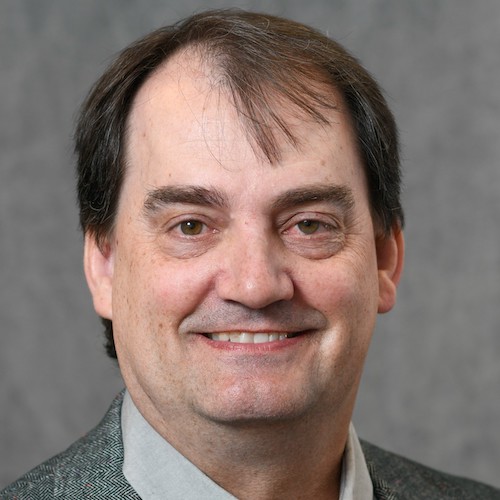
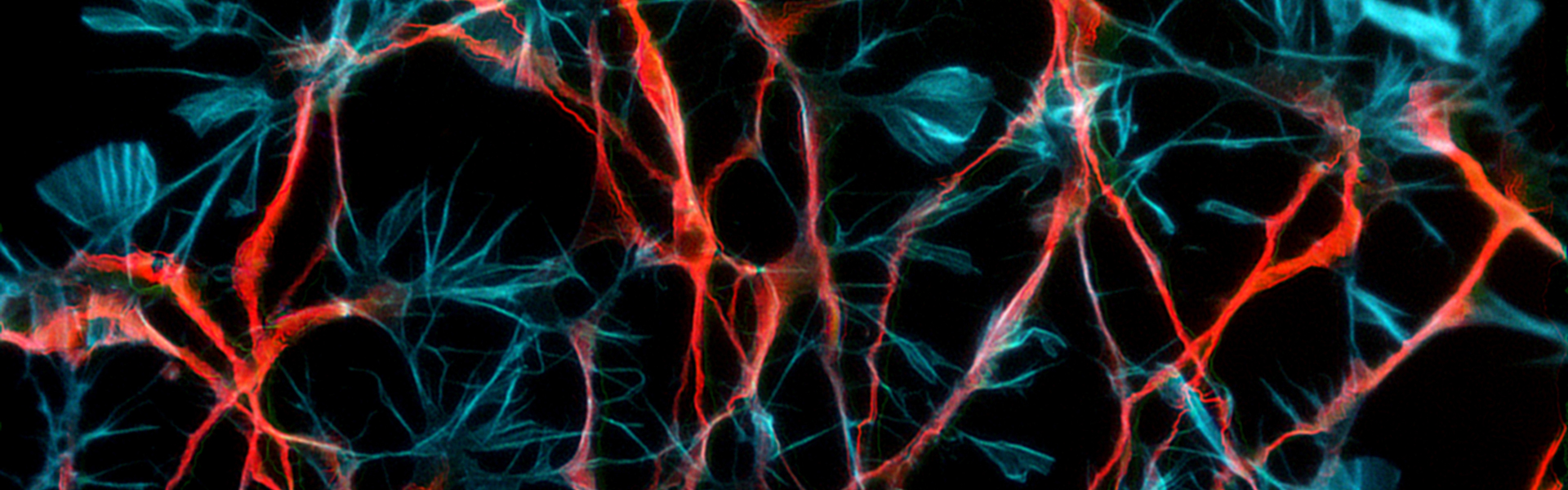
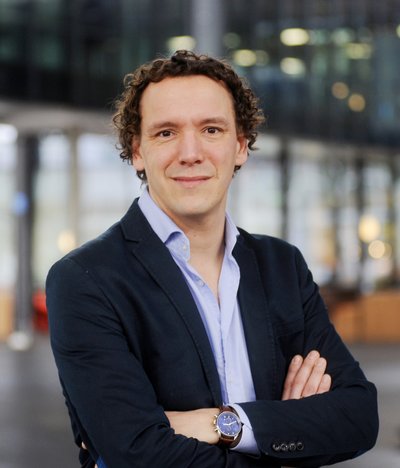
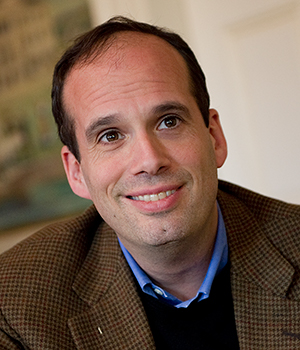
Professor Paul Chapple is a Professor of Molecular Cell Biology and Deputy Dean for Postgraduate Research at Queen Mary University of London's William Harvey Research Institute (WHRI), part of the Faculty of Medicine and Dentistry. He leads the Centre for Endocrinology and holds academic roles including Co-Centre Lead and Director of Graduate Studies at WHRI. His research focuses on cell stress, molecular chaperones, and their roles in neurodegeneration, endocrine disorders, and diseases like pheochromocytoma. Education: PhD in Molecular Biology from University College London (1997). Postdoctoral research at UCL Institute of Ophthalmology and KCL Institute of Psychiatry. Joined WHRI as a Lecturer in 2006, promoted to Reader (2010) and Professor (2014). Research Interests: Specializes in proteostasis networks, chaperone proteins (e.g., sacsin, AIP), and their roles in diseases. Current projects include neurodegenerative disorders, pheochromocytoma tumorigenesis, and primary cilia function. His work bridges cell biology and clinical relevance, with a focus on drug discovery for conditions like ARSACS (a rare ataxia). Key Collaborations: Internal collaborations with Professors Carol Shoulders and Will Drake; external partnerships with institutions like McGill University (Montreal) and Università Vita-Salute San Raffaele (Milan). Funded by MRC, BBSRC, and charities like Ataxia-CSC Foundation. Grants & Awards: Secured BBSRC funding (2017) for chaperone research. Collaborative projects include studies on ARSACS cellular phenotypes and therapeutic screening. His lab employs advanced techniques like CRISPR-Cas9 and AlphaFold modeling. Teaching & Mentorship: Teaches MB BS, MSc Endocrinology, and Neuroscience programs. Supervises PhD students (e.g., Mohammed Dushti) and postdoctoral researchers (e.g., Dr. Grace Salsbury). His team includes clinical fellows and international collaborators. Labs/Teams: Leads a dynamic research group investigating molecular mechanisms of disease at the WHRI, integrating basic science with clinical applications.