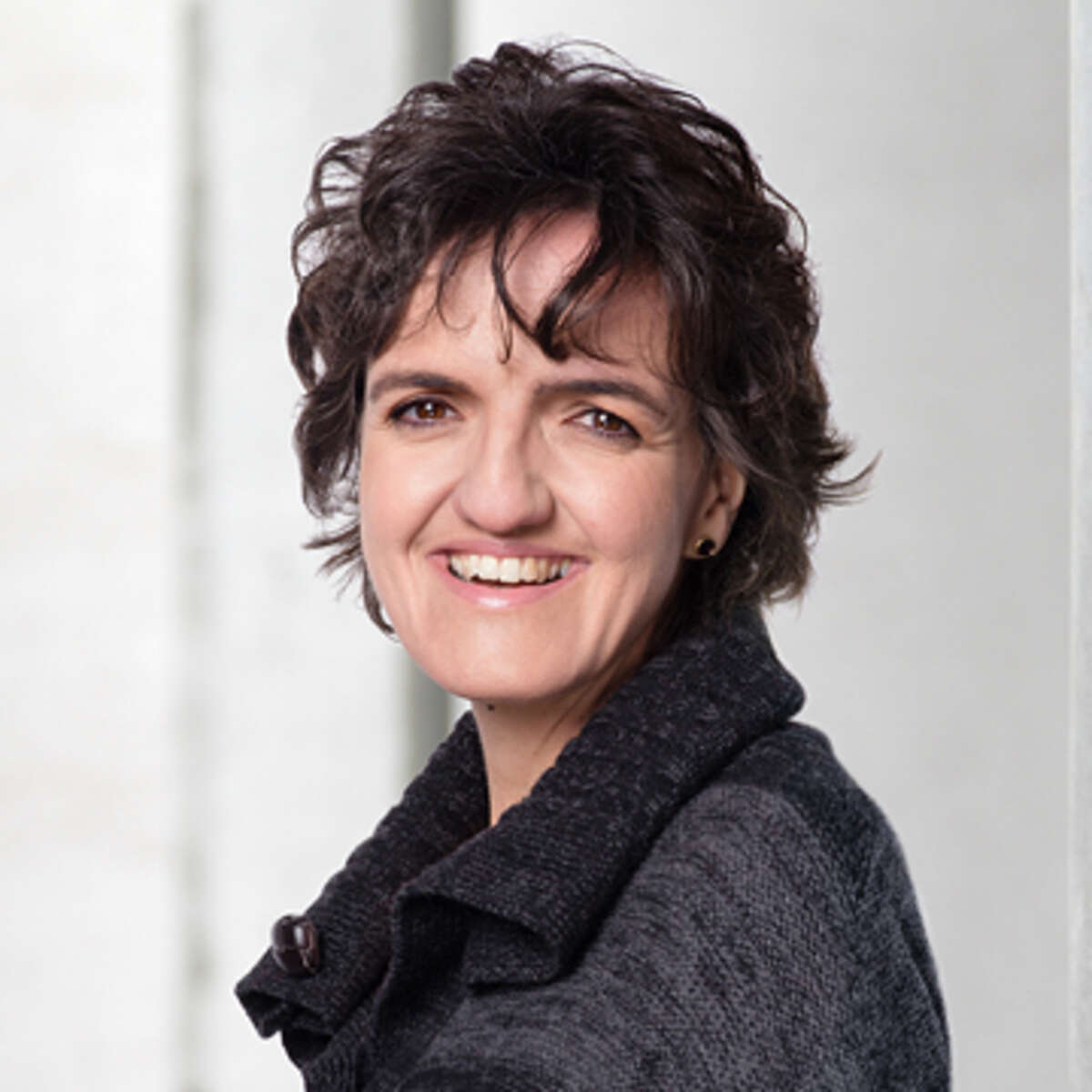
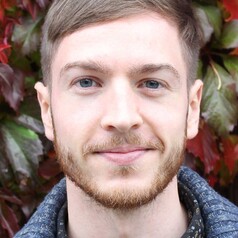
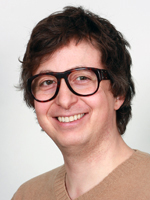
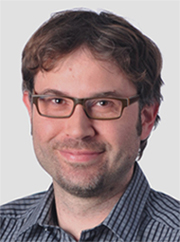
Prof. Silvia Arber is a Full Professor at the Biozentrum, University of Basel, where she leads a research group investigating neural circuits controlling body movement. Her work combines mouse genetics, viral tracing, optogenetics, and behavioral analysis to understand motor network organization, development, and plasticity. Education: PhD (1995) and BSc (1991) from the University of Basel. Research focuses on hierarchical motor control systems spanning brainstem nuclei, spinal cord circuits, and sensory feedback pathways. Key areas include: Precision in neural connectivity for movement execution/suppression Brainstem regulation of locomotor speed and skilled motor tasks Spinal cord circuit organization for interlimb coordination Plasticity in motor networks after injury Her publications consistently explore motor circuit specialization, with recent work emphasizing brainstem-basal ganglia interactions, cortical-medullary mapping, and pathological mechanisms in movement disorders. Major scientific honors include: The Brain Prize (2022) Louis-Jeantet Prize for Medicine (2016) Two ERC Advanced Grants (2015, 2010) Otto Naegeli Prize (2014) EMBO Young Investigator Award (2000) She mentors doctoral and postdoctoral researchers in neurobiology techniques. Her laboratory employs electrophysiology, genetic tools, and quantitative behavior analysis to dissect motor control principles.
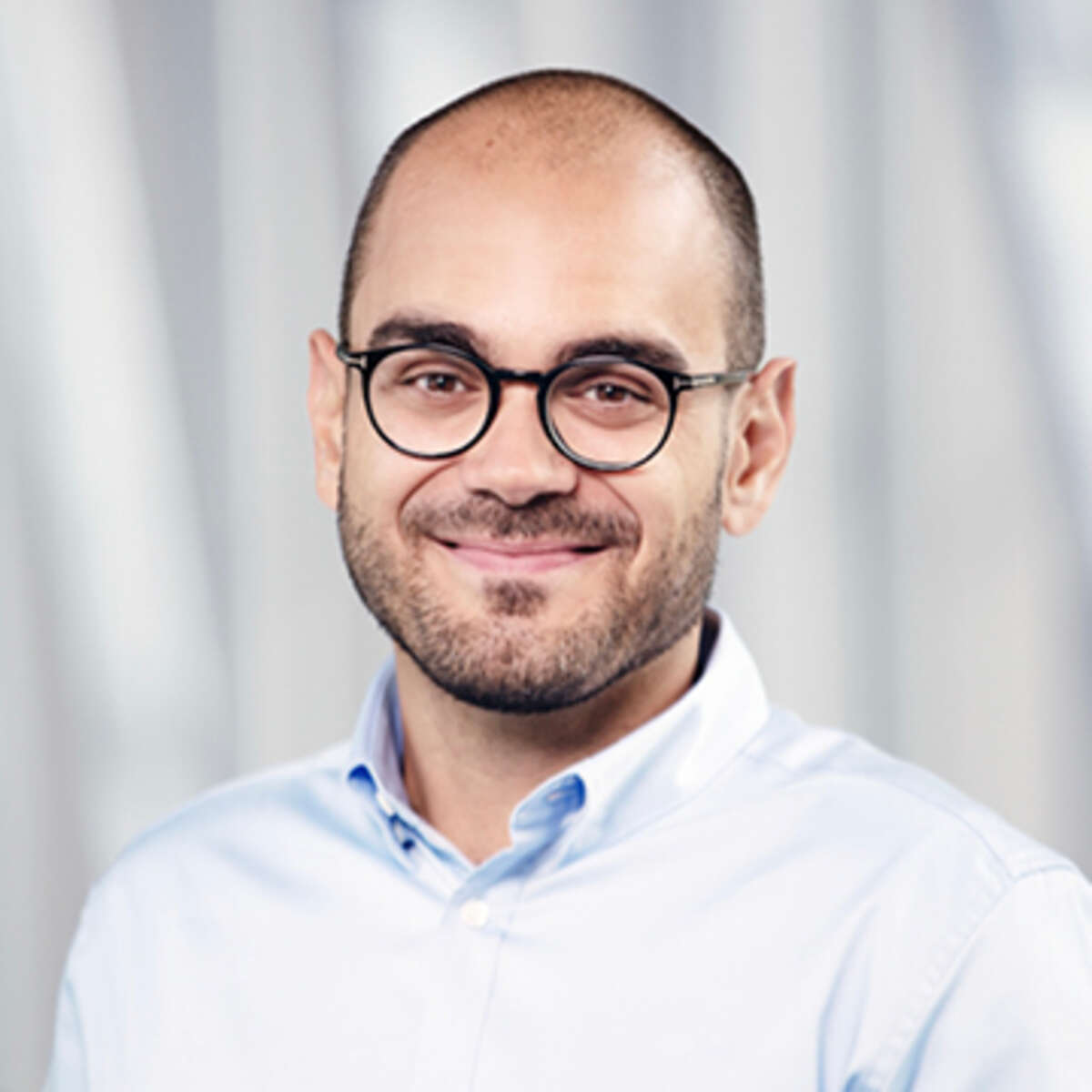
Flavio Donato is an Assistant Professor of Neurobiology at the Biozentrum of the University of Basel, Switzerland, where he leads a research group investigating the structural and functional maturation of neural networks related to orientation and memory. His work focuses on how abstract thinking develops throughout life, with particular emphasis on neurons in the entorhinal cortex and hippocampus that create the brain's 'cognitive map' for navigating physical and conceptual spaces. Nationality: Italian Position: Assistant Professor of Neurobiology since 2019 Education: PhD in Neurobiology from University of Basel (Summa Cum Laude) Research Focus: Neural network development, memory formation, spatial cognition Donato's research program examines how neural networks supporting cognitive functions emerge during development. His laboratory conducts longitudinal studies visualizing, recording, and manipulating neural activity across multiple life stages of animals. Using approaches from genetics, quantitative behavioral analysis, in vivo imaging, viral tracing, computational modeling, and optogenetics, his team identifies stereotypical patterns of neural activity associated with specific behaviors. A key aspect of his work explores sensitive periods for neurodevelopmental disorders, investigating how traumatic experiences in children may increase susceptibility to mental illness later in life. His recent publications reveal trends in developmental neuroscience with a strong focus on hippocampal-entorhinal circuitry, memory formation mechanisms, and the ontogeny of cognitive functions. His research spans from molecular mechanisms of synapse formation to systems-level understanding of spatial representation and memory dynamics during development. Eppendorf & Science prize for neurobiology of 2017 (Grand Winner) for essay 'Assembling the brain from deep within' EMBO Long-term fellowship (2013-2015) As a principal investigator, Donato mentors PhD students including Vilde Kveim, who recently received the Shepherd prize for her PhD work. His lab, Donatolab, investigates how the brain stores multiple 'copies' of events as revealed in his August 2024 study. Donato is also active in the FENS-Kavli Network of Excellence, contributing to broader neuroscience discourse and policy discussions about the future of the field. His research group employs cutting-edge methodologies to study neural development from birth to functional maturity, with implications for understanding neurodevelopmental disorders and developing targeted therapeutic interventions based on deciphering mechanisms of neurotypical cognitive development.
Luke Mathieson is a Senior Lecturer and Deputy Head of School (Teaching and Learning) in the School of Computer Science at the University of Technology Sydney. His academic career spans theoretical computer science with a focus on computational complexity and its applications. Dr. Mathieson's educational background includes a PhD in Theoretical Computer Science from Durham University, a Masters and Postgraduate Diploma in Higher Education from Macquarie University, and dual Bachelor's degrees in Computer Science (Honors) and Science (Chemistry) from the University of Newcastle Australia. His research interests are centered on parameterized complexity and its applications, extending to various areas of complexity theory, algorithmics, quantum computing, graph theory, and related mathematics. A major theme of his research is the complexity of graph editing problems, a topic in which he specializes. His recent work bridges theoretical complexity with practical applications in AI education, network science, and quantum computing. Dr. Mathieson has taught an extensive range of computer science subjects, particularly focusing on the theory of computation, computational complexity, and algorithmics. At UTS, he teaches or has taught subjects including Data Structures and Algorithms, Applications Programming, Computing Science Studio, Theory of Computing Science, Programming, and Advanced Algorithms. He serves as the Course Director for the Bachelor of Science in Information Technology suite of degree programs and the Course Coordinator for the IT Core. Senior Lecturer, University of Technology Sydney, School of Computer Science (2022-present) Lecturer, University of Technology Sydney, School of Computer Science (2021-2022) Scholarly Teaching Fellow, University of Technology Sydney, School of Computer Science (2017-2021) Research Associate, University of Newcastle Australia, Centre for Information Based Medicine (2014-2017) Adjunct Lecturer, Macquarie University, Department of Computer Science (2014) Postdoctoral Fellow, Macquarie University, Department of Computer Science (2011-2013) Research Associate, University of Newcastle Australia, School of Electrical Engineering and Computer Science (2010-2011) His research demonstrates consistent productivity across theoretical computer science with notable contributions to parameterized complexity and network controllability. Recent publications show an expanding scope incorporating quantum computing applications and educational technology innovations. The QB-suite: a framework for quantum algorithm design and benchmarking (2024-2027) National Industry PhD Program: Improving biosecurity through livestock history recording (2024-2028) Random Number Generation and Analytics for Client Understanding (2018-2019) He maintains active research collaborations across multiple institutions and is affiliated with the Faculty Centre for Quantum Software and Information (QSI) at UTS, reflecting his growing involvement in quantum computing research.
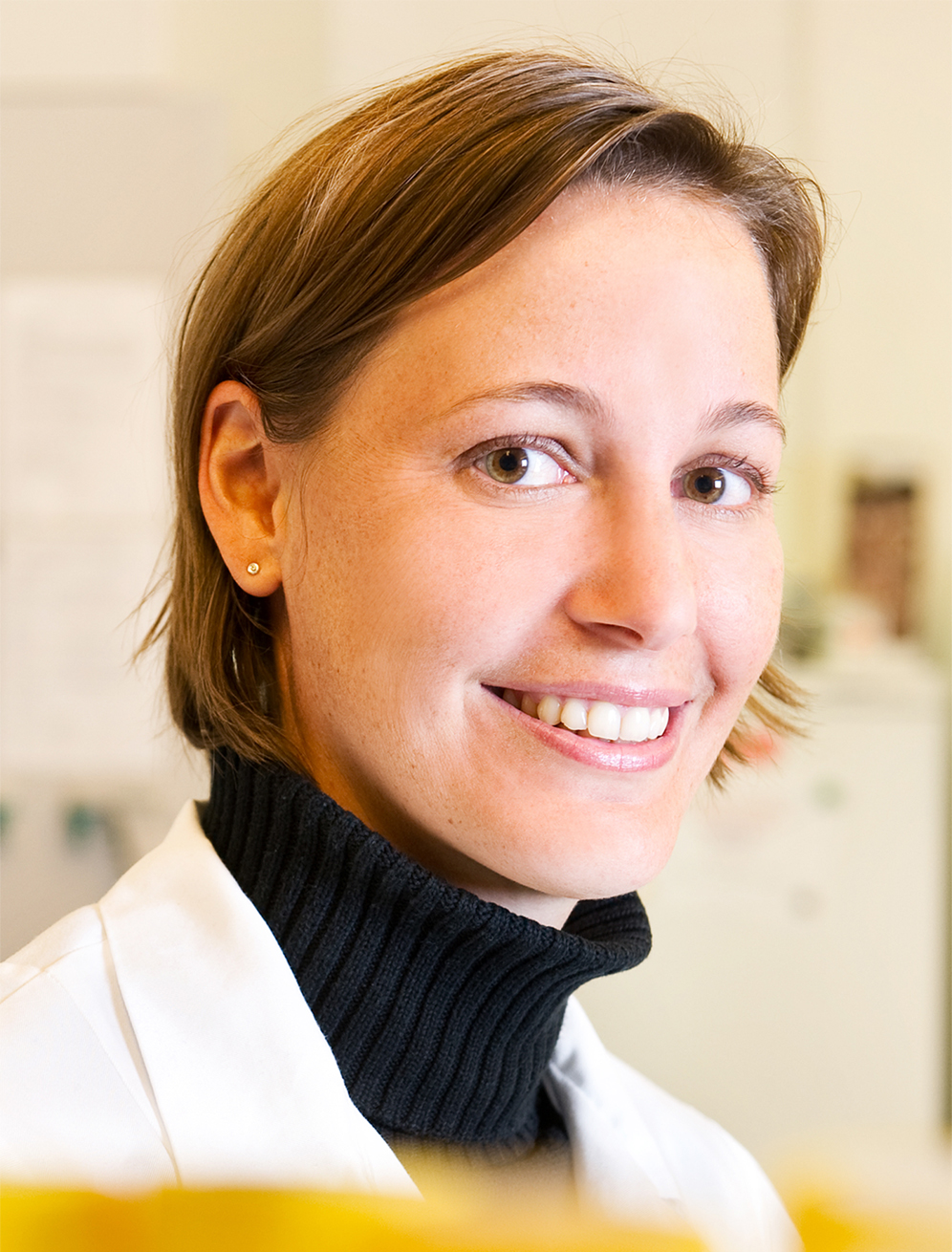
Prof. Dr. Caroline Ospelt leads the Research Group at the Department of Rheumatology, University Hospital Zurich, focusing on the molecular and epigenetic mechanisms of synovial fibroblasts in rheumatoid arthritis (RA). Her work bridges innate immunity, non-coding RNA, and joint-specific pathogenesis. Professor, University Hospital Zurich Director, Center of Experimental Rheumatology Research Interests Elucidating pattern-recognition receptor activation in RA synovial fibroblasts Investigating microRNA and long non-coding RNA roles in RA progression Mapping epigenetic changes (histone acetylation, DNA methylation) in stromal cells Decoding joint-specific transcriptional regulators (HOX genes) in arthritis Publications span functional genomics, RA heritability, and epigenetic diversity of synovial fibroblasts, with recent emphasis on non-coding RNA and GWAS integration. Technical Expertise : Primary cell culture, gene/protein expression analysis, functional assays (migration, invasion), ChIP, bisulfite sequencing, and scRNAseq.
Professor Jonas F. Ludvigsson is affiliated with the Karolinska Institutet as a Professor in the Department of Medical Epidemiology and Biostatistics, Örebro University Hospital as a Senior Physician in Pediatrics, and Columbia University as an Adjunct Professor. He serves as a Scientific Advisor at the Swedish National Board of Health and Welfare and Scientific Secretary of the Swedish Society of Medicine. MD, Linköping University (1995) PhD, Medicine, Linköping-Örebro (2001) Docent (Associate Professor), Örebro University Hospital (2005) Fulbright Research Scholar, Mayo Clinic (2012) His research spans gastrointestinal epidemiology , focusing on Celiac Disease , Inflammatory Bowel Disease (IBD) , and liver diseases through the ESPRESSO cohort (2.1 million individuals). He investigates the gut-brain axis , cardiovascular comorbidities , and pediatric health outcomes using Swedish National Health Registers. Recent articles reveal trends in IBD-metabolic syndrome interactions , microscopic colitis risk factors , and autism-preterm birth associations . His 2025 Solstickepriset recognized groundbreaking pediatric research. The Jubilee Prize (2022) Alvarenga Prize (2019) H.M. The King's Medal (2024) Honorary Professor at Nottingham (2015-2021) He has supervised 14 PhD students (including Professor Olén and Docents Mårild and Emilsson) and secured grants from the Swedish Heart-Lung Foundation , NICHD , and Swedish Research Council for projects on IBD-cardiovascular links, autism in preterm birth, and celiac comorbidities.
Martin Schaefer is a Postdoctoral Researcher in the Department of Clinical Neuroscience at Karolinska Institutet, Stockholm, Sweden. His work is conducted within the Perception Neuroscience research group led by Johan Lundström and Artin Arshamian. His research primarily focuses on the relationship between physiological processes and cognitive functions, particularly examining how breathing affects neural activity and visual perception. Dr. Schaefer's primary research interests lie at the intersection of cognitive neuroscience and behavioral psychology. His current work investigates how respiration influences pupil size dynamics and visual perception, building on his doctoral research that examined how breathing affects brain activity and behavioral performance using EEG and physiological methods. His research spans multiple domains including pupillometry, respiratory neuroscience, sensory processing, and neural oscillations. Schaefer's publication record demonstrates significant contributions to understanding the connections between bodily rhythms and cognitive processing. His most recent work has revealed the 'pupillary respiratory-phase response,' showing that pupil size fluctuates in sync with breathing patterns - smallest around inhalation onset and largest during exhalation. This discovery represents a fourth fundamental response of the pupil beyond light, focus, and cognitive effects. His research has important implications for understanding how internal bodily rhythms influence perception and may provide new diagnostic tools for neurological disorders. The findings suggest a deeper connection between breathing and the nervous system than previously realized, potentially affecting how we process visual information within each respiratory cycle.
Purnima Mala is a Postdoctoral Research Associate in the Department of Chemistry at the University of Massachusetts Amherst, conducting advanced research at the intersection of biochemistry and molecular engineering. Her institutional affiliation places her within the university's core chemistry research infrastructure at Lederle Graduate Research Tower. Her research program centers on: RNA Biochemistry : Novel synthesis, modification, and quality assessment of RNA molecules Protein Engineering : Non-natural amino acid incorporation and tRNA modification strategies Biophysical Applications : Development of analytical approaches for RNA studies Analysis of her 2018-2025 publications reveals a clear progression from fundamental nucleic acid chemistry toward sophisticated biophysical applications. Her work demonstrates increasing specialization in T7 RNA polymerase mechanisms and genetic code expansion techniques, with growing emphasis on translational applications in synthetic biology and therapeutic development. Scientific Awards: No awards or honors were documented in the available materials. Advising and Grants: Current information does not specify graduate student mentorship activities or externally funded research grants associated with her position.
Eivind Valen is a Professor at the University of Oslo and holds multiple associate leadership roles at the Center for Molecular Medicine Norway (NCMM) , Center for Myeloid Blood Cancer (C-MYC) , Computational Biology Unit (CBU) , and Michael Sars Center . His research spans RNA biology, genome editing, and translation regulation. Research Focus: Investigates pervasive translation in non-coding regions, CRISPR applications, and RNA structure using nanopore sequencing. Key Tools: Developed CHOPCHOP platforms and ORFik for genome editing and translation analysis. Recent Article Trends: Emphasize ribosome profiling, poly(A) tail dynamics, and CRISPR precision. Awards: Includes ERC Consolidator Grant, EIC Pathfinder award, and KG Jebsen Center recognition. Collaborations: Engaged with institutions across Norway and Europe, including Technische Universität Dresden and EMBL nodes.
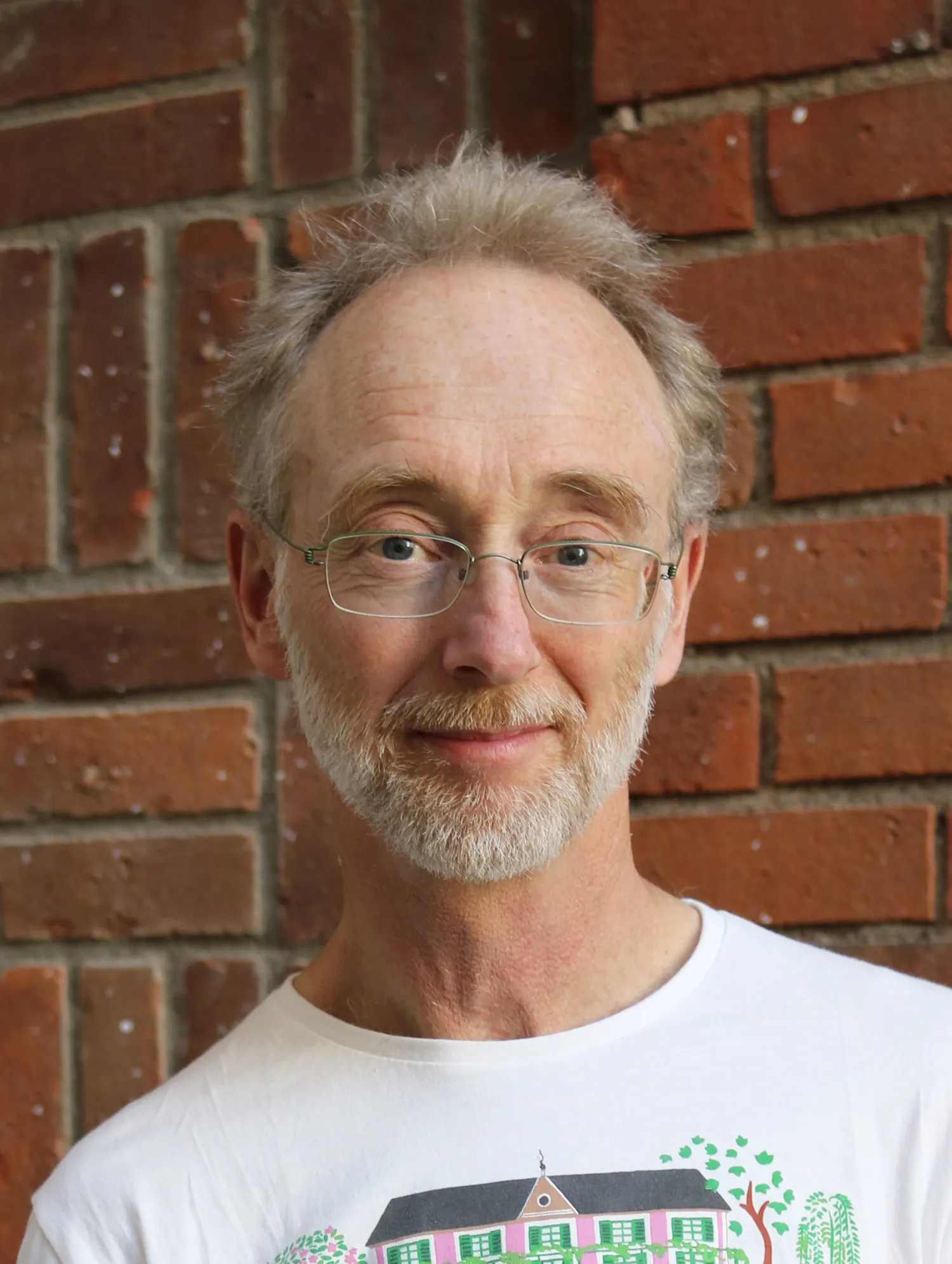
Professor Gaute T. Einevoll is affiliated with the Department of Physics at both the University of Oslo and the Norwegian University of Life Sciences (NMBU) . His research focuses on computational neuroscience , integrating methods from physics, mathematics, and computer science to understand neural mechanisms underlying biological intelligence. Key areas: Neural network modeling , brain signal analysis (EEG, MEG, LFP), computational psychiatry Leadership roles: Co-leader of Norwegian node of INCF since 2007; Partner in EU Human Brain Project since 2013 His recent work explores topological neural representations , GABAB receptor signaling , and ultra-high density electrode technology , as evidenced by publications in 2024-2025. He also develops open-source tools like LFPy and Uncertainpy for biophysical modeling. Active in science communication, he hosts the podcast "Vett og vitenskap med Gaute Einevoll" , discussing neuroscience and related disciplines.
Kamran Shalchian-Tabrizi is a Professor at the Department of Biosciences, University of Oslo, affiliated with the Centre for Ecological and Evolutionary Synthesis. His research focuses on microbial biodiversity, evolution, and the interactions between microorganisms and their environments, with particular emphasis on soil health and sustainable agriculture. His research has evolved from investigating deep evolutionary relationships in protists to applied DNA-based ecology. He has made significant contributions to phylogenetic methods, DNA barcoding, and understanding major evolutionary transitions in life's history, including the origins of animals and plants from unicellular ancestors. His work on cellular organelle evolution, particularly chloroplasts through serial endosymbiosis, has provided insights into complex cellular structures. Shalchian-Tabrizi has developed advanced methods for high-resolution analysis of microbial communities using metagenomics, single-cell genomics, and transcriptomics. His current research focuses on soil health in agricultural systems, especially fruit production (apples, cherries, plums), where he leads several interdisciplinary projects including SICKSOIL and SOILHEALTH. These projects combine DNA sequencing with bioinformatics to address soil sickness and improve soil microbiota. He is also engaged in the innovative art-science collaboration 'Three Cells and Clay' with photographer Per Maning and architect Kristoffer Øyen, exploring the biological and symbolic relationship between humans and soil. This project represents his commitment to interdisciplinary approaches that bridge scientific understanding with artistic expression. Shalchian-Tabrizi actively collaborates with farmers, agricultural advisors, and public institutions, ensuring his research addresses real-world challenges in sustainable food production. His work demonstrates how scientific rigor combined with cross-sector collaboration can advance sustainable agricultural practices through microbiological insights.
David McGloin is an Adjunct Professor at the University of Technology Sydney, School of Electrical and Data Engineering, where he also serves as Director of Research Programs. He joined UTS in January 2018 after previously holding positions at the University of Dundee, where he was Head of Physics and Associate Dean for Research. His educational background includes an undergraduate degree in Laser Physics and Optoelectronics and a PhD in Laser and Atomic Physics, both from the University of St Andrews. After his PhD, he worked at the UK Defence Science and Technology Laboratory before returning to St. Andrews for postdoctoral work. Professor McGloin's research spans several interconnected areas in optical physics and biophotonics. His work focuses on: Optical manipulation of microscopic particles, especially aerosols Biophotonics and biomedical imaging applications Cell mechanics and microfluidic analysis of cellular properties Advanced imaging techniques including super resolution microscopy and optical coherence tomography Applications in cancer diagnosis, particularly for prostate and bladder cancer His recent publications demonstrate a strong trend toward developing novel optical techniques with practical applications in biomedical engineering and aerosol science. Many of his recent papers focus on computational imaging approaches, 3D printed optical components, and the application of optical manipulation techniques to biological systems. Professor McGloin has received significant research funding from organizations including the Royal Society, Engineering and Physical Sciences Research Council, Medical Research Council, and Natural Environment Research Council. His most notable early career achievement was being awarded a Royal Society University Research Fellowship. He supervises HDR students and teaches graduate courses including Technology Research Preparation and Technology Research Methods at UTS. His laboratory work involves optical manipulation, biophotonics, and microfluidics research.
Nicolai Siegel leads the Siegel Lab at the Department of Physiological Chemistry within the Biomedical Center Munich at Ludwig Maximilian University of Munich. His research group is affiliated with both the Faculty of Veterinary Medicine and the Faculty of Medicine at LMU Munich, and is associated with the Chair of Experimental Parasitology led by Markus Meissner. The lab focuses on understanding molecular mechanisms of pathogen biology with emphasis on Trypanosoma brucei , the parasite causing African sleeping sickness. Dr. Siegel's research interests center on cell-to-cell heterogeneity in pathogen populations, particularly how differences in genome sequence, chromatin organization, and 3D genome architecture influence antigenic variation. His work explores how non-coding RNA contributes to 3D genome architecture organization and how RNA processing hotspots function as 'post-transcriptional' enhancers. The lab employs diverse methodologies including genome-wide chromosome conformation capture (Hi-C and Micro-C), RADICL-seq, ribosome profiling, ChIP-based methods, and single-cell RNA-seq to investigate these mechanisms. Analysis of recent publications reveals a strong focus on the relationship between 3D genome architecture and antigenic variation in trypanosomes, with increasing incorporation of single-cell technologies and computational approaches. The work demonstrates how chromatin organization, RNA processing, and transcription hubs collectively regulate monogenic antigen expression in these pathogens. ERC Consolidator Grant awarded to Siegel Lab (2022) DFG funding for studying antigenic variation in Uganda and Kenya Part of EU-funded Cell2Cell integrative training network focusing on cell-to-cell heterogeneity Dr. Siegel advises numerous PhD students and postdoctoral researchers, with recent lab members including Zhibek Keneskhanova, Rodrigo Cosentino, and Vanessa Luzak. His research is supported by multiple grants including ERC funding and DFG projects. The lab maintains collaborations across Europe and Africa, with field work conducted in sub-Saharan Africa to study pathogens in their natural context. The Siegel Lab maintains computational resources including genome assemblies for T. brucei and develops bioinformatics tools like Smoother for interactome data processing. The group is part of the international Cell2Cell network that brings together experts in chromatin biology, single-cell analysis, imaging, and bioinformatics from institutions across Europe, North America, and Asia.
Alexey Konstantinovich Shaitan is a Professor at the Department of Big Data and Information Retrieval and a Leading Researcher at the International Bioinformatics Laboratory within the Faculty of Computer Science at the National Research University Higher School of Economics (HSE). He also serves as a Leading Researcher at the Department of Bioengineering, Faculty of Biology, Lomonosov Moscow State University since 2012. With 17 years of scientific and teaching experience, Shaitan holds the prestigious titles of Professor of the Russian Academy of Sciences and Corresponding Member of the Russian Academy of Sciences (both awarded in 2022). Education: 2022: Professor of the Russian Academy of Sciences 2022: Corresponding Member of the Russian Academy of Sciences 2021: Doctor of Physical and Mathematical Sciences from Lomonosov Moscow State University 2010: Candidate of Physical and Mathematical Sciences 2007: Specialty in "Physics of Condensed Matter," qualification "Physicist" from Lomonosov Moscow State University Shaitan's research focuses on epigenetics, nucleosomes, and structural bioinformatics , bridging computational approaches with molecular biology to understand chromatin structure and function. His work spans from fundamental studies of nucleosome dynamics to applied research in drug discovery and disease mechanisms. He has made significant contributions to molecular dynamics simulations of nucleosomes and the application of AI in computational biology. Analysis of his recent publications reveals a strong trajectory in nucleosome structure and dynamics, epigenetic mechanisms, and computational methods development. His work demonstrates increasing integration of artificial intelligence with traditional bioinformatics approaches, particularly evident in his 2025 publications on AI in drug development. The interdisciplinary nature of his research connects physics, biology, and computer science to address complex biological questions. Scientific Recognition: Corresponding Member of the Russian Academy of Sciences (2022) Professor of the Russian Academy of Sciences (2022) Rector's personal allowance (2021-2022) Bonus for publication in a journal from List A (2025-2026) Shaitan actively contributes to academic education through teaching courses such as "Molecular Modeling" for both undergraduate and master's students at HSE. His international collaborations are evidenced by his previous visiting fellowship at the National Center for Biotechnology Information, National Institutes of Health, USA (2013-2017) and research position at Ulm University, Germany (2009-2011). He regularly participates in major conferences including the Ascona B-DNA Consortium meetings and the Moscow Conference on Computational Molecular Biology. As a key member of the International Bioinformatics Laboratory at HSE and the Department of Bioengineering at Moscow State University, Shaitan leads research at the intersection of computer science, biology, and physics. His laboratory work focuses on advanced computational techniques for understanding chromatin structure, DNA-protein interactions, and their implications for disease mechanisms and therapeutic development.
Øyvind Molberg is a Professor at the Department of Rheumatology and Infectious Diseases, Faculty of Medicine, University of Oslo. His clinical and research work is closely affiliated with Oslo University Hospital (OUS Rikshospitalet), where he maintains a visiting address at Sognsvannsveien 20, 0372 Oslo. Molberg's research focuses on autoimmune diseases with particular emphasis on systemic sclerosis, systemic lupus erythematosus, vasculitis, and related conditions. His research interests span multiple dimensions of rheumatic diseases. Molberg investigates genetic factors underlying autoimmune conditions, particularly HLA associations and genetic architecture of inflammatory myopathies. He has significant expertise in interstitial lung disease associated with systemic sclerosis, developing and validating diagnostic methods using HRCT scans. His work also explores gastrointestinal manifestations in rheumatic diseases, including studies on faecal microbiota transplantation for systemic sclerosis patients. Molberg contributes substantially to epidemiological research on autoimmune diseases, examining incidence, prevalence, and mortality patterns in Norwegian populations. Molberg's recent publications reveal evolving research trends toward understanding the genetic basis of autoimmune diseases and developing improved diagnostic criteria. His work increasingly integrates multi-omics approaches to identify biomarkers and therapeutic targets. The research demonstrates strong clinical translation, with studies on vascular ultrasound for giant cell arteritis monitoring and validation of diagnostic criteria for IgG4-related disease. His contributions to understanding disease progression in systemic sclerosis and lupus highlight his focus on improving patient outcomes through better diagnostics and monitoring strategies. Molberg actively collaborates with numerous researchers across Norway and internationally, as evidenced by his extensive co-authorship on multi-center studies. His work frequently appears in high-impact rheumatology journals including Arthritis & Rheumatology, The Lancet Rheumatology, and RMD Open. While specific grant information isn't detailed in the provided text, his leadership in clinical trials like the ReSScue study on faecal microbiota transplantation suggests substantial research funding support.
Dr. Kate Han serves as a Lecturer at Salford Business School, University of Salford, specializing in computational optimization and AI-driven solutions for real-world business and transportation challenges. Her academic foundation includes a PhD in Software Engineering from Queen's University Belfast (2018), where she pioneered hyper-heuristic approaches for timetabling problems using reinforcement learning. Affiliated with the Salford Business School Research Centre, she actively contributes to UN Sustainable Development Goals for quality education, sustainable industry, and resilient cities. Dr. Han's research expertise spans: Scheduling and timetabling optimization using metaheuristics Transportation simulation with evolutionary algorithms Ensemble learning and deep neural network architectures Data-driven business process automation AI-assisted educational innovation in higher education Her work bridges theoretical AI advancements with practical applications in public transport, sustainable infrastructure, and business education transformation. Recent publications (2023-2025) reveal a strategic shift toward sustainable transportation systems and educational technology. Key trends include optimizing connected autonomous vehicle integration in multi-modal networks using evolutionary algorithms, developing novel ensemble selection techniques (VISTA/VEGAS), and pioneering generative AI applications for business education. These efforts consistently align with net-zero emission goals and digital transformation imperatives across sectors. Her scientific recognition includes: Hornory Lecturer award (2022) for honorary research contributions Dr. Han teaches advanced business technology courses including AI in Practice, Business Data Information Analytics, and Prompt Engineering for Business. She actively collaborates with government bodies and industry partners on real-world projects, though specific grant details remain undisclosed. Her research methodology emphasizes stakeholder engagement across diverse project scales, from micro-level business process automation to macro-level urban transport simulations. As a core contributor to Salford Business School's research ecosystem, she participates in international initiatives like the 2024 International Conference on Software Engineering and Cybersecurity. Her work demonstrates how computational intelligence can drive sustainable industrial innovation while advancing educational practices in the post-pandemic era.