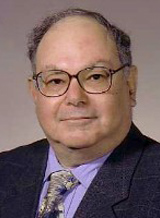
Arthur Lesk is a Professor of Biochemistry and Molecular Biology at Pennsylvania State University since 2003. Previously, he held roles including faculty member at the clinical school of the University of Cambridge (1990–2003), group leader at the European Molecular Biology Laboratory (1987–1990), and professor of chemistry at Fairleigh Dickinson University (1971–1987). He earned a B.A. from Harvard University (1961), Ph.D. from Princeton University (1966), and M.Sc. from the University of Cambridge (1999). His research focuses on bioinformatics, genomics, protein structure, and molecular biology. He has authored 189 scientific articles, 10 books, and has an h-index of 61. Notable works include Protein Science (2021) and Introduction to Bioinformatics (2019). Lesk chairs CODATA’s Biological Macromolecules Task Group and is a Fellow of the AAAS and Royal Society of Biology. He maintains active teaching and research roles, delivering lectures globally. His contributions include advancing protein structure databases and computational methods for molecular biology. Lesk is a Life Member of Clare Hall, Cambridge, and has held visiting positions at universities in New Zealand, Australia, and Europe.
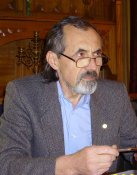
Gheorghe Paun is a Senior Researcher at the Institute of Mathematics of the Romanian Academy (1994–present) and a Visiting Researcher at the University of Sevilla (2009–present). He earned his Ph.D. in Mathematics from the University of Bucharest (1977), supervised by Solomon Marcus. His research spans Automata and Language Theory (descriptional complexity, regulated rewriting), Natural Computing (DNA computing, membrane computing), and he is the initiator of membrane computing . Education : M.Sc. in Mathematics (1974), University of Bucharest (specialization: computer science) Ph.D. in Mathematics (1977), University of Bucharest His work includes foundational contributions to DNA computing (book DNA Computing. New Computing Paradigms , 1998) and membrane computing (book Membrane Computing. An Introduction , 2002). He has collaborated with over 100 researchers globally and advised multiple Ph.D. students, including Victor Mitrana and Gianina Georgescu. His scientific awards include the Gheorghe Lazar award (1981), Corresponding Member of the Romanian Academy (1997), Doctor Honoris Causa from Silesian University of Opava (2007), and recognition as an ISI Highly Cited Scientist (2007). He also holds honorary citizenships in Curtea de Arges (1998), Arges County (2007), and Cicanesti village (2009). Paun has served on editorial boards for journals like Theoretical Computer Science. Natural Computing Series and Natural Computing , and organized major workshops in membrane computing. His academic contributions include over 150 publications and editorial roles in 20+ journals.
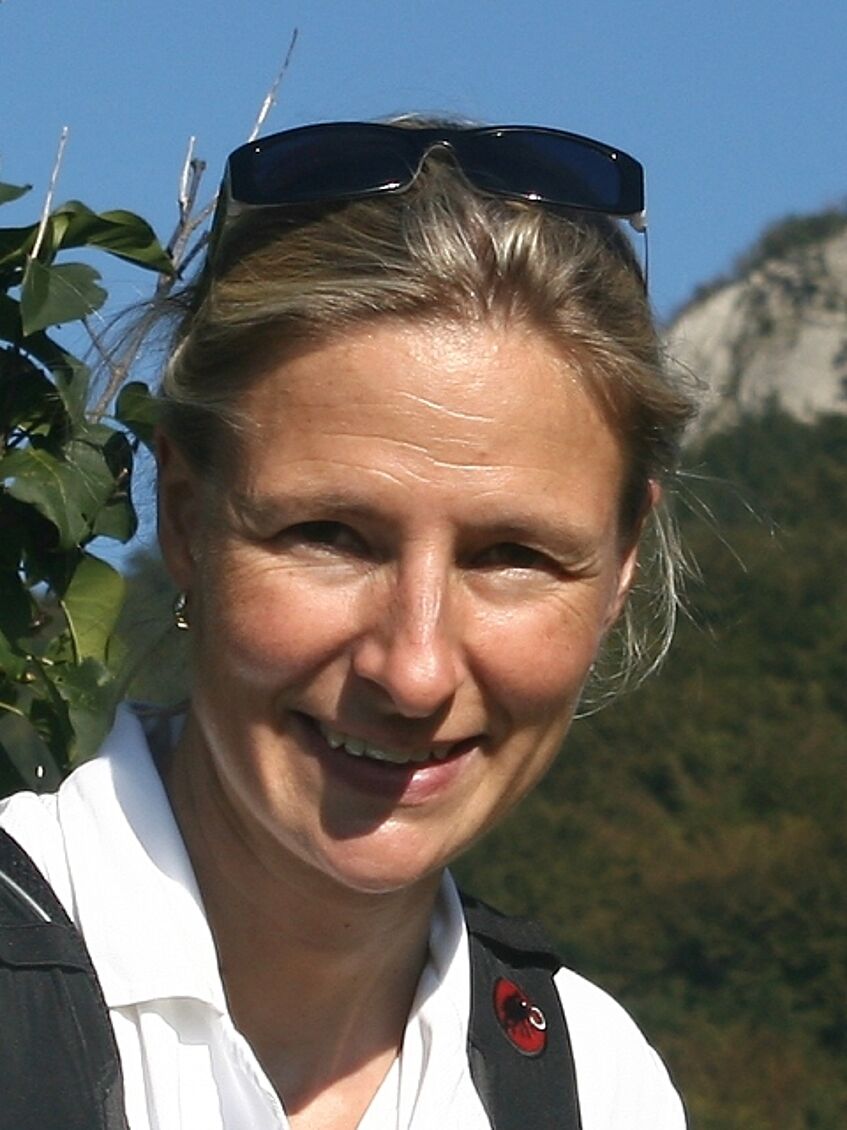
Sabine Glasl-Tazreiter is a Lecturer at the University of Vienna's Faculty of Life Sciences , specifically within the Department of Pharmaceutical Sciences and its Division of Pharmacognosy . Her office is located in room 2E 412 on the 4th floor at Josef-Holaubek-Platz 2, Vienna, Austria (1090). Contact details include telephone number +43-1-4277-55207 and email sabine.glasl@univie.ac.at . Principal research focus: Phytochemistry & Biodiscovery Specialization: Secondary metabolites from ethnomedicinally used plants across Europe, Mongolia, and Latin America Key techniques: Isolation of bioactive compounds, structural elucidation, pharmacological evaluation Quality control expertise: Macroscopic/microscopic identification, chemical analytics Recent publications highlight her work in: 2024 - Development of the VOLKSMED Database for Austrian folk medicine wound healing plants 2025 - Advanced mucociliary clearance research in respiratory systems 2023 - Innovations in optoacoustic imaging technology 2019 - Structure-function analysis of phycobiliproteins for medical imaging 2017 - Phytochemical characterization of Latin American antidiabetic plants
Georges Gielen is Full Professor in the Department of Electrical Engineering (ESAT) at KU Leuven, Belgium, and part-time Research Director at imec. He has held multiple leadership roles including Chair of ESAT Department (2012-2013, 2020-2024) and Vice-Rector for Science, Engineering & Technology (2013-2017). His academic career spans over 30 years at KU Leuven, progressing from Assistant to Full Professor. His research focuses on analog and mixed-signal integrated circuit design automation , with expertise in CAD tools, design optimization, sensor interfaces, and neuromorphic systems. His work bridges hardware design with machine learning, particularly in hardware-efficient AI implementations and biomedical applications. He has pioneered techniques for automated analog circuit sizing, topology synthesis, and reliability-aware design in nanometer CMOS. Gielen has received numerous accolades including the IEEE CAS Mac Van Valkenburg Award (2015), IEEE CAS Charles Desoer Award (2020), and EDAA Achievement Award (2021). He holds an ERC Advanced Grant AnalogCreate and is an IEEE Fellow since 2002. As a prolific scholar, he has chaired major conferences including DATE (2006), ICCAD (2007), and ESSCIRC (2017). He has graduated over 55 PhD students through the MICAS research group at KU Leuven, currently supervising 13 doctoral candidates. His research team collaborates extensively with imec and industry partners on cutting-edge projects in carbon-aware AI accelerators, uncertainty-aware design, and neuromorphic sensor interfaces.
Dr. Andreas Zöttl is a physicist affiliated with the University of Vienna , currently serving as an Assistant Professor in the Computational and Soft Matter Physics department. His research focuses on computational modeling of active matter, microswimmers, and polymer dynamics, with applications in biophysics and soft materials. He teaches courses such as Computational Statistical Mechanics and Biological Physics , emphasizing theoretical and computational methods. His recent work explores reinforcement learning in microswimmer locomotion, chiral particle dynamics, and polymer behavior under shear flow. Research keywords include Machine Learning , Fluid Dynamics , and Soft Matter Physics . Themes span hydrodynamic interactions , active colloids , mesoscale simulations , and non-equilibrium systems . Contact: andreas.zoettl@univie.ac.at
Georg Langs is a Full Professor of Machine Learning in Medical Imaging at the Medical University of Vienna and Founding Director of the Computational Imaging Research Lab (CIR). He leads a 25-member interdisciplinary team focusing on machine learning methodologies for medical image analysis. Key roles include Director of the Joint Initiative on AI in Medical Imaging (European Institute of Biomedical Imaging Research) and Scientific Lead of the Respiratory Disease Phenotype Observatory (ZODIAC, UNO/IAEA). He is affiliated with MIT’s CSAIL and serves on advisory boards for global AI initiatives. Education: PhD in Computer Science, Graz University of Technology (2007) M.Sc. in Mathematics, Vienna University of Technology (2003) Research Interests: Machine learning-driven precision imaging, neuroimaging, clinical data phenotyping, and cross-species brain connectivity analysis. His work bridges imaging biomarkers with biological mechanisms and large-scale clinical data integration. Grants & Funding: Over €6M in competitive grants as Principal Investigator in the last two years. Projects include ARTEMIS (fatty liver disease digital twins) and AI-POD (personalized risk scores via imaging). Awards: 2022 IS3R Emerging Leaders Club 2022 National Academy of Medicine Emerging Leader Programme 2018 Advisor, AI Mission Austria 2030 Lab & Teams: CIR Lab focuses on AI-driven medical imaging solutions. Co-founded contextflow GmbH , a MedUni spin-off developing AI software for imaging analysis.
Bernhard Aichernig is an Associate Professor at the Institute of Software Engineering and Artificial Intelligence. His work bridges formal methods, model-based testing, and artificial intelligence, with a focus on automata learning, digital twins, and AI-assisted programming. Institution: Institute of Software Engineering and Artificial Intelligence Key Research Areas: Model-Based Testing, Automata Learning, AI-Driven Verification His research explores the integration of machine learning into formal verification, enabling scalable testing of complex systems like IoT devices and reinforcement learning agents. Recent projects include AI-Augmented DevOps frameworks (AIDOaRT) and digital twin validation (LearnTwins). Notable scientific awards include multiple best paper recognitions at SEFM (2020, 2021) and the TAYSIR Competition first place (2023). His publications emphasize hybrid approaches combining genetic programming, SMT solving, and neural networks for system modeling. 2025 : AI-assisted programming, timed automata via domain knowledge 2024 : Stochastic environment modeling, Git system learning 2023 : Reinforcement learning under partial observability, digital twins for VPN servers He actively contributes to testing frameworks like AALpy and investigates explainable AI for fault diagnosis in cyber-physical systems.
Christiane Woopen is a Professor for Ethics and Theory of Medicine at the University of Cologne , where she serves as Executive Director of the Cologne Center for Ethics, Rights, Economics, and Social Sciences of Health (ceres) . Her leadership extends to roles such as Head of the Research Unit Ethics and former Vice-Dean for Academic Development and Gender at the Medical Faculty, University Hospital Cologne. Educational Background: Medical degree from the University of Bonn, followed by specialization in gynecology and obstetrics before transitioning to bioethics. Her research focuses on ethical dimensions of reproductive medicine, neuroethics, personalized medicine, genome editing, and health in the digital age . She leads international projects addressing aging, health literacy, and AI governance. Recent publications emphasize genome editing policy, AI in healthcare, and ethical challenges of deep brain stimulation , reflecting her interdisciplinary approach to bioethics. Scientific Awards: Federal Cross of Merit 1st Class (2018) Member, European Academy of Sciences and Arts (2014) She has held advisory roles in national and international ethics bodies, including the European Group on Ethics in Science and New Technologies and UNESCO's International Bioethics Committee. Her leadership in ceres involves fostering research on aging, health literacy, and digital transformation, with a commitment to public engagement and interdisciplinary collaboration.
Hojjat Adeli is an Academy Professor at The Ohio State University (OSU) with courtesy appointments in the Departments of Neurology, Neuroscience, and Biomedical Informatics. He has held the Abba G. Lichtenstein Professorship in Infrastructure Engineering (2003-2013) and served as Editor-in-Chief of Computer-Aided Civil and Infrastructure Engineering for 25 years. Academy Professor, OSU (2018–present) Professor of Neurology, Neuroscience, and Biomedical Informatics (by courtesy, since 2015-2002) His research interests span interdisciplinary domains at the intersection of engineering and neuroscience, focusing on: Computational neuroscience and neurocomputing Biomedical signal processing (particularly EEG-based diagnostics) Machine learning and computational intelligence applications Smart infrastructure systems and structural engineering Optimization algorithms in civil and biomedical contexts His research trends demonstrate a synergy between: Neural network development for medical diagnostics Wavelet and chaos theory in epilepsy detection Computational intelligence for structural engineering Hybrid models integrating fuzzy logic and genetic algorithms Scientific awards and honors include: Multiple IEEE Fellowships and AAAS Fellow Thomson Reuters Highly Cited Researcher in Engineering and Computer Science Hojjat Adeli Awards for Neural Systems and Innovation in Computing Elections to international academies in Poland, Lithuania, and Spain Scott Award for Engineering Education and Distinguished Member ASCE
Martin Bicher is a PostDoc Researcher at TU Wien, affiliated with the Department of Data Science under the Faculty of Informatics. He specializes in agent-based simulation, epidemiological modeling, and decision support systems for public health crises. His work focuses on optimizing resource allocation, vaccination strategies, and policy evaluation during pandemics. He teaches courses such as Modeling and Simulation (194.076), Modelling and Simulation in Health Technology Assessment (194.094), and Advanced Modeling and Simulation (194.056). His research is supported by projects like DynOptTestControl (2022–2026) and KLIPHA-COVID19 (2020–2021). Key research interests include agent-based modeling frameworks, integration of machine learning into simulation systems, and multi-criteria decision support for public health interventions. His publications analyze pandemic response strategies, vaccination prioritization, and the impact of environmental factors on disease spread. Recent work includes developing mathematical models for equitable disease testing, simulating vaccination strategies under supply uncertainties, and evaluating contact-tracing policies. He collaborates with interdisciplinary teams to address challenges in healthcare resource optimization and policy design. Advising two students, Bicher has mentored theses on railway simulation and delay modeling. His contributions to pandemic decision support have been featured in high-impact journals like Omega and PLoS ONE.
Julio Rozas is a Full Professor of Genetics at the Universitat de Barcelona (since 2009) and a member of the Bioinformatics Barcelona (BiB) board. He holds a PhD in Biology (1990) and a postdoctoral fellowship at Harvard University (1991-1992). His research focuses on molecular evolution mechanisms, genomic basis of adaptation, and chemosensory systems in invertebrates. He has developed bioinformatics tools like DnaSP and contributed to genome sequencing consortia. He has published over 113 articles in the last decade, including high-impact journals like Nature and Science, with an h-index of 40. He has supervised 10 doctoral theses and serves as an associate editor for BMC Genomics. Research interests include population genomics, comparative genomics, and bioinformatics. Notable achievements include the ICREA Academia Prize (2011) and the Excellence Award in PhD studies (1991).
Prof. Dr. Andreas Stadlbauer is a medical physicist affiliated with the Clinical Institute for Diagnostic and Interventional Radiology at St. Pölten University Hospital and the Department of Neurosurgery at Friedrich-Alexander University Erlangen-Nuremberg. He holds an adjunct professorship at the University of Erlangen-Nuremberg and contributes to both clinical and academic research in biomedical imaging and AI applications in oncology. University: Friedrich-Alexander University Erlangen-Nuremberg Hospital Affiliation: St. Pölten University Hospital Department: Department of Neurosurgery Academic Rank: Adjunct Professor His research focuses on advanced MRI techniques, particularly physio-metabolic imaging of brain tumors, oxygen metabolism, and the integration of artificial intelligence in clinical diagnostics. He has led research on glioma classification, tumor microenvironment characterization, and deep learning models for radiomic analysis. The recent publications highlight a strong trend toward AI-driven diagnostic tools in neuro-oncology, particularly in differentiating glioblastomas from metastases and predicting genetic mutations using machine learning. His work emphasizes the clinical translation of complex imaging data into actionable insights. Artificial Intelligence in Oncology Medical Imaging and Radiomics Brain Tumor Metabolism Deep Learning for MRI Analysis Oxygen Metabolism Imaging Clinical Decision Support Systems Prof. Stadlbauer has been involved in seed-funded research projects developing deep learning algorithms for clinical integration. He collaborates extensively with neurosurgeons, radiologists, and oncologists across institutions, contributing to multidisciplinary tumor boards and translational research initiatives. He completed his doctorate in medical physics in 2004, habilitation in 2008, and an MBA in Health Management in 2010. His academic journey reflects a blend of technical expertise and leadership in healthcare innovation.
Dr. Adel Aazami is an Assistant Professor at the Institute of Transport Economics and Logistics at Vienna University of Economics and Business (WU Vienna) since 2023. His academic journey began with a B.Sc. in Industrial Engineering from University of Tehran (2010-2014), followed by an M.Sc. (2014-2016) and Ph.D. (2016-2021) from Iran University of Science and Technology (IUST), Tehran. Prior to his current position, he worked as a Postdoctoral Researcher at Sharif University of Technology (2021-2022) and was a Visiting Researcher at the University of Toronto (2020). His educational background includes: Ph.D. in Industrial Engineering (2016-2021) - Iran University of Science and Technology (IUST), Tehran, Iran M.Sc. in Industrial Engineering (2014-2016) - Iran University of Science and Technology (IUST), Tehran, Iran B.Sc. in Industrial Engineering (2010-2014) - University of Tehran, Tehran, Iran Dr. Aazami's research spans multiple interconnected domains within operations research and supply chain management. His primary focus areas include Operations Research and Optimization, Supply Chain and Logistics, Production and Distribution/Transportation Planning, Competition and Game Theory, Stochastic Programming, and Decomposition Algorithms. His work demonstrates a strong emphasis on developing mathematical models and optimization algorithms for complex supply chain problems, particularly those involving perishable goods, competitive environments, and sustainability considerations. He has made significant contributions to integrating environmental factors into traditional logistics problems and developing robust optimization approaches for supply chain networks. Analysis of Dr. Aazami's publication record reveals a consistent trajectory of increasingly sophisticated research in supply chain optimization. His work shows a clear progression from foundational mathematical optimization techniques to increasingly complex integrated problems involving multiple stakeholders, uncertainty, and environmental considerations. A notable trend is his focus on perishable products within supply chains, developing models that account for limited product lifetimes while optimizing across multiple echelons of the supply chain. More recently, his research has expanded to incorporate green logistics considerations, developing algorithms that balance economic and environmental objectives in transportation and distribution problems. His notable scientific achievements include: Winner of the 'Best Student' award among nationwide students evaluated by the Iranian Ministry of Science (2020) Winner of the Iranian Nobel Prize (known as the Alborz National Foundation Prize) (2019) Winner of the Best Student Award at IUST (2018) Winner of the Top Researcher Award at IUST (2018) Annual Awards of the National Elites Foundation Iran (2015-2020) Dr. Aazami has extensive teaching experience across multiple Iranian universities including Tehran University, Amirkabir Technical University, Isfahan University, Yazd University, Zanjan University, Damghan University, Abrar University and Iran Technical University. His peer review activities include reviewing for prestigious journals such as Soft Computing, Expert Systems with Applications, and Annals of Operations Research. While specific grant information isn't detailed in the provided text, his research output suggests active engagement with complex optimization problems relevant to transportation and logistics industries. At WU Vienna, Dr. Aazami is part of the research team at the Institute of Transport Economics and Logistics, working alongside other faculty members including Prof. Kummer and Prof. Wakolbinger. His research integrates theoretical optimization methods with practical applications in transportation and logistics, contributing to the institute's focus on sustainable and efficient supply chain solutions.
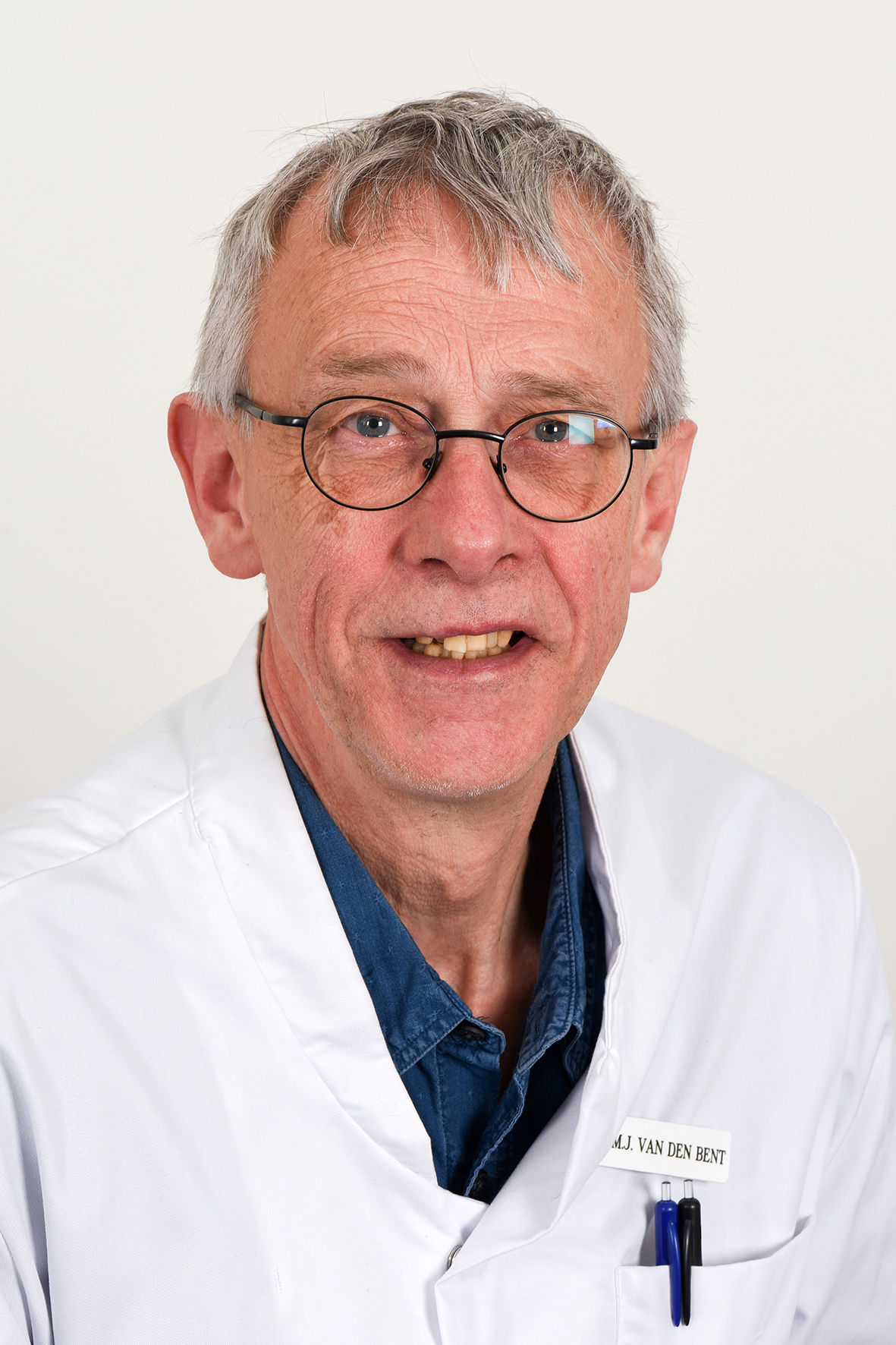
Prof. Martin van den Bent is a Professor of Neuro-Oncology at Erasmus University Rotterdam since 2006. He leads the Neuro-Oncology Unit at Erasmus MC Cancer Center and has held key roles in organizations like the EORTC Brain Tumor Group and the European Association of NeuroOncology (EANO). His expertise spans clinical trials, molecular biology of brain tumors, and glioma research. He has organized major conferences, including the EORTC-EANO-ESMO Trends in CNS Malignancies and the 2023 EANO Congress. Joined Erasmus MC Neuro-Oncology Unit in 1992 Chaired EORTC Brain Tumor Group (2003–2009) Served on EANO and ASCO committees His research focuses on chemotherapy for brain tumors, neurological complications, and clinical trial design. He has received multiple awards, including the Society for Neuro-Oncology’s Excellence in Clinical Research and the European CanCer Clinical Research Award. Prof. van den Bent has led numerous international trials, contributed to glioma treatment standards, and authored influential manuscripts in neuro-oncology. He collaborates with the Response Assessment in Neuro-Oncology (RANO) group to refine diagnostic criteria.
**Pernilla Wittung Stafshede** is a Full Professor with Tenure and Head of the Chemical Biology division at Chalmers University of Technology (Gothenburg, Sweden). She previously held professorships at Umeå University (Sweden) and Rice University (USA). Her research focuses on protein folding, metalloproteins, biophysical methods, and applications to diseases like cancer and Parkinson’s. She leads the Wittung-Stafshede Lab , part of Chalmers’ Chemical Biology infrastructure. **Research Interests**: Protein folding mechanisms, metal transfer proteins, spectroscopic techniques, amyloid formation, and biophysical studies of macromolecules. Her work bridges fundamental biochemistry with disease mechanisms, leveraging advanced experimental and computational methods. **Awards**: Notable honors include the Arrhenius Medal (2016), membership in the Swedish Royal Academy of Sciences (2016), and sustained Wallenberg Scholar funding (2010–2022). She is recognized for pioneering contributions to chemical biology. **Key Contributions**: Her lab’s work spans protein dynamics, metallomics, and disease-related protein misfolding. Recent publications highlight systems biology approaches to yeast metabolism and drought stress responses in plants.