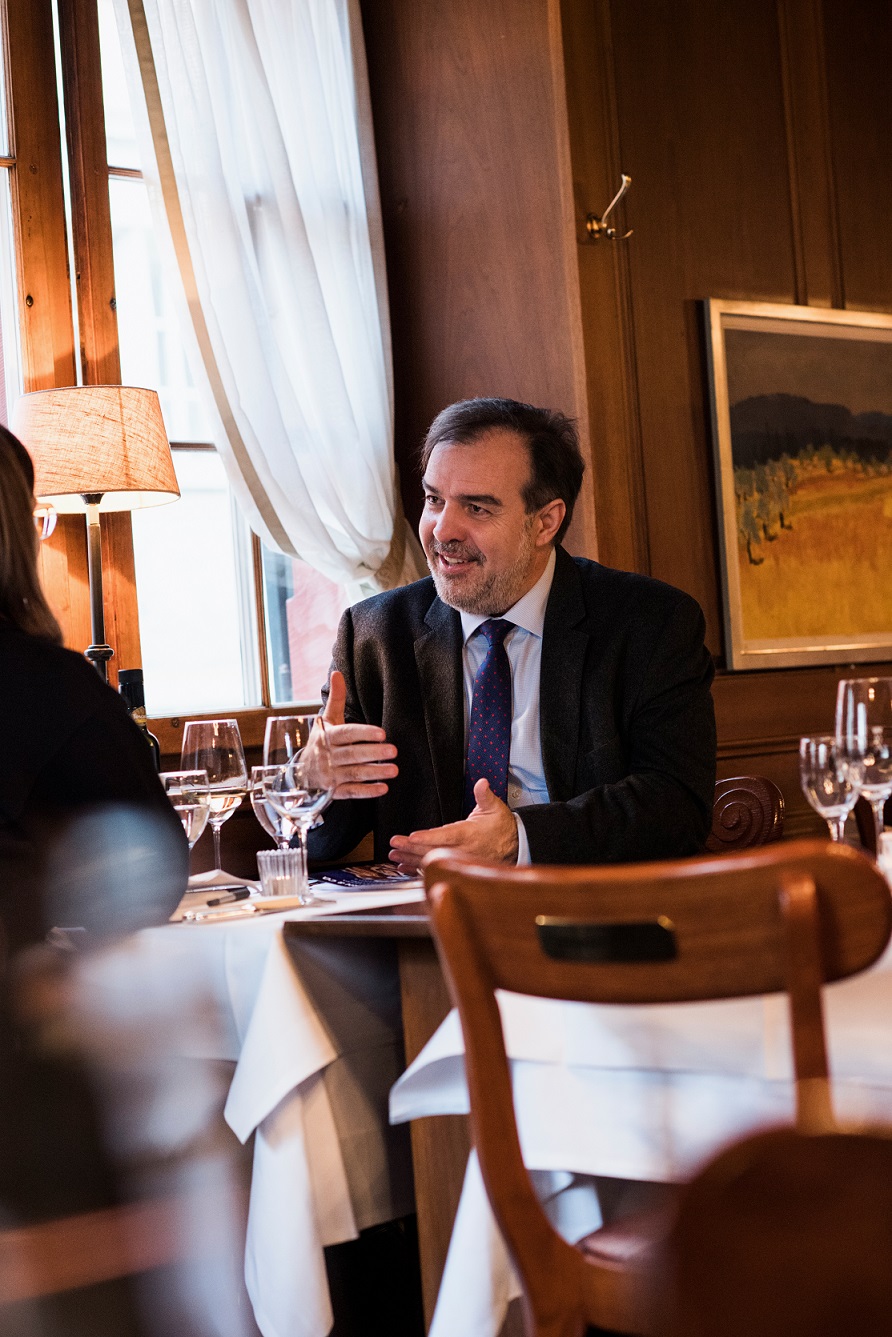
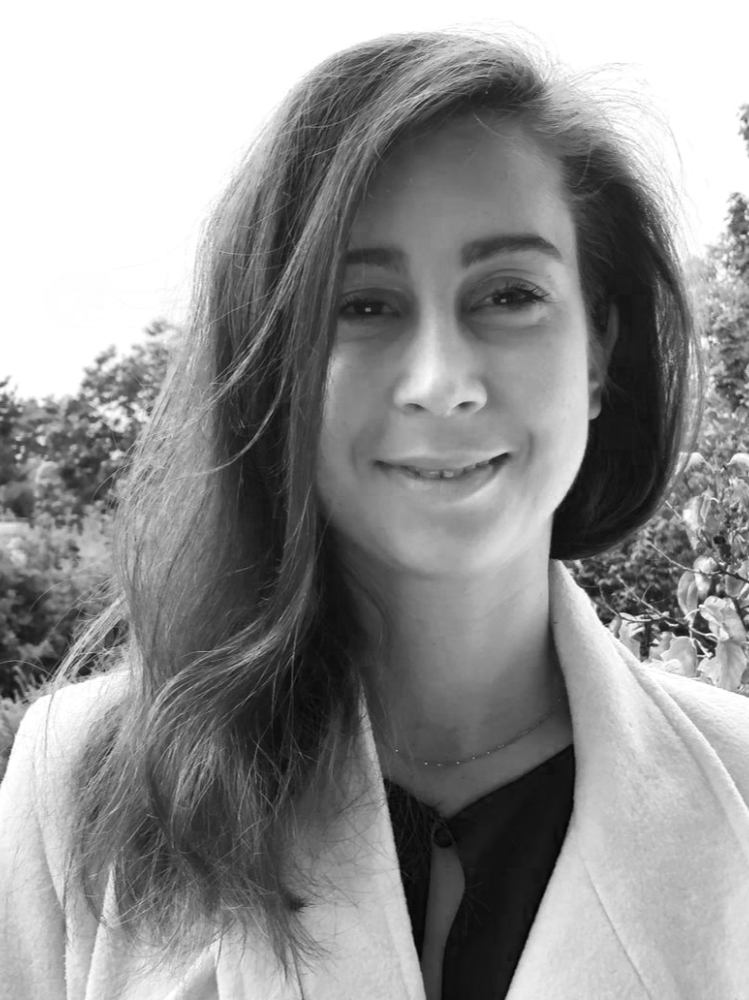
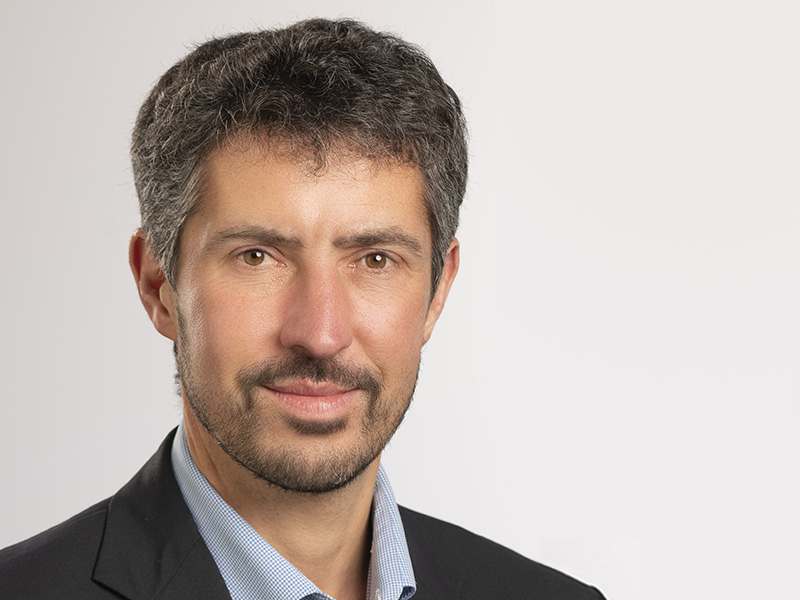
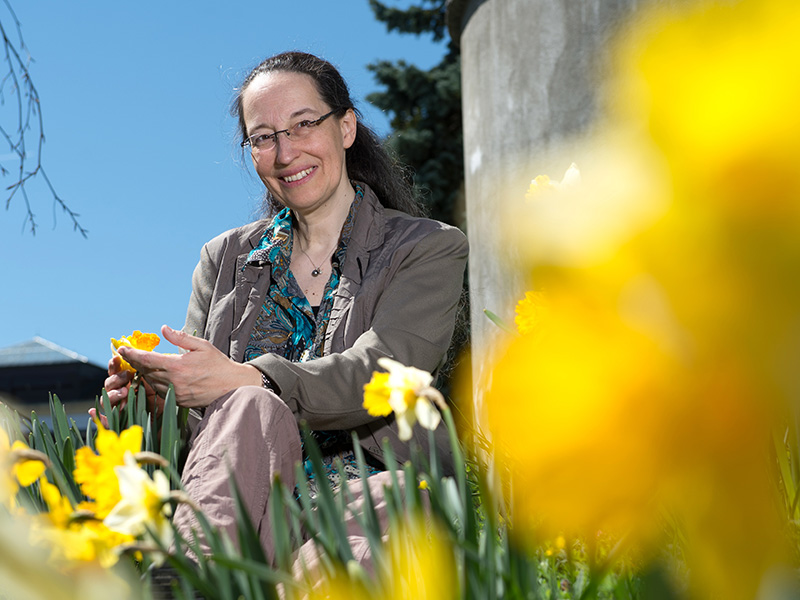
Dr. Jeanine Reutemann serves as a Lecturer at the Department of Environmental Systems Science, ETH Zurich, where she leads the Media & Methods Lab within the Unit for Teaching and Learning (UTL). Her role encompasses producing co-designed audiovisual media for ETH lecturers, advancing digital media competencies across the institution, and exploring innovative media technologies for future teaching through flagship projects. Her research centers on the science-society interface , specializing in translating complex scientific concepts through audiovisual media. Key interests include the epistemological potential of visual language in education, sustainable production of science videos, mixed reality applications, and combating misinformation. She investigates how media design shapes public understanding of science and enhances learning experiences in higher education, with particular focus on deepfakes, truth verification, and co-design methodologies. Analysis of her publication trajectory (2016-2024) reveals an evolution from foundational studies on MOOC video styles to current work on sustainable educational media and mixed reality. Her research consistently bridges theory and practice, emphasizing ethical considerations, societal impact, and the transformative role of audiovisual media in science communication. Recent publications highlight growing attention to environmental sustainability in media production and AI's implications for scientific content generation. Dr. Reutemann actively contributes to interdisciplinary projects funded by the Swiss National Science Foundation (SNF), including the r4d programme. She has collaborated with Oxford University, WSL, WWF/COOP, and others to produce science documentaries addressing global challenges such as inequality, sustainability, and peacebuilding, including the full-length documentary 'Inequality and Conflict - Beyond us and Them'. She heads the Media & Methods Lab, a dynamic team that partners with ETH lecturers to co-create educational media, designs continuous professional development programs in digital media competencies, and pioneers new media technologies through projects like the Science Filmmaking Hackathon (producing AI-themed animations) and mixed reality character prototypes for campus navigation. Current initiatives include developing audiovisual essays with the gta archive and science communication videos leveraging internet meme culture for environmental science students.