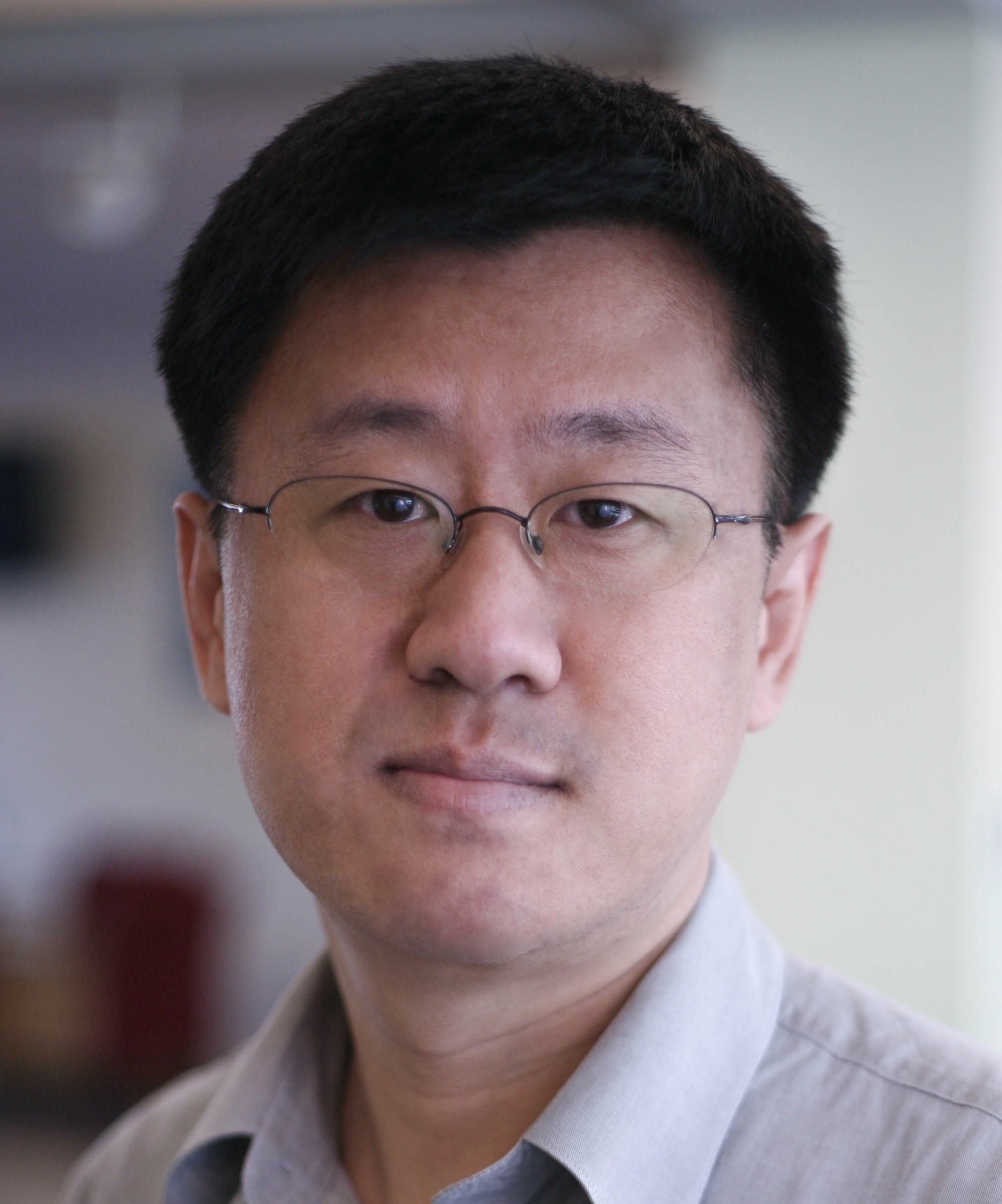
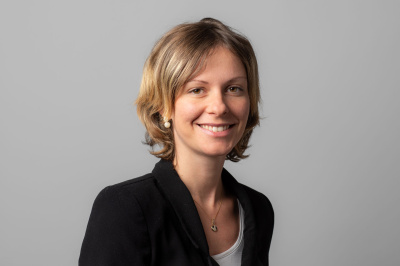
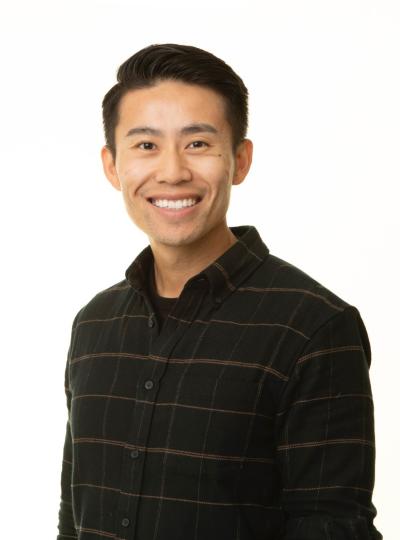
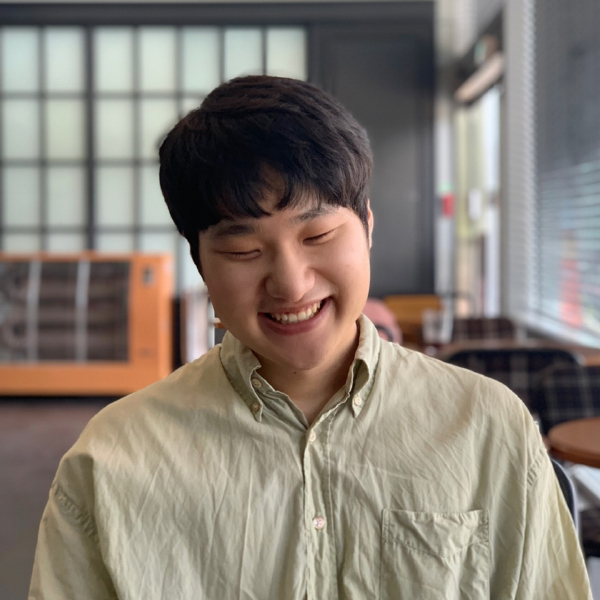
Zsolt Patakfalvi is an Associate Professor at École Polytechnique Fédérale de Lausanne (EPFL), holding positions in the School of Basic Sciences (SB) within the Department of Mathematics (MATH). He is affiliated with the Chair of Algebraic Geometry (CAG) and the Section of Mathematics for Engineers (SMA-ENS). Additionally, he serves as Director of SMA-GE and holds roles in academic governance bodies like the Conference of Section Directors (CDS) and SB Faculty Management. His research focuses on Algebraic Geometry, particularly in birational geometry, positive characteristic methods, moduli theory, and mixed characteristic algebra. He explores topics such as Hodge theory, singularities, and applications to arithmetic geometry. Notable contributions include work on the minimal model program, test ideals, and counterexamples to classical conjectures in positive characteristics. He supervises doctoral students in areas like algebraic geometry and commutative algebra, including Jefferson Baudin, Léo Navarro Chafloque, and Linus Rösler. His past advisees include Emelie Arvidsson and Quentin Posva. Patakfalvi’s publications frequently address foundational questions in geometry, with recent work extending into perfectoid spaces and globally-regular varieties. He coordinates courses such as 'Algebra III - Rings and Fields' and 'Perfectoid spaces' at EPFL, reflecting his commitment to both research and education. His academic service includes managing educational programs within SB-SMA and contributing to institutional decision-making through CDS membership.
Carlo Alberto Furia is an Associate Professor and Vice Dean at the Faculty of Informatics, Università della Svizzera italiana (USI). He is affiliated with the Software Institute, where he leads the ATOM research group. His academic journey includes prior roles as an Associate Professor at Chalmers University of Technology and a Senior Researcher at ETH Zurich’s Chair of Software Engineering. PhD in Computer Science, Politecnico di Milano Master of Science in Computer Science, University of Illinois at Chicago Laurea in Computer Science and Engineering, Politecnico di Milano His research centers on formal methods for software engineering, aiming to enhance software correctness, reliability, and quality through rigorous techniques. Key areas include automated program verification, contract-based development, loop invariant inference, and empirical evaluation using Bayesian data analysis. He emphasizes practical applicability and automation in formal methods. His recent publications reflect a strong focus on program analysis at the bytecode level, multilingual software analysis, automated repair of Android security issues, and empirical methodologies. These works span topics such as JVM substitutability, exception behavior in Java bytecode, and information flow security, demonstrating a consistent thread in improving software robustness through formal and automated techniques. He is actively involved in the software engineering research community as an Associate Editor of the Empirical Software Engineering (EMSE) journal and as a Program Committee member for major conferences including FASE, FM, ASE, ICSE, and CauSE. Carlo Furia has advised multiple research projects and supervised student theses. He has led and contributed to funded research initiatives, particularly in program analysis and verification. His group has developed tools such as AutoProof and other software artifacts available through the ATOM software page. He regularly teaches courses such as Software Analysis, Programming Fundamentals, and Software Design & Modeling. He leads the ATOM research group, which focuses on advancing automated techniques for software testing, analysis, and verification. The group develops practical tools and conducts empirical studies to validate research outcomes.
Zhendong Su is a full professor in the Department of Computer Science at ETH Zurich since August 2018. Previously, he held a full professorship at UC Davis from 2003 until June 2019. He earned his Ph.D. in Computer Science from UC Berkeley and dual Bachelor’s degrees in Computer Science and Mathematics from UT Austin in 1995. Affiliations: ETH Zurich: Full Professor (since 2018) UC Davis: Full Professor and Chancellor’s Fellow (2003–2019) IEEE Fellow, ACM Fellow, and Member of Academia Europaea His research focuses on programming languages, compilers, software engineering, computer security, and education technologies . Key contributions include compiler validation (e.g., Project Yin-Yang for SMT solvers and DBMS testing), testing tools like SQLancer, and educational innovations such as the Algot visual programming language. Recent work emphasizes secure AI (e.g., CipherSteal for TEE-shielded models) and compiler reliability (e.g., Artemis/Apollo for JIT validation). He has pioneered techniques like metamorphic testing and equivalence modulo inputs (EMI) for compiler validation, uncovering thousands of bugs in GCC/LLVM and SMT solvers. Awards: ICSE MIP Award (2022), ACM SIGSOFT Impact Paper (2018), NSF CAREER Award, and multiple industrial awards. His students have won IEEE TCSE Rising Star and SIGSOFT Impact Paper awards, securing roles at top universities and companies like Google and NVIDIA. Service: Steering committee member of ISSTA and ESEC/FSE, ACM Distinguished Speaker, and Associate Editor for ACM TOSEM. Program chaired ISSTA 2012 and co-chaired FSE 2016. Labs/Teams: Leads research groups on compiler validation, secure AI, and education technologies. Projects include Yin-Yang (SMT testing), SQLancer (DBMS fuzzing), and Algot (visual programming for education).
Hatice Altug is a Full Professor at EPFL's Institute of Bioengineering within the School of Engineering, where she leads the Bionanophotonic Systems Laboratory. Her research integrates nanophotonics, plasmonics, and microfluidics to develop advanced biosensors for real-time molecular diagnostics. She holds dual roles in EPFL's doctoral programs and academic committees. Education: PhD in Applied Physics, Stanford University (2000-2007) B.S. in Physics, Bilkent University (1996-2000) Her research centers on creating label-free, high-sensitivity optical biosensors using nanophotonic technologies. Key innovations include dielectric metasurfaces for mid-infrared spectroscopy, AI-enhanced detection platforms, and portable nanoplasmonic imagers for point-of-care diagnostics. Her work bridges fundamental light-matter interactions with clinical applications like sepsis monitoring and cancer biomarker detection. Her publications emphasize nanophotonic biosensor design, metasurface applications, and single-cell analysis. Recent trends show increased focus on AI integration, vibrational spectroscopy, and wafer-scale manufacturing for clinical translation. Awards & Honors: Optical Society Fellow (2020) Presidential Early Career Award (PECASE, 2011) ERC Consolidator Grant (2016) IEEE Photonics Society Young Investigator Award (2011) She mentors numerous PhD students and leads interdisciplinary teams developing optofluidic platforms. Her laboratory pioneers nanoplasmonic microarrays and collaborates globally on projects like neurodegenerative disease biomarker detection. She co-directs EPFL's doctoral program in photonics and champions women in STEM through executive roles in diversity initiatives.
Philippe Christe is an Associate Professor in the Department of Ecology and Evolution at the University of Lausanne (UNIL), Faculty of Biology and Medicine. His research centers on host-parasite interactions, with a focus on bats, birds, and their ectoparasites, integrating behavioral, physiological, and genetic approaches. He leads the Christe Group, which investigates evolutionary and ecological dynamics in host-parasite systems, particularly avian malaria and bat-mite relationships. He is actively involved in conservation initiatives, including the Jorat Peri-Urban Nature Park, and collaborates with KORA on human-wildlife interactions. Bachelor's degree in biology, UNIL (1989) PhD in Zoology and Animal Ecology, UNIL (1994) Philippe Christe’s research interests lie at the intersection of parasitology, evolutionary ecology, and conservation biology. He investigates how host defenses evolve in response to parasitic pressures, examining trade-offs between immunity and life history traits such as reproduction and survival. His work often integrates field studies with experimental and molecular techniques. Key model systems include Parus major (great tit) and Culex pipiens in avian malaria, and bat species with their ectoparasitic mites. He also explores broader ecological interactions, including predator-prey dynamics and wildlife conservation in human-modified landscapes. His recent publications reflect a strong emphasis on disease ecology, wildlife conservation, and molecular methods. Articles span topics such as avian malaria transmission, lynx population dynamics, snow leopard behavior, and habitat fragmentation effects on insects. These works employ advanced techniques like DNA metabarcoding, spatial modeling, and long-term monitoring, demonstrating a trend toward interdisciplinary, data-driven ecological research with direct conservation applications. Dubois Foundation Prize for an educational CD-Rom on bats (2004) Communication Award from the Faculty of Biology and Medicine of UNIL (2017) Philippe Christe has supervised numerous PhD and Master’s students, contributing significantly to training the next generation of ecologists and evolutionary biologists. His group collaborates widely with institutions such as the Museum of Zoology in Lausanne and KORA, and participates in large-scale conservation projects involving snow leopards, lynx, and bats. He has been involved in research grants related to host-parasite coevolution, wildlife monitoring, and conservation strategies. His leadership in establishing the Jorat Peri-Urban Nature Park and involvement in the UNIL Interdisciplinary Center for Mountain Research highlight his commitment to applied science and environmental stewardship. He leads the Christe Group, which conducts research on host-parasite coevolution, with a focus on bats and their ectoparasites, and birds affected by avian malaria. The group combines fieldwork, laboratory experiments, and molecular analyses, and includes post-docs, PhD students, and technical staff. Collaborations extend to researchers in Bern, Paris, and Spain, fostering an international and interdisciplinary research environment.
Prof. Peter Müller is a Full Professor at the Department of Computer Science at ETH Zurich since 2008. Previously, he held positions as Assistant Professor at ETH Zurich (2003-2008), Researcher at Microsoft Research Redmond (2007-2008), and IT project manager at Deutsche Bank. He earned his Diploma in Computer Science from Technical University of Munich (1996) and his Dr. rer. nat. from University of Hagen (2001) with a dissertation on modular verification of object-oriented programs. His research focuses on enabling correct software development through programming languages, verification methods, and tools. Key areas include formal verification for Rust and Go programs (Prusti and Gobra projects), separation logic, security protocols, and distributed systems verification. Müller's work emphasizes practical verification techniques for real-world systems, including secure router implementations and smart contract verification. Recent research trends highlight advancements in hyperproperties, modular reasoning for iterators and closures in Rust, and formal validation of verification tools. His methodologies bridge theoretical foundations with industrial applications, addressing challenges in concurrency, memory safety, and security assurance. Notable contributions include the SCION internet architecture, the Prusti verifier for Rust, and formal verification frameworks for distributed systems. His work often integrates rigorous mathematical foundations with scalable software engineering practices.
Sebastijan Dumancic is an Assistant Professor at Delft University of Technology, focusing on neuro-symbolic AI through program synthesis and probabilistic programming. He leads the RAIL lab and collaborates with institutions like Harvard, MIT, and CNRS. His research bridges symbolic AI and machine learning, applying program synthesis to scientific discovery, transportation, and robotics. He holds an FWO-funded PhD from KU Leuven and has participated in initiatives like ELLIS and the Symbolic Computation and Machine Learning Initiative. Program synthesis Probabilistic programming Neuro-symbolic AI Constraint-based learning His recent articles highlight advancements in program synthesis, neuro-symbolic integration, and constraint satisfaction. Projects like Find2Fix and Intelligent Greenhouse Horticulture (funded by NWO) demonstrate practical applications. ELLIS Membership University Teaching Qualification He supervises numerous MSc and PhD students in projects involving logic programming, program synthesis, and probabilistic modeling. Active in workshops and symposia, he contributes to neuro-symbolic AI and scientific discovery.
Lorenzo Baraldi is an Associate Professor at the University of Modena and Reggio Emilia, where he leads research in deep learning, vision-language integration, and multimodal AI systems. He serves as an ELLIS Scholar and Coordinator of the Modena ELLIS Unit, and has held the position of deputy director at the Interdepartmental Center on Digital Humanities since 2021. Previously, he worked at Facebook AI Research laboratory in Paris in 2017, developing video-matching algorithms for content moderation. His research spans multiple areas including Vision-and-Language integration, Multimodal Retrieval, Image and Video Captioning, Visual-Semantic alignment, Large-Scale model development, High Performance Computing, and Embodied AI. With over 120 publications in international journals and conferences, his work demonstrates consistent contributions to advancing multimodal AI capabilities. He has served as an Associate Editor for Computer Vision and Image Understanding and Pattern Recognition, and as Area Chair for major conferences including ICCV, WACV 2026, and ACM Multimedia 2025. His recent publication record shows significant impact in the field, with multiple papers accepted to top-tier conferences in 2024-2025 including CVPR, ICCV, BMVC, ICLR, ECCV, and NeurIPS. Notably, his paper "Hyperbolic Safety-Aware Vision-Language Models" was selected as a highlight paper at CVPR 2025. His research often involves collaboration with Rita Cucchiara and other researchers at his institution. ELLIS Scholar and Coordinator of the Modena ELLIS Unit Associate Editor for Computer Vision and Image Understanding Area Chair for ICCV and major multimedia conferences Highlight paper at CVPR 2025 Professor Baraldi teaches courses in Computer Vision and Cognitive Systems, Scalable AI, and Computer Architecture for the Artificial Intelligence Engineering and Computer Engineering programs. His teaching spans both undergraduate and graduate levels, with a focus on providing students with both theoretical foundations and practical implementation skills. He has developed educational materials including Deep Learning tutorials for classroom instruction.
Ueli Grossniklaus is an Ordinary Professor at the University of Zurich within the Faculty of Mathematical and Natural Sciences , affiliated with the Department of Plant and Microbiology . His work focuses on plant developmental biology, particularly epigenetic and genetic mechanisms governing reproduction and adaptation. Key Courses: Epigenetics, Plant Biology Workshop, Group Seminars on Current Research Laboratory Techniques: Advanced methods in plant cell mechanics, transcriptomics, and genome editing Research Interests span plant epigenetics, reproductive biology, and the interplay between environmental stress and genetic regulation. He investigates: Mechanistic control of gametogenesis and fertilization Epigenetic contributions to plant adaptation Evolutionary implications of asexual reproduction Biophysical forces in plant cell growth Publication Trends (2025–2018) reveal expertise in: Arabidopsis and fern model systems Epigenetic regulation (DNA methylation, histone dynamics) Apomixis and hybrid seed failure mechanisms Biomechanics of pollen tubes and carnivorous plants Genome editing tools (CRISPR) and long-read sequencing Scientific Collaborations include interdisciplinary projects on: Microfluidic devices for plant cell analysis Gene drive ecology and ethics 3D imaging of plant reproductive structures Advising and Grants focus on mentoring through research internships in developmental biology, genetics, and systems biology. His lab engages in: Epigenetic response to environmental stress Cell wall mechanics in reproduction Computational modeling of plant growth Laboratory Teams integrate plant biologists, bioengineers, and computational scientists to study: Mechanistic gene regulation Evolutionary developmental biology Microrobotics for cellular force measurement
Carlo A. Furia is an Associate Professor at the Software Institute within the Faculty of Informatics at Università della Svizzera italiana (USI). He leads the ATOM research group and is actively involved in advancing formal methods in software engineering. His work bridges theoretical rigor with practical applicability, particularly in verification, automated repair, and empirical analysis of software systems. PhD in Computer Science, Politecnico di Milano Master of Science in Computer Science, University of Illinois at Chicago Laurea in Computer Science and Engineering, Politecnico di Milano His research focuses on making formal methods practical through automation, combining diverse techniques, and conducting thorough empirical evaluations. He is particularly interested in using Bayesian data analysis to assess software engineering data. His work spans program verification (e.g., AutoProof), contract inference, API usability, and multilingual program analysis. His recent publications highlight trends in automated program repair, JVM bytecode analysis, Android security, and empirical methodologies. These works reflect a consistent emphasis on correctness, reliability, and empirical validation in software development. Scientific service includes: Associate Editor, Empirical Software Engineering (EMSE) journal Program Committee member, FM 2026, FormaliSE 2026, ASE 2025, iFM 2025 He has advised students and leads the ATOM group, which develops tools for software analysis. He teaches courses such as Software Analysis, Programming Fundamentals, and Software Design & Modeling. Current research directions include improving empirical evaluation rigor and enhancing verification at lower code levels like bytecode.
Christina Hertel is an Assistant Professor of Entrepreneurship and Director of the Geneva Responsible Entrepreneurship Center (GREC) at the University of Geneva (UNIGE). She holds a PhD from the Technical University of Munich (TUM School of Management) and completed a postdoctoral fellowship at the École Polytechnique Fédérale de Lausanne (EPFL). Her research focuses on the intersection of entrepreneurship, sustainability, and collective action, particularly exploring community-based approaches for sustainable local development and impact measurement for responsible businesses. Christina leads a Swiss National Science Foundation-funded research project on community entrepreneurship and civic wealth creation. Her work bridges academic research with practical applications, collaborating with startups, incubators, and policymakers to design strategies that enhance economic, social, and environmental impact. She aims to establish Geneva and UNIGE as global hubs for responsible entrepreneurship. In teaching, she emphasizes experiential learning, designing courses that empower students to tackle real-world challenges. She organizes GREC events to foster student engagement in responsible entrepreneurship. Her research has been published in top journals like the Journal of Business Venturing and Academy of Management Discoveries, and she actively presents at international conferences such as the Academy of Management Annual Meeting and Social Entrepreneurship Conference. Key initiatives include developing frameworks for community resourcefulness in new ventures and advancing standards for responsible entrepreneurship. Her contributions span academic publications, policy engagement, and educational programs, all aligned with fostering sustainable and impactful business practices.
Yuning Jiang is a Visiting Professor at the École Polytechnique Fédérale de Lausanne (EPFL), affiliated with the Automatic Control Laboratory (LA3) within the School of Engineering (STI). He teaches the doctoral course Optimal Control for Dynamic Systems and contributes to research in distributed optimization, model predictive control (MPC), and smart grid technologies. His work bridges theoretical advancements in control systems with practical applications in power networks and autonomous systems. Current research emphasizes scalable solutions for AC optimal power flow, real-time MPC for embedded systems, and robust optimization under uncertainty. His research interests span Optimal Control , Power Systems , Smart Grids , and Federated Learning . Notable contributions include distributed algorithms for large-scale power systems and privacy-preserving co-simulation frameworks. Recent publications focus on microservice deployment in satellite-terrestrial networks and real-time pricing mechanisms for vehicle-to-grid (V2G) integration. Yuning holds a position in the EDEE-ENS unit under EPFL’s Academic Affairs division (VPA-AVP-DLE), reflecting his role in academic administration and teaching infrastructure. His lab, the Automatic Control Laboratory, focuses on cutting-edge research in control theory and its interdisciplinary applications.
Jonathan Zhang is an Assistant Professor at Duke University's Sanford School of Public Policy and a Faculty Research Fellow at the National Bureau of Economic Research (NBER). He is also affiliated with the US Veterans Affairs Office of Mental Health. Previously, he served on the faculty at McMaster University and was a Postdoctoral Scholar at Princeton University. His academic journey includes a PhD in Economics from Stanford University (2020) and a BSc from UBC. Dr. Zhang's research spans health economics and public finance, with particular focus on physician behavior, health policies, and safety net programs. His work demonstrates deep interest in mental health and substance use issues, examining how healthcare systems impact vulnerable populations. His research methodology often leverages quasi-random assignment and natural experiments to establish causal relationships in complex healthcare settings. His publication record reveals significant contributions to understanding healthcare disparities, particularly regarding racial differences in medical testing accuracy, socioeconomic status impacts on mental health access, and veteran healthcare outcomes. His work frequently appears in prominent working paper series, with numerous 2025 publications indicating active and ongoing research programs. Dr. Zhang maintains active professional engagement through his Google Scholar profile and personal website (jonathanzhang.net). He will be visiting the University of Copenhagen from August 1 - November 15, 2025, suggesting international collaboration and scholarly exchange.
Andreas Peter Burg is a Tenured Associate Professor at the École Polytechnique Fédérale de Lausanne (EPFL), where he leads the Telecommunications Circuits Laboratory (TCL) within the School of Engineering. He holds multiple academic and administrative roles at EPFL including Associate Professor in Teaching (SEL, EDMI, EDEE), Director of SEL Management, and Member of the Doctoral Program Committee for Electrical Engineering. Dr. Burg received his Dipl.-Ing. degree in 2000 and Dr. sc. techn. degree in 2006 from ETH Zurich. His academic career includes positions as SNF Assistant Professor at ETH Zurich (2009-2011) before joining EPFL in January 2011 as a Tenure Track Assistant Professor, where he was promoted to Tenured Associate Professor in June 2018. His research focuses on circuits and systems for telecommunications , with particular expertise in silicon implementation of communication technologies, communication algorithms optimization for hardware, low-power VLSI signal processing, and digital integrated circuits. His work bridges theoretical communication concepts with practical circuit implementations, addressing challenges in wireless and wired communication systems. His recent publications (2024-2025) demonstrate a strong focus on next-generation communication technologies including 6G systems, advanced error correction coding, wireless sensing applications, and ultra-low power circuit design. These works span multiple subfields from LDPC and polar code decoding to RF signal processing and machine learning applications in wireless systems. Willi Studer Award (2000) ETH Medal for diploma thesis (2000) ETH Medal for Ph.D. dissertation (2006) Swiss National Science Foundation Assistant Professorship grant (2008) Dr. Burg has been involved in the development of more than 25 ASICs throughout his career and co-founded Celestrius, an ETH spinoff in MIMO wireless communication. His laboratory work focuses on practical implementations of communication algorithms with emphasis on power efficiency and hardware optimization. Current research directions include 6G technologies, wireless sensing applications, and novel error correction techniques for next-generation communication systems.
Jinhan Kim is a Postdoctoral Researcher at the Università della Svizzera italiana (USI) in the Faculty of Informatics, working in the TAU lab under Prof. Paolo Tonella. He earned his Ph.D. from KAIST under Prof. Shin Yoo, focusing on software engineering research in mutation testing, fault localization, and deep learning system testing. His work bridges traditional software engineering techniques with AI-driven methodologies, emphasizing AI4SE and SE4AI paradigms. Education: Ph.D. in Software Engineering, KAIST, 2023 Research Interests: Mutation Testing Deep Learning System Testing Autonomous Systems Testing Adversarial Attack Detection Empirical Software Engineering Service and Leadership: Organized SBFT 2026 and DeepTest 2026 (co-located with ICSE 2026) Program Committee Member for ASE, ISSTA, Mutation, and DeMeSSAI Board of Distinguished Reviewers for TOSEM (2024–2025) Labs and Teams: Active contributor to the TAU Lab at USI, focusing on advanced software testing and AI integration.