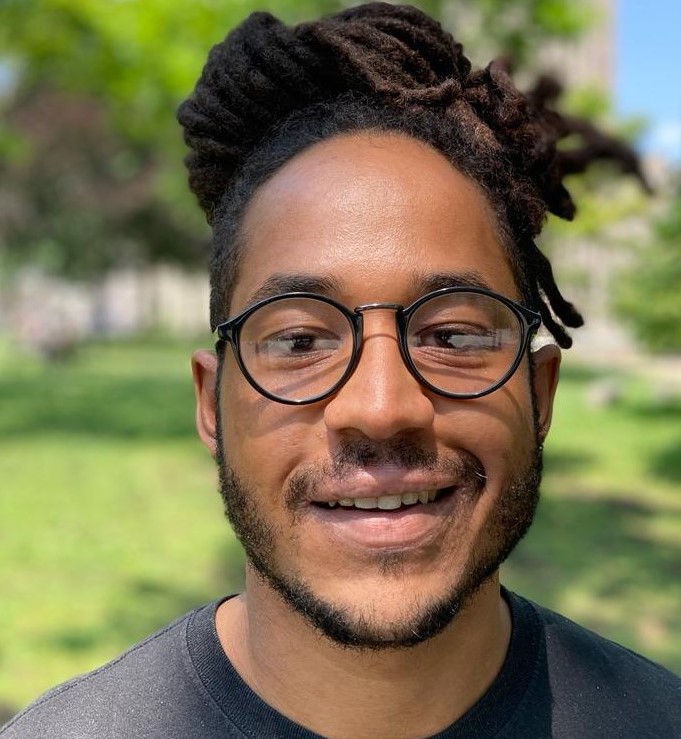
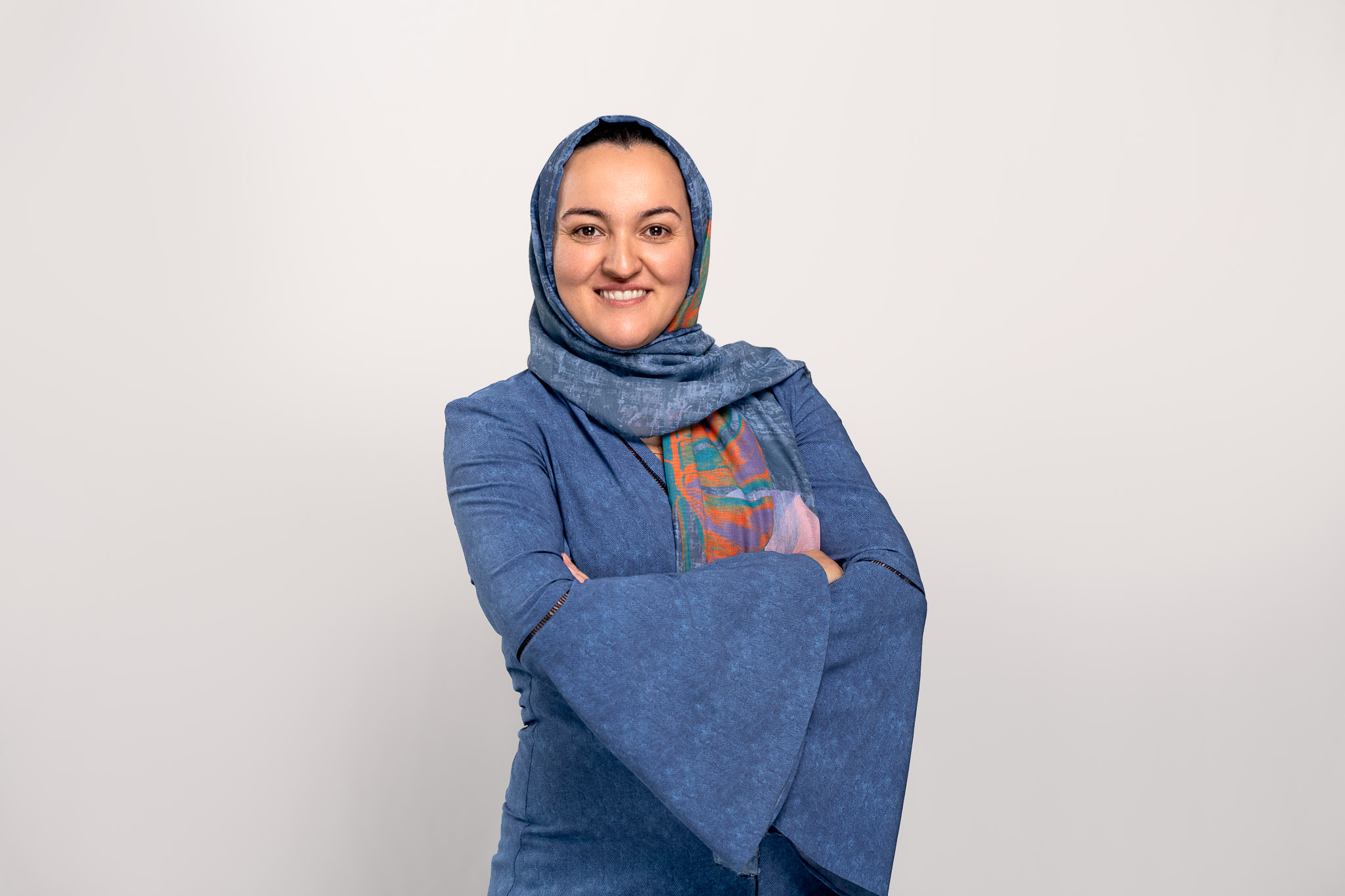
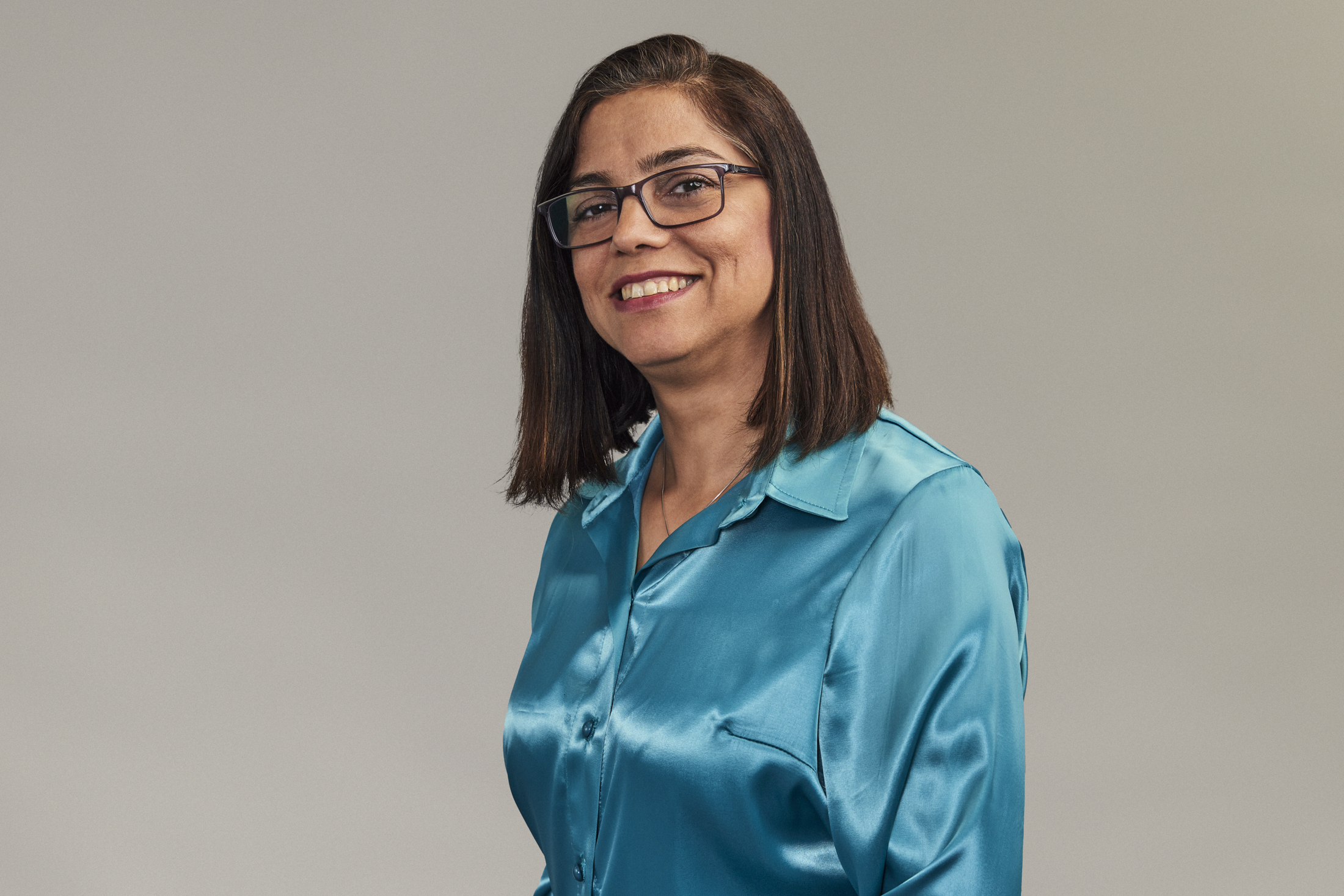
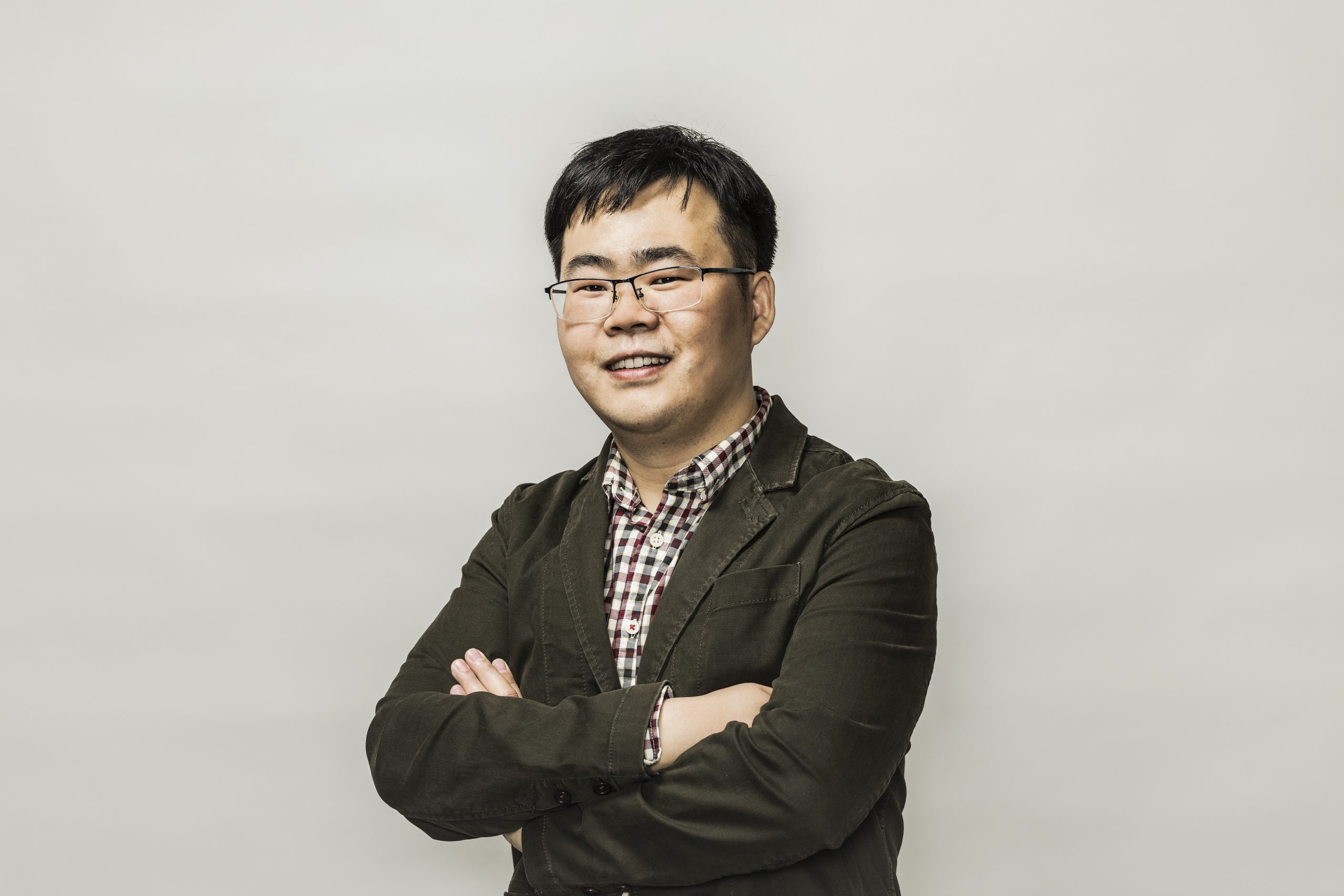
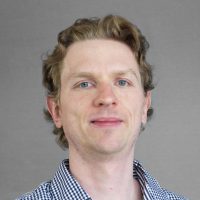
Charles Boukaré is an Assistant Professor in the Department of Physics and Astronomy at York University, affiliated with the Faculty of Science. His research focuses on planetary interior dynamics, particularly the structure and evolution of rocky planet interiors, magma ocean solidification, and the interplay between thermodynamic processes and planetary evolution. He develops computational fluid dynamics models and thermodynamic frameworks to simulate planetary-scale multiphase flows and phase segregation. His work addresses fundamental questions about how planetary interiors evolve, including the formation of geochemical reservoirs, the generation of planetary magnetic fields, and the conditions conducive to life. Boukaré integrates experimental data (e.g., laser-heated diamond anvil cell experiments) with theoretical models to study processes like mantle solidification, cumulate overturn, and magma ocean dynamics. His research areas span computational fluid dynamics, planetary physics, and astronomy, with applications to both Earth and exoplanets. Recent studies include exploring lava planet interiors, magma ocean preservation in exoplanetary systems, and the role of magma oceans in maintaining surface water on M-dwarf planets. Boukaré is a Full Member of the Physics and Astronomy Graduate Program at York University and eligible to supervise graduate students in related fields. His interdisciplinary approach bridges geophysics, astrophysics, and computational modeling to advance understanding of planetary evolution.
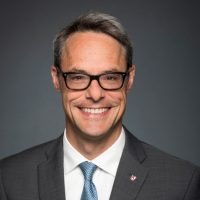
Gloria Orchard is an Assistant Professor in the Department of Physics and Astronomy at York University, Faculty of Science. Her research focuses on experimental physics in radiation science and medical physics, alongside pedagogical innovations in physics education. She emphasizes active learning strategies such as in-lecture activities, group discussions, and hands-on laboratory experiences to enhance student engagement and problem-solving skills. Her experimental work involves detector development in radiation science, microdosimetry, and neutron field characterization at facilities like CERN. She also explores applications of optoacoustic systems for subsurface imaging and medical diagnostics. Orchard is eligible to supervise graduate students in the Physics and Astronomy program. Gloria Orchard’s research areas include Biological Physics, Pedagogical Research, and Science Education. She has contributed to advancing detector technologies and radiation measurement techniques through collaborations with institutions like CERN. Her educational initiatives aim to refine laboratory curricula and improve teaching methodologies in physics education.
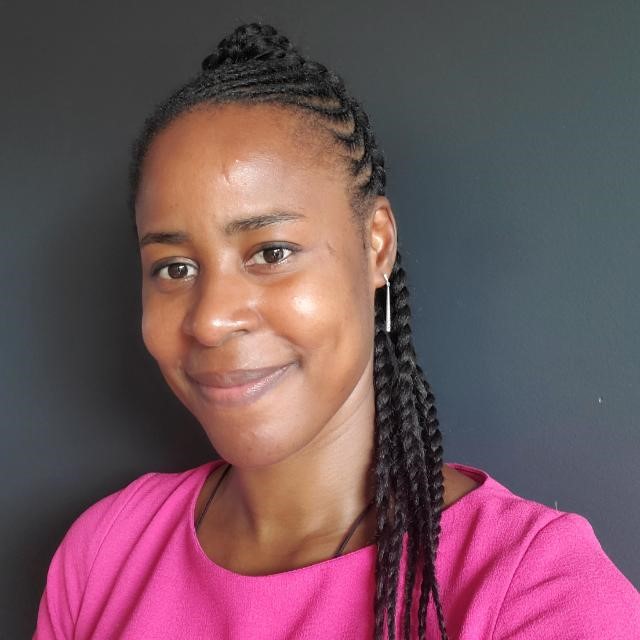
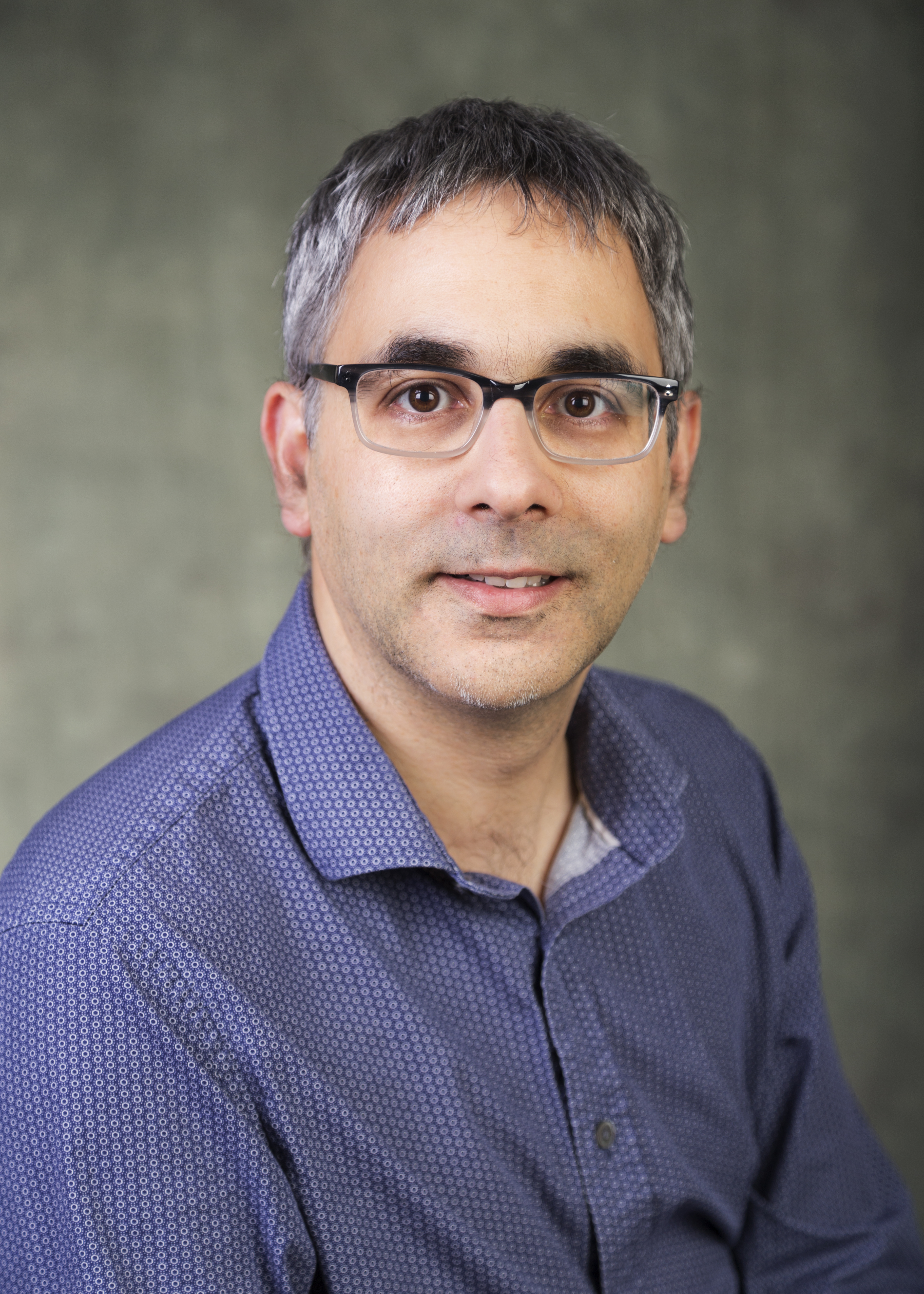
Dr. Alvine Boaye Belle is an Assistant Professor in the Department of Electrical Engineering & Computer Science at Lassonde School of Engineering, York University. She leads the DARE! research group and serves on multiple international committees, including ICSE and RE conferences. Her work bridges software engineering with equity, diversity, and inclusion (EDI) initiatives. PhD in Software Engineering (École de Technologie Supérieure, University of Quebec) 2-year Industrial Postdoctoral (University of Ottawa) Graduate Diploma in Public Administration & Governance (McGill University) Dr. Belle's research focuses on system assurance for autonomous systems, generative AI applications in software engineering, and EDI in computing . She applies machine learning to safety case automation and vulnerability detection, as shown in her publications with high-impact journals. Her recent work explores deep learning and SVM models for Android malware detection with 99% accuracy. She mentors a diverse group of students across Bachelor's, Master's, and PhD levels, emphasizing accessibility and social impact in technology. Keynote speaker at Black History Month events Moderator of EDI-focused panels at ICSE conferences Editorial board member for journals like IEEE Software and Information and Software Technology
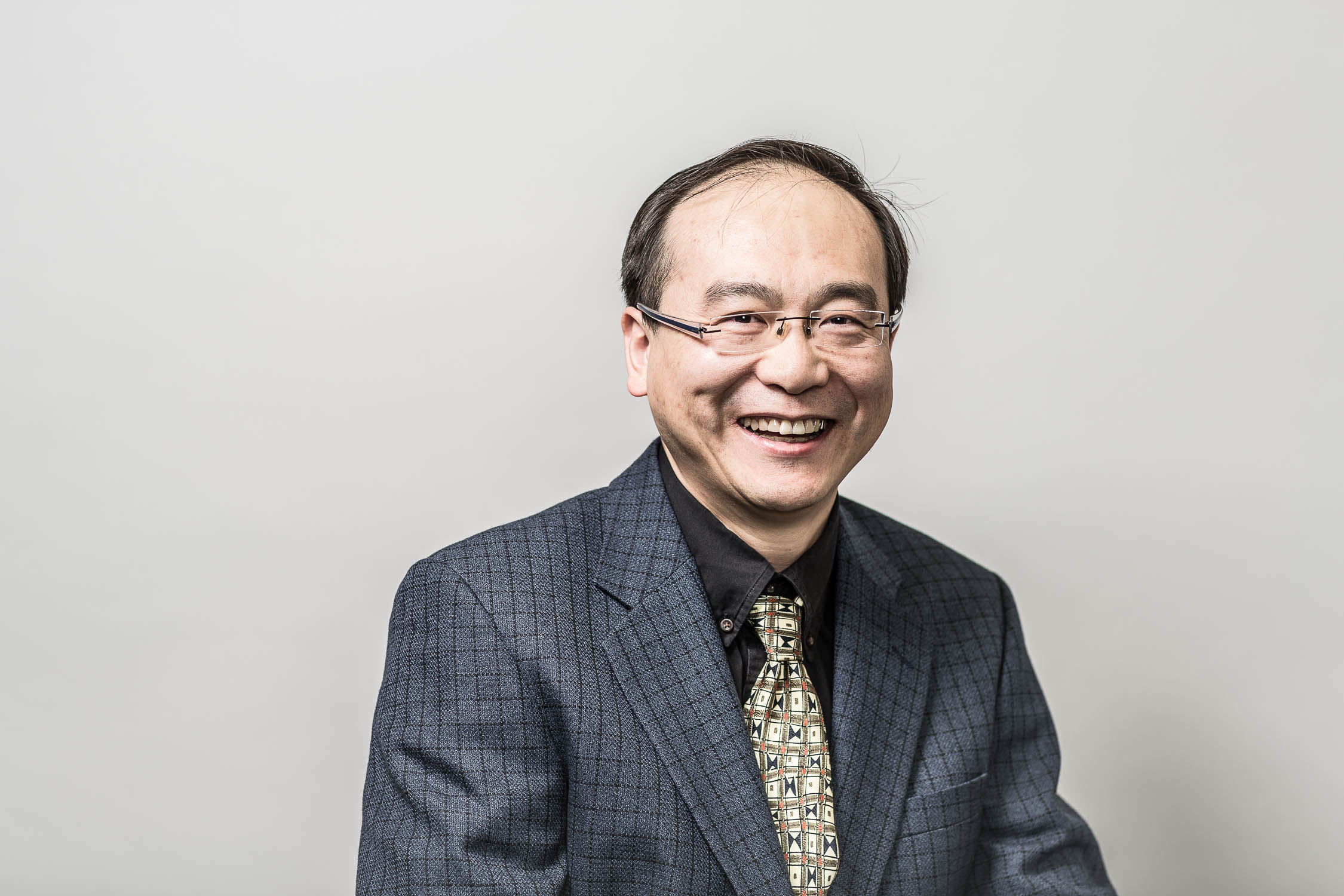
Hui Jiang is a Professor in the Department of Electrical Engineering and Computer Science at the Lassonde School of Engineering, York University in Toronto, Canada. He holds the professional engineering designation (P.Eng) and maintains an active research program in machine learning and artificial intelligence with an office located in Room 3014 of the Lassonde Building at 4700 Keele Street. Dr. Jiang's research focuses on machine learning and artificial intelligence, with particular emphasis on deep learning theory and methods, as well as their applications in speech and language processing and computer vision. His work spans from fundamental machine learning concepts to cutting-edge AI technologies including transformers, diffusion models, and neural network architectures. He has developed methods such as the Fixed-size Ordinally Forgetting Encoding (FOFE) for named entity recognition and contributed significantly to convolutional neural networks for speech recognition. His publication timeline shows consistent contribution to the field, beginning with foundational work in speech recognition and progressing to comprehensive frameworks in machine learning. His recent work focuses on explaining complex AI concepts through his blog and textbook, demonstrating a commitment to both research advancement and education in the AI community. IEEE SPS Best Paper Award (2016) for "Convolutional Neural Networks for Speech Recognition" Dr. Jiang has authored the textbook "Machine Learning Fundamentals" published by Cambridge University Press in 2021, which provides a comprehensive introduction to both traditional machine learning methods and modern deep learning techniques. He maintains an active technology blog where he shares detailed technical insights on machine learning concepts, with recent posts covering diffusion models, transformers, and GPT architecture. His complete publication list is available on his Google Scholar profile, and he can be reached via email at huijiang@yorku.ca for academic and research inquiries.
Dr. Laleh Seyyed-Kalantari is an Assistant Professor at York University's Lassonde School of Engineering, specializing in Responsible AI and Medical Imaging. She is also a Vector Institute faculty affiliate and has conducted postdoctoral research at the Vector Institute and the University of Toronto as an NSERC fellow (2019-2022). Her academic journey includes a Ph.D. in Electrical Engineering from McMaster University (2017) and prestigious scholarships such as the Research in Motion Ontario Graduate Scholarship (2015) and Queen Elizabeth II Graduate Scholarship (2014-2015). Research Interests: Dr. Seyyed-Kalantari focuses on responsible AI , generative AI , and AI fairness , particularly in medical imaging. Her work explores the ethical implications of AI systems, including underdiagnosis bias amplification and race detection in medical images. She has pioneered research on fairness in disease diagnosis and foundation models in medical imaging. Scientific Awards: Google Research Scholar Program award (2024) Banting Postdoctoral Fellowship to join MIT (2022-2024, declined) NSERC Postdoctoral Fellowship (2018-2020) Finalist, CIFAR AICan 3-M Impact Competition (2021) Winner, Toronto Health Data Hackathon (2019) Nominee, L’Oréal-UNESCO for Women in Science (2018) Ontario Graduate Scholarships (2013-2015, 2014-2015) Research in Motion Ontario Graduate Scholarship (2015) Policy & Advocacy: She contributes to the AI Insights for Policymakers Program by CIFAR and Mila, and her work has been highlighted in global tech news outlets like Nature Medicine , The Lancet Digital Health , and MIT News .
Dr. Marzieh Ahmadzadeh is an Associate Professor (Teaching Stream) at the Department of Electrical Engineering & Computer Science, York University. She holds a Ph.D. and MSc in Information Technology (Software Engineering) from the University of Nottingham, UK, and a BSc in Computer Engineering from Isfahan University. A certified Professional Engineer (P.Eng.) in Ontario, she has held academic positions at Shiraz University of Technology, University of Toronto, and University of Georgia, USA before shifting her focus to education research in 2015. Education: Ph.D., Information Technology (Software Engineering), University of Nottingham (2006) MSc, Information Technology (Software Engineering), University of Nottingham (2002) BSc, Computer Engineering, Isfahan University Her research intersects Computer Science Education and Human-Computer Interaction , with a focus on Applied Data Mining for educational analytics and security applications. She has published in prestigious venues like ACM SIGCSE, IEEE Transactions, and Future Generation Computer Systems. Recent publications demonstrate expertise in: Exam design and cognitive load optimization Ransomware detection in fog computing environments Breast cancer survivability modeling with imbalanced data Gender preferences in e-commerce UX design Academic integrity analysis in programming education
Dr. Manos Papagelis is an Associate Professor in the Department of Electrical Engineering & Computer Science at York University's Lassonde School of Engineering. He serves as the Graduate Program Director for the MSc and MScAI programs. His research focuses on data science and machine learning, particularly in data mining, graph mining, big data analytics, mobility analytics, and knowledge discovery. Education: PhD in Computer Science (University of Toronto), MSc and BSc in Computer Science (University of Crete, Greece). Prior to York, he held postdoctoral and research roles at UC Berkeley, Yahoo! Labs Barcelona, and FORTH, Greece. Research emphasizes trajectory analysis, emotion recognition, and scalable systems. Recent work includes TrajLearn (2025) and Disease Outbreak Detection (2025), highlighting contributions to mobility and health informatics. He has filed three U.S. patents and designed systems like Confious (conference management) and Green2.0 (socio-technical building analysis). Honors include the Lassonde Educator of the Year (2021) and IEEE MDM Best Paper Awards (2020, 2018). His advising spans interdisciplinary teams in AI and data science, with active involvement in grants related to mobility analytics and healthcare technologies. Labs/Teams: Director of the Data Mining Lab, collaborating on projects like trajectory prediction and emotion-aware systems.
Song Wang is an Associate Professor in the Department of Electrical Engineering and Computer Science at York University's Lassonde School of Engineering. He joined York University as an Assistant Professor in July 2019 and was promoted to Associate Professor in May 2024. He serves as an Associate Editor of ACM Transactions on Software Engineering and Methodology (TOSEM) and has established himself as a prominent researcher at the intersection of Software Engineering and Artificial Intelligence. Dr. Wang earned his Ph.D. in Computer Engineering from the University of Waterloo in December 2018 under Prof. Lin Tan. He received his MS degree from the Chinese Academy of Sciences in June 2014 under the supervision of Prof. Ye Yang, Prof. Wen Zhang, and Prof. Qing Wang. His undergraduate education includes a BE in Software Engineering and a BHRM in Human Resource Management from Sichuan University in June 2011. Prior to academia, he gained industry experience through internships at Microsoft Research, Morgan Stanley Capital International, Yahoo, and Baidu, and co-founded a startup named QualDivine. Dr. Wang's research focuses on two main directions: (1) leveraging AI technologies to address software reliability challenges (AI for SE), and (2) developing software reliability assurance techniques for AI systems (SE for AI). His recent work has particularly focused on how Large Language Models can optimize and reshape software testing practices. His research has practical impact, with tools and techniques that have detected hundreds of true bugs in real-world software systems. His work spans multiple application areas including mobile testing, fuzz testing, and functional testing. His recent publications (2024-2025) demonstrate a strong focus on the intersection of AI and software engineering, with significant contributions in automated vulnerability detection, API recommendation, bias analysis in generated code, and mobile application testing. His research combines empirical studies with innovative technical approaches, often involving benchmarking and systematic literature reviews to establish foundations for future work. He has published over 60 papers in prestigious IEEE/ACM Software Engineering journals and flagship conferences, with over 2,600 citations. Dr. Wang has received four best paper awards: a Distinguished Paper Award at APSEC'23, an ACM Distinguished Paper Award at ICPC'22, an ACM Distinguished Paper Award at ICSE'20, and a Best Paper Award at PROMISE'19. He was recognized as one of the top-10 most impactful early-career researchers in Software Engineering by the Journal of Systems and Software in 2020 and received the TOSEM Distinguished Reviewer Award in 2023. Dr. Wang currently supervises multiple PhD and Master's students including Mohammad Abdollahi, Haoran Xue, Jiho Shin, Nima Shiri Harzevili, and Moshi Wei. He has successfully guided several students to complete their theses, including Reem Al Eithan (Master's thesis defense in April 2025), Moshi Wei (PhD thesis defense in April 2025), and Nima Shiri Harzevili (PhD thesis defense in February 2025). His research group has received funding from various sources to support their work on software engineering and AI. Dr. Wang leads an active research group focused on AI and software engineering at York University. His team includes PhD students, Master's students, and research assistants working on various projects related to software testing, reliability, and AI applications in software engineering. The group has developed tools that have detected hundreds of true bugs in real-world software systems, with some findings documented in Jira issues and GitHub repositories across numerous open-source projects.
Dr. Adrian Correndo is an Assistant Professor and holds the Pick Family Chair in Sustainable Cropping Systems at the Department of Plant Agriculture, Ontario Agricultural College, University of Guelph in Guelph, Ontario, Canada. His research focuses on developing and evaluating sustainable cropping systems that address the challenge of producing food, fuel, and fiber without degrading natural resources. Dr. Correndo's educational background includes: B.S. in Agronomy from the University of Buenos Aires M.S. in Soil Science from the University of Buenos Aires Ph.D. in Agronomy from Kansas State University Dr. Correndo's research spans sustainable agriculture, soil science, and data analytics. His work heavily relies on maintaining and leveraging long-term trials at the Elora Research Station, where management practices such as tillage, crop rotation, cover crops, and fertilization management are studied. He is particularly interested in developing accessible digital tools that apply modern data analytics like machine learning and Bayesian statistics to agricultural challenges. His research bridges the gap between statistical methodology and practical farming applications, with a strong emphasis on reproducible programming and open-source software development. His publication record demonstrates a clear trajectory toward integrating advanced statistical methods with agricultural research. The majority of his work focuses on maize and soybean production systems, soil fertility, and nutrient management. A significant portion of his recent publications involves developing R packages and digital tools that make complex statistical analyses accessible to farmers and agricultural professionals. His research shows a strong commitment to creating practical, science-based solutions for sustainable farming systems in Ontario and beyond. Dr. Correndo has been awarded the prestigious Pick Family Chair in Sustainable Cropping Systems, established by Martin and Denise Pick to develop effective, simple-to-use cropping systems that address soil degradation. Before joining the University of Guelph, Dr. Correndo worked on research and extension in soil fertility and crop nutrition as the Assistant Agronomist (2008-2018) for the Latin America Southern Cone Program of the International Plant Nutrition Institute (IPNI), and from 2018 to 2023 at Kansas State University as a Graduate Research Assistant while pursuing his Ph.D. in Agronomy (2018-2021), and as a Post-doctoral Fellow (2022-2023) working on corn and soybean production research and extension. Dr. Correndo is actively involved with the Elora Research Station, where he maintains long-term trials examining various agricultural management practices. He emphasizes teamwork and mentoring as essential components of his professional and personal philosophy, working to inspire and support the next generation of agricultural leaders.
Dennis K. Peters is a Professor in Electrical and Computer Engineering at Memorial University, currently serving as Interim Associate Vice-president (Academic). His research spans software verification, high-performance computing, and marine simulation. With a PhD from McMaster University, he focuses on real-time systems and parallel processing applications in marine environments. Recent work includes unsupervised clustering for geological data and ship-iceberg discrimination using convolutional neural networks. His publications demonstrate consistent innovation in applying parallel computing to maritime challenges. Awards include the ECEDHA CHECE Leadership Award and IEEE J. J. Archambault Merit Award. As an active professional volunteer, he has chaired PEGNL and IEEE Newfoundland and Labrador Section. He teaches courses in software design and concurrent programming.
Dr. Paul Issahaku is an Associate Professor and Acting Associate Dean of Undergraduate Programs at Memorial University's School of Social Work. He holds a BA from the University of Ghana, MSW from Columbia University, and PhD from the University of Toronto. His research focuses on domestic violence, aging, child welfare policy, and community development in Ghana and Canada. He has extensive teaching experience in research methods and social work practice. Dr. Issahaku’s recent work includes studies on healthy ageing in Newfoundland and Labrador, social inclusion of older adults in Ghana, and youth safety in Canadian communities. He has contributed to UNICEF and Ghana’s Ministry of Gender in policy formulation. His current projects investigate intimate partner violence correlates in Ghana and the childhood backgrounds of prison inmates. He has supervised over 24 research projects involving undergraduate and MPhil students. Education: Bachelor of Arts (University of Ghana) Master of Social Work (Columbia University) PhD (University of Toronto) Key Roles: Acting Associate Dean for Undergraduate Programs Course Instructor (University of Toronto, KNUST, University of Ghana) Research Consultant for UNICEF and Ghanaian Government His research emphasizes interdisciplinary approaches to shaping social policies addressing domestic violence, aging populations, and community development. He has conducted evaluations of Ghanaian community programs and explored the intersections of gender, age, and geographic location in social welfare contexts.
Oliver van Kaick is an Associate Professor at the School of Computer Science, Carleton University, Canada. He joined in 2014 after postdoctoral research at Tel Aviv University (Azrieli Fellow) and Simon Fraser University. His research focuses on geometric modeling, shape analysis, and computer graphics, with applications in 3D content creation, medical imaging, and game development. He holds a PhD from Simon Fraser University and degrees from the Federal University of Paraná, Brazil. Education: PhD in Computing Science, Simon Fraser University (2011) M.Sc. and B.Sc. in Computer Science, Federal University of Paraná (2005 and 2003) Research interests include shape segmentation, correspondence, and similarity estimation, with a focus on learning shape properties through geometry, topology, and functionality. His work has been published in top venues like SIGGRAPH and Eurographics. He leads the Graphics, Imaging, and Games Lab (GIGL) and serves on program committees for major conferences. Key Awards: Azrieli Fellowship (Tel Aviv University) CVMJ 2024 Best Paper Award Advising & Grants: Supervised PhD and Master’s students including Akshai Srinivasan and Tianshu Zhao. Active in research grants related to 3D modeling and computer vision. Labs/Teams: Graphics, Imaging, and Games Lab (GIGL), collaborating on projects like procedural modeling and functionality-aware shape evolution.
Timothy Zakutney is an Adjunct Research Professor in the Department of Systems and Computer Engineering at Carleton University and serves as Senior Vice President, Digital Health and Cardiac Technology, and Chief Information and Technology Officer at the University of Ottawa Heart Institute. He holds advanced qualifications including an MHSc in Clinical Engineering (University of Toronto) and is a Professional Engineer (PEng), Certified Clinical Engineer (CCE), and Fellow of the Canadian Medical and Biological Engineering Society (FCMBES). His expertise spans biomedical engineering, clinical technology management, and healthcare informatics. Education : M.HSc. in Clinical Engineering, University of Toronto Bachelor of Applied Science (Systems Design), University of Waterloo Certified Clinical Engineer (CCE), Professional Engineer (PEng) Research Focus : Medical technology management, including battery protocols and LEAN process optimization Development of asset management software for clinical engineering Maximizing medical device utilization and patient safety Awards : 2008 CMBES Outstanding Canadian Biomedical Engineer of the Year Award Advising & Leadership : Consultant to Health Canada, FDA, and Auditor General of Canada Former Canadian Board of Examiners for Certification in Clinical Engineering (CCE) Chair of the Awards Committee, Canadian Medical and Biological Engineering Society Labs & Teams : Leads digital health initiatives at the University of Ottawa Heart Institute and collaborates with Carleton University’s engineering programs, emphasizing biomedical informatics and clinical technology integration.
Andy Calvert is a Professor in the Department of Earth Sciences at Simon Fraser University, where he has established himself as a leading researcher in seismic reflection imaging and crustal structure analysis. With a distinguished academic background including a B.A. from Oxford University (1981) and a Ph.D. from Cambridge University (1985), Dr. Calvert has built an extensive research program focused on improving subsurface imaging techniques and their geological interpretation. Department of Earth Sciences, Faculty of Science Simon Fraser University Professor since approximately 2000s Dr. Calvert's research spans multiple areas of geophysics and structural geology, with particular emphasis on seismic reflection methods for imaging crustal structures. His work has significant applications in mineral exploration, hydrocarbon reservoir characterization, and understanding continental evolution. He has conducted extensive research on Archean cratons, particularly the Yilgarn Craton in Australia, examining crustal architecture and tectonic evolution through deep seismic reflection data. His recent publications demonstrate a continued focus on advanced seismic imaging techniques, craton evolution, and subduction zone processes. Analysis of Dr. Calvert's publication record reveals a consistent trajectory of high-impact research in crustal-scale seismic imaging. His work has evolved from traditional deep seismic reflection studies to incorporate more sophisticated waveform tomography and 3D modeling approaches. His research bridges fundamental geological questions about early Earth evolution with practical applications in mineral and hydrocarbon exploration. The geographical scope of his work spans multiple continents, with significant contributions to understanding the crustal architecture of Canadian Cordillera, Australian cratons, and various subduction zones worldwide. Dr. Calvert has contributed significantly to major geoscientific initiatives, including the Lithoprobe project in Canada, which has generated fundamental insights into the North American crust. His work often involves multidisciplinary collaborations with geologists, geophysicists, and geochemists to develop comprehensive interpretations of complex crustal structures. His research has practical implications for mineral exploration, particularly in developing methods for direct detection of massive sulphide ore bodies, and for understanding hydrocarbon reservoir characteristics. While specific grant information isn't detailed in the available materials, Dr. Calvert's extensive publication record spanning decades indicates sustained research funding from various sources including NSERC, Geoscience BC, and potentially international collaborators. His work often appears in high-impact journals such as Nature Geoscience, Geology, and Journal of Geophysical Research, reflecting the significance of his contributions to the field.
Dennis Hore is a Professor in the Department of Chemistry within the Faculty of Science at the University of Victoria. His research bridges fundamental surface science with practical community health applications, particularly in the context of the opioid crisis. With a BSc from McMaster University and PhD from Queen's University followed by postdoctoral training at the University of Oregon, he has established a multidisciplinary research program that combines experimental and theoretical approaches. His primary research interests include nonlinear optics, vibrational spectroscopy of surfaces, and community drug checking technologies. Dr. Hore's work spans two interconnected domains: biophysical chemistry (focusing on protein adsorption and membrane structure at interfaces) and materials science (examining polymer surface evolution from bulk structure). More recently, his group has developed critical technologies for community-based drug checking in response to North America's overdose crisis, operating through substance.uvic.ca. His publication record shows strong activity through 2025 with over 100 papers, including high-impact journals like Journal of the American Chemical Society and Analytical Chemistry. The research demonstrates consistent evolution from fundamental interfacial studies toward applied harm reduction technologies, with increasing interdisciplinary collaboration across chemistry, computer science, and public health domains. Dr. Hore actively supervises numerous graduate students and postdoctoral fellows across chemistry and physics disciplines, with current projects including spectral modeling of drug mixtures, surface structure analysis, and development of real-time drug-checking platforms. His teaching focuses on general, physical, and analytical chemistry, with emphasis on computational approaches for laboratory automation.