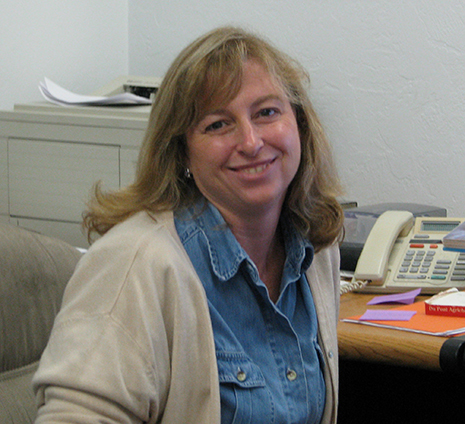
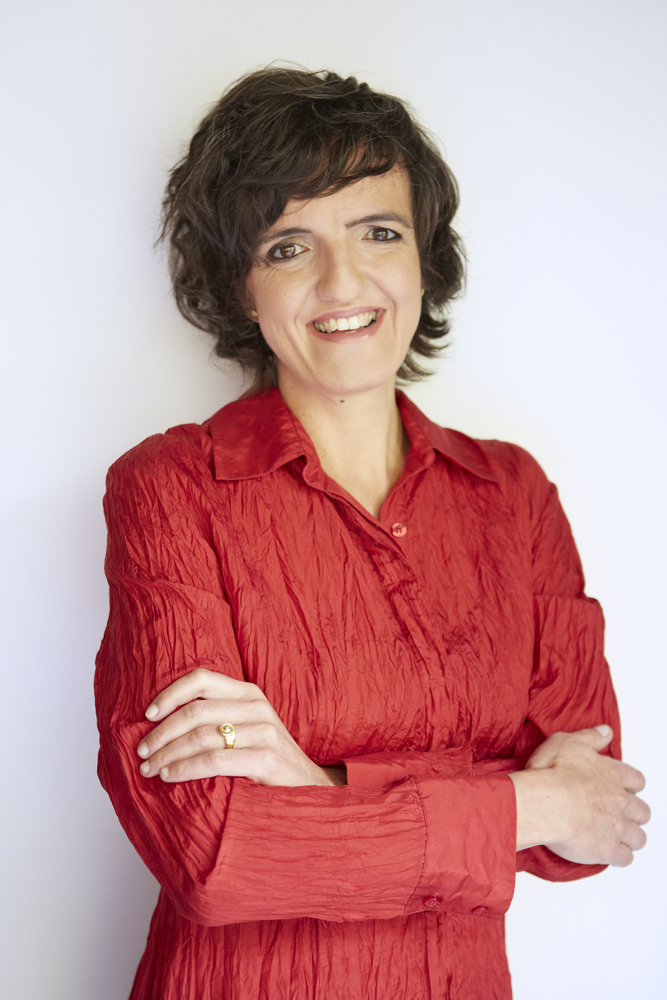
Peter Brodersen is a Professor at the Department of Biology, University of Copenhagen , specializing in Bioinformatics and RNA Biology . His research focuses on RNA modification (m6A), YTHDF proteins, and small RNA pathways in plants. Recent research trends from his group include: (1) molecular mechanisms of ARGONAUTE-small RNA interactions, (2) m6A-YTHDF regulatory systems in plant development, and (3) RNAi-independent roles of DICER-LIKE proteins in antiviral defense. Collaborations span Denmark and international institutions. Publications highlight cross-disciplinary work bridging computational biology and experimental plant genetics. Key subfields include RNA structure, epigenetic regulation, and antiviral immunity.
Gabriel Birzu is an Assistant Professor in the Department of Physics at the University of Florida. He develops quantitative models of microbial ecology and evolution using statistical physics approaches. His research investigates fine-scale diversity in microbial communities, examining how spatial processes shape evolutionary trajectories. Recent work analyzes hybridization barriers in cyanobacteria and genealogical patterns during range expansions. Birzu's interdisciplinary approach combines theory, computation, and data analysis to understand microbial diversification mechanisms and community responses to environmental perturbations.
Dr. Lourdes Pena-Castillo is a Professor jointly appointed in the Departments of Computer Science and Biology at Memorial University of Newfoundland's Faculty of Science. Her research focuses on applying machine learning and bioinformatics to study bacterial gene regulation, with emphasis on transcriptomics, gene expression pathways, and microbiology. She leads the Bioinformatics Lab at MUN, developing computational tools like Promotech for promoter prediction and sRNARFTarget for sRNA target identification. Education: BSc in Information Systems Engineering, ITESM-Mexico MSc in Computer Science, University of Alberta PhD in Computer Science (Doktoringenieurin), Otto-von-Guericke Universität Magdeburg Postdoc in Bioinformatics, University of Toronto Research Interests: Bioinformatics, Genomics, Machine Learning, Artificial Intelligence, Transcriptomics, Gene Regulation, Microbiology Her work integrates computational methods with biological data to address challenges in molecular biology, including analyzing bacterial sRNA functions, promoter recognition, and disease diagnostics using machine learning. She has advised numerous graduate students, including PhD candidates Purvikalyan Pallegar and Bonita McCuaig, and MSc students like Ruben Chevez-Guardado and Kratika Naskulwar. Her lab focuses on translational research with applications in both basic science and clinical contexts. Publications span computational methods for bacterial gene regulation, bioinformatics tool development, and interdisciplinary projects in VR and healthcare informatics. Her research has contributed to understanding symbiotic relationships in marine organisms, inflammatory bowel disease diagnostics, and clavulanic acid production in Streptomyces. Grants & Collaborations: Works with interdisciplinary teams across computer science and biology, supported by grants enabling projects in bacterial genomics and computational tool development. Labs & Teams: Leads the Bioinformatics Lab at MUN, fostering collaborations with researchers in microbiology, computer science, and healthcare.
Dr. Giulia Donati is a Researcher at Eawag – Swiss Federal Institute of Aquatic Science and Technology, affiliated with the Department of Environmental Social Sciences. She holds a PhD from ETH Zürich and has extensive experience in conservation biology, inter/transdisciplinary research, and project management. Her work focuses on social-ecological systems, ecological connectivity, and biodiversity conservation in aquatic and terrestrial ecosystems. Education: PhD (2016–2020, ETH Zürich), MSc (2013–2015, University of Lausanne), BSc (2010–2013, University of Lausanne). Notable roles include postdoctoral research on BlueGreenNet (2021–2024) and Connect-HDL (2020), and leadership in the Save Our Seas Foundation project (2019–2020). Research emphasizes social-ecological networks, blue-green infrastructure, and amphibian connectivity in human-dominated landscapes. Projects like BlueGreenNet and Connect-HDL integrate ecological modeling with stakeholder collaboration to enhance biodiversity. Her work bridges ecology, policy, and urban planning to address global conservation challenges. Publications span topics from clownfish genetics to urban biodiversity frameworks, reflecting interdisciplinary approaches. Active in science communication and policy-relevant research, she collaborates across sectors to foster sustainable solutions. Current affiliations include Eawag’s PEGO research group and the Department of Environmental Social Sciences.
Corrie Moreau is the Martha N. & John C. Moser Professor of Arthropod Biosystematics and Biodiversity at Cornell University, serving as Director & Curator of the Cornell University Insect Collection. She holds affiliations with the Department of Ecology and Evolutionary Biology and the College of Arts and Sciences. Her research focuses on symbiotic factors driving speciation, adaptation, and diversification in insects, particularly ants. Moreau’s work integrates molecular methods, next-generation sequencing, and field-based research to study biodiversity across scales. Education: Ph.D. in Organismic and Evolutionary Biology from Harvard University (2007), M.Sc. in Biology from San Francisco State University/California Academy of Sciences (2003), B.S. in Biology from San Francisco State University (2000). Research Interests: Evolutionary patterns/processes, organismal biology, plant-animal interactions, chemical ecology, sustainability, and microbiome dynamics. Her lab (Moreau Lab) investigates ant-microbe symbioses, host-microbe interactions, and the role of symbioses in macroevolutionary processes. Recent work includes studies on ant phylogenetics, gut microbiome evolution, and the impact of invasive species on native ecosystems. Publications highlight her contributions to understanding ant evolution, microbial symbiosis, and biogeography. Grants include NSF-funded projects on ant genomics and symbiosis. She advocates for natural history collections and their role in biodiversity research and education.
Michael Groll serves as Professor and Chair of Biochemistry at the Technical University of Munich (TUM), where he leads structural biology and enzymology research with a focus on proteasome mechanisms and inhibitor development. His laboratory, located at the Ernst-Otto-Fischer-Str. 8 campus in Garching, maintains active collaborations in drug discovery for cancer and infectious diseases. His primary research domains include proteasome inhibition, enzyme catalysis, and natural product biosynthesis, employing X-ray crystallography, biochemical assays, and bioengineering to dissect molecular mechanisms. Recent work emphasizes AI-guided enzyme optimization, bacterial stress response targeting, and structural characterization of halogenation enzymes, reflecting interdisciplinary approaches bridging chemistry and biology. Analysis of his 2023-2025 publications reveals consistent innovation in proteasome-targeted therapeutics, with 15 high-impact papers featuring structural insights into enzyme-inhibitor complexes and biosynthetic pathways. Key trends include engineering megasynthetases for immunoproteasome inhibitors, optical control of protein degradation, and elucidating metal-dependent mechanisms in antibiotic biosynthesis. No scientific awards were documented in the provided source material. While specific grant details and student mentorship records were not disclosed, his extensive publication record indicates leadership in collaborative research projects involving structural biology and chemical biology methodologies. The Chair of Biochemistry under Prof. Groll operates as a hub for structural enzymology, housing facilities for protein crystallography, enzyme kinetics, and natural product characterization. His team actively contributes to TUM's research ecosystem through partnerships with pharmaceutical groups and international structural biology consortia.
Lucas Paoli is a Researcher and Course Instructor at École Polytechnique Fédérale de Lausanne (EPFL), Switzerland. He leads the Paoli Lab (Microbiome Immunity and Ecology) within the Global Health Institute (GHI) under the School of Life Sciences (SV). His roles include scientific collaboration and teaching responsibilities in life sciences engineering. Paoli holds a PhD in Microbiome Research from ETH Zürich (2018-2023), an M.Phil. in Environmental Policy from the University of Cambridge (2017-2018), and an M.Sc. in Ecology and Evolution from École normale supérieure (2015-2017). Research Focus: His work bridges microbial immunity and ecology, investigating how microbes defend against viral infections across ecosystems like oceans and human microbiomes. Techniques include global-scale metagenomics and functional genomics to study immune strategies and ecological interactions. Key themes involve microbial community dynamics, viral defense mechanisms, and the impact of environmental factors on microbial immunity. Lab & Education: The Paoli Lab explores microbiome-immunity interactions with a focus on ecological contexts. Paoli supervises PhD students in Life Sciences Engineering. His research outputs span microbial ecology, metagenomic tool development, and marine microbiome studies. Contact: lucas.paoli@epfl.ch, AAB 1 39, +41 21 693 16 99.
Amy E. Fraley is an Assistant Professor at ETH Zürich, Department of Chemistry and Applied Biosciences, and leads the Medicinal Chemistry Research Group. Her cross-disciplinary work bridges natural products biosynthesis, pharmaceutical sciences, and environmental sustainability through enzymatic chemistry and biotechnology. BSc in Chemistry, Millersville University of Pennsylvania (2014) PhD in Medicinal Chemistry, University of Michigan College of Pharmacy (2019) Postdoctoral work at ETH Zürich Institute of Microbiology under Prof. Jörn Piel Her research focuses on harnessing biosynthetic enzymes (e.g., halogenases, monooxygenases, Diels-Alderases) to create sustainable bioactive metabolites. She explores natural product biosynthesis in fungi and marine bacteria, targeting disease mechanisms and green chemistry applications. Recent work includes metagenomic studies of Lake Chilika microbial mats and polyketide synthase engineering. Notable scientific awards include the 2024 JSP Fellow at Bürgenstock Conference, 2018 Rackham Predoctoral Fellowship, and multiple University of Michigan honors. Her group secured funding from the ETH4D Doctoral Mentorship Grant and Messerli Foundation . Collaborations span structural biology, synthetic chemistry, and microbiology, with key contributions to flavoenzyme characterization and bioactive compound libraries . The lab emphasizes interdisciplinary training and innovation in biocatalytic tools for organic synthesis.
Dr. Pamela D. Roberts is a Professor of Plant Pathology and State Extension Specialist for Vegetable Pathology at the University of Florida's Southwest Florida Research and Education Center (SWFREC) in Immokalee, FL. She holds a B.Sc. in Horticultural Sciences from Kansas State University, an M.S. in Plant Pathology from the University of Hawaii, and a Ph.D. in Plant Pathology from the University of Florida. Her research focuses on sustainable disease management in vegetables and specialty crops, emphasizing integrated management strategies for bacterial and fungal-like pathogens. She leads the Florida Extension Plant Disease Diagnostic Laboratory at SWFREC, offering diagnostic services and disease management recommendations. Her extension programs include educational outreach on plant diseases and field demonstrations of integrated management techniques. Dr. Roberts has received prestigious awards such as the UF/IFAS Jim App Team Award and the Dallas Townsend Distinguished Extension Award. She serves as Editor-in-Chief of the American Phytopathological Society journal Plant Health Progress . Her work spans disease diagnosis, epidemiology, and pathogen evolution, with a strong emphasis on crops like tomato, pepper, and citrus. Her research publications address topics such as Xanthomonas pathogen diversity, remote sensing for disease detection, and sustainable agricultural practices. She collaborates on projects involving molecular diagnostics, pest management strategies, and crop resilience. Ongoing efforts include combating bacterial spot diseases, whitefly-transmitted viruses, and citrus black spot.
Markus Friedrich is a Professor in the Department of Biological Sciences at Wayne State University, affiliated with the College of Liberal Arts and Sciences. His research focuses on insect development, gene family evolution, and arthropod visual systems, with a particular interest in cave-adapted species. He has held roles including Editor-in-Chief of the Molecular Biology and Genomics Section for the journal Insects and advised on the Australian Research Council project DP230100731 (2023-2024). Education: PhD in Zoology from Ludwig-Maximilians-Universität München (1995), postdoctoral training at Caltech (1996–1999). His research interests span comparative genomics, evolutionary developmental biology, and the genetic basis of sensory adaptations. Notable work includes studies on opsin gene evolution, cave animal adaptations, and the genomic basis of arthropod diversification. Recent publications highlight discoveries in harvestmen relict eyes, horseshoe crab Pax6 homologs, and cave beetle sleep behavior. Teaching includes courses like BIO4220 Biological Dimensions of Evolutionary Psychology and BIO1500 Basic Life Diversity . He has supervised numerous students and volunteers, fostering a dynamic research lab environment. His work integrates genomic, developmental, and evolutionary approaches to unravel mechanisms of trait evolution in insects. Grants/Awards: Australian Research Council funding, editorial leadership in entomology journals. Labs/Teams: The Friedrich Lab focuses on evolutionary genetics, with projects involving Tribolium beetles, cave organisms, and comparative genomics.
Matthew D. Barrett is a researcher at James Cook University , specializing in plant systematics and fungal taxonomy. His work spans diverse areas including angiosperm phylogenomics, fungal biodiversity, and conservation biology of rare Australian flora. Research Focus : Phylogenomic analysis, fungal systematics, and ecological adaptations of Australian plant species. Publications : Contributed to major studies in Nature , Studies in Mycology , and Telopea , with a particular emphasis on Western Australian endemics. His recent publications highlight integrative approaches combining morphological and molecular data for taxonomic revisions, particularly in Basidiomycota and Orchidaceae.
Lailiang Cheng is a Professor in the Horticulture Section of Cornell University's School of Integrative Plant Science, specializing in the physiological processes of deciduous fruit crops (particularly apple). His research focuses on sugar/malate metabolism, mineral nutrition, and environmental stress responses to improve orchard productivity and fruit quality. He integrates physiological, biochemical, and molecular approaches to study sorbitol signaling and nutrient management in high-density orchards. Education: Doctorate, Oregon State University (1999) Master of Science, Shandong Agricultural University (1989) Bachelor of Science, Shandong Agricultural University (1984) Research Focus: Cheng's work investigates carbon partitioning, malate accumulation, and nutrient transport dynamics in apple trees under abiotic stresses. His extension program delivers nutrient management strategies to the apple industry, while his teaching emphasizes analytical techniques (PLSCI 6170) and crop nutrition principles (PLSCI 4551/6551). Publication Analysis: Recent articles (2021-2025) reveal dominant themes in molecular regulation of fruit acidity, transporter biology, stress-responsive transcription factors, and omics-assisted breeding. Over 70% of publications involve collaborative work on apple genomics, with consistent emphasis on translating basic research into orchard management solutions. Awards & Recognition: No scientific awards mentioned in source materials. Academic Contributions: Advises graduate students in Horticulture; research supported by Cornell University Agricultural Experiment Station. Collaborates extensively with pomology breeders, extension specialists, and molecular biologists globally.
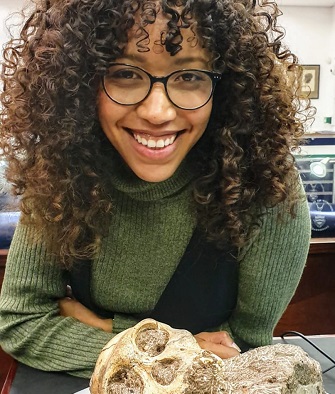
Lauren Schroeder serves as Associate Professor and Associate Chair of Graduate Anthropology in the Department of Anthropology at the University of Toronto Mississauga (UTM). A South African palaeoanthropologist specializing in hominin cranial and mandibular diversity, she employs quantitative methods including 3D morphological modeling and quantitative genetics. Dr. Schroeder maintains research affiliations with the Royal Ontario Museum, Human Evolutionary Research Institute, and Evolutionary Studies Institute at the University of the Witwatersrand. Her academic credentials include: PhD, University of Cape Town, 2015 BSc (Hons), University of Cape Town Dr. Schroeder's research spans Biological Anthropology, Palaeoanthropology, and Evolutionary Anthropology with emphasis on hominin variability, evolutionary theory, and quantitative genetics. Her work integrates statistical analyses of 3D morphological data with quantitative genetic approaches to investigate evolutionary processes underlying morphological variation. Current projects examine primate skeletal evolution, skeletal signatures of hybridization for detecting gene flow in fossil records, and the relative contributions of genetic drift versus natural selection in hominin evolution. Analysis of her 2016-2020 publications reveals consistent focus on paleoanthropological research centered on Homo naledi and other hominin fossils. Her scholarly output demonstrates integration of evolutionary theory, quantitative genetics, and morphological integration to explore hominin diversity and evolutionary mechanisms. Recurring themes include Bayesian phylogenetic methods, hybridization studies in human evolution, and critical reflections on ethics and decolonization within anthropological practice. No scientific awards were documented in the provided materials. Information regarding graduate student advising and research grant funding was not specified in available sources. The Schroeder Lab, situated in UTM's Terrence Donnelly Health Sciences Complex, advances morphological evolution research in humans and primates through innovative quantitative methodologies. Dr. Schroeder has contributed significantly to major paleoanthropological projects including the Malapa excavation (Australopithecus sediba) and Rising Star Cave (Homo naledi) as core research team member analyzing fossil hominins.
Dijin Xu is an Associate Research Scientist in the Department of Microbial Pathogenesis at Yale School of Medicine, Yale University. His research focuses on lipid metabolism, immunology, and molecular mechanisms underlying metabolic disorders and host-pathogen interactions. He holds a PhD from Tsinghua University (2016). Education: PhD in Microbiology, Tsinghua University, 2016 Research Interests: Dr. Xu’s work spans immunology (e.g., B cell biology and somatic hypermutation), lipid metabolism (lipid droplet dynamics and adipose tissue homeostasis), and virology (antiviral defense mechanisms against SARS-CoV-2). His studies integrate cellular biology, molecular genetics, and biochemical approaches to understand disease processes. Publications Overview: His recent work explores mechanisms of lipid droplet regulation, metabolic disorder prevention, and immune system function. Notable contributions include studies on Rab GTPases in lipid storage and ELOF1’s role in antibody diversification. Labs & Affiliations: He is affiliated with the West Campus Integrative Science & Technology Center at Yale University, focusing on interdisciplinary research in cellular and molecular biology.
Silvia Arber holds a joint appointment as Full Professor for Neurobiology/Cell Biology at the Biozentrum, University of Basel, and serves as Senior Group Leader at the Friedrich Miescher Institute (FMI) in Basel, Switzerland. Her laboratory investigates the organization, function, and development of neuronal circuits controlling motor behavior, with a particular focus on how these circuits enable precise movement control. Arber obtained her PhD in 1996 from the Friedrich Miescher Institute under Pico Caroni, followed by postdoctoral training with Thomas Jessell at Columbia University (1996-2000), where she studied transcription factors in spinal cord neuronal differentiation. Her educational background includes Biology II studies at the Biozentrum of the University of Basel with graduation in Cell Biology (1987), a diploma thesis at the FMI (1990), and graduate work at the FMI (1992). Her research program centers on elucidating how neuronal circuits orchestrate accurate motor behavior in response to sensory cues and voluntary movement initiation. Using mouse as a model system, her laboratory employs multi-faceted approaches including advanced mouse genetics, viral technologies for transsynaptic circuit tracing, optogenetics and pharmacogenetics for functional manipulation, quantitative behavioral analysis, electrophysiology, and gene expression profiling. Her work has revealed precise synaptic interactions within dedicated motor circuit modules throughout the nervous system and how these impact function, with implications for understanding diseases causing motor deficits and spinal cord injury. Analysis of Arber's publication record shows a consistent focus on motor circuit organization, with particular emphasis on transcriptional control mechanisms, circuit connectivity mapping, and the relationship between developmental processes and functional circuit organization. Her work bridges molecular, cellular, and systems neuroscience, providing fundamental insights into how the nervous system controls movement. The Brain Prize (2022) Elected to the National Academy of Sciences of the United States (2020) Physiological Society Annual Review Prize Lecture (2019) Pradel Research Award (2018) W. Alden Spencer Award (2018) Louis-Jeantet Prize for Medicine (2017) ERC Advanced Grant (2010-2015) EMBO Member (2005) EMBO Young Investigator Award (2001) While specific students are not listed in the provided materials, Arber's laboratory has received significant research funding including an ERC Advanced Grant (2010-2015) and multiple prestigious awards supporting her research program. Her laboratory at the Biozentrum (Room 11.038) collaborates closely with the Friedrich Miescher Institute, where she serves as Senior Group Leader. The research group employs cutting-edge technologies for neural circuit analysis and has contributed fundamental insights into motor circuit organization, with implications for understanding and potentially treating movement disorders and spinal cord injuries.