
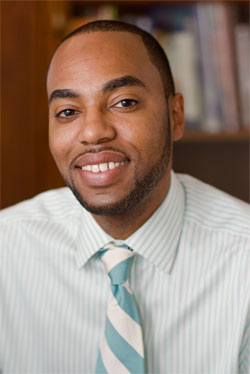
Christopher Emdin is a Professor of Science Education and Maxine Greene Chair for Distinguished Contributions to Education at Teachers College, Columbia University. He directs the STEAM, DREAM & IdeaLab initiatives. Emdin holds a B.S. in Physical Anthropology/Biology/Chemistry from Lehman College (2000), an M.S. in Natural Sciences from Rensselaer Polytechnic Institute (2003), and a Ph.D. in Urban Education from the CUNY Graduate Center (2007). His research focuses on urban STEM education , culturally responsive pedagogy , and Hip-Hop Education (HipHopEd) . Emdin has received prestigious awards including the Strage Prize (2011) and PDK International Outstanding Dissertation Award (2008) . He pioneered projects like the Science Genius B.A.T.T.L.E.S. , using rap battles to engage urban students in science. His work bridges theory and practice, emphasizing reality pedagogy and cosmopolitan ethics . Key contributions include over 50 publications on urban science education, equity, and hip-hop pedagogy. He is a leader in professional organizations such as NARST and AERA. Emdin’s grants include collaborations with NSF and Fund for Teachers, focusing on science agency and leadership in urban schools. His lab, IdeaLab , advances innovative teaching strategies rooted in youth culture.
جستجوی استاد راهنمای دانشگاهی
برای مسیر پژوهشیتان، استاد راهنما، استاد دانشگاه و پژوهشگر مناسب را پیدا کنید و با آنها ارتباط بگیرید.
نمایش ۱-۱۵ از ۴۵۳ استاد راهنما
اطلاعات پروفایلها از صفحات عمومی دانشگاهها گرفته شده و ممکن است بهروز نباشد.

Dr. Deborah J. Johnson is a researcher in the Department of Human Development and Family Studies at Michigan State University, affiliated with the College of Social Sciences. She holds a Ph.D. from Northwestern University, an M.A. from Cornell University, and a B.A. from the University of Chicago. Her work focuses on racial-ethnic socialization, cultural adjustment of immigrant/refugee groups, and resilience among marginalized populations, with particular attention to South Sudanese refugees, Indigenous Australians, and Roma youth. She explores how cultural identity intersects with global contexts, gender, and education to shape developmental outcomes. Key research areas include: Racial-identity development in African American and Latina college women Cultural adaptation of Sudanese refugees and its tridimensional aspects of identity alignment Positive youth development in Indigenous Australian communities through virtual reality initiatives Policy impacts on oppressed ethnic groups' identity reformation Her work has been published in over 50 peer-reviewed articles and books, including Identity Re/Formation among Immigrant Youth and Families (upcoming) and Children and Prejudice (2018). She leads interdisciplinary projects at the intersection of education, mental health, and public policy, emphasizing equity and culturally responsive practices. Dr. Johnson collaborates with institutions like the Child Development Laboratory and Couple & Family Therapy Clinic to translate research into community-focused interventions. Her global projects span North America, Australia, and Eastern Europe, addressing systemic barriers faced by vulnerable populations.
Hyun Kyoung Roمشاهده پروفایل
دانشیار
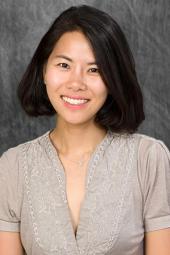
Dr. Hyun Kyoung Ro is an Associate Professor in the Department of Counseling and Higher Education at the University of North Texas, affiliated with the College of Education. She previously served as a faculty member at Bowling Green State University and worked as a Research Designer and Analyst at Carnegie Mellon University’s Office of Institutional Research and Analysis. Ph.D. in Higher Education, The Pennsylvania State University (minor in Educational Psychology—Applied Measurement) M.A. and B.A., Korea University Her research centers on gender and racial equity in STEM education , learning experiences of marginalized students , and critical quantitative research and assessment . She employs rigorous methodologies to examine systemic inequities and institutional practices affecting underrepresented populations in higher education. Dr. Ro's recent publications span top-tier journals such as Journal of Engineering Education , The Review of Higher Education , and Research in Higher Education , reflecting a strong focus on equity, policy, and assessment in STEM and higher education contexts. Her work consistently emphasizes intersectionality, data justice, and institutional reform. She has received significant external funding, including: National Science Foundation ADVANCE Adaptation Track grant for gender equity on campus AccessLex Institute/Association for Institutional Research grant on law school access and enrollment among women of color Collectively, these grants total $1.1 million, supporting her leadership in advancing equity through research and institutional change. While no formal list of advisees or awards is provided, her role as a leading author and grant recipient highlights her active mentorship and scholarly leadership. Dr. Ro has not indicated any lab or research team affiliations in the provided text, but her research profile suggests collaboration with institutional research units and equity-focused initiatives.

Caryn J. Block is a Professor of Psychology and Education at Teachers College, Columbia University. Her affiliations include the Organization & Leadership and Social-Organizational Psychology programs. She holds a Ph.D. in Industrial/Organizational Psychology from New York University (NYU), an M.A. in Psychology from NYU, and a B.S. in Psychology from the University of Illinois at Urbana-Champaign. Her research focuses on the long-term effects of stereotype threat in workplaces, the influence of race and gender stereotypes on leadership perceptions, microaggressions, and strategies for creating inclusive climates. Notably, her work explores how systemic stereotypes affect marginalized groups in STEM fields and the psychological dynamics of workplace diversity challenges. Block’s publications span topics including racial dynamics in employment, gender disparities in academic evaluations, and the psychological impact of microaggressions. Her collaborative research with colleagues examines organizational citizenship behavior, diversity trainer effectiveness, and leadership stereotype assessment. Despite no explicitly listed awards, her contributions to organizational psychology and diversity studies are widely recognized through her extensive publication record. Her advising and grant activities are not detailed here, though her research collaborations suggest active engagement in academic networks and institutional change initiatives. Block is affiliated with the Teachers College community and contributes to its mission of advancing education and psychological research in diverse organizational contexts.
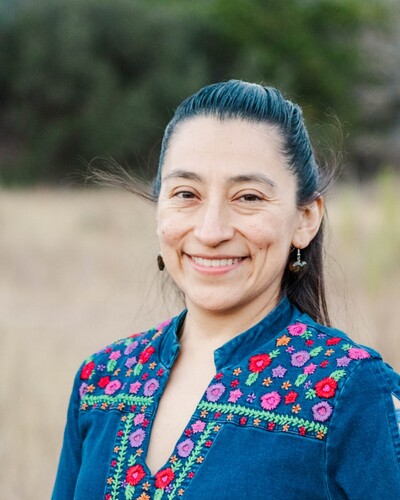
Dr. Martha Sidury Christiansen is a Professor of Applied Linguistics/TESOL at the University of Texas at San Antonio , where she serves in the College of Education and Human Development . She is the Principal Investigator of Project RESPETO , a NSF-funded initiative exploring racial equity in engineering education. Her work spans sociolinguistics, digital literacies, and raciolinguistic analysis, with a focus on transnational multilingual communities. Born in Veracruz, Mexico Ph.D. in Foreign/Second Language Education (Ohio State University, 2013) M.A. in English Composition (Indiana University, 2007) B.A. in English Language Teaching (Universidad Veracruzana, 2002) Her research examines how transnational youth navigate digital spaces through multiliteracies , challenges Western academic writing norms via Mexican decolonial methodologies , and investigates raciolinguistic intersections in identity formation. The 15 most recent publications reveal a strong focus on digital communication , transnationalism , and critical pedagogy across journals like TESOL Quarterly and Language@Internet . 2023-2025: Expanding raciolinguistic frameworks in digital contexts 2021-2022: Analyzing multimodal identity construction 2019-2020: Exploring Mexican bilinguals' online language use She has received multiple honors including ACUE Fellow (2023), Fulbright Scholar (2017), and Faculty Leadership Fellow (2021-2022). Her presentations at conferences like ICOLLITE and DDVM Lab highlight her expertise in critical sociolinguistic awareness and digital discourse analysis . Dr. Christiansen actively consults for nonprofits on linguistic equity and multilingual education .
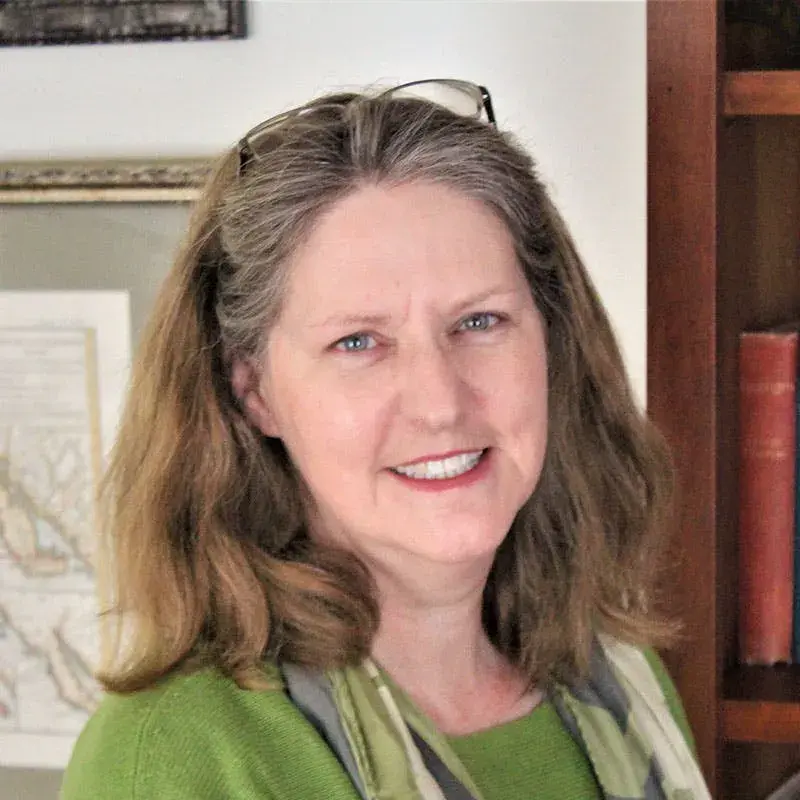
Alison Louise Bailey is a Professor and Division Head in Human Development & Psychology at UCLA's Graduate School of Education and Information Studies. She specializes in developmental psycholinguistics, focusing on multilingual education, academic language pedagogy, and assessment practices for English learners. Education: Ed.D. and Ed.M. from Harvard University; B.A. (Hons) in Linguistics with a minor in American Literature from The University of Hull, England Her research explores language learning progressions, equity in educational assessment, and the intersection of language with STEM disciplines. She leads two U.S. Department of Education-funded ExcEL Peer Network projects and collaborates on NSF and W.T. Grant Foundation grants. Recent publications emphasize translanguaging, automated language assessment, and bias mitigation in educational technologies. Her work integrates Bayesian modeling for dual-language immersion outcomes and examines racial injustices in assessment systems. Awards: Bobbie and Mark Greenfield Distinguished Faculty Award, Haynes Foundation Faculty Fellow, Harold and Lois Haytin Award, Ann C. Rosenfield Distinguished Community Partnership Prize She contributes to national assessment policy as a NAEP Reading Standing Committee member and NCME Classroom Assessment Task Force Co-Chair, advocating for culturally responsive assessment frameworks.
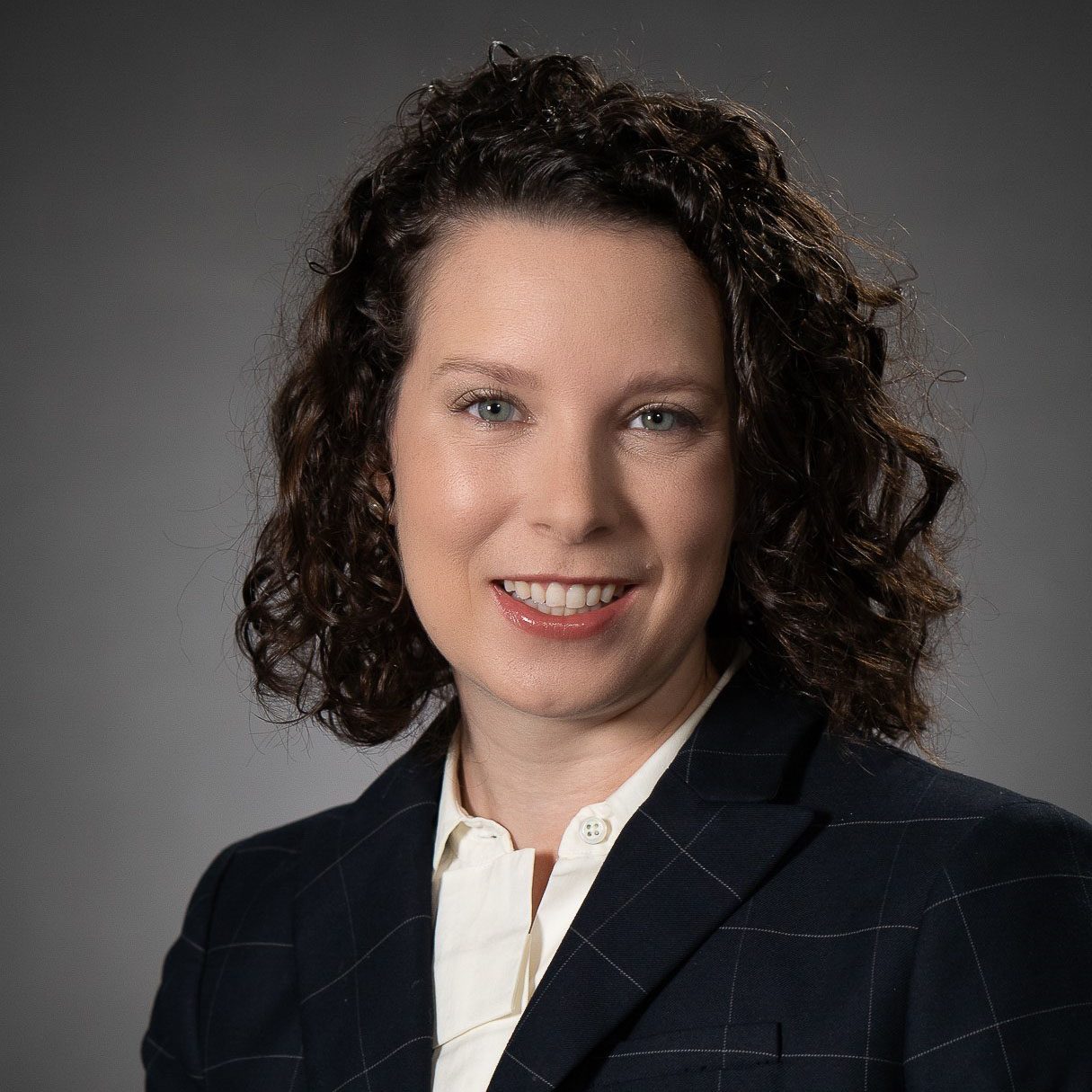
Allison Godwin is a Professor in the Department of Chemical Engineering at Cornell University, joining the faculty in 2023. She holds a B.S. (2011) and Ph.D. (2014) in Chemical Engineering and Science Education from Clemson University. At Purdue University, she was a tenured member of the School of Engineering Education and held a joint appointment in the Davidson School of Chemical Engineering (2020). Research Interests: Engineering identity development, particularly for underrepresented groups Inclusive pedagogies to reduce equity gaps in STEM Engineering workforce diversity and retention strategies Mixed-methods research on belonging and motivation Scientific Awards: 2023 American Institute of Chemical Engineers Award for Excellence in Engineering Education Research 2022 AERA Division I Outstanding Research Publication Award 2021 CEE William H. Corcoran Award 2017-Present NSF CAREER Award 2016 NARST Outstanding Doctoral Dissertation Award Leadership Roles: Past Chair of ASEE Educational Research Methods Division (2021-2023) Associate Editor for Chemical Engineering Education (2020-Present) Co-led Purdue’s Faculty Learning Community for inclusive teaching
Catherine White Berheide is the Tisch Family Distinguished Professor and Professor of Sociology at Skidmore College , focusing on work and occupations, organizations, and women's studies. She holds a Ph.D. and M.A. from Northwestern University and a B.A. from Beloit College . Education Ph.D., M.A. – Northwestern University B.A. – Beloit College Her research explores faculty work-life balance, gender disparities in academia, pandemic impacts on academic productivity, and household labor dynamics. Key themes include: Faculty well-being during crises Gendered division of labor Family-friendly institutional policies Academic career barriers for women Intersectional analysis of race and gender in teaching Recent work analyzes: Emotional labor disparities during remote teaching Career trajectory obstacles in liberal arts colleges Gendered work-life conflict patterns She has contributed to curriculum development through Senior Seminar in Sociology and studies institutional diversity initiatives.
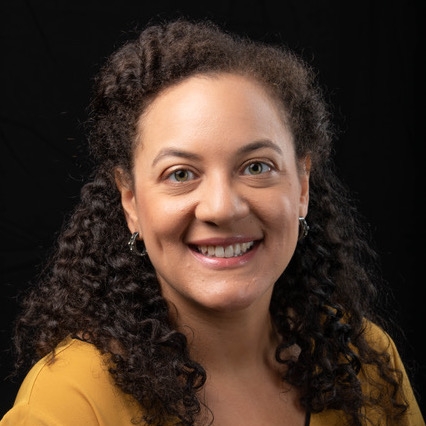
Stacey Garrettمشاهده پروفایل
دانشیار
Stacey Garrett (she/her/hers) is an Associate Professor in the Counseling, Family Therapy, and Higher Education Department at Appalachian State University’s Reich College of Education. Her research focuses on diversifying higher education through qualitative exploration of faculty, staff, and students of color’s experiences. She advises graduate students across certificate, master’s, and doctoral programs delivered both online and in-person. Member of the Reich College of Education Mentoring Guild Advocate for faculty professional and personal growth Emphasizes institutional leadership strategies for recruitment/retention of diverse faculty Her work highlights challenges like pandemic-era community disruption and burnout prevention through mentorship. Key research themes include Black women faculty navigation, culturally responsive teaching, and systemic barriers faced by marginalized groups in academia.
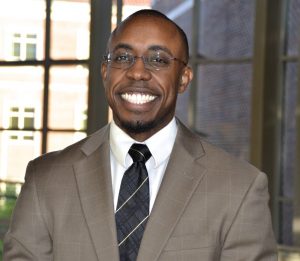
Darryl Dickersonمشاهده پروفایل
استادیار
Dr. Darryl Dickerson is an Assistant Professor in the Department of Mechanical and Materials Engineering at Florida International University (FIU), part of the College of Engineering. His research focuses on mechanical characterization of biological interfaces, design of bioinspired materials, and advancing inclusive engineering education practices. He holds a Ph.D. (details not explicitly provided in text). Research Interests: Dr. Dickerson’s work bridges biomechanics and biomaterials engineering with social equity in education. Key areas include: Mechanical properties of biological interfaces (e.g., bone-cartilage junctions) Development of biomaterials for tissue repair using 3D printing and electrospinning Anti-marginalization strategies in engineering education, particularly for Black and Brown students Publications Trends: Recent work emphasizes dual themes: (1) Biomedical innovation through advanced material fabrication and (2) Inclusive pedagogy addressing systemic inequities in STEM education. Notable contributions include scaffold designs for osteochondral repair and frameworks for reducing microaggressions in team-based learning. Grants and Advising: No specific grants or advisees listed in the provided text. His work appears to be grant-funded through NIH/National Science Foundation pathways common in biomaterials and education research. Labs and Teams: While not explicitly stated, his research likely involves collaborations with FIU’s Center for Engineering and Computing’s diversity initiatives and biomaterials labs focusing on tissue engineering applications.

Anthony Lising Antonio is an Associate Professor at the Stanford Graduate School of Education and Associate Director of the Stanford Institute for Higher Education Research . He serves as the founding faculty director of LifeWorks , an undergraduate integrative learning program. His work focuses on postsecondary access, racial diversity in education, student development, and social stratification. PhD, University of California, Los Angeles (1998) MA, University of California, Los Angeles (1994) MS, Stanford University (1992) BS, University of California, Berkeley (1988) Dr. Antonio's research spans stratification in higher education, racial and ethnic minority student development, and the impact of diversity on institutions. Recent work explores college admissions essays, synthetic text analysis, engineering equity, and social network applications in educational research. His 2024-25 courses include Diversity and Equity Issues in Higher Education and Holistic College Student Development. His publications address critical themes like racialization in STEM, gender dynamics in undergraduate applications, intersectionality in student status, and college access program partnerships. Articles frequently employ social network analysis, critical race theory, and interdisciplinary methodologies to examine educational equity and institutional change. Principal investigator for educational RCTs Co-author on large language model demography studies Contributor to affirmative action policy debates Dr. Antonio advises doctoral students in education and sociology, with affiliations to the Center for Comparative Study in Race and Ethnicity and the Asian American Studies program. He resides in EAST House, a Stanford residential fellowship focused on equity and societal issues.
- Higher Education
- Race and Ethnicity
- Sociology
- +۵ مورد دیگر
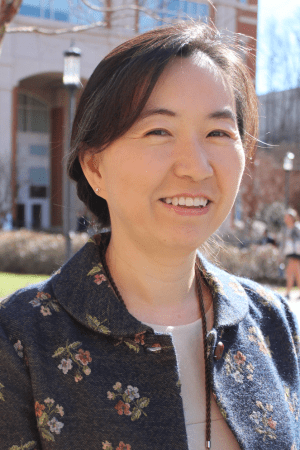
Jae Hoon Lim is a Professor in the Department of Educational Leadership/Educational Research, Measurement, and Evaluation at the Cato College of Education, The University of North Carolina at Charlotte. She serves as Program Director for the Post-Master's Certificate in Qualitative Research and teaches qualitative research methods at both introductory and advanced levels. Ph.D., University of Georgia (2002), Elementary Education with Certificate in Interdisciplinary Qualitative Studies M.A., Korea University (1995), Education with focus on Educational Philosophy B.Ed., Seoul National University of Education (1990), Elementary Education Dr. Lim’s research focuses on intersectionality and equity in STEM education , particularly examining identity construction and systemic barriers faced by underrepresented groups including student veterans, Asian international female students, and African American girls. Her work addresses cultural barriers in educational transitions and critiques social/ethical dimensions of engineering education. Recent publications analyze racial disparities in veteran transitions to STEM careers , gender tightropes in transnational STEM education , and pedagogical strategies for marginalized student groups . Themes across her work include qualitative methodologies, educational equity, and intersectional analyses of race, gender, and class. Principal Investigator for $1.6M NSF grant on veteran education Co-PI for Department of Defense grants supporting student veterans Recipient of UNC Charlotte Faculty Research Grant for women veterans study Dr. Lim actively contributes to academic communities as an Associate Editor for the Journal of Women and Minorities in Science and Engineering and as former President/Chair of the Korean American Educational Researchers Association (KAERA). Her work bridges educational theory with practice through collaborations with institutions like Oxford University Press and Teachers College Press.
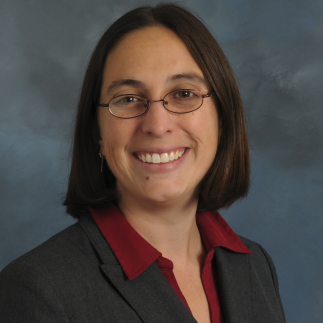
Dr. Kelly Lynn Mulvey is an Associate Professor in the Department of Psychology at North Carolina State University. She holds a Ph.D. from the University of Maryland and prior degrees from Duke University, with teaching experience in public schools. Her research focuses on social-cognitive development, particularly in STEM equity, stereotypes, and intergroup dynamics. She currently leads federally funded projects by the National Institute of Justice and National Science Foundation. Her work examines children’s moral reasoning, peer exclusion, and bias, alongside initiatives to broaden STEM participation for underrepresented groups. She runs the Mulvey Social Development Lab , collaborating on projects like the World Smarts STEM Challenge and interventions addressing gender stereotypes in motor skills. Recent studies explore refugee inclusion, transgender identity development, and bystander responses to bias-based bullying. Dr. Mulvey’s research bridges developmental psychology and education, emphasizing participatory methods and real-world applications. She investigates how school climates and informal learning sites influence STEM engagement, particularly for marginalized youth. Ongoing projects address pandemic-era media literacy, disaster-impacted students’ STEM identity, and antiracist curricula in schools. Funding: National Institute of Justice, National Science Foundation Labs/Teams: Mulvey Social Development Lab Key Themes: Equity in STEM, Social Justice, Child Development
Dr. Angela M. Locks is a Professor and Department Chair in Educational Leadership at California State University, Long Beach (CSULB), within the College of Education. She also serves as the Executive Director of the Center for Evaluation & Educational Effectiveness. Her career spans nearly three decades in higher education, with 16 years at CSULB, where she has held leadership roles in diversity, equity, and inclusion, including Executive Director for Diversity, Equity, and Inclusion in Academic Affairs (2020–2024), and founding roles in undergraduate research programs. Education: Ph.D. in Higher Education (Diversity & Governance), University of Michigan, Ann Arbor M.A. in Education, University of Michigan, Ann Arbor B.A. in Psychology, University of Michigan, Ann Arbor Her research centers on diversity, equity, and inclusion in higher education , with a focus on college access, retention, campus climate, and the experiences of racially and ethnically underrepresented students. She examines how institutional policies and practices affect student outcomes, particularly through intergroup dialogue, high-impact practices, and diversity programming. Her work emphasizes the holistic development of students and the role of equity-mindedness in educational leadership. The recent publications and edited volumes highlight a sustained focus on debunking deficit narratives (e.g., 'grit'), supporting Students of Color, and understanding the structural barriers faced by Latina/o, African American, and first-generation students. Her research bridges theory and practice, often involving longitudinal and qualitative studies that inform institutional strategies for inclusion and retention. Scientific Awards: 2021 Wang Family Excellence Award Outstanding Faculty Service Nominee, CSULB 2014 Outstanding Faculty Mentor for Student Engagement in Research, CSULB Academic Affairs 2014 Most Valuable Professor, College of Education, CSULB Alumni Association Dr. Locks has supervised 18 doctoral dissertations and 23 master’s theses, demonstrating a strong commitment to mentoring the next generation of scholars. She led the Mellon Mays Undergraduate Fellowship Program (2017–2024) and founded the Undergraduate Research Opportunity Program, securing external funding and institutional support for student research. Her leadership extends to national initiatives, including serving as principal investigator for the Truth, Racial, Healing, and Transformation (TRHT) Campus Center with AAC&U. She is actively involved in research centers and programs at CSULB, including the Center for Evaluation & Educational Effectiveness and the Office of Undergraduate Research Services. Her work continues to shape institutional practices around diversity, equity, and student success through research, policy engagement, and community collaboration.
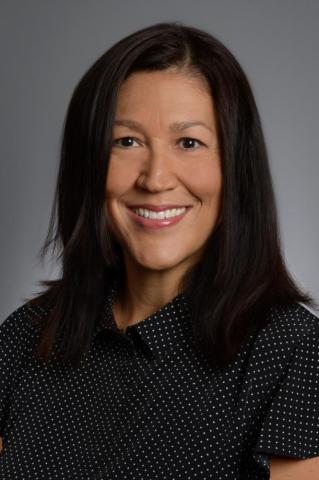
Lisa Flores is a Professor in the Department of Psychological Sciences at the University of Missouri, within the College of Arts and Science. Her research focuses on career development, diversity in STEM fields, and systemic barriers faced by underrepresented groups in higher education and professional settings. Flores leads a clinical psychology lab investigating topics like invisibility in vocational contexts, retention of Latinx engineers, and structural competencies in counseling practice. Her work integrates social cognitive career theory with critical race theory and intersectionality frameworks. Notable contributions include developing assessment tools like the Career Support Scale for Women in Engineering (CSS-WE) and the Negative Outcome Expectations Scale in Engineering (NOES-E). Flores has secured grants for longitudinal studies on engineering student retention and led initiatives to improve academic-climate metrics for underrepresented minorities. Recent research emphasizes workplace diversity challenges, particularly for women and people of color in technical fields. She has published over 50 peer-reviewed articles and serves on editorial boards for journals like Journal of Counseling Psychology and Journal of Latinx Psychology . Flores' teaching focuses on counseling psychology, career development interventions, and culturally responsive pedagogy.