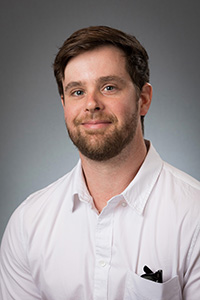
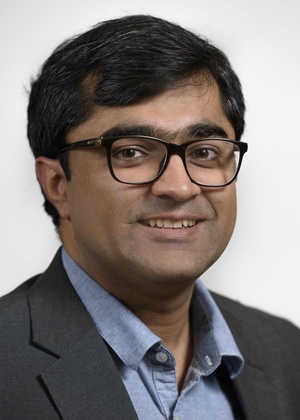
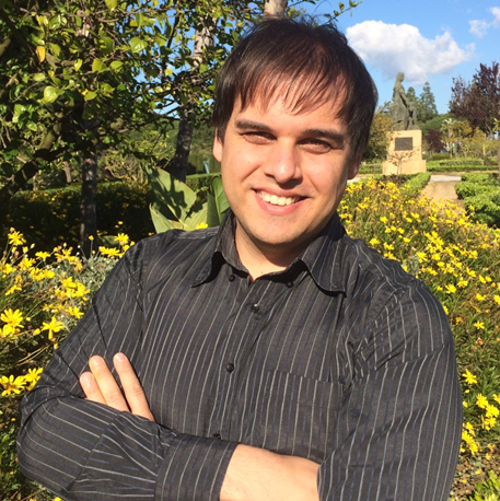
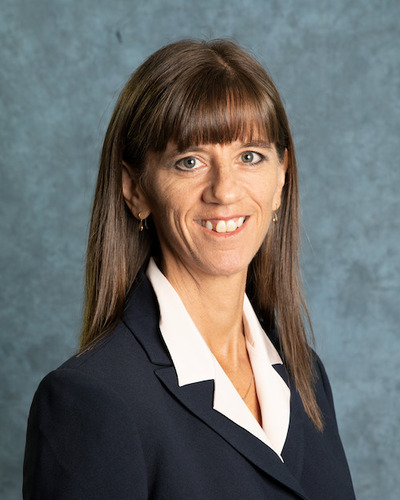
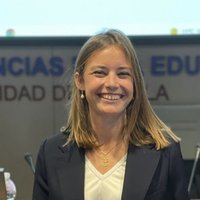
Scott Weedon is an Associate Professor in the Technical Communication & Rhetoric program at Texas Tech University’s Department of English . His research bridges technical communication, rhetorical theory, and interdisciplinary applications in engineering and medical contexts. PhD in English with a concentration in Writing History and Theory (WHiT), Case Western Reserve University His research interests include Writing in the Disciplines (WID) , rhetorical genre studies , and rhetorics of science and medicine , with a focus on gender-inclusive writing in epidemiology and emotional dynamics in design presentations. Recent publications highlight collaborations with scholars like Charlie Rioux and T. Kenny Fountain, emphasizing knowledge translation, design thinking, and ethical communication in technical fields. Notable scientific awards include the James M. Lufkin Award (2017) for his work on engineering judgment. His peer-reviewed articles span interdisciplinary domains such as public health, design theory, and pseudoscience analysis. Scott mentors students and contributes to advancing technical communication through academic service.
Rebecca Grossman is a Research Fellow at the University of Oxford , affiliated with the Oxford Centre for Diabetes, Endocrinology and Metabolism and Brasenose College. She is a specialist registrar in general surgery within the Oxford Deanery, with research focuses on circadian biology , liver metabolism , and gender equality in surgical workplaces . Additionally, she serves as Associate Editor for Social Media at the British Journal of Surgery and contributes to the Royal College of Surgeons of England Women in Surgery Forum. Academic Background: Medical Degree: University of Cambridge (intercalated Zoology) and Guy's King's St Thomas School of Medicine, London Award: Legg Prize in Surgery Research Themes: Her work bridges metabolic surgery with chronobiology , exploring circadian mechanisms in liver metabolism. She also investigates social media's role in surgical research dissemination and systemic gender disparities in medical fields, particularly harassment in surgical environments. Notable Publications (2022-2010) address surgical workplace harassment, gender representation biases, SARS-CoV-2 prehabilitation protocols, and social media in medical education. Trends show interdisciplinary focus on technology-human interaction and equity in healthcare . Awards: Legg Prize in Surgery Professional Roles: Combines clinical training (MRCS, DHMSA) with academic research, advocating for safer surgical workplaces through the Royal College of Surgeons' Women in Surgery Forum. Her DPhil in circadian biology represents a deep integration of clinical practice and fundamental science.
Mustafa Naseem is a Clinical Associate Professor at the University of Michigan School of Information. His research focuses on technology for social impact, particularly in patriarchal societies and low-income communities. He collaborates with governments and NGOs across Africa, Asia, and North America to create sustainable sociotechnical solutions. Education MS in ICT and Development (ICTD), University of Colorado Boulder BS in Electrical Engineering, National University of Sciences and Technology (NUST), Pakistan Research Focus Naseem designs technologies enabling behavior change to improve health outcomes for women and children. His interdisciplinary work spans health informatics, HCI, ICTD, and AI ethics, with emphasis on cultural contexts in South Asia and diasporic communities. Publication Themes His research demonstrates consistent focus on digital safe spaces, health communication, and community-centered design. Recent work explores AI ethics, refugee adaptation, and combating misinformation through culturally responsive technologies. Awards and Honors Diversity and Inclusion Award (CSCW 2020) Best Paper Honorable Mention (CHI 2020) Finalist - Rolex Young Laureate Award (2016) Fulbright Scholarship (2011-2013) Grants and Collaborations Substantial funding from: Bill & Melinda Gates Foundation National Institutes of Health National Science Foundation USAID UNICEF UK Department for International Development Leads international teams implementing solutions impacting tens of thousands in Punjab, Pakistan.
Emilio José Delgado Algarra is an Associate Professor in the Department of Integrated Didactics at the University of Huelva, Spain. Specializing in Didactics of Social Sciences, he leads multiple academic initiatives including the Center for Research in Contemporary Thought and Innovation for Social Development (COIDESO), the Master of Research in Teaching and Learning of Experimental, Social, and Mathematics Sciences, and the East Asian Academic and Cultural Center. He coordinates the HUM168 research group (DESIGN) and serves as coordinator of the international teaching network INNOVAGOGIA in Japan. PhD in Education from Universidad de Almería (2020) PhD in Education from Universidad de Huelva (2014) His research focuses on citizenship education, multicultural competence, and technology integration in social sciences teaching. He explores topics like historical memory, augmented reality applications, game-based learning, and global-local identity formation. He has published extensively on these themes, particularly examining comparative practices between Spain and Japan. Delgado Algarra actively develops digital tools for educational assessment and has collaborated on international MOOCs analysis. He has contributed to heritage education frameworks and teacher training programs that incorporate feminist and animal ethics perspectives for social transformation.
Janice Tsoh is a Professor at the University of California, San Francisco (UCSF) School of Medicine in the Department of Psychiatry and Behavioral Sciences. She serves as Co-Director of the Asian American Research Center on Health (AsianARCH.org) and Associate Director for the NIDA T32 Postdoctoral Training Fellowship on Substance Use Disorders . Her research focuses on reducing tobacco-related and cancer health disparities in Asian American communities , particularly immigrants with limited English proficiency. Academic Background: PhD & MA in Clinical Psychology (University of Rhode Island) BA in Psychology (State University of New York, Binghamton) Certificate in Clinical Research (UCSF) Her work combines lay health worker outreach , digital health tools , and electronic health record integration to address smoking cessation , healthy lifestyle promotion , and mental health equity . She has led numerous NIH and TRDRP-funded studies, including trials for family-based interventions in Vietnamese and Chinese communities. Recent publications highlight her focus on COVID-19 syndemics , anti-Asian racism , and technology use in immigrant populations . She has received the URM Research Mentoring Award for her work with underrepresented trainees. Awards & Leadership: URM Research Mentoring Award Diversity, Equity, and Inclusion Champion Co-Director, AsianARCH.org Associate Director, NIDA T32 Fellowship Her mentoring extends to faculty development in research and career growth, emphasizing support for underrepresented minorities in health disciplines.
Ginevra Castellano is a Professor in Intelligent Interactive Systems and Director of the Uppsala Social Robotics Lab at the Department of Information Technology of Uppsala University. Her research focuses on developing ethical and trustworthy human-robot interactions across education, healthcare, and transportation systems. Castellano's work explores critical dimensions of social robotics including robot ethics, autonomy, human oversight, gender fairness, transparency, trust, and relationship formation. She employs a dual approach combining computational skill development for robotic systems with rigorous human user evaluations to study acceptance and social consequences. Her interdisciplinary research bridges computer science, psychology, ethics, and social sciences. Her recent publications (2023-2025) reveal strong trends toward trustworthy autonomous systems, with emphasis on human-robot trust measurement, socio-legal frameworks for robotics, gender considerations in design, and healthcare applications including perinatal depression screening. Her work demonstrates increasing attention to artificial awareness and human-centered design principles. Castellano has received significant recognition including the 10-Year Technical Impact Award at the ACM International Conference on Multimodal Interaction (2019) and the Frontiers in Robotics and AI Outstanding Associate Editor Award (2021). As Principal Investigator, she has led multiple national and EU-funded projects on ethical human-robot interaction. Notably, from 2012-2016 she coordinated the EU FP7 EMOTE project developing educational robots for classroom environments. She currently serves as Associate Editor for Frontiers in Robotics and AI and ACM Transactions on Human-Robot Interaction, while actively contributing to the Swedish AI Society and ACM/IEEE Conference on Human-Robot Interaction Steering Committee. Castellano founded and directs the Uppsala Social Robotics Lab, which investigates how humans and robots can coexist and collaborate effectively while maintaining ethical standards and human values. The lab's research spans multiple application domains with particular focus on creating socially intelligent robotic systems that enhance human experiences while addressing critical societal questions.
Dr. Stephanie Towns is an Associate Professor of Neurology at Yale School of Medicine specializing in clinical neuropsychology. She serves as the Training Director for Neuropsychology programs and works primarily out of Greenwich, CT. Her clinical practice focuses on evaluating patients with neurological conditions including epilepsy, Parkinson's disease, stroke, dementia, and traumatic brain injury. Dr. Towns earned her PsyD from Antioch University of New England (2014), completed her internship at James A Haley VA Medical Center in Tampa, FL, and finished her postdoctoral residency in neuropsychology and neuroimaging at the Geisel School of Medicine at Dartmouth (2016). She is board-certified in clinical neuropsychology by the American Board of Professional Psychology (2017). Her primary research interests center on the relationship between sleep and cognitive symptoms in patients with neurological diseases, as well as innovations in clinical neuropsychology training. Dr. Towns has published extensively on neuropsychological assessment methods, trainee education, and the impact of neurological conditions on cognitive function. Her publication record shows consistent output with a focus on practical applications in clinical neuropsychology, particularly regarding assessment methodologies, training standards, and the relationship between sleep disturbances and cognitive outcomes in neurological populations. Dr. Towns is actively involved in professional service, serving as a reviewer for Alzheimer's & Dementia: Diagnosis, Assessment & Disease Monitoring and as an editorial consultant for The Clinical Neuropsychologist. She frequently participates in media appearances discussing dementia prevention and brain health, including segments with WTNH and Yale News. As Training Director, Dr. Towns supervises neuropsychology externship and residency programs, emphasizing holistic recruitment approaches to improve equity in trainee selection. She has been instrumental in addressing pandemic-related challenges in neuropsychology training through multiple surveys and publications documenting trainee experiences during the COVID-19 crisis.
Herbert G. Spencer González is an Adjunct Professor and Designer at the School of Architecture and Design, Pontificia Universidad Católica de Valparaíso (PUCV) in Chile. With a Master's degree in Interaction Design from CMU, he has been actively involved in design education since 1992. Currently, he is pursuing his PhD at Auckland University of Technology with the research project 'PictoNet: A Practice-Based Inquiry into a Generative Pictographic System for Cognitive Accessibility.' Spencer's academic journey began at the School of Architecture and Design at PUCV, where he trained as a graphic designer during the dawn of the digital age. His career has spanned over three decades, witnessing and contributing to the digital revolution of the 1990s and now the emergence of artificial intelligence in design practice. Research Interests Herbert Spencer's research focuses on the intersection of design, technology, and human experience, with particular emphasis on cognitive accessibility . His current work explores the relationship between word and image, investigating how pictograms and visual communication can enhance accessibility for people with intellectual disabilities, autism, dementia, and other communication challenges. His primary research areas include: Universal Design from the perspective of cognitive accessibility Intelligent Systems Design, particularly incorporating AI as a design material Design for Democracy and citizen communication platforms Physical or Tangible Interaction in exhibition spaces Service Design, especially for public services Spencer works at the Accessibility and Inclusion Center, where he conducts research with diverse populations facing communication difficulties. His academic interests intersect with philosophy of language, graphics, and advanced generative modeling techniques. Research Trends Spencer's recent publications demonstrate a strong focus on accessibility, particularly cognitive accessibility for people with intellectual disabilities. His work bridges design practice with social impact, exploring how visual communication systems like pictograms can empower individuals with communication challenges. A significant portion of his research examines self-determination skills among aging populations with intellectual disabilities, addressing healthcare barriers and quality of life issues. His innovative PICTOS project represents a practical application of his research, creating tools for navigation and evaluation of cognitive accessibility in services. Academic Contributions As an educator, Spencer has guided numerous undergraduate and graduate students through their thesis projects, with a focus on design for accessibility and inclusion. His teaching portfolio includes courses such as Interaction Design Workshop, Design Degree Workshop, and Written Image, reflecting his commitment to both theoretical and practical aspects of design education. Professional Activities Spencer is actively involved in the academic community through conference presentations, workshops, and collaborations. His 'Travesías' (journeys) program, both as a student and professor, demonstrates his commitment to experiential learning in design education. Recent professional activities include organizing seminars on accessible technology and participating in workshops on cognitive accessibility.
Dr. Kathy B. Ewoldt serves as Assistant Professor of Special Education within the College of Education and Human Development at the University of Texas at San Antonio. Leveraging seven years of public-school teaching experience in 6th-12th grade inclusion and resource classrooms, she specializes in improving academic outcomes for culturally and linguistically diverse students with disabilities in urban educational settings. Her research program centers on evidence-based writing interventions for students with learning disabilities and English learners, strategic promotion of STEM career pathways for students with disabilities, implementation of assistive technologies in K-12 education, and comprehensive policy development for service animals in schools. She has co-authored the authoritative text Service Animals in Schools: Legal, Educational, Administrative, and Handling Aspects and publishes in premier journals including Teaching Exceptional Children , Dyslexia , and Learning Disabilities: A Multi-Disciplinary Journal . Analysis of her 15 most recent publications (2020-2025) reveals three dominant research thrusts: (1) targeted literacy interventions for English learners with disabilities emphasizing color-cued writing strategies and paragraph construction; (2) assistive technology applications in computer science education for students with vision impairments; and (3) expanding social-emotional learning frameworks and STEM accessibility for neurodiverse learners. Her work consistently bridges research-practice gaps through rigorous methodology and equity-focused design. Dr. Ewoldt's scholarly impact is recognized through prestigious awards including the UTSA President’s Distinguished Faculty Achievement Award (2022) and Council for Learning Disabilities Outstanding Researcher Award (2021). Her complete honors portfolio features: Association of Teacher Educators Clinical Practice Fellow (2018) Council for Exceptional Children Division of Research Doctoral Student Scholar (2017) Council for Learning Disabilities Leadership Institute (2017) 41st Electronic Combat Squadron Airman of the Year (1990) Air Force 12 Outstanding Airman Nominee (1989) 41st Electronic Combat Squadron Maintenance Professional of the Year (1989) She actively directs national and state grant initiatives advancing educational equity for diverse learners, with current projects developing semantics-oriented screen readers for coding education and expanding STEM career pipelines for students with disabilities. While specific advisees aren't documented in source materials, her extensive publication record and grant leadership indicate significant mentorship of graduate researchers in special education.
John-Tyler Binfet is an Associate Professor at the University of British Columbia's Okanagan School of Education, where he serves as Director of Graduate Programs and Director of the Building Academic Retention through K9's (B.A.R.K.) program. He also directs the Centre for Mindful Engagement, a role he assumed in 2021. His dual research focus centers on children's conceptualizations of kindness in educational settings and the impact of canine-assisted interventions on university student well-being. Binfet earned his Bachelor of Arts in Psychology from the University of Calgary (1987), followed by a Bachelor of Education (1991), Master of Arts in Measurement (1993), and PhD in Educational Psychology (2000), all from the University of British Columbia, Vancouver. His educational background has provided a strong foundation for his interdisciplinary research that bridges psychology, education, and human-animal interaction studies. His research on kindness explores how children and adolescents understand and enact kindness within school contexts, resulting in the development of the School Kindness Scale. His canine-assisted intervention research, particularly through the B.A.R.K. program founded in 2012, investigates how interactions with therapy dogs reduce stress and enhance well-being among university students. This work has expanded to include virtual canine comfort modules and cross-population applications. Binfet's publications reveal a strong trend toward methodological sophistication in animal-assisted intervention research, with increasing attention to diverse student populations, gender considerations, and the mechanisms through which human-animal interactions affect wellbeing. His work spans theoretical frameworks in social psychology, practical applications in educational settings, and rigorous methodological approaches including randomized controlled trials and mixed-methods designs. Outstanding Instructor Award (2024) Multiple SSHRC Partnership Engage Grants Central Okanagan Foundation funding for kindness research TELUS funding for canine therapy initiatives Binfet actively supervises graduate students in M.Ed., M.A., and Ph.D. programs, with expertise in both qualitative and quantitative research methodologies. His leadership extends to the B.A.R.K. program, which routinely brings 60+ therapy dogs to campus, and the Centre for Mindful Engagement. Current research directions include virtual canine comfort interventions, cross-cultural validation of kindness assessment tools, and expanding the application of canine-assisted interventions to diverse populations including veterans and law enforcement personnel.
Suhaila Albazi is a Lecturer at the English Language Institute of King Abdulaziz University (Jeddah, Saudi Arabia) and a current PhD candidate in the School of Education at Durham University. Her research focuses on integrating assistive technologies—particularly smartphones and tablets—into literacy support for learners with visual impairments, while also advancing scholarship in second-language acquisition, TESOL methodologies, and reading strategy development. Education PhD in Education (ongoing, 2022–present), Durham University MA in Teaching English to Speakers of Other Languages (TESOL) – Distinction Diploma in Education BA in European Languages (English), King Abdulaziz University Research Interests Albazi’s interdisciplinary work straddles applied linguistics and special-education technology . She is particularly invested in understanding how mobile devices can serve as low-cost, high-impact reading aids for low-vision students, thereby promoting inclusive education. Complementary interests include: Metacognitive reading strategy training in ESL/EFL contexts Curriculum design for learners with diverse needs Gender and language-learning outcomes in Saudi higher education Publications & Trends Her 2016 study on metacognitive strategy training underscores a consistent theme: enhancing reading comprehension through learner-centered pedagogical interventions. Future dissemination is expected to revolve around assistive-technology efficacy and inclusive TESOL practices. Supervision & Grants Albazi is currently supervised by Dr Johny Daniel (Director of Studies) and Dr Nadia Siddiqui (Second Supervisor) within Durham’s vibrant educational research community. Details of external funding or doctoral grants have not yet been disclosed. Research Environment She operates within Durham’s School of Education , leveraging its robust infrastructure in educational technology, inclusive pedagogy, and cross-cultural research to advance her dissertation on mobile reading aids for visually-impaired language learners.
Marina Milner-Bolotin is a Professor at the University of British Columbia (UBC) Faculty of Education , specifically within the Department of Curriculum & Pedagogy . She has held faculty positions at UBC since 2009, previously serving at Ryerson University (2007-2009) and UBC Faculty of Science (2004-2007). Her research spans STEM education , educational technologies , physics pedagogy , and teacher professional development , with a focus on inquiry-based and technology-enhanced learning. Her work integrates science outreach through initiatives like the UBC Physics Olympics (20+ years) and the Family Math and Science Day (since 2010). She explores artificial intelligence in education, cross-cultural teacher development (e.g., Bangladesh, Nepal), and digital tools such as Phyphox and PhET simulations. Recent studies include analyzing adolescent wellbeing using PISA data and collaborative problem-solving metrics. She leads online graduate programs for science teachers and has presented at international venues like the Beijing Science Festival . Her research trends emphasize creative pedagogy , technology integration , and global partnerships to address equity in STEM. Despite no formal awards listed, her outreach and publications highlight her impact on teacher education and public science engagement.
Maria Fernanda Arentsen is an Associate Professor at the University of Saint-Boniface, where she serves as Director of the Department of French Studies, Languages and Literatures. She teaches Spanish language and literature courses, including Intermediate Spanish, Advanced Language and Composition, and specialized topics like Latin American Cinema and Magical Realism. Her academic work bridges French-Canadian and Latin American literary traditions. Ph.D. in French Literature from the University of Ottawa Her research focuses on the intersection of Disability Studies, migration narratives, and multiculturalism in literary contexts. She explores themes like the portrayal of mental health in postcolonial literature, the role of stereotypes in migrant storytelling, and the tension between exclusionary and integrative cultural forces. The trends in her publications highlight a sustained analysis of disability representation across Quebec and Latin American literatures (e.g., works by Lise Gaboury-Diallo and Monique Proulx), the impact of migration on identity formation, and the symbolic role of borders in cultural narratives. Her scholarship often engages with interdisciplinary frameworks linking literature, history, and social theory. Maria Fernanda Arentsen has received significant funding, including a $104,000 SSHRC Insight Grant for her project on 'The Wounded Body in French-Canadian Literature (1945-2015). She has held leadership roles in academic communities as Bilingualism Officer for the Canadian Disability Studies Association and as a board member for organizations like the Canadian Center for Disability Studies. Her public lectures on disability in Latin American cinema and literature have earned recognition, including being named 'Honorary Visitor' by the Municipality of San Lorenzo, Argentina.
Greta Temporin is a PhD student in Management, Production and Design at the Polytechnic University of Turin (38th cycle, 2022-2025) and serves as an External Lecturer and Teaching Assistant at the Department of Management and Production Engineering (DIGEP). She also functions as an External Collaborator for Internationalization, Cooperation, Alliances and Mobility (INCAM), contributing to institutional diversity initiatives. Education: PhD in Management, Production and Design, Polytechnic University of Turin (2022-2025, 38th cycle) Her research centers on gender equality and organizational transformation in academic settings, with emphasis on technology fields. She investigates systemic gender disparities in entrepreneurship, mentorship discourse, and institutional policy frameworks. Her work bridges theoretical gender studies with practical implementation of diversity initiatives in higher education, particularly focusing on how technological environments intersect with equity measures. Recent publications reveal a cohesive trajectory examining gender dynamics through multiple lenses: quantitative analysis of academic entrepreneurship disparities, critical discourse studies of mentorship programs, and development of evaluation frameworks for institutional gender equality plans. Her 2025 publications demonstrate progression toward actionable policy solutions, including the university's PLAN 2025-27 for systemic cultural change. Teaching: She has served as Course Collaborator for "Gender and Technology" (Grand Challenges - Technologies and Humanity) in the Management Engineering program during academic years 2023/24 and 2024/25, integrating her research on gender-technology intersections into curriculum development.
Coral Ivy Hunt Gómez is a faculty member at Universidad de Sevilla in the Departamento de Didáctica de la Lengua y la Literatura y Filologías Integradas . She holds a PhD in Translation and Interpreting from Universidad de Granada (2012) and has focused her research on digital communication, gender studies in language, and educational technology integration. Her research spans topics like: Acceptance of textisms in Spanish orthography Gender-fair language (GFL) in teacher training Heritage education for democratic citizenship CLIL methodology with streaming platforms Ethics in court interpreting She received the Premio Francisco Ayala for her translation work and has contributed to journals such as Lingua , Language and Education , and The Interpreter and Translator Trainer . Her methodological studies often involve surveys and mixed-method analysis of educational practices.