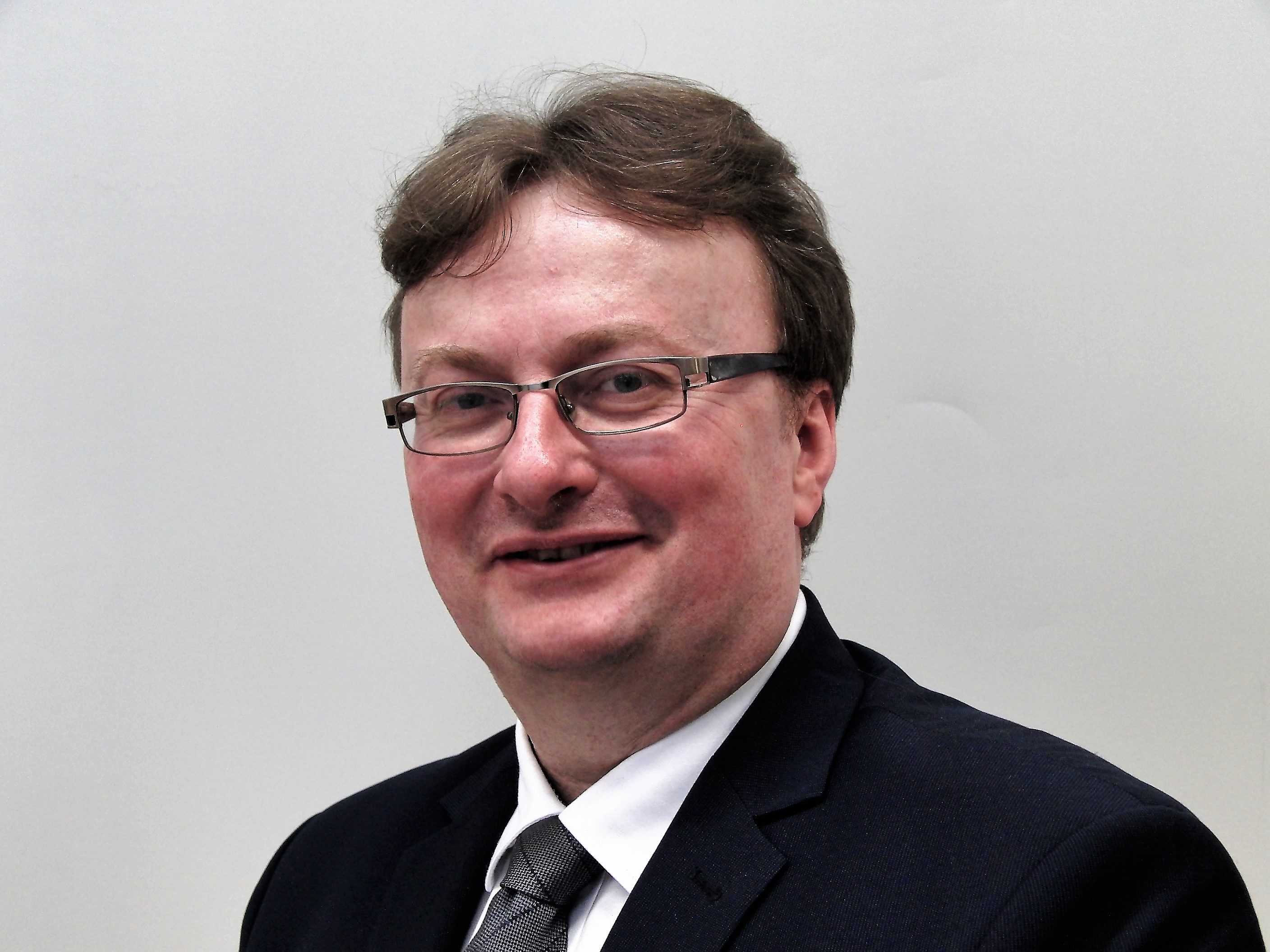
Dr. Lars Lauterbach is a University Professor at RWTH Aachen University , leading the Department of Synthetic Microbiology . His research focuses on molecular genetics, biochemistry, and gas-converting biocatalysts, particularly hydrogen-dependent enzymatic processes. Institution: RWTH Aachen University Role: Institute Head Contact: lars.lauterbach@rwth-aachen.de His work spans hydrogen metabolism , metalloenzymes , and electrobiochemistry , with recent publications emphasizing CO2 conversion, hydrogenase engineering, and enzymatic cofactor regeneration. Key research areas include: Hydrogen-driven biocatalytic cascades Oxygen-tolerant hydrogenases Carbon dioxide valorization Multi-step enzymatic synthesis Hydrogen storage and utilization Redox chemistry in metalloproteins The 2023-2025 article list reflects trends in CO2-based biotechnology , biocatalytic hydrogenation , and synthetic microbial systems , with applications in pharmaceuticals, fine chemicals, and sustainable energy.
Dr. Shulin Chen Dr. Shulin Chen is a Professor in the Department of Biological Systems Engineering at Washington State University (WSU), affiliated with the College of Agricultural, Human, and Natural Resource Sciences (CAHNRS). His research focuses on bioenergy and bioproducts engineering, particularly in anaerobic digestion systems for dairy waste conversion, sustainable biorefinery processes, and microbial metabolic engineering. Research Interests: Biodegradable plastics and anaerobic digestion Industrial biotechnology for biofuel production Wastewater nutrient recovery Algal-bacterial synergies in bioremediation Thermophilic microbial systems His team has developed six anaerobic digestion systems in Washington State, reducing greenhouse gas emissions and mitigating water pollution. In 2022, he received the WSU Innovation and Entrepreneurship Award for advancing sustainable industrial processes. Dr. Chen leads a multidisciplinary research group of over 20 scientists, graduate students, and visiting scholars. Awards: 2022 Innovation and Entrepreneurship Award, Washington State University Key Projects: Conversion of dairy manure to bioenergy Bioconversion of lignocellulosic biomass Biopolymer production via engineered microbes
Prof. Irene Chetschik leads the Research Group for Food Chemistry at ZHAW School of Life Sciences and Facility Management. Her work focuses on food chemistry, particularly cocoa processing, mycotoxin mitigation, and flavor analysis. She has spearheaded projects like the 'Decoding of Flavour Properties of Cocoa Liquors' and 'Upcycling of Wheat Harvest Losses'. Key research areas include aroma compound identification in chocolate, detoxification strategies for mycotoxins (e.g., zearalenone), and innovative post-harvest treatments for cocoa beans. Her expertise spans food safety, plant-based product development, and microbial biotechnology. Notable contributions include studies on cocoa fermentation dynamics, moisture incubation alternatives, and hemp's potential in food systems. She has published widely in journals like Journal of Agricultural and Food Chemistry and Food Research International , with a focus on sensory-driven improvements and sustainable food technologies. Research Group Leadership: Head of Food Chemistry Research Group Project Leadership: 12+ projects including detoxification strategies, cocoa innovation, and hemp analysis Publications highlight molecular approaches to flavor profiling and mycotoxin reduction, emphasizing interdisciplinary methods like GC-MS and molecular networking. Her work bridges agricultural science with industrial applications, aiming to enhance food quality and safety globally.
Dr. Jully Tan serves as an Associate Professor (Education Focused) at Monash University Malaysia's School of Engineering, leveraging over fifteen years of expertise in chemical engineering education and curriculum development. She plays pivotal roles in program accreditation through Malaysia's Engineering Accreditation Council and actively contributes to UN Sustainable Development Goals via educational and environmental research. Her academic credentials include: PhD in Chemical Engineering, Universiti Malaya (research: life cycle assessment for microalgae production) Master of Environmental Engineering, Universiti Teknologi Malaysia B.Eng. in Chemical Engineering, Universiti Teknologi Malaysia Dr. Tan's research centers on engineering education innovation —developing VR tools for process safety and gamified learning—and sustainable manufacturing , specializing in life cycle assessment of carbon/water footprints across palm oil, plastic waste, and biogas systems. Her work bridges theoretical knowledge with practical workplace readiness for multidisciplinary engineering students. Analysis of her 15 most recent publications (2022-2024) reveals dual thematic trajectories: educational technology (VR, gamification, digital equity) and circular economy solutions (plastic recycling, biowaste valorization, cellulose nanocrystals). These integrate environmental economics with industrial ecology, emphasizing scalable sustainability metrics for developing economies. Her accolades demonstrate excellence in both domains: IChemE Malaysia Highly Commended Award (2024) for educational innovation Engage & Educate Digital Learning Design Competition winner (2024) Faculty of Engineering Australia-Malaysia Travel Grant (2023) School of Engineering Certificate of Commendation for Early Career Education (2021) Institution of Engineers Malaysia Presidential Award (2022) As Primary Chief Investigator, Dr. Tan secures competitive grants including the 2025 Monash-Warwick project on ethical preparedness in engineering education and the ongoing VR-based process safety initiative (2022-2024). She mentors PhD candidates in teaching tool development and sustainable manufacturing while serving on national accreditation panels. Her leadership extends to organizing the Asia PSE Symposium and Malaysian Chemical Engineers Symposium, fostering industry-academia collaboration through the Institution of Engineers Malaysia.
Professor Ravi Naidu is a Distinguished Laureate Professor and Director at the University of Newcastle's School of Environmental and Life Sciences. He also serves as the Managing Director of the Cooperative Research Centre for Contamination, Assessment and Remediation of the Environment (CRC CARE) and Director of the Global Centre for Environmental Remediation (GCER). With over 25 years of experience, Professor Naidu is a global leader in contamination studies, focusing on agricultural and industrial impacts on the environment. Professor Naidu's educational background includes a Doctor of Philosophy from Massey University (New Zealand), a Master of Science from the University of the South Pacific, and an honorary Doctor of Science from Tamil Nadu Agricultural University. His academic journey has positioned him as a leading expert in environmental contaminants, bioavailability, and remediation. Professor Naidu's research focuses on contaminated soil, water, and potential impacts of contaminants on human health. His work has led to the implementation of policy directives for governments and new technologies to manage and remediate polluted groundwater and soil. He has developed a systems-based approach to risk assessment that examines contaminants from agriculture and industry and their relationships with environmental and human receptors. His research spans PFAS (Per- and polyfluoroalkyl substances), heavy metals, arsenic, and other environmental contaminants, with a strong emphasis on practical applications and remediation technologies. Professor Naidu has patented seven technologies to safeguard the environment and human health, including a product to remediate toxic chemicals left behind by firefighting foams. Professor Naidu's scientific contributions have been recognized with numerous prestigious awards: Gold Medal in environmental science (1998, Tamil Nadu Agricultural University) Elected Fellow of the Soil Science Society of America (2000) Elected Fellow of the New Zealand Soil Science Society (2004) Elected Fellow of the Agronomy Society of America (2006) Soil Science Society of America's International Soil Science Award (2012) Elected Fellow of the American Association for the Advancement of Science (2013) Honorary DSc from Tamil Nadu Agricultural University (2013) Inaugural Banksia CEO award for outstanding contribution to environmental sustainability research (2013) Professor Naidu has supervised over 35 PhD completions and established strong research networks including the Soil Contamination Research Australasia Pacific (SCRAP), now titled the Australian Remediation Industry Cluster (ARIC), which has grown to over 4000 members across the region. He has independently raised funds for research and training in the Asia region, running more than 20 workshops and 5 international conferences over the last 10 years. His research funding totals over $170 million, including CRC CARE funding. As Director of GCER and Managing Director of CRC CARE, Professor Naidu leads teams focused on developing solutions for complex contamination problems. CRC CARE's center in China enables collaboration with scientists and engineers to train locals to develop solutions for environmental contamination problems. His "pooCARE" technology helps convert piggery waste into biogas, demonstrating his commitment to practical, scalable environmental solutions. Professor Naidu's vision includes expanding research on environmental risk assessment and remediation to China and the Asia region through collaboration and the development of Centers of Excellence.
Michael Jørgen Hansen serves as a Senior Researcher in Environmental Engineering at Aarhus University's Department of Biological and Chemical Engineering. His research focuses on agricultural emissions reduction, particularly methane and odor control from pig production systems. His work bridges environmental science, agricultural engineering, and climate policy development. Research interests span Greenhouse Gas Emissions from livestock operations, Waste Management technologies, Odor Control systems using mass spectrometry and olfactometry, and Methane Reduction strategies through dietary interventions and housing innovations. His fingerprint analysis reveals strong specialization in pig production systems (100%), methane emissions (60%), and emissions measurement techniques (42%). Hansen leads multiple active research projects including STOREMIS (Greenhouse gas emissions from slurry storage), PIGMET (methane prediction modeling), and a 2024-2025 project on odor regulation in pig barns. His research outputs include 114 publications with significant activity in 2022-2025, featuring prominent work on fiber-type impacts on methane production and robotic slurry management systems. As primary investigator for the 2024 odor regulation project and co-investigator on multiple international collaborations, Hansen actively contributes to Danish climate technology policy through DCA - National Center for Food and Agriculture. His media presence includes coverage in Danish agricultural press regarding CO2 tax avoidance technologies and pig odor measurement systems.
John Newbold is a Professor of Dairy Nutrition at Scotland's Rural College (SRUC), specializing in dairy nutrition science with a focus on connecting scientific research to practical applications. His research interests include mammary physiology, rumen metabolism, methane and manure management, feedstuff analysis, and calf development. He leads projects on optimizing amino acid nutrition in dairy cows and exploring novel feed additives to reduce methane emissions. Newbold holds a PhD in Dairy Science from the University of Nottingham. Education: PhD in Dairy Science (University of Nottingham, 1987), BSc in Agricultural Biochemistry and Nutrition (University of Newcastle-upon-Tyne, 1981). Research Interests: Mammary Physiology: Milk component synthesis rates Rumen Physiology: Cell wall digestion and protein synthesis Methane Mitigation: Feed additives and rumen management Feedstuff Evaluation: Nutrient composition analysis Calf Development: Growth and health optimization Grants & Projects: Over £2.5M in competitive funding, including DEFRA and EU projects on greenhouse gas mitigation, rumen microbiology, and sustainable livestock systems. Recent initiatives include the Daffodil-enabled Climate-Friendly Ruminant Production project and Re-Livestock for resilient farming systems. Labs & Teams: Collaborates with interdisciplinary teams on rumen microbiology, biorefinery applications, and methane reduction technologies. Active in industry partnerships for feed additive development and climate-smart agriculture.
David Levin is Professor in the Department of Biosystems Engineering at the University of Manitoba's Price Faculty of Engineering. His research integrates microbiology, molecular biology, and bioprocess engineering to develop sustainable applications in biofuel production, biodegradable polymers (PHAs), and microbial degradation of synthetic plastics. Education Ph.D. Virology, McGill University, 1987 M.Sc. Entomology, University of Guelph, 1979 B.Es. Environmental Studies, University of Waterloo, 1977 Research Interests Dr. Levin's work spans bioengineering and biotechnology with focus areas including: Microbial synthesis of biodegradable polymers Enzymatic degradation of petroleum-derived plastics Genomic and proteomic analysis of microbial systems Development of sustainable bioprocesses for industrial applications His research group isolates novel bacteria and enzymes for polymer degradation and engineers microbial systems for renewable material production. Publications Recent publications demonstrate strong emphasis on polyhydroxyalkanoate (PHA) characterization, microbial plastic degradation, and algal biotechnology. Work includes optimization of fermentation processes, enzyme characterization, and development of biodegradable composites for packaging applications. Laboratory Leads the Biosystems Engineering research group investigating microbial metabolism and biopolymer synthesis under controlled bioreactor conditions.
Tim Causon is an Associate Professor at the Institute of Analytical Chemistry, Department of Chemistry, University of Natural Resources and Life Sciences (BOKU) in Vienna, Austria. With a PhD from the University of Tasmania and habilitation in analytical chemistry, he has established himself as a leading expert in mass spectrometry and metabolomics applications. His research focuses on developing advanced analytical methods with particular emphasis on ion mobility mass spectrometry techniques and their applications in biotechnology and metabolomics. Dr. Causon's research interests center on method development for mass spectrometric analyses in metabolomics, particularly for biotechnology and bioprocess engineering applications. His work explores fundamental studies of molecular ions and analytical applications of ion mobility mass spectrometry (IM-MS), with significant contributions to capillary electrophoresis, chromatography, and metabolomics. His laboratory develops innovative approaches for metabolite identification, structural characterization, and quantitative analysis, with applications spanning from bioproduction to environmental analysis. His recent publications demonstrate a strong focus on advancing ion mobility mass spectrometry techniques, with particular attention to collision cross section measurements, metabolite identification, and method development for complex biological and environmental samples. His work spans fundamental studies of ion behavior to practical applications in biotechnology, food science, and environmental analysis. Scientific Awards: Fritz Feigl Award from the Austrian Society of Analytical Chemistry (2022) Dr. Causon has successfully secured substantial research funding through numerous projects, including the EU-funded MobiliTraIN: Ion Mobility-Mass Spectrometry Training Network (2024-2028) and several industry collaborations. He has supervised multiple doctoral and master's students whose work focuses on analytical method development, metabolomics, and ion mobility applications. His laboratory maintains strong collaborations with both academic and industrial partners across Europe. As an active member of the scientific community, Dr. Causon organizes major conferences such as the IMS Symposium 2023 and serves on editorial boards and as a reviewer for leading analytical chemistry journals. His laboratory is well-equipped for advanced mass spectrometry research with multiple ion mobility-capable mass spectrometers and complementary analytical instrumentation.
Dr. Yue Zhang is an Associate Professor in the Department of Civil, Maritime and Environmental Engineering at the University of Southampton, Faculty of Engineering and Physical Sciences. Her work bridges environmental sustainability, biotechnology, and engineering, with a focus on anaerobic digestion and bioresource recovery. She leads key research projects on bioenergy, CO₂ biomethanisation, and waste valorisation, and teaches core modules in civil and environmental engineering. Research Interests: Optimisation of anaerobic digestion via trace element supplementation and microbial pathway manipulation CO₂ biomethanisation and in-situ hydrogen addition Mixed-culture fermentation for selective carboxylic acid production from protein-rich wastes Nutrient recovery from wastewater and organic residues Microbial electrochemical systems for biofuel (methane, biobutanol) production Her recent publications reflect a strong trend in process optimization, microbial community dynamics, and sustainable resource recovery, particularly in the context of food waste, energy crops, and industrial effluents. A recurring theme is the integration of biological processes with engineering controls to enhance efficiency and environmental benefit. Scientific Awards: Fellow of the Higher Education Academy (FHEA), 2012 Dr. Zhang actively supervises multiple PhD students and has held leadership roles in teaching, including Module Lead for Bioenergy and Urban Water and Wastewater Engineering. She has received research funding from EPSRC, BBSRC, Innovate UK, the European Union, and the Royal Academy of Engineering. Her external roles include chairing committees at BBSRC and EPSRC, and membership in the EPSRC Peer Review College. She is also involved in international collaborations, such as the EU-China ECOFUEL project. Labs and Research Groups: Water and Environmental Engineering Group Southampton Marine and Maritime Institute Environmental Biotechnology Innovation Centre
Sage R. Hiibel is an Associate Professor at the University of Nevada, Reno, affiliated with the Graduate Program of Hydrologic Sciences. His research focuses on environmental engineering, water treatment, and microbial bioremediation, particularly in membrane distillation, nutrient recovery from waste streams, and algal biomass applications. Environmental Engineering Water Treatment and Reuse Microbial Bioremediation Algal Biofuels Nutrient Recovery Systems Sustainable Water-Energy Nexus His recent work (2020–2025) emphasizes microalgae-based methane mitigation , membrane technology integration , and life cycle assessment of resource recovery systems . Key trends include innovations in hydrothermal carbonization , crystallization modeling , and mine drainage bioremediation . Contact: shiibel@unr.edu | Office: LMR 305 | Mail Stop: 0388
Prof. Keikhosro Karimi is a Professor in the Department of Bio-engineering Sciences at Vrije Universiteit Brussel. His research focuses on sustainable biorefinery systems, waste valorization, and biofuel production. Key areas include biomass pretreatment, bioenergy optimization, and circular economy strategies for industrial and agricultural residues. Research Projects STEP-Chem (2025–2029): Technological strategies for a sustainable chemical industry. IPSU 2024: Smart biorefinery concepts for municipal biowaste valorization in Europe. Research Interests Prof. Karimi’s work integrates advanced pretreatment technologies, machine learning optimization, and life cycle assessment to address sustainability challenges in bioenergy systems. He explores innovative approaches for converting lignocellulosic biomass, marine macroalgae, and food industry byproducts into biofuels, biochemicals, and high-value materials. Recent Contributions Recent studies highlight breakthroughs in ultrasound-assisted biomass processing , fish waste biorefining , and blockchain-enabled food waste management . His work emphasizes scalability, economic viability, and environmental impact mitigation in bioprocess design. Grants & Collaborations Active collaborations include EU-funded initiatives and industry partnerships focused on bio-based economies. Ongoing projects aim to harmonize technological, socio-economic, and environmental dimensions of sustainable chemical production.
Mateja Pećina is a Senior Lecturer at the Department of Animal Science and Technology, University of Zagreb Faculty of Agriculture, specializing in molecular genetics and biotechnology applications in animal production. She holds a PhD in Animal Science and Technology and has been affiliated with the university since 2016. PhD in Animal Science and Technology (2017-2023) MSc in Animal Science and Technology (2013-2015) BSc in Food Science and Technology (2010-2013) Her research focuses on: Developing molecular methods for animal production Gene polymorphism effects on meat quality Bioremediation techniques in food processing Genetic markers for sensory properties in livestock Dry ageing impacts on beef burgers Conservation of endangered local breeds Recent publications highlight trends in genetic influence on meat composition, bioremediation advancements, and sustainable practices in livestock farming. She coordinates two major projects: Genetic, Economic, and Social Interactions in Local Breed Conservation (Croatian Science Foundation, 2021-2024) and Boosting Excellence in Experimental Research for Agri-Food Economics and Management (Horizon 2020, 2020-2023). Her international collaborations include scientific visits to the University of Padova, University of Bologna, and Swedish University of Agricultural Sciences for research in animal biotechnology and meat analysis.
Donya Kamravamanesh is a Lecturer at Aalto University , affiliated with the Bioproducts and Biosystems department. Her work focuses on advanced biochemical processes and sustainable energy systems. Research interests include: Biological Methanation for gaseous feedstock conversion Anaerobic Digestion of organic waste streams Crystallization Process Modeling in synthetic/fermentation systems Nutrient Recovery in circular economy frameworks Recent publications highlight her expertise in batch cooling crystallization for industrial applications and in-situ biomethanation of syngas. She collaborates on topics spanning renewable energy , chemical engineering , and waste valorization .
Dr. Szymon Woziwodzki is a Professor at the Poznań University of Technology, working within the Faculty of Chemical Technology, specifically at the Institute of Chemical Technology and Engineering. His academic career spans over two decades, with significant contributions to chemical engineering, particularly in mixing technology and process equipment design. His educational background includes: M.Sc. Eng. from Poznań University of Technology (1999), Faculty of Chemical Technology, specializing in Polymer Technology Ph.D. in technical sciences in the field of chemical technology from Poznań University of Technology (2003) Habilitation of technical sciences in the discipline of chemical and process engineering from West Pomeranian University of Technology in Szczecin (2017) Professor Woziwodzki's research focuses on mechanical mixing, rheology, design of process equipment, process simulations (Aveva Simulation Platform), gas and liquid purification processes, flow regulators, Industry 4.0, and digital twin technology. His work bridges theoretical understanding with practical industrial applications, particularly in the areas of multiphase mixing systems and process equipment design. The research consistently addresses challenges in unsteady mixing processes and their applications across chemical, pharmaceutical, and environmental engineering fields. His recent publications (2022-2024) demonstrate a continued focus on unsteady mixing phenomena, with particular emphasis on gas-liquid systems, mathematical modeling of mixing processes, and the application of digital technologies for process monitoring and optimization. The research spans from fundamental fluid dynamics to practical industrial implementations, showing increasing integration of Industry 4.0 concepts with traditional chemical engineering principles. Professor Woziwodzki serves on multiple university committees including as chairman of the Faculty Program Council for Chemical and Process Engineering, member of the Faculty Committee for Evaluation of Academic Teachers, and member of the Chemical Sciences Discipline Council. He is also a member of the Polish Society of Technical Rheology and has served as Guest Editor for a Special Issue on Multiphase Flows in Energies (MDPI). He actively supervises doctoral research, with recent dissertations focusing on unsteady gas-liquid mixing and hydraulic-oscillatory mixing analysis using image processing techniques. His research group collaborates with institutions including Opole University of Technology and University of Opole, demonstrating strong connections across the Polish academic community in chemical engineering.