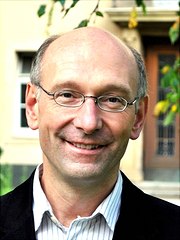
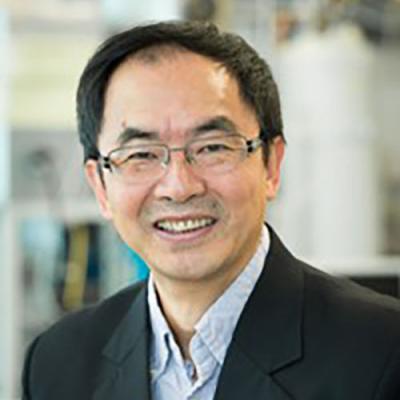
Dr. Yinghe Qi is a Professor in the Department of Experimental Fluid Dynamics at ETH Zürich, Switzerland. His research focuses on multiphase flows, turbulence, and free-surface dynamics, with applications in aerospace, marine engineering, and computational fluid dynamics. He has contributed extensively to understanding bubble dynamics, flow instabilities, and turbulence modulation through experimental and phenomenological studies. Research Interests: Dr. Qi’s work addresses complex phenomena in multiphase flow instabilities free-surface turbulence deformable bubble dynamics supersonic jet interactions vortex-induced fragmentation machine learning in fluid dynamics Recent Publications: His recent studies (2023–2025) explore multiscale bubble deformation, free-surface turbulence structure, and supersonic jet-plume interactions. Key themes include turbulent fragmentation, vortex-bubble coupling, and novel computational methodologies. Laboratory Affiliations: He collaborates with the Coletti Group, Jenny Group, and Supponen Group at ETH Zürich, advancing experimental and computational techniques in fluid dynamics.
Stephen Bradforth is a Professor of Chemistry at the University of Southern California and Senior Advisor to the Dean for Research Strategy and Development in the Dornsife College of Letters, Arts and Sciences . He earned his PhD in Physical Chemistry from the University of California, Berkeley (1992) and conducted postdoctoral research at the University of Chicago . B.A., Natural Sciences, Cambridge University (1987) Ph.D., Physical Chemistry, UC Berkeley (1992) Postdoctoral Associate, University of Chicago (1993–1996) His research focuses on ultrafast laser spectroscopy to study chemical reactions in complex environments like aqueous systems and molecular materials . Key projects include: Solar Energy Conversion : Investigating photosensitizers based on earth-abundant elements (Cu, Zn, Zr) and organic photovoltaics with BODIPY cores. DNA Photodamage : Mechanisms of cyclobutane pyrimidine dimer (CPD) formation under UV exposure, emphasizing base-stacking effects. Electronic Structure in Ethereal Solvents : Studying solvated electrons in liquid ammonia and their role in carbanion stabilization. His 15 most recent articles (2004–2024) highlight advancements in photoelectron spectroscopy , singlet fission for solar cells, and DNA damage pathways . Collaborations span medicine, physics, and engineering . Scientific Awards include the ACS Physical Chemistry Division Senior Experimental Award (2023) , STAR Awardee (2019) , Cottrell Scholar , and Fellow of APS and AAAS . He has received both Junior (2001) and Senior Raubenheimer Awards (2022) at USC. Advising has been a cornerstone, with 23 PhD students graduated and 4 current candidates. His 15 most recent publications (2012–2024) emphasize ultrafast dynamics , charge transfer mechanisms , and environmental photochemistry . Labs & Teams : The Bradforth Group operates advanced time-resolved photoelectron spectrometers , liquid microjet systems , and high-repetition-rate laser facilities . Current projects include metallic water solutions (Nature 2021), DNA photophysics (FASEB J 2011), and carbanion electronic structure in ammonia.
Thomas Lemieux is a Professor at the Vancouver School of Economics within the Faculty of Arts at the University of British Columbia , where he has been affiliated since 1999. Previously, he taught at MIT and the Université de Montréal. Born in Quebec City, he earned his Ph.D. from Princeton University. Research Interests: His work focuses on labor economics and econometric methods , particularly analyzing earnings inequality , unionization effects , regression discontinuity designs , and educational returns . He employs advanced decomposition techniques to study wage dynamics across gender, immigration status, and sectoral divides. Scientific Awards: Fellow, Royal Society of Canada Fellow, Society of Labor Economists Research Fellow, Institute for the Study of Labor (IZA) Research Associate, National Bureau of Economic Research (NBER) Publications: He has published extensively in top journals like the Quarterly Journal of Economics , Econometrica , and Journal of Labor Economics , with recent work examining: Union wage premiums using matched employer-employee data Spillover effects of minimum wage policies Changes in task prices and occupational wages Top income dynamics in Canada Immigrant wage gaps across education sources Regression discontinuity identification challenges Canadian labor market responses to the Great Recession
Professor Christopher Berndt is a Distinguished Professor in Surface Science and Engineering at the School of Engineering, Swinburne University of Technology, where he joined in 2008 as the founding professor of this discipline. He previously held founding professorships at James Cook University and was a tenured professor at Stony Brook University, USA, where he remains an Adjunct Professor. He also served as a Fellow at NASA-Lewis Research Center, working on thermal barrier coatings. His leadership in professional societies includes serving as President of the Thermal Spray Society (ASM) and being inducted into the Thermal Spray Hall of Fame in 2007. His research interests center on materials engineering , particularly surface science , thermal spray technologies , high-entropy alloys , and coatings for extreme environments . He also contributes significantly to biomedical engineering through bioactive coatings and clean energy via advanced materials for batteries and hydrogen technologies. His work bridges fundamental materials science with industrial applications in aerospace, energy, and manufacturing. The recent publications reveal a strong focus on advanced thermal spray techniques such as HVOF and HVAF, development of high-entropy and medium-entropy alloys, and innovative coating applications in energy storage, corrosion resistance, and high-temperature protection. His research consistently emphasizes microstructural control, phase stability, and mechanical performance under extreme conditions. Inducted into the Thermal Spray Hall of Fame (2007) Fellow of the Australian Institution of Engineers Fellow of ASM International Fellow of The Institution of Metallurgists (UK) Fellow of ASME, ACS, and ACerS Chartered Engineer (UK) Professional Engineer (Australia) Member of the College of Bioengineers (Australia) Professor Berndt actively supervises numerous PhD students, with current projects on high-entropy alloys, internal pipe coatings, and biomedical surface engineering. He has secured extensive research funding from organizations including the Australian Research Council (ARC), Department of Defence, Office of Naval Research (US), and industry partners such as Entromat and Amaero Engineering. He leads major initiatives such as the ARC Training Centre in Surface Engineering for Advanced Materials (SEAM) and has contributed to commercialization projects in space vehicle manufacturing. He is the Founding Editor and now Editor Emeritus of the Journal of Thermal Spray Technology and has edited over 10 conference proceedings. His research network spans across Australia, the USA, and Thailand, reflecting a strong international collaborative footprint in advanced materials research.
Valery Sheverev is an Industry Professor in the Department of Applied Physics at New York University's Tandon School of Engineering. He specializes in plasma physics, optics, and spectroscopy with applications spanning from environmental monitoring to pharmaceutical diagnostics. Education: PhD in Physics (Plasma Physics and Chemistry) from Saint-Petersburg State University, 1985 B.S./M.S. in Physics (Optics and Spectroscopy) from Saint-Petersburg State University, 1979 Research Focus: Dr. Sheverev's research encompasses several interconnected domains including optics and spectroscopy , particularly in the context of glow discharge plasma and its diverse applications. His work on micro-optical sensing has led to innovative sensor technologies, while his investigations into plasma aerodynamics bridge fundamental physics with practical aerospace applications. Additionally, his expertise in lighting technology and diagnostics of multiphase flows serves critical needs in pharmaceutical applications and environmental monitoring systems. Publications & Innovation: Over the past decade, Dr. Sheverev has published extensively in peer-reviewed journals, with his research appearing in prestigious venues such as Journal of Applied Physics , Physical Review E , and Analytical Chemistry . His work demonstrates a consistent focus on advancing understanding in plasma physics applications, particularly in atmospheric glow discharge phenomena, acoustic-plasma interactions, and novel diagnostic techniques. The temporal distribution of his publications (2002-2010) reveals sustained productivity in plasma spectroscopy, micro-optical sensors, and environmental gas analysis. Patents & Commercial Impact: Dr. Sheverev holds multiple US patents that translate his research into practical technologies: Gas Detection and Identification Apparatus (Patent No. 7,408,360, 2008) Micro-optical wall shear stress sensor (Patent No. 7,701,586, 2010) Shear stress measurement apparatus (Patent No. 7,770,463, 2010) Load cell system for measuring forces based on optical spectra shifts (Patent No. 8,276,463, 2011) Contact Information: Email: sheverev@nyu.edu Phone: 646.997.3576 Office: 2MTC, Room 1002, NYU Tandon School of Engineering
Dr. Lateef Akanji is a Senior Lecturer in the Department of Petroleum Engineering at the School of Engineering, University of Aberdeen, where he has been contributing since 2014. He previously served as Lecturer and Head of the Petroleum Technology Research Group at the University of Salford, Assistant Professor at King Saud University, and Visiting Lecturer at the University of Leoben. His academic journey includes a PhD from Imperial College London and degrees from the University of Ibadan. University: University of Aberdeen School: School of Engineering Position: Senior Lecturer, Petroleum Engineering Email: l.akanji@abdn.ac.uk Education: PhD, Petroleum Engineering, Imperial College London M.Sc., Petroleum Engineering, University of Ibadan B.Sc. (Honours), Petroleum Engineering, University of Ibadan DIC (Diploma of Imperial College) Research Interests: Dr. Akanji's research centers on multiphase flow in porous and permeable media, with applications in enhanced oil recovery (EOR) in clastic, carbonate, and unconventional shale reservoirs. His work integrates theoretical, experimental, and computational fluid dynamics, utilizing platforms like Python, C++, and Fortran. He is pioneering the application of artificial intelligence in petroleum engineering, particularly in EOR screening and production optimization. His research includes pore-scale modeling, gas-lift systems, and nuclear reactor flow dynamics. Publication Trends: His recent publications (2025–2021) reflect a strong focus on fluid displacement in porous media, shale reservoir characterization, AI applications in energy, and nuclear safety. Notable themes include computational modeling of multiphase flow, biosurfactant EOR, and advanced numerical methods for reservoir simulation. Scientific Awards and Honors: Fellow of the Higher Education Academy (FHEA) Chartered Engineer (CEng) Chartered Petroleum Engineer European Engineer (Eur Ing) Member of the Energy Institute (MEI) Advising and Grants: Dr. Akanji supervises numerous PhD students in areas such as AI-based production optimization, permeability upscaling, and biosurfactant EOR. He leads research funded by PTDF, TETFUND, Sonangol, and Elphinstone, focusing on high-pressure high-temperature flow loops, gas-lift pilot rigs, and neuro-fuzzy screening systems. His collaborative projects involve institutions in the UK, Austria, and Australia. Laboratories and Research Platforms: He contributes to the development of the Complex System Modelling Platform (CSMP++), a C++-based API for simulating multi-physics flow in porous systems, co-developed with ETH Zurich and Montanuniversität Leoben. He also leads a technology innovation platform for EOR, including experimental rigs for biosurfactant screening and gas-lift stability testing.
Dr. Greg Huey is a Professor in the School of Earth & Atmospheric Sciences at the Georgia Institute of Technology, where he leads research in atmospheric chemistry with expertise in trace gas measurement and aerosol processes. His work bridges laboratory studies, aircraft campaigns, and global modeling to address air quality and climate challenges. His educational background includes a Ph.D. in Physical Chemistry from the University of Wisconsin-Madison (1992) and a B.S. in Chemistry from the University of Virginia (1986). Dr. Huey's research centers on chemical kinetics of ionic and neutral species, heterogeneous chemistry , and aircraft-based sampling of condensable gases. He specializes in chemical ionization mass spectrometry for trace gas analysis, with applications to wildfire smoke, urban pollution, and stratospheric-tropospheric exchange. Key themes include aerosol formation mechanisms, ozone production pathways, and halogen chemistry impacts on oxidation capacity. Analysis of his 2021-2025 publications reveals dominant research threads in Asian pollution transport , wildfire smoke chemistry , and urban ozone formation . His work frequently integrates NASA field campaigns (KORUS-AQ, FIREX-AQ, ATom) with satellite validation and modeling to quantify pollution impacts across scales. His scientific recognition includes: Outstanding Teaching Award, Georgia Tech (2007) Dr. Huey directs major field campaigns and instrumentation development for atmospheric trace gas measurements. His research is supported by NASA and NSF grants focused on aircraft-based studies of wildfire emissions, monsoon-driven transport, and urban air quality. He actively mentors students through Georgia Tech's atmospheric science programs and a multi-institution REU site. He contributes to international efforts like the Asian Monsoon Chemical and Climate Impact Project (ACCLIP), developing advanced chemical ionization mass spectrometers for deployment on NASA aircraft to study global atmospheric composition.
Paola Ayala is a Professor at the Faculty of Physics of the University of Vienna, specializing in the Electronic Properties of Materials . Her research focuses on nanomaterials, particularly carbon nanotubes, graphene, and carbyne, exploring their electronic, magnetic, and optical properties. She leads the Doctoral College Advanced Functional Materials (DCAFM) (2020–2025), fostering interdisciplinary training in nanotechnology. Key research areas include nitrogen doping of carbon nanotubes, magnetic coupling in nanoclusters, and sensor applications of nanocomposites. She has pioneered studies on confined carbyne synthesis and the environmental stability of 1D nanocarbons. Ayala’s work bridges theoretical modeling (e.g., DFT simulations) and experimental techniques like Raman spectroscopy and XPS analysis. Her 2017 Matilde Hidalgo Prize recognizes contributions to nanomaterials science. She actively promotes STEM equity, co-authoring reports on women in physics in Austria and Ecuador. Ayala has supervised over 97 publications since 2007, with recent emphasis on functional nanomaterials for energy, sensing, and biomedical applications. Notable projects include developing flexible formaldehyde sensors and investigating magnetic properties of iron nanoclusters. She collaborates globally, presenting at conferences like the 2024 UNIVIE NanoteC Symposium and the 2023 International Nanotechnology Congress.
Prof. Dr. Wolfgang Hillert is a leading physicist at the University of Hamburg , serving as the Bjørn-Wiik Professor for Accelerator Physics since 2016. Affiliated with the Institute of Experimental Physics under the Faculty of Mathematics, Informatics and Natural Sciences, he specializes in Accelerator Physics , Superconducting Accelerator Technology , and Free-Electron Lasers (FEL) . His work focuses on polarized electron beams, SRF cavity optimization, and gravitational wave detection methods. Education: Physics degree from University of Bonn (1987), Promotion in Atmospheric Physics (1992), Habilitation in Physics (2001) Leadership Roles: Head of Accelerator Physics Group (2016–present), Managing Director of Institute of Experimental Physics (2019–2021) Research Trends: His recent work spans superconducting RF cavities for gravitational wave detectors ( 2025 ), resonant slow extraction in electron boosters, and atomic layer deposition of superconducting thin films. Publications highlight advancements in beam dynamics , cryogenic systems , and terahertz generation . Teaching & Outreach: He has lectured on Accelerator Physics since 2002 and engaged in public science communication, including talks on Physics of Music (2005–2021) and teacher training programs at DESY. Labs & Collaborations: Leads the Accelerator Physics Group at DESY, collaborates on projects like XFELO and BGO-OD beamline , and contributes to international schools (CAS) and symposia.
Xiaotao Bi is a Professor in the Department of Chemical and Biological Engineering at the Faculty of Applied Science, University of British Columbia. He is a Fellow of The Canadian Academy of Engineering, recognized for his significant contributions to the field of chemical engineering, particularly in biomass energy systems and environmental technologies. Dr. Bi's research focuses on developing environmental systems analysis and life cycle assessment tools to model and evaluate biomass energy systems. His work encompasses Canadian wood pellets, animal wastes, agricultural residues, and integrated impacts assessment of various biomass conversion processes including combustion, gasification, torrefaction, and pelletization. Current research interests include electrostatic charging of dielectric particles in gas-solids fluidized beds, dual fluidized bed for biomass steam gasification, and novel i-CFB reactors for catalytic NOx reduction. His extensive publication record demonstrates expertise across multiple domains of sustainable energy and environmental engineering. Recent work shows a strong emphasis on biomass conversion technologies, particularly microwave-assisted processes, fluidized bed systems, and waste valorization. There's a clear trend toward developing more efficient and environmentally friendly processes for converting various biomass feedstocks into energy and valuable products, with particular attention to addressing technical challenges like tar formation in gasification and electrostatic issues in particle handling. Dr. Bi has been recognized with the prestigious honor of being named a Fellow of The Canadian Academy of Engineering, which acknowledges his significant contributions to engineering research and practice in Canada. As a research leader, Dr. Bi has supervised numerous graduate students and secured funding for his research team to investigate innovative approaches to biomass conversion and environmental engineering challenges. His work bridges fundamental research with practical applications for sustainable energy systems. Dr. Bi leads a research team focused on developing advanced technologies for biomass conversion and environmental protection. His laboratory facilities likely include specialized equipment for fluidized bed operations, biomass processing, and analytical tools for characterizing biofuels and byproducts.
Robert Pollice is a Lecturer at the Faculty of Science and Engineering , University of Groningen , specializing in Homogeneous Catalysis . His research integrates computational chemistry , machine learning , and automated experimentation to accelerate molecular design and catalyst development . Research Interests focus on homogeneous catalysis , quantum chemistry , and machine learning applications. His work addresses challenges in reaction mechanism modeling , noncovalent interactions , and inverse molecular design , leveraging closed-loop optimization and large language models for chemical data analysis . Publications span quantum chemical simulations , solvation energy calculations , excited state engineering , and automated catalyst discovery . His recent studies explore inverted singlet-triplet gaps , machine learning for reaction modeling , and SELFIES for molecular string representations . Peer-review Contributions include evaluations for journals like Organic Process Research & Development , Materials Advances , and Chem , reflecting his expertise in catalysis , quantum chemistry , and AI-driven chemical discovery .
Roger Beckie is a Professor in the Department of Earth, Ocean & Atmospheric Sciences at the University of British Columbia (UBC), part of the Faculty of Science. His research focuses on physical, geochemical, and biological processes in environmental systems, particularly in hydrogeology, mine drainage, and groundwater contamination. He holds a B.A.Sc. from the University of Waterloo and a Ph.D. from Princeton University, and is a Professional Engineer (P.Eng.). Key research areas include fugitive gas migration from energy wells, mine waste rock geochemistry, and groundwater hydrology. His work addresses challenges such as acid rock drainage prediction, metal attenuation mechanisms, and the impacts of subsurface gas migration in petroleum development regions. He collaborates with industry and government to advance environmental management strategies and has contributed to large-scale field experiments, including controlled gas release studies in northeastern British Columbia. Beckie supervises graduate students in interdisciplinary projects, emphasizing field investigations and numerical modeling. He is affiliated with UBC's Institute of Applied Mathematics and teaches advanced courses in groundwater hydrology and contamination. His research integrates hydrological, geochemical, and isotopic tools to address complex environmental systems, with applications in mining, oil and gas, and groundwater sustainability.
Sara Barsotti is a researcher at the National Institute of Geophysics and Volcanology (INGV) specializing in volcanology and volcanic hazard assessment. Her key roles include: Associate Editor for Volcanology at Frontiers in Earth Science Review Editor for Geohazards and Georisks at Frontiers in Earth Science Contributor to the EU Center of Excellence for Exascale in Solid Earth (ChEESE) Member of the EUROVOLC citizen-science initiative Collaborator with European volcano observatories Her research focuses on computational geophysics, volcanic hazard modeling, and operational monitoring systems. She investigates tephra dispersion dynamics, lava flow behavior, and probabilistic hazard assessment using high-performance computing. Her work emphasizes European volcanic systems—particularly Icelandic eruptions—and integrates multidisciplinary approaches to improve crisis management protocols and public safety during volcanic events. Analysis of her recent publications reveals a strong trend toward operationalizing advanced computational methods for real-time hazard assessment. Key developments include exascale computing applications for solid earth simulations, refinement of the Aviation Colour Code system for aviation safety, and citizen-science data integration for eruption monitoring. These efforts consistently target practical risk mitigation strategies during active volcanic crises like the 2021 Fagradalsfjall eruption. Scientific awards: None mentioned in the provided text. While specific advised students or individual grants aren't documented, her leadership in major European projects (ChEESE, EUROVOLC) demonstrates substantial involvement in funded research initiatives. These projects coordinate transnational collaborations involving observatories, research centers, and emergency management agencies across Europe. Barsotti actively participates in integrated European volcano infrastructure teams, contributing to standardized monitoring protocols, hazard communication frameworks, and crisis response systems. Her work bridges institutional observatories (e.g., Icelandic Meteorological Office, INGV sections) with community-based monitoring tools, enhancing data collection and public engagement during volcanic unrest.
Professor Ronny Pini is a Professor of Multiphase Systems at Imperial College London's Department of Chemical Engineering within the Faculty of Engineering. His research focuses on sustainable industrial processes, particularly carbon capture and storage (CCS), porous media dynamics, and imaging-based process design. He holds a PhD in Mechanical and Process Engineering from ETH Zurich and has held academic positions including Senior Lecturer and Reader at Imperial College since 2015. His educational background includes a Postdoctoral fellowship at Stanford University (2010-2013) and prior roles at the Colorado School of Mines. Research interests span multiphase flow mechanics, adsorption science, and environmental engineering applications. Key projects include the InFUSE Prosperity Partnership and Digital Rocks Lab, leveraging X-ray tomography, positron emission tomography, and computational models to study subsurface CO2 storage and sustainable materials. Professor Pini's work integrates chemical engineering with material science and earth sciences, addressing global challenges like industrial decarbonisation. He collaborates on developing advanced imaging techniques to characterise porous media behavior and optimise processes for energy transition. Current focus areas include direct air capture technologies and enhancing oil recovery via CO2 utilisation. His research outputs include over 150 peer-reviewed articles, with recent emphasis on adsorption-based CO2 capture systems, pore-scale transport phenomena, and sustainable process design frameworks. He is actively involved in training early-career researchers through Imperial College's Chemical Engineering programs and international collaborations.
Prof. Feridun Boylu is a Professor in the Department of Mineral Processing Engineering at Istanbul Technical University (ITU), affiliated with the Faculty of Mines. His research focuses on mineral processing techniques, coal technology, and industrial raw materials. He holds a PhD in Ore Coal Preparation and Evaluation from ITU and has extensive experience in academic leadership roles, including Head of Department and Advisor to the Rector at ITU. His work spans over 30 years, with contributions to coal flotation, dense medium cyclones, and bentonite characterization. Prof. Boylu has supervised numerous theses and leads projects funded by national and international grants, including EU initiatives like FineFuture. His research emphasizes sustainable mining practices and advanced separation technologies. Education: PhD (Ore Coal Preparation and Evaluation, ITU, 2004), MSc (Ore Coal Preparation, ITU, 1998), BSc (Mining Engineering, ITU, 1993) Key Roles: Professor at ITU, Former Head of Department (2021–2021), Erasmus Coordinator (2020–present), and International Student Coordinator (2021–present) Research Interests: Chemical-biological recovery techniques, coal water slurries, flotation optimization, and mineral beneficiation. His work addresses challenges in fine particle flotation, coal preparation, and sustainable utilization of industrial raw materials. Recent Projects: Includes the EU-funded FineFuture project (2019–2023) and studies on three-product dense medium cyclones and machine learning for mill liner wear prediction. His research bridges theoretical modeling and industrial applications in mineral processing.