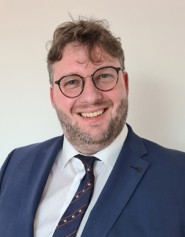
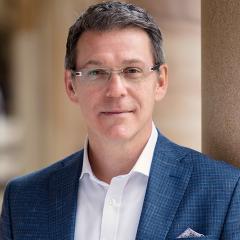
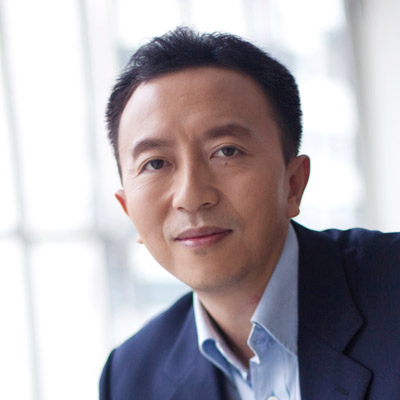
Peter Verwilst is an Associate Professor at the Medicinal Chemistry division of the Rega Institute for Medical Research , part of KU Leuven 's Department of Pharmaceutical and Pharmacological Sciences. He leads projects in allosteric modulation of enzyme targets , fluorescent markers for neurodegenerative diseases , and novel antimicrobial development , particularly focusing on Gram-negative bacteria and HIV-related therapies. His research integrates computational modeling , chemical synthesis , and fluorescent probe design . He supervises PhD students including Margaux Billen , Eline Goffin , and Radu Bulai , and collaborates with institutions like Masaryk University and the Institut Pasteur de Lille. Current projects explore CCR5 signaling modulators , PurK inhibitors , and DNA-Encoded Libraries for P. aeruginosa antibiotics. Scientific awards include supporting students like Radu Bulai in obtaining FWO PhD Fellowships . His teaching includes Organische chemie I & II and Medicinale chemie courses. The lab recently celebrated securing a C1 grant and welcomes international collaborations.
Associate Professor Timothy Bredy is a leading figure in cognitive neuroepigenetics at the Queensland Brain Institute (QBI) , focusing on how epigenetic modifications and RNA dynamics regulate fear-related memory and psychiatric disorders like PTSD. His research explores the interplay between environmental experiences and genomic activity, particularly through non-coding RNA and DNA methylation. University: University of Queensland School: Faculty of Health, Medicine and Behavioural Sciences Role: Professorial Research Fellow and Group Leader Research Interests span epigenetic mechanisms in memory formation, RNA modifications in synaptic plasticity, and therapeutic applications for anxiety disorders. He pioneered discoveries linking dynamic DNA structures (e.g., G-quadruplexes) and RNA methylation to memory stability. Recent Work includes studies on RNA-based therapeutics, stress-induced epigenetic inheritance, and synaptic long noncoding RNA activity. His scientific awards encompass NHMRC and ARC grants for neuroepigenetics research. Key Collaborators: Paul Marshall, Esmi Zajaczkowski Labs: Bredy Laboratory at QBI
Dr. Stefan Bidula is a Lecturer in Pharmacology at the University of East Anglia's School of Chemistry, Pharmacy and Pharmacology, and a member of the Pathogen Biology Group. His research focuses on antifungal immunity, drug discovery targeting fungal pathogens, and understanding mechanisms of host-microbe interactions. He holds a BSc (Hons) in Genetics and Molecular Biology and a PhD in Biomedical Sciences from the University of East Anglia. Education: BSc (Hons) Genetics and Molecular Biology, University of East Anglia (2008–2011) PhD in Biomedical Sciences, University of East Anglia (2011–2015) Research Interests: Dr. Bidula investigates novel drug targets to combat antifungal resistance, the role of purinergic receptors in immune responses, and the structural biology of nucleic acids (e.g., G-quadruplexes) in pathogenesis. His work integrates biophysics, chemical biology, and bioinformatics to explore mechanisms of fungal detection and inflammation-driven diseases. Grants & Projects: Targeting G-quadruplexes to modulate secondary metabolite production in Aspergillus spp. (2023–2026) Spectroscopic and synthetic facilities for supramolecular and macromolecular systems (2025–2026) Discovery of novel secondary metabolites from marine organisms (2023–2025) Labs & Collaborations: Collaborates on projects involving microbial genomics, cardiovascular biology, and immunology. Part of the Pathogen Biology Group and engaged in interdisciplinary research across pharmacology, microbiology, and structural biology.
Professor Marcel Dinger is a prominent academic and researcher currently serving as Professor and Head of School for Biotechnology and Biomolecular Sciences at UNSW Sydney. With over 20 years of experience in genomics, he has established himself as a leading figure in both academic and entrepreneurial spheres within the field. He has published 153 papers with over 24,000 citations and maintains an h-index of 61 on Google Scholar. His leadership extends beyond academia as he serves as President of the Australasian Genomics Technologies Association (AGTA) and holds director positions at Pryzm Health and the National Centre for Indigenous Genomics (NCIG). Professor Dinger's research laboratory focuses on establishing new links between phenotype and genotype, particularly examining rare and complex diseases in relation to underexplored regions of the genome including pseudogenes, repetitive elements, non-canonical DNA structures, and noncoding RNAs. His work harnesses population-scale genomic datasets and sophisticated data science methods to bring an objective perspective to understanding how the genome stores information and how it is transacted in biology. His research interests span genomics, non-coding RNA biology, clinical applications of genomic medicine, and the development of computational approaches for analyzing complex genomic data. Analysis of Professor Dinger's recent publications reveals a strong emphasis on non-coding RNA research, particularly long noncoding RNAs and their roles in disease mechanisms. His work spans cancer genomics, neurological disorders, and fundamental genomic mechanisms including DNA secondary structures like i-motifs and G-quadruplexes. His research combines experimental approaches with advanced bioinformatics to address fundamental questions in genomic medicine and has significant translational implications for disease diagnosis and treatment. Highly Cited Researcher in Cross-Field category (2019, 2020, 2021) Fellow of the Faculty of Science (Research), Royal Society of Pathologists of Australasia (2016) NHMRC Career Development Award (2010) Queensland Government Smart Futures Fellowship (2009) Foundation of Research, Science and Technology New Zealand Postdoctoral Fellowship (2005) Professor Dinger has been instrumental in establishing and leading several significant research initiatives including Genome.One, one of the first companies globally to provide clinical whole genome sequencing services, and the Kinghorn Centre for Clinical Genomics at the Garvan Institute of Medical Research. His entrepreneurial experience includes founding four biotechnology and IT startups. He serves on multiple governance boards including the National Centre for Indigenous Genomics, focusing on using genomics to improve health outcomes for Australia's First Peoples. His laboratory at UNSW continues to advance our understanding of genomic regulation and its implications for human health and disease.
Professor Yan Jie is a distinguished academic at the National University of Singapore, holding faculty positions at the Mechanobiology Institute and the Department of Physics. He also maintains an affiliation with the Centre for BioImaging Sciences under the Department of Biological Sciences. Professor, Mechanobiology Institute (MBI), NUS Professor, Department of Physics, NUS Professor, Centre for BioImaging Sciences, NUS Dr. Yan's research lies at the intersection of biophysics, molecular biology, and mechanobiology. His work focuses on understanding how mechanical constraints influence biomolecular stability, including: Force-dependent conformations and interactions of nucleic acids and proteins Mechanosensing at cell-ECM adhesion and cell-cell junctions Chaperone-mediated protein folding mechanisms Chromosome packaging and DNA damage repair dynamics His recent publications highlight advancements in: Mechanical stabilization of biomolecular complexes via energy landscape modeling Multi-domain interactions in cytoskeletal proteins Force-transducing mechanisms in bacterial membranes Calcium signaling in stem cell mechanical properties Dr. Yan has mentored a diverse team including PhD students Kayo Kumadaki, Lin Yueying, Guo Yanyu, Sun Yuze, Liu Jingzhun, Dasvit Shetty, and former student Pang Si Ming. His lab integrates single-molecule biophysical methods with theoretical modeling to explore mechanical regulation at the molecular and cellular level.
Dr. Yunting Yin is an Assistant Professor of Computer Science at Earlham College, located in Richmond, Indiana. She holds a Ph.D. from Stony Brook University (2024) and a B.S. from Pace University (2019). Her research focuses on speech processing, natural language processing, and machine learning, with applications in aging analysis, facial expression recognition, and large language model forecasting. She actively collaborates with students on innovative projects and contributes to interdisciplinary fields such as computational linguistics and data science. Education: Ph.D., Stony Brook University, 2024 B.S., Pace University, 2019 Research Interests: Speech Processing : Analyzing vocal attributes to estimate aging and mortality risk in veterans. Natural Language Processing : Exploring alignment between computational language models and classical dictionaries. Machine Learning : Developing forecasting systems using large language models (LLMs) for real-world event prediction. Publications reflect a blend of interdisciplinary work, spanning computational linguistics, multimedia analysis, and biochemistry. Recent trends emphasize aging studies and LLM applications. Her 2024 dissertation underscores the intersection of speech and language in gerontology. Professional memberships include IEEE and IEEE WIE. She advises students on research projects and fosters collaborative environments for academic growth. Labs/Teams: Her research projects engage students in cutting-edge areas like facial expression bias analysis, LLM-driven forecasting, and audio-linguistic studies of aging.
Dr. Laura Leighton is a Postdoctoral Research Fellow in the mRNA Sciences group at the Australian Institute for Bioengineering and Nanotechnology (AIBN), The University of Queensland. Her research focuses on RNA biology, particularly the functional characterization of RNA molecules and their roles in cancer therapy and neurological processes. She leads the development of mRNA-based therapeutics for liver cancer, leveraging lipid nanoparticle (LNP) delivery systems to target intracellular cancer proteins. Dr. Leighton holds a PhD from the Queensland Brain Institute (2021), where her work, supported by the Westpac Future Leaders Scholarship, explored small noncoding RNAs in fear-related learning and memory. She completed her postdoctoral training under Dr. Seth Cheetham at AIBN in 2023. Her educational background includes a Bachelor of Science and Bachelor of Science (Honours) from The University of Queensland. Her research interests integrate molecular biology, neuroscience, and translational medicine, with a focus on RNA modifications (e.g., m6A), long noncoding RNAs, and the epigenetic regulation of memory processes. Key themes in her work include fear extinction mechanisms, synaptic plasticity, and the application of mRNA therapeutics in cancer treatment. Dr. Leighton’s articles consistently explore RNA-driven mechanisms in memory and disease. Recent work highlights the role of DNA G-quadruplex structures in memory regulation, the interplay between stress hormones and sperm RNA dysregulation, and the synthesis of novel long noncoding RNAs (e.g., ADRAM) that drive fear extinction. Her findings bridge basic neuroscience and clinical applications, emphasizing RNA’s dynamic role in health and disease. Awards: Westpac Future Leaders Scholarship (2017) Grants: TdC Mid Career Grant (Targeting liver cancer with mRNA therapies), Prader Willi Syndrome Research Grant (2022–2024) She is actively involved in supervising research students and contributes to the development of advanced drug delivery systems targeting liver cancers. Her lab is part of AIBN’s mRNA Sciences team, collaborating on projects that translate RNA-based discoveries into clinical solutions.
Cynthia J. Burrows is a Professor in the Department of Chemistry at the University of Utah, where she maintains her laboratory in the Thatcher Building. She serves as Editor-in-Chief of Accounts of Chemical Research and leads a research program internationally recognized for pioneering work in nucleic acid chemistry, with continuous NIH and NSF funding spanning over three decades. Her research focuses on the dual nature of oxidative DNA damage—exploring how lesions like 8-oxoguanine can act as both mutagenic threats and epigenetic regulators through G-quadruplex structures. She has developed groundbreaking sequencing technologies including nanopore-based OG-Seq and chemical pull-down methods to map base modifications genome-wide, revealing how oxidative stress targets specific genomic regions like telomeres and gene promoters. Analysis of her 15 most recent publications shows a decisive shift toward RNA modifications and direct sequencing applications, with 60% of 2023-2025 papers focusing on RNA epitranscriptomics. Her work increasingly integrates biophysical methods like nanopore analysis to correlate modification chemistry with functional outcomes in cancer and viral systems. Dr. Burrows has received unparalleled recognition including membership in the National Academy of Sciences (2014) and American Academy of Arts and Sciences (2009), along with top honors like the James Flack Norris Award (2018) and Willard Gibbs Medal (2018). Her sustained excellence is reflected in sustained leadership roles including Cope Scholar Award (2008) and the Rosenblatt Prize (2019). Her research is continuously funded through major NIH R01 grants including CA090689 (Oxidative DNA Damage & Repair), GM129267 (Sequencing for Base Modifications), and GM093099 (RNA Modifications), alongside NSF support (CHE1808745). These projects sustain a vibrant research group that has pioneered methods now widely adopted for studying nucleic acid modifications, with significant collaborations including the Cairns laboratory for stress-response studies. Her laboratory in the Thatcher Building maintains specialized facilities for nanopore analysis, single-molecule biochemistry, and oxidative stress modeling, supporting interdisciplinary work that bridges chemical biology, biophysics, and genomics to unravel the molecular consequences of nucleic acid modifications.
Alexandra Berroyer serves as an Assistant Professor in the Department of Biological Sciences at St. Mary's University, San Antonio, Texas. Her research program investigates the biological roles of non-canonical DNA structures, particularly G-quadruplexes (G4s), and their implications for genomic instability and cancer pathogenesis using human cell cultures and yeast models. Her academic credentials include: Ph.D. in Microbiology and Molecular Genetics from The University of Texas M.D. Anderson Cancer Center UTHealth Graduate School of Biomedical Sciences at Houston M.S. in Biotechnology from Illinois State University B.S. in Biology from Millikin University Following her doctoral work, she completed a postdoctoral fellowship at the Harvard T.H. Chan School of Public Health. Dr. Berroyer's research centers on G-quadruplex DNA structures—four-stranded configurations formed in guanine-rich genomic regions. She examines how regulated G4 formation controls gene expression versus dysregulated G4s that cause DNA replication stress and genomic instability, ultimately driving carcinogenesis. Her laboratory employs molecular, genetic, and biochemical approaches to dissect interactions between G4 structures and DNA repair machinery, with particular focus on topoisomerases, nucleolin, and AP endonucleases. Analysis of her 2015-2022 publications reveals dominant themes in G-quadruplex biology across molecular genetics and cancer research. Key trends include structural characterization of G4-forming genomic regions, mechanistic studies of repair enzyme dysfunction at G4 sites, and exploration of metabolic influences on DNA repair. Her work bridges fundamental genome maintenance mechanisms with disease pathogenesis, featuring one interdisciplinary study in entomological behavior. Dr. Berroyer actively mentors undergraduate researchers, as evidenced by co-authorship patterns in her publications. Her laboratory operations are supported by institutional resources at St. Mary's University, with collaborative networks extending to Harvard and University of Texas researchers. Current projects investigate how DNA repair factors regulate cellular G4 homeostasis and the consequences of G4 dysregulation for genome integrity. Her research laboratory specializes in DNA structure-function analysis, utilizing yeast genetics and human cell models to probe G-quadruplex dynamics. The team employs chromatin immunoprecipitation, fluorescence microscopy, and in vitro reconstitution assays to characterize protein-G4 interactions and their impact on replication fidelity. Future work aims to translate mechanistic insights into therapeutic strategies for G4-associated cancers.
Simon Boulton is a distinguished molecular biologist and cancer researcher serving as a Senior Group Leader at the Francis Crick Institute and holding an honorary Professorship at University College London. He also serves as Senior Vice President of Science Strategy at Artios Pharma Ltd, which he helped establish in 2016, where he additionally chairs the Scientific Advisory Board and serves on the Executive Board. His educational background includes: Molecular Biology studies at the University of Edinburgh PhD at the University of Cambridge with Professor Steve Jackson (Gurdon Institute) EMBO and HFSP funded postdoctoral fellowships at Harvard Medical School with Prof. Nick Dyson (MGH Cancer Centre) and Prof. Marc Vidal (Dana Farber Cancer Institute) Boulton's research focuses on understanding DNA damage response mechanisms, particularly DNA double-strand break repair in both mitotic and meiotic cells. His laboratory employs the complementary experimental strengths of C. elegans and mouse genetics, combined with cell biology and biochemistry approaches. Over his career, his lab has discovered novel DNA repair genes and provided crucial molecular insights into human diseases, especially cancer. His work bridges fundamental biological processes with potential therapeutic applications in oncology. Analysis of his recent publications reveals a consistent focus on genome integrity mechanisms, with particular emphasis on DNA repair pathways, telomere biology, replication stress responses, and the development of novel assays to study these processes. His research increasingly intersects with cancer therapeutics, particularly through his work with Artios Pharma on DNA Damage Response (DDR) target pipelines. His significant scientific contributions have been recognized with numerous prestigious awards: Member of EMBO Fellowship of the Academy of Medical Sciences Colworth Medal European Association for Cancer Research (EACR) Young Investigator Award Eppendorf/Nature Award for Young European Investigators Royal Society Wolfson Research Merit award EMBO Gold Medal Paul Marks Prize for Cancer Research Royal Society Francis Crick Prize lecture Mendel Lecture Boulton has secured substantial research funding throughout his career, including EMBO and HFSP postdoctoral fellowships, and currently leads a well-funded research group at the Crick Institute. His dual role in academia and industry through Artios Pharma demonstrates a successful translation of basic research into therapeutic development, with the company building an innovative DNA Damage Response (DDR) target pipeline aimed at transforming cancer therapy. His laboratory at the Francis Crick Institute maintains strong collaborative networks across multiple disciplines, utilizing advanced facilities including proteomics, genomics, bioinformatics, and microscopy resources. The lab's work spans from fundamental DNA repair mechanisms to potential clinical applications, with a particular focus on how failures in DNA repair contribute to cancer and other diseases.
Maged Henary is an Assistant Professor at Georgia State University's College of Arts & Sciences, specializing in synthetic organic chemistry with applications in biomedical imaging and cancer therapy. Research focuses on designing near-infrared fluorophores for medical imaging, developing DNA-targeted anticancer agents, and creating sensors for biological applications. Recent work includes fluorophores for endocrine gland imaging, G-quadruplex DNA binders, and pH-sensitive probes. Publication trends show strong emphasis on: Cyanine/squaraine fluorophore design Optoacoustic imaging contrast agents Targeted cancer therapeutics Metal/pH sensing molecules Dr. Henary leads an active research laboratory developing novel imaging agents and maintains collaborations with medical institutions for translational applications.
Junjie Guo is an Associate Professor of Neuroscience at Yale School of Medicine, leading the Guo Lab focused on RNA biology and neurological mechanisms. He holds affiliations with the Interdepartmental Neuroscience Program, Center for RNA Science and Medicine, and Wu Tsai Institute. Education : B.A. in Biology (Peking University, 2006), Ph.D. in Neuroscience (Johns Hopkins University, 2011), Postdoctoral Fellow at Whitehead Institute/MIT (2017). Research Interests : Investigates RNA dysregulation in neurodegenerative diseases (e.g., ALS/FTD), noncanonical mRNA translation in neuronal development, and spatial/temporal regulation of neuronal mRNA transport and local translation. Utilizes genomic, molecular, and computational approaches in stem cells, neuronal models, and mouse models. Recent Article Trends : Focuses on SARS-CoV-2 replication mechanisms, RNA structural biology (e.g., G-quadruplexes and tandem repeats), and translational control pathways. Highlights include CRISPR-based screens for viral dependency factors and discovery of alternative translation initiation roles in synaptic organizers. Awards : McKnight Neurobiology of Brain Disorders Award (2023), NYSCF-Robertson Neuroscience Investigator (2021), NIH New Innovator Award (2018), and multiple fellowships from the Klingenstein-Simons and Damon Runyon Foundations. Advising & Grants : Mentors postdocs (e.g., Zhen Lei), graduate students (e.g., Ata Isiktas), and others. Leads NIH-funded projects on RNA biology and neurological disorders. Collaborates with researchers like Marina Picciotto and Craig Wilen. Labs/Teams : Directs the Guo Lab, part of the Yale Neuroscience community. Engages in interdisciplinary initiatives through the Wu Tsai Institute and Center for RNA Science and Medicine.
Oscar Kuipers is a Full Professor and Head of the Department of Molecular Genetics at the Groningen Biomolecular Sciences and Biotechnology Institute, University of Groningen, the Netherlands, a position he has held since 1999. He is an internationally recognized leader in antimicrobials, bacterial cell biology, synthetic biology, and bacterial gene regulation. Kuipers also serves as founder and CSO of Omnicin Therapeutics, a company he established in 2019 to develop novel antibiotics for clinical use. Dr. Kuipers earned his PhD in Biochemistry from Utrecht University with research on "Probing the mechanism of pancreatic phospholipase A2 by protein engineering." His early career included positions at NIZO Food Research (1990-1999), where he served as Head of Genetics from 1997-1999, and an EMBO Fellowship in Paris Orsay in 1988. Kuipers' research focuses on several interconnected areas that have significantly advanced our understanding of bacterial systems and antimicrobial development. He is a world-leading expert on lantibiotics (modified antimicrobial peptides produced by bacteria), having unraveled the biosynthesis route of nisin and discovered that nisin induces its own expression through bacterial cell-to-cell signaling. His pioneering work on phenotypic heterogeneity at the single-cell level revealed that differentiation in bacterial cultures is omnipresent and has important implications for bacterial behavior. More recently, Kuipers has developed a synthetic biology suite to mimic non-ribosomally produced peptide antibiotics (NRPS) with ribosomally produced and posttranslationally modified peptides (RiPPs), with applications for developing novel antimicrobials for pharmaceutical use. His publication record demonstrates consistent leadership in antimicrobial research, with particular emphasis on lantibiotics, peptide engineering, and bacterial population dynamics. The research trajectory shows an evolution from fundamental biochemical studies to applied pharmaceutical development, with recent work focusing on overcoming antibiotic resistance through innovative approaches like synthetic helper peptides and hybrid lanthipeptides. Dr. Kuipers has received numerous prestigious honors and awards throughout his career: Chairman of jury to appoint new members to Royal Netherlands Academy of Arts and Sciences (KNAW) (2021) Royal decoration of Knight in the Order of the Dutch Lion by King Willem Alexander (2019) Honorary Professor at Nankai University, China (2019) ISI Thomson Reuters Highly Cited Researcher (2016) Elected Executive Board Member, European Academy of Microbiology (EAM) (2015) Elected Member, European Academy of Microbiology (EAM) (2013) iGEM Team Groningen: European and World Champion 2012 Synthetic Biology (2012) Elected Member, Royal Netherlands Academy of Arts and Sciences (KNAW) (2011) Simon Stevin Meester Award (Science and Technology Award of STW, Dutch Science Council) €500,000 (2011) As supervisor and coordinator of the iGEM team Groningen from 2008-2015, Kuipers mentored numerous students in synthetic biology competitions. His research has been supported by significant funding, including the Simon Stevin Meester Award of €500,000. His work has resulted in an impressive publication record with an h-factor of 113 (Google Scholar) and over 50,000 citations. Kuipers leads research at the Groningen Biomolecular Sciences and Biotechnology Institute, where his group focuses on developing novel antimicrobials for pharmaceutical applications. His recent work has centered on using lantibiotics as templates for new antibiotic development, with his synthetic biology suite enabling the creation of ribosomally produced and posttranslationally modified peptides (RiPPs) as alternatives to non-ribosomally produced peptide antibiotics (NRPS). In 2019, he translated this research into practical applications by founding Omnicin Therapeutics to develop novel antibiotics for clinical use.
Rupali Rajendra Bhadane is a postdoctoral researcher at Åbo Akademi University's Pharmaceutical Science Laboratory (PSL) and Structural Bioinformatics Laboratory (SBL), contributing to interdisciplinary science under the Faculty of Natural Sciences and Technology. Her work spans computational biology, drug design, and sustainable material development. PhD in Pharmacy 8 years of undergraduate teaching experience Her research integrates virtual screening , molecular dynamics simulations , and DFT calculations to advance drug discovery (e.g., Glycomimetic SGLT2 inhibitors , HDAC-2 modulators ), while also applying computational methods to analyze bio-based adhesive materials and virus-mimetic nanoparticles . Recent publications highlight her work on Covid-19 spike protein mutations , g-quadruplex targeting , and core/shell nanostructures for siRNA delivery. She actively contributes to datasets through the Finnish National Protein Crystallography Consortium and European Synchrotron Radiation Facility . Current projects include D2V: From Dust to Value (2023-2026), focusing on circular bio-based residues with Business Finland funding. Her work aligns with UN SDGs for health innovation and environmental sustainability.
John C. Conboy is a Professor in the Department of Chemistry at the University of Utah . His research focuses on the structure and dynamics of lipid membranes, utilizing advanced spectroscopic techniques like sum-frequency vibrational spectroscopy (SFVS) and second-harmonic generation (SHG) to explore interfacial phenomena in biological systems. Education: B.S. (University of California, Davis, 1991), Ph.D. (University of Oregon, 1996), NIH Postdoctoral Fellow (University of Arizona, 1998-2000) His work addresses fundamental questions in membrane biology, including lipid flip-flop, electrostatic interactions, and the influence of ions and peptides on membrane asymmetry. He has developed novel label-free detection methods for studying drug-membrane interactions and protein binding. Key themes in his research include: Lipid bilayer dynamics and asymmetry Nonlinear optical spectroscopy applications Role of cholesterol and ions in membrane behavior Design of synthetic membrane mimics Interfacial tension and electrochemistry Scientific Awards: NIH Postdoctoral Fellow