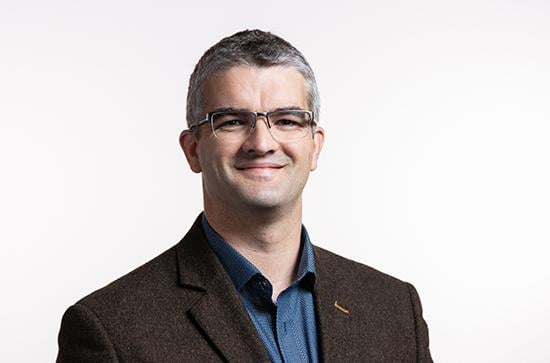
Dr Declan Devine is the Director of the Polymer, Recycling, Sustainability, Industrial and Manufacturing (PRISM) Research Institute at the Technological University of the Shannon (TUS). He leads the Enterprise Ireland-funded APT Technology Gateway and collaborates with SFI-funded centers including CONFIRM, Amber, and Cúram. His research spans biomedical materials, structural composites, and smart manufacturing. BEng (2000) and PhD (2006) in Polymer Engineering Former roles: Transitions Optical (Industry), AO Research Institute (Switzerland), Harvard Medical School, Mayo Clinic Research focuses on biodegradable polymers for bone regeneration, 3D/4D printing of functional materials, and smart manufacturing solutions. Collaborations span EU, USA, Canada, Brazil, and Switzerland, aligning with UN Sustainable Development Goals. Recent publications highlight innovations in: Graphene-reinforced composites Thermal annealing for PEKK optimization Digital twin simulations Beta-glucan functional foods Comparative manufacturing processes Scientific awards include the ERA Marie Curie Fellowship . He contributes to EU and international research networks, with expertise in polymer recycling, sustainability, and industrial partnerships.
Dr. Eoin McNamee is an Associate Professor and Group Leader of the Mucosal Immunology Research (MIR) Lab at Maynooth University's Faculty of Science & Engineering. His primary affiliation is with the Biology department under the Human Health Institute. He completed his B.Sc. at Maynooth University (2003), M.Sc. and PhD at Trinity College Dublin (2004-2008), followed by postdoctoral training at the University of Colorado (2008-2018). Before joining Maynooth in 2018, he held an Assistant Professor position at the University of Colorado's School of Medicine. His research focuses on understanding the pathophysiology of immune-mediated diseases, particularly inflammatory bowel diseases (IBD), and identifying novel therapeutic targets. The MIR Lab investigates cytokine/chemokine networks, microRNA regulation, and mucosal barrier dysfunction. Key projects include studying inflammation-driven stem cell/vascular damage and preclinical drug testing with industry partners. Recent work highlights microRNA roles in colitis-associated tumorigenesis, HIF-dependent immune regulation, and epithelial barrier defects in eosinophilic esophagitis. His lab collaborates with clinicians and biopharma to translate findings into clinical applications. Research Funding: MicroRNA Control of Mucosal Inflammation (2020-2025, €1,488,046) TRANSFER Monocyte-derived microRNAs for IBD Regulation (2018-2019, €101,930) Awards: SFI Future Research Leader Award (2019) NIH R01 Grant (2017) Crohn’s & Colitis Foundation Senior Research Award (2016) Teaching/Leadership: Member of Department of Biology Research Committee Irish Society for Immunology Executive Committee Current advisees include PhD candidates Caoimhe CADDEN and Catriona FLYNN. The MIR Lab hosts a multidisciplinary team exploring ER-stress responses, glycosylation in inflammation, and mucosal lymphatic biology.
Ciara McCormack is an Assistant Professor in Sport Science and Health at Maynooth University and a Clinical Exercise Physiologist. She is affiliated with the Faculty of Science & Engineering and the Sport Science and Nutrition department. Her research focuses on leveraging exercise and lifestyle interventions to manage chronic diseases, particularly cardiovascular and respiratory conditions. Education: PhD in Clinical Exercise Physiology (Dublin City University). She leads national programs at the Mater Misericordiae University Hospital, integrating physical activity into clinical pathways for pulmonary hypertension patients. Her work emphasizes scalable interventions for adults aged 40+ and those with chronic illnesses, with a focus on addressing health inequalities. Research Interests: Exercise in chronic disease prevention/management Patient-centered intervention design Digital health solutions for rehabilitation Behavioral science-driven programs Recent Article Trends: Her publications emphasize remote exercise programs (e.g., PHAHB intervention), patient-reported outcomes in pulmonary hypertension trials, and barriers to exercise rehabilitation. Key areas include telehealth applications, qualitative patient experiences, and clinical trial methodologies. Awards: American Thoracic Society European Respiratory Society DCU Invent Teaching & Outreach: Coordinates modules like SN252 (Cardiovascular Physiology) and SN254 (Exercise Testing). Engages in national campaigns (e.g., RTÉ’s Operation Transformation) and advises healthcare groups on evidence-based physical activity programs. Collaborations: Works with institutions like the University of Sheffield (UK) and Royal Papworth Hospital. Serves on national committees including Ireland’s Physical Activity Guidelines Working Group and the Exercise is Medicine (EIM) initiative.
Dr. Daniela Boehm is a Lecturer/Assistant Professor (Ad Astra Fellow) in the School of Chemical and Bioprocess Engineering at University College Dublin (UCD). Her research focuses on cold plasma and plasma-activated liquids (PAL) for biomedical applications, including microbial decontamination, cancer treatment, tissue regeneration, and stem cell proliferation. She holds a PhD from the National University of Ireland and has conducted postdoctoral research at UPMC (Paris), Trinity College Dublin (TCD), and TU Dublin. Dr. Boehm’s work bridges biomedical engineering and environmental science, with contributions to food safety through plasma-functionalized water (PFW) applications in fresh produce processing. She coordinates modules such as Research Methodology and supervises PhD students in interdisciplinary projects. Education: MSc in Biotechnology, Technical University of Brunswick, Germany PhD in Bioprocess Engineering, UCD Professional Certificates in University Teaching & Learning, UCD Research Interests: Her studies emphasize the biological effects of plasma-derived reactive species, safety profiles of PAL, and translational applications in healthcare and food technology. Key areas include anticancer drug delivery mechanisms, antimicrobial efficacy against biofilms, and plasma-induced modifications in biomolecules. Awards & Grants: Holder of the Ad Astra Fellowship and recipient of a Science Foundation Ireland Starting Investigator Research Grant (SIRG) for biomedical applications of plasma-activated liquids. Teaching & Supervision: Coordinates advanced research methodology courses and mentors PhD students in plasma technology and biomedical engineering. Active in interdisciplinary collaborations across food safety, microbiology, and materials science. Labs & Teams: Leads research groups exploring plasma applications in UCD’s School of Chemical and Bioprocess Engineering, with contributions to industry partnerships in food processing and medical device development.
Professor Stephen Gordon is a Full Professor at University College Dublin's School of Veterinary Medicine, with joint appointments in the Schools of Biomolecular and Biomedical Science and Medicine. He holds an Orcid identifier (0000-0002-4833-5542) and has been a Full Professor since 2021, previously holding the same title from 2008–2021. His research focuses on mycobacterial infections, particularly bovine tuberculosis (bTB), leveraging genomics, transcriptomics, and molecular epidemiology. Education: BSc (Hons) in Veterinary Science, National University of Ireland, Galway (1986–1990) PhD in Microbiology, University of Leicester (1991–1995), supported by Wellcome Trust grants Research Interests: His work explores the molecular mechanisms of mycobacterial pathogenesis, host-pathogen interactions, and the development of diagnostics and control strategies for TB in cattle and humans. Key areas include genomic epidemiology of Mycobacterium bovis, comparative genomics of Mycobacterium tuberculosis complex members, and the role of vitamin D in mycobacterial immunity. Professional Activities: Member of the DAFM Scientific Advisory Committee for Animal Health and Welfare (2014–2018) Member of the Veterinary Council of Ireland (2014–2017) Editorial roles in journals such as Tuberculosis , PLoS ONE , and Microbiology-Sgm Awards: VLA Young Scientist of the Year (2000) Wellcome Trust Fellowships (1991–1995) Teaching & Supervision: Leads the Thematic Doctoral Programme in Infection Biology and teaches courses on Systems Microbiology, Genomics, and Veterinary Pathobiology. Supervises PhD students in TB-related research. Grants & Funding: Secured major grants including the €5M 'One-TB' initiative and collaborations on genomic epidemiology tools for bTB control. Current projects address wildlife reservoirs, diagnostic improvements, and whole-genome sequencing applications in Ireland's TB eradication efforts.
Dr. Furong Tian is a Lecturer at Technological University Dublin (TUDublin) within the School of Food Science and Environmental Health. She serves as Research Director of the Nanolab Research Centre at the Physical to Life Science Research Hub and holds multiple hub associate positions including Health, Engineering and Materials Science Research Hub, Physical to Life Sciences Research Hub, and Sustainability & Health Research Hub. Her research spans nanotechnology applications for disease diagnosis and treatment, with significant contributions to biosensors, point-of-care diagnostics, and nanoparticle-based drug delivery systems. Dr. Tian earned her Bachelor's degree in Medicine from Xi'an Jiaotong University (1994), followed by a Master's in Biochemistry from the Fourth Military Medical University (2002), and completed her PhD in Chemistry from Stuttgart University and Max-Planck Institute for Metal Research in 2006. Her postdoctoral career included positions as a visiting Research Scientist at Kyoto University and National Institute for Materials Science in Japan, a postdoc researcher at the Institute of Inhalation Biology, Helmholtz Zentrum München (supported by Helmholtz-DAAD scholarship, ANTICARBON Seventh Framework Programme and NANOTRUCK), and a Marie Curie senior research fellow at Nano lab in FOCAS Research Institute. Dr. Tian's research focuses on developing novel diagnostic and therapeutic technologies for diseases, particularly cancers and chronic conditions. Her work encompasses smart multifunctional molecular imaging nanoprobes, ultrasensitive detection technologies based on nanoparticles for tumor biomarkers, biosensors, point-of-care lateral flow strips for cancer and pathogens, cold atmosphere plasma applications, sustainable plant-based extraction methods, and novel drug delivery systems. She has made significant contributions to gold nanoparticle applications in biosensing, particularly for mycotoxin detection in food samples and environmental monitoring of heavy metals and arsenic. Analysis of Dr. Tian's recent publications reveals a strong trend toward practical applications of nanotechnology in food safety and environmental health. Her work increasingly focuses on developing point-of-care diagnostic tools using gold nanoparticles in lateral flow assays for mycotoxin detection, while maintaining parallel research in environmental monitoring of heavy metals and arsenic contamination. There's notable emphasis on translating laboratory findings into practical solutions for real-world food safety and environmental health challenges. Best Poster Award, Annual Science Research Day 2024, TU Dublin Best PG Research Poster Award: Annual Research & Innovation Showcase 2022 (School of Food Science & Environmental Health, TU Dublin, Ireland) Dr. Tian has successfully supervised six PhD students and one Marie Curie Postdoc, and currently serves as lead supervisor for six additional PhD students. She leads the Nanolab Research Centre and has secured research funding including the 'Design and Commercialization of Gold Nanoparticle-based Immunochromatographic Digital Multi-color Strips to Detect Mycotoxins in Food Samples' project (2021-2024). Her research has resulted in over 130 publications with more than 52,000 reads and 6,000 citations on ResearchGate, demonstrating significant impact in her field. As Director of the Nanolab Research Centre at TUDublin's Physical to Life Sciences Research Hub, Dr. Tian leads a multidisciplinary team focused on developing nanotechnology solutions for healthcare and environmental challenges. Her lab specializes in gold nanoparticle synthesis and application, biosensor development, and point-of-care diagnostic tools, with strong industry connections for commercialization of research outcomes.
Dr. Niamh NI Cheilleachair serves as a Senior Lecturer in the Department of Sport and Health Science within the Faculty of Science and Health. Her academic work focuses on critical intersections between sports science, health, and human development. Her research interests prominently feature injury prevention and management, with special emphasis on female athletes and musculoskeletal health. She investigates mental health aspects related to sports injuries, particularly among Gaelic footballers, and explores gross motor development challenges in children with developmental coordination disorders. Her work on women in sport from an Irish perspective and ovarian hormone profiles for female athletes demonstrates her commitment to advancing gender-specific sports medicine. Her recent publications reveal a strong trend toward systematic and qualitative methodologies, with particular attention to practical applications in sports settings. She frequently collaborates on research examining the physiological and psychological aspects of athletic performance and recovery. With an h-index of 10 and 282 total citations, Dr. NI Cheilleachair has established herself as a significant contributor to sports and health science literature. Her research output has been steadily increasing, with multiple publications appearing in 2023-2025. Her research actively contributes to UN Sustainable Development Goals related to health and well-being. She maintains an active research profile with 19 documented research outputs and appears to collaborate extensively with researchers across multiple institutions.
Assoc Professor Gerard Cagney serves as Associate Professor and Director of the Mass Spectrometry Core at the University College Dublin in the School of Biomolecular and Biomedical Science. His research spans proteomics, epigenetics, and systems biology with applications in psychiatric biomarker discovery, plant biochemistry, and microbial biotechnology. He leads the BiOrbic Bioeconomy Research Center's WP2 and has secured major grants from Wellcome Trust and Science Foundation Ireland. Current roles: Director, Mass Spectrometry Core (2018-present); Head of Research, Impact, Innovation, SBBS (2018-present) Education: BSc (UCD), PhD (Queen's University Belfast) Research interests include: Proteomic biomarker development for psychosis risk prediction Epigenetic regulation through histone modifications and chromatin remodeling Plant protein extraction and bioactivity characterization (e.g., bitter gourd antidiabetic proteins) Microbial bioplastic (PHA) system proteomics in Pseudomonas putida Nanoscale shape-dependent epigenetic responses Recent grants include: Wellcome Trust IMPETUS grant (2021-2023) for proteomic psychosis markers Science Foundation Ireland BiOrbic grant (2019-2027) as Principal Investigator UCD Equip Scheme (2019-2020) for technology acquisition Previous SFI grants (2008-2013) for functional food research Professional activities involve: College Research Innovation Impact Board membership (2018-2020) Leadership in mass spectrometry core facility Collaborations with University of Nottingham and EU-GEI consortia
Hilary Cassidy is an Assistant Professor in Toxicology, Pharmacology & Regulatory Affairs at the School of Biomolecular and Biomedical Science, University College Dublin (UCD). She holds a BSc in Toxicology from Athlone Institute of Technology, a BSc in Biochemistry and Biotechnology from Dublin Institute of Technology, and both an MSc and PhD in Pharmacology and Toxicology from UCD. Dr. Cassidy is a registered toxicologist on both the Irish and European Registers (IRT/ERT). Her academic journey includes: Assistant Professor in Toxicology, Pharmacology & Regulatory Affairs at UCD (2021-present) Assistant Professor in Toxicology and Pharmacology at UCD (2019-2021) Specialist Lecturer at Dublin Technology University (2014-2020) Baxter Newman Fellow at UCD Conway Institute (2014-2016) Postdoctoral Researcher at UCD Systems Biology Ireland (2016-2019) Dr. Cassidy's research focuses on the application of OMIC technologies for identifying novel urinary biomarkers of renal disease, with particular interest in the role of primary cilia as a source of urinary biomarkers. She leads a research group in Systems Biology Ireland UCD focused on toxicology, renal disease and cancer. Her work includes developing alternatives methods in toxicity testing for chemical screening and establishing novel accurate models of renal cell injury. She is also one of three PIs forming the UCD Centre for Toxicology. Dr. Cassidy has been involved in the international SmartNanoTox project, a Horizon 2020 project concerned with understanding the mechanisms of toxicity associated with inhaled nanoparticles. Her recent publications reveal a strong trend toward nanotoxicology, renal disease biomarkers, and cancer research, particularly kidney cancer. The articles demonstrate expertise in proteomic and genomic approaches to understanding disease mechanisms and identifying potential therapeutic targets. Her work often involves collaboration across multiple institutions and disciplines. Her scientific recognition includes: Baxter Newman Fellowship (2014) Irish Registered Toxicologist (2023) Teacher of the Year award (2023) Teacher of the Year award (2019) Dr. Cassidy is an experienced lecturer in toxicology, pharmacology, biochemistry, and related disciplines including renal pharmacology, diabetes and diabetic complications, chemotherapeutic agents, and principles of microbial infection. She coordinates and delivers a postgraduate module for PhD students on being effective demonstrators and undergraduate teachers. Her teaching portfolio includes Advanced Renal Pharmacology, Chemotherapeutic Agents, Environmental Food Occupational Toxicology, Experimental Toxicology and Risk Assessment, and Medical and Forensic Toxicology. She is a member of several professional organizations including the Irish Society of Toxicology, Irish Association for Cancer Research, and The Organization of Professionals in Regulatory Affairs.
Dr. Rebecca Henry is an Assistant Professor in Pharmacology at the School of Biomolecular and Biomedical Science, University College Dublin, where she joined in 2024 as a Royal Society - SFI University Research Fellow. Previously, she held a lectureship position at the Department of Anatomy & Neuroscience, University College Cork starting in 2021. Her educational background includes: B.Sc. (Hons) in Physiology from the University of Galway (2011) Ph.D. from the University of Galway (2015), investigating pharmacological modulation of the endocannabinoid system on TLR-induced neuroinflammation Postdoctoral training at the Shock Trauma and Anesthesiology Research Center (STAR), University of Maryland, Baltimore Certificate in Teaching and Learning in Higher Education from University College Cork (2022-2023) Johns Hopkins/University of Maryland Baltimore Collaborative Teaching Fellowship Program (2020-2021) Dr. Henry's research focuses on the neuroimmune interplay between obesity and traumatic brain injury (TBI). Her Henry Lab investigates how pre-existing metabolic dysfunction affects TBI outcomes, with particular emphasis on: Therapeutic potential of anti-obesity drugs in co-morbid diet-induced obesity and TBI Impact of environmental factors (exercise, diet) on TBI outcomes in obese patients Bi-directional relationship between the brain and periphery in obesity-TBI comorbidity Sex differences in neuroimmune responses to TBI and implications for treatment Analysis of her recent publications (2020-2025) reveals a strong focus on neuroinflammation mechanisms following TBI, particularly examining how obesity exacerbates TBI outcomes through altered immune responses. Her work spans from basic molecular mechanisms to clinical implications, with increasing emphasis on translational approaches to improve TBI outcomes in metabolically compromised patients. Her notable scientific achievement includes: Royal Society - SFI University Research Fellowship Dr. Henry serves as a PhD thesis supervisor and co-supervisor at University College Dublin. She has secured research funding including the SFI grant 'Investigation of the role of the GDF-15/GFRAL signalling axis in mediating neuroprotective effects in the presence of co-morbid diet-induced obesity and TBI' (2024-2027). Her teaching philosophy emphasizes active learning strategies, small group learning, and empowering students to take ownership of their learning. She holds formal teaching qualifications from both University College Cork and the Johns Hopkins/University of Maryland Baltimore Collaborative Teaching Fellowship Program.
Professor Brian Rodriguez is a full-time faculty member in the School of Physics at University College Dublin, based at the Conway Institute in Belfield, Dublin 4. His research bridges nanoscale materials physics and biomedical applications, with expertise in scanning probe microscopy techniques. He maintains an active teaching schedule across multiple modules and can be contacted via brian.rodriguez@ucd.ie or phone at 01 716 6744. His academic credentials include: BS from University of North Carolina MS from North Carolina State University, USA PhD in Physics from North Carolina State University, USA (2003) Professional Certificate in University Teaching & Learning from University College Dublin Rodriguez specializes in piezoresponse force microscopy (PFM) and atomic force microscopy (AFM) for characterizing ferroelectric materials, polar nitride semiconductors, and biological systems. His work has expanded into bio-inspired nanomaterials development, including sustainable peptide semiconductors for sensing, amorphous alloys for antibacterial implants, and electrocatalysts for green hydrogen. He actively integrates machine learning with AFM data to advance cancer diagnostics, emphasizing translational applications in biomedicine and energy. Recent publications (2024-2025) demonstrate interdisciplinary momentum toward sustainable nanomaterials for energy conversion and biomedical sensing. Key trends include seawater electrolysis catalysts using MBenes/borides, metal-free SERS platforms with peptide semiconductors, and electric-field-activated pathogen detection. His group pioneers techniques like fluid-phase 3D printing for hydrogel patterning and high-voltage KPFM adaptations, with consistent focus on fundamental electromechanical property characterization. Award highlights include: UCD College of Science Women in Science Mentoring Award (2024) Alexander von Humboldt Fellowship (2007) RMIT Foundation International Research Exchange Fellowship (2010) Two UT Battelle Team Awards (2006) Rodriguez coordinates core modules including Bio-inspired Technologies (2016-2025), AFM for Bionano (2016-2025), and Nanomechanics (2017-2025), using active-learning pedagogies. His research is funded through Science Foundation Ireland's GROW Supplement (2017), the OBRSS Research Support Scheme (2016-2023), and the Resolve-NP project grant (2023-2025) targeting lipid nanomedicine characterization at single-particle resolution. He leads the NanoFunction research group (nanofunction.org) within UCD's Conway Institute, focusing on nanoscale functional materials. Current projects involve peptide-based sensors, antimicrobial coatings, and electrocatalyst engineering, supported by collaborations with Zhang, Bao, and Brennan on the Resolve-NP grant. Rodriguez also contributes to SIMUFER (Single- and Multiphase Ferroics with Restricted Geometries) and maintains active professional society memberships.
Enda Murphy is Professor and Head of Planning at University College Dublin’s School of Architecture, Planning and Environmental Policy, where he directs the Professional Diploma in Foundations of Sustainable Development and leads the university’s core working group on SDG engagement. A Fulbright-EPA Scholar and visiting professor on five continents, he sits on the editorial board of PLOS ONE and the UN-SDSN SDG Academy High-Level Advisory Council. Education: BA – Trinity College Dublin Post-Graduate Diploma – Trinity College Dublin PhD – Trinity College Dublin Research interests integrate quantitative spatial planning and environmental assessment: urban land-use/transport sustainability modelling, strategic noise mapping and health-impact quantification, SDG benchmarking and index development, and critical analyses of neoliberal governance. His work has produced over 120 publications and three books, advancing policy-relevant metrics for Europe and the USA. Recent articles (2021-25) chart a coherent trajectory: construction of peer-based SDG indices for the USA, EU and Ireland; evaluation of CNOSSOS-EU noise models for Irish roads and railways; estimation of transport-noise health burdens (ischemic heart disease, annoyance, sleep disturbance); and exploration of COVID-19 lockdown noise reductions and cognitive effects in older adults. Awards & honours: Best Paper Award, AESOP 2020 RTPI Research Excellence Award 2015 – Early Career commendation Fulbright-EPA Scholar 2014-15 Geographical Society of Ireland Book of the Year shortlist 2014 He chairs the Irish Transport Research Network, advises Una Europa’s Sustainability & Climate Committee, and welcomes graduate research enquiries in urban planning, environmental noise and SDG governance.