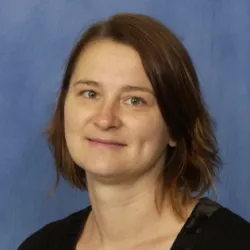
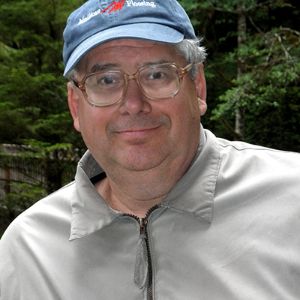
Dr. Ulrike Schumann is a Research Fellow at the Australian National University (ANU), affiliated with the John Curtin School of Medical Research (JCSMR) and the Eccles Institute of Neuroscience. She holds key roles in the Shine-Dalgarno Centre for RNA Innovation and the Division of Neuroscience. Her research focuses on non-coding RNAs, particularly miRNAs, in retinal degeneration, cancer biology, and epigenetic mechanisms. She completed a PhD in Microbiology and a Master's in Biotechnology. Her work spans translational medical research, including studies on RNA biomarkers for disease diagnostics and therapeutic interventions. Dr. Schumann collaborates with the Natoli Group (Clear Vision Research Lab) and Wen Group (Computational Biology of RNAs). Her recent publications emphasize miRNA roles in retinal degeneration, DNA damage in tumors, and innovative biosensor technologies for point-of-care diagnostics. Collaborative efforts include epigenetic studies in cancer and RNA methylation analyses. Dr. Schumann is registered to supervise research students but currently lists no advisees. Her research integrates computational biology, molecular genetics, and translational medicine to address unmet clinical needs in vision science and oncology.
Prof. César Rodriguez-Emmenegger, PhD, is a Principal Investigator at the Institute for Bioengineering of Catalonia (IBEC) , leading the research group Bioinspired Interactive Materials and Protocellular Systems . His work focuses on designing synthetic materials that interact with biological systems, particularly antifouling polymer brushes and biomimetic vesicles. Education : Chemical Engineer, Universidad de la República (Uruguay); PhD in Biophysics, Charles University (Prague, Czech Republic) Postdoctoral Training : Karlsruhe Institute of Technology (Germany); University of Pennsylvania (USA) Research Interests : His research bridges materials science , surface chemistry , and synthetic biology to develop non-fouling interfaces , dendrimersomes , and smart coatings for medical devices. Key themes include protein adsorption resistance , hemocompatibility , and biofilm prevention . Scientific Contributions : His work has led to 15+ high-impact publications (2020-2023) in journals like Advanced Materials , ACS Nano , and PNAS , with a focus on dendrimersome self-assembly , light-triggered surface modifications , and medical implant coatings . Articles reveal expertise in glycoengineering , nanovesicle design , and complement activation in blood-plasma interactions. Grants & Collaborations : Supported by Alexander von Humboldt Postdoctoral Fellowship , with collaborations spanning Cambridge University , University of Pennsylvania , and Karlsruhe Institute of Technology . Holds patents on antifouling polymer brushes and co-authored a book on Biological Fluid-Surface Interactions . Labs & Teams : Currently leads a multidisciplinary team at IBEC , previously establishing junior groups at IMC Prague and DWI Aachen . Integrates polymer chemistry , biointerface engineering , and synthetic cell mimics for next-gen biomaterials.
Professor Melanie Burke is a leading cognitive neuroscientist at the School of Psychology, University of Leeds, where she holds the Chair in Cognitive Ageing and Neuroimaging. She also serves as the Director of Post-graduate Research Studies (DPGRS) in the School, overseeing research training and development. Education: BSc (Hons) in Applied Physiology PhD in Visual Neurophysiology, University of Manchester Post-Graduate Certificate in Higher Education (PGCAP) Fellow of the Higher Education Academy (HEA) Her research explores cognitive and visuomotor changes across the lifespan, with a focus on healthy and pathological ageing. She employs advanced neuroimaging and neuromodulation tools including fMRI, fNIRS, EEG, TMS, and eye tracking to investigate brain-behavior relationships in memory, motor control, and interhemispheric communication. Her work aims to identify neural mechanisms underlying cognitive decline in conditions like Alzheimer’s and Parkinson’s diseases. Her recent publications highlight a strong trajectory in understanding neurodegeneration, white matter integrity, and the potential of brain stimulation to enhance cognitive function in ageing populations. Themes across her work include interhemispheric connectivity, neural plasticity, and multimodal assessment of brain function. Scientific Awards and Recognition: Fellow of the Higher Education Academy (HEA) UKCGE Supervisor Recognition Award She has secured significant research funding from the ESRC, Wellcome Trust, Alzheimer's Research UK, and an anonymous donor. As an educator, she teaches vision and the brain, leads a specialized module on advanced neuropsychological techniques (PSYC3527), and is module leader for the Ageing and Dementia course (PSYC5919) in the MSc Cognitive Development and its Disorders programme. She actively mentors postgraduate researchers and welcomes PhD applicants worldwide. She leads the Brain and Behaviour Laboratory , which integrates behavioral tasks with neuroimaging and brain stimulation, and is affiliated with the Academic Unit for Ageing and Stroke Research, Perception-Action-Control laboratory, and professional networks such as the British Neuroscience Association and the Yorkshire Vision Network.
Alistair Taverner is a Research Fellow at the University of Bath's Department of Life Sciences . His work contributes to UN Sustainable Development Goals through research in drug delivery , epithelial transport , and toxin-based therapeutic systems . Education: PhD in Life Sciences (2022), Thesis : "Enhanced Paracellular Transport of Biopharmaceutics Can Be Achieved Via Transient Induction of Myosin Light Chain Phosphorylation" Research Interests focus on transcytosis mechanisms , tight junction regulation , and myosin light chain phosphorylation to enhance paracellular transport of biopharmaceutics. His studies include structural analysis of exotoxin homology , penetration enhancing agents , and protein phosphatase 1 interactions. Collaborations with Robert J. Mrsny and others have resulted in 11 research outputs including 10 peer-reviewed articles and 1 patent (WO2021250260A1). Key contributions include developing non-toxic bacterial exotoxin platforms for intestinal delivery of proteins and nanoparticles.
Alicia María Alonso Martínez is an Associate Professor at the Public University of Navarre , affiliated with the Department of Health Sciences. She leads the Exercise, Health and Quality of Life (E-FIT) research group and contributes to doctoral programs in Health Sciences, Social Sciences, and Global Health (collaborating with the University of La Rioja, Lleida, Zaragoza, and Navarre). Her research spans physical fitness, motor competence, and cardiometabolic health across the lifespan, with a focus on preschoolers, adolescents, and older adults. Her recent work examines physical activity interventions, 24-hour movement guidelines, and the impact of gamified family-based exercise programs. She has secured significant grants from institutions like the Instituto de Salud Carlos III and the Navarre Government , including projects such as VIVI-CITA for cognitive-physical enhancement in at-risk elderly and DIActive for diabetes prevention. Her meta-analyses on exercise effects in populations with insulin resistance and hypertension have shaped clinical recommendations. Alonso Martínez supervises doctoral students in pediatric fitness assessment, pandemic-induced behavioral changes, and cardiovascular diagnostics. Her studies bridge clinical, educational, and public health domains, emphasizing interdisciplinary collaboration. She applies advanced methodologies including ultrasound muscle analysis and genetic testing for metabolic conditions, contributing to population-specific normative data in Latin America and Spain.
Dr. Hee-Sun Han is an Assistant Professor of Chemistry at the University of Illinois at Urbana Champaign, where she holds the Mark A. Pytosh Scholar position. She is also a faculty member of the Carl R. Woese Institute for Genomic Biology and the Center for Biophysics and Quantitative Biology. Her research focuses on developing innovative bioanalytical technologies to study complex biological systems, particularly in the areas of neuroscience and virology. Dr. Han received her educational training from prestigious institutions: B.S. in Chemistry, summa cum laude and as Valedictorian, from Seoul National University Ph.D. in Physical Chemistry from Massachusetts Institute of Technology Postdoctoral training in Physics/Applied Physics from Harvard University Dr. Han's research program centers on in situ single cell omics and spatial transcriptomics , with applications in neurobiology and cancer research. Her lab develops cutting-edge multiscale, multimodal imaging platforms and droplet microfluidics-based single-cell sequencing platforms to uncover the molecular and cellular mechanisms driving the ensemble behavior of complex biological systems. The group's work has particular relevance for understanding how different cell types are spatially organized in intact brains and how this organization relates to function in both healthy and diseased states. Her recent publications showcase a strong trend toward developing and applying spatial omics technologies, particularly for neuroscience applications. The research spans from fundamental nanotechnology and microfluidics development to biological applications in brain mapping and viral genomics. There is a clear progression from her earlier work on quantum dot imaging probes to current focus on spatial transcriptomics and single-virus genomics. Dr. Han has received numerous prestigious awards that recognize both her scientific contributions and teaching excellence: Johnson & Johnson WiSTEM2D Scholars Award for Science (2021) Mark A. Pytosh Scholar (2017) Amy L. Devine Award for commitment to student learning (2022) Representative of Korea in Lindau Nobel Laureate Meeting (2006) Valedictorian, Summa Cum Laude, Seoul National University (2006) As an advisor, Dr. Han has successfully mentored numerous graduate students to completion of their PhDs, including Alex, Thomas, Wenyang, and Ryan. Her lab has secured significant grant funding, including an R21 grant from NIH NHGRI for "Integrated experimental and statistical tools for ultra-high-throughput spatial transcriptomics," an NIH Maximizing Investigator's Research Award (~$2M) for a "Chemical Toolbox for Multiscale Integrative Imaging," and funding from CSL Behring for multiplexed biomarker detection in patient blood. The Han lab is known for its collaborative approach, frequently working with neurobiologists for in-depth biological studies. The Han lab operates as a dynamic interdisciplinary team at the intersection of chemistry, engineering, and biomedical science. Located at UIUC, the lab has access to state-of-the-art facilities at the IGB, MRL, MNTL, and Biotechnology Center. Current research focuses on two main areas: Spatial Transcriptomics (using MERFISH platforms for brain and cancer research) and Microfluidics-based Single Virus Genomics (for influenza virology and ecology studies). The lab maintains an active presence at major scientific conferences and has established itself as a leader in spatial omics technology development.
Kerby C. Oberg, MD, PhD, is a Professor and Vice Chair in the Anatomy Division of the Pathology and Human Anatomy Department at Loma Linda University School of Medicine . His research focuses on developmental biology, congenital limb and craniofacial variations, and the molecular mechanisms underlying limb development. Education: MD (1991), PhD (1989), BS (1983) from Loma Linda University CERT-PRO from Stanford University (2018), Baylor College of Medicine (1997) Research Interests: He investigates the genetic regulation of limb development, congenital anomalies, and their clinical implications. His lab, the Molecular Embryopathy Research Laboratory , explores molecular pathways like SHH, FGF, and Lmx1b in limb patterning and regeneration. Recent Publications (2025-2019): His work spans developmental genetics, congenital limb defects, medical imaging, and surgical classification systems. Key contributions include the Oberg-Manske-Tonkin (OMT) Classification for upper limb anomalies and studies on gene regulatory modules in limb development. Teaching: He has taught Human Embryology , Medical Genetics , and Developmental Biology courses since 2019, including lectures and research supervision.
Jay Custer is a Professor in the Department of Anthropology within the College of Arts & Sciences at the University of Delaware, where he also serves as director of the UD Center for Archaeological Research. His academic career spans several decades with extensive field experience across the Mid-Atlantic region. Custer earned his Ph.D. and M.A. from the Catholic University of America and completed his undergraduate studies at Franklin and Marshall College. His educational background provided the foundation for his specialized work in Native American archaeology of Eastern North America. Professor Custer's research focuses on Native American archaeology of Eastern North America, with particular emphasis on the Mid-Atlantic region and Delmarva Peninsula, investigating the technology, arts, and crafts of Native North American societies. His work includes developing archaeological and ethnohistorical research programs in association with the Delaware Indian Tribe of Oklahoma and the Nanticoke Indian Tribe of Delaware. He has conducted research at more than 150 prehistoric and historic archaeological sites while conducting surveys of over 1,500 sites across Delaware, Pennsylvania, Maryland, Virginia, and New Jersey. His teaching portfolio includes courses on modern Native American cultural issues, representations of North American and Mesoamerican Indians in popular culture, and modern American Anabaptist cultures. Analysis of Custer's publication record reveals a strong focus on practical archaeological methods and regional studies, particularly in Delaware and surrounding states. His work demonstrates consistent engagement with both prehistoric and historical archaeology, with particular attention to lithic analysis, settlement patterns, and cultural resource management. The publications span several decades, showing sustained scholarly productivity with emphasis on field methodology, artifact analysis, and regional cultural sequences. Custer's academic work has been primarily directed through cultural resource management projects, contributing significantly to the archaeological understanding of the Mid-Atlantic region. His fieldwork has involved extensive collaboration with state agencies and tribal nations, demonstrating commitment to community-engaged archaeology. As director of the UD Center for Archaeological Research, he oversees numerous archaeological projects and contributes to the training of future archaeologists through field experiences. Professor Custer maintains an active research program focused on the archaeology of the Eastern Woodlands, with particular attention to Delaware and the surrounding region. His work bridges academic research and practical cultural resource management, contributing to both scholarly understanding and preservation of archaeological resources in the Mid-Atlantic states.
Murat Okatan is an Associate Professor at Istanbul Technical University's Informatics Institute, Department of Computational Science and Engineering. He previously held academic positions at Cumhuriyet University in Electrical and Energy, Biomedical Engineering, and Mechatronics Engineering departments, and served in administrative roles including Department Chair, Head of Discipline, and Vice Dean. He received his PhD from Boston University and completed postdoctoral research at Ankara University and Boston University. PhD, Boston University MS, Syracuse University BS, Boğaziçi University (Dual Degree: Physics and Electrical-Electronics Engineering) His research lies at the intersection of computational neuroscience, neural signal processing, and biomedical engineering. He specializes in extracellular neural recordings, spike detection, brain-machine interfaces, and statistical modeling of neural data. His work includes developing automated thresholding techniques such as truncation thresholds for spike detection, analyzing subthreshold motor cortical activity, and modeling hippocampal place cells using Zernike polynomials. His recent publications focus on statistical significance testing in receptive field estimation and improving signal-to-noise ratio in neural recordings. His recent publications reveal a strong focus on statistical methods in neural data analysis, particularly in spike detection and receptive field modeling. He has developed and refined truncation threshold methods for more accurate action potential identification. His work bridges theoretical statistics with practical applications in brain-computer interfaces and neural decoding. He has also contributed to open-source tools, including Python code for parameter estimation in truncated distributions. YÖK Akademik Teşvik Ödeneği (2016, 2017) 2232 Postdoctoral Return Fellowship, TÜBİTAK (2011) Best Oral Presentation Award, 6th National Neuroscience Congress (2007) Best Oral Presentation Second Prize, 8th National Neuroscience Congress (2009) Presidential University Graduate Fellowship, Boston University (1997) High Honor Degree, Boğaziçi University (1995) Murat Okatan has supervised research projects funded by TÜBİTAK, the Turkish Higher Education Council, and international agencies including NIH, NSF, and ONR. He has served as a project executive and researcher in multiple scientific initiatives, including the Neuroscience and Neurotechnology Excellence Center (NÖROM). He has also acted as a guest editor for the Turkish Journal of Electrical Engineering and Computer Sciences . His lab focuses on developing computational tools for neural data analysis, with applications in brain-machine interfaces and neuroprosthetics. He is a member of several professional societies, including IEEE, IEEE Signal Processing Society, Society for Neuroscience (SFN), Brain Research Society (BAD), and Turkish Biophysics Society. His research group develops algorithms for real-time neural signal processing and contributes to national and international collaborative efforts in computational neuroscience.
Ana Karina Mendes is a researcher at Universidade Católica Portuguesa, affiliated with the Center for Interdisciplinary Research in Health (CIIS). She holds a PhD in Biology from Universität Regensburg and is actively involved in molecular and immunological research focused on salivary biomarkers for oral and systemic diseases. Her work integrates epigenetics, immunology, and precision medicine. PhD in Biology, Universität Regensburg, Germany Master in Biotechnology for Health Sciences Degree in Genetics and Biotechnology Her research centers on the characterization of molecular mechanisms in disease progression and the identification of non-invasive salivary biomarkers. Key areas include inflammatory bowel disease, cystic fibrosis, acute myeloid leukemia, and oral-systemic health connections. She employs cutting-edge techniques such as CRISPR/Cas9, next-generation sequencing, and real-time PCR. The trend in her recent publications (2022–2025) shows a strong focus on precision diagnostics using saliva, with applications in oncology, immunology, and chronic inflammatory conditions. Her work bridges laboratory research with clinical applications, emphasizing personalized and non-invasive approaches to disease monitoring. She is actively supervising students and participating in academic juries, reflecting her role in academic training and mentorship. While no specific awards are listed, her h-index of 7 and consistent publication record in reputable journals indicate scholarly recognition. Supervisor of multiple Master's and doctoral students Member of academic examination juries Active participant in national and international research projects She leads and contributes to several research projects including CEEC 2021, SPRINT, SPIT-it-AML, and NutriCancerMonitor, all centered on molecular diagnostics and personalized health interventions.
Lijun Zhou is an Assistant Professor in the Department of Biochemistry and Biophysics at the Perelman School of Medicine, University of Pennsylvania. He is also affiliated with the Penn Institute for RNA Innovation, where he conducts research at the intersection of chemistry, biology, and the origins of life. Education: B.S. in Biology, Tsinghua University, Beijing, China (2008) Ph.D. in Biochemistry and Structural Biology, Tsinghua University, Beijing, China (2013) Dr. Zhou's research focuses on understanding the chemical principles underlying the emergence of life, particularly the origin and early evolution of RNA. His work spans nucleic acid chemistry , non-natural nucleic acids (XNA) , in vitro selection , RNA-protein interactions , structural biology , and artificial cells . He investigates how RNA could have formed and replicated non-enzymatically under prebiotic conditions, contributing to the RNA World hypothesis. His lab employs chemical synthesis, biophysical assays, and systems chemistry approaches to explore the functional and structural properties of early genetic polymers. His recent publications (2020–2024) reveal a strong thematic focus on non-enzymatic RNA replication mechanisms, including template-directed copying, ligation, and the role of alternative nucleobases and environmental conditions. These studies frequently appear in top-tier journals such as Nucleic Acids Research , Journal of the American Chemical Society , and PNAS Nexus , often in collaboration with Nobel laureate Jack W. Szostak. The work integrates experimental models with theoretical frameworks like the virtual circular genome to explain primordial replication dynamics. Scientific Awards: No awards mentioned in the provided text. Dr. Zhou advises graduate students through his affiliations with the Cell and Molecular Biology and Biochemistry and Molecular Biophysics Graduate Groups. While specific grant funding is not detailed, his research program is clearly supported by institutional and likely federal or private foundation resources given the scale and impact of his work. His lab contributes to foundational knowledge in prebiotic chemistry and synthetic biology, with implications for astrobiology and biotechnology. He is actively involved in experimental testing of models for primordial RNA replication, including studies on base pairing anomalies (e.g., 2-thiouridine), environmental compatibility (e.g., soda lakes), and kinetic biases in nonenzymatic copying. His team explores how early genetic systems might have achieved sufficient fidelity and efficiency to kickstart molecular evolution.
Jacek Dudkiewicz is a researcher at the Department of Building Structures, Faculty of Civil Engineering, Wrocław University of Science and Technology. He specializes in structural engineering with a focus on steel shell and tall structures, particularly in the context of historical buildings and industrial facilities. His research interests include: Steel shell structures Steel tall structures Structural reinforcement and strengthening Historic steel assessment and weldability Stability during construction and transport Adaptive reuse of heritage masonry buildings His recent publications (2012–2024) reflect a consistent focus on the assessment, reinforcement, and reconstruction of steel and composite structures, especially in heritage and industrial contexts. Themes include corrosion mitigation, norm compliance, load capacity restoration, and non-destructive evaluation techniques such as Brinell hardness testing. His work bridges theoretical structural analysis with practical engineering solutions. Notable collaborations include researchers Piotr Organek and Bronisław Gosowski. While no formal awards are listed, his sustained publication record in reputable journals like Civil and Environmental Engineering Reports and Materiały Budowlane underscores his active research profile. Jacek Dudkiewicz advises no students listed in the provided data and is not described as part-time or retired. He maintains professional contact via email: jacek.dudkiewicz@pwr.edu.pl.
Dr. Shivanthi Samarasinghe is an Associate Professor in Microbial Molecular Genetics and Genomics at the School of Allied Health Sciences, De Montfort University, Faculty of Health and Life Sciences. Her research focuses on the molecular biology of antibiotic-resistant microbial pathogens and the application of advanced molecular tools for diagnosis and surveillance of infectious diseases. University: De Montfort University School: School of Allied Health Sciences Research Group: Biomedical and Environmental Health, DMU-Willows Centre for Primary Care Research Research Interests: Dr. Samarasinghe’s research centers on understanding the molecular mechanisms of antibiotic resistance in pathogenic microbes, including gene regulation, horizontal gene transfer, and biofilm formation. She employs next-generation sequencing and real-time PCR for rapid diagnostics and surveillance. Her work aligns with DMU’s strategic goals in lifelong well-being and the UN Sustainable Development Goals, particularly maternal and neonatal health. Publication Trends: Her recent publications reflect a strong focus on antimicrobial resistance, virulence mechanisms, and novel therapeutic strategies such as anti-virulence compounds from cranberry and Manuka honey. She also contributes to global health through systematic reviews on neonatal sepsis and Chlamydia in pregnancy. Scientific Awards and Honors: Aurora Leadership Development Programme for Women in Higher Education (2021) Next Generation Sequencing Bioinformatics Course Bursary, Wellcome Sanger Institute (2020) DMU Vice-Chancellor’s Future Research Leader Award (2014) Fellow of the Institute of Biomedical Science (FIBMS, 2015) Advising and Grants: Dr. Samarasinghe supervises multiple PhD and MSc students and has secured significant external funding from sources including the Ministry of Education Nigeria, GCRF, MRC, and industry partners like Shofu Dental Corporation. Her projects span molecular characterization of resistant pathogens, AI-based decision tools for maternal infections, and development of rapid diagnostic assays. Labs and Teams: She leads the Molecular Biology of Drug-Resistant Pathogens research group and is actively involved in the Biomedical and Environmental Health research cluster at DMU. She also serves as an academic consultant for the Antibiotic Stewardship Steering Committee at Willows Health NHS.
Laura Sirucek is a Postdoctoral Fellow at the Department of Health Science and Technology, Faculty of Medicine, Aalborg University, Denmark. She works at the Center for Neuroplasticity and Pain (CNAP), focusing on pain neuroplasticity research. Her work integrates various methodologies including magnetic resonance spectroscopy, psychophysics, and transcranial magnetic stimulation combined with electroencephalography to better understand chronic pain mechanisms. Dr. Sirucek completed her educational journey at the University of Zurich, earning a Bachelor of Science in Biology (2016), a Master of Science in Biomedicine (2018), and a PhD in Neuroscience (2023). Her doctoral research focused on "Spinal and Supraspinal Sensitization in Chronic Pain – Chasing Mechanisms." She also serves as Co-Chair of the IASP Early Career Network Communication Committee for the International Association for the Study of Pain. Dr. Sirucek's research primarily centers on chronic pain mechanisms, with special emphasis on chronic low back pain and Complex Regional Pain Syndrome. Her work investigates endogenous pain modulation systems, particularly conditioned pain modulation and descending pain pathways. She employs advanced neuroimaging techniques like magnetic resonance spectroscopy to examine neurotransmitter dynamics in pain-relevant brain regions such as the periaqueductal gray. Her research also explores pain phenotyping, sensory profiling, and the identification of biological subgroups in chronic pain conditions to advance personalized medicine approaches. Her publication record demonstrates a consistent focus on pain mechanisms and assessment methodologies. Recent work examines neurotransmitter dysregulation in chronic pain, methodological improvements in brainstem imaging, and the identification of biological subgroups in pain conditions through transcriptomic profiling. Her research bridges basic neuroscience with clinical applications, aiming to improve pain diagnosis and treatment through a better understanding of underlying mechanisms. Dr. Sirucek actively contributes to the pain research community through her role with the IASP Early Career Network. While specific grant information isn't detailed in the provided materials, her extensive publication record across multiple high-impact journals suggests successful research funding. She collaborates with researchers across institutions, particularly with Petra Schweinhardt's lab at Aalborg University and researchers at the University of Zurich. Her work is conducted primarily through the Center for Neuroplasticity and Pain at Aalborg University, where she is part of a multidisciplinary team investigating pain mechanisms using advanced neuroimaging, psychophysical testing, and molecular approaches. Her recent work on transcriptomic profiling indicates expanding research into the molecular underpinnings of pain conditions.
G.A. (Gerton) Lunter is a Professor of Medical Statistics at the University of Groningen's Faculty of Medical Sciences, Department of Epidemiology. He holds a Visiting Professorship in Computational Biology and Artificial Intelligence at the University of Oxford's Weatherall Institute of Molecular Medicine. With a dual MSc in Mathematics and Theoretical Physics from Groningen University (1994), and a PhD in Mathematics (Dynamical Systems) from the same institution (1999), his career spans academic and industrial research roles. His research expertise includes Bayesian statistics, statistical genetics, functional genomics, machine learning, and evolutionary biology. Key focus areas are computational methods for genomic analysis, medical statistics applications in epidemiology, and AI-driven healthcare solutions. Notable contributions include developing statistical frameworks for analyzing high-throughput genomic data and advancing methods for interpreting structural and non-coding genetic variants in rare diseases. Lunter has held leadership roles such as Group Leader in Computational Biology at the MRC Weatherall Institute (2019–2020) and Co-founder/Head of Statistical Learning at Genomics plc (2014–2020). His work bridges academia and industry, with collaborative projects in clinical genomics and precision medicine. Current research emphasizes integrating machine learning with medical datasets to improve diagnostics and predict treatment outcomes in areas like oncology and chronic disease management. He has contributed to over 150 peer-reviewed publications, focusing on topics ranging from gestational hypertension epidemiology to AI-powered healthcare data analysis. His systematic reviews and cohort studies address lifestyle factors influencing chronic disease multimorbidity. Awards and recognitions are not explicitly listed but his sustained academic leadership and industry collaborations highlight significant professional standing.