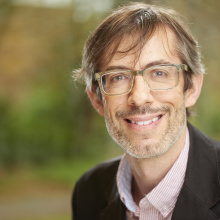
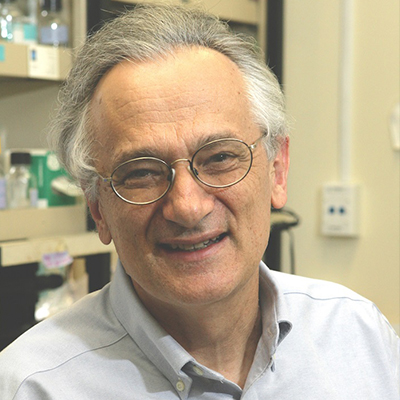
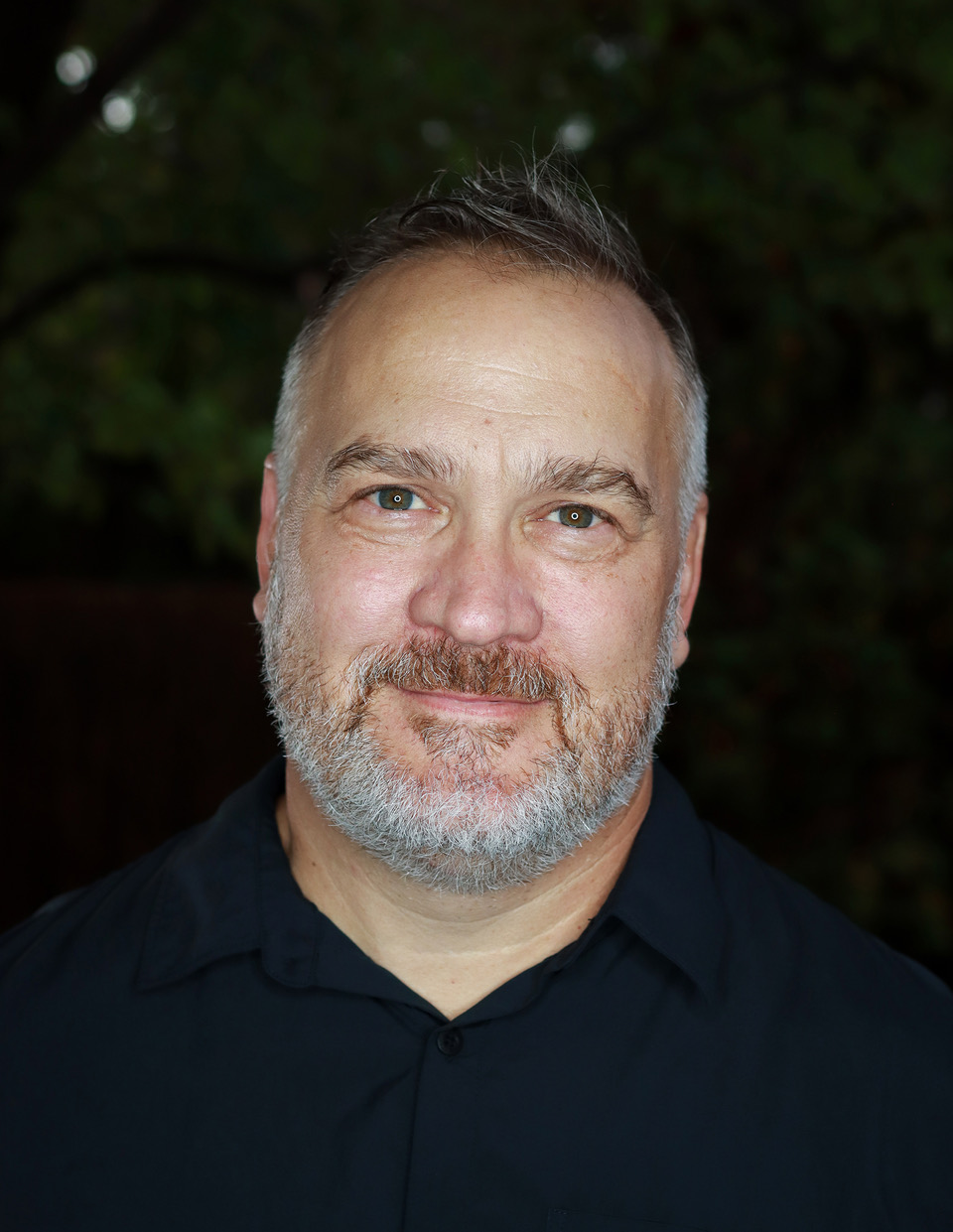
Professor Paul Aplin is Head of the Department of Geography at Mary Immaculate College (MIC), Ireland, since 2022. He previously held academic positions at the University of Nottingham (2007-2022) and Edge Hill University (2015-2022). He holds a PhD from the University of Southampton, MSc from Aberdeen, and MA from Edinburgh. Education: MA (Edinburgh) MSc (Aberdeen) PhD (Southampton) His research focuses on remote sensing , geography , and environmental monitoring of tropical peatlands, urbanization, and biodiversity. He has contributed to the discipline through editorial leadership as Editor-in-Chief of the Land (Observation and Monitoring Section) and editorial board memberships for ISPRS Journal , Remote Sensing Applications , and Sensors . His work spans 15 years of international education and research collaborations in Hungary, Chile, China, Ethiopia, and Poland. Article Trends include applications of machine learning and satellite imagery for land cover classification, biomass estimation, and urban development analysis. His 15 most recent publications (2024-2020) emphasize neotropical peatlands , woody encroachment , and conservation strategies in biodiversity hotspots. Scientific Awards Ralph Brown Award (Royal Geographical Society) Fellow of the Royal Geographical Society He has also served as former Chair of the Remote Sensing and Photogrammetry Society, National Delegate to the International Society for Photogrammetry and Remote Sensing (ISPRS), and ISPRS Book Series Editor for eight years.
Pablo Taboada Antelo is a University Professor in the Department of Particle Physics at the University of Santiago de Compostela, affiliated with the Materials Institute (iMATUS) and the Colloid and Polymer Physics Group. He obtained his PhD in Physics in 1999 and conducted postdoctoral research at universities in Bilbao, Manchester, and Dublin. With over 240 publications (H-index: 31), he directs extensive research in nanostructured materials for biomedical and energy applications. His work spans theranostics, drug delivery systems, amyloid disease mechanisms, and biosensing. He has supervised 21 PhD theses and serves on editorial boards of Frontiers in Bioengineering and Pharmaceutics. Research emphasizes nanoparticle design, biomaterial interfaces, and computational modeling of biological processes.
David Hendrix is a Professor in the Department of Electrical Engineering and Computer Science at Oregon State University, affiliated with both the College of Engineering and the College of Sciences. His research focuses on computational biology, bioinformatics, and machine learning applied to RNA and DNA analysis. He leads the Hendrix Lab, which develops algorithms to study non-coding RNAs and integrates structural predictions with genomic data. His work bridges molecular biology and computational techniques, addressing gene regulation and RNA function. Education : Postdoc, CSAIL, Massachusetts Institute of Technology Postdoc, University of California, Berkeley Ph.D., Physics, University of California, Berkeley B.S., Applied Mathematics & Physics, Georgia Institute of Technology Research Interests : The lab investigates RNA secondary structures, machine learning for bioinformatics, and non-coding RNA mechanisms. Key projects include developing tools like mRNN (predicting coding potential) and bpRNA (RNA structure analysis), supported by grants and collaborations. Articles Trends : Recent work emphasizes RNA structure prediction, machine learning in genomics, and applications in plant and viral biology. The lab’s methods are applied to hop genetics, cancer biology, and aging-related transcriptomics. Awards : 2022 Wayne & Gladys Valley Foundation BioHealth Fellow 2021 College of Science Dean’s Early Career Achievement Award 2019 University Mentoring and Professional Development Award Advising & Grants : Dr. Hendrix oversees a lab focused on interdisciplinary projects, with funding from NIH and NSF. Students and postdocs collaborate on computational tools and biological data integration. Labs/Teams : The Hendrix Lab collaborates with bioinformatics, molecular biology, and engineering groups, emphasizing open-source software and data-driven discoveries.
Carmen Catalá serves as an Assistant Professor in the Section of Plant Biology within Cornell University's School of Integrative Plant Science. Her laboratory investigates molecular mechanisms governing tomato fruit development, with particular focus on auxin synthesis, translocation, and signaling networks. Based in offices 315/316 at Cornell, she maintains an active research program integrating genetic, genomic, and biochemical approaches to study fruit set and growth processes. Her research centers on elucidating auxin homeostasis during tomato fruit development, examining how spatial and temporal control of auxin levels regulates ovary growth post-fertilization and coordinates cell expansion. Key investigations include transcriptional mapping of PIN and AUX/LAX gene families controlling auxin transport, analysis of IAA biosynthesis pathways, and cell-specific transcriptome profiling using Laser Capture Microdissection. Recent work extends into drought stress adaptation mechanisms and utilization of wild tomato species for genetic diversity studies. Publications reveal consistent focus on auxin-mediated developmental processes, with increasing emphasis on environmental stress responses and genomic approaches. Her work demonstrates strong integration of transcriptomic, proteomic, and physiological methodologies to address fundamental questions in fruit biology. The 2018 Tomato Expression Atlas represents a significant community resource for plant researchers. No scientific awards were explicitly mentioned in the source materials. Her laboratory engages in mentoring through the Boyce Thompson Institute internship program, where students investigate molecular mechanisms underlying fruit set, development, and drought stress responses in tomato systems. The Catalá Lab operates at the intersection of plant physiology, molecular genetics, and genomics, utilizing tomato as a model system to address fundamental questions in fruit development. Research activities include hormone signaling analysis, transcriptome profiling, and investigation of wild tomato species for stress adaptation traits.
Prof. Dr. Tal Dagan is a Professor at the Christian-Albrechts-University of Kiel, Germany, within the Biology Center. Her research focuses on microbial evolution, plasmid dynamics, horizontal gene transfer, and bacterial symbiosis. Education: Habilitation in Microbiology (2011, Heinrich-Heine-University Düsseldorf), Ph.D. in Molecular Evolution (2005, Tel-Aviv University), M.Sc. & B.Sc. in Molecular Evolution and Biology (Tel-Aviv University). Her research explores the evolutionary mechanisms of plasmids, antibiotic resistance gene transfer, and microbial symbiosis in marine and plant-associated systems. She investigates how genetic elements like plasmids evolve under environmental pressures and contribute to bacterial adaptability. Recent publications highlight computational tools for DNA duplication detection, plasmid fitness optimization through toxin-antitoxin systems, and the role of natural transformation in cyanobacteria. Her work bridges theoretical models with experimental validation in microbial genomics. Grants from collaborative projects like CRC 754, CRC 1182, and SPP 2002 support her research. She leads a multidisciplinary team analyzing microbial interactions in extreme environments and synthetic biology applications.
Dr. Alexander Prechtel is an Academic Councillor at the Chair of Applied Mathematics I at Friedrich-Alexander University Erlangen-Nuremberg (FAU), where he has been working since 2005. He serves as the representative of academic mid-level staff in the Department of Mathematics since 2010 and previously worked as the new construction officer for the department from 2008-2012. His research focuses on mathematical modeling in geosciences, particularly soil structure formation, reactive transport in porous media, and natural attenuation processes. Prechtel earned his Dipl.-Math. from the University of Bayreuth in 1997 with a minor in Geoecology focusing on hydrology, followed by a DEA in Hydrology and Geochemistry from École Nationale Supérieure des Mines de Paris in 1998. He completed his Dr. rer. nat. in Mathematics at FAU in 2005 under Prof. Dr. P. Knabner with a dissertation on hydrogeochemical multicomponent transport problems. His research interests span mathematics in geosciences and natural sciences, with specific focus on structure formation in soils, modeling and simulation of reactive mass transport in porous media, evaluation of natural self-cleaning power of soils, and efficient solution methods for hydrogeochemical multicomponent models. Recent work has concentrated on soil microaggregates, particularly in the rhizosphere, and the carbon turnover processes associated with soil structure dynamics. He has made significant contributions to developing mechanistic models that explicitly represent pore structures derived from CT scans to study self-organization of soil aggregates. His publication record shows a clear progression toward increasingly sophisticated multiscale modeling approaches, with recent papers focusing on pore-scale interactions between roots, soil structure, and carbon dynamics. The research demonstrates how exudates like mucilage play a crucial role in soil structure formation in the rhizosphere, with persistent stabilization effects even after the exudates themselves have decomposed. Prechtel has successfully secured substantial research funding, with third-party funding volume as PI/Co-PI since 2015 totaling approximately 1.176 million euros. He has supervised numerous Bachelor's, Master's, and Diplom theses across mathematics, technomathematics, and Integrated Life Sciences programs. His teaching portfolio includes courses on differential equation models, metabolic networks, and groundwater modeling. As a reviewer, he serves for the Agence Nationale de Recherche in France and the Deutsche Forschungsgemeinschaft (DFG), and contributes to multiple prestigious journals including BioSystems, Environmental Science & Technology, Geoderma, and Water Resources Research.
Anjali Sharma is a physician scientist at Albert Einstein College of Medicine, specializing in Internal Medicine with a focus on HIV-related metabolic complications and aging. Her work bridges clinical practice and research. MD and MS from Feinberg School of Medicine, Northwestern University Residency and fellowship at Montefiore Medical Center Her research explores: Bone loss mechanisms in HIV-infected women Visceral adiposity and aging-related disorders Cognitive decline and falls risk Gut microbiota and cardiovascular disease Recent publications highlight her work on: Metabolic comorbidities in HIV Imaging techniques for bone and fat analysis Social and biological factors in aging women with HIV Microbiome-plaque associations Scientific contributions include: NIH K23 Award for HIV aging research Robert Wood Johnson Foundation grant for bone loss studies Her work involves collaborations with HIV researchers and aging experts, utilizing cohorts like WIHS and MACS/WIHS Combined Cohort Study to address: Fracture incidence Metabolic disorders Neurocognitive effects of antiretrovirals Frailty and health disparities
Sean Sharp is an Assistant Professor of Biology at Hood College, teaching undergraduate and graduate courses including Ecology and Evolution, Animal and Plant Physiology, Coastal Oceanography, and Principles of Ecology. His research centers on wetland plant community responses to disturbances such as saltwater intrusion, drought, and watershed development within the Chesapeake Bay Watershed ecosystem. Education: Ph.D. in Ecology, University of Florida B.S. in Biology, University of North Carolina Asheville Dr. Sharp's research program investigates the soil-plant-atmosphere continuum in wetlands, with emphasis on biogeochemical cycling, greenhouse gas emissions, and ecosystem resilience. His work combines field experiments in tidal freshwater wetlands and model systems to understand how hydrology, nutrient loading, and invasive species alter wetland functions. Current projects examine saltwater intrusion impacts on wild rice, watershed development effects on pollutant uptake, and eutrophication influences on benthic algae communities. Analysis of Dr. Sharp's recent publications (2020-2024) reveals a dominant focus on methane dynamics in freshwater wetlands, particularly how vegetation patch types and hydrologic conditions modulate emissions. His research increasingly integrates spatial heterogeneity concepts with biogeochemical processes, while maintaining strong connections to coastal ecosystem vulnerability from salt marsh grazers to invasive species impacts across multiple spatial scales. Dr. Sharp actively mentors graduate students Meghan Junis (nutrient uptake in urban wetlands) and Bella Videtti (greenhouse gas exchange in urban ecology), along with undergraduate August Mullican (benthic algae community structure in the Chesapeake Bay). These projects provide hands-on research experience in environmental monitoring and ecological analysis. As principal investigator of his research lab, Dr. Sharp leads investigations into wetland disturbance responses using field and greenhouse methodologies. His lab focuses on practical applications for wetland conservation in the face of climate change, with particular attention to Chesapeake Bay watershed dynamics and restoration potential. In his personal time, Dr. Sharp is an avid birder, kayaker on the Patuxent and Potomac Rivers, and baseball enthusiast pursuing visits to all 30 Major League stadiums.
Laura Wegener Parfrey is an Associate Professor at the University of British Columbia, Faculty of Science, Department of Botany. She holds a Canada Research Chair Tier 2 and leads a research lab focused on microbial ecology of eukaryotic microbes (protists) and bacterial interactions in mammalian gut and coastal ecosystems. BS, State University of New York at Albany (2004) PhD, University of Massachusetts – Amherst (2011) Postdoc, University of Colorado – Boulder (2011-2013) Her research spans two ecosystems: the mammalian gut, where she examines the 'normal' community of eukaryotic microbes and consequences of biodiversity loss; and coastal British Columbia, studying microbial colonization of marine hosts and impacts on ecosystem health. The lab integrates field surveys and experiments to explore host-microbe dynamics under climate change. Recent publications highlight trends in kelp microbiome responses to environmental stressors, gut microbiome resilience in colitis models, and microbial successional dynamics across marine and terrestrial hosts. Key themes include microbial community structure, host specificity, and functional implications of biodiversity loss. Canada Research Chair Tier 2 Parfrey has mentored numerous graduate students, including Vincent Billy (PhD), Katherine Davis (PhD), and Evan Kohn (Undergraduate Honours Thesis). Her team includes current researchers like Siobhan Schenk (PhD) and Parker K Lund (PhD). Collaborative projects with the Hakai Institute and Sentinels of Change Alliance address coastal restoration and climate change impacts.
Professor MEHMET TOPALBEKİROĞLU is a distinguished academic at Gaziantep University, Faculty of Engineering, Textile Engineering Department. He has held various academic positions at the university since 1993, progressing from Research Assistant to his current position as Professor since 2013. Throughout his career, he has served in multiple administrative roles including Department Head (2013-2026), Head of the Main Science Field (2013-2016), Deputy Dean (2011-2014), and Dean (2010-2011). Doctorate (1997-2002): Gaziantep University, Institute of Science, Department of Mechanical Engineering MSc (1993-1996): Gaziantep University, Institute of Science, Mechanical Engineering (With Thesis) Licence (1989-1993): Gaziantep University, Faculty of Engineering, Department of Mechanical Engineering Prof. Topalbekiroğlu's research spans multiple cutting-edge areas in textile engineering. His primary focus is on nanotechnology applications in textiles, particularly electrospinning techniques for nanofiber production. He has pioneered research in parallel electrode methods, helical spinnerets, and continuous nanofiber bundle production. His work in smart textiles includes thermal-regulation systems and electronic integrated textiles for sleep tracking and snoring reduction. In traditional textile engineering, he has made significant contributions to fabric defect detection systems, carpet technology, and yarn production methods. His research bridges fundamental textile science with practical industrial applications, often collaborating with industry partners through TÜBİTAK and SAN-TEZ projects. His recent publications (2023-2025) demonstrate a strong focus on advanced nanofiber production techniques, with particular emphasis on continuous nanofiber bundles using innovative electrospinning methods. His work shows a clear progression from fundamental nanofiber research toward practical applications in medical textiles, smart bedding systems, and functional fabrics with enhanced properties like flame retardancy and thermal regulation. The interdisciplinary nature of his research connects textile engineering with materials science, electronics, and even agricultural applications. Proje sanayiye uygulanabilir Y.Lisan ve Doktora Tezleri alanında ödüle layık görülmüştür (2013) TÜBİTAK Yayın Teşvik Ödülü (2005) TÜBİTAK Scientist Training Group doctoral scholarship (1999-2002) University Top student in undergraduate education (GO: 3.64/4.0) (1993) TÜBİTAK Scientist Training Group scholarship (1992-1993) Prof. Topalbekiroğlu has supervised an impressive 26 graduate theses (6 doctoral and 20 master's), demonstrating his commitment to mentoring the next generation of textile engineers. His research has been supported by numerous grants including TÜBİTAK 1001, TÜBİTAK 1002, SAN-TEZ projects, and university-funded research. His projects often focus on bridging academic research with industrial applications, as evidenced by collaborations with textile manufacturers and participation in industry-focused conferences. Notable projects include developing intelligent fabric defect inspection systems, innovative nonwoven composite structures, and machines for continuous nanofiber yarn production. His laboratory work centers around advanced textile machinery development, particularly for electrospinning applications and fabric quality control systems. His team has designed and built specialized equipment for nanofiber production, including multi-parallel electrode systems and helical spinnerets. The research group maintains strong connections with the Turkish textile industry, particularly in Gaziantep, which is a major textile manufacturing hub. Current work focuses on scaling up laboratory nanofiber production techniques for industrial applications and developing smart textile systems for healthcare applications.
Steven Clarke is a Distinguished Professor in the Department of Chemistry and Biochemistry at UCLA, where he has been a faculty member since 1978. He directs the UCLA Cellular and Molecular Biology Training Program and investigates protein methylation's role in aging and disease states. His work spans biochemical, genetic, and molecular approaches across organisms including Saccharomyces cerevisiae , Caenorhabditis elegans , and Arabidopsis thaliana . Clarke earned his Ph.D. in Biochemistry and Molecular Biology from Harvard University, where he worked with NSF Fellow Peter Mitchell at Glynn Research Laboratories on mitochondrial amino acid transport. He completed postdoctoral work as a Miller Fellow at UC Berkeley with Dan Koshland, studying bacterial chemotaxis receptors. His research has identified key methyltransferases like protein L-isoaspartyl repair methyltransferase and PRMT9, while exploring connections between methylation, insulin signaling, and longevity pathways. His laboratory has produced over 250 publications since 2000, focusing on protein methylation (PRMT7/9), aging mechanisms (isoaspartyl damage, methionine addiction), ribosomal modification , and stress response pathways . Recent work examines PCMTD1/2 in proteostasis, COQ5 in coenzyme Q biosynthesis, and novel methyltransferases in Trypanosoma brucei. Current graduate students include Eric Pang (biochemistry/structural biology) and Cindy Wang (biochemical-computational hybrid). Undergraduates Celeste Medina-Seymour, Elizabeth Oroudjeva, Olivia Pacheco, and Jasmine Winter contribute to projects involving yeast, plant, and nematode models. His team's interdisciplinary approach combines biochemical assays, mass spectrometry, and computational methods to uncover methylation's impact on cellular function.
Ana Louro is an Assistant Professor at the Institute of Geography and Spatial Planning of the University of Lisbon . With advanced degrees in Geography and Territorial Management, she combines academic rigor with practical expertise in spatial analysis and environmental studies. Her professional profile includes affiliations with multidisciplinary research centers like the Center for Geographical Studies , focusing on the intersection of territorial dynamics and ecological health. Mestrado em Educação Geográfica (2022) Doutoramento em Geografia (2019) Mestrado em Gestão Territorial e Estudos Urbanos (2011) Licenciatura em Geografia (2008) Her research spans Geography , Environmental Science , and Wildlife Parasitology , with recent publications analyzing zoonotic parasites in mammals, birds, and reptiles. Articles focus on molecular characterization, disease transmission dynamics, and eco-epidemiological patterns across Portugal and Brazil. She employs advanced genomic tools and spatial modeling to address public health and conservation challenges. Her scientific work bridges geographic analysis with veterinary parasitology, examining: Zoonotic risk mapping Molecular diagnostics of animal pathogens Environmental contamination pathways Wildlife rehabilitation health protocols Phylogenetic relationships in parasitic species Geographic disease distribution patterns
Dr. Hubert Jochheim is a Forest Ecologist at the Leibniz Centre for Agricultural Landscape Research (ZALF) in Müncheberg, Germany, affiliated with the Ecosystem Modelling Working Group under Research Area 4 "Simulation and Data Science". His research focuses on simulating water, carbon, and element budgets in forest ecosystems, with particular emphasis on climate change impacts and forest carbon sequestration dynamics. His core research interests include: Forest Ecosystem Modelling Carbon Budget Dynamics Water and Element Cycling in Forests Climate Change Impacts on Forests Soil-Atmosphere Interactions Analysis of his 15 most recent publications (2018-2023) reveals consistent focus on soil CO 2 efflux mechanisms, vertical carbon partitioning in forest soils, and the development of advanced modelling approaches for forest carbon sequestration. His work frequently involves field measurements in European beech and Scots pine forests across the Northeast German Lowlands, with significant contributions to global databases like SAPFLUXNET. Key methodological innovations include multi-layer soil gas monitoring systems and inverse modelling techniques for soil diffusivity estimation. Dr. Jochheim's research directly supports ZALF's mission in agricultural landscape transformation through his work in the Ecosystem Modelling Working Group, which develops simulation frameworks for understanding landscape-scale carbon and water cycles under changing environmental conditions.
Matthew A. Mulvey is a Professor of Biological Sciences at the University of Utah, where he leads the Mulvey Laboratory within the Molecular Biology Program. His work integrates microbiology, genetics, cell biology, and bioinformatics to understand how pathogenic E. coli strains colonize hosts, evade immune responses, and develop antibiotic resistance. Education: B.S. in Biological Sciences – University of Texas, Austin Ph.D. – University of Texas, Austin Research Interests: Dr. Mulvey’s laboratory focuses on the molecular mechanisms underlying bacterial pathogenesis, with a particular emphasis on Extraintestinal Pathogenic Escherichia coli (ExPEC). His team investigates how genetic diversity and environmental pressures shape virulence, using zebrafish, mouse, and cell culture models. Key areas include urinary tract infections, sepsis, antibiotic resistance, and the role of the microbiota in disease outcomes. His lab employs cutting-edge techniques such as high-throughput screening, advanced microscopy, genomics, and bioinformatics to dissect host-pathogen interactions. They also collaborate closely with clinicians to translate findings into therapeutic strategies. Scientific Publications Overview: Mulvey’s recent publications span a broad range of topics including antibiotic resistance gene networks, plant-derived antimicrobials, bacterial adhesion mechanisms, and the use of zebrafish as infection models. His work consistently bridges basic science with translational applications, addressing urgent challenges in infectious disease management. Teaching & Mentorship: Dr. Mulvey teaches undergraduate and graduate courses including BIOL 2020: Principles of Cell Biology , BIOL 5210: Cell Structure and Function , and DENT 7135: Host and Defense, Bacterial Pathogenesis . His lab is actively involved in training the next generation of scientists. Laboratory & Collaborations: The Mulvey Lab is part of the University of Utah’s robust bioscience research community. It collaborates with bioinformaticians, clinicians, and core facilities to advance understanding of bacterial pathogenesis and develop novel therapeutic interventions.
Dr. William O. Lamp , a Professor at the University of Maryland's Department of Entomology since 1985, integrates research on insect ecology in human-altered environments with outreach and education. His work centers on: Integrated Pest Management (IPM) in agroecosystems Impacts of invasive species like Halyomorpha halys and Lycorma delicatula IPM and land use effects on aquatic invertebrates His Lamp Lab has produced 59 refereed publications, securing over $3M in grants as Principal Investigator. Research combines molecular, physiological, and ecosystem-level approaches to address agricultural sustainability and aquatic ecosystem health. His recent publications highlight trends in: 2025 : Insect-based food systems and parasitoid community dynamics in drainage ditches 2024 : Digital training programs for circular agriculture interns 2023 : Morphology-ecology education tools and historical entomology integration 2022 : Spotted lanternfly host analysis and ecosystem service frameworks Dr. Lamp's outreach includes the annual "Discover a Swamp" demonstration at Maryland Day since 2002, mentoring 68 undergraduates and 15 high school students , and coordinating extension efforts for pests like the kudzu bug. He has served as science editor for four National Geographic Kids insect books and teaches courses in IPM, aquatic entomology, and Insect Biodiversity: The Good, The Bad, and The Weird .