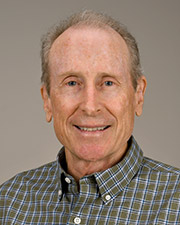
Edgar T. Walters, PhD, is a Professor at The University of Texas Health Science Center at Houston (UTHealth Houston), holding the Fondren Chair in Cellular Signaling and serving as a Ray A. and Robert L. Kroc Faculty Fellow. His research investigates nociceptor hyperexcitability mechanisms in chronic pain, employing electrophysiological, molecular, and behavioral methods across species. Key affiliations include UTHealth Houston, with a focus on translational insights into spinal cord injury, chemotherapy neuropathy, and evolutionary pain adaptations. Research Focus: Walters explores cellular signaling pathways (cAMP, ERK) and ion channels (TRPV1, Na⁺/Ca²⁺) that sustain nociceptor hyperactivity. His interdisciplinary approach integrates: In vivo injury models (surgery, spinal trauma) In vitro electrophysiology of isolated neurons Comparative biology (humans, rodents, invertebrates) Pharmacological targeting of pain mechanisms Awards and Honors: Fondren Chair in Cellular Signaling Ray A. and Robert L. Kroc Faculty Fellowship
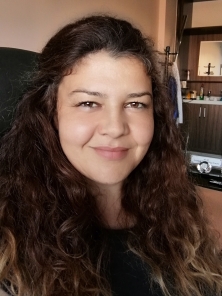
Professor Deniz TAŞTEMİR KORKMAZ is a distinguished academic at Adiyaman University's Faculty of Medicine, Department of Medical Biology. She was promoted to Professor in 2023 after serving as Associate Professor from 2019-2023, and previously held positions as Doctor Lecturer at Adiyaman University Health Services Vocational School (2009-2019) and Research Assistant at Çukurova University Faculty of Medicine (2002-2008). Her primary research interests focus on Medical Genetics, Cytogenetics, Chromosomal Abnormalities, Psychiatric Genetics, Pharmacogenetics, Cancer Genetics, Thalassemia Research, and Microchimerism . She has established herself as a leading researcher in understanding the genetic basis of various disorders and the protective effects of natural compounds against drug-induced toxicity. Professor TAŞTEMİR KORKMAZ's recent publications (2020-2025) demonstrate a strong focus on thymoquinone's protective effects against valproic acid-induced organ damage (liver, kidney, testis, brain, muscle, and pancreas), microchimerism in cancer, and genetic studies of thalassemia. Her research employs molecular biology, cytogenetic, and histopathological approaches to investigate mechanisms of toxicity and protection. First Prize award recipient Multiple Scientific Research and Publication Incentive Awards from TUBITAK Publication Encouragement Award from Çukurova University Second Place Poster Award at the VI. National Prenatal Diagnosis and Medical Genetics Congress She serves as Institute Director (2024-present), Member of the Institute's Board of Directors (2020-present), and has held various other administrative roles including Deputy Director of the Institute and Head of Department. Her extensive publication record (61 articles) and 37 conference proceedings demonstrate significant scholarly impact in her field.
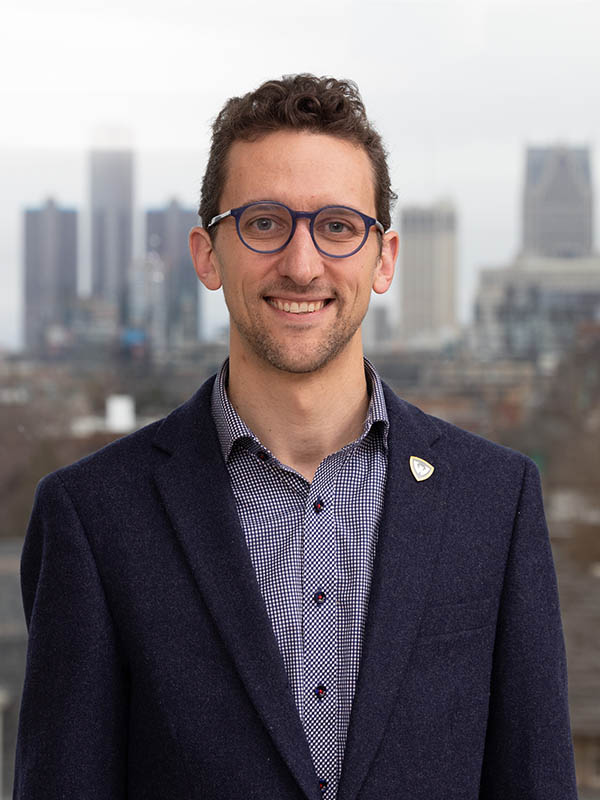
Andrew Lipchik serves as Assistant Professor of Pharmaceutical Sciences at Wayne State University's College of Pharmacy. Holding a Ph.D. in Medicinal Chemistry and Molecular Pharmacology from Purdue University and postdoctoral training at Stanford University School of Medicine, his academic journey spans biochemistry, proteomics, and metabolic disease research. Stanford University School of Medicine: Postdoctoral Fellow, Department of Genetics (2014-2021) Purdue University: Ph.D. in Medicinal Chemistry and Molecular Pharmacology (2013) Xavier University: B.S. in Chemistry (2008) Lipchik's research centers on immunometabolism, particularly the role of IgG antibodies in insulin resistance pathogenesis. His lab developed novel mitochondrial respiration assays correlating with clinical insulin sensitivity measurements (R 2 = 0.7), identifying IgG Fc glycosylation as a key mediator through FcRn interactions. Additional work characterizes B-cell repertoire plasticity in metabolic disease and develops kinase biosensors using terbium-sensitized luminescence. His publications span diabetes mechanisms, proteomics, and diagnostic biosensor development. His recent publications reveal strong focus on immunometabolic interfaces, with recurring themes in antibody-mediated metabolic dysregulation, kinase signaling, and diagnostic biomarker development. Key trends include glycomics applications in metabolic disease and innovative biosensor technologies for kinase activity monitoring. Scientific awards include: American Diabetes Association Pathway to Stop Diabetes Initiator Award (2018) Stanford US HUPO Career Development Award Nominee (2012) Alpha Sigma Nu National Honor Society (2008) Lipchik co-founded KinaSense, LLC (2014-present) and secured significant funding including Stanford SPARK Translational Research Grant ($75,000) and NIH/NIDDK F32 Fellowship ($165,000). His teaching portfolio includes Pharmacotherapeutic Problem Solving, Pharmaceutical Sciences Colloquium, and research mentorship across multiple terms. Current laboratory work focuses on IgG-mediated insulin resistance mechanisms and therapeutic re-sensitization strategies using antibody-based interventions.
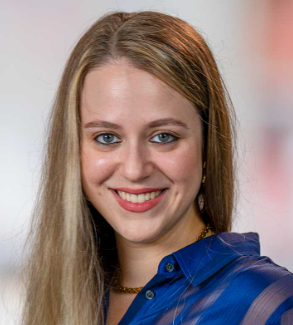
Fontenay M is a Professor of Hematology at Université Paris Cité's Faculty of Medicine, actively contributing to research in hematology, immunology, and infectious diseases. With numerous publications spanning from 2023-2025, their work focuses on hematopoietic stem cells, myelodysplastic syndromes, and the immunological aspects of infectious diseases including SARS-CoV-2. Their research interests encompass hematopoiesis regulation, immune monitoring in hematological disorders, and the intersection of infectious diseases with hematological parameters. Fontenay's work demonstrates particular expertise in stem cell functionality, erythropoiesis, and the immune response to viral infections. Their research bridges basic science with clinical applications, particularly in developing predictive biomarkers and treatment strategies for hematological conditions. Analysis of their recent publications reveals a strong focus on translational research with clinical implications, particularly in risk stratification for myelodysplastic syndromes and understanding the hematological complications of COVID-19. Their work often involves multicenter collaborations and contributes to the development of clinical guidelines in hematology. Fontenay M has participated in significant consortium efforts, including the i4MDS consortium which develops recommendations for immune-monitoring of myelodysplastic neoplasms, demonstrating leadership in establishing standardized approaches in the field.
Pia Jeppesen serves as a Clinical Professor in the Department of Clinical Medicine at the University of Copenhagen, specializing in Child and Adolescent Psychiatry. Her professional base spans both academic and clinical settings, with connections to Region Sjælland healthcare services as indicated by her institutional email address (pijep@regionsjaelland.dk) and clinical website (http://www.bupsykiatri-glostrup.dk). Her work bridges university research and practical clinical applications in pediatric mental health services across Denmark. Dr. Jeppesen's research focuses on critical areas in child and adolescent mental health, including ADHD interventions, autism spectrum disorders, psychotic experiences in youth, and functional somatic symptoms. Her work frequently employs longitudinal cohort methodologies and randomized clinical trials to investigate developmental trajectories and treatment efficacy. A significant portion of her research examines the intersection between physical and mental health manifestations in children and adolescents, particularly how early life factors influence later mental health outcomes. Analysis of her recent publications (2024-2025) reveals a strong emphasis on evidence-based interventions for neurodevelopmental disorders. Her work spans from clinical trial protocols (such as the DAN-PACT study for autism and trigeminal nerve stimulation for ADHD) to population-based cohort analyses examining intergenerational patterns of mental health conditions. The research demonstrates methodological diversity including network analysis of symptom structures, secondary analyses of existing clinical trials, and systematic reviews of psychological therapies. Dr. Jeppesen maintains active collaborations across Danish research institutions, particularly with colleagues at the University of Copenhagen and regional healthcare centers. Her work often involves multi-center studies that integrate clinical practice with academic research, as evidenced by her participation in national Danish clinical trials and population health studies like the Lolland-Falster Health Study.
David G. Schatz is the Waldemar Von Zedtwitz Professor of Immunobiology and Professor of Molecular Biophysics and Biochemistry at Yale University, where he serves as Chair of the Department of Immunobiology at the Yale School of Medicine. His research focuses on the molecular mechanisms that generate diversity in the immune system's antigen receptors, particularly V(D)J recombination and somatic hypermutation. Dr. Schatz is best known for the discovery of RAG1 and RAG2 proteins, which revolutionized our understanding of how the adaptive immune system generates its extraordinary receptor diversity. Dr. Schatz's research interests include: Mechanisms of V(D)J recombination Somatic hypermutation Evolutionary origins of RAG proteins Antibody diversity and formation Gene rearrangement in lymphocytes Molecular biology of immune receptor assembly Analysis of Dr. Schatz's recent publications (2021-2026) reveals a sustained and growing impact in immunology. His work spans structural biology, evolutionary studies, and molecular mechanisms, with particular emphasis on RAG protein function, regulation of somatic hypermutation, and the evolutionary history of the adaptive immune system. His research has significant implications for understanding immune disorders, lymphoid cancers, and the fundamental processes of immune receptor diversity, with numerous publications appearing in top journals including Nature, Science, and Nature Reviews Immunology. Dr. Schatz has received numerous prestigious awards including: Paul Ehrlich and Ludwig Darmstaedter Prize (2023) Election to the National Academy of Medicine (2019) Election to the National Academy of Sciences (2018) Fellow of the American Association for the Advancement of Science (2016) Member of the American Academy of Arts and Sciences (2014) As an educator, Dr. Schatz has served as Director of Graduate Studies and Graduate Admissions for Immunobiology and as a member of the Executive Committee of the Biological and Biomedical Sciences (BBS) Program. He has been active as an editor and reviewer, serving as Co-Editor of the journal Immunity and on editorial boards of multiple journals. His laboratory continues to be highly productive, with ongoing projects examining the molecular details of RAG function, the regulation of somatic hypermutation, and the evolutionary history of the adaptive immune system, maintaining numerous collaborations both within Yale and internationally.
Joseph Schlessinger is the William H. Prusoff Professor of Pharmacology at Yale School of Medicine and Co-Director of the Cancer Biology Institute. He has been a faculty member at Yale since 2001 and maintains an active research program focused on receptor tyrosine kinases and cellular signaling mechanisms. His educational background includes a B.S. and M.S. from Hebrew University of Jerusalem (1968, 1969) and a Ph.D. from the Weizmann Institute of Science (1974). Professor Schlessinger is affiliated with multiple Yale research entities including the Cancer Signaling Networks Program, Diabetes Research Center, Structural Biology Program, Yale Cancer Biology Institute, and the Yale Combined Program in the Biological and Biomedical Sciences. Professor Schlessinger's research centers on tyrosine phosphorylation mechanisms in cellular processes. His lab has made seminal contributions by determining crystal structures of growth factor ligands (SCF and FGF), receptor-ligand complexes, and protein tyrosine kinase domains. This structural work has enabled the development of specific kinase inhibitors now in clinical trials. His research spans structural biology, pharmacology, cancer signaling, and drug discovery with significant translational impact. Analysis of his recent publications shows continued high productivity with work spanning cancer biology (particularly colorectal and cervical cancers), receptor tyrosine kinase signaling mechanisms, structural biology of growth factor receptors, and therapeutic development. His research maintains strong connections between basic structural insights and clinical applications. Clifford Prize for Cancer Research (2017) BBVA Foundation Frontiers of Knowledge Award (2014) AACR International Award for Cancer (2010) Medal of Danica Hrvatska Order, Republic of Croatia (2009) Elected as a foreign member of the Croatian Academy of Science (2008) Professor Schlessinger maintains active research funding including recent $10.5 million and $12 million NIH grants. His lab collaborates extensively across Yale and with international partners. He has mentored numerous students and postdocs, with Francisco Tome, Yoshihisa Suzuki, and Sangwon Lee appearing frequently as co-authors on his publications. The Schlessinger Lab continues to be a major center for structural and mechanistic studies of receptor tyrosine kinases with implications for cancer and other diseases.
Dr. Hannah Holmes serves as Clinical Assistant Professor and Assistant Director of the Psychology Clinic within the Department of Psychology at Appalachian State University's College of Arts and Sciences. Her dual role bridges clinical practice, research, and teaching in clinical psychology. Her academic credentials include: Clinical Psychology Pre-Doctoral Internship (2018-2019) at The Ohio State University Wexner Medical Center Ph.D. in Clinical Psychology (2019) from Wayne State University M.A. in Clinical Psychology (2016) from Wayne State University B.A. in Psychology (2013) from Cedarville University Dr. Holmes' research program centers on health psychology with specialized focus in women's health , human sexuality , and emotion-focused interventions for chronic pain . Her work uniquely examines Arab American women's psychological health through cultural and religious lenses, investigating how bicultural identity, social constraints, and disclosure impact health outcomes following sexual victimization. She develops and tests evidence-based interventions including emotional awareness training for irritable bowel syndrome and chronic urogenital pain, while also evaluating rape prevention programs like Rape Aggression Defense courses. Analysis of her 2014-2023 publications reveals consistent methodological rigor through randomized controlled trials and meta-analyses across psychology, women's health, and pain management disciplines. Her work demonstrates strong interdisciplinary connections between clinical psychology, cultural psychology, and psychosomatic medicine, with particular emphasis on minority health disparities and emotion regulation mechanisms in chronic conditions. Dr. Holmes maintains active clinical supervision through her Psychology Clinic role while teaching advanced courses in personality assessment, health psychology, and human sexuality. Although not accepting doctoral students for Fall 2026, she mentors undergraduate researchers and teaches multiple sections annually. Her collaborative research network spans Wayne State University, The Ohio State University, and international institutions, with publications appearing in top-tier journals including Psychology of Violence and Archives of Sexual Behavior. Current research directions include expanding cultural adaptations of emotion-focused therapies and investigating long-term outcomes of sexual health interventions for minority women.
Dr. Danai Dima is an Assistant Professor in the Division of Hematology and Oncology at the University of Washington School of Medicine and an Assistant Professor in the Clinical Research Division at the Fred Hutchinson Cancer Center. She is a board-certified hematologist-oncologist with expertise in multiple myeloma, light chain amyloidosis, POEMS syndrome, and novel immunotherapies including CAR T-cell therapy and bispecific antibodies. Dr. Dima completed her medical degree at the National and Kapodistrian University of Athens, Greece, followed by internal medicine residency at Tufts Medical Center and fellowship in hematology and medical oncology at the Cleveland Clinic. She is board-certified in hematology (2024) and internal medicine (2021) by the American Board of Internal Medicine. Her research focuses on outcomes of patients with multiple myeloma treated with chimeric antigen receptor T-cell therapies and novel bispecific antibodies. She is a member of the U.S. Multiple Myeloma Immunotherapy Consortium and has published over 50 peer-reviewed publications, with recent work concentrating on CAR T-cell therapy outcomes, bispecific antibodies, and management of plasma cell disorders. Her publications demonstrate a strong emphasis on real-world evidence, treatment sequencing, and addressing complications in patients with multiple myeloma and related disorders. Dr. Dima's clinical practice is centered at the Fred Hutchinson Cancer Center in Seattle, where she treats patients with multiple myeloma, smoldering myeloma, monoclonal gammopathy of undetermined significance, light chain amyloidosis, POEMS syndrome, and those receiving CAR T-cell therapy. Her work bridges clinical care with innovative research to improve outcomes for patients with plasma cell disorders.
Prof. Dr. Esther Kuehn serves as Group Leader at the Hertie Institute for Clinical Brain Research and the German Center for Neurodegenerative Diseases (DZNE) in Tübingen. Her translational research utilizes 3T, 7T, and 9.4T MRI to investigate cortical microstructure in health and disease across multiple neurological conditions. Her research focuses on cortical microstructure imaging using ultra-high field MRI to understand neural mechanisms in: Neurodegenerative diseases (ALS, Parkinson's) Neurological disorders (Multiple Sclerosis) Aging populations Sensorimotor system architecture Somatic pain pathways Her lab develops advanced imaging techniques to bridge structural and functional brain changes. Recent publications demonstrate expertise in layer-specific myelin mapping and computational modeling for fMRI data alignment. She actively organizes scientific events including the BrainInDepth2024 conference on AI applications in ultra-high field MRI research. Prof. Kuehn collaborates with researchers including Oliver Contier, Lisa Klemm, Elena Azanon, Stefanie Schreiber, Oliver Speck, and Christoph Reichert. Her lab currently recruits for positions including lab managers and MTAs to support ongoing translational neuroscience projects.
Montserrat C. Anguera is an Associate Professor in the Department of Biomedical Sciences at the University of Pennsylvania School of Veterinary Medicine. Her research focuses on epigenetic mechanisms in immune cells and placental development, with particular emphasis on X-chromosome inactivation and sex-biased diseases. Dr. Anguera earned her PhD in Biochemistry, Molecular and Cellular Biology from Cornell University in 2004, followed by postdoctoral training at Massachusetts General Hospital/Harvard Medical School (2004-2012). She maintains active affiliations with multiple research institutes including the Epigenetics Institute, Institute for Immunology, Center for Research on Reproduction & Women's Health, and Institute for Regenerative Medicine at the University of Pennsylvania. Her research program investigates mechanisms of X-chromosome inactivation in lymphocytes and stem cells, revealing that female immune cells exhibit unique epigenetic features on the inactive X chromosome that may explain female predisposition to autoimmune disorders like lupus. Her lab also studies sex-specific differences in placental development using human stem cell models, identifying novel X-linked long noncoding RNAs that regulate immune responses during pregnancy. Recent work demonstrates that Xist RNA deletion in B cells triggers lupus-like phenotypes , providing direct evidence for X-chromosome involvement in autoimmunity. Analysis of her 15 most recent publications (2019-2025) reveals a strong focus on sex differences in immunity, with recurring themes of X-chromosome dysregulation in autoimmune diseases, epigenetic control of immune cells, and the role of long noncoding RNAs in development. Her work spans basic molecular mechanisms to translational applications in lupus and other sex-biased conditions. Dr. Anguera serves as an editorial contributor to key publications in her field, including a 2020 Frontiers in Cell and Developmental Biology editorial on X-chromosome regulation. Her research bridges immunology, epigenetics, and developmental biology to address fundamental questions about sex differences in health and disease.
Derek Hoare is an Associate Professor in Hearing Sciences at the University of Nottingham, Faculty of Medicine & Health Sciences. He leads the Hearing Disorders theme in the NIHR Nottingham Biomedical Research Centre and serves as Chair of the British Society of Audiology. His work bridges clinical audiology practice with scientific research to improve understanding and management of tinnitus, hyperacusis, and hearing loss. Derek trained as a nurse at the University of Brighton before completing his academic qualifications at The University of Manchester, where he earned a BSc (Hons) in Neuroscience, a Master of Research in Biological Sciences, and a PhD in Sensory Neuroscience. His doctoral research investigated olfactory sensory information processing in insect models using genetic, electrophysiology, and behavioral techniques, which led to his interest in abnormal perceptual phenomena like tinnitus. Dr. Hoare's research expertise spans health service research, systematic reviews, evaluation of tinnitus and hyperacusis measures, defining therapeutic targets, developing novel interventions, and evaluating standard and commercial therapies. His work combines neuroscience principles with clinical audiology to address the complex nature of tinnitus and related conditions, with particular focus on translating research findings into practical clinical applications. Analysis of Dr. Hoare's recent publications reveals a strong emphasis on tinnitus assessment tools (particularly the Tinnitus Functional Index), treatment efficacy, patient experiences with tinnitus services, and psychological aspects of tinnitus management. His research frequently employs systematic review methodologies and contributes to evidence-based clinical guidelines across multiple disciplines including audiology, neuroscience, psychology, and healthcare delivery. As Chair of the British Society of Audiology, Dr. Hoare plays a leadership role in advancing the field of audiology in the UK. His position as theme lead at the NIHR Nottingham Biomedical Research Centre indicates significant professional recognition, though specific scientific awards are not detailed in the available information. Dr. Hoare collaborates extensively with researchers across multiple institutions and countries, as evidenced by his co-authorship on numerous international studies. His work often involves interdisciplinary teams combining expertise from audiology, psychology, neuroscience, and healthcare services research to address complex questions in hearing science and improve patient care pathways. Through the NIHR Nottingham Biomedical Research Centre, Dr. Hoare leads a research team focused on hearing disorders with particular emphasis on tinnitus and hyperacusis. His work connects basic neuroscience with clinical applications, aiming to improve diagnostic tools, treatment protocols, and service delivery for individuals with hearing-related conditions.