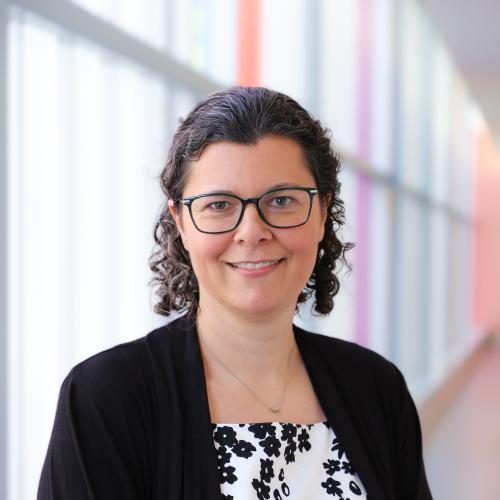
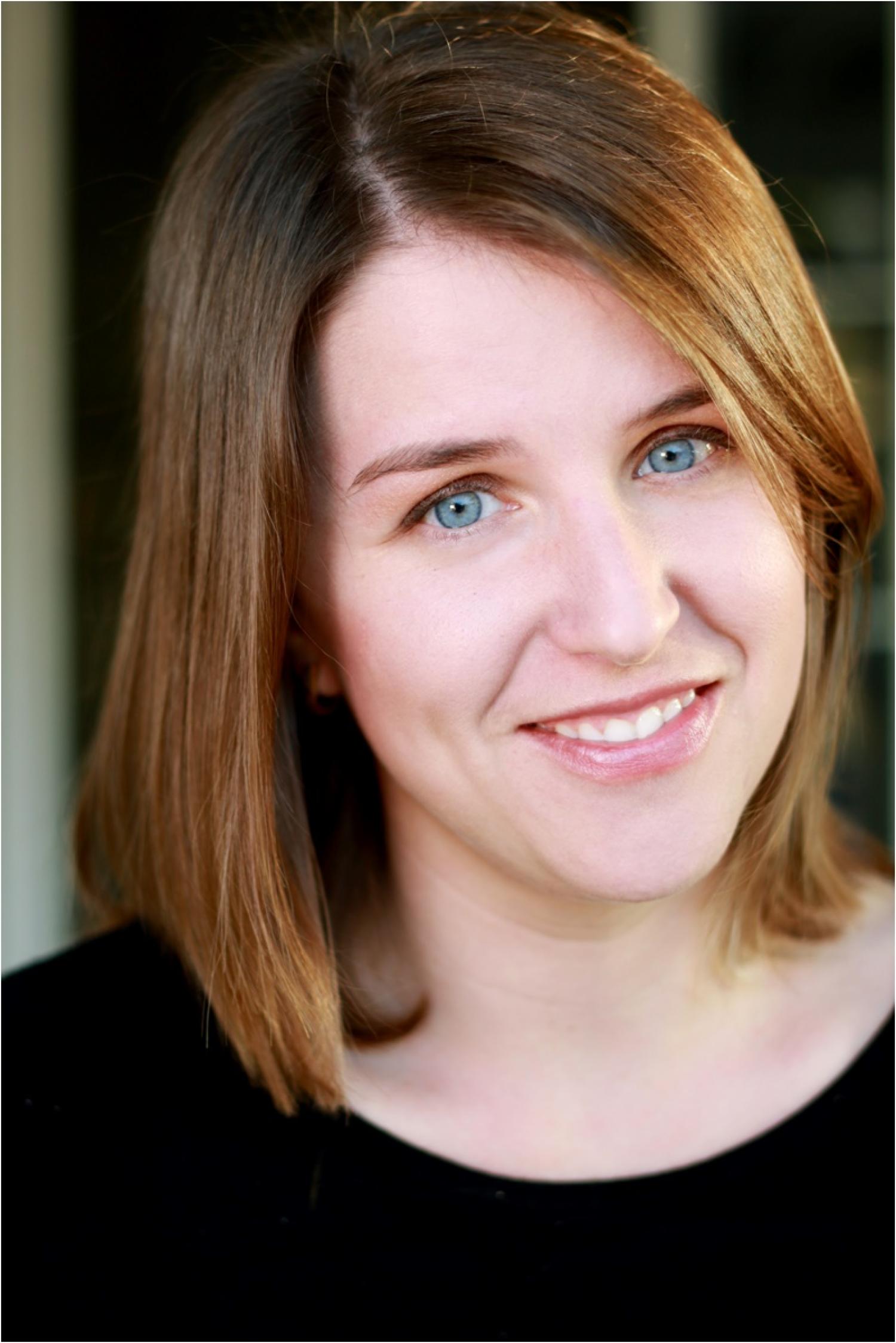
Jennifer Coelho is a Clinical Associate Professor in the Department of Psychiatry at the University of British Columbia . She serves as an investigator at BC Children's Hospital and leads the Provincial Specialized Eating Disorders Program for Children & Adolescents . Her work integrates clinical care with research to improve treatment outcomes for youth with eating disorders and their families. Current research focuses on family engagement , gender-specific pathology , and pandemic-related healthcare costs . Maintains collaborations across Canada and internationally through consortiums like CAN-ASC. Develops training hubs to expand clinician capacity in evidence-based eating disorder interventions. Her publications span psychometric assessment tools , cognitive distortions , and clinical guidelines , with recurring themes in Thought-Shape Fusion , body checking , and family-based therapies . She has received CIHR funding to assess pandemic impacts on eating disorder care systems. Dr. Coelho actively mobilizes knowledge through the BC Eating Disorders Research Excellence Cluster , advocating for equitable access to evidence-based treatments and preventive programs targeting adolescent body dissatisfaction . Her team includes research assistants, coordinators, and postdoctoral fellows working across multiple BCCHR initiatives .
Associate Professor Emma Beckman is a Teaching and Research academic at the University of Queensland within the School of Human Movement and Nutrition Sciences . Her work focuses on enhancing lives of people with disabilities through sports, physical activity, and collaborative care models. Current Role: Director of Teaching and Learning Affiliation: Faculty of Health, Medicine and Behavioural Sciences Research Interests: Para Sport Classification Exercise Physiology for Disabilities Interprofessional Education in Health Mental Health Promotion in Students Biomechanics of Impairment Recent Article Trends highlight her contributions to disability sports, classification validity, reactive strength metrics, and mental health interventions for students, with interdisciplinary collaborations across neuroscience, sports medicine, and public health. Scientific Awards include multiple grants from NHMRC, Queensland Academy of Sport, and the International Paralympic Committee for disability sports research and classification systems. Current Supervision: 7 PhD/PhD candidates Completed Supervision: 10+ theses in disability sports, rugby biomechanics, and interprofessional education Labs & Teams: Co-investigator in UQ IPC Classification Research Partnership, collaborating with experts in para-athletics, cerebral palsy, and mental health.
Helene Lindholm is an Assistant Professor in Biosciences at the University of Skövde, Sweden, affiliated with the School of Bioscience and Department of Biosciences. Her research focuses on cancer biology, particularly pancreatic cancer, with expertise in molecular mechanisms, ROS production, and drug repurposing studies. She maintains an active research program with projects extending through 2025 and teaches bioscience courses at the preparatory level. Dr. Lindholm's research interests center on pancreatic ductal adenocarcinoma (PDAC), with a particular focus on the repurposing of digitoxin as a potential therapeutic agent. Her work examines how digitoxin affects metabolism, ROS production, and proliferation in pancreatic cancer cells, with special attention to cell phenotypes and biomarkers that predict treatment response. She also investigates the NLRP3 inflammasome pathway and its role in cancer progression, as well as exploring connections between social context, oxytocin, and neural responses. Her research spans molecular biology, cancer metabolism, and pharmacology, bridging fundamental science with potential clinical applications. Analysis of Dr. Lindholm's publication history reveals a clear research trajectory focused on pancreatic cancer mechanisms and treatment. Her recent work (2022-2024) centers on digitoxin's effects on pancreatic cancer cells, Na+/K+‑ATPase expression, and NLRP3 inflammasome functionality, demonstrating increasing specialization in molecular cancer therapeutics. Earlier publications show broader interests in genetic risk factors for anxiety and chromosomal aberrations in cancer models, reflecting an evolving research focus toward pancreatic cancer therapeutics. Dr. Lindholm leads two major ongoing research initiatives: 'Evaluation of new pharmaceutical compounds and their effects in the area of cancer and also in stroke' (January 2016-December 2025), which investigates enzymatic inhibitors that reduce ROS production with potential applications in both stroke treatment and cancer therapy; and 'Food–Gut–Brain–Mind–Health' (September 2020-December 2025), a human study examining the whole-body effects of ketogenic diets. Previously, she completed a project on 'NOX, ROS and metabolism in pancreatic cancer' (September 2016-September 2021). Her research is conducted through the Digital HEAlth Research (DHEAR) initiative at the University of Skövde, where she collaborates with researchers including Katarina Ejeskär, Ferenc Szekeres, Linda Handlin, and India Morrison. Dr. Lindholm's laboratory focuses on understanding the molecular mechanisms of cancer progression and identifying novel therapeutic approaches, employing advanced molecular biology techniques to study cancer cell behavior and drug responses.
Marijeta Kralj is a Scientific Advisor (Research Professor) at the Ruđer Bošković Institute's Division of Molecular Medicine and Laboratory of Experimental Therapy. She leads multidisciplinary research in tumor biology, gene therapy, and drug discovery, focusing on mechanisms like cell cycle regulation and DNA damage responses. Her work bridges biochemistry, molecular biology, and medicinal chemistry. Education: Ph.D. in Natural Sciences, University of Zagreb (2001) M.Sc. in Molecular and Cellular Biology, University of Zagreb (1994) B.Sc. in Molecular Biology, University of Zagreb (1990) Her research explores tumor therapy, gene delivery systems, and bioactive compound design. She investigates DNA/RNA-targeting agents, crown ethers for multidrug resistance reversal, and photodynamic anticancer strategies. Recent work emphasizes computational drug design and metabolomics in oncology. Kralj's publications span anticancer agent development, nucleic acid interactions, and nanomedicine. Trends include hybrid molecule synthesis (e.g., harmine-coumarin conjugates), photoresponsive compounds, and targeting cancer stem cells. Her studies often integrate QSAR modeling, NMR metabolomics, and fluorescence imaging. Awards: Croatian Society of Natural Sciences Award for M.Sc. Thesis (1994) She secured grants as PI for projects like 'MultiCaST' (Croatian Science Foundation) and co-led the EU FP7 'InnoMol' initiative. She advises postgraduate courses at the University of Zagreb and co-directs doctoral programs in Functional Genomics and Cancer Biology. Her lab focuses on experimental therapy, collaborating internationally on drug delivery systems and ABC transporter modulation.
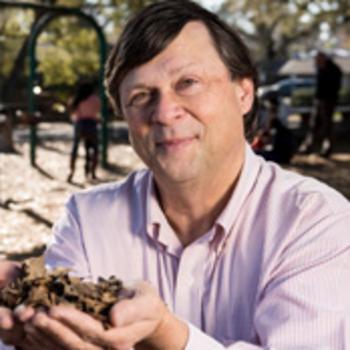
Alistair Boettiger is an Associate Professor in the Department of Developmental Biology at Stanford University School of Medicine, with affiliations to Bio-X and the Biophysics Program. His academic journey spans Princeton University (A.B. in Physics), UC Berkeley (Ph.D. in Biophysics), and postdoctoral training at Harvard University in single-molecule imaging. His research focuses on the interplay between 3D genome organization and gene regulation during development. Key areas include enhancer-promoter communication, chromatin architecture, and the role of spatial organization in transcriptional specificity. He employs super-resolution imaging, genetic engineering, and computational modeling to study these mechanisms in organisms like Drosophila and mouse. Recent publications highlight his work on promoter competition, cross-TAD enhancer interactions, and epigenetic feedback models. His lab has developed tools like CARGO-VPR for precise enhancer activation studies. Scientific Awards: New Innovator Award, NIH (2018-2023) Packard Fellowship (2018-2023) Beckman Young Investigator (2018-2022) Kavli Fellow (2018) Searle Scholars Award (2017-2020) CASI Career Award (2016-2021) Dale F. Frey Award (2016-2018) Damon Runyon Fellowship (2012-2016) NSF Graduate Research Fellowship (2009-2011) He mentors doctoral students and postdoctoral researchers, including Tee Udomlumleart, Tianhong Wang, Lynette Chan, and Simon Gaudin. His lab emphasizes interdisciplinary innovation, combining molecular tools, imaging, and computational approaches to decode genome function.
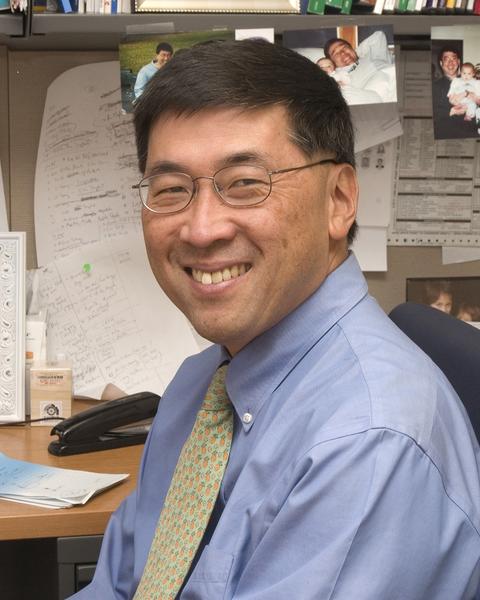
Mark M. Davis is the Burt and Marion Avery Family Professor of Immunology at Stanford University School of Medicine, where he serves as Professor of Microbiology and Immunology. He also holds prominent memberships in multiple Stanford institutes including Bio-X, the Cardiovascular Institute, the Maternal & Child Health Research Institute (MCHRI), the Stanford Cancer Institute, and the Wu Tsai Neurosciences Institute. Since 2004, he has directed the Stanford Institute for Immunity, Transplantation and Infection, and previously served as Chair of Microbiology and Immunology from 2002-2004. His educational background includes a Ph.D. in Molecular Biology from Caltech (1981) and a B.A. in Molecular Biology from The Johns Hopkins University (1974). Dr. Davis's research focuses on the molecular basis of T and B lymphocyte recognition and the control of differentiation and functional responses in these cells. His work spans from analyzing the inherent diversity of immune receptors and relating it to function and specificity to fundamental aspects of TCR biochemistry and cell biology. He pioneered the development of peptide-MHC tetramers, which have become essential tools for staining and isolating specific T cells in both basic science and clinical applications. His lab has also employed systems biology approaches to understand human immune responses to vaccines, twin studies examining environmental versus genetic influences on immunity, and T cell repertoire studies to understand self versus non-self recognition capabilities. His recent publications demonstrate a strong focus on immunological responses to SARS-CoV-2 and COVID-19, examining antibody responses, T cell immunity, and immune correlates of disease severity and vaccine efficacy. His work also extends to understanding immune mechanisms in coronary artery disease, autoimmune disorders, and liver cirrhosis, revealing how basic immunological principles translate to diverse clinical conditions. Dr. Davis has received numerous prestigious awards including election to both the National Academy of Sciences (1993) and National Academy of Medicine (2004), Foreign membership in The Royal Society (2017), the Paul Ehrlich Prize (2004), and the Gairdner Prize (1989), among many others. As an advisor, Dr. Davis mentors numerous doctoral students, postdoctoral fellows, and medical scholars across multiple graduate programs including Biophysics, Immunology, and Microbiology and Immunology. His research is supported by multiple clinical trials focused on influenza vaccination responses across different age groups and in twins to understand genetic versus environmental influences on immunity, including longitudinal studies examining immune function decline in the elderly. Dr. Davis leads a prominent immunology research laboratory at Stanford, where his team continues to develop innovative technologies that have become standard tools in immunology research. His leadership extends beyond his laboratory through directing the Stanford Institute for Immunity, Transplantation and Infection, which fosters interdisciplinary research across immunological sciences, connecting basic research with clinical applications.
Dr. Raymond Chung is a Professor of Medicine at Harvard Medical School and serves as the Director of Hepatology and Vice Chief of the Gastrointestinal Division at Massachusetts General Hospital. His work focuses on hepatitis virus pathogenesis and antiviral strategies. NIH-funded research on HCV persistence mechanisms Leader of the NIH Hepatitis B Research Network's Mass General site Director of the Center for Human Immunology U19 Program Research interests include: HCV interferon resistance mechanisms HIV/HCV coinfection dynamics Lipid metabolism-virus interactions Development of novel antiviral therapies Genetic determinants of treatment response Biomarkers for liver disease progression His lab has developed: High-throughput HCV replicon models Whole genome siRNA screening for host targets Translational studies linking HCV to diabetes and fibrosis Clinical trials of natural compounds like naringenin
David Haegert, MD, FRCPC is a Professor in the Department of Pathology at McGill University's Faculty of Medicine and Health Sciences. He serves as an Associate Investigator at the Research Institute of the McGill University Health Centre (RI-MUHC) and is affiliated with the Brain Repair and Integrative Neuroscience (BRaIN) Program. His clinical work is based in the Department of Clinical Laboratory Medicine, Division of Pathology at the MUHC, where he applies his expertise in immunopathology to neurological disorders. Dr. Haegert's research program centers on multiple sclerosis and the relationship between T-cell biology and disease progression. His work specifically focuses on developing biomarkers to distinguish between MS patients with rapid versus slow progression, with particular emphasis on predicting transition to secondary progressive MS, which significantly impacts long-term prognosis. His investigations into thymic output, T-cell homeostasis, and naive CD4 T-cell activation have provided important insights into MS pathogenesis. Analysis of Dr. Haegert's publication record reveals a consistent trajectory in neuroimmunology research spanning over a decade. His early work established foundational knowledge about T-cell alterations in MS, particularly regarding thymic output and naive T-cell populations. More recently, he has expanded his expertise to examine immune-related complications in cancer immunotherapy, demonstrating the broader applicability of his immunological knowledge. His most cited work identifies naive CD4 T-cell activation as a predictor of rapid transition to progressive MS, representing a significant contribution to prognostic tools in MS management. Multiple sclerosis: a disorder of altered T-cell homeostasis (2011) Naive CD4 T-cell activation identifies MS patients having rapid transition to progressive MS (2014) Reconstitution of the peripheral immune repertoire following withdrawal of fingolimod (2017) Haemophagocytic Lymphohistiocytosis Following the anti-PD-1 Nivolumab (2024) Dr. Haegert collaborates extensively with leading MS researchers including Antel J, Bar-Or A, and Lapierre Y. His work appears in high-impact journals such as Neurology, Journal of Neuroimmunology, and Multiple Sclerosis Journal. As part of the BRaIN Program, he contributes to McGill's broader mission of advancing translational neuroscience research with direct clinical applications for neurological disorders.
Dr. Paul Armstrong is a Lecturer in Pharmacology at the Centre for Immunobiology within the Blizard Institute at Queen Mary University of London. His research focuses on platelet pharmacology, particularly investigating how platelet turnover in disease states influences thrombotic risk and how platelet-monocyte aggregates contribute to disease pathophysiology. These studies aim to refine therapeutic approaches for cardiovascular diseases. Education : BSc in Pharmacology (University of Edinburgh), PhD at William Harvey Research Institute (2009) Research Themes : Platelet Reactivity, Thrombosis, Immune Cell Interaction, Cardiovascular Pharmacology Collaborations : Timothy D Warner's Lab; international institutions like Baker Institute (Australia) His recent publications emphasize platelet aging dynamics, noncoding RNA biomarkers, and novel assay development for platelet function testing. Collaborative studies explore cross-disciplinary approaches in thrombosis and hemostasis. No formal student advising or specific grants mentioned in available texts. Armstrong's work frequently addresses antiplatelet therapy optimization and platelet-endothelium interactions.
Professor David P. Kelsell serves as Professor of Human Molecular Genetics and Centre Lead for the Centre for Cell Biology and Cutaneous Research at the Blizard Institute, Faculty of Medicine and Dentistry, Queen Mary University of London. His internationally recognized research bridges dermatology, genetics, and molecular biology with significant contributions to understanding skin disorders, hearing loss, cardiomyopathy, and oesophageal cancer. Education: BSc from University of Sheffield PhD from University of Sheffield on 'Genetics of familial breast cancer' Professor Kelsell's research program investigates molecular mechanisms underlying inherited skin diseases, particularly palmoplantar keratodermas, with cross-disciplinary implications for hearing loss, cardiac disorders, and cancer. His group employs human biopsy analysis and innovative model systems to study keratinocyte stress responses, iRhom2 signaling pathways, and Desmoplakin-related pathologies in naturally stressed tissues. Current work focuses on iRhom2 in oesophageal squamous cell cancer, Desmoplakin in cardiomyopathy, and genetic bases of palmoplantar disorders. Analysis of recent publications reveals expanding research into gastroesophageal reflux disease mechanisms, neuroimmune pathways, and population-specific dermatological studies in South Asian communities. His work consistently integrates genetic discoveries with clinical applications, particularly in rare skin disorders and their systemic manifestations. Scientific Awards: Chanel-CERIES award for skin research (2016) ESPD Schnyder Memorial Prize Lecture (2018) British Medical Association first prize (2015) Professor Kelsell has trained 24 PhD students and secured sustained funding from major organizations including the MRC, BBSRC, British Skin Foundation, Cancer Research UK, and British Heart Foundation. His collaborative approach spans clinical and basic science teams globally, with emphasis on translating genetic findings into improved diagnostics and therapies. He previously served as Deputy Director of Research at the Blizard Institute (2013-2017) and as the first non-clinical President of the European Society of Dermatological Research (2018-2019). He leads a dynamic research team at the Centre for Cell Biology and Cutaneous Research, fostering interdisciplinary collaboration through initiatives like the Barts Centre for Squamous Research and the international pachyonychia congenita consortium. His laboratory integrates molecular genetics, cellular biology, and clinical dermatology to address complex disease mechanisms across multiple organ systems.
Leah A. Gates, PhD is an Assistant Professor in the Department of Biochemistry at Case Western Reserve University School of Medicine and a Member of the Cancer Genomics and Epigenomics Program at the Case Comprehensive Cancer Center. Her research program investigates the intersection between metabolism, chromatin, and gene regulation with a particular focus on the intestine as a model system. Dr. Gates earned her PhD in Molecular Biology from Baylor College of Medicine in 2017 and completed her postdoctoral training at The Rockefeller University. Her laboratory employs biochemical techniques, cell culture, organoid systems, and animal models to investigate how metabolite signaling to chromatin impacts cell and tissue function in health and disease. Dr. Gates' research focuses on three primary areas: mechanisms of metabolite signaling to chromatin, the role of chromatin in intestinal cell fate determination, and metabolism-chromatin interactions in disease. Her work particularly examines how environmental cues such as diet and microbiota regulate the chromatin landscape and gene expression programs, with special interest in histone butyrylation. She investigates how chromatin regulates intestinal cell fate across different epithelial cell types that have distinct metabolic profiles depending on their location in the epithelium. Analysis of Dr. Gates' publication record reveals a strong focus on the molecular mechanisms linking cellular metabolism to chromatin modifications and gene regulation. Her recent work demonstrates how microbiota-derived metabolites regulate histone modifications in the intestine, establishing direct connections between environmental factors, epigenetic regulation, and tissue function. Her research bridges basic biochemical mechanisms with physiological relevance in intestinal biology and cancer. Dr. Gates has established herself as a leading researcher in the emerging field of metabolite-chromatin signaling, with publications in high-impact journals including Nature Metabolism, Nature, Cell Metabolism, and Cell Reports. Her work has been particularly influential in demonstrating how short-chain fatty acids from the microbiota regulate histone modifications in the mammalian intestine. As principal investigator of the Gates Lab, she leads research investigating how the chromatin landscape integrates diverse cellular signals to regulate genome structure and biological functions through post-translational modifications on histone proteins. Her laboratory continues to explore how alterations in metabolism change cellular responses to environmental cues and impact tumorigenesis, with particular interest in how cancer-associated mutations in chromatin modifying enzymes alter the intersection between metabolism and chromatin.
Sylvie Jeanne is a Professor at the Faculty of Dentistry of the University of Rennes and a hospital practitioner at Rennes University Hospital since 2014. Her research focuses on bioactive glasses, tissue engineering, dental mesenchymal cells, 3D cultures, nanotoxicology, and clinical studies in periodontology. Doctor in Dental Sciences, University of Rennes 1 PhD in Biology and Health Sciences, University of Rennes 1 CES in Oral Biology and Periodontology DU in Oral Dermatology and Venerology Her work bridges materials science and dental biology, with a particular emphasis on nanoparticle safety and bioactive glass applications. Key trends in her publications include: Nanotoxicology studies on both plant and human cell models Physico-structural characterization of silica-based nanomaterials 3D culture systems for dental pulp fibroblast analysis Comparative bioactivity assessments of different glass compositions She teaches periodontology and dental practical courses, with a focus on clinical applications and material science integration.
Jennifer Van Mullekom is a Professor of Practice in the Department of Statistics at the College of Science, serving as Director of the Statistical Applications and Innovation Group (SAIG). Her office is located in 416-B Hutcheson Hall, Blacksburg, VA. She specializes in statistical collaboration and applied statistics, with a focus on interdisciplinary research and ethical frameworks in data science. Her research interests span statistical engineering, data science ethics, and applications in biomedicine, environmental science, and education. Notable projects include developing the DEPICT ethical reasoning framework and analyzing collaboration structures in academic statistical units. Recent work includes studies on cricket frog locomotion, lung injury modeling, and metabolic reprogramming in cancer. She has contributed to environmental and biomedical research through statistical methodologies, reflecting her commitment to bridging theory and practice. Jennifer collaborates closely with affiliated faculty and leads SAIG, supporting institutional research needs. No scientific awards are explicitly mentioned in the provided text. Her advising and grant activities are not detailed here, but her role as Director of SAIG implies involvement in team-based research projects and student mentorship. The SAIG group serves as a key resource for interdisciplinary statistical solutions.
Paul Rosenberg is an Associate Professor of Neurology at Harvard Medical School and a Senior Associate in the Department of Neurology at the Waltham Sleep Center. His research focuses on neurodegenerative diseases, brain injury in premature infants, sleep mechanisms, and glutamate signaling. He holds an MD from Albert Einstein College of Medicine (1978) and a PhD, with residency training at Longwood Area Neurological Training Program (1982) and a fellowship at Boston Children's Hospital (1985). Rosenberg's research spans neurodegeneration (Alzheimer's, Huntington's), excitotoxic mechanisms, and the role of glutamate transporters like GLT-1. His work also addresses oxidative stress, zinc homeostasis, and developmental neurobiology. Clinically, he combines sleep medicine practice with neurology, emphasizing translational research. Key areas of study include the pathophysiology of periventricular leukomalacia, cerebral white matter injury, and the interplay between glutamate transport and neurodegeneration. His findings on GLT-1's role in synaptic and mitochondrial function have advanced understanding of excitotoxic injury and therapeutic targets. Publications highlight his contributions to glutamate transporter biology, neurovascular reactivity in Alzheimer's, and the redox mechanisms of excitotoxicity. Rosenberg's work bridges basic science and clinical applications, particularly in neuroprotection strategies for neurodegenerative and developmental disorders.
Oana Luca is an Assistant Professor in the Department of Chemistry at the University of Colorado Boulder, where she leads interdisciplinary research at the intersection of Physical, Inorganic, and Organic Chemistry. Her work focuses on developing scalable, environmentally benign redox processes for solar fuel conversions, CO2 capture, and sustainable chemical synthesis. Education: Ph.D. in Inorganic and Physical Organic Chemistry from Yale University (2013) Postdoctoral Experience: California Institute of Technology (Staff Scientist), The Scripps Research Institute (CA) Key research themes include: Physical Inorganic Chemistry Inorganic Chemistry Organometallic Chemistry Solar Fuel Conversions Recent publications emphasize predictive energetic tuning of nucleophiles for CO2 capture, electrochemical radical generation, and redox-driven recycling of polyesters. Collaborative projects span electrochemical reactor design, thermodynamic sensitivity analysis, and ligand engineering for catalytic systems. Scientific Awards: AAAS Program for Excellence in Science Yale University Scientific Teaching Fellow Her lab trains graduate and undergraduate researchers, with alumni transitioning to industry roles (e.g., Tessa Myren at Amgen). Grants from RASEI SEED, RIO SEED, and NSF support her work on renewable energy technologies.