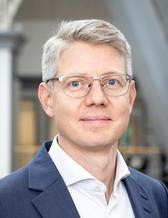
Martin Grill is a Lecturer at the University of Gothenburg's Section for Organization, Health and Addiction. As a registered psychologist, medical doctor, and associate professor in psychology, he leads research projects focused on applying cognitive behavioral therapy (CBT) and operant learning theory to leadership development. His work utilizes randomized controlled trials in naturalistic settings across construction, municipal operations, and social organizations. Research interests span leadership training methodologies, safety culture development, organizational motivation systems, and quantitative analysis of workplace behaviors. Grill's investigations explore how leadership interventions impact productivity, safety compliance, and organizational values through behavioral psychology frameworks. His publication portfolio demonstrates strong emphasis on evidence-based leadership training, safety behavior modification, and cross-cultural organizational studies. Recent works focus on individualized behavioral interventions, destructive leadership impacts, and longitudinal analyses of training efficacy in high-risk industries. Grill teaches CBT, leadership principles, and quantitative methods across undergraduate, graduate, and doctoral levels. He supervises doctoral candidates in work and organizational psychology and leads projects funded by FORTE, AFA Försäkring, and MSB. As a core member of the Psychology of Organization and Work (POW) research group, he contributes to collaborative initiatives including 'Safe Leader' (construction safety), 'Functional Leadership' (municipal operations), and healthcare improvement projects.
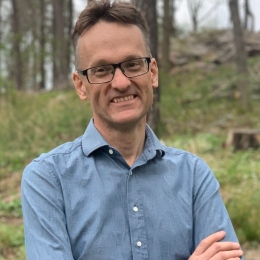
Emma Hovén is a Swedish Associate Professor at Uppsala University 's Department of Women's and Children's Health . As part of the UPIC (Ungas Psykiska hälsa I Centrum) research program and WOMHER center, she specializes in the psychosocial impact of cancer on families , particularly focusing on parental psychological distress , sibling experiences , and mental health interventions . Key Research Areas: Psycho-oncology Family dynamics in cancer Psychosocial support systems Medical psychology Adolescent cancer survivorship Notable Contributions: Longitudinal studies on bereaved parents Qualitative analysis of family coping Systematic reviews of psychosocial interventions
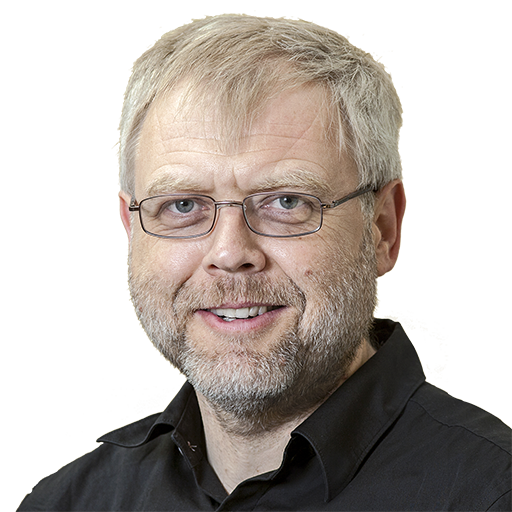
Johan Malm is a Professor at Lund University , affiliated with multiple departments including: Clinical Chemistry, Malmö Department of Translational Medicine Clinical Protein Science and Imaging EpiHealth: Epidemiology for Health LUCC: Lund University Cancer Centre (Principal Investigator) Research Interests: His work spans Proteomics , Clinical Medicine , and Computational Biology , focusing on: Melanoma proteome dynamics and treatment strategies Tumor microenvironment heterogeneity Biomarker discovery using mass spectrometry Hormonal impacts on metabolism and immunity AI integration in cancer diagnostics European Cancer Moonshot biobanking initiatives Recent Article Trends: His publications emphasize proteogenomic profiling , mitochondrial-targeted therapies , and AI-driven cancer progression prediction . Key methodologies include mass spectrometry, spatial proteomics, and computational modeling. Projects: He leads research initiatives funded by: Mrs. Berta Kamprad's Cancer Foundation Interreg Öresund-Kattegat-Skagerrak EU Cancer Moonshot programs Labs & Teams: Active in LUCC (Lund University Cancer Centre) and ReproUnion platforms, with collaborations across European institutions in sepsis and cancer research.
Afsaneh Koochek serves as Associate Professor at Uppsala University's Department of Food Studies, Nutrition and Dietetics within the Faculty of Medicine. With international experience spanning clinical dietetics, research, and academic leadership roles including positions at Nestlé and Qatar University, she maintains active research collaborations across Europe. Education: M.Sc. in Food Nutrition and Dietetics, Uppsala University Ph.D. in General Medicine, Karolinska Institute (dissertation: risk factors for cardiovascular disease among elderly immigrants) Her research pioneers nutritional-exercise interventions for aging populations, focusing on appetite regulation, sarcopenia, and dietary acculturation. Recent work examines biomarkers of aging through the INSPIRE-T study and develops culturally-sensitive dietary assessment tools like 'Mat i Sverige'. Analysis of her 15 most recent publications reveals dominant themes in geriatric nutrition (87% of articles), with strong emphasis on interdisciplinary approaches combining exercise physiology, epidemiology, and qualitative methods. Key subfields include appetite-physical activity interactions in elderly (35% of articles), dietary interventions for chronic conditions (28%), and methodological innovations in nutritional assessment (23%). Research Leadership: Project coordinator for multicenter VIVE2 study on mobility-limited older adults Scientific advisor for dietary assessment instrument development Principal investigator in juvenile arthritis dietary intervention trials Her clinical background informs translational research bridging academic findings with practical applications in community settings, particularly regarding immigrant nutrition and elderly care.
Erik Lindahl is a Professor of Theoretical Chemistry at the Department of Biochemistry and Biophysics, Stockholm University. His research group is primarily located at the Science for Life Laboratory, a joint research environment for Stockholm University, KTH Royal Institute of Technology, and Karolinska Institutet. Lindahl serves as deputy director of the Swedish e-Science Research Center (SeRC), sits on the steering committee for the national program in Data-driven Life Sciences at SciLifeLab, and is program manager for Stockholm University's part of a joint master's program in molecular techniques for the life sciences. He also serves as vice section dean for chemistry and is involved in creating a Swedish node within CECAM. Lindahl's research focuses on understanding the structure and function of ligand-gated ion channels, particularly in the human nervous system. His group combines experimental and computational approaches, including bioinformatics for building receptor models, molecular dynamics simulations to understand molecular interactions, and experimental techniques like electrophysiology and spectroscopy. They have made significant contributions to understanding how voltage-gated and ligand-gated ion channels function, including determining molecular mechanisms of channel opening and identifying binding sites for molecules that modulate neural signaling. The group is also a leader in developing computational tools for life sciences, particularly the widely used GROMACS software package for molecular dynamics simulations and methods for cryo-electron microscopy data analysis through the RELION program. Analysis of Lindahl's recent publications reveals a strong focus on structural biology of membrane proteins, particularly ligand-gated ion channels. His work integrates cutting-edge computational methods like molecular dynamics simulations, AlphaFold predictions, and cryo-EM data analysis to understand protein conformational dynamics and ligand binding. Key research themes include the structural basis of ion channel function, lipid-protein interactions that stabilize membrane proteins, and computational methods for biomolecular simulation and structural biology. His publications demonstrate a consistent interdisciplinary approach that bridges computational chemistry, structural biology, and neuroscience. Lindahl leads an active research group with multiple postdocs, researchers, and PhD students working on various aspects of membrane protein structure and function. His research is supported by diverse funding sources including the Swedish Research Council, European Research Council, Knut and Alice Wallenberg Foundation, and several EU programs. He plays significant leadership roles in major computational infrastructure initiatives including BioExcel (an EU-funded center of excellence for computational biomolecular research), PRACE (the European computing infrastructure), and EuroHPC. The Lindahl research group operates primarily at the Science for Life Laboratory, where they have access to advanced computational resources and experimental facilities for structural biology. The group collaborates extensively with researchers across Stockholm University, KTH, Karolinska Institutet, and international partners through EU-funded projects. They are particularly active in developing and maintaining open-source software tools that are widely used in the computational biology community.
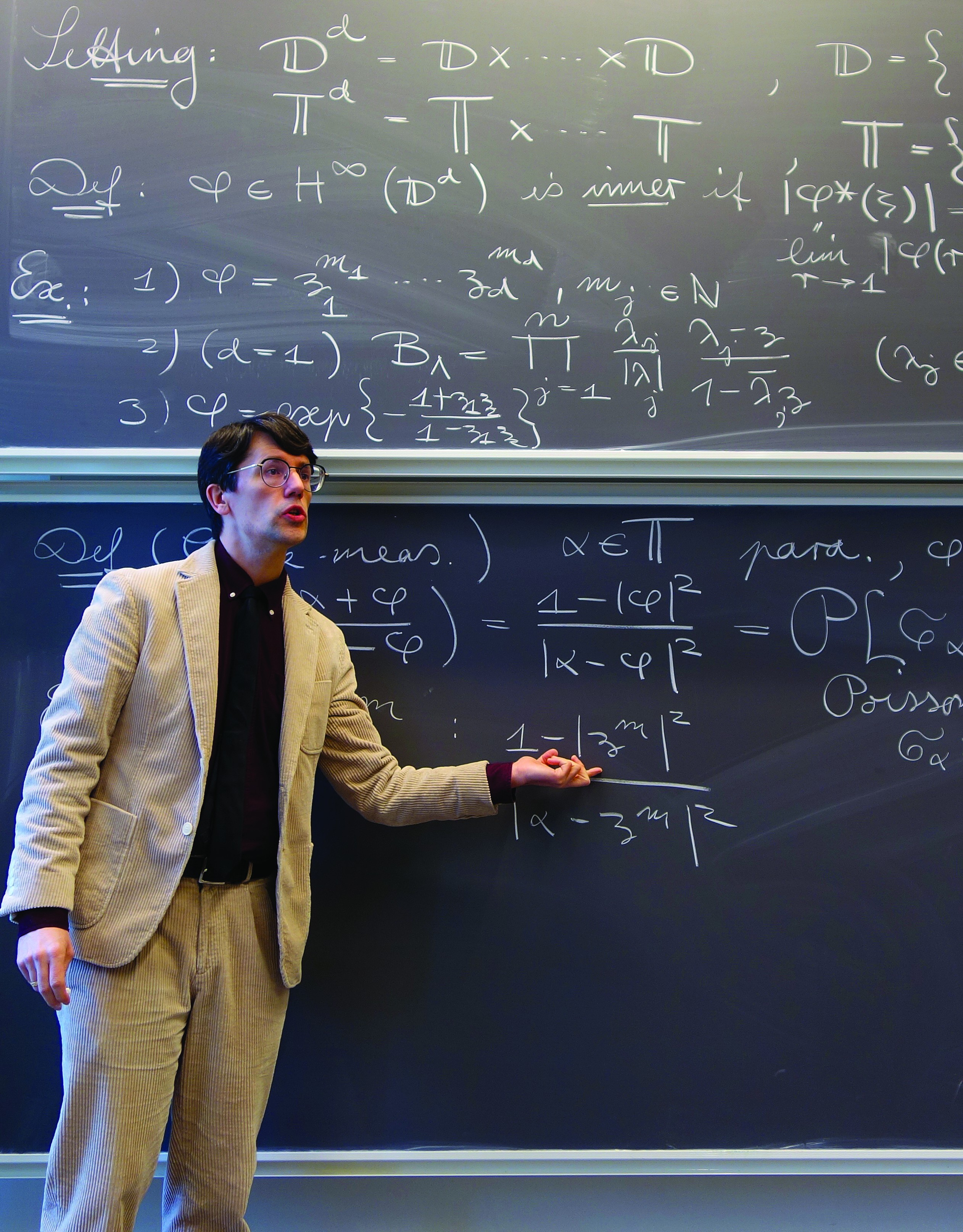
Alan Sola is a Lecturer in the Department of Mathematics at Stockholm University's Faculty of Science, where he serves as Head of the Division of Mathematics. His office is located in Room G1359 at Building 1, Albano campus, and he can be reached at sola@math.su.se or by phone at +46 8 16 45 23. Dr. Sola's research program centers on mathematical analysis with particular emphasis on complex analysis, harmonic analysis, operator theory, probability theory, and dynamical systems. His work examines rational inner functions from multiple perspectives including Clark measures, singularities, level curve portraits, and connections to stable polynomials. He has established significant collaborations with researchers like K. Bickel, J.E. Pascoe, and G. Knese, resulting in numerous publications in top mathematical journals. His recent publications (2021-2025) reveal a cohesive research trajectory focused on multivariable complex analysis, particularly examining rational inner functions and their properties across different mathematical contexts. This work bridges pure analysis with applications in operator theory and dynamical systems, demonstrating both theoretical depth and interdisciplinary relevance. Dr. Sola actively supervises graduate students at multiple levels. His current PhD student is Hampus Nyberg (expected graduation 2028). Former PhD students include Eleftherios Theodosiadis (2024) who researched "Geometry of multi-slit Loewner chains and semigroups of finite shift" and Linus Lidman Bergqvist (2023) who investigated "Holomorphic functions in polydiscs and measures on the distinguished boundary." He has also guided Master's students including David Appelgren (2025), Nell P. Jacobsson (2023), and Linus Lidman Bergqvist (2017), several of whom have co-authored publications with him. As an educator, Dr. Sola has taught advanced graduate courses including Quasiconformal maps (fall 2023), Complex Dynamics (fall 2021), and Geometric Function Theory (fall 2020 and spring 2018). His teaching materials and lecture notes demonstrate his commitment to making sophisticated mathematical concepts accessible to students. He has also participated in significant conferences such as the upcoming Operators on analytic function spaces meeting at CIRM (France) in December 2024.
Alexander Balatsky serves as a Nordita Professor at the Nordic Institute for Theoretical Physics (Nordita), specializing in theoretical condensed matter physics within the Condensed-Matter Physics, Statistical and Biological Physics research group. His work bridges fundamental quantum phenomena with potential applications in advanced materials and bioelectronics. Dr. Balatsky's research program investigates strongly correlated electron systems where quantum interactions dominate material behavior, unconventional superconductivity mechanisms beyond traditional BCS theory, and charge transport in biological molecules for biomolecular electronics applications. These interconnected fields aim to unlock novel quantum states and functional materials for next-generation technologies. His early-career recognition includes a second-place award in the 1988 Young Physicist Competition, reflecting foundational contributions to physics. 2nd in Young Physicist Competition (1988) As an integral member of Nordita's Condensed-Matter Physics research group, Dr. Balatsky participates in Nordic collaborative initiatives advancing theoretical frameworks for complex quantum systems through workshops and scientific programs hosted at the institute.
Anders Szepessy is a Professor in Mathematics and Numerical Analysis at the Department of Mathematics, KTH Royal Institute of Technology. His research centers on partial differential equations and numerical methods for differential equations, with significant contributions to molecular dynamics, quantum mechanics, and stochastic systems. His primary research domains include: Partial Differential Equations Numerical Analysis Stochastic Differential Equations Molecular Dynamics and Quantum Mechanics Optimal Control and Finite Element Methods Machine Learning Applications Recent publications reveal a pronounced shift toward integrating machine learning with computational physics, particularly in neural network approximations for molecular dynamics and quantum systems. His work on adaptive methods for high-dimensional stochastic and partial differential equations demonstrates consistent innovation in numerical analysis, with applications spanning quantum chemistry, fluid dynamics, and energy systems. Professor Szepessy actively contributes to academic instruction as course responsible and examiner for advanced mathematics courses including Analytical and Numerical Methods for Partial Differential Equations, Computational Methods for Stochastic Differential Equations and Machine Learning, and multiple degree projects in mathematics and scientific computing at KTH.
Alejandra Vasquez is a visiting research fellow at Lund University's Faculty of Engineering, affiliated with the Department of Pure and Applied Biochemistry. She co-discovered novel lactic acid bacteria in honeybees in 2005 with Tobias Olofsson, creating a research program spanning medical biotechnology, microbiology, and bee health. Research Interests: Her work focuses on antimicrobial properties of honeybee-specific bacteria for functional food development and antibiotic alternatives. Research areas include: Honeybee microbiome dynamics Lactic acid bacteria therapeutic applications Pathogen inhibition mechanisms Genomic evolution of symbiotic bacteria Wound healing microbiome therapies Article Trends: Her publications (2017-2025) reveal progressive discovery of novel bacterial species like Bifidobacterium kimbladii and Bifidobacterium mellis , with applications ranging from bee health (Paenibacillus inhibition) to human clinical trials for chronic rhinosinusitis. Collaborative work extends to genome biology and systematic microbiology journals. Funding: Research supported by grants from Formas, VR (Swedish Research Council), and other external sources.
Sofie Storbjörk is a Senior Lecturer and Associate Professor at Linköping University's Department of Theme, specializing in Theme Environmental Change (TEMAM). She serves as Head of Unit and has been a member of Sweden's National Expert Council for Climate Adaptation since 2018, advising the government on national climate adaptation work. Her academic credentials include earning Docent (Associate Professor) status in 2014 and University Lecturer position in 2010, both at Linköping University. Dr. Storbjörk's research examines the critical interface between climate adaptation policy and practical implementation in urban environments. Her work investigates what enables or constrains change toward climate goals, with particular focus on urban climate resilience in existing built environments. She has documented persistent challenges including fragmented responsibility between public and private actors, technical fixes replacing precautionary approaches, and difficulties in setting robust safety margins. Her research has evolved from early climate adaptation studies (2004-2015) through urban climate transition research (2013-2022) to current work on accelerating adaptation in existing urban settings (2020-present). Analysis of her recent publications reveals a consistent focus on the implementation gap between climate policy ambitions and practical urban adaptation. Her work examines municipal-property owner collaboration challenges, flood risk management in residential areas, and the practical barriers cities face when implementing climate adaptation measures. A recurring theme is the tension between waterfront development interests and climate adaptation needs, with particular attention to how responsibility is allocated between municipalities and private property owners. Her research also explores innovative adaptation approaches including multifunctional coastal protection, climate-resilient stormwater management, and floating housing solutions. Dr. Storbjörk leads multiple significant research projects funded by Formas and other organizations. Current projects include SAMBO (2020-2024) examining how pioneering Swedish cities address climate risks in built environments, a project on functional climate adaptation measures in the built environment (2024-2026), and involvement in national climate adaptation governance research. She previously led the EXPECT project on urban climate adaptation experiments and the CLIPP project on climate policy integration in local planning. Her teaching includes courses in National Environmental Management and bachelor's thesis supervision within Linköping University's Environment, Climate and Sustainable Development program.
Anna Dimberg is Professor at Uppsala University's Department of Immunology, Genetics and Pathology, where she leads the Vascular Biology research program. Her laboratory investigates tumor vascular abnormalities in cancers, with particular emphasis on glioblastoma. The research examines how altered vessel phenotypes influence tumor microenvironments and therapy responses, focusing on endothelial cell biology and vascular-immune interactions. Her research integrates multiple approaches: Molecular characterization of tumor endothelial cells using single-cell RNA sequencing Development of vascular normalization strategies to improve immunotherapy Investigation of endothelial-immune cell crosstalk in tumor progression AAV-based gene therapies to remodel tumor vasculature Patient-derived iPSC models of vascular disorders Publication analysis reveals consistent focus on vascular biology mechanisms in cancer contexts. Recent work emphasizes: vascular checkpoint targets (CD93, ELTD1), immunotherapy combination strategies, endothelial barrier regulation, and single-cell characterization of tumor vasculature. The research has progressively incorporated spatial transcriptomics and advanced immune profiling techniques since 2020. The laboratory maintains active collaborations as evidenced by multi-institutional publications and investigates both fundamental vascular biology mechanisms and translational applications for cancer therapy.
Ewa Balicka-Witakowska serves as an Affiliated Researcher in Art History at Uppsala University's Department of Linguistics and Philology, maintaining active scholarly engagement through publications from 1974 to 2023. Her work bridges Ethiopian Christian art, Syriac manuscript studies, and Byzantine iconography, establishing her as a specialist in Eastern Christian visual traditions across Africa and the Near East. Her academic credentials include a PhD in Art History, though specific institutional details of her education remain unlisted in available materials. This foundation supports her extensive research output spanning five decades. Dr. Balicka-Witakowska's scholarship centers on Ethiopian Art (particularly rock-hewn church paintings and manuscript illumination), Syriac Manuscripts (with emphasis on codicological analysis), Byzantine Iconography (including spatial placement in liturgical contexts), and Liturgical Art (such as ceremonial fans and sun feathers). Her research reveals nuanced connections between textual traditions and visual representations across cultural boundaries, exemplified by studies of Saint Ephrem's influence in Ethiopia and the Holy Face of Edessa narrative. Publication analysis shows consistent thematic evolution: early work (1970s-1980s) focused on Ethiopian illuminated psalters and magic scrolls; the 1990s-2000s expanded into Syriac gospel books and Byzantine icon placement; recent scholarship (2015-2023) returns to Ethiopian contexts with detailed studies of specific painted panels and literary narratives, emphasizing patronage and regional variations in Tigray. While no scientific awards appear in the record, her co-editorship of the 2012 Rosenqvist Festschrift demonstrates academic recognition. Collaborative work with scholars like Witold Witakowski (on triptych analysis) and Michael Gervers (on silk curtains) indicates interdisciplinary engagement, though no formal advising or grant activities are documented. The absence of laboratory references suggests traditional humanities scholarship methods, with research conducted through archival study, field documentation of religious sites, and comparative analysis of artistic traditions within institutional frameworks.
Máté Erdélyi is a Professor in the Department of Chemistry - BMC at Uppsala University specializing in Organic Chemistry. He leads the Erdelyi Group which conducts interdisciplinary research at the intersection of organic chemistry, medicinal chemistry, and structural biology with significant contributions to multiple scientific domains. Dr. Erdélyi's research program centers on halogen bonding , molecular conformation , and antibiotic resistance . His group has pioneered methods for studying weak interactions in solution using NMR spectroscopy, particularly non-uniform sampling techniques for quantitative NOESY. They investigate how molecular folding affects biological activity, with applications in PROTAC development and understanding cell permeability mechanisms. The group also maintains an active natural products chemistry program, isolating bioactive compounds from plant sources with antimicrobial, antiviral, and antiplasmodial properties. Their work bridges fundamental physical organic chemistry with practical drug discovery applications, focusing on metallo-β-lactamase inhibitors to combat antibiotic resistance. Analysis of Dr. Erdélyi's recent publications (2023-2025) reveals several dominant research themes: 1) Molecular conformation studies of macrocycles and their impact on drug properties, particularly PROTAC cell permeability; 2) Development of novel inhibitors for metallo-β-lactamases targeting antibiotic resistance; 3) Investigation of halogen bonding and chalcogen interactions in molecular recognition; 4) Isolation and characterization of bioactive natural products from plant sources. These publications span top journals in chemistry, medicinal chemistry, and natural products research, demonstrating methodological innovation in NMR techniques and structural analysis. Dr. Erdélyi actively collaborates with researchers across multiple institutions globally. His Erdelyi Group maintains a strong publication record and has contributed to scientific standards development including NMReDATA for NMR reporting. While specific grant information isn't detailed in the provided text, the breadth and impact of his research suggest substantial research support and leadership in his fields of expertise.
Professor Mikael Widersten is a faculty member at Uppsala University's Department of Chemistry - BMC, within the Disciplinary Domain of Science and Technology. He holds the position of Professor in Biochemistry (Molecular Catalysis) and leads the Widersten research group focused on enzyme structure-function relationships and biocatalyst development. His primary research interests include: Understanding structure/function relationships in enzymes Development of new and useful biocatalysts Reactions generating chiral and pro-chiral product molecules Protein engineering for improved enzymatic function Structural enzymology and enzyme kinetics Professor Widersten's extensive publication record demonstrates expertise across enzyme engineering, with particular focus on aldolases, dehydrogenases, epoxide hydrolases, and alcohol dehydrogenases. His work integrates structural biology, protein engineering, and enzyme kinetics to develop biocatalysts for asymmetric synthesis applications. The research spans from fundamental enzyme mechanisms to practical applications in organic synthesis and pharmaceutical development. As Assistant head of department at the Department of Chemistry - BMC, Professor Widersten contributes significantly to academic administration while maintaining an active research program. His leadership role underscores his standing within the department and university. Professor Widersten supervises PhD students and researchers in the Widersten group, including Eugenia Cornelius Chukwu and Joel Leufstadius, fostering the next generation of biochemists and enzyme engineers through hands-on research mentorship.
Fikret Mamedov is a Professor at Uppsala University in the Department of Chemistry - Ångström Laboratory, specifically within the Molecular Biomimetics and Biophysical and Bioinorganic Chemistry division. His research focuses on photosynthetic light reactions, particularly water oxidation and proton-coupled electron transfer in photosystem II, using an interdisciplinary approach that combines biochemical, biophysical, and spectroscopic techniques, with Electron Paramagnetic Resonance Spectroscopy as his primary method. Professor Mamedov's research interests span multiple areas of photosynthesis research including the water oxidation mechanism in photosystem II, electron transfer processes, structural analysis of photosynthetic complexes, hydrogen production through photosynthetic means, and biophysical characterization of photosynthetic proteins. His work integrates biochemical and biophysical approaches to understand fundamental processes in photosynthesis at the molecular level. Analysis of his recent publications reveals a strong focus on the structural and functional aspects of photosystem II, particularly the water oxidation mechanism and electron transfer processes. His work spans from fundamental studies of the oxygen-evolving complex to applied research in sustainable hydrogen production. The research demonstrates a consistent application of biophysical techniques, especially EPR spectroscopy, to probe photosynthetic mechanisms at the molecular level, with increasing attention to sustainable energy applications. Professor Mamedov maintains an active research program with numerous collaborations, as evidenced by his extensive publication record in high-impact journals including Nature, Nature Plants, and Chemical Science. His work connects fundamental photosynthesis research with potential applications in renewable energy technologies, particularly in the area of biological hydrogen production.