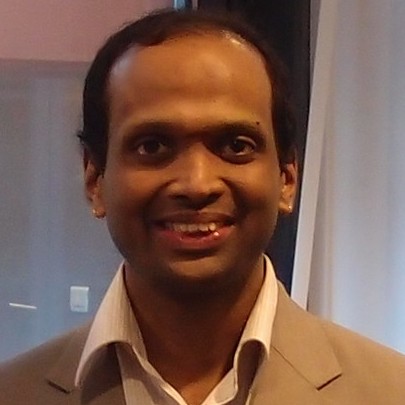
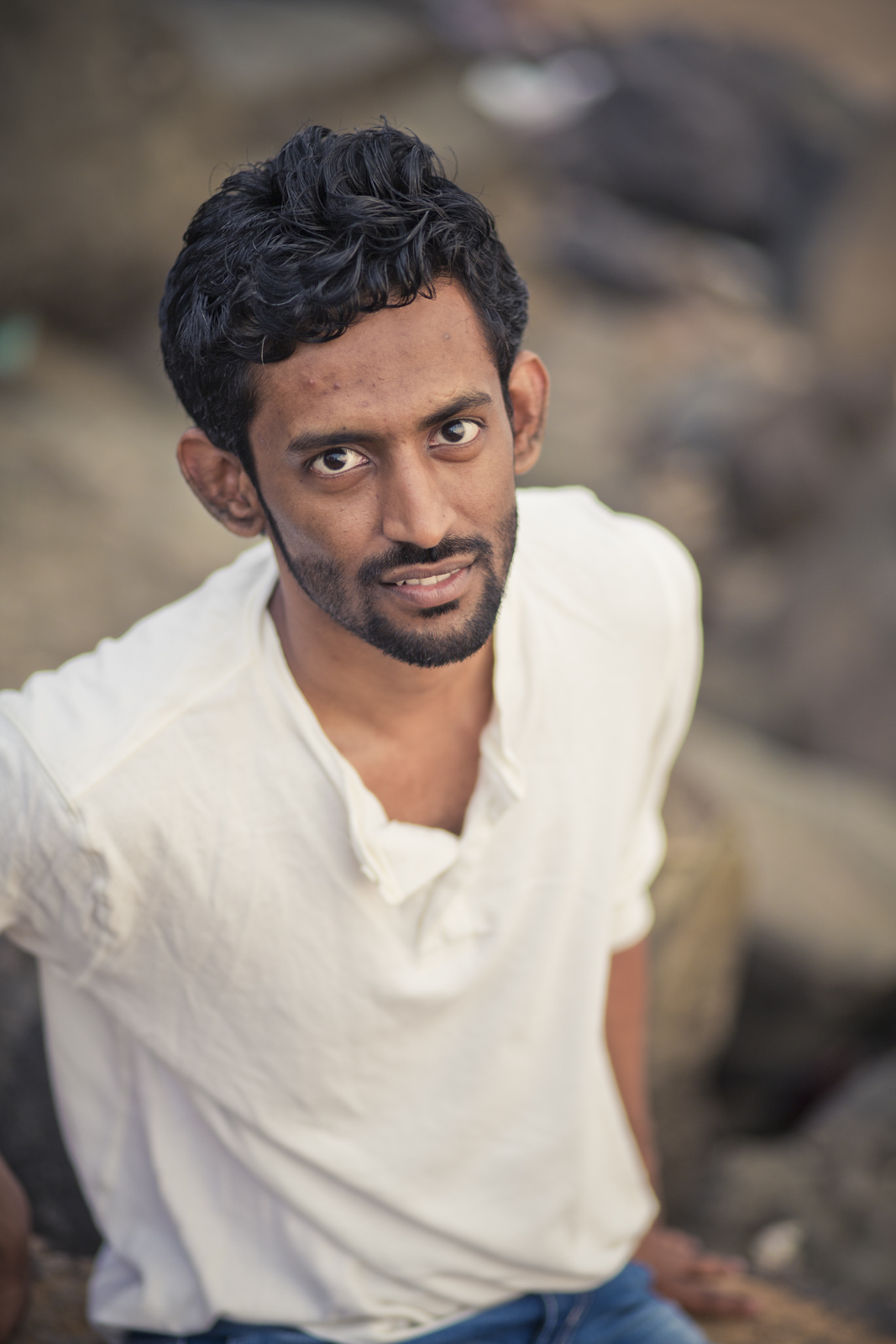
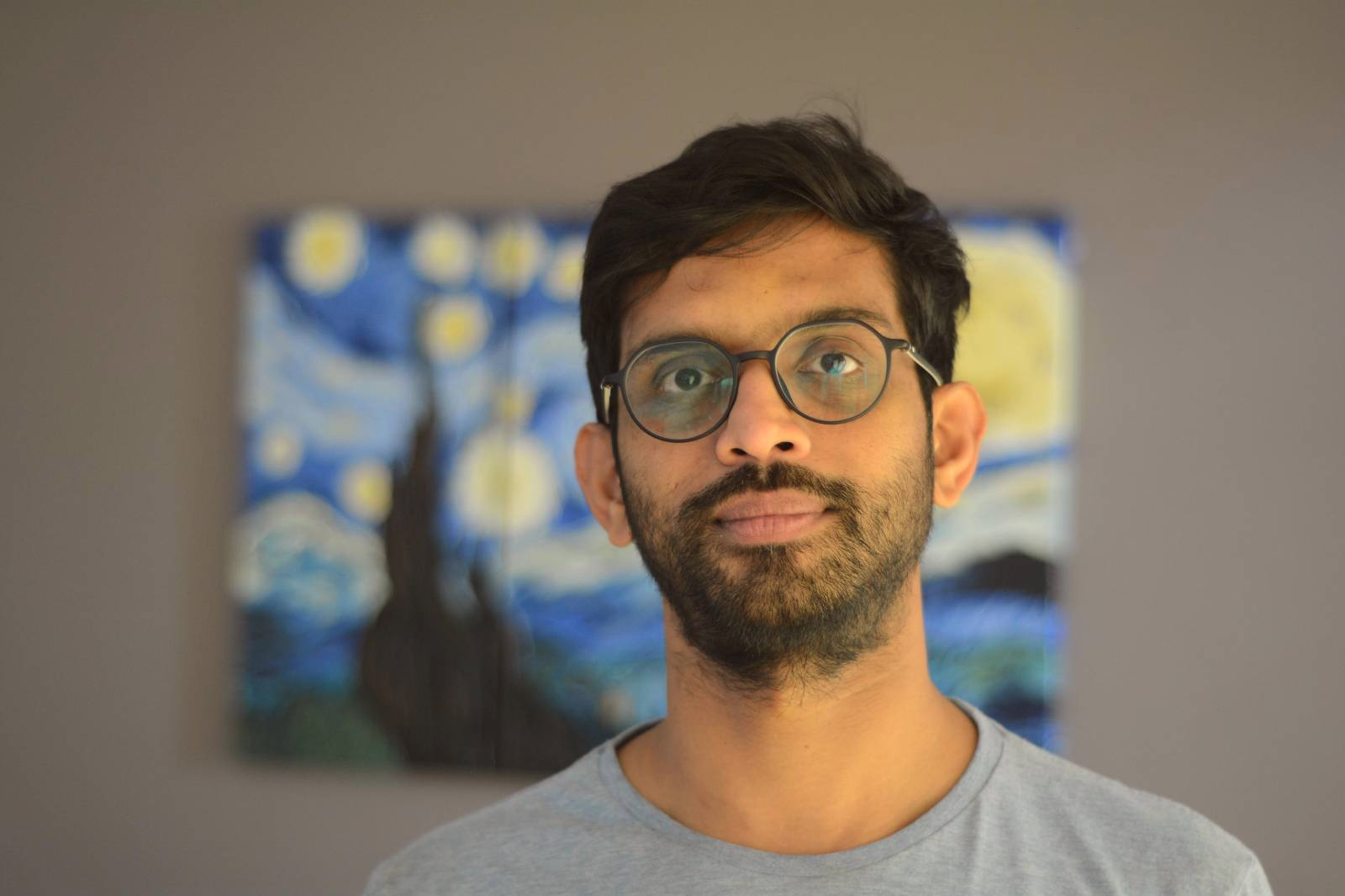
Prof. Satish Vitta is a faculty member in the Department of Metallurgical Engineering and Materials Science at the Indian Institute of Technology Bombay (IIT Bombay). He holds the academic rank of Professor and is actively engaged in research and teaching in advanced materials science. Education: B.Tech. in Metallurgical Engineering, Mysore University (1980) M.Tech. in Metallurgical Engineering, IIT Kanpur (1982) Ph.D. in Metallurgical Engineering, University of Cambridge His research focuses on nanomaterials , particularly the magnetic, electrical, and optical properties of metals, alloys, oxides, and ultra-thin layered structures. He investigates phenomena such as spin wave magnetization in nanoparticles and electrical transport in nanocrystalline manganites. His work has significant implications for energy, sensing, and advanced optical devices, especially in the development of soft x-ray and water window multilayer mirrors . His recent publications highlight consistent work in nanoscale materials synthesis , magnetic behavior , and thin film optics , with a strong emphasis on experimental characterization and material design for functional applications. Scientific Awards: No awards mentioned in the provided text. He advises students in the Ph.D. and M.Tech. programs at IIT Bombay, although specific names are not listed. There is no mention of external grants or funding sources in the text. He is associated with research facilities within the MEMS department at IIT Bombay, particularly those related to materials synthesis and characterization.
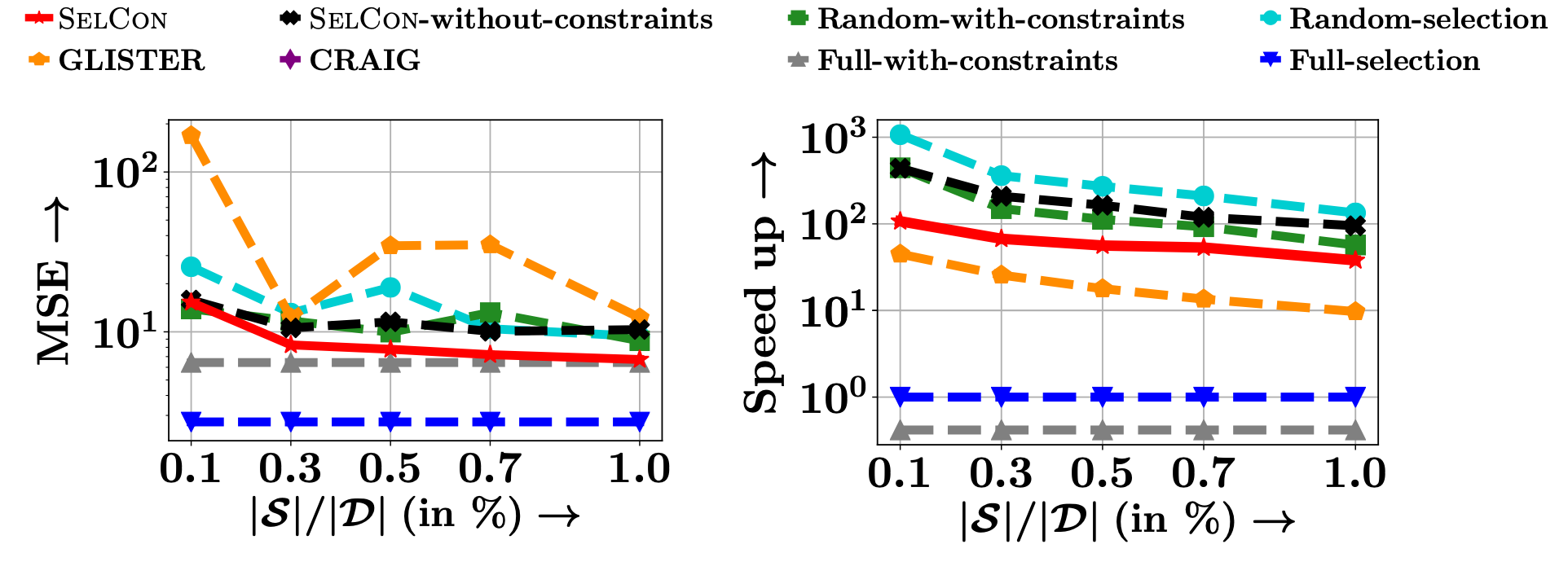
Abir De is an Assistant Professor at the Department of Computer Science and Engineering, Indian Institute of Technology Bombay. His research focuses on designing machine learning models for structured objects like graphs and sets, emphasizing data-efficient learning and human-machine collaboration. Academic Rank: Assistant Professor Institution: Indian Institute of Technology Bombay Department: Computer Science and Engineering Research Interests : Differentiable surrogates for combinatorial graph algorithms (e.g., subgraph isomorphism detection) Data-efficient machine learning through strategic subset selection Neural models for submodular set functions Human-in-the-loop machine learning Information diffusion with capacity constraints Scientific Awards : Qualcomm Innovation Fellowship Winner (2022) and Superwinner (2023) Indian National Academy of Engineering Young Engineer Award (2021) Prof. Krithi Ramamritham Award for Creative Research (2020) Google India PhD Fellowship (2013) Advising and Community Contributions : Co-advising PhD students Indradyumna Roy and N Lokesh Program Co-chair of IndoML 2023 Co-organizer of CSE Research Symposium (2023) and SubSetML workshop (2021) Tutorial creator at AIML Systems Conference (2021) and AAAI (2022) Serving on Senior PC at AAAI (2022-2024), PC member at NeurIPS (2016-2023), and ICLR (2018-2023)
Ramakrishna Upadrasta is an Associate Professor in the Department of Computer Science & Engineering and Heritage Science & Technology at Indian Institute of Technology Hyderabad. He earned his PhD from University of Paris-Sud and INRIA, Paris, with a focus on improving scalability in polyhedral compilation tools. His academic journey includes an M.S. from Colorado State University, M.Tech from Indian Institute of Science (IISc), and B.E. in Electrical and Electronics Engineering from Andhra University. His research expertise includes: Domain Specific Programming Languages for Parallelization LLVM Optimizations Polyhedral Compilation Abstract Interpretation Sub-polyhedral Approximations High-Performance Computing (HPC) He leads the IITH-LLVM group and collaborates with industries on compiler technologies. His work addresses scalability vs. precision trade-offs in static analysis tools and extends polyhedral compilation frameworks like Pluto and Polly. Scientific Recognition : HiPEAC paper award for his POPL-2013 publication As an educator, he has taught advanced compiler courses (e.g., CS6250, CS5260) and coordinated interdisciplinary initiatives, including Sanskrit language courses via Samskrita Bharati. His students span PhD, M.Tech, and B.Tech levels, focusing on compiler design and parallelization.
Ajay Vikram Singh serves as an Associate Professor in the Department of Aerospace Engineering at the Indian Institute of Technology Kanpur (IIT Kanpur), one of India's premier technical institutions. Dr. Singh earned his PhD from the University of Maryland College Park, establishing a strong foundation in combustion science and aerospace engineering. His academic career has positioned him as a key contributor to IIT Kanpur's research and educational mission. Dr. Singh's research program spans multiple critical areas within combustion science, addressing both fundamental phenomena and practical engineering applications. His work investigates combustion processes across diverse scales and contexts, from nanoscale particle formation to large-scale fire dynamics and energy systems. Primary research domains include Combustion and Reacting Flows, Combustion Generated Functional Nanoparticles, and Soot Formation and Oxidation Specialized expertise in Detonations, Boundary Layer Combustion, and Gas Turbine Combustion Applications-focused research in Fire Dynamics, Flame Spread, Material Flammability, and Renewable Energy Conversion Through his research, Dr. Singh bridges theoretical combustion science with practical challenges in energy systems, aerospace propulsion, and fire safety engineering. His work contributes significantly to advancing clean combustion technologies and improving safety standards in multiple engineering applications.
Saravanan Matheshwaran is an Associate Professor in the Department of Biological Sciences & Bioengineering at the Indian Institute of Technology Kanpur, where he leads the Chromatin Dynamic Laboratory. His research focuses on the molecular mechanisms of chromatin remodeling and DNA repair processes. PhD from Indian Institute of Science, Bangalore (2008) MSc from Madurai Kamaraj University (2001) BSc from University of Madras (1999) Dr. Matheshwaran's research program centers on two main areas: the dynamics of chromatin remodeling complexes and the SOS response in Mycobacterium tuberculosis. His work on chromatin remodeling investigates how nuclear actin and actin-related proteins function within ATP-dependent chromatin remodeling complexes (CRCs) to facilitate DNA repair processes. Using model organisms like Saccharomyces cerevisiae and Ustilago maydis, his laboratory examines how these complexes target specific genes and interact with histone-modifying enzymes. His second major research thrust focuses on understanding how Mycobacterium tuberculosis employs DNA repair mechanisms to survive within hostile macrophage environments, particularly investigating SOS-regulated nucleases. His publication record demonstrates consistent high-impact research in molecular biology and biochemistry, with a focus on protein-DNA interactions, chromatin structure, and DNA repair mechanisms. His work spans structural biology, enzymology, and cellular response to DNA damage, reflecting an interdisciplinary approach to understanding fundamental biological processes. INSA Medal for Young Scientists M. Sreenivasaya Medal for Best PhD Thesis Cancer Research UK Postdoctoral Fellowship EMBO Fellow EIPOD-Marie Curie fellowship Dr. Matheshwaran advises both graduate and master's students, currently mentoring five PhD candidates and three master's students. His laboratory, the Chromatin Dynamic Laboratory, operates within the Biological Sciences and Bioengineering department at IIT Kanpur. His international collaborations and postdoctoral experience at prestigious institutions including Cancer Research UK and EMBL have contributed to a robust research program investigating fundamental mechanisms of DNA maintenance and repair. The Chromatin Dynamic Laboratory utilizes multiple model systems to investigate how cells maintain genomic integrity through chromatin remodeling and DNA repair pathways, with implications for understanding both basic cellular processes and pathogenic survival mechanisms.
Manoj Gopalkrishnan serves as Associate Professor in the Department of Electrical Engineering at the Indian Institute of Technology Bombay since June 2016. His academic journey includes faculty positions at the Tata Institute of Fundamental Research (2009-2016), an Adjunct Associate Professorship at IIT Bombay (2015-2016), and a Visiting Assistant Professorship in Mathematics at Duke University (Fall 2010). His educational background includes: Ph.D. in Computer Science from University of Southern California (2008), advised by Professor Len Adleman B.Tech. in Computer Science and Engineering from IIT Kharagpur (2003) Dr. Gopalkrishnan's research program investigates the algorithmic principles behind self-organization, examining how atoms form molecules and how increasingly complex structures emerge through natural processes. His interdisciplinary approach bridges information sciences with physical and biological systems, creating novel connections between traditionally separate fields. His scholarly contributions have been recognized through the prestigious Ramanujan fellowship (2010-2014), which supports exceptional scientists returning to India. Ramanujan fellowship (2010-2014) Beyond traditional academic pursuits, Dr. Gopalkrishnan maintains active involvement in theater arts, having co-founded improv troupes at multiple institutions including Vidushak at USC and The Institute of Fun at TIFR. His creative interests extend to British humor (particularly P.G. Wodehouse), poetry performance, Ultimate Frisbee, Lindy Hop dancing, and crafting functional footwear from recycled bicycle tires - a hobby he's tested in competitive 11 km races.
Vrinda serves as an Assistant Professor - Senior Scale at the Department of Commerce, Manipal School of Commerce and Economics (MSCE), Manipal University, India. Her academic profile is anchored in doctoral education research with interdisciplinary connections to psychology and operations management. Her educational qualifications include: PhD (Pursuing) MBA in Human Resource BE in Telecommunication Her research critically examines well-being dynamics through the Job Demands-Resources Model, focusing on challenge-hindrance demands in doctoral programs, coping mechanisms, and intrinsic motivation's role in psychological resilience. Recent work develops validated scales for measuring academic stressors while proposing integrated frameworks for enhancing student mental health through resource optimization. Publication trends (2023-2024) reveal concentrated expertise in doctoral education, with 75% of recent outputs addressing demand-resources dynamics. Her work bridges engineering applications (e.g., motor assessment tools) with educational psychology, demonstrating methodological versatility through scale development, multivariate analysis, and integrative reviews. The fingerprint analysis confirms strong thematic clustering around demand-resources theory (100% occurrence), doctoral programs (80%), and education (55%). With an active publication record showing exponential growth (1 output in 2021, 3 in 2023, 4 in 2024), Vrinda contributes significantly to understanding contemporary challenges in graduate education through empirical and theoretical advancements.
Anil Raj A serves as an Assistant Professor in the Department of Medical Surgery at Manipal College of Nursing, Manipal Academy of Higher Education, Manipal, Karnataka, India, with research deeply embedded in geriatric healthcare challenges within Indian contexts. His institutional affiliation spans clinical nursing education and elderly care research through Manipal's academic-medical ecosystem. He holds a Master of Science in Nursing (MSN) and Post Graduate Diploma in Geriatric, establishing foundational expertise in elderly care specialization. These credentials directly inform his research trajectory and teaching responsibilities within medical-surgical nursing. Dr. Raj's research program critically addresses geriatric care gaps through five interconnected pillars: Ageism dynamics and elder rights awareness among youth populations Cognitive-depression-functional health interrelationships in aged care facilities Infection control systems specific to elderly care settings Case-based educational frameworks for nurse practitioner training Multimodal interventions targeting fall prevention and mobility in institutionalized elderly Analysis of his 2022-2025 publications reveals a methodologically diverse portfolio combining cross-sectional surveys, scoping reviews, exploratory studies, and mixed-method protocols, all concentrated in coastal Karnataka. This geographic focus generates context-specific evidence for India's aging population while contributing to global geriatric nursing knowledge through culturally adapted interventions. No scientific awards or major recognitions were documented in the source material. Details regarding student advising, research grant acquisitions, or laboratory leadership were absent from the provided information, though his multi-author collaborations (e.g., with George A., Noronha J.A., and Chakrabarty J.) indicate active research team participation.
Amey Karkare is a Professor in the Department of Computer Science and Engineering at the Indian Institute of Technology Kanpur (IIT Kanpur). He holds a PhD from IIT Bombay and has been affiliated with IIT Kanpur since 2010, progressing through academic ranks to his current role since 2021. Education: PhD, IIT Bombay (2003-2008); B.Tech., IIT Kanpur (1994-1998) Research Interests: His work spans compilers , functional programming , program analysis , code optimization , and programming education . He focuses on improving compiler error messages, automated error repair, and educational tools like Prutor for programming courses. Recent Publications highlight advancements in pedagogical error repair , intelligent problem indicators , error localization , and GPU energy optimization . Notably, his 2023 paper on automated error repair received a Best Paper Award. Awards & Recognitions: Poonam and Prabhu Goel Chair Fellowship (2022) IIT Kanpur 1989 Batch Faculty Award for innovative teaching (2019) Best Faculty of the Year by Computer Society of India (2018) P. K. Kelkar Young Faculty Fellowship (2013-2016) Teaching & Advising : He supervises PhD, M.Tech, and B.Tech students, offering courses like Advanced Compiler Optimizations and Principles of Programming Languages . His projects integrate AI and functional programming in education.
Kavi Arya is a Professor in the Department of Computer Science and Engineering at the Indian Institute of Technology Bombay, serving as Principal Investigator for the e-Yantra Project (http://www.e-yantra.org) and Director of Chetana Pvt. Ltd. since 1994. His academic qualifications: B.Sc. (Hons.) in Computer Science, Imperial College, London University (1980-1983) M.Sc. (Hons.), Programming Research Group, Oxford University (1983-1984) D.Phil., Programming Research Group, Oxford University (1984-1988) Research focuses on Functional Programming applications through Domain Specific Languages, high-level language approaches for Embedded Systems design, Parallel Programming Languages, and Distance Learning methodologies. His work emphasizes software-centric solutions for embedded systems and educational innovation through robotics initiatives. Professional roles include: Research Scientist, IBM TJ Watson Research Center, Yorktown Heights, NY, USA (1988-1990) Research Staff, Tata Research Development and Design Centre, Pune (1992-1994) Technical Advisor (CTO) to Vice Chairman/MD's Office, Mahindra & Mahindra Ltd. (2007, sabbatical) He leads the e-Yantra project establishing robotics/embedded systems labs across Indian engineering colleges, significantly impacting hands-on technical education through scalable infrastructure and curriculum development.
Chethan Kamath is an Assistant Professor in the Department of Computer Science and Engineering at IIT Bombay, where he is a member of the Theory Group and Trust Lab. His primary research focus is on cryptography, particularly its foundations, with broader interests extending to theoretical computer science. His educational journey includes: PhD from IST Austria (2014-2020) under Krzysztof Pietrzak, with thesis titled "On the Average-Case Hardness of Total Search Problems" Master's in CS from IISc Bangalore (2010-2013) under Sanjit Chatterjee, with thesis titled "Constructing Provably Secure Identity-Based Signature Schemes" Bachelor's in CS from University of Kerala (2005-2009) at TKM College of Engineering, Kollam Dr. Kamath's research interests span the theoretical foundations of cryptography, with particular focus on secure computation, complexity theory, and cryptographic hardness assumptions. His work often bridges theoretical computer science with practical cryptographic applications, exploring the boundaries of what can be efficiently computed while maintaining security guarantees. His research frequently addresses fundamental questions about the relationship between cryptographic primitives and complexity classes, especially the PPAD and TFNP complexity classes. His recent publications demonstrate a consistent focus on foundational aspects of cryptography, with particular emphasis on secure computation (garbled circuits, Yao's protocol), proofs systems (proofs of work, proofs of exponentiation), and complexity-theoretic aspects of cryptographic primitives. A notable trend is his exploration of the connections between complexity classes like PPAD and cryptographic assumptions, as well as his work on verifiable delay functions and their underlying number-theoretic assumptions. His research often employs tools from algorithmic graph theory (treewidth, separators) to analyze cryptographic protocols. His notable scientific achievement includes: Azrieli Fellowship during his post-doc at Tel Aviv University Dr. Kamath actively mentors students and researchers, currently advising several PhD and MS students at IIT Bombay, often in collaboration with Sruthi Sekar. His service to the academic community includes extensive program committee memberships for major conferences including Crypto, Eurocrypt, and TCC, demonstrating his standing in the cryptographic research community. He has co-organized educational events like the "Introduction to Cryptography" school as part of the ACM India Summer School 2025 and the "Theoretical Foundations of Cryptography" school as part of the ACM India Summer School 2024. He leads research activities within the Trust Lab at IIT Bombay, which focuses on theoretical and applied aspects of cryptography and security. The lab actively recruits MS/PhD students and post-docs, with ongoing research in foundational cryptography and its applications to secure computation, verifiable delay functions, and complexity-theoretic aspects of cryptographic security.
Manoj M. Prabhakaran is the Vijay and Sita Vashee Chair Professor at the Indian Institute of Technology Bombay in the Department of Computer Science and Engineering , and an Adjunct Professor at the University of Illinois, Urbana-Champaign . His research spans Cryptography, Theoretical Computer Science, Algorithms, and Complexity Theory , with a focus on Secure Multi-Party Computation (MPC) and Zero-Knowledge Proofs . As Principal Investigator of the IITB Trust Lab , he has organized major events like the 2017 MPC School and Workshop . Education: Ph.D. in Computer Science His work explores foundational questions in Cryptography , including Randomness Complexity , Non-malleable Codes , and Homomorphic Encryption . Recent publications address Leakage-Resilient Cryptography and Interactive Proofs . He advises Ph.D. students like Debasish Ray Chawdhuri and Kaartik Bhushan , and his email is publicly listed.
Ashutosh Trivedi is an Associate Professor of Computer Science at the University of Colorado Boulder, currently on leave from his position as Assistant Professor in the Department of Computer Science and Engineering at the Indian Institute of Technology Bombay. He is affiliated with multiple research initiatives including the Centre for Formal Design and Verification of Software (CFDVS) at IIT Bombay, Free and Open Source Software for Education (FOSSEE), and the Indo-French project on Algorithmic Verification of Real-Time Systems (AVeRTS). At CU Boulder, he leads the Programming Languages and Verification (CUPLV) research group focusing on trustworthy AI systems. Trivedi's research centers on bridging formal methods with artificial intelligence to create more trustworthy systems. His work spans formal verification of cyber-physical systems, reinforcement learning with formal guarantees, and developing techniques for ensuring software fairness and accountability. He specializes in using formal languages, automata, and logic to transform vague natural-language instructions into precise specifications for AI systems. His recent projects include developing reinforcement learning algorithms for cardiac pacemaker design based on formal safety requirements, using SAT solvers to ground large language model outputs in logical reasoning, and encoding state representations in reinforcement learning using formal languages. His publication trends reveal a strong focus on neurosymbolic approaches that combine neural networks with symbolic reasoning, particularly for safety-critical applications. Recent work demonstrates increasing integration of formal methods with reinforcement learning, with applications spanning medical devices, tax preparation software, and puzzle-solving AI. His research shows a clear trajectory toward making AI systems more explainable, accountable, and verifiable through principled mathematical frameworks. Distinguished Paper Award at CAV for Regular Reinforcement Learning (2024) NeuS 2025 Disruptive Idea Award for Stochastic Neural Simulation Relations for Transferring Control under Uncertainty ACM Senior Member recognition (2024) Royal Society Wolfson Visiting Fellowship (2024) Trivedi has successfully advised multiple PhD students to completion, including Shadi Tasdighi Kalat (2025), Mateo Perez (2025), John Komp (2024), Vishnu Murali (2024), and Taylor Dohmen (2024). His teaching portfolio includes foundational courses in automata theory, digital logic design, and cyber-physical systems at both IIT Bombay and CU Boulder. He has served on program committees for major conferences including FSTTCS, HSCC, and FORMATS, and organized workshops such as ICLA 2015 and ALC 2015. As leader of the CUPLV research group, Trivedi directs projects focused on formal verification of AI systems, reinforcement learning with safety guarantees, and software fairness. His group collaborates with medical researchers on cardiac device verification and with legal scholars on tax software accountability, reflecting his commitment to applying formal methods to real-world problems with significant societal impact.
Dr. Venkata Suresh Mothika serves as an Assistant Professor in the Department of Chemistry at the Indian Institute of Technology Kanpur, where he leads research in cutting-edge organic materials. His work bridges fundamental chemistry with practical applications in electronics, sensing, and energy technologies. Dr. Mothika completed his Ph.D. in 2016 from the Jawaharlal Nehru Centre for Advanced Scientific Research (JNCASR), Bangalore, following an M.Sc. from NIT-Trichy (2009) and B.Sc. from Andhra Loyola College (2007). His academic journey was bolstered by prestigious fellowships including the Royal Society Newton International Fellowship (2019-2022) at the University of York, PBC Research Fellowship at Weizmann Institute of Science (2019), and Alexander von Humboldt Fellowship at Bergische Universität Wuppertal (2016-2018). His research focuses on redox-active non-planar aromatic systems , particularly heterohelicenes, curved aromatic diimides, and π-conjugated organic diradicals. Key areas include the development of chiral twisted organic materials, high-spin organic radicals, electroactive heterohelicenes, and porous organic polymers. Through rational molecular design, he creates 3D non-planar redox-active chiral polyaromatics from traditional 2D systems like naphthalenediimides (NDI) and perylenediimides (PDI), exploring their unique electronic, optical, and magnetic properties for applications in organic electronics and spintronics. Analysis of Dr. Mothika's publications reveals a consistent trajectory from fundamental supramolecular chemistry toward advanced materials with electronic applications. His early work focused on MOFs and microporous polymers for gas sorption and light-harvesting, while more recent publications emphasize chiral organic materials, electroactive helicenes, and high-spin systems for magnetoelectronics. The research demonstrates increasing sophistication in molecular design, with publications in high-impact journals including ACS Applied Nano Materials (with cover art), Nature Communications , and Advanced Functional Materials (with cover art). Member of Royal Society of Chemistry (MRSC), UK (2020) The Royal Society Newton International Fellowship (2019) PBC Postdoctoral Fellowship, Israel (2019) AvH Foundation nomination for Lindau Nobel Laureates Meeting (2017) Alexander von Humboldt Foundation Research Fellowship (2016) Dr. Mothika's research program integrates advanced synthetic organic chemistry with materials characterization techniques including spectroelectrochemistry, electron paramagnetic resonance (EPR), nuclear magnetic resonance (NMR), and density functional theory (DFT) calculations. His group explores the fundamental properties of non-planar aromatic systems to develop applications in organic electronics, spintronics, CPL emission, electrocatalysis, redox-triggered chiroptical switching, OLEDs, and OFETs. His work on high-spin organic diradicals aims to achieve combined spin-alignment and selective spin conduction in single molecular systems, potentially creating conducting magnets. The research group focuses on three interconnected areas: (1) redox-active heterohelicenes and twisted aromatic systems, (2) supramolecular chemistry of amphiphilic helicenes, and (3) high-spin organic diradicals for spintronics applications. Through rational molecular design and advanced characterization, they investigate how structural modifications affect electronic, optical, and magnetic properties in these complex organic materials.
Arun K. Shukla serves as Professor in the Department of Biological Sciences & Bioengineering at Indian Institute of Technology Kanpur. He earned his PhD from Max Planck Institute of Biophysics, Frankfurt, Germany, with thesis work on 'Heterologous expression, biochemical characterization and purification of selected G Protein-Coupled Receptors' under Prof. Hartmut Michel. His research program focuses on structural and functional elucidation of GPCR signaling pathways and novel drug discovery. Dr. Shukla's expertise spans membrane receptor biology, cell signaling mechanisms, and synthetic biology approaches. His work bridges structural biology principles with pharmaceutical applications through combinatorial biology techniques. As an educator, he teaches structural biology, molecular biology, biochemistry, and cellular biology courses. His laboratory likely contributes to IIT Kanpur's research infrastructure in biological sciences and bioengineering, though specific facility details aren't provided in the source material.