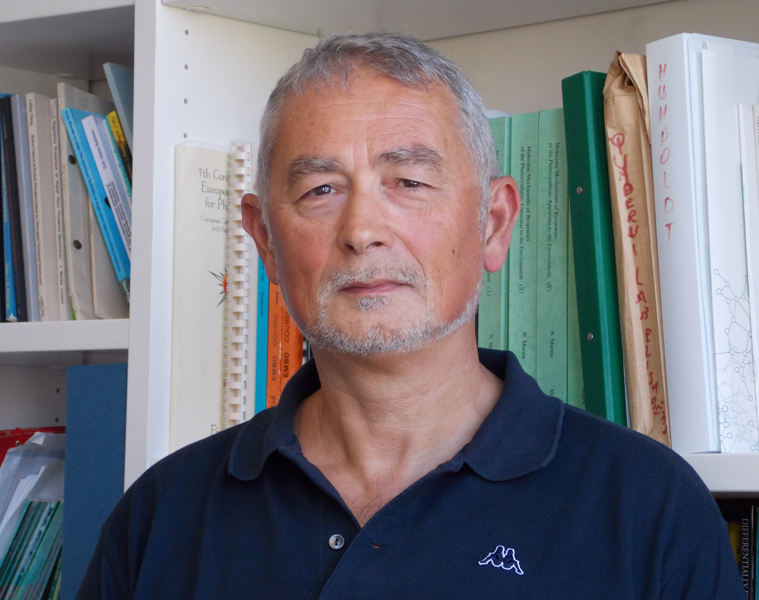
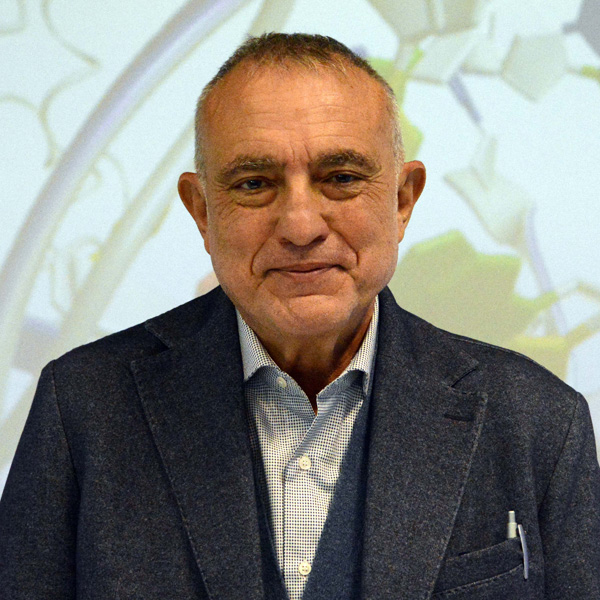
Roberto Bassi is a Full Professor of Plant Physiology and Biochemistry at the University of Verona's Department of Biotechnology. His career spans prestigious roles including Visiting Professorships at institutions like Jülich Research Centre and Chinese Academy of Sciences. He holds advanced academic positions such as Chairman of the Molecular Biotechnology PhD program and Vice-President of the International Society of Photobiology. Education: 1977: Laurea degree in Biology, University of Padua 1978-1983: Fellowships at Institute of Microbiology and Institute of Botany, University of Padua Research focuses on Photosynthesis mechanisms and light energy regulation Membrane protein folding dynamics Carotenoid biosynthesis and photoprotection Bioenergy applications in algae Awards include the Baccarini-Melandri Award (1996), Helmholtz-von Humboldt Award (2009), and membership in the Italian National Academy of Sciences (2012). He has authored 220+ papers (H-index 74) and contributed to 35 book chapters. Leadership roles: Editorial boards of journals like Molecular Plant and BMC Plant Biology Governmental biosafety committee member International conference organizer (5 events) His work bridges fundamental plant biology with applied research in sustainable bioenergy and stress-resistant crops.
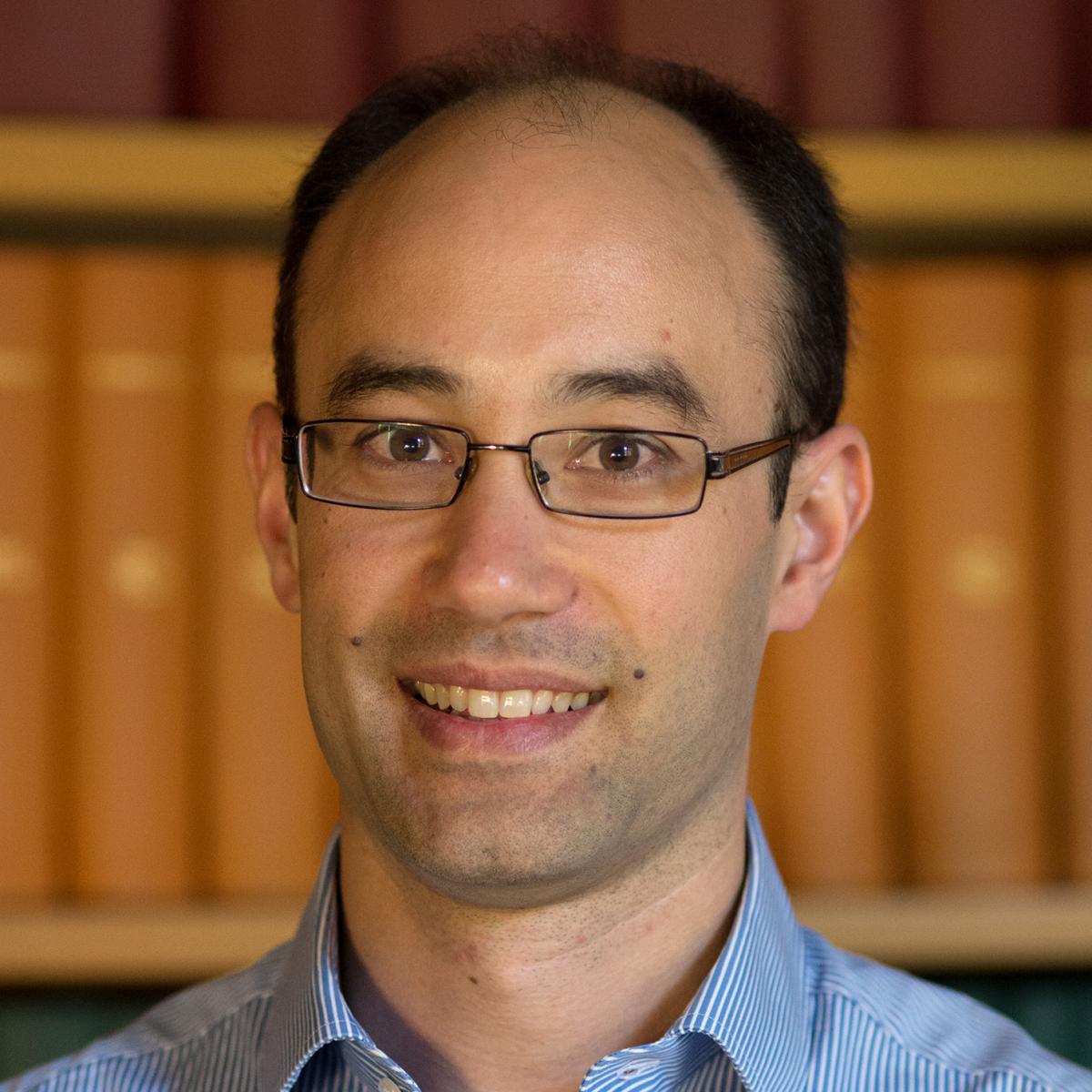
Tamar Ziegler is a Professor of Mathematics at the Einstein Institute of Mathematics, Hebrew University, holding the Henry and Manya Noskwith Chair in Mathematics since 2018. She currently serves as Chair of the Einstein Institute (2020-present) and has held visiting positions at prestigious institutions including IAS Princeton (2022-2023 Distinguished Visiting Professor), MSRI (2017 Simons Professor), and Stanford University (2012-2013). Her academic journey began with a B.Sc. summa cum laude (1995), M.Sc. (1998), and Ph.D. (2003) in mathematics from Hebrew University under advisor Hillel Furstenberg. Her career progression shows steady advancement from Zassenhaus Assistant Professor at Ohio State University (2002-2005), through positions at Technion (rising from Senior Lecturer to Professor), to her current role at Hebrew University since 2013. Ziegler's research spans number theory, ergodic theory, and combinatorics, with particular focus on additive combinatorics, higher order Fourier analysis, and connections between dynamical systems and number theory. Her work frequently involves collaborations with leading mathematicians including Terence Tao, Ben Green, and David Kazhdan. Analysis of her publication record reveals consistent contributions to fundamental mathematical problems, particularly in establishing polynomial patterns in primes, inverse conjectures for Gowers norms, and connections between ergodic theory and combinatorial number theory. Her research demonstrates a progression from foundational work on characteristic factors to increasingly sophisticated applications in prime number theory. 2025-2030 ERC Advanced grant 2024 Rothschild Prize in Mathematics 2024 9th European Congress in Mathematics, Plenary Speaker 2023 AIM Alexanderson Award 2021 Elected to Academia Europaea 2016 Rector's Prize for Excellence in Research and Teaching 2016-2021 ERC Consolidator grant 2015 Michael Bruno Memorial Award Ziegler has received continuous research funding through prestigious grants including multiple ERC awards and fellowships. Her leadership role as Chair of the Einstein Institute demonstrates significant institutional responsibility. While specific advising information isn't provided in the sources, her Erdős number is 2 (via Hillel Furstenberg) and she has collaborated with many prominent mathematicians throughout her career. As Chair of the Einstein Institute of Mathematics, Ziegler leads one of Israel's premier mathematical research centers, overseeing research programs and academic activities that connect ergodic theory, number theory, and combinatorics with other mathematical disciplines.
Martin Aigner is Associate Professor and Private Lecturer at the Karl Landsteiner Private University of Health Sciences, where he heads the Clinical Department of Psychiatry and Psychotherapeutic Medicine at Tulln University Hospital. He also teaches at the Medical University of Vienna and the University for Continuing Education Krems. A board member and president (2022–2025) of the Austrian Society for Psychiatry, Psychotherapy, and Psychosomatics (ÖGPP), he is also involved in the Austrian Pain Society and Austrian Balint Society. His research interests center on the integration of biological, psychological, and social factors in psychiatry, with key areas including transitional psychiatry, obsessive-compulsive and mood disorders, the gut-brain axis, and the impact of environmental toxins like mycotoxins on mental health. He leads the PhD program in 'Mental Health and Neuroscience' and supervises doctoral research. His recent publications reflect a strong trend in interdisciplinary mental health research, combining clinical psychiatry with neuroscience, nutrition, and digital health. Themes include neurofeedback for addiction, microbiome influences on depression, and psychosomatic manifestations in chronic conditions. His work often involves neuroimaging and clinical trials. Three scientific prizes from the Austrian Pain Society Scientific prize from the Vienna Association for Neurology and Psychiatry Contributor to WFSBP guidelines on pharmacological treatment of eating disorders Co-author of guidelines for post-viral conditions He serves as principal investigator in multiple funded projects, including studies on depression and the microbiome, probiotics, and psychosis triggers. He is also co-investigator in follow-up care and community mental health initiatives. Aigner is editor-in-chief of psychopraxis. neuropraxis and advocates for digital health literacy and sustainable mental health structures, particularly in youth care. He leads the Research Center for Transitions Psychiatry, emphasizing early intervention, resilience, and patient empowerment through recovery companions. His team includes habilitated senior physicians, fostering innovation in clinical and research settings.
David Dupret is Professor of Neuroscience at the University of Oxford and MRC Investigator at the MRC Brain Network Dynamics Unit within the Nuffield Department of Clinical Neurosciences, Faculty of Medical Sciences. He serves as Tutorial Fellow in Biomedical Sciences at St Edmund Hall College and maintains an ongoing appointment as Professeur Agrégé ès Sciences Naturelles with the French Ministry of Education since 2000. Ph.D. in Neuroscience, Institute INSERM Francois Magendie, University of Bordeaux (2007) MSc in Neuroscience, University of Bordeaux (2003) Agrégation de l'Université in Natural Sciences, France (2000) Undergraduate studies in Natural Sciences, University of Bordeaux (1996-1999) Professor Dupret's research focuses on the brain network physiology of memory, particularly investigating how neural circuits in the hippocampus and related structures encode, consolidate, and retrieve memories. His work integrates advanced electrophysiological techniques, optogenetics, and behavioral paradigms to understand the dynamic interactions within brain networks during memory processes. His laboratory examines both physiological and pathological aspects of memory function, with implications for understanding neurological disorders affecting cognition. The Dupret Group at the MRC Brain Network Dynamics Unit has established itself as a leading center for systems neuroscience research, employing cutting-edge methodologies to unravel the complex neural mechanisms underlying memory formation and recall. Boehringer Ingelheim FENS Research Prize (2018) Scholar of the FENS-Kavli Network of Excellence (2016) National Prize for Excellence in Ph.D. work, French Society for Neuroscience (2008) IBRO Research fellowship (2008) Institut de France Foundation Louis D. Research Fellowship (2007) Professor Dupret has successfully mentored over 25 graduate students and postdoctoral researchers who have gone on to prestigious positions in academia and industry. His research program is supported by substantial grant funding including multiple MRC programme grants (2011-2026), BBSRC grants, UK DRI Grand Challenges Programme, and international collaborations. He serves as Chair of the MRC BNDU Public Engagement and Communication committee and represents the Medical Science Division on the Oxford committee at the Maison Française d'Oxford. As an active scientific citizen, he reviews grants for over 10 funding bodies worldwide and serves as ad hoc reviewer for more than 15 international journals. The Dupret Group operates within the state-of-the-art facilities of the MRC Brain Network Dynamics Unit, collaborating closely with researchers across the Nuffield Department of Clinical Neurosciences and the wider Oxford neuroscience community. The laboratory maintains strong international partnerships, particularly with neuroscience centers in France, contributing to the vibrant research ecosystem at Oxford.
Manuel Carreiras is currently the Scientific Director and Ikerbasque Research Professor at the Basque Center on Cognition, Brain and Language (BCBL) since 2008. He holds the title of Distinguished Researcher at the University of the Basque Country (UPV/EHU) from 2018 onwards. Prior to this, he was a Full Professor at the University of La Laguna (1996–2008) and served as Dean of the Faculty of Psychology there (1997–2000). His extensive career includes visiting roles at UPV/EHU (2009–2018) and the University College of London (2004–2005). His research focuses on the neurobiological mechanisms of language, psycholinguistics, reading processes, bilingualism, and cognitive neuroscience. These areas explore how language is processed in the brain, the impact of bilingualism on cognitive functions, and the neural underpinnings of literacy. Carreiras' work bridges experimental psychology, neuroscience, and computational modeling, contributing to interdisciplinary advancements in understanding human cognition. ERC PoC (Oscilang) 2018–2019 Euskadi Research Prize 2015 ERC Advanced Grant (2012–2017) for Biliteracy research BCBL Center of Excellence Award (Severo Ochoa) 2016–2019 Max Planck International Scientific Advisory Board membership 2016–present Honorary Professor at University College London since 2006 In advising and grants, he has supervised 27 PhD students and 43 postdoctoral researchers. His grants include significant funding from the European Research Council (ERC), Spanish Ministry of Science and Education (MINECO), and the Government of the Basque Country. Notable grants include the ERC Advanced Grant and BERC Excellence Research Centre grants totaling millions of euros. Carreiras leads the master’s program in “Cognitive Neuroscience of Language” at UPV/EHU since 2011 and the “Cognitive Neuroscience” PhD Program since 2018. He has also held administrative roles such as Head of the Cognitive Psychology Department at the University of La Laguna (1993–1995) and Head of the doctoral program “Cognitive Neuroscience” (ULL, 2002–2009), earning a Quality Award.
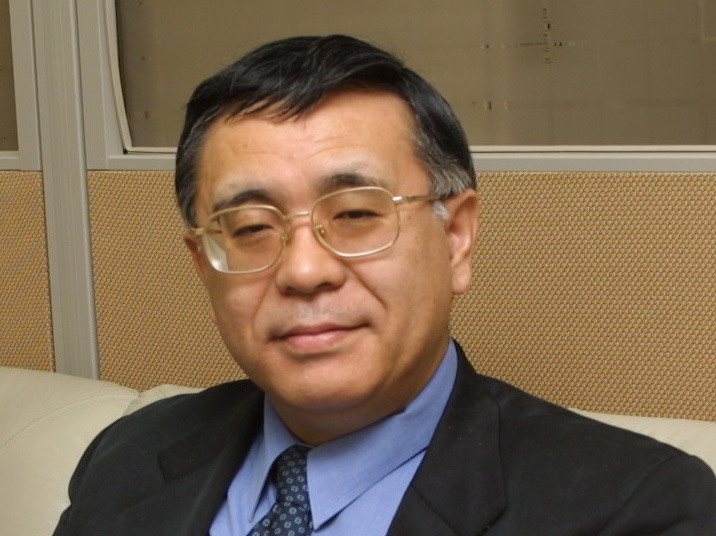
Takashi Gojobori (born October 24, 1951) is a Japanese molecular biologist who serves as Vice-Director of the National Institute of Genetics (NIG) and Professor at the Center for Information Biology and DNA Data Bank of Japan (DDBJ) in Mishima, Japan. He also holds multiple visiting positions including Special Research Consultant at the National Institute of Advanced Industrial Science and Technology (AIST), Visiting Professor at Keio University, Tokyo University, and Tokyo Institute of Technology, and Visiting Research Director at RIKEN. His educational background includes a Ph.D. from Kyushu University (1979), followed by research positions at the University of Texas at Houston (1979-1983), Washington University in St. Louis (1985, 1986), and the Imperial Cancer Research Fund in London (1989). Professor Gojobori's research spans multiple areas of molecular and evolutionary biology. His work focuses on comparative genomics, molecular evolution, viral evolution, and bioinformatics. He has made significant contributions to understanding the rates of synonymous and non-synonymous substitutions, positive selection, horizontal gene transfer, and genome evolution. More recently, he has been investigating the evolution of the brain and central nervous system. His extensive publication record includes 389 peer-reviewed articles as of May 2012, reflecting his broad impact across multiple fields of biological research. His work shows a consistent focus on evolutionary mechanisms at the molecular level, with applications ranging from viral evolution to comparative genomics across diverse organisms including humans, plants, and model organisms like Hydra. Scientific Awards 2009: The Medal with Purple Ribbon from the government of Japan 2007: Academician Member of the Pontifical Academy of Sciences, Vatican 2006: Foreign Honorary Member of the American Academy of Arts and Sciences, USA 2005: Fellow of the American Association for the Advancement of Science (AAAS), USA 2005: Society Prize (Kihara Medal), The Genetic Society of Japan 2004: Society Prize (Motoo Kimura Medal), The Society of Evolutionary Studies, Japan 2004: The Gaetano Salvatore Gold Medal, Statione Zoologica, Anton Dohrn, Italy 1997: Science Award from Japan Science and Technology Corporation (JST), Japan 1995: Science Award from Hitoshi Kihara Memorial Foundation, Japan 1987: Promotion Award from Japanese Society of Genetics, Japan Professor Gojobori has served in numerous editorial capacities, including as Founding Editor of Genome Biology and Evolution, Executive Editor of GENE, and Associate Editor for several major journals. He has also held significant administrative roles including Program Director of the Council for Science and Technology Policy (CSTP) of the Japanese government and Science Officer of MEXT. His contributions to international genomic databases including DDBJ/GenBank/EMBL and the H-Invitational human gene database have been instrumental in advancing global genomics research. As Director of the Center for Information Biology and DNA Data Bank of Japan from 1994-2009, Professor Gojobori led important initiatives in biological data management and analysis. His work continues to influence the field through his leadership roles in international scientific organizations including the International Genetics Federation and CODATA/ICSU.
Matthias C. Rillig is a distinguished Professor of Plant Ecology at the Free University of Berlin, where he has held a Chair (W3) position since 2008. He also serves as Director of the Berlin-Brandenburg Institute of Advanced Biodiversity Research (BBIB) since 2013. His academic career spans prestigious institutions including the University of Montana and collaborations with Stanford University. Dr. Rillig's work bridges fundamental ecological research with pressing environmental challenges. His educational background includes: PhD in Ecology (1997) from San Diego State University/University of California Davis, with Dr. Michael F. Allen as advisor Non-graduating studies in Botany (Honors) at University of Edinburgh (1992-1993) Vordiplom in Biology from Universität Kaiserslautern (1991) Dr. Rillig's research focuses on the intersection of soil ecology, global change biology, and emerging environmental threats. His work particularly emphasizes: Soil biodiversity and its role in ecosystem functioning Mycorrhizal networks and fungal ecology in terrestrial systems Microplastic pollution in terrestrial environments, a pioneering research area he helped establish Climate change impacts on soil-plant interactions Global change biology examining multiple stressors on ecosystems His publication record demonstrates strategic focus on high-impact environmental issues, particularly the emerging threat of microplastics in terrestrial ecosystems. Dr. Rillig's work consistently appears in top-tier journals including Science, Nature, and PNAS, showing his leadership in translating fundamental ecological research into policy-relevant science. His research reveals critical connections between soil microbial communities, ecosystem resilience, and anthropogenic stressors. Dr. Rillig's scientific recognition includes: Member of the German National Academy of Science - Leopoldina (2021) Elected Fellow of the Ecological Society of America (2019) Clarivate Analytics 'Highly Cited Researcher' for five consecutive years (2017-2021) ERC Advanced Grant recipient (2016) Dahlem Research School Award for Excellent Supervision of doctoral students (2016) Full Member of iDiv – German Centre for Integrative Biodiversity Research (2012) As an advisor, Dr. Rillig has demonstrated exceptional mentorship, recognized by the Dahlem Research School Award for Excellent Supervision. His research program is supported by prestigious funding including an ERC Advanced Grant, enabling ambitious investigations into soil ecology and global change. Through his leadership at BBIB, he fosters interdisciplinary collaboration addressing biodiversity challenges across multiple scales. Dr. Rillig maintains an active research laboratory focused on experimental ecology, particularly examining soil-plant-microbe interactions under global change conditions. His team employs innovative approaches to study microplastic impacts, mycorrhizal networks, and soil biodiversity dynamics, contributing significantly to the scientific understanding of terrestrial ecosystems facing multiple anthropogenic stressors.
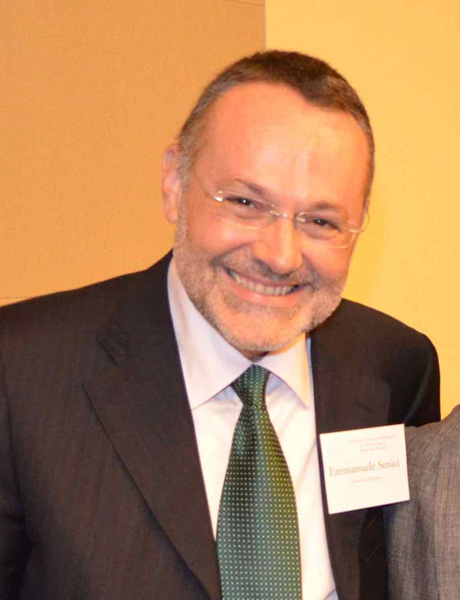
Emanuele Senici is a Full Professor of Music History at Sapienza University of Rome, where he has been teaching since January 2008. Prior to this, he held significant academic positions at the University of Oxford as Reader in Musicology (2006-2007) and University Lecturer in Music (2000-2006), with additional appointments as Tutorial Fellow at St. Hugh's College. His academic career also includes a Junior Research Fellowship at Christ Church, Oxford (1998-2000) and prestigious visiting appointments at King's College London (2009-2023) and Cambridge University (2023). Senici earned his Laurea in Musicology from the University of Pavia (1993), participated in an Erasmus program at King's College London (1992), and completed his MA (1996) and PhD (1998) at Cornell University. His doctoral research focused on Mozart's 'La clemenza di Tito' and its reception in the first thirty years after its premiere. His scholarly work centers on Italian opera of the long nineteenth century, with particular attention to issues of genre, gender, and the historiography of opera. Senici's research explores the intersection of music with broader cultural, political, and technological contexts, examining how opera functions both as historical document and living performance tradition. A significant portion of his recent scholarship investigates opera on screen and in digital media, analyzing how film and television adaptations transform operatic works and their reception. Senici's most recent publications (2023-2025) demonstrate a continued focus on nineteenth-century Italian opera while expanding into new areas of media studies and cultural geography. His work consistently bridges historical musicology with contemporary theoretical frameworks, particularly in gender studies and media studies, showing how historical operatic works remain relevant through modern reinterpretations and adaptations. Leverhulme Visiting Professor (2023) Visiting Professor of Music, King's College London (2009-2023) Edward T. Cone Member, Institute for Advanced Study, Princeton (2006) Jerome Roche Prize, Royal Musical Association (2002) Donald J. Grout Memorial Prize, Cornell University (1997) As an educator, Senici has supervised numerous graduate students and served as Director of Graduate Studies at Oxford. His current teaching at Sapienza includes undergraduate courses on music history and graduate seminars on the medial history of musical theater. He has made significant contributions to academic service through editorial board memberships for major journals including Acta Musicologica, Opera Quarterly, and Il Saggiatore Musicale, and previously served as co-editor of the Cambridge Opera Journal (2003-2008).
Brian Horsak is a Privatdozent (equivalent to Associate Professor) at the University of Vienna, affiliated with the Department of Sport and Human Movement Science within the Faculty of Sports Sciences. He serves as a member of the PI Panel/Supervisors for the Sport Science program at the Vienna Doctoral School of Pharmaceutical, Nutritional and Sport Sciences (VDS PhaNuSpo). His research group is located at the St. Pölten University of Applied Sciences with strong collaboration to the Centre for Sport Science and University Sports at the University of Vienna. Dr. Horsak's primary research interests focus on clinical (gait) biomechanics and interdisciplinary approaches between therapy and technology. His work is dedicated to understanding musculoskeletal loading of the lower extremities during locomotion and exercise, and developing assistive technologies such as machine learning algorithms and virtual reality applications to support patients and therapists during rehabilitation. Specific areas include: Clinical gait analysis and biomechanics Musculoskeletal loading in lower extremities Patellofemoral instability and joint biomechanics Machine learning applications for gait classification Virtual reality for rehabilitation Biomechanics of obesity and pediatric movement disorders 3D motion capture and markerless technology His recent publications demonstrate a strong trend toward integrating advanced computational methods with clinical biomechanics. Over the past five years, his work has increasingly focused on smartphone-based motion capture systems, deep learning applications for gait analysis, and virtual reality environments. His research bridges engineering technology and clinical rehabilitation, with particular attention to knee biomechanics, patellofemoral disorders, and movement analysis in pediatric obesity. Dr. Horsak teaches courses including 'Methods and Concepts of Biomechanics and Sports Informatics' and serves as supervisor for PhD students Bernhard Dumphart and Mark Simonlehner. His research group maintains strong collaborations with the St. Pölten University of Applied Sciences and appears to be involved in multiple interdisciplinary projects combining sports science, engineering, and clinical rehabilitation.
Tim Schrabback is a Full Professor at the Institute for Astro- and Particle Physics , Faculty of Mathematics, Computer Science and Physics, University of Innsbruck . He leads research in extragalactic astrophysics, focusing on weak gravitational lensing, galaxy clusters, and cosmology through major international collaborations such as the Euclid Mission , eROSITA , DES , SPT , and HSC . His research interests include: Observational cosmology using galaxy clusters Weak and strong gravitational lensing Dark energy and large-scale structure X-ray and Sunyaev-Zel'dovich cluster surveys Machine learning applications in astrophysics Calibration of space-based instruments His recent publications (2023–2025) span high-impact journals including Astronomy & Astrophysics , Physical Review D , and Monthly Notices of the Royal Astronomical Society . The work emphasizes cosmological parameter estimation , cluster mass calibration , systematic error mitigation in weak lensing , and multi-messenger cosmology . A strong trend is the integration of data from optical, infrared, X-ray, and microwave surveys to constrain models of dark energy and modified gravity. Scientific contributions include: Leading roles in Euclid’s weak lensing and cluster science working groups Co-authorship on foundational Euclid mission papers Key contributions to eROSITA all-sky survey analysis Development of shear calibration techniques using deep learning Mass calibration of galaxy clusters via weak lensing He actively participates in advising and collaborative research, working closely with postdocs and early-career scientists such as Sebastian Grandis , Florian Kleinebreil , Henrik Jansen , and Lukas Linke . He has secured access to major datasets and leads analysis efforts in joint cluster cosmology programs. His public engagement includes frequent outreach lectures on astrophysics and telescope observation, particularly through the annual Astronacht events at the University of Innsbruck. He has also contributed to media interviews on cosmological tensions and galaxy cluster physics. He leads or participates in several research labs and teams: Euclid Weak Lensing Science Working Group eROSITA Cluster & Cosmology Working Group Institute for Astro- and Particle Physics Observing Team Alpine Cosmology Collaboration
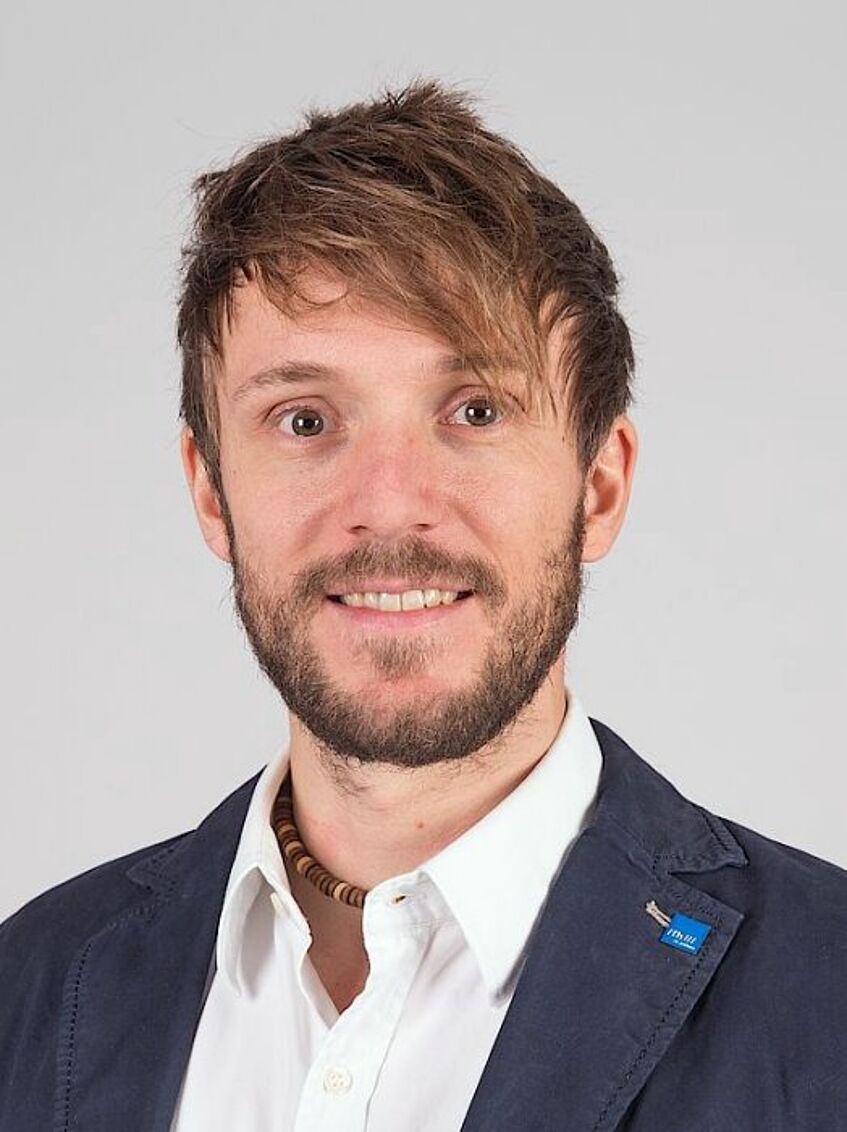
Leonhard Summerer is an Associate Professor at the Faculty of Mathematics, Department of Mathematics . His research primarily focuses on Diophantine Approximation , Geometry of Numbers , and Parametric Approximation . His work explores the Approximation Property in parametric settings, Lattice Theory , and Linear Dependence in number theory. Recent publications include studies on Jarník’s identity, simultaneous approximation to multiple reals, and geometric interpretations of number-theoretic problems. He has authored numerous peer-reviewed articles and contributed chapters to educational books such as 77-mal Mathematik für Zwischendurch , emphasizing mathematical outreach and pedagogical innovation . Active in academic discourse, he has delivered talks on topics like Packings and Tilings in Z and Simultane Approximation m reeller Zahlen since 2006.
Thomas Werner Pusztai is a Researcher at the Department of Distributed Systems, TU Wien. His work focuses on cloud-edge continuum systems, serverless computing, and service-level objective (SLO) management. He contributes to projects like RapidREC, TEADAL, and the EU-funded RAINBOW initiative. His research spans distributed scheduling algorithms, edge-cloud resource allocation, and SLO-aware middleware frameworks like Polaris and HyperDrive. Education: Completed a Diploma in Computer Science at TU Wien with a thesis on Model-based design and architecture of fog computing applications (2019). Active in academic conferences, presenting at IEEE/ACM Edge Computing, Cloud, and Fog/Edge events. Research interests include edge computing, cloud-native systems, IoT applications, and optimizing SLO compliance through novel scheduling techniques. His work emphasizes practical frameworks for real-world distributed systems challenges. Projects include developing HyperDrive for serverless function scheduling in 3D edge-cloud spaces, Polaris for SLO-aware microservices orchestration, and SLO Script for complex elasticity-driven SLO implementations.
Stefan Nastic is an Assistant Professor at the Technische Universität Wien (TU Wien), affiliated with the Faculty of Informatics and the Distributed Systems department. He serves as Curriculum Coordinator for the Master’s program in Distributed and Next Generation Computing, and is a Substitute Member of the Curriculum Commission for Informatics. His research focuses on distributed systems, edge computing, serverless computing, IoT, and smart cities. He holds a PhD in IoT cloud systems (2016) and a BSc (not explicitly stated). Key research contributions include frameworks for serverless edge-cloud continuum (e.g., HyperDrive, GoldFish), federated learning applications (e.g., adaptive human activity recognition), and IoT infrastructure governance (e.g., Polaris Scheduler). He leads projects like RapidREC (2023–2025) on supply chain optimization and participates in initiatives like TEADAL (2022–2025) for edge-cloud workflows. Publications span 30+ peer-reviewed articles in top venues like IEEE IoT, ACM, and IEEE Cloud. He supervises graduate students on stateful serverless functions, federated learning, and edge-cloud scheduling. His work addresses challenges in resource management, latency reduction, and scalable distributed systems.
Vincenzo Barone is a Full Professor of Theoretical and Computational Chemistry at Scuola Normale Superiore, Italy, where he has been since 2009. He also serves as the Coordinator of the Astrochemistry Ph.D. program since 2018 and directs the SMART Laboratory established in 2016. Key Positions Held: Director of SMART Laboratory, Scuola Normale Superiore (2016–) Coordinator of Astrochemistry Ph.D., Scuola Normale Superiore (2018–) Former Director (President) of Scuola Normale Superiore (2016–2019) Former Dean of the Science Faculty (2015–2016) Former Director of DREAMSLab (2013–2016) Research Focus: Barone's work spans theoretical chemistry, spectroscopic properties of complex systems, reactivity, and physical-chemical processes in gas and condensed phases. His contributions to Density Functional Theory and astrochemistry are particularly notable. Scientific Awards: 2020 Avogadro Medal (Italian Society of Chemistry) 2019 PLOS Most Cited Researcher (World rank #576, Italy #7) 2018 Roma Urbs Universalis Prize (Associazione Ostia Cultura) 2017 Ph.D. honoris causa (University Federico II of Naples) Multiple fellowships including Royal Society of Chemistry (FRSC), Accademia dei Lincei, and European Academy of Sciences
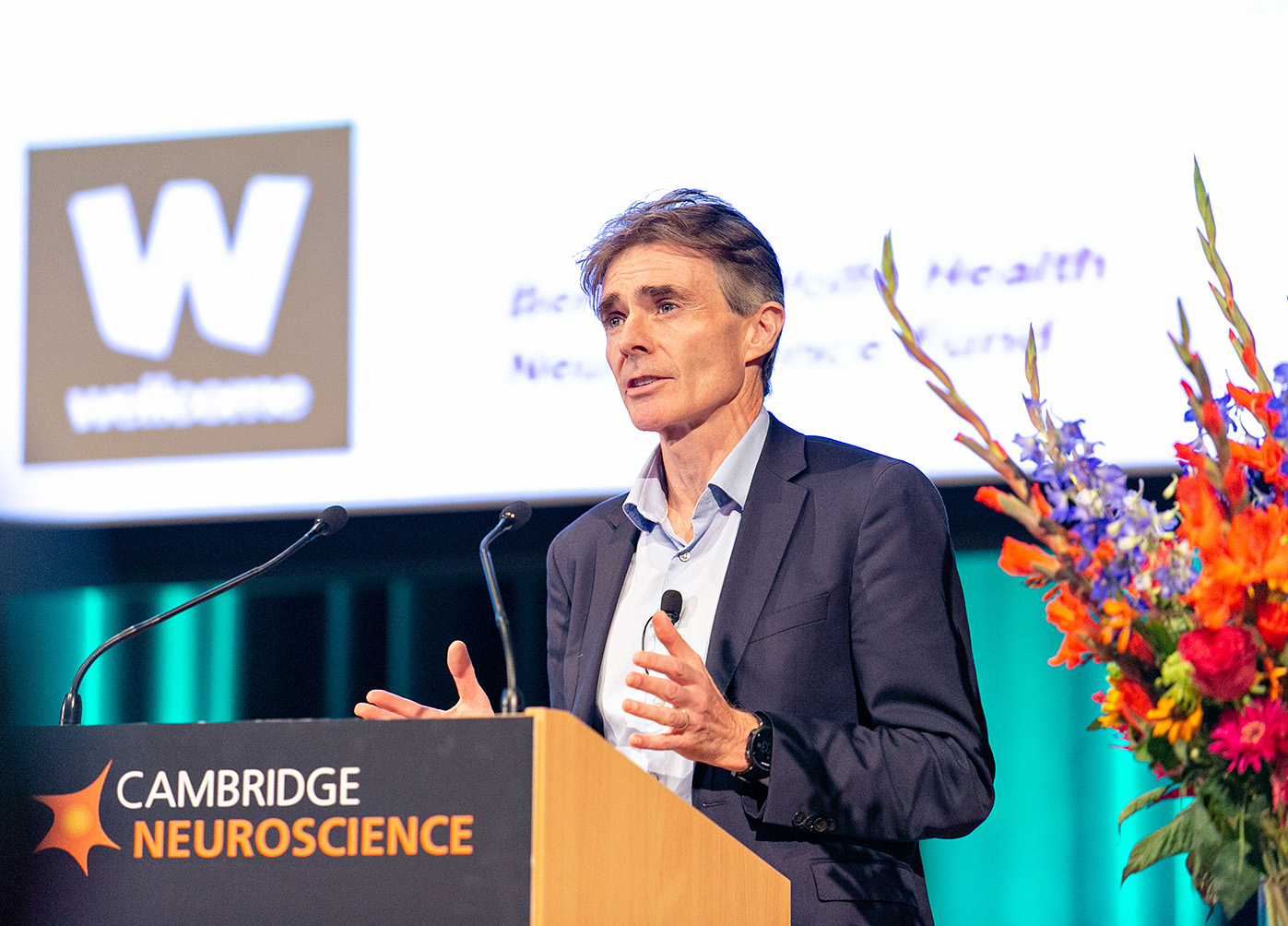
Professor Paul Fletcher serves as the Bernard Wolfe Professor of Health Neuroscience at the University of Cambridge Department of Psychiatry and Clinical Director of the Cambridge Neuroscience Interdisciplinary Research Centre. He holds concurrent appointments as a Wellcome Trust Investigator and Honorary Consultant Psychiatrist with the Cambridgeshire and Peterborough NHS Trust and Cambridge University Hospitals NHS Trust. His research centers on neurobiological mechanisms of psychosis , computational psychiatry , and appetite control in disordered eating . Fletcher pioneered influential theories linking prediction error signaling to psychotic symptoms, demonstrating how perturbations in frontal lobe responses explain hallucinations and delusions. His work integrates neuroimaging, psychopharmacology, and computational modeling to bridge clinical observations with neural mechanisms. Analysis of his recent publications reveals a dominant focus on prediction error computation in psychosis cortical structural changes in mental illness neurobiological correlates of eating disorders computational modeling of perceptual inference dopaminergic mechanisms in learning translational neuroscience approaches His work increasingly incorporates multimodal neuroimaging and real-world applications like the Hellblade: Senua's Sacrifice project. Key recognitions include: BAFTA Award for Games Beyond Entertainment (2017) James Bull Lectureship (2017) Election to Academy of Medical Sciences (2012) WFSP Research Award in Biological Psychiatry (2005) Fletcher maintains significant research funding through Wellcome Trust appointments spanning over two decades, including current status as a Wellcome Trust Investigator. His clinical neuroscience program bridges the Department of Psychiatry with NHS trusts, emphasizing translational pathways from basic mechanisms to clinical applications. The Fletcher Group operates within the Cambridge Neuroscience network, collaborating extensively across departments and healthcare systems.