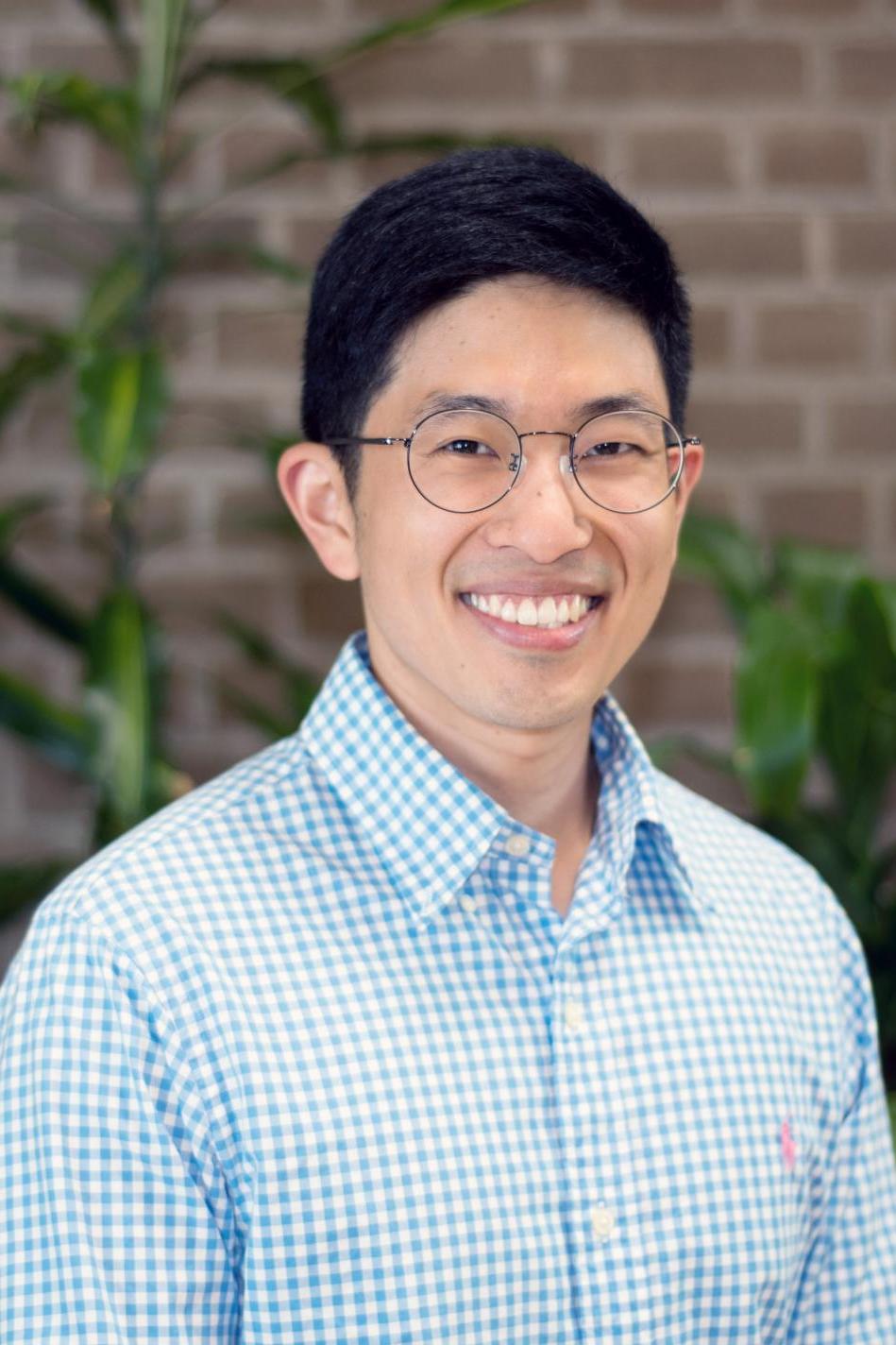
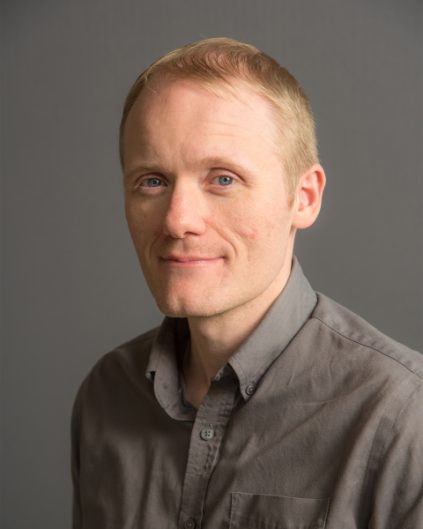
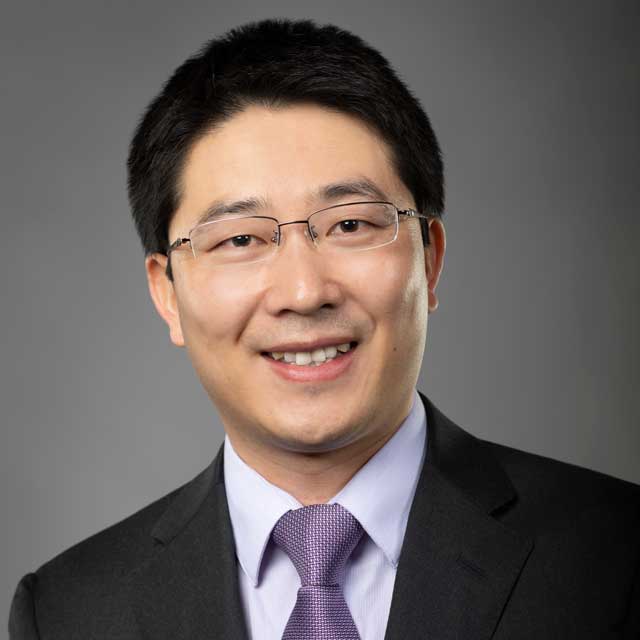
Dr. Matteo Degiacomi is a Visiting Associate Professor in the Department of Physics at Durham University. His research focuses on integrative computational methods combining machine learning and molecular dynamics simulations to model biomolecular systems at near-atomistic resolution. Education: MSc in Computer Science (2008), PhD in computational biophysics (2012) from EPFL. His work leverages ion mobility , cross-linking , SAXS , and electron microscopy data to study protein assembly mechanisms. Recent publications highlight applications in virology , nanomaterials , and membrane protein dynamics . He develops open-source tools like ClayCode and JabberDock . Scientific awards include a Swiss National Science Foundation Early Postdoc Mobility Fellowship (2013-2017) and an EPSRC Junior Research Fellowship (2017-2020). He supervises postgraduate researchers Ajeeth Kanagarajan , Breanna Voss , and Listra Ginting .
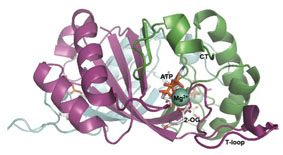
Karl Forchhammer is a full Professor at the University of Tübingen , chairing the Department of Microbiology/Organismic Interactions within the Interfaculty Institute of Microbiology and Infection Medicine Tübingen (IMIT) . He received his education at Ludwig-Maximilians-Universität München, earning a Doctorate in Microbiology with a thesis on selenocysteine biosynthesis in Escherichia coli , for which he received the VAAM Promotionspreis in 1992. His academic career includes a postdoctoral fellowship at the Institut Pasteur and associate professorship at the Justus-Liebig-Universität Giessen (1999-2007). Current Roles: Chair of Microbiology/Organismic Interactions, University of Tübingen Editor for FEBS Journal Scientific Advisory Board member, Max Planck Institute for Terrestrial Microbiology DFG panel member (Microbiology, Virology, Immunology) His research focuses on: PII Signal Transduction Proteins : Molecular mechanisms of 2-oxoglutarate sensing, ATP/ADP binding dynamics, and regulatory roles in carbon-nitrogen balance across bacteria, archaea, and chloroplasts. Nitrogen Starvation Response : Molecular basis of chlorosis in Synechocystis and Synechococcus species, including nblA gene regulation and sodium bioenergetics during dormancy. Metabolic Engineering Applications : Development of FRET sensors for metabolite detection and optimization of polyhydroxybutyrate (PHB) production in cyanobacteria. Carbon Regulation Systems : Structural analysis of SbtB redox-sensitive loops, c-di-AMP signaling in diurnal metabolism, and PirC-mediated phosphoglycerate mutase inhibition. Technological Innovations : Creation of SCAGE method for cyanobacterial transport and development of magnetic bead immunoassays for SARS-CoV-2 detection. Scientific contributions include: Discovery of plant kingdom's first glutamine sensory mechanism through PII evolution Elucidation of PII-NAGK functional conservation over 1.2 billion years Identification of 2-oxoglutarate binding site in PII proteins Demonstration of sodium bioenergetics' critical role in cyanobacterial developmental transitions Development of metabolite FRET sensors for real-time metabolic monitoring Establishment of PHB production platforms without nitrogen starvation His lab has trained 15+ PhD students and 3+ PostDocs, with collaborations spanning microbial biotechnology, structural biology, and environmental systems. Recent publications highlight: 2025 work on natural microbial community-enhanced bioplastic production 2024 structural studies of PII-regulated enzymes 2023-2024 investigations into glycogen metabolism and redox regulation 2022-2023 studies on c-di-AMP signaling and toxin-antitoxin systems
Odile Merdrignac-Conanec is an Associate Professor in the Department of Chemistry at University of Rennes 1's Faculty of Science, affiliated with the Institut des Sciences Chimiques de Rennes (UMR 6226 CNRS). Her career spans over three decades at the university, progressing from Assistant Professor (1991-2000) to current Associate Professor status with qualification for university professorship (CNU 31-33). PhD in Chemistry, University of Rennes 1 (1989) Accreditation to Supervise Research (HDR), Chemistry; Chemical Physics, University of Rennes 1 (2000) Post-Doctoral Fellow, Harwell Lab, AEA Technology (UK) (1990-1991) Her research focuses on advanced materials synthesis and characterization, specializing in ceramics engineering for optical, sensing, and biomedical applications. Key areas include infrared-transparent ceramics (ZnS, La 2 O 2 S), gas sensors using semiconductor oxides, photocatalytic (oxy)nitrides, and biomaterials like bioactive glasses. Her work integrates soft chemistry methods with advanced sintering techniques (HP, HIP, SPS) and in-situ characterization (TPD/MS, DRIFTS). Analysis of her 15 most recent publications reveals strong emphasis on rare-earth doped phosphors for lighting applications, porous biomaterials for tissue engineering, and energy conversion materials including thermoelectrics and CO 2 reduction catalysts. Her optical materials research consistently targets infrared transparency and luminescence efficiency. 2018 Semester for Innovation of Rennes 1 Foundation 2017 Year for business creation of Rennes 1 Foundation 2015 CNRS delegation (50%) 2013 Board Member, French Ceramic Society (GFC) 1990 Chemistry PhD Thesis Prize (Pr P. Gineste Award) She has directed eight PhD theses since 2003 with notable success including the Rennes 1 Foundation Thesis Prize (2017) and French Ceramic Society Thesis Prize (2020). Her research is supported by CNRS collaborations and Rennes 1 Foundation innovation grants. She actively participates in thesis committees at institutions including University of Tübingen, ENSM Saint-Etienne, and IRCER Limoges. Her laboratory work centers on the Institut des Sciences Chimiques de Rennes, utilizing specialized equipment for ceramic synthesis, optical characterization, and biomaterial testing. Current projects include infrared-transparent sulfide ceramics and doped oxysulfides for optical refrigeration.
Kris Kim is an Associate Professor, Teaching Stream in the Department of Physical & Environmental Sciences at the University of Toronto Scarborough (UTSC). His academic role focuses on undergraduate teaching and curriculum development in chemistry, particularly in analytical chemistry and introductory chemistry courses such as CHMB16H3 and CHMA11H3. His research interests span multiple disciplines including polymer chemistry, nanomaterials, and chemical education. He has contributed to advancements in block copolymer self-assembly, nanoscale material characterization, and the development of virtual laboratory tools for remote education. His work also intersects with biomedical applications, such as studying integrin roles in cancer progression and exploring biopesticides for sustainable aquaculture. Kim’s publications reflect a strong focus on merging educational innovation with cutting-edge research, including the design of open-source laboratory equipment and collaborative initiatives like the Chemistry Teaching Fellowship Program. His interdisciplinary approach bridges chemistry with environmental science, materials engineering, and biomedical research.
Professor Dwight Seferos is a faculty member in the Department of Chemical Engineering & Applied Chemistry at the University of Toronto. His research focuses on designing electronic and redox-active organic materials, particularly conjugated polymers for energy applications like solar cells, batteries, and thermoelectrics. His group explores novel polymer architectures, including degradable plastics and CO₂ capture materials, emphasizing sustainability and functional design. Notable collaborations include work with Prof. Edward Sargent on perovskite materials and battery technologies. The Seferos Research Group also develops innovative binders and electrode materials for next-generation energy storage systems. Education: Ph.D. in Chemistry (likely from a top institution, inferred from career trajectory) Affiliations: Lash Miller Chemical Laboratories, Downtown Toronto Campus Research interests span conjugated polymer synthesis, energy storage materials, and environmentally conscious polymer design. Key projects include the development of rigid diamine templates for perovskites, bio-inspired electrodes, and programmable self-assembly of polymers. The group emphasizes interdisciplinary approaches, combining synthetic chemistry, electrochemistry, and materials characterization. Publications highlight advancements in organic materials for batteries, solar cells, and sustainable polymers. Recent work includes studies on aqueous zinc-ion batteries using vitamin K-derived cathodes and mussel-inspired binders, as well as novel insights into exciton-polaron dynamics in perovskites.
Adrian Figg is an Assistant Professor in the Department of Chemistry at Virginia Tech's College of Science. His research focuses on developing advanced polymer architectures inspired by biological precision, with applications in disease study, sustainable materials, and recycling technologies. He completed his B.A. in Chemistry at the University of California, Santa Barbara (2013), earned his Ph.D. from the University of Florida (2018), and conducted postdoctoral research at Northwestern University (2018–2021). Research interests include programmable polymer synthesis using controlled radical techniques, protein-polymer conjugates for therapeutics, and stimuli-responsive materials. His work bridges organic chemistry, materials science, and biological systems to address challenges in healthcare and sustainability. The Figg Group actively explores applications such as biodegradable plastics and targeted drug delivery systems. Education: B.A. in Chemistry, University of California, Santa Barbara (2013) Ph.D. in Chemistry, University of Florida (2018) Postdoctoral Research Fellow, Northwestern University (2018–2021) Key awards include the ACS PMSE Division Future Faculty Scholar (2019) and the Weinberg Family Postdoctoral Fellowship (2020). His research has been published in high-impact journals like Journal of the American Chemical Society and Chemical Science . Advising and grants: While specific student names are not listed here, the Figg Group engages in collaborative research projects. Active collaborations include work on photopolymerization techniques and DNA-programmed materials. Lab and team information: Visit the Figg Group Website or Google Scholar for current projects and publications.
William Gramlich is an Associate Professor at the Graduate School of Biomedical Science and Engineering, University of Maine. He holds a B.S. in Chemical Engineering from the University of Maine (2006), a Ph.D. in Chemical Engineering from the University of Minnesota (2012), and completed a postdoctoral fellowship at the Department of Bioengineering, University of Pennsylvania. His research focuses on developing advanced biomaterials, particularly hydrogels, to control cell fate and study protein interactions in biomedical contexts. His research interests include: Hydrogel systems for spatial/temporal control of cell behavior 3D-printed biomaterials and sustainable materials integration Understanding glycan-glycan binding protein interactions in 3D environments Developing novel hydrogels to mimic extracellular matrix mechanics Recent work emphasizes orthogonal chemistry for independent patterning of hydrogel mechanical properties and chemical cues. His lab also investigates recyclable polymer composites and eco-friendly materials through cellulose nanofibril integration. Over 10 peer-reviewed publications since 2023 highlight advancements in hydrogel design, polymer composites, and sustainable material science. Affiliations include the Department of Bioengineering (via prior postdoctoral work) and the Graduate School of Biomedical Science and Engineering at UMaine. His lab is located in the Ferland EEDC Bldg, with ongoing collaborations in biomedical engineering, polymer science, and sustainable materials development.
Prof. Isabel Arends is the Dean of the Faculty of Science at Utrecht University and holds the title of Professor of Sustainable Organic Chemistry. She previously served as Full Professor of Biocatalysis and Organic Chemistry at TU Delft, leading the Biotechnology Department until 2018. Her research focuses on sustainable chemical processes, biocatalysis, and green chemistry, with over 160 publications and 40+ supervised PhD students. She chairs Utrecht University’s strategic themes in Life Sciences and Pathways to Sustainability, and leads national initiatives to enhance STEM education. Awards include membership in the Royal Netherlands Academy of Arts and Sciences (KNAW) and an honorary doctorate from UCLouvain. Key roles include supervisory board memberships at Utrecht Holdings, the Ruisdael Observatory, and the National Chamber of Payers for academic STEM teachers. Education: PhD in Physical Organic Chemistry (cum laude, Leiden University, 1993) Postdoctoral Research at the National Research Council, Ottawa (1994) MSc in Physical Organic Chemistry (Leiden University, 1988) Research Interests: Biocatalytic oxyfunctionalization and enzyme-driven sustainable processes Development of green oxidation and reduction systems Enzymatic regeneration of cofactors like NAD+ and H2O2 Applications in pharmaceuticals, biofuels, and circular economy Articles Overview: Recent work emphasizes light-driven biocatalytic systems, enzyme-catalyzed oxidation/reduction cascades, and sustainable synthesis of steroidal compounds. Key topics include photocatalytic regeneration of cofactors, peroxynitrite-catalyzed epoxidation, and chemoenzymatic routes to specialty chemicals. Awards & Recognition: Officer in the Order of Orange-Nassau (2018) Founding Chair of TU Delft Bioengineering Institute (2016) Member of NWO Applied & Engineering Sciences Board (2014–present) Grants & Leadership: Chair of the TU Delft 175th Anniversary Committee (2017), founder of the Bioengineering Institute, and advocate for diversity and Open Science in academia. Active in national STEM teacher recruitment strategies and educational outreach. Labs & Teams: Previously directed the TU Delft Biotechnology Department and led the Bioengineering Institute. Engaged in collaborative projects with the Westerdijk Fungal Biodiversity Institute and the NIOO-KNAW ecological research institute.
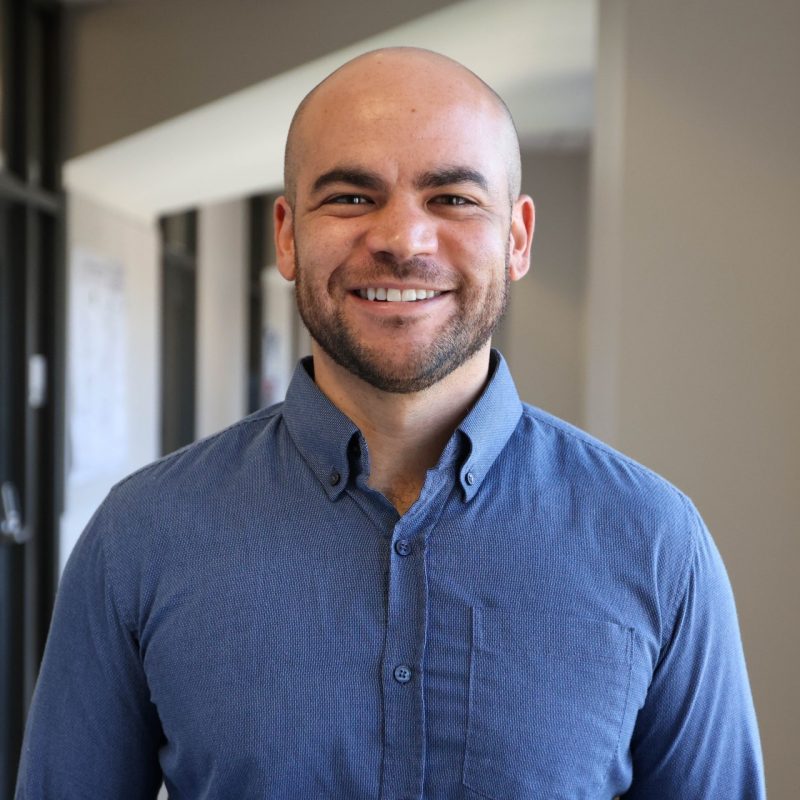
Xenofon Strakosas is an Assistant Professor at Linköping University's Department of Science and Technology (ITN), affiliated with the Laboratory of Organic Electronics (LOE) within the Faculty of Science and Engineering. His research focuses on organic bioelectronics, particularly the integration of electronic systems with biological tissues. Key projects include developing conductive hydrogels for 3D bioprinting, enzymatic polymerization of organic conductors on lipid membranes, and in vivo fabrication of soft electrodes for electronic medicine. Recent breakthroughs include growing electrodes in living tissue using injectable gels and achieving precise drug delivery via proton-trapping ion pumps. Supported by a SEK 10 million donation from the Stig Wadström Foundation, his work bridges technology and biology to address neurological diseases and human-machine interfaces. His lab collaborates across disciplines, leveraging organic electronics for biosensors, neural interfaces, and sustainable energy solutions. Publications emphasize advanced materials, electrochemical platforms, and biomedical applications. Current research trends prioritize biocompatibility, in vivo compatibility, and precise control of electronic-ionic interactions. Awards and recognitions include Physics World's 2023 major breakthrough designation for electrode growth in living tissues. Future directions include scalable bioelectronic systems and next-generation medical therapies.
Prof. Ulrich Schwaneberg serves as a University Professor at RWTH Aachen University's Faculty of Mathematics, Computer Science and Natural Sciences within the Institute of Biotechnology. His research group operates from the Biology Sammelbau facility (Worringerweg 3, Aachen) and maintains strong ties with the DWI - Leibniz Institute for Interactive Materials. His primary research focuses on protein engineering and biocatalysis , with significant contributions to plastic degradation technologies (particularly PET hydrolases), material-binding peptide development , and high-throughput screening methodologies . Key research thrusts include engineering enzymes for plastic recycling, developing anchor peptides for industrial applications, and creating novel biocatalytic systems for sustainable chemistry. Recent publications reveal a strong trend toward computational-guided enzyme design (using MD simulations and machine learning) combined with practical applications in environmental remediation . His team actively develops solutions for microplastic detection, phosphate recovery, and textile functionalization using biohybrid systems. The 2025 article portfolio demonstrates particular emphasis on PET degradation technologies and enzyme immobilization strategies. Prof. Schwaneberg leads the recently launched Materials Lab Incubator (MerLIn) funded with over 7 million euros from BAFA, and coordinates the Bio4MatPro competence center connecting industry partners with academic research. His group actively recruits Chinese students through CSC fellowships and organizes the annual Aachen Protein Engineering Summer School (AcES2) . The Schwaneberg group maintains state-of-the-art facilities for directed evolution, high-throughput screening, and biocatalytic process development, with strong industry partnerships focused on sustainable material innovations. Current initiatives include the development of flame-retardant textile coatings using biohybrid anchor peptides and scalable systems for plastic upcycling.
Dr. Keith Oldroyd is an Honorary Professor at the University of Glasgow's School of Cardiovascular & Metabolic Health. His research focuses on coronary physiology, myocardial infarction, and interventional cardiology, with a particular emphasis on fractional flow reserve (FFR) and coronary microvascular dysfunction. He leads major clinical trials such as CorMicA and FAMOUS-NSTEMI, assessing diagnostic and therapeutic strategies in coronary artery disease. Key contributions include advancing understanding of coronary microvascular dysfunction, optimizing PCI outcomes, and evaluating the clinical impact of influenza vaccination post-MI. Collaborations with institutions globally highlight interdisciplinary work in drug-eluting stents, biomaterials, and cardiovascular imaging. Over 150 peer-reviewed publications (2001–2024) Principal Investigator for CorMicA trial Leadership in Glasgow PRAMI and EVOLVE 48 studies Labs/Teams: Active in translational cardiology research at the Golden Jubilee National Hospital and University of Glasgow's cardiovascular imaging and intervention teams.
Ghislaine M.E. Vantomme is an Assistant Professor at Eindhoven University of Technology, leading the Supramolecular Chemistry and Materials group within the Department of Chemical Engineering and Chemistry. Her research focuses on developing adaptive, self-learning supramolecular materials inspired by living systems, integrating organic synthesis, systems chemistry, and materials science. Key areas include molecular computing, bio-(opto)electronics, and sustainable materials design. Academically, she holds a PhD from Strasbourg University (2014) under Prof. Jean-Marie Lehn, and postdoctoral experience at TU Eindhoven with Prof. Bert Meijer. Notable grants include the NWO Veni (2017) and VIDI (2024), alongside the 2026 New Horizons Solvay Lectureship. She teaches advanced organic chemistry courses for engineering and premaster students. Her work contributes to UN Sustainable Development Goals through eco-friendly material innovations. Research highlights include self-regulating hydrogels, chiral semiconductor films, and phase-separated nanomaterials. She collaborates internationally, with recent media coverage on molecular computing and optoelectronic material breakthroughs. Education: PhD in Supramolecular Chemistry, Strasbourg University (2014) MSc, Sorbonne University (Paris) BSc, École Normale Supérieure (Cachan) Research Themes: Biomimetic materials, adaptive systems, molecular self-assembly, chiral optoelectronics. Grants & Awards: NWO Veni (2017) NWO VIDI (2024) Solvay Lectureship (2026) Teaching: Organic Chemistry 1/2, Advanced Molecular Chemistry.
Zandrie Borneman is an Associate Professor at Eindhoven University of Technology's Department of Chemical Engineering and Chemistry, specializing in membrane materials and processes. His research focuses on designing sustainable polymer membranes for molecular separation and process applications, emphasizing 'recycle, reuse, reduce' principles. He holds a PhD from the University of Twente (2006) and previously worked at Wageningen University (1995–2001) and the University of Twente's Membrane Technology Group (2001–2016). Education: BSc in Laboratory Engineering, Saxion University of Applied Sciences (1991) PhD in Membrane Technology from University of Twente (2006) Research Interests: Membrane chemistry, morphology optimization, sustainable separations, and applications in energy storage (e.g., flow batteries) and waste valorization. His work aligns with UN SDGs on clean energy and sustainable consumption. Recent Trends in Articles: Focus on recyclable membranes, advanced separation technologies (e.g., organic solvent nanofiltration), and energy storage systems like acid-base flow batteries. Collaborations highlight interdisciplinary approaches in materials science and environmental engineering. Grants/Projects: Active in EU-funded projects like NEWBAT (2023–2027) for cost-effective redox flow batteries and PHA recovery initiatives (2022–2026). Manages the Membrane Materials and Processes group, contributing to 87+ research outputs. Labs/Teams: Leads the Membrane Materials and Processes research group, collaborating with EIRES (Eindhoven Research on Energy and Sustainability). Engages in cross-disciplinary teams for membrane innovation and sustainable process development.
David Turner is an Associate Professor in the School of Chemistry at Monash University, specializing in supramolecular and coordination chemistry. His research focuses on chiral coordination polymers, metal-organic frameworks, and hydrogen-bonding networks for applications in enantiomeric separations and gas capture. He holds a PhD from King's College London (2004) and has been recognized with prestigious awards including the ARC Future Fellowship (2013) and Victorian Young Tall Poppy Science Award (2011). He leads the Turner Group, offering PhD projects in chiral supramolecular cages, coordination polymers, and crystal engineering. His community service includes outreach with the Australian Synchrotron and roles as Secretary of SCANZ and former President of the Victorian RACI branch. Recent research highlights include developing amine-based MOFs for precious metal remediation and sustainable phase change materials. Key collaborations involve neutron diffraction studies and advanced radiochemical technologies. His work aligns with UN Sustainable Development Goals related to clean energy and responsible consumption. Grants: ARC Training Centre for Advanced Radiochemical Technologies, Metallosupramolecular Cages for Enantioselective Applications Key Projects: Chiral hydrogen-bonding materials, magnetometry facility development Labs/Teams: The Turner Group at Monash University, collaborating with international partners in crystallography and materials science.
Jun Zhang is an Assistant Professor in the Mechanical Engineering Department at the University of Nevada, Reno. His research focuses on control systems, robotics, smart materials, and artificial muscles, with a particular emphasis on biomimetic, soft, and assistive robotics applications. He leads the Smart Robotics Lab, which develops technologies like twisted string actuators for advanced robotic systems. Dr. Zhang teaches courses including ME410 (Introduction to System Control) and ME422/622 (Introduction to Robotics). While specific educational details are not provided in the text, his work indicates expertise in mechanical engineering and robotics. His research spans from fundamental actuator modeling to practical applications in soft robotics and haptic systems. Over 30 articles from 2012–2025 highlight his contributions to smart materials, hysteresis compensation, and robotic actuation technologies. Current projects emphasize interdisciplinary approaches to enable more capable and adaptive robotic systems. Prospective students are encouraged to contact him regarding research assistantships requiring 12+ weekly hours. No scientific awards are explicitly listed. The Smart Robotics Lab’s work integrates innovation with real-world applications, such as assistive devices and advanced manufacturing techniques.