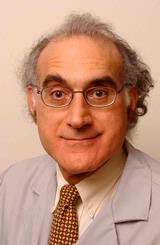
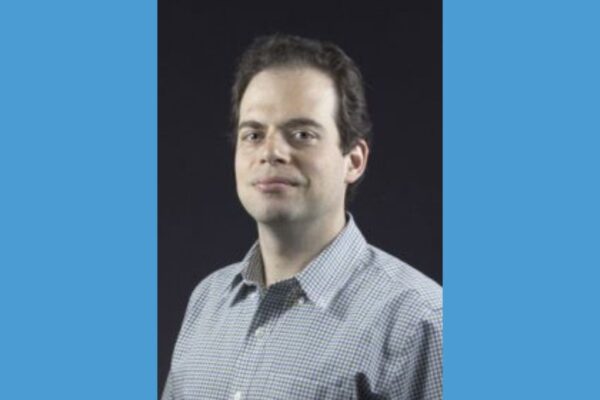
Prof. Waldemar Kolanus leads the Molecular Immunology and Cell Biology department at the University of Bonn's Life & Medical Sciences Institute (LIMES) . His research bridges immunoregulation , stem cell dynamics , and metabolic stress responses in immune cells. Unit 2 member at LIMES Principal investigator in SFB 704 and ImmunoSensation Cluster Leads a multidisciplinary lab with postdocs, PhD students, and technical staff His work focuses on intracellular signaling pathways connecting immune activation to tissue homeostasis, particularly through: Cytohesin proteins in integrin-mediated adhesion and migration TRIM71 in stem cell regulation and congenital hydrocephalus High-salt environments affecting macrophage function Publication trends show expertise in immune cell migration , genetic models , and chemical inhibition , with frequent use of mice and zebrafish for in vivo studies. Key articles explore: TRIM71's dual role in auditory development and germ cell maintenance Cytohesin family's Golgi regulation and insulin signaling Ruxolitinib's off-target migration inhibition of dendritic cells Contact details: Address: LIMES Institute, Carl-Troll-Straße 31, Bonn Email: kolanus.sekretariat@uni-bonn.de Phone: +49 228 73-62788
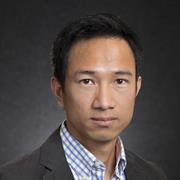
Chao Liu is an Associate Professor at the Department of Biomedical Engineering , Southern University of Science and Technology (2024.11–present). Previously, he served as an Assistant Professor at the same institution (2019–2024.11) and completed a Postdoctoral Fellowship at New York University (2016–2019) with joint appointments in the Department of Biomedical Engineering and Orthopedics at NYU Langone Health . He holds a PhD in Biomedical Engineering (2016) and MASc in Mechanical Engineering (2010) from University of Toronto , following a BASc in Engineering Science (2008). Education : PhD (IBBME, U of Toronto, 2016), MASc (Mechanical Engineering, U of Toronto, 2010), BASc (Engineering Science, U of Toronto, 2008) His research focuses on mechanobiology of stem cells , bone tissue engineering , and functional implants . He investigates how mechanical forces modulate osteogenic and angiogenic stem cells, designs implants with micro-geometry to enhance cellular activity, and develops 3D real-time imaging modalities for bone repair processes. His work spans biomechanics , regenerative medicine , and cellular mechanotransduction . The selected publications from 2022 to 2010 reveal trends in mechanical force applications for bone regeneration, pharmacological impairments in healing, nanostructured biomaterials for stem cell differentiation, and microfluidic platforms for osteocyte studies. These works are published in journals like Bone , FASEB Journal , and ACS Applied Materials & Interfaces . Scientific Awards : International Conference BME Young Investigator Award (2019), IFMRS Travel Grant (2017), ASBMR Young Investigator Grant (2016), CIHR Travel Awards (2010–2014), Ontario Graduate Scholarship (2011–2013), Barbara and Frank Milligan Fellowship (2008, 2010) Chao Liu mentors graduate students, including Zhang Jianing (2022 Master’s graduate). His lab ( https://abtrl.bme.sustech.edu.cn/ ) recruits postdocs and research assistants for projects in mechanical force applications , micro-geometric implants , and 3D imaging . He has contributed to 14 journal articles with 714 citations and presented at 6 international conferences in the past three years.
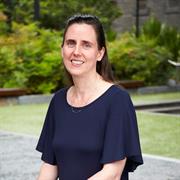
Professor Robert McLaughlin is a faculty member in the School of Biomedicine at the University of Adelaide, affiliated with the Faculty of Health and Medical Sciences. He leads the Bioengineering Imaging Group and serves as Managing Director of the start-up Miniprobes. His research focuses on developing optical imaging technologies, including non-invasive tools for blood flow assessment and miniaturized imaging probes. He has secured over $14M in research grants and holds an h-index of 45 with 98 journal papers, 7 patents, and 2 book chapters. Prof. McLaughlin’s career includes roles at the University of Oxford and Siemens Medical Solutions, followed by academic leadership since 2007. His innovations span optical coherence tomography (OCT), fluorescence imaging, and dual-modality systems for clinical applications. Awards include the 2014 WA Innovator of the Year, 2015 Australian Innovation Challenge, and 2016 South Australian Premier’s Research Fellowship. His research emphasizes practical medical solutions, such as imaging needles for deep-tissue diagnostics and optical devices for real-time surgical monitoring. The Bioengineering Imaging Group collaborates with industry and academia to translate technologies into clinical practice.
David J Mehlman, MD serves as an Associate Professor in the Department of Medicine (Cardiology) at Northwestern University's Feinberg School of Medicine, with clinical practice at Northwestern Memorial Hospital. His expertise spans echocardiography, general cardiology, and prosthetic heart valve disease management. His academic training includes: MD from Johns Hopkins University (1973) Internal Medicine Intern at Johns Hopkins Hospital (1974) Medicine Resident at Johns Hopkins Hospital (1976) Cardiology Fellowship at University of Chicago Hospitals (1978) Dr. Mehlman's research focuses on structural heart disease mechanisms and diagnostic applications, particularly in valve prostheses evaluation and exercise-induced cardiac adaptations. His work bridges clinical cardiology with cardiovascular imaging techniques to address complications in valvular interventions and transplant-related cardiomyopathies. His publication history reveals consistent contributions to cardiovascular pathology, with emphasis on aortic homograft performance, amyloidosis-related cardiac deterioration, and athlete physiology. Key methodologies involve advanced echocardiography and radiofrequency ultrasound for prosthetic valve assessment. He maintains prestigious recognition as a Castle Connolly Top Doctor across multiple years: Castle Connolly Top Doctor (2019) Castle Connolly Top Doctor (2018) Castle Connolly Top Doctor (2017) Castle Connolly Top Doctor (2016) Castle Connolly Medical Top Doctor (2006) Castle Connolly Medical Top Doctor (2005) Castle Connolly Medical Top Doctor (2005) Castle Connolly Medical Top Doctor (2004) Board certified in Internal Medicine and Cardiovascular Disease by the American Board of Internal Medicine, Dr. Mehlman integrates clinical practice with ongoing research in structural heart disease while adhering to Northwestern's professional disclosure standards.
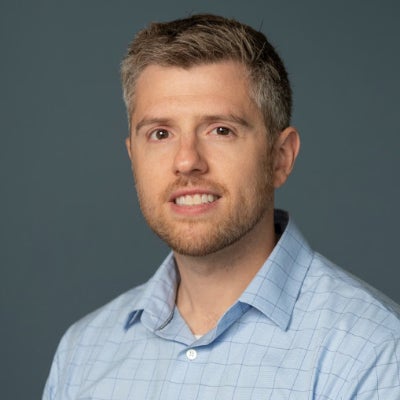
Dr. Nhiem Tran is a Senior Lecturer in the Department of Applied Chemistry and Environmental Science at RMIT University's School of Science, part of the STEM College. He joined RMIT in 2015 as a Vice Chancellor's Research Fellow after completing his PhD in Physics at Brown University (USA, 2012) and postdoctoral research at Rhode Island Hospital (USA), CSIRO, and the Australian Synchrotron. His research focuses on developing biomaterials for drug delivery, gene therapy, and medical implants, particularly lipid nanoparticles and 3D-printed metallic implants. He leads the Biomaterial Interfaces group, investigating self-assembled lipid nanoparticles for cancer and autoimmune disease treatments. His work has resulted in over 65 high-impact publications and numerous awards, including the RMIT Vice Chancellor's Research Fellowship and the Stein/Bellet Foundation Fellowship. Tran's funding comes from grants such as the ARC Discovery Project, mRNA Victoria, and the CASS Foundation. His research interests span nanomedicine, biomedical engineering, and materials science, with a focus on applications in drug delivery, bacterial infection control, and orthopaedic implants. Education: PhD in Physics (Brown University, 2012) Key Projects: 3D-printed diamond-titanium implants, lipid nanoparticle drug carriers, and antimicrobial coatings. He actively supervises postgraduate research in areas like nanomaterials for drug delivery and biomedical applications.
Professor Hala Zreiqat AM is a leading biomedical engineer at The University of Sydney , serving as the Director of the ARC Training Centre for Innovative BioEngineering . A Fellow of all major Australian academies (AAS, ATSE, FAHMS, FRSN), she develops 3D printed bioceramics for bone regeneration while championing diversity through initiatives like the IDEAL Society and BIOTech Futures mentorship program. Her work bridges academia, clinical practice, and industry in musculoskeletal research . Research Focus: Her lab creates synthetic bone scaffolds that mimic natural bone architecture, strength, and porosity, enabling non-rejected bone regeneration via patient-matched implants. Key applications include orthopaedic, dental, and maxillofacial repair , with over $18M in competitive funding and multiple patents. Current projects explore AI-driven scaffold performance prediction and anti-senescence strategies for aging-related bone loss. Scientific Trends: Recent publications highlight 3D printed nanovoxelated ceramics , antisenescence biomaterials , and multifunctional theranostic platforms . Her team integrates machine learning for scaffold design, atom probe tomography for interface analysis, and two-photon imaging for cellular monitoring in 3D environments. 2021-2022 Fulbright Senior Scholar 2018 NSW Premier's Woman of the Year 2019 Eureka Prize for Innovative Use of Technology Fellow of Australian Academy of Science (2021) Over $18M in research funding Teaching & Leadership: She designed core courses like Tissue Engineering and Nanomaterials in Medicine , mentoring 158 students in 2020 alone. As Chair of CAAR (2020-2023), she strengthens Australia-Arab collaborations. Her lab trains early-career researchers , with alumni now in academia and industry.
Dist. Professor Rachel Caruso is a Professor at RMIT University's School of Science, specializing in nanomaterials, energy storage systems, and photocatalysis. Her research focuses on advancing materials science through innovations in titanium-based nanomaterials, perovskite solar cells, and sustainable hydrogen production. She is actively involved in research supervision, offering guidance on topics like carbon capture, electrochemical CO₂ reduction, and antimicrobial surface engineering. Her work integrates machine learning for material discovery and emphasizes interdisciplinary applications in environmental and biomedical fields. Research Interests: Macromolecular Chemistry, Nanotechnology, Energy Materials, Photocatalysis, and Biomedical Applications. Supervision Projects: Includes pioneering studies on direct air capture of CO₂, graphene-based photocatalytic films, and perovskite materials for biomedical uses. Professor Caruso collaborates extensively on projects addressing global challenges such as renewable energy and antimicrobial resistance. Her contributions span over 200 publications, with notable advancements in titanium suboxide synthesis and electrocatalyst design.
Qing Cao is an Associate Professor of Materials Science and Engineering at the University of Illinois at Urbana-Champaign, with courtesy appointments in Chemistry and Electrical Engineering. He leads the Cao Research Group within the Grainger College of Engineering and serves as Deputy Editor of Science Advances. Dr. Cao received his B.S. in Chemistry from Nanjing University in 2004 and his Ph.D. in Materials Chemistry from the University of Illinois at Urbana-Champaign in 2009. After working for 9 years as a research scientist at IBM Thomas J. Watson Research Center, he returned to UIUC in 2018 as a faculty member. His research focuses on developing functional nanomaterials for unconventional electronic systems, high-performance logic devices, and low-cost energy harvesting. The Cao Research Group specifically works on: nanoelectronic devices based on novel nanomaterials; next-generation memory devices for neuromorphic and in-memory computing; monolithic 3D integration for high performance electronics; high-performance printable electronic materials; and bioelectronics for healthcare applications. His work bridges materials science, chemistry, electrical engineering, and device physics. Analysis of Dr. Cao's recent publications reveals a strong focus on electrochemical memory devices for neuromorphic computing, with significant work on carbon nanotube-based electronics and novel nanomaterials. His 2023 Nature Electronics paper on CMOS-compatible electrochemical synaptic transistors demonstrates his leadership in developing hardware solutions for deep learning acceleration. His research trajectory shows a progression from fundamental carbon nanotube device physics to more applied systems for computing and sensing applications. IBM Pat Goldberg Memorial Best Paper Award (2017) IBM Master Inventor Award (2016) MIT Technology Review TR35 (2016) Forbes '30 Under 30' (2012) and 'Most Influential All-Star Alumni' (2016) Atlantic Council Millennium Fellow (2017) US Frontiers of Engineering by National Academy of Engineering (2016, 2019) 17 IBM Invention Achievement Awards (2011-2018) Dr. Cao has secured significant research funding including NSF grants 1950182 and 2139185. His research group actively recruits graduate students and postdoctoral researchers to work on cutting-edge materials and device projects. His work has resulted in over thirty research papers and fifty patents and patent applications. He teaches graduate courses including MSE 403 (Synthesis of Materials), MSE 460 (Electronic Materials I), and MSE 488 (Optical Materials). The Cao Research Group operates within the University of Illinois' world-class facilities including the Frederick Seitz Materials Research Laboratory and Holonyak Micro and Nanotechnology Laboratory. His research has received support from NSF, DoD, DOE, and industry partners including TSMC. The group's recent $2 million project focuses on developing technology to help mobile devices learn and adapt to their surroundings.
Professor Shaun Gregory is the Director of the Centre for Biomedical Technologies at Queensland University of Technology (QUT), where he also serves as Co-Director of the Artificial Heart Frontiers Program, Founder and Director of the Heart Hackathon student team competition, and Director of the CardioRespiratory Engineering and Technology Laboratory. He holds appointments in the Faculty of Engineering, School of Mechanical, Medical & Process Engineering. His educational background includes Bachelor, Masters (research), and PhD degrees, all awarded by QUT. He also holds both NHMRC and Heart Foundation fellowships, demonstrating his significant contributions to cardiovascular research. Professor Gregory's research applies a translational approach to cardiovascular engineering with a particular focus on devices used to support or replace the heart. His work brings together multidisciplinary teams of engineering, biomedical science, design, and medicine to develop novel technical solutions for clinically relevant problems. His research has changed clinical practice on numerous occasions and assisted with the regulatory approval of medical devices. His areas of interest include mechanical circulatory support, artificial heart development, cardiovascular device engineering, and hemodynamics. His publication portfolio demonstrates a strong focus on extracorporeal membrane oxygenation (ECMO), ventricular assist devices, and cardiovascular device testing. His recent work has explored computational fluid dynamics in blood flow analysis, novel cannula design for circulatory support, and the hemodynamic effects of various cardiovascular devices. His research often bridges engineering principles with clinical applications, resulting in practical innovations in cardiac support technologies. NHMRC Fellowship Heart Foundation Fellowship President-Elect of the International Society for Mechanical Circulatory Support Professor Gregory has successfully secured more than $65 million in research funding and has published over 100 research articles in his field. He is actively involved in mentoring the next generation of researchers, currently accepting Honours, Masters, and PhD students. His CardioRespiratory Engineering and Technology Laboratory serves as a hub for interdisciplinary research that brings together engineering, biomedical science, and clinical expertise to address critical challenges in cardiovascular medicine.
Dr. Daniel Roxbury is an Associate Professor and Graduate Director at the Department of Chemical, Biomolecular and Materials Engineering within the University of Rhode Island's College of Engineering. With expertise in nanoscience and carbon nanomaterials, his research focuses on nano-bio interactions, developing functionalized nanotubes for biomedical applications and environmental monitoring through his NanoBio Engineering Laboratory. His work spans multiple disciplines including: Biomedical nanosensors Smart wearable biomaterials Targeted drug delivery systems Environmental nanotechnology Single-molecule imaging Nanotoxicology Recent publications emphasize machine learning-enhanced spectral analysis, coral reef conservation nanotechnology, and wearable stress monitoring textiles. His 2024 ACS Nano study introduces AI-driven macrophage phenotyping, while 2023 Nature Nanotechnology work explores coral reef restoration strategies using nanomaterials. Awarded the 2019 NSF CAREER grant for cellular nanometrology, he leads multiple NIH-funded projects including: $820,000 NSF CAREER: Spectral Imaging for Sub-Cellular Nanometrology $140,000 Miriam Hospital COBRE: Cortisol Detection Textiles $700,000 NSF EAGER: Multiplexed Wound Biomarker Detection His laboratory houses state-of-the-art equipment including: Near Infrared Hyperspectral Microscope Custom NIR Fluorescence Spectrometer Jasco UV/VIS/NIR Spectrophotometer Biosafety Cabinet Cell Culture Incubator Cryo-Storage System
Milos Popovic is a Professor and Director at the Institute of Biomedical Engineering, University of Toronto, and serves as Senior Scientist and Director of Research at the Toronto Rehabilitation Institute (KITE), University Health Network. He holds the Toronto Rehab Chair in Spinal Cord Injury Research and Neural Engineering and co-leads the Centre for Research in Advanced Neural Implant Applications (CRANIA). His leadership spans academic, clinical, and translational research domains in neuroengineering and rehabilitation. His research focuses on neurorehabilitation, neuroprosthetics, functional electrical stimulation (FES), brain-machine interfaces, and assistive technologies . He develops physiological control systems and therapeutic robotics to restore motor function after spinal cord injury and stroke. His work integrates biomechanics, signal processing, and human-machine interfaces to innovate rehabilitative solutions. Dr. Popovic's recent publications emphasize electrical neuromodulation, FES therapy for motor recovery, deep brain stimulation for cognitive deficits, and wearable/implantable technologies . The articles reflect a strong trend toward closed-loop systems, translational research, and interdisciplinary innovation in neuroengineering and rehabilitation. Swiss National Science Foundation Technology Transfer Award - 1st place (1997) Engineering Medal for Research and Development, Professional Engineers of Ontario (2008) Elected to the College of Fellows, American Institute of Medical and Biological Engineering (2011) 1st Prize and Best Intellectual Property Award, TiEQuest Business Venture Competition (2012) Morris (Mickey) Milner Award for Assistive Technologies (2013) University of Toronto Inventor of the Year Award (2013) University Health Network’s Inventor of the Year Award (2015) Dr. Popovic has secured significant research funding and leads the Neural Engineering and Therapeutics team at KITE. He co-founded MyndTec Inc. and the Canadian National Spinal Cord Injury Conference, demonstrating strong mentorship, innovation, and national impact. He advises graduate students and postdoctoral fellows in biomedical engineering and rehabilitation sciences. He leads the Rehabilitation Engineering Laboratory and the Neural Engineering and Therapeutics Team at KITE, fostering collaboration across engineering, neuroscience, and clinical rehabilitation. His lab develops advanced neurotechnologies with a focus on clinical translation and commercialization.
Zion Zibly, MD, MBA is an Associate Professor in the Department of Neurosurgery at Yale School of Medicine . He holds multiple leadership roles including Director of the Center of Neuromodulation , Director of the Center of Neurosurgical Cancer Pain , and Head of Stereotactic & Functional Neurosurgery and the Focused Ultrasound Institute . Previously served as Chair of Neurosurgery at Sheba Medical Center after graduating from Technion’s Faculty of Medicine (MD) and Coller School of Management (MBA). Research Interests: Specializes in Neuromodulation for movement disorders (Parkinson’s, tremors, dystonia), Deep Brain Stimulation , Gene Therapy for pediatric neurodegenerative conditions, Oncological Neurosurgery , and Neurological Pain Management . Combines Functional Neurosurgery with Focused Ultrasound technology. Scientific Contributions: Participated in pioneering Alzheimer’s brain stimulator procedures and Gene Therapy applications. Active member of the North American Association of Functional Neurosurgery and Israeli Neurosurgical Society . Clinical Expertise: Implantation of electrostimulators for Parkinson’s and essential tremor, treatment of Benign/Malignant CNS Tumors , and management of Neurological Pain Conditions . Affiliated with Yale Cancer Center and Center for Brain & Mind Health .
Yevgeny Brudno, PhD, is an Associate Professor at the Eshelman School of Pharmacy (UNC-Chapel Hill) with a joint appointment in Biomedical Engineering (UNC and NC State University). He is a member of the UNC Lineberger Comprehensive Cancer Center and leads the Brudno Lab, which specializes in drug delivery and biomaterials for cancer immunotherapy, particularly CAR T cell therapy. Research Focus: Development of implantable biotechnologies for in vivo CAR-T cell production, biomaterials for therapeutic delivery, and click chemistry-based drug targeting. Education: PhD (unspecified institution). The lab’s research bridges chemical and biomaterials science with clinical needs, emphasizing on-demand drug release , solid tumor targeting , and autoimmune disease treatments . Recent work includes bioinstructive scaffolds and tissue-reactive drug depots , leveraging click chemistry and nanomedicine . His scientific contributions are highlighted by 15 publications (2009–2025) in fields like biotechnology, cancer immunotherapy, and epigenetics. Notable awards include the NCI MERIT Award , University Faculty Scholar (NC State), and Outstanding Teacher Award (NC State). Advising: Mentored 13 PhD and Master’s students, including Sharda Pandit (2023), Chris Moody (2021), and Emily Joe (2024). Lab announcements highlight student achievements like NSF and NIH fellowships. The Brudno Lab collaborates with UNC Lineberger and NC State, focusing on streamlining therapy production , enhancing efficacy in solid tumors , and autoimmune disease applications , supported by grants from NCI and CMI.
Suradip Das is a Research Assistant Professor in the Department of Neurosurgery at the Perelman School of Medicine, University of Pennsylvania, where he serves as a Senior Research Investigator. His work bridges neural engineering and regenerative medicine to address critical challenges in nerve and muscle repair. His academic training includes: B.Tech in Biotechnology from Heritage Institute of Technology (2010) PhD in Biosciences and Bioengineering from Indian Institute of Technology Guwahati (2016) Dr. Das specializes in biomaterials development , peripheral nerve injury models , neuromuscular interface engineering , and stem cell-based regeneration . His research pioneers innervated tissue-engineered muscle constructs, demonstrating how motor neurons and endothelial cells synergistically enhance skeletal myocyte maturation. He innovates custom mechanobioreactors that apply tensile forces to guide nanofiber alignment for optimal myofiber formation, significantly advancing volumetric muscle loss treatments. Analysis of his 15 most recent publications reveals a dominant focus on neuromuscular regeneration (75% of articles), with emerging exploration of psychedelic compounds in neural repair. His work consistently integrates human iPSC-derived models , multi-cellular co-cultures , and large-animal validation to address translational gaps. Key trends include optogenetic control of motor units (2023), porcine nerve injury models (2020), and the critical role of pre-innervation in creating pro-regenerative microenvironments (2020-2022). As a core member of the Cullen Lab, Dr. Das collaborates on developing biofabricated neural microtissues for delayed nerve fusion and rapid functional recovery. His research directly informs clinical strategies for peripheral nerve repair and muscle regeneration through rigorous mechanistic studies and innovative engineering solutions.
Li Tang is an Associate Professor with tenure at École polytechnique fédérale de Lausanne (EPFL), affiliated with the Institute of Bioengineering (IBI) and the Institute of Materials Science and Engineering (IMX) within the School of Engineering (STI). She leads the Laboratory of Biomaterials for Immunoengineering, focusing on developing innovative strategies at the intersection of immunology, materials science, and cancer therapy. Her work bridges fundamental research and clinical translation, with multiple ongoing clinical trials based on CAR-T cell therapies developed in her lab. B.S. in Chemistry, Peking University (2003–2007) Ph.D. in Materials Science and Engineering, University of Illinois at Urbana-Champaign (2007–2012) Postdoctoral Fellow, MIT (2013–2016) Her research lies at the forefront of immunoengineering, integrating chemical, metabolic, and mechanical approaches to modulate immune responses. Key areas include cancer immunotherapy, immune metabolism, mechano-immunology, and biomaterials. She investigates how physical and biochemical cues can reprogram T cells, overcome exhaustion, and enhance tumor targeting. Her work emphasizes multidimensional immunity-disease interactions, aiming to develop safer and more effective therapies for cancer and autoimmune diseases. The recent publications highlight a strong trend in engineering immune cells (especially CAR-T) for enhanced durability and function, using advanced biomaterials and metabolic reprogramming. There is a clear focus on overcoming challenges in solid tumors, modulating the tumor microenvironment, and translating findings into clinical applications. The use of nanoparticle delivery, single-cell analysis, and biomechanical cues are recurring themes across her work. Notable scientific awards include: Friedrich Miescher Award (2025) ERC Starting Grant (2018) MIT TR35 Innovators Under 35 (China Region, 2020) Nano Research Young Innovator Award (2018) Biomaterials Science Emerging Investigator (2019) Materials Horizons Emerging Investigator (2020) Li Tang actively mentors PhD students across multiple doctoral programs (EDBB, EDMS, EDMX) and has advised numerous graduates who have gone on to prestigious postdoctoral and faculty positions. She is involved in significant research grants, including an Innosuisse project with Novochizol SA, and her lab is supported by competitive funding. She teaches core courses such as Immunoengineering and Next-Generation Biomaterials, shaping the next generation of scientists. Her lab fosters interdisciplinary collaboration and innovation, with active projects in chemical, metabolic, and mechanical immunoengineering, as well as CAR-T cell development. She is the Principal Investigator of the Tang Lab, which includes postdoctoral fellows, PhD students, and technical staff. The lab is actively recruiting and has a strong publication and clinical translation record. Tang Lab is also involved in multiple MA/BA training projects and promotes student engagement in cutting-edge research. The lab’s discoveries are being translated into clinical trials, reflecting a strong commitment to translational science.