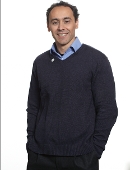
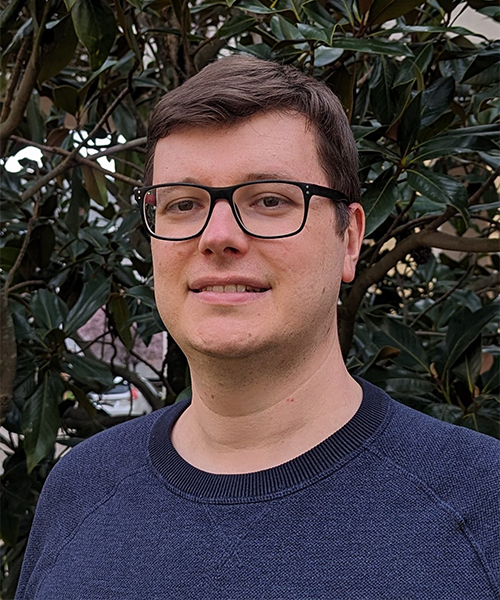
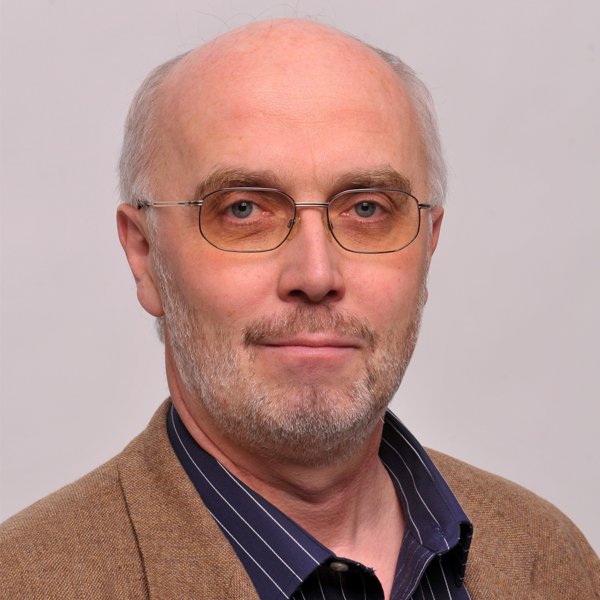
Jose M Silva is a Professor in Pathology and Oncological Sciences at Columbia University Medical School. He holds adjunct faculty status and has prior roles including Assistant Professor at Columbia and postdoctoral training at Cold Spring Harbor Laboratory. His research focuses on cancer genomics, functional networks, and translating discoveries into clinical applications. He has pioneered integrative approaches combining genomics and systems biology to identify critical cancer cell regulators, leading to clinical trials. Education: BSc, Complutense University of Madrid PhD, Autonoma University of Madrid PostDoc & Senior Fellow, Cold Spring Harbor Laboratory Research Interests: His lab investigates breast cancer development and therapeutics, including molecular characterization of tumor networks, novel drug targets (e.g., RSF1, BIN3), and clinical translation of discoveries. Current efforts target triple-negative breast cancers and aging-cancer intersections. Grants & Trials: Initiated NCT02066532 clinical trial; ongoing work includes HDAC6/STAT3 inhibition studies and single-cell atlas projects.
Dr. Irene Nobeli is a Senior Lecturer and Education Lead (PG taught courses) at the School of Natural Sciences, Birkbeck, University of London. She specializes in computational biology and chemoinformatics, focusing on regulatory RNAs, transcriptomics in health/disease, brain disorders, and small molecule roles in biology. Her work bridges bioinformatics tools development and translational research. Administrative roles include directing the MSc Bioinformatics program and organizing the Sequence Analysis and Omics module. She collaborates with research centers like the Birkbeck Institute for Data Analytics (BIDA) and the Institute of Structural Molecular Biology (ISMB). Research interests span bioinformatics methodologies, Mycobacterium genomics, neurodevelopmental disorders, and computational drug design. Notable contributions include developing flexiMAP (alternative polyadenylation analysis) and baerhunter (bacterial non-coding RNA detection). Publications highlight her expertise in transcriptomics, bacterial pathogenesis, and neurobiological mechanisms. She actively engages in advancing computational methods for genomic data interpretation and translational medicine.
Fabien Duveau is a CNRS Researcher at the Laboratory of Biology and Modelling of the Cell (LBMC) at École Normale Supérieure de Lyon. He leads the eGRIDE project, funded by an ERC Consolidator Grant, investigating evolutionary mechanisms of gene regulation in dynamic environments. His work focuses on understanding how gene expression plasticity and mutational effects shape organismal adaptation. Duveau holds a PhD from Université Paris 7/CNRS (2011), followed by postdoctoral research at the University of Michigan and Université Paris 7. He joined LBMC in 2019 as part of Gaël Yvert’s team, supported by an ANR Young Researchers grant. His research integrates experimental and computational approaches, including high-throughput RNA sequencing and genetic mapping in yeast ( Saccharomyces cerevisiae ), to study how regulatory evolution balances mutational randomness and environmental selection pressures. Key areas include gene expression noise, cis/trans regulatory variation, and fitness outcomes under environmental stress. Recognitions include the prestigious ERC Consolidator Grant (2024), awarded for innovative projects advancing fundamental biological understanding. Duveau collaborates across disciplines, combining evolutionary genetics with systems biology to predict regulatory evolution in natural and pathological contexts.
Charles L. White is Professor of Pathology at UT Southwestern Medical Center, where he holds the Nancy R. McCune Distinguished Chair in Alzheimer Disease Research. He has served as Director of Neuropathology at UT Southwestern since completing his residency and fellowship training in anatomic pathology and neuropathology at Johns Hopkins in 1983. Dr. White also directs the Neuropathology Core of the UT Southwestern Alzheimer Disease Research Center (established 1988) and the Winspear Family Special Center for Research on the Neuropathology of Alzheimer's Disease (established 2002). Dr. White completed his medical and pathology training at Johns Hopkins University, establishing a career focused on neurodegenerative brain disorders. His educational background forms the foundation for his dual expertise in clinical neuropathology and research investigation. Dr. White's research spans multiple critical areas of neuropathology: Pathological mechanisms of Alzheimer's disease and related dementias Tau protein aggregation and propagation across neurodegenerative conditions Diagnostic criteria and staging systems for various neuropathologies Genetic and molecular underpinnings of frontotemporal lobar degeneration Chronic traumatic encephalopathy and its relationship to other neurodegenerative conditions Development of artificial intelligence approaches for neuropathological assessment Analysis of Dr. White's extensive publication record reveals a consistent focus on defining and characterizing neurodegenerative disease processes through rigorous pathological examination. His work frequently addresses diagnostic criteria, disease classification systems, and the molecular mechanisms underlying various neurodegenerative conditions. There is particular emphasis on tau pathology across multiple disease states, including Alzheimer's disease, primary age-related tauopathy (PART), and chronic traumatic encephalopathy (CTE). His research often involves large collaborative efforts with multiple institutions, reflecting the complex, multidisciplinary nature of modern neuropathological research. Dr. White has received significant recognition for his contributions to the field: Award for Meritorious Contributions to Neuropathology from the American Association of Neuropathologists (2020) Nancy R. McCune Distinguished Chair in Alzheimer Disease Research As an educator and mentor, Dr. White serves as Training Director for the Neuropathology Fellowship program at UT Southwestern, an ACGME-accredited, 2-year training program. Twenty-two trainees have completed the program and become board certified by the American Board of Pathology in the subspecialty of Neuropathology. He has held significant leadership positions including past president of the American Association of Neuropathologists, the national professional organization for neuropathologists in the US. His mentorship extends to numerous research collaborations where he guides junior investigators in neuropathological research methods and interpretation. Dr. White directs multiple research centers including the Neuropathology Core of the UT Southwestern Alzheimer Disease Research Center and the Winspear Family Special Center for Research on the Neuropathology of Alzheimer's Disease. His laboratory work focuses on understanding the pathological mechanisms of neurodegenerative diseases, particularly those involving protein misfolding and aggregation. His team employs advanced techniques including immunohistochemistry, molecular pathology, and increasingly, artificial intelligence approaches to analyze neuropathological specimens.
Dr. Thomas C Wood is an Associate Professor in the School of Integrative Studies at George Mason University, where he has been since 1996. His roles include directing the Environmental Studies on the Piedmont research station and co-developing the Smithsonian Mason Semester program. He specializes in conservation biology, ecology, and science education reform. Education: PhD in Environmental Science and Public Policy (George Mason University, 2006), MS in Animal Science (Louisiana State University, 1988), BS in Animal Science (UC Davis, 1986) Dr. Wood's research focuses on biodiversity monitoring, environmental DNA applications, population dynamics of species like mole salamanders, and the intersection of science with civic engagement. He leads NSF-funded initiatives like SENCER, aiming to improve science education. His recent publications address global environmental challenges, including Amazon deforestation, climate change impacts on tropical forests, and biodiversity conservation strategies. These works often integrate ecological data with policy recommendations. Scientific Awards: George Mason University Excellence in Teaching Award SENCER Senior Leadership Fellow Dr. Wood advises students on projects ranging from conservation biology to education reform and directs Mason's scientific diving program. His career emphasizes interdisciplinary collaboration and practical applications of ecological research.
Dr. Zihang Lu is an Assistant Professor in the Department of Public Health Sciences at Queen’s University, affiliated with the School of Medicine and Faculty of Health Sciences. He holds a PhD and MSc in Biostatistics from the University of Toronto (2020 and 2013) and a BSc in Biostatistics from Southern Medical University (2012). His research focuses on developing novel statistical and machine learning methods for complex data analysis, with applications in clinical and epidemiological studies, particularly in asthma, obesity, sleep, pain, and cancer research. He collaborates with clinicians to address statistical challenges in longitudinal and functional data analysis, Bayesian modeling, and integrative clustering. Education : PhD in Biostatistics, University of Toronto (2020) MSc in Biostatistics, University of Toronto (2013) BSc in Biostatistics, Southern Medical University (2012) Research Interests : Bayesian data analysis and variable selection Longitudinal and functional data clustering High-dimensional data integration Statistical methods for disease subtyping Design and analysis of observational studies Advising & Grants : Current advisees: Caroline Lee (MSc 2022), Veronique Rowley (2021), Zhiwen Tan (PhD 2022), Mojtaba Ahmadiankalati (MSc 2021) Recruiting CANSSI Distinguished Post-Doctoral Fellow for Bayesian methods in longitudinal health data analysis Accepting MSc/PhD students for 2023 Labs & Teams : His team focuses on statistical methodology development and clinical collaborations, with active projects in pediatric lung function (e.g., the CHILD Cohort Study) and chronic disease management.
Pilar Blancafort is an Associate Professor at The University of Western Australia (UWA), holding positions in the School of Human Sciences and UWA Medical School. She is affiliated with the UWA Centre for Medical Research and collaborates with the Harry Perkins Institute of Medical Research. Her research focuses on epigenetic manipulation in cancer models, particularly breast and ovarian cancers, leveraging CRISPR/Cas9 and genome engineering technologies to develop precision medicine tools. She has co-led projects such as the Lionheart FX Automated High-Content Microscope initiative and actively investigates therapeutic reprogramming of cellular signaling pathways to improve cancer treatment outcomes. Blancafort’s research expertise includes genome engineering, cancer epigenetics, and women’s cancers. She collaborates internationally and has contributed to over 70 publications, 14 datasets, and 43 grants. Her work aligns with UN Sustainable Development Goals, emphasizing global health and innovation in medical research. Key areas of exploration involve reactivating tumor suppressors, silencing oncogenic drivers, and enhancing immune responses through CRISPR-based systems. Her studies on the PI3K-AKT-mTOR pathway and novel oncogenes further underscore her commitment to advancing targeted therapies. Blancafort has supervised 11 students and leads multiple grants, including projects on metastatic breast cancer therapies and ovarian cancer reprogramming. Her lab at the UWA Centre for Medical Research explores translational strategies for epigenome editing in cancer, with a focus on clinical applicability. Recent work highlights lipid nanoparticle delivery systems for CRISPR/dCas9 and synthetic epigenetic approaches to reverse mesenchymal-epithelial transitions in breast cancer.
Gunther Zupanc is a Professor of Biology at Northeastern University's College of Science. His research focuses on neural mechanisms underlying structural plasticity in adult vertebrate nervous systems, particularly adult neurogenesis and neuronal regeneration in teleost fish. He leads the Laboratory of Neurobiology, combining cellular, neuroanatomical, and behavioral approaches to study neuron replacement and network dynamics. His work explores evolutionary factors limiting neurogenesis in mammals versus non-mammalian species, aiming to inform regenerative therapies for neural injuries and diseases. Education details are not explicitly provided in the text, but his expertise spans behavioral neurobiology, comparative neurobiology, and regenerative biology. Key research themes include stem cell populations in spinal cord regeneration, spatiotemporal neurogenesis patterns, and transcriptomic analysis of knifefish neural systems. His articles emphasize interdisciplinary methods bridging genetics, proteomics, and computational modeling. Zupanc’s research has been featured in collaborative studies with institutions like the Agar Lab, focusing on transcriptome validation in electrosensory systems. He recently advised doctoral candidates Meining Carly Ching, Tommy Tashjian, and Antonia Vitalo, who successfully defended their dissertations in Fall 2019. His lab is located in the Mugar Life Sciences Building, Room 134, Boston.
Samah Fodeh is an Associate Professor in the Department of Emergency Medicine at Yale School of Medicine, with a secondary appointment in Biostatistics and affiliation with the VA Connecticut Healthcare System. Her research focuses on leveraging AI and machine learning to improve patient-centered care, particularly in healthcare communication, opioid addiction, HIV outcomes, and pandemic response. She leads the Fodeh Lab and collaborates on NIH-funded projects like the Bridge2AI Program. Education: PhD in Biomedical Informatics from Michigan State University (2010). Research Interests: Her work integrates AI techniques to analyze patient-generated and clinical data, including social media and electronic health records. Key areas include detecting patient preferences, improving pain care quality, and addressing public health crises like opioid misuse and suicide risk through Twitter-based analyses. She also develops predictive models for fall risks in aging populations with HIV. Publications: Over 39 peer-reviewed articles, emphasizing AI-driven solutions in healthcare. Recent work includes risk models for HIV patients, opioid misuse detection on social media, and pandemic-related sentiment analysis. Labs/Teams: Director of the Fodeh Lab, part of Yale’s Data Mining and Health Informatics initiatives. Collaborates with interdisciplinary teams at the Yale School of Public Health and computational biology programs.
Odelya Hartung Kaufman, MD, PhD, is a Clinical Geneticist and Associate Research Scientist in the Department of Genetics at Yale School of Medicine. She specializes in diagnosing and managing genetic conditions in children and adults, with expertise in developmental disabilities, inherited eye disorders, hearing loss, and congenital birth defects. Her research focuses on genetic mechanisms underlying early embryonic defects, human infertility (e.g., unexplained female infertility and recurrent pregnancy loss), and rare undiagnosed diseases via the Undiagnosed Disease Network. Education & Training: MD and PhD in Biomedical Sciences from Albert Einstein College of Medicine (2016) Pediatrics and Medical Genetics Residency at Mount Sinai Hospital (2020) Research Interests: Dr. Kaufman’s work combines clinical practice with research into genetic causes of rare diseases. Her studies utilize zebrafish models to investigate RNA binding proteins’ roles in ovary development and Balbiani body architecture. Recent publications highlight advancements in understanding nutrient sensing pathways and genetic mutations linked to syndromes like Shwachman–Diamond syndrome. Awards & Grants: No specific awards listed, though her work aligns with NIH-funded initiatives through the Undiagnosed Disease Network. Grants and funding sources are not detailed in the provided text. Labs & Teams: Member of the Jiang Lab at Yale School of Medicine, collaborating on interdisciplinary projects at the intersection of genetics and clinical care.
Overview Francesc Lopez-Giraldez is a Research Scientist in Genetics at the Yale School of Medicine, with affiliations in the Yale Center for Genome Analysis (YCGA) and the Center for Biomedical Data Science. His research focuses on integrating genomics, bioinformatics, and molecular biology to address complex biological and clinical questions in areas such as cancer, neurodevelopmental disorders, and immune-related diseases. Education PhD in Evolutionary Genetics, Autonomous University of Barcelona (2006) MSc in Health and Life Sciences, Pompeu Fabra University (2004) BS in Biology, University of Girona (2000) Research Interests Lopez-Giraldez’s work spans genetics, immunology, and computational biology. Key areas include: Genetic mechanisms underlying congenital heart diseases and neurodevelopmental disorders Bioinformatic analysis of cancer genomics and immune checkpoint resistance Role of mTOR signaling in vascular and neurological pathologies Spatial transcriptomics to study tumor microenvironments and autoimmune diseases Key Contributions Recent publications highlight his interdisciplinary approach, such as: Identifying genetic contributions to congenital heart diseases Elucidating mTOR dysregulation in lissencephaly Exploring immune checkpoint inhibitors’ resistance mechanisms in lung cancer Awards & Recognition Recipient of the National Cancer Institute Research Specialist Award (R50) in 2023, recognizing his innovative contributions to biomedical data science and translational research. Collaborations Lopez-Giraldez collaborates with leading researchers, including Jeffrey Townsend (Yale), Murat Gunel (Neurology), and Kasia Politi (Oncology), to advance team science in precision medicine and genomics. Labs & Teams He contributes to the Yale Center for Genome Analysis (YCGA) and the Yale Cancer Center, focusing on genomic data integration and bioinformatics pipelines for clinical research.
Sylvie Morin is a Full Professor in the Department of Chemistry at York University, affiliated with the Faculty of Science. She holds a Canada Research Chair in Surface and Interfacial Electrochemistry and has been recognized with awards such as the Premier’s Research Excellence Award (2004) and the Petro-Canada Young Innovator Award (2000). Her research focuses on electrochemical systems, nanomaterials, and energy storage solutions, particularly exploring electrodeposition techniques and nanostructured coatings for catalytic applications. Dr. Morin’s educational background includes a Ph.D. in Chemistry from the University of Ottawa (1996), an M.Sc. from the University of Guelph (1991), and a B.Sc. in Honours Chemistry from Université de Sherbrooke (1988). She has held academic positions at York University since 1999, including roles as Associate Dean and Interim Director of One WATER. Her research group collaborates on projects involving hydrogen production via water electrolysis and the development of sustainable electrocatalysts. Her research interests span scanning tunneling microscopy (STM), electrochemistry of transition metal oxides, and functionalized surfaces for biomedical analysis. Key projects include investigating nanostructured materials for energy conversion and corrosion-resistant coatings from deep eutectic solvents. Dr. Morin has supervised numerous graduate students and postdoctoral researchers, contributing to the training of high-quality human resources in materials science and electrochemistry. Scientific awards include: Canada Research Chair (2001–2010) York University’s Petro-Canada Young Innovator Award (2000) Alexander von Humboldt Research Fellowship (Germany, 1996–1999) Her research has been funded through grants supporting interdisciplinary work in electrochemistry, materials science, and sustainable energy technologies. Collaborations include studies on vaccine adjuvants and viral genome organization, demonstrating her cross-cutting scientific contributions. Dr. Morin’s lab focuses on advancing low-dimensional material systems, with ongoing projects exploring novel electrodeposition methods and the structural-properties relationships in nanomaterials.
Per Erik Ahlberg is a Professor of Evolutionary Organismal Biology at Uppsala University since 2003. His research spans vertebrate paleontology, evolutionary developmental biology, and the origins of key morphological innovations in jawed vertebrates and tetrapods. Academic Affiliations: Uppsala University (2003-present), The Natural History Museum, London (1994-2003), University of Oxford (1989-1994) Leadership Roles: Head of Subdepartment, Director of SciLifeLab Uppsala's Zebrafish Facility Research Focus: His work investigates the evolutionary transitions from fish to tetrapods, jaw development, and the integration of fossil evidence with developmental genetics. He employs synchrotron imaging and comparative anatomy to analyze ancient vertebrate structures. Grant History: Recipient of major grants including five awards from the Swedish Research Council (2003-2019), two ERC grants (2008 and 2021), and multiple Wallenberg Scholarships (2010-2020), totaling over €6 million in direct funding. Scientific Contributions: His publications in Nature and Science have redefined understanding of early vertebrate evolution, with notable discoveries about tetrapod trackways (2010), neural crest development (2005), and placoderm jaw anatomy. Honors: Elected to Royal Swedish Academy of Sciences (2012), Linnaeus Gold Medal (2012), Wallenberg Scholarship (2010, renewed 2016)
Dr. Susanne Kooistra is a Research Professor in the Faculty of Medical Sciences at the University of Groningen, affiliated with the University Medical Center Groningen (UMCG). She leads the Senescence, Stem Cells, and Inflammation (SSI) research group, focusing on neuroinflammation, microglial biology, and epigenetic regulation in neurological disorders. Her work spans multiple sclerosis, Alzheimer’s disease, and developmental neurobiology, emphasizing the role of microglia in disease progression and repair mechanisms. Her research integrates transcriptomic and epigenetic approaches to study immune responses in the central nervous system, particularly in contexts of aging, injury, and developmental stressors. Collaborations with institutions like the UMCG and international teams have advanced insights into microglial heterogeneity, myelin repair, and the impact of environmental factors on neurodevelopmental outcomes. Dr. Kooistra’s publications highlight contributions to understanding microglial function in demyelination, stress-induced immune modulation, and epigenetic memory in neuroinflammation. Her work has been recognized through high-impact journals and international peer-reviewed contributions, with a focus on translating basic discoveries into clinical insights for neurodegenerative diseases.
Hattie Chung is an Assistant Professor of Medicine and Molecular, Cellular and Developmental Biology at Yale University, affiliated with the Cardiovascular Research Center. She holds appointments in multiple departments including Internal Medicine, Molecular Cell Biology, and the Yale Center for Research on Aging. Her research focuses on cellular heterogeneity and tissue organization using cutting-edge single-cell and spatial genomics technologies, addressing ovarian aging, cardiovascular disease, and drug perturbation modeling. Education: PhD in Systems Biology (Harvard University, 2016); BS in Biological Engineering (MIT, 2011). Postdoctoral training at the Broad Institute of MIT/Harvard. She leads an interdisciplinary team developing novel computational and experimental methods for genomic analysis. Research Interests: Systems biology approaches to cellular organization, single-cell genomics, spatial transcriptomics, translational medicine for cardiovascular diseases, and aging mechanisms. Her lab integrates computational models with experimental data to predict therapeutic responses and study disease mechanisms. Lab affiliations include the Yale Cardiovascular Research Center (YCVRC), Yale Center for Research on Aging (Y-Age), and the Program in Physical and Engineering Biology. Teaching includes MCDB 370: Biotechnology.