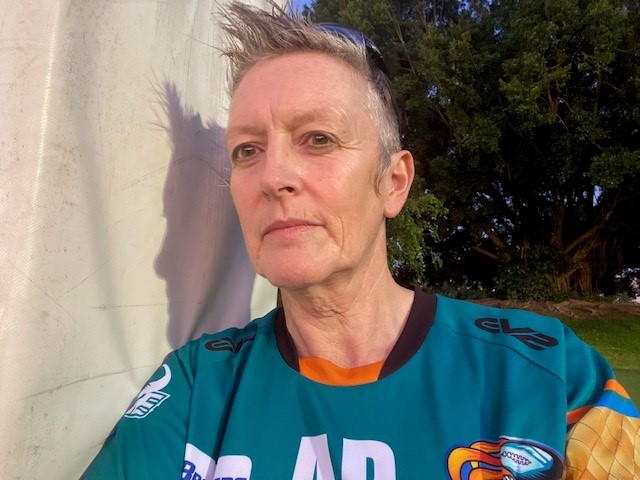
Dr Nga Wun (Doris) Li is a Senior Lecturer at the University of Technology Sydney (UTS) within the Faculty of Design, Architecture and Building, Department of Fashion and Textiles. She leads research in seamless knitting technology, smart textiles, and sustainable fashion innovation. PhD in Fashion & Textile Design (HK PolyU, 2021) BA (Hons) in Fashion & Textiles (HK PolyU, 2012) Certifications in Wholegarment Machine (Shima Seiki, Japan) and Higher Education Pedagogy (UTS) Her research focuses on functional garments, knitting technology, and bio-informed textile design. Key projects include smart socks for DVT prevention , one-size sports bras , and buoyant swimwear for children . She combines knitting with machine learning and 3D printing for material innovation. Recent publications highlight her work on compression textiles (2025), wearable glucose sensors (2025), and knitted metasurfaces for acoustic comfort (2024). She has secured AU$52,000+ in grants across 5 funded projects. Fashion Design Award (Jeanswest, China) Outstanding Presentation & Research Paper Awards (2024) Dr Li supervises PhD and MPhil students in smart textiles and sustainable design while coordinating machine knitting courses. She collaborates with AiDLab (Hong Kong) and Powerhouse Museum (Australia).
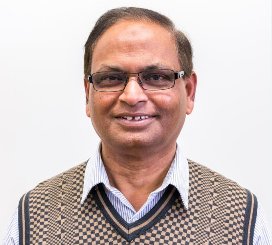
Mandy Plumb is an Associate Professor in Clinical Exercise Physiology at the School of Science and Technology, University of New England (UNE), Armidale Campus. Her work integrates neuroscience, motor control, and sports science to address critical gaps in pediatric neurodevelopmental disorders and female athlete development, with strong community engagement through The Female Co initiative. Education: Bachelor of Clinical Exercise Physiology (2023), University of New England PhD in Orthopaedic Surgery (2005), University of Aberdeen, Scotland, UK BSc (Hons) in Sports Science (2000), University of Wales, Bangor, UK Research Interests: Dr. Plumb's primary focus spans two interconnected domains: (1) Pediatric neurodevelopmental disorders, where she investigates motor proficiency, sleep patterns, and mental wellbeing in children with ADHD, Autism, and Developmental Coordination Disorder using fNIRS brain imaging and biomechanical analysis; and (2) Female athlete development, particularly for Aboriginal and Torres Strait Islander women and girls from remote Australia, through The Female Co's holistic programs combining athletic testing, strength conditioning, and recovery monitoring. Her work bridges clinical exercise physiology with community-based interventions to address health disparities. Publication Trends: Analysis of her 15 most recent publications (2019-2024) reveals three dominant research thrusts: motor control in neurodevelopmental disorders (35% of articles), sports injury epidemiology in cricket (27%), and female athlete performance optimization (20%). Methodologically, she increasingly employs neuroimaging (fNIRS) alongside biomechanical analysis, with growing emphasis on community-level interventions and health equity for underserved populations. Scientific Awards: Senior Fellow, Higher Education Academy Advising and Grants: Dr. Plumb has successfully supervised 3 PhD, 50 Master's, and 46 Honours students to completion, with current mentorship of 1 MPhil and 1 Master's candidate. Her research is supported through strategic partnerships with Exercise and Sports Science Australia (serving on Course Accreditation Committee since 2021), Sports Medicine Australia, and The Female Co, focusing on grants related to neurodevelopmental interventions and athlete development programs for remote communities. Labs and Teams: As Board Member and Athletic Performance Lead for The Female Co, she directs comprehensive programs including baseline athlete testing, sleep monitoring, strength and conditioning, and recovery protocols for emerging female athletes from discrete remote regions. Her campus-based work utilizes UNE's motor control laboratories equipped for fNIRS, motion capture, and biomechanical analysis, with strong ties to the Applied Agricultural Remote Sensing Centre for community health mapping.
Laura Diamond is an Associate Professor at Griffith University's School of Health Sciences and Social Work and Deputy Director of the Australian Centre for Precision Health and Technology (PRECISE). She is also an NHMRC Emerging Leadership Fellow with a background in biomedical engineering (B.Eng and M.A.Sc. from Dalhousie University, Canada) and a PhD in biomechanics from The University of Melbourne. Her research focuses on developing and applying novel technologies to understand and treat biomechanical mechanisms of musculoskeletal and orthopaedic conditions. Griffith University, School of Health Sciences and Social Work (2018-present) Member of The Australian Centre for Precision Health and Technology (2025-present) Research Lead at Griffith Centre of Biomedical and Rehabilitation Engineering (2018-2024) Honorary Research Fellow at University of Queensland (2016-present) Laura Diamond's research interests center on biomechanics, orthopaedics, and precision health technology for musculoskeletal conditions. Her work integrates computational modeling, neuromusculoskeletal analysis, and advanced technology development to address challenges in hip osteoarthritis, femoroacetabular impingement, and movement disorders. She has pioneered approaches using EMG-informed modeling, physics-informed neural networks, and smart garment technology for real-world biomechanical assessment and rehabilitation. Her 15 most recent publications reveal a strong focus on hip biomechanics, osteoarthritis, and computational modeling. The research spans from fundamental biomechanical investigations to clinical applications, with particular emphasis on joint contact forces, muscle function, and movement analysis in pathological conditions. Recent work increasingly incorporates machine learning and AI approaches for real-time biomechanical assessment. Over 20 research awards and prizes More than AU$19 million in competitive research funding Two patents Over 90 scientific papers and book chapters Laura Diamond has a strong record of research mentoring and training, with 8 PhD completions and currently supervising 10 PhD candidates. Her funded research projects exceed AU$19 million, including major grants from NHMRC, Motor Accident Insurance Commission, and other competitive funding bodies. She is actively involved in the Griffith Centre of Biomedical and Rehabilitation Engineering (GCORE) and leads the Australian Centre for Precision Health and Technology (PRECISE). As an advocate for women in STEM, she has developed mentoring programs to encourage schoolgirls' participation in biomechanics and related fields, demonstrating her commitment to both research excellence and community engagement.
Sam Wu is a Senior Lecturer in Exercise Science at Swinburne University of Technology's School of Health Sciences, where he has been instrumental in developing the Exercise Science degree program. He also holds an adjunct Associate Professor position at Shanghai University of Medicine and Health Sciences, demonstrating international academic collaboration. Dr. Wu's research focuses on exercise physiology with practical applications for athletic performance, aging populations, and clinical conditions. His work spans compression garments for recovery, pacing strategies in cycling, hormonal responses to training interventions, subjective exercise responses, respiratory control mechanisms, and exercise interventions for health improvement across diverse populations. His research integrates biomechanical analysis with physiological measurements to develop evidence-based exercise protocols. Analysis of his recent publications reveals a strong emphasis on translational research connecting laboratory findings to practical applications. His work frequently examines biomechanical aspects of movement, physiological responses to exercise stressors, and innovative interventions for performance enhancement and health maintenance. A notable trend is his growing focus on the gut-muscle axis in aging populations and the role of extracellular vesicles in exercise adaptation. ECR SUPRA Award (2018) Dr. Wu actively supervises multiple PhD students and has secured substantial grant funding from industry partners including Lallemand Health Solutions, Cannvalate Pty Ltd, and BASF. His collaborative research network spans Australia and international institutions, with particular emphasis on translating research findings into practical applications for athletes, older adults, and clinical populations. He has developed web-based repository systems for muscle strength monitoring and investigated various nutritional and mechanical interventions for performance enhancement and recovery.
Dr. Scott Mayson is a Senior Lecturer in the School of Design at RMIT University, Australia. He holds leadership roles including former Interim Dean, Associate Dean of Research & Innovation, and Deputy Chair of CHEAN (Ethics Committee). His research focuses on virtual reality development, computational design, sustainable/inclusive apparel, footwear, and additive manufacturing. He is a Fellow of the Design Institute of Australia and has exhibited work internationally. Students under his supervision have won prestigious awards like Red Dot, IF, Dyson, and Good Design Australia. Research Interests: Industrial design innovation across product/apparel sectors Virtual Reality integration in creative practice Computational methods for sustainable design Inclusive fashion systems addressing body diversity Additive manufacturing for customizable solutions Teaching & Supervision: Maintains studios in Industrial Design, VR/XR tools, and additive manufacturing for over 20 years. Open to supervising PhD/Masters students in digital fashion, sustainable design systems, and wearable technology innovation. Professional Contributions: Program Management experience across academic programs Ethics committee leadership (CHEAN) Advocacy for design excellence through industry collaborations
Dr. Braid Macrae is a Senior Research Fellow in the Department of Fashion & Textiles at RMIT University, specializing in advanced textile applications for extreme environments, biomedical engineering, and human physiological systems. His work integrates material science with clinical and aerospace applications, particularly focusing on compression garments, thermal regulation systems, and extravehicular activity (EVA) technologies for space exploration. Research interests include: Textile-based solutions for spaceflight (e.g., skinsuits, pressure garments) Thermal physiology and sensor technology validation Cerebrovascular autoregulation and cardiovascular dynamics Material properties of protective clothing for firefighting and occupational safety Notable contributions include developing mechanical-loading countermeasure skinsuits to mitigate post-spaceflight sensorimotor dysfunction and advancing methodologies for contact thermometry in clinical and environmental settings. His interdisciplinary approach bridges fashion design, biomedical engineering, and aerospace systems. Collaborations involve international teams in aerospace medicine, materials engineering, and physiology, with active participation in conferences such as the International Conference on Environmental Systems. Current research emphasizes optimizing wearable technology for extreme environments and translational applications in healthcare and space exploration.
Dean Brough is an Adjunct Senior Lecturer in the School of Design at Queensland University of Technology’s Faculty of Creative Industries, Education & Social Justice. He is also the Academic Lead for Work Integrated Learning, bringing extensive experience from both academia and the fashion industry. His work bridges design, health, and technology, with a focus on protective and performance apparel for sub-tropical climates. Master of Arts (Research), Queensland University of Technology B Arts in Fashion (Honours), University of Manchester Institute of Science and Technology Diploma of Teaching, QUT Dip Clothing Design and Management, University of Manchester Institute of Science and Technology Advanced Diploma of Fashion, TAFE Cert IV Assessment & Workplace Training, TAFE Cert of Fashion Studies, TAFE Cert TCF Export Education, TAFE Dean’s research is centered on health-integrated fashion, including bio-textiles grown from living bacteria, and wearable technology. His creative practice has been exhibited internationally at the Queensland Art Gallery, ARC Biennial, and Mercedes Benz Fashion Festival. He has also received the Design Institute of Australia Award for innovation in design practice. His recent publications reflect a strong trend in transdisciplinary design education, safety-focused apparel for night-time visibility, and sustainable, socially responsive design. These works highlight his commitment to real-world impact through design innovation and pedagogy. Design Institute of Australia Award Dean has contributed to research supervision and collaborative projects in design education and public health. His work on shade benchmarking in playgrounds and visibility in athletic wear demonstrates a focus on grants and initiatives related to public safety and health. He is involved in building educational alliances for social impact, such as the Education for Social Impact Network. He has been instrumental in developing curricula that prepare future design professionals through experiential learning and transdisciplinary collaboration. His technical expertise spans computer-aided pattern design, digital embroidery, and complex garment production, reflecting a deep integration of craft and digital innovation in fashion.
Murray Adams is an Associate Professor in Haematology at the School of Medical, Molecular and Forensic Sciences, Murdoch University. His work bridges cardiovascular medicine, haematology, and cell biology with a focus on thrombosis and haemostasis. BSc in Medical Science, Curtin University (1992) BSc (Honours) in Medical Science, Curtin University (1993) PhD in Biomedical Science, Curtin University (1999) Research interests center on platelet interactions in antiphospholipid syndrome, thrombosis, and haemostasis. Projects explore how travel, exercise, and blood flow restriction training influence blood coagulation, with a focus on tissue factor pathway abnormalities and biomarker discovery. Key article themes include platelet biology, thrombosis mechanisms, and exercise-induced hemostatic changes. His work spans clinical studies (e.g., compression socks in athletes), molecular investigations (e.g., TRPV1 channels), and autoimmune disease research. Current affiliations include Murdoch University and the Australasian Society of Thrombosis and Haemostasis. He has received grants such as the Clifford Craig Medical Trust Grants (2007) and Lupus research funding ($10,000, 2007).
Dr. Jawairia Khan is a Research Consultant at the University of Technology Sydney (UTS) School of Design and concurrently a Lecturer at the University of Agriculture Faisalabad, Pakistan, in Fiber and Textile Technology. She holds a PhD in Analytical Chemistry from the University of Wollongong, with a research focus bridging materials science and textile engineering. Her work emphasizes functional materials for wearable biosensors, nanophotonic probes, and low-cost microfluidic platforms for point-of-care diagnostics. Key projects include developing fiber-based electronic sensors for continuous glucose monitoring and integrating upconversion nanoprobes into flexible textile substrates for next-generation healthcare technologies. Education: PhD in Analytical Chemistry (University of Wollongong, 2017–2021), MSc and BSc in Textile Engineering (National Textile University, Faisalabad). Professional roles include Postdoctoral Researcher at UTS Institute for Biomedical Materials and Devices (2021–present), and industry experience as a Manager in textile manufacturing and Pharmacy Technician. She has contributed to funded projects like the 'Next-Generation Textile-Based Wearable Sensor for Continuous Healthcare Monitoring' (UTS Collaboration Grant) and mesothelioma research (iCare Dust Diseases Care Grant). Research interests span wearable biosensors, nanotechnology, microfluidics, and medical diagnostics. She teaches courses such as Materials Chemistry, Advanced Materials, and Analytical Chemistry. Languages: English (proficient in peer review), Urdu (proficient). Affiliated with UTS's IBMD and actively involved in organizing academic events like the IBMD Research Week.
Professor Mohammed Quaddus is a faculty member at Curtin University's School of Management and Marketing (part of the Faculty of Business and Law). His academic roles include serving as Deputy Dean and Acting Director in various departments. He holds a PhD from the University of Pittsburgh and has extensive experience in research and administrative leadership. Research Interests: His work focuses on supply chain resilience, sustainability, logistics, tourism, and decision systems. Notable areas include diffusion modeling, behavioral marketing, ICT integration in tourism, and risk management in complex networks. He employs methodologies like QFD, PLS-SEM, and fsQCA. Publications Trends: Recent work emphasizes resilience in extreme disruptions (healthcare, tourism), blockchain in food supply chains, and cybersecurity dynamics. His 2024 articles address health operational resilience, data-driven innovation, and cyberbullying analysis. Earlier contributions explore RFID adoption, supply chain dynamics in fast fashion, and sustainability practices in apparel/garment industries. Grants & Advising: While specific grants aren't listed, his research aligns with industry challenges in manufacturing, agriculture, and tourism. He has advised on doctoral projects in supply chain resilience, though no student names are explicitly mentioned. Labs & Teams: Engaged in collaborative research with Curtin's Graduate School of Business and cross-disciplinary teams on projects like green supply chains (Thai rubber industry) and poultry sustainability in Bangladesh.
Dr. Simone L. Harrison is an Associate Professor at James Cook University's College of Public Health, Medical and Veterinary Sciences, specializing in the School of Public Health and Tropical Medicine. Her research focuses on ultraviolet radiation epidemiology and skin cancer prevention in tropical environments, with particular emphasis on childhood exposure risks and behavioral interventions. She leads major longitudinal studies including the 24-year Townsville preschool cohort and the North Queensland Sun-Safe Clothing randomized controlled trial. Her research interests center on UV radiation exposure dynamics in tropical climates, melanoma risk factors across the lifespan, and evidence-based sun protection strategies. She has pioneered methodologies for measuring personal UV exposure through electronic journals and parametric human modeling, while developing rigorous frameworks for evaluating sun-protective clothing efficacy. Her work bridges environmental science, public health policy, and clinical dermatology to address Australia's high skin cancer burden. Analysis of her recent publications reveals a strategic shift from basic UV measurement techniques toward behavioral interventions and policy implementation. Her work increasingly examines occupational exposures (teachers, outdoor workers), childhood protection strategies, and the complex relationship between UV exposure, vitamin D synthesis, and immune function. The tropical Queensland context provides a critical natural laboratory for studying extreme UV environments. Dr. Harrison actively collaborates with international research groups including the EPI-HPV-UV-CA consortium, contributing to multicenter studies on post-transplant skin cancer and papillomavirus interactions. Her research informs Australian sun protection standards and school policies, with demonstrated impact on public health guidelines for early childhood settings and outdoor workplaces. Her laboratory work integrates environmental monitoring, human behavioral observation, and computational modeling to create comprehensive risk assessment frameworks. Current projects examine dynamic shade characteristics of urban infrastructure, keratinocyte cancer risk factors, and immunosuppressive effects of UV radiation on vaccine responses, positioning her at the forefront of translational photobiology research.
Professor Olga Troynikov is a Discipline Leader in the School of Engineering at RMIT University, specializing in functional materials and human-centered engineering. Her research focuses on protective materials for extreme conditions and vulnerable populations, such as infants and the elderly, combining materials science, physiology, and ergonomics. She collaborates internationally with institutions like RWTH Aachen University and the University of Sheffield, emphasizing applied research and commercialization. Olga supervises PhD and Master's students and maintains strong industry partnerships for technology ventures. Education Background: Transitioned from industry R&D roles to academia, maintaining a focus on real-world problem-solving. Research Collaborations: Partnerships with global institutions and industries to accelerate technology adoption and commercialization. Her work addresses challenges for workers in high-risk environments (firefighters, miners) and improves well-being through smart textiles and ergonomic systems. Key research areas include thermal management in protective clothing and material innovations for healthcare applications. Olga's teaching emphasizes interdisciplinary approaches, integrating materials science with human physiology to design functional garments. She is actively involved in supervising research projects on topics like infant thermal environments and photonic textile materials. Her academic networks span academia, government, and industry, enabling her to anticipate trends in disruptive technologies and establish best practices for their implementation.
Professor Rajiv Padhye is a leading academic and researcher in textile science at RMIT University, serving as Director of the Centre for Materials Innovation and Future Fashion (CMIFF). He holds a PhD from the University of Leeds and has over 35 years of experience in academia and industry, including roles as Head of the School of Fashion and Clothing at SNDT University and a TAFE teacher in Melbourne. His research focuses on nanotechnology, medical textiles, eco-friendly textile processes, and protective clothing for military, firefighting, and sports applications. He has secured $8.3 million in research funding and led projects with organizations like the Defence Materials Technology Centre and CSIRO. Notable contributions include patents for 'Soft Ballistic Fabric' and commercialization agreements with industry partners. Awards include RMIT's Research Leadership Award and Fellow of the Textile Institute. Education: Doctoral (PhD) Degree in Textile Science, University of Leeds, UK Undergraduate Degrees in Textile Engineering, Mumbai University, India Research Interests: Rajiv's expertise spans eco-friendly dyeing, nanotechnology applications in textiles, medical textiles (e.g., drug delivery systems), and protective fabrics for specialized use cases. His work emphasizes sustainability, innovation, and industry collaboration. Grants & Patents: Two joint patents: 'Soft Ballistic Fabric' and 'Deployable Air Bags' Commercialization agreements for abrasion-resistant sports fabrics and sensor-integrated firefighter uniforms $8.3M research projects with industry partners like Australian Wool Innovation Labs & Collaborations: Leads the CMIFF, focusing on future fashion and material innovations. Collaborates with CSIRO on nanofibre drug delivery systems and with aerospace organizations on spacesuit design.
Dr. Carolina Quintero Rodriguez is a Senior Lecturer and Program Manager of the Bachelor of Fashion (Enterprise) program at RMIT University's Fashion & Textiles department within the College of Design and Social Context. With over 20 years of industry experience in product design and development, she focuses on functional clothing engineering to meet wearer-specific needs through material science. Her work emphasizes cross-cultural collaboration and industry partnerships, strengthening academic-industrial ties globally. She is open to supervising Masters and PhD students and actively engages in media commentary and advisory roles. Carolina's research interests include product design frameworks, functional clothing innovation, and sustainable fashion practices linked to UN SDGs 12 (Responsible Consumption) and 4 (Quality Education). She explores how pedagogical approaches like Industry Partnered Learning (IPL) enhance employability and educational outcomes. Her teaching and engagement have been recognized through awards such as the 2023 AAUT Citation and 2022 RMIT Excellence Award. Teaching & Supervision: Manages the Fashion Enterprise program, integrating work-integrated learning (WIL) and career development learning (CDL) into curricula. Media & Public Engagement: Contributed to The Conversation, The Guardian, and events like Melbourne Fashion Week and Australian Sports Innovation Week. Grants & Collaborations: Developed projects such as 'Strategic fusion of CDL and WIL' and 'An innovative model in industry partnered learning for fashion focused programs,' highlighted in institutional publications and videos. Labs/Teams: Part of RMIT's Learning and Teaching DSC initiatives and collaborates with the Australian Collaborative Education Network (ACEN).
Dr. Icaro Ibanez Arricivita is a Lecturer in the School of Design at Queensland University of Technology (QUT), specializing in Fashion Design. He holds a Bachelor Honours in Fashion and Textile from the University of Southampton. His research focuses on innovative applications of fashion design in healthcare contexts, prosthetics customization, and cross-cultural design practices. His work bridges fashion with interdisciplinary fields such as healthcare and cultural studies, as seen in recent projects like aesthetic prosthetic customization and hospital uniform design. Publications span topics from Asia-Pacific fashion education to international cultural exchanges through World Expositions. No scientific awards or grants are explicitly listed in the provided materials. Professional activities include active engagement on LinkedIn, X (formerly Twitter), and Scopus. His teaching emphasizes transforming traditional design education paradigms through interdisciplinary approaches.