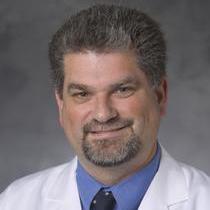
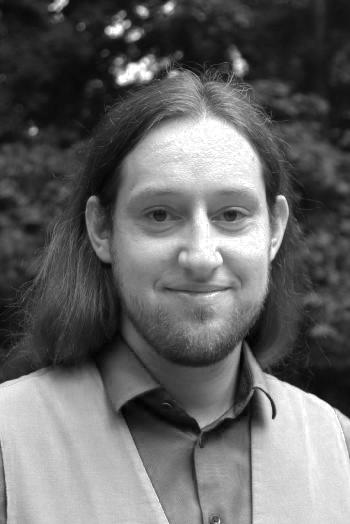
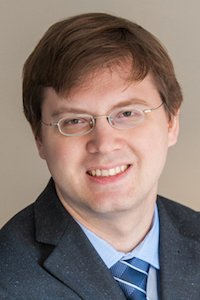
Krishna Jayantمشاهده پروفایل
استادیار
- Neuroscience
- Nanoscience
- Neural Engineering
- +۳ مورد دیگر
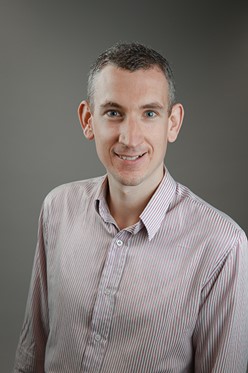
Dr. Krishna Jayant serves as Assistant Professor of Biomedical Engineering in Purdue University's College of Engineering, where he joined in 2019. His research bridges nanoscience and neuroscience to develop advanced neural interfaces and imaging tools for studying neural circuit computation. Education background: Bachelor of Engineering in Electrical Engineering, National Institute of Technology (NIT), India Master of Science in Electrical Engineering, Cornell University Doctor of Philosophy in Electrical Engineering, Cornell University His primary research focuses on creating nanoprobes and integrated electronic systems that integrate with two-photon microscopy and electrophysiology to investigate how synaptic and dendritic mechanisms influence neural circuit function. This interdisciplinary work combines electrical engineering, materials science, and neuroscience to decode fundamental neural computation processes in both healthy and diseased states. Analysis of his 15 most recent publications reveals dominant themes in dendritic computation, neural circuit dynamics, and neurodegenerative disease mechanisms. Key trends include the development of conductive polymer neural interfaces, energy-efficient wireless implants using biphasic quasistatic communication, and advanced techniques like two-photon holographic uncaging to probe dendritic integration in Parkinson's disease models and sensory processing. Scientific Awards: While specific current advisees aren't listed, Dr. Jayant's program at Purdue likely involves mentoring graduate students in neural engineering. His innovative work in neural interfaces and circuit analysis is expected to attract significant research funding from agencies like NIH and NSF, though specific grants aren't detailed in available materials. Dr. Jayant leads a laboratory that develops cutting-edge tools including flexible electrodes for multimodal neural recording and nanoprobes for intracellular electrophysiology. His team maintains active collaborations with Columbia University and the University of Bologna to translate fundamental neuroscience discoveries into applications for neurological disorders and brain-computer interfaces.