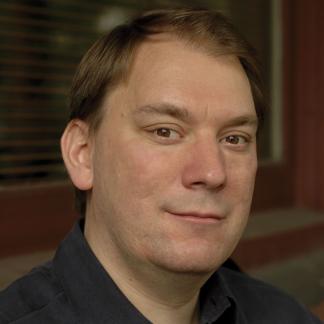
Russell Epstein is a Professor and Director of Graduate Studies in the Department of Psychology at the University of Pennsylvania. He is affiliated with the Center for Cognitive Neuroscience and Goddard Labs. His research focuses on neural mechanisms underlying visual scene perception, spatial navigation, and memory. Epstein holds a BA in Physics from the University of Chicago and a PhD in Applied Mathematics from Harvard University. Epstein’s research interests include high-level vision, spatial cognition, and the neural basis of environmental representations. His lab uses functional MRI and cognitive neuroscience techniques to study how scenes, objects, landmarks, and spaces are encoded in brain systems such as the parahippocampal place area and retrosplenial cortex. Recent work explores cognitive maps, grid-like neural representations, and the role of multisensory cues in navigation. His articles emphasize spatial navigation strategies, hierarchical cognitive maps, and the interplay between perception and memory. Notable contributions include investigations into hippocampal spatial metrics, olfactory navigation, and the neural underpinnings of environmental learning. Epstein teaches courses on cognitive neuroscience, including PSYC 149 and PSYC 600. He advises two graduate students in Psychology and has no listed scientific awards. His work is supported by grants (unspecified) and conducted within collaborative teams at the Center for Cognitive Neuroscience. Epstein’s research extends to labs focused on spatial cognition and neuroimaging, advancing understanding of how humans mentally map environments through visual and sensory integration.
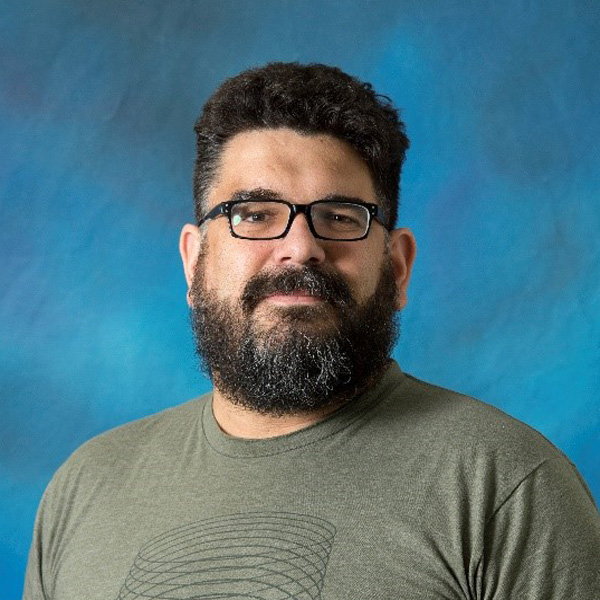
Brent Doiron is a Professor at the University of Chicago, holding appointments in the Departments of Neurobiology and Statistics, and serving on the Committee on Computational and Applied Mathematics (CCAM). His research integrates nonlinear dynamics and statistical mechanics to study neural circuit variability, focusing on mechanisms underlying neural coding and network learning through collaborations with experimentalists in sensory systems. Education: PhD in Physics (University of Ottawa, 2004) Postdoc: Center for Neural Science at New York University (2017) Previous Roles: Mathematics Professor at University of Pittsburgh (2007-2020), Co-Director of Neural Computation Program at Carnegie Mellon Neuroscience Institute Research interests center on neuronal population dynamics, recurrent circuit mechanisms, and computational neuroscience. Current work investigates correlated variability in cortical networks, inter-areal communication, and stochastic spiking models. Recent publications emphasize cortical stability/gain modulation, asynchronous/synchronous activity balance, and Bayesian inference frameworks. Key themes include sensory processing, network plasticity, and dimensionality reduction in neural coding. Scientific Awards Alfred P. Sloan Research Fellowship in Neuroscience Vannevar Bush Faculty Fellowship Chancellor’s Distinguished Research Award (University of Pittsburgh) Active grants include NIH R01 and R90/T90 awards for neuronal dynamics research and computational neuroscience training programs.
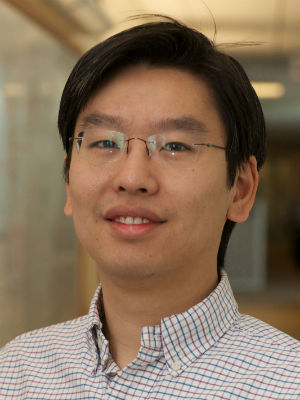
Katerina Fragkiadaki is the JPMorgan Chase Associate Professor of Computer Science in the Machine Learning Department at Carnegie Mellon University. She works at the intersection of Artificial Intelligence, Computer Vision, Machine Learning, Language Understanding, and Robotics. PhD from GRASP Lab, University of Pennsylvania Postdoctoral researcher at UC Berkeley (with Jitendra Malik) and Google Research Recipient of NSF CAREER, DARPA Young Investigator, Amazon, Google, Sony, UPMC, and AFOSR awards Organizer of CoRL 2023 Workshop on Generalist Robots ICLR 2024 Program Chair, multiple area chair roles Her research group focuses on developing machines that autonomously improve world models through human-environment interactions, with specific emphasis on: Representation learning and video understanding 2D/3D unified vision-language models Generative simulation and reinforcement learning Real2Sim/Sim2Real robot learning Continual learning and spatial common sense 3D scene reconstruction and dynamics Recent publications highlight advancements in: 3D mesh generation with compositional transformers Unified 2D/3D perception frameworks Physics-aware generative models Diffusion-based robotic manipulation policies Embodied agents with memory prompting Awards include: 2024: DARPA Young Investigator Award 2023: Amazon Faculty Award 2022: Sony Faculty Research Award 2021: UPMC Faculty Research Award 2020: NSF CAREER Award 2019: Google Faculty Award Key collaborations span institutions including UC Berkeley, Google Research, Stanford, MIT, and University of Tsukuba. Her work bridges theoretical innovation with practical applications in: Autonomous robot manipulation 4D world modeling Language-grounded perception Visual dynamics prediction Embodied program synthesis Physics-based simulation engines
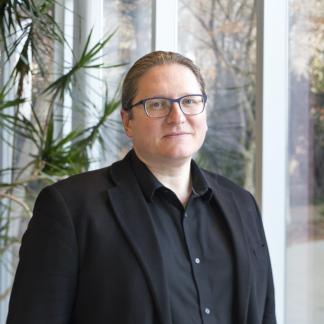
Harris H. Wang is an Associate Professor in the Department of Systems Biology and Department of Pathology and Cell Biology at Columbia University's Vagelos College of Physicians and Surgeons, where he also serves as Interim Chair of Systems Biology. He is affiliated with the Center for Computational Biology and Bioinformatics (C2B2) and the Integrated Program in Cellular, Molecular and Biomedical Studies (CMBS). B.S., Physics and Mathematics, MIT Ph.D., Biophysics, Harvard University Dr. Wang's research lies at the intersection of systems and synthetic biology, focusing on developing foundational technologies for genome engineering, microbiome manipulation, and synthetic genomics. His lab pioneers methods such as MAGE, MAGIC, CAST, and CAMII to enable high-throughput genetic manipulation, in situ microbiome engineering, and AI-driven microbial culturomics. Key research themes include understanding microbial community dynamics, engineering cellular memory systems, designing biocontained genetic circuits, and applying synthetic biology to human health challenges in personalized medicine and infectious disease. His recent publications reveal a strong trend in spatial and functional metagenomics, CRISPR-based microbiome editing, and synthetic biology tools for data storage and genetic stability. The articles span high-impact journals like Nature , Science , and Nature Biotechnology , reflecting his leadership in developing scalable, programmable biological systems. Scientific Awards: NIH Director’s Early Independence Award Forbes 30 Under 30 in Science Sloan Research Fellowship NSF CAREER Award ONR Young Investigator Award Burroughs Wellcome Fund PATH Award Schaefer Scholar Blavatnik National Award Vilcek Prize PECASE Dr. Wang has advised numerous PhD and postdoctoral researchers, many of whom have gone on to independent scientific careers. His lab is supported by major grants from NIH, NSF, DARPA, DOE, and foundations including the Bill & Melinda Gates Foundation and CZ Biohub NY. He is actively involved in educational initiatives, including organizing Columbia’s iGEM team and the Cold Spring Harbor Laboratory Synthetic Biology course. The Wang Lab is based at the Columbia University Irving Medical Center and is part of national consortia such as the Engineering Biology Research Consortium (EBRC) and the Genome Project-Write (GP-Write) initiative. The lab develops and applies cutting-edge technologies in automation, machine learning, and synthetic biology to engineer microbiomes for applications in medicine, global health, and climate change.
Sriram Subramaniam is a Professor in the Department of Biochemistry and Molecular Biology at the University of British Columbia (UBC) and holds the Gobind Khorana Canada Excellence Research Chair in Precision Cancer Drug Design. His research leverages cryo-electron microscopy (cryo-EM) to advance structural biology and drug design, focusing on protein dynamics and therapeutic target identification. Education: PhD in Physical Chemistry (1987) from Stanford University; MSc in Chemistry (1981) from Indian Institute of Technology, Kanpur. Subramaniam's interdisciplinary work combines cryo-EM with computational tools and molecular biology to study protein structures at atomic resolution. His lab has pioneered cryo-EM applications in precision medicine, including mapping small molecule drugs on patient-specific cancer mutants. Recent publications (2024-2022) highlight his contributions to understanding SARS-CoV-2 immune evasion, structural mechanisms of ATPases, and AI integration in structural biology. His research spans viral entry mechanisms, CRISPR systems, and neurodegenerative disease pathways. Scientific Awards: Gobind Khorana Canada Excellence Research Chair NIH Director’s Award for Scientific Excellence Fellow of the Biophysical Society Breakthrough Prize nomination Based at the Djavad Mowafaghian Center for Brain Health, Subramaniam leads the Program in Cryo-EM Guided Drug Design, contributing to over 177 peer-reviewed publications with a career h-index of 58 and citations exceeding 12,340.
Joseph Kable is the Jean-Marie Kneeley President's Distinguished Professor of Psychology at the University of Pennsylvania's Department of Psychology within the School of Arts and Sciences. His research integrates experimental economics, cognitive neuroscience, and personality psychology to investigate the neural and psychological mechanisms underlying decision-making. He explores how subjective value is represented in the brain, deviations from rational choice theory, and individual differences in decision processes. His lab employs fMRI and interdisciplinary methods to study topics like risk tolerance, impulsivity, and neural plasticity. Education: BS in Chemistry from Emory University (undergraduate), PhD in Neuroscience from the University of Pennsylvania (doctoral). Research focuses on behavioral and cognitive neuroscience mechanisms of choice, including studies on temporal predictions, value signals, and brain structure-function relationships. His recent work examines how neural markers correlate with decision-making variability across individuals. He currently advises graduate students in Psychology and has post-doctoral researchers in his lab. Associated with MindCORE, Penn's hub for integrative mind research. Lab activities include undergraduate research programs and active studies exploring decision neuroscience and neuroeconomics.
Adrien Desjardins is a Professor at the University of British Columbia, jointly appointed in the Department of Mechanical Engineering and Department of Electrical and Computer Engineering within the Faculty of Applied Science. He joined UBC in 2024 after serving as a Full Professor at University College London from 2019-2024, following 13 years on faculty there. His educational background includes a B.Sc. from UBC (2001) and a Ph.D. from MIT and Harvard University (2007). Dr. Desjardins' research program focuses on interdisciplinary development of imaging and sensing modalities and autonomous robotics with marine and biomedical applications. His work integrates photonics, ultrasound, machine learning, and robotics to create innovative diagnostic tools and sensing systems, particularly in optical coherence tomography, diffuse optical spectroscopy, and photoacoustic imaging. His publication record reveals an evolution from foundational neuroimaging work (2001) toward increasingly sophisticated optical systems culminating in breakthroughs like ultrasensitive optical microresonators for ultrasound sensing (2017), demonstrating consistent innovation in biomedical optics with growing emphasis on machine learning integration and real-world applications. His scientific contributions have been recognized through prestigious awards: Research Chair from the Royal Academy of Engineering Healthcare Technologies Challenge Award from EPSRC Starting grants from ERC, EPSRC, and Royal Society World Economic Forum Young Scientist (2015) UCL Provost Teaching Prize (2013) Dr. Desjardins actively mentors graduate students and secures major research funding through competitive grants, with current openings for January/September 2025 intakes. His program involves close industry collaboration indicating strong translational focus, though specific lab names aren't mentioned. The interdisciplinary nature of his work suggests teams spanning engineering, computer science, and medical disciplines working on next-generation imaging systems for healthcare and marine exploration.
Aisha Ameen is a Researcher in the Department of Veterinary and Animal Sciences (Pathobiological Sciences) at the University of Copenhagen's Faculty of Health and Medical Sciences, holding dual appointments as Research Assistant and Guest Researcher. Her research centers on Alzheimer's disease mechanisms with emphasis on astrocyte metabolism, glucose/glutamate dynamics, and short/medium-chain fatty acid roles. She employs functional metabolic mapping, dMRI, immunohistochemistry, and hiPSC models to investigate neurodegenerative processes at cellular and systemic levels. Analysis of her 2022-2025 publications reveals consistent focus on metabolic dysregulation in Alzheimer's pathology, particularly astrocyte energy substrate competition and fatty acid interventions. Her work bridges neuroscience, metabolism, and translational disease modeling with significant citation impact and media attention.
Alexis Battle is an Associate Professor at Johns Hopkins University with appointments in Biomedical Engineering , Computer Science , and Genetic Medicine (secondary). She directs the Malone Center for Engineering in Healthcare and serves as Deputy Director of the Data Science and AI Institute . Educated at Stanford University (PhD in Computer Science, 2013), Battle transitioned to academia after leadership roles at Google. Research Focus: Battle’s work bridges genomics and machine learning , emphasizing the impact of genetic variation on human health. Her lab develops tools like Watershed to predict functional effects of rare variants, aiming to enhance rare disease diagnosis. Key themes include non-coding DNA analysis , personalized genomics , and systems biology , with applications in cardiovascular disease and neurodegenerative disorders . Publications & Awards: Over 60 peer-reviewed articles in journals like Nature , Science , and Genome Biology , with recent emphasis on single-cell transcriptomics , multiomics integration , and telomere biology . Recipient of the President’s Frontier Award (2022), Microsoft Investigator Fellowship (2019), and Searle Scholar (2016). Scientific Awards: 2022 President’s Frontier Award 2019 Microsoft Investigator Fellowship 2019 Johns Hopkins Discovery Award 2017 Johns Hopkins Catalyst Award 2016 Searle Scholar Advising & Funding: Mentors 11 PhD students, 3 undergraduates, and postdoctoral fellows. Her research is funded by NIH, Searle Scholars, and institutional grants. The Battle Lab collaborates on projects like the GTEx Consortium , focusing on gene regulation and clinical genomics .
Belkis Ezgi Arikan is a researcher at Justus Liebig University Giessen , affiliated with the Department of Psychology and Sports Science . Her work focuses on sensorimotor integration, tactile suppression, and neural mechanisms underlying action-outcome monitoring. She collaborates with Prof. Dr. Fiehler and Dr. Voudouris on project A4 (Predictive somatosensory processing during voluntary movements). Department: Psychology and Sports Science Collaborators: Dr. Dimitris Voudouris, Prof. Dr. Katja Fiehler Her research investigates: How the brain processes self-generated vs. externally generated sensory feedback Neural correlates of tactile suppression networks Role of cerebellum and angular gyrus in temporal recalibration Modulation of BOLD responses during action monitoring Recent publications reveal trends in predictive coding , sensorimotor recalibration , and neural suppression mechanisms across tactile, visual, and multisensory domains. Her work employs neuroimaging techniques like fMRI and behavioral paradigms to study self-motion perception and feedback processing. She contributes to understanding how the brain distinguishes self-initiated from external sensory events, with implications for motor learning and perceptual timing mechanisms.
Professor Martin Schrimpf is a Tenure Track Assistant Professor at EPFL, holding dual appointments in the School of Life Sciences (SV) and the School of Computer and Communication Sciences (IC). His research bridges computational neuroscience, deep learning, and cognitive science to model human natural intelligence in vision and language. He leads the NeuroAI Lab, focusing on aligning artificial neural networks with brain mechanisms and human behavior. Education: PhD in Brain and Cognitive Sciences from MIT (2017–2022), MSc in Software Engineering from TUM/LMU/UNA (2014–2017), and BSc in Information Systems from TUM (2011–2014). His work has been recognized with awards including the Neuro-Irv Open Science Prize, McGovern Fellowship, and Takeda AI+Health Fellowship. He co-founded Integreat, a social impact startup recognized with Google.org’s Impact Challenge and TUM’s Social Impact Award. Research interests include neuroAI, brain-like models, and clinical translation (e.g., visual prosthetics). He has published in top venues like Neuron, Nature Human Behavior, NeurIPS, and ICLR. Current projects involve developing topographic language models (TopoLM) and investigating causal language network interactions using LLMs. Teaching: Courses include Neuroscience Foundations for Engineers and Brain-like Computation and Intelligence . Supervised over 26 students, including PhD candidates Badr Alkhamissi, Ben Lönnqvist, and Yingtian Tang. Active in grants from SNSF, NeuroX, and EPFL’s AI Center. Labs/Teams: NeuroAI Lab at EPFL Neuro-X Institute. Future directions include advancing brain-inspired models for clinical applications and expanding interdisciplinary collaborations between neuroscience and AI.
Mayank R. Mehta is a Professor at the University of California, Los Angeles (UCLA), holding joint appointments in the Departments of Physics & Astronomy, Neurology, and Neurobiology. He is a member of the Brain Research Institute and the W. M. Keck Center for Neurophysics at UCLA. His research bridges experimental and theoretical neuroscience, focusing on how neuronal networks encode space-time, the role of brain rhythms in learning and memory, and the impact of sleep and virtual reality on neural dynamics. His recent publications highlight breakthroughs in understanding hippocampal spatiotemporal selectivity, dendritic activity during behavior, and the causal influence of visual cues on memory neurons. Notable findings include the discovery that dendrites generate ten times more spikes than neuronal cell bodies and the modulation of hippocampal theta rhythms in virtual reality. Research Themes: Neurophysics of spatial-temporal coding Dendritic contributions to learning Virtual reality and brain plasticity Neural oscillations in memory consolidation Key Collaborators: Bert Sakmann (Max Planck Florida Institute) Thomas Hahn (Bernstein Center Heidelberg/Mannheim) Maryam Ghorbani (UCLA) Mehta's lab at UCLA trains graduate and postdoctoral researchers in cutting-edge techniques combining hardware development, electrophysiological recordings, and biophysical modeling. His work has significant implications for treating learning and memory disorders like Alzheimer's disease.
Dr. Birgit Frauscher is the Lincoln Financial Group Distinguished Professor in Neurobiology at Duke University School of Medicine, where she serves as Professor of Neurology and holds a secondary appointment in the Department of Biomedical Engineering at the Duke Pratt School of Engineering. She is currently the Director of the Duke Comprehensive Epilepsy Center and leads the Analytical Neurophysiology (ANPHY) Lab. Her clinical and research work focuses on epilepsy and sleep medicine, utilizing both invasive and non-invasive electrical recordings to study brain activity in humans. Dr. Frauscher completed her medical training, neurology residency, and subspecialty training in electroencephalography, epilepsy, and sleep medicine at the Medical University of Innsbruck in Austria. After completing her clinical training in 2008, she earned her habilitation degree in 2011. She further specialized in intracranial EEG and signal analysis during a visiting professorship at the Montreal Neurological Institute and Hospital, McGill University (2013-2015), where she later served as an Attending Epileptologist and Group Leader of Epilepsy. Her research interests focus on developing novel seizure-independent EEG markers for the epileptogenic zone, investigating sleep-epilepsy interactions, and using intracranial EEG to study brain physiology during wakefulness and sleep. Her work aims to improve epilepsy diagnosis, prognosis, and treatment outcomes by better localizing the epileptic focus. Dr. Frauscher's recent publications demonstrate her continued leadership in epilepsy research, with over 170 peer-reviewed papers and an H-index of 62. Dr. Frauscher has received several prestigious awards including the Clinician-Scientist awards of the FRSQ (2018-2023), the Michael Prize of the International League against Epilepsy (2019), and the Ernst Niedermeyer Prize from the Austrian Epilepsy Society (2015). Her scholarly work has significantly advanced clinical knowledge in epilepsy and sleep medicine, establishing her as a leading figure in the field. As Director of the Duke Comprehensive Epilepsy Center and head of the ANPHY lab, Dr. Frauscher oversees a research program dedicated to advancing neuroscience through innovative approaches to studying brain activity. Her lab employs quantifiable tools to investigate neurophysiological and pathological processes related to epilepsy and sleep, with the ultimate goal of improving patient outcomes through better understanding of brain function.
Thomas Perlmann is a Professor in Molecular Developmental Biology at the Karolinska Institutet , leading research at the Department of Cell and Molecular Biology and serving as Director of the Stockholm Branch of the Ludwig Institute for Cancer Research. He also holds the position of Secretary General of the Nobel Assembly and Nobel Committee for Physiology or Medicine since 2016. Ph.D. , Karolinska Institutet, 1991 M.Sc. , Stockholm University, 1987 Research Interests : The Perlmann lab investigates the specification and maintenance of dopamine neurons in the central nervous system, with a focus on transcriptional regulation , signaling pathways , and regenerative medicine applications for Parkinson’s disease and other neurodegenerative disorders. His work bridges developmental biology and neuroscience , emphasizing the role of transcription factors in neuronal identity and function. Recent Research Trends : Perlmann’s recent publications highlight the use of single-cell RNA sequencing to dissect dopamine neuron heterogeneity , epigenetic regulation during development, and transcriptomic changes in Parkinson’s disease models. His studies increasingly leverage multiomics and bioinformatics to map neuronal lineage trajectories and gene expression dynamics. Scientific Awards : Royal Medal by HM the King (2025) Nicholson Lecturer, Rockefeller University (2011) Göran Gustafsson Prize in Molecular Biology (1999) Eric K. Fernström Young Investigator Prize (1997) Advising & Collaborations : While no student names are explicitly listed, Perlmann collaborates extensively with researchers such as Malin Parmar , Agnete Kirkeby , and Per Svenningsson on projects related to neuronal development and cell therapy . His lab receives funding from institutions like the Ludwig Institute for Cancer Research . Labs & Teams : The Perlmann Lab at Karolinska Institutet includes researchers like Linda Gillberg , Laura Lahti , and Behzad Yaghmaeian Salmani , who work on mouse models , single-cell transcriptomics , and bioinformatics to study dopamine neuron biology.
Marc V Fuccillo is an Associate Professor of Neuroscience at the Perelman School of Medicine, University of Pennsylvania, where he leads a research laboratory focused on understanding the neural circuit mechanisms underlying behavioral control. His work bridges molecular, synaptic, and behavioral approaches to investigate how striatal circuits regulate mouse behavior from simple motor patterns to complex goal-directed actions. Fuccillo holds dual appointments in the Neuroscience and Cell and Molecular Biology Graduate Groups at Penn and maintains an active laboratory investigating the synaptic and circuit basis of neuropsychiatric disorders. Education: B.A. in Molecular and Cellular Biology and Music Performance (Violin) from Brown University (1998) Ph.D. in Developmental Genetics from New York University School of Medicine (2007) M.D. from New York University School of Medicine (2008) Fuccillo's research centers on the synaptic and circuit mechanisms of behavioral control, with particular emphasis on striatal circuits. His laboratory employs a range of technologies including mouse genetics, in vitro electrophysiology, in vivo imaging, and quantitative behavioral analysis to explore how neural circuits of the striatum regulate behavior and how disruptions in these circuits contribute to neuropsychiatric disorders. His work has particularly focused on autism-associated abnormalities in behavioral control, examining how synaptic adhesion molecules like neuroligins and neurexins shape circuit function and behavior, with significant findings regarding D1 dopamine receptor positive medium spiny neurons in the nucleus accumbens. Analysis of Fuccillo's recent publications reveals a strong focus on striatal circuit function across multiple dimensions. His work spans molecular neuroscience (examining synaptic adhesion molecules), cellular physiology (studying specific neuron types in striatal circuits), systems neuroscience (mapping circuit connectivity), and behavioral neuroscience (quantifying motor learning and decision-making). A unifying theme is how disruptions in specific molecular pathways lead to circuit-level abnormalities that manifest as behavioral phenotypes relevant to neuropsychiatric disorders, with particular attention to autism, OCD, and schizophrenia models. Scientific Recognition: Publications in high-impact journals including Nature Neuroscience, Current Biology, Cell Reports, and Neuron Research supported by multiple NIH grants including NIMH F32, NIMH K01, and HHMI Gilliam Fellowship awards for lab members Fuccillo actively mentors a diverse group of trainees including postdoctoral fellows, graduate students, and undergraduates. His laboratory has produced numerous successful alumni who have gone on to faculty positions, medical residencies, and graduate programs at prestigious institutions. His mentoring approach emphasizes technical skill development across multiple neuroscience disciplines while fostering independent scientific thinking. Current research in his lab is supported by NIH funding focused on understanding the molecular architecture of striatal circuits and their role in behavioral control, with three major research directions exploring molecular logic of striatal circuits, circuit mechanisms of behavioral control, and striatal dysfunction in neuropsychiatric disease models. The Fuccillo Laboratory operates within the Department of Neuroscience at the University of Pennsylvania, with access to state-of-the-art facilities for molecular, electrophysiological, imaging, and behavioral neuroscience research. The lab maintains active collaborations with other neuroscience research groups at Penn and beyond, creating a rich intellectual environment for studying the neural basis of behavior. Current research directions include investigating whether there is a molecular logic to striatal circuit composition, how striatal circuits shape behavioral control, and what mouse models of autism, schizophrenia, and OCD can reveal about striatal circuit dysfunction in disease pathophysiology.