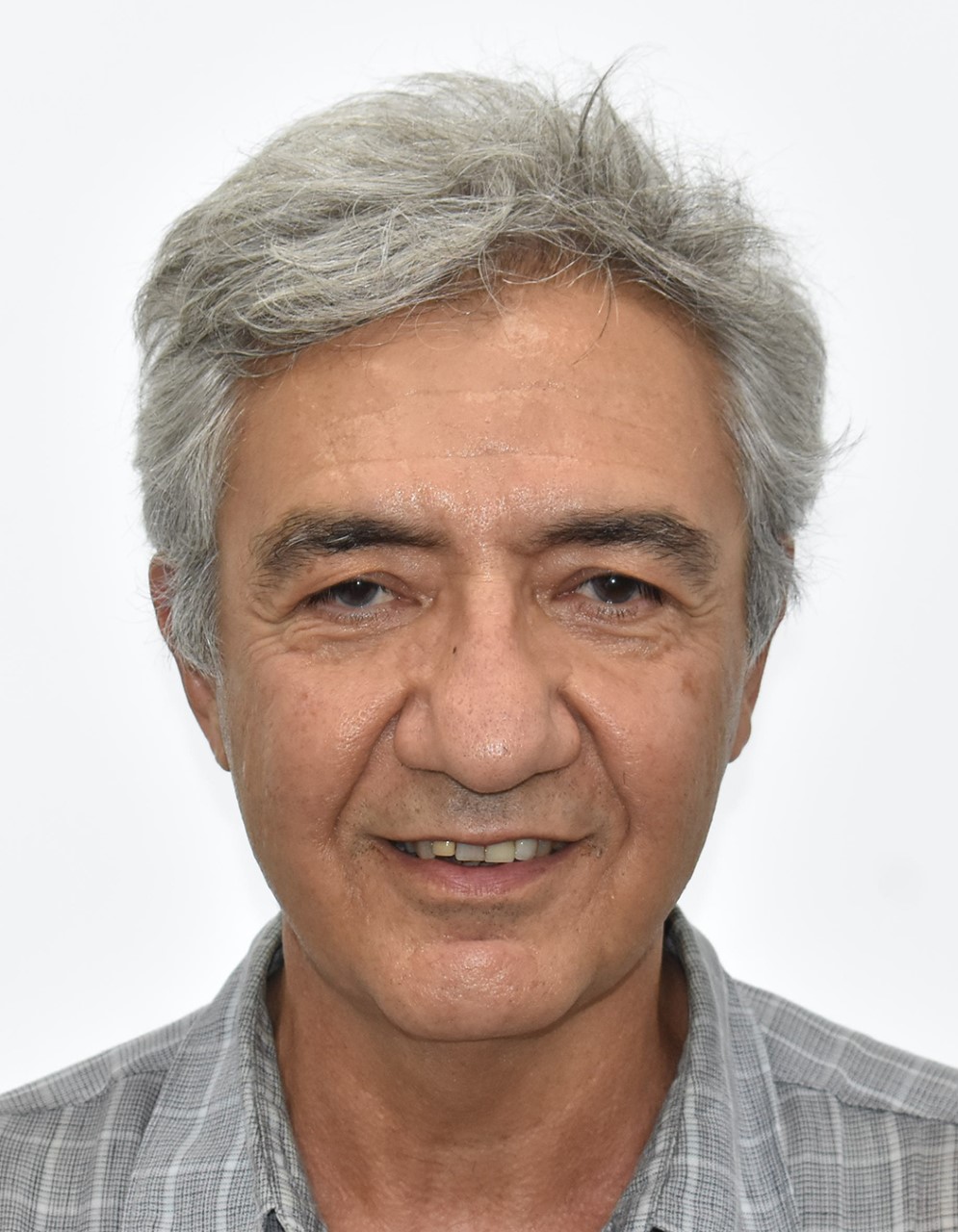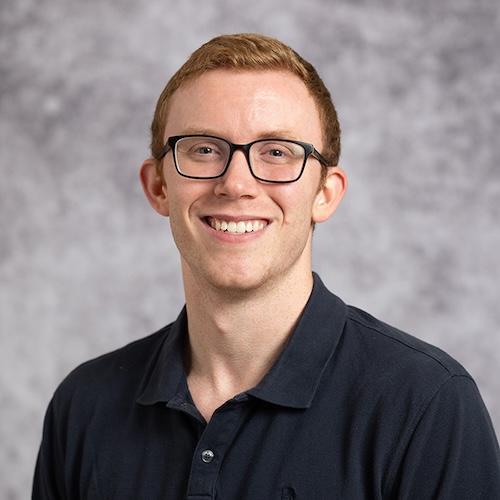
Alexander D Maloney serves as the Kathy and Stan Walters Endowed Professor of Quantum Science and Director of the Institute for Quantum and Information Science at Syracuse University's College of Arts and Sciences, Department of Physics. His leadership bridges theoretical physics and quantum information science through institutional and research initiatives. His academic foundation includes a Ph.D. in Physics from Harvard University (2003) with dissertation "Time-Dependent Backgrounds of String Theory," complemented by dual B.Sc. and M.Sc. degrees in Physics and Mathematics from Stanford University (1998). Maloney's research centers on quantum gravity and information theory, exploring black hole physics through string theory frameworks. His work connects quantum field theory, cosmology, and information paradox resolution, with particular focus on wormhole geometries, resurgence phenomena, and holographic dualities. This interdisciplinary approach examines how quantum information principles shape spacetime structure. Recent publications reveal evolving emphasis on Narain ensemble statistics, modular invariance applications, and quantum cosmology in reduced dimensions. His 2020-2025 output demonstrates methodological progression from semiclassical gravity to non-perturbative quantum gravity techniques, increasingly integrating machine learning concepts with theoretical frameworks. His scientific recognition includes: James McGill Professor at McGill University (2023) Sir William Macdonald Chair in Physics at McGill University (2020) Maloney secures major research funding including NSERC Discovery Grants (2015-2020, 2020-2025) and Simons Foundation's "It from Qubit" collaboration (2015-2022). He actively shapes academic discourse through search committee leadership, journal reviewing (Journal of High Energy Physics since 2007), and international conference organization at Aspen Center for Physics and Institute for Advanced Study. As Director of Syracuse's Institute for Quantum and Information Science, he cultivates collaborative research environments exploring quantum gravity applications to quantum computing and cosmological modeling.