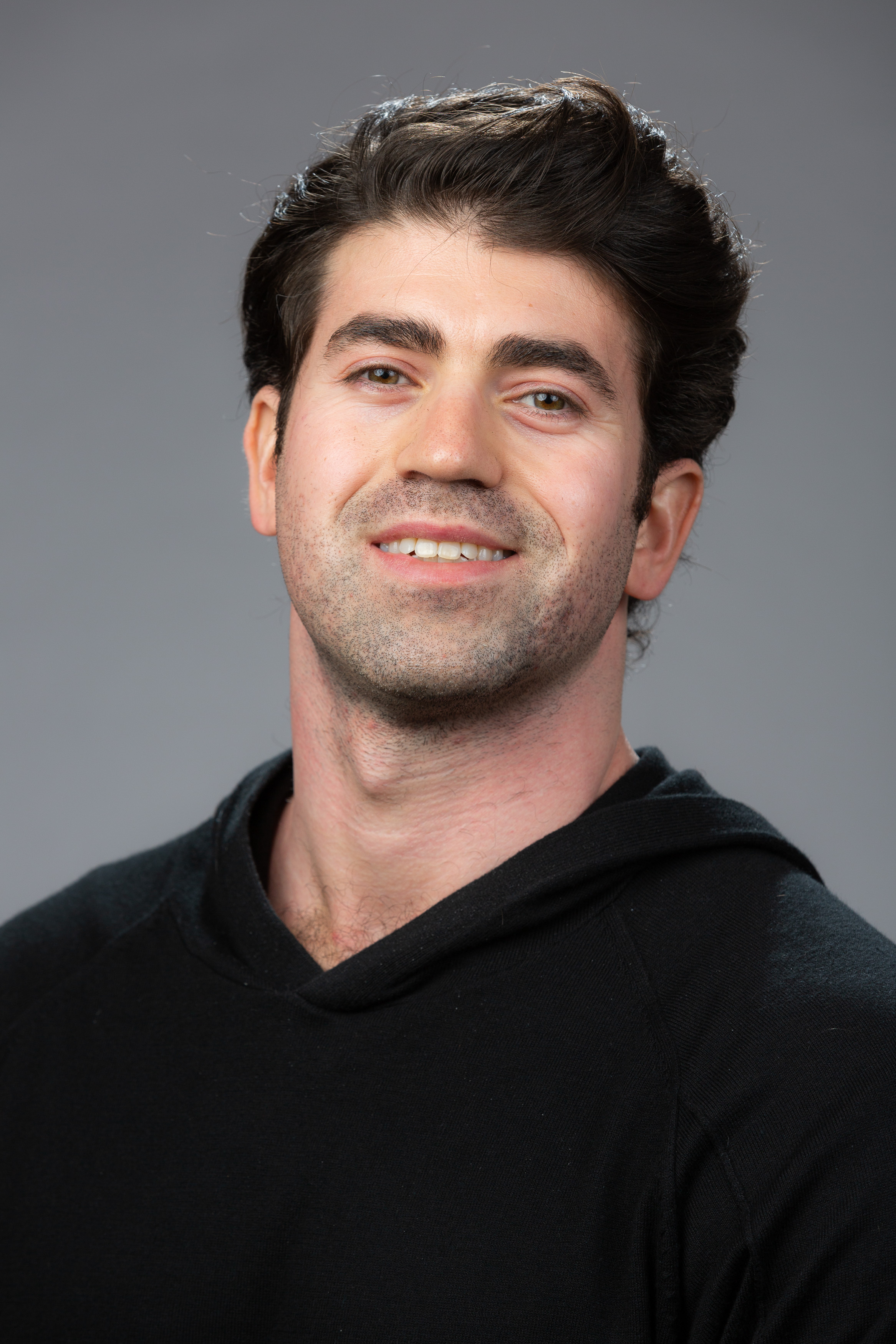
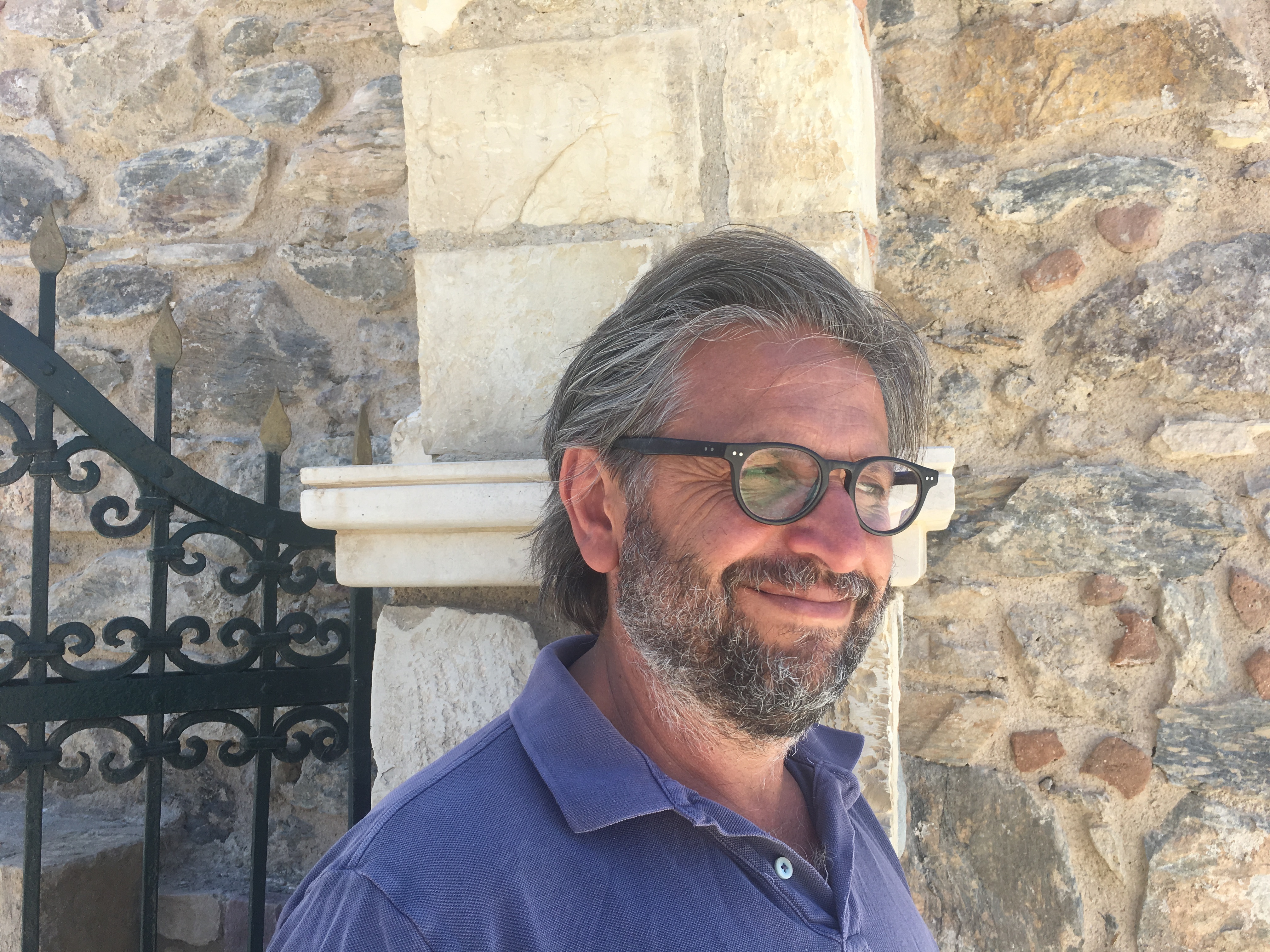
Dr. Andreu Seguí-Beltrán is a Senior Lecturer in the Department of Applied Economics at the University of the Balearic Islands (UIB), where he has held a tenured position since 2019. He teaches Economic History of Business and Spain's Progress in the International Order, with teaching experience across UIB campuses in Ibiza, Menorca, and Mallorca since 2020. PhD in History (Pompeu Fabra University, 2018) with Cum laude and International Mention Master in World History (Pompeu Fabra University, 2013) Bachelor in History (UIB, 2012) His research focuses on pre-industrial maritime economies, examining merchant networks, technological innovation, gender roles in corsair activities, and slavery dynamics in the Mediterranean from the 15th to 20th centuries. His recent publications analyze profit mechanisms in 18th-century Majorcan trade, women's agency in 17th-century corsair businesses, and technological frontier advancements in Spanish shipping. Scientific recognition includes: Ramón Carande Award (2022) Josep Ricart i Giralt Award (2019) Juníper Serra Award (2012) He contributed to the consolidated GEHE research group (2019-21) and served as a predoctoral fellow at UIB's Historical Sciences Department (2014-18). His fieldwork includes stays at EHESS/Paris 1 (2016) and Salamanca's Institute for Science and Technology Studies (2021).
Jason Poulos is a data scientist and researcher currently working at the intersection of machine learning, causal inference, and health policy. He holds a Ph.D. in Political Science from the University of California, Berkeley, with a designated emphasis in Computational Science and Engineering. His academic journey includes postdoctoral positions at Harvard Medical School's Department of Health Care Policy and Brigham and Women's Hospital. Dr. Poulos's research focuses on developing and applying machine learning methods to address challenges in complex, high-dimensional longitudinal health data. His work spans several interconnected areas including extending causal inference methods for multi-valued treatments, developing frameworks for adversarial machine learning, applying neural networks for health outcome prediction, and evaluating deep learning approaches for missing data imputation in survey data. His recent publications demonstrate expertise in targeted learning methodologies, particularly in observational studies with multi-level treatments, with applications in pharmacoepidemiology. His research output shows a consistent pattern of interdisciplinary work bridging political science, statistics, and health policy. The majority of his recent publications (2021-2024) appear in high-impact journals across biostatistics, political methodology, and machine learning domains, reflecting his ability to contribute to multiple academic communities. His work often employs advanced statistical techniques to address real-world policy questions, particularly in healthcare settings. As evidenced by his publications and research trajectory, Dr. Poulos has established himself as a methodological innovator in causal inference with multi-valued treatments, with particular expertise in applying these methods to evaluate the safety and effectiveness of antipsychotic medications. His work combines deep methodological rigor with practical policy applications.
Ross Fitzpatrick is a Doctor of Philosophy and an hourly paid University Lecturer at the School of Sport, Faculty of Life & Health Sciences. His research focuses on the intersection of exercise science, diabetes management, and blood glucose regulation. Doctor of Philosophy His work addresses critical challenges in type 1 diabetes, particularly how exercise timing affects glycemic control. His 2022 publication in *Frontiers in Endocrinology* highlights this research area. With an h-index of 9, his recent research output (2022) includes studies on blood glucose dynamics, hypoglycemia, and hyperglycemia in the context of physical activity for individuals with type 1 diabetes. His scholarly contributions align with the United Nations Sustainable Development Goals, specifically in health and well-being (SDG 3).
Enrico Pollarolo is an Assistant Professor in the Department of Early Childhood Education at the University of South-Eastern Norway, Faculty of Arts and Education. His research and teaching focus on fostering higher-order thinking skills in young children through innovative pedagogical practices in early childhood education and care (ECEC). He is actively involved in research projects that explore the integration of mathematics, coding toys, and outdoor learning to support cognitive development. His research interests include: Early Childhood Education and Care (ECEC) Higher-Order Thinking Skills (critical thinking, problem-solving) Computational Thinking in early years Mathematics Education for young children Semiotic mediation by educators Inclusive and participatory research methods His recent publications (2020–2025) reflect a strong emphasis on how educators can scaffold children’s learning through technology-enhanced and outdoor environments. The articles span journals such as Frontiers in Psychology , Entertainment Computing , and European Early Childhood Education Research Journal , as well as presentations at EECERA, ICSEI, and IASSIDD conferences. Key themes include the use of coding toys, transfer of problem-solving skills, and the conceptual distinctions between critical, computational, and problem-solving thinking. Scientific contributions include: Systematic literature reviews on coding toys in ECEC Case studies on outdoor mathematics education Development of pedagogical resources (DiCoTe-ressurser) Work on inclusive research practices with co-researchers Dr. Pollarolo collaborates extensively with researchers such as Francesca Granone, Elin Kirsti Lie Reikerås, and Natalia Kucirkova. He contributes to both academic knowledge and practical resources for educators. He has no listed scientific awards in the provided text, but his consistent publication record and conference presence indicate an active and impactful research trajectory. He advises on research projects and contributes to the development of inclusive educational practices, though formal student advisees are not listed. His work is grounded in both theoretical and applied perspectives, aiming to bridge research and classroom practice in early childhood settings.
Dr. Chris Smedley is a Research Fellow in Medicinal Chemistry at Monash University, affiliated with the Monash Institute of Pharmaceutical Sciences (MIPS). Since joining MIPS in 2020, he has contributed to an ARC Discovery grant program focused on developing biased bitopic ligands targeting the A 1 adenosine receptor for cardioprotection, as well as novel A 2B R agonists and A 1 R positive allosteric modulators. PhD in Organic and Medicinal Chemistry, La Trobe University (2018) MSci in Medicinal and Biological Chemistry, University of Nottingham (2013) Postdoctoral Research Associate, La Trobe University (2018–2020) His research centers on innovative synthetic methodologies in click chemistry , particularly Sulfur Fluoride Exchange (SuFEx) and his conceived concept of Diversity Oriented Clicking , enabling rapid assembly of complex molecular architectures. He has developed new SuFEx hubs and amide coupling methods for challenging substrates, advancing the field of modular synthesis. His recent publications demonstrate a strong trend in developing catalytic, multidimensional click reactions (e.g., phosphorus fluoride exchange), synthesizing bioactive compounds, and creating novel sulfonyl fluoride-based building blocks. These works span high-impact journals like Angewandte Chemie and Chem , reflecting a focus on synthetic innovation with applications in drug discovery. Dr. Smedley has been recognized with prestigious awards: Marie Skłodowska-Curie Rise Award (2015) Nancy Millis Medal (2018) He is the Primary Chief Investigator on an active ARC Discovery Project (2024–2026) titled "Diversity Oriented Clicking - Streamlined Synthesis of Molecular Frameworks," indicating leadership in independent research. While no formal advisees are listed, his collaborative output suggests active mentoring and team-based research. His work contributes to UN Sustainable Development Goals, particularly through advancements in medicinal science and education. Dr. Smedley conducts his research within the Monash Institute of Pharmaceutical Sciences, a leading hub for drug discovery and pharmaceutical innovation, where he continues to expand the frontiers of click chemistry and its biomedical applications.
Paul Sander is a Senior Lecturer in Psychology at Teesside University, affiliated with the School of Social Sciences, Humanities and Law and the Institute for Collective Place Leadership. He has a rich international academic background, having previously served as a Principal Lecturer at Cardiff Metropolitan University for 16 years and continuing academic engagement while based in Mexico. Teesside University – Senior Lecturer in Psychology Cardiff Metropolitan University – Principal Lecturer in Psychology (1996–2012) El Claustro de Sor Juana, Mexico – University Teacher (2013) University of Navarra, Spain – Research Collaborator His academic journey includes a PhD in Understanding the Learning for Better University Teaching from Cardiff Metropolitan University, an MSc in Intelligent Systems from Brunel University London, and a BSc (First Class Hons) in Psychology from University College London. He also holds a Certificate of Advanced Study in Spanish Language and Culture from Cardiff University and completed teacher training in language-culture education at UNAM, Mexico. Paul Sander’s research is deeply focused on self-regulation, academic behavioral confidence, and the impact of regulatory teaching on student learning and motivation. His work explores how internal and external regulatory behaviors influence academic performance, procrastination, and satisfaction among undergraduate students. He investigates the social and cultural contexts of behavior, emphasizing the application of psychology in real-world educational settings. His recent publications, primarily in Frontiers in Psychology , reflect a strong trend in validating behavioral scales and advancing theoretical models around self- vs. external-regulation. These works are applied across diverse psychological and educational contexts, contributing to both theory and practice in higher education. Advances on Self-Regulation Models (2022) Validation of Self- vs. External-Regulation Behavior Scale (2022) Regulatory Teaching and Academic Confidence (2021) Differential Effects on Learning (2020) Paul Sander has actively supervised PhD students from Cardiff Metropolitan University and the University of Almería. He was the moderator for a franchised psychology degree program in Singapore and has coordinated international academic links, particularly between UK institutions and universities in Mexico and Europe. He is currently a Co-Investigator on a research project at Teesside University exploring social identification and student wellbeing. He is a long-standing collaborator on a research initiative led by Prof. Jesús de la Fuente at the University of Navarra, Spain. His academic network spans multiple countries, and he continues to contribute to global discourse in psychology education and student behavior.
Tim Oliver Brexendorf is an Adjunct Professor at WHU - Otto Beisheim School of Management, where he is affiliated with the Marketing and Sales Group. His research focuses on Consumer Goods Marketing, Brand Management, Product Innovation Management, Manufacturer-Retailer Relationships, and Product Design and Packaging. He holds the academic title of 'apl. Prof. Dr.' and can be reached at tim.brexendorf@whu.edu. His expertise includes developing strategies for corporate brand integration, internal brand advocacy, and leveraging social media for brand engagement. He has extensively studied manufacturer-retailer dynamics, brand equity measurement, and the role of innovation in brand success. Key research themes include behavioral branding, brand funnel analysis, and the impact of internal corporate culture on brand consistency. Brexendorf’s publications span topics such as luxury brand management, digital brand experience on platforms like Facebook, and the strategic control of brand behavior through systematic frameworks. His work often bridges theoretical marketing concepts with practical applications in FMCG industries and multinational corporate environments. While his research emphasizes global brand management challenges, he has also explored niche areas like sponsorship effectiveness, employee brand ambassadorship, and multi-sensory brand experiences. His contributions highlight the integration of internal and external branding strategies to build holistic brand ecosystems.
Alexandros Poulopoulos, PhD, serves as Associate Professor in the Department of Pharmacology & Physiology at the University of Maryland School of Medicine. His research integrates synthetic biology with developmental neuroscience to pioneer molecular therapeutics for neurogenetic disorders through advanced CRISPR-based genome editing technologies. Education: BSc in Biology, University of Athens, Greece (2003) PhD in Neuroscience, University of Göttingen, Germany (2008) Postdoctoral Fellow, Max Planck Institute for Experimental Medicine (2009) Postdoctoral Fellow (EMBO fellow), Massachusetts General Hospital (2012) Postdoctoral Fellow (HFSP fellow) and Research Associate, Harvard University (2016) Dr. Poulopoulos' research focuses on cortical development, synaptogenesis, and neurogenetic disease mechanisms. His lab develops precision CRISPR agents like Cas9-RC for in vivo somatic genome editing, targeting conditions including epilepsy, autism, schizophrenia, and neurodegeneration. Key investigations explore mTOR signaling pathways, cell adhesion molecules (particularly Neuroligin), and CRISPR delivery systems using in utero electroporation. His work bridges fundamental synaptic biology with therapeutic applications for brain disorders. Analysis of recent publications (2023-2025) reveals three dominant research trajectories: 1) Advancement of prime editing technologies for modeling rare epilepsies (particularly GRIN2A-related disorders), 2) Elucidation of synaptic organization mechanisms through phosphorylation-dependent neuroligin localization and axon guidance principles, and 3) Development of novel delivery platforms including focused ultrasound-mediated blood-brain barrier penetration and nanoparticle systems. These efforts demonstrate a clear progression from basic synaptic biology toward clinically translatable genome editing therapies. Scientific Awards: NIH TARGETED Challenge, phase II winner (2025) Society for Neuroscience Greater Baltimore Chapter President (2024) GPILS Teacher of the Year Award, University of Maryland (2020) NIH Director's New Innovator Award (2019) Harvard Distinction in Teaching Award (2015) Human Frontier Science Program Fellowship (2012) EMBO Fellowship (2010) Max Planck Society Otto Hahn Medal (2009) Dr. Poulopoulos leads the Poulopoulos Lab (poulab.org), which operates within the University of Maryland's Center for Innovative Medicine. His team comprises postdoctoral fellows, graduate students, and research technicians focused on CRISPR agent development and neurogenetic disease modeling. Current funding includes NIH New Innovator Award support for precision genome editing platforms and recent success in the NIH TARGETED Challenge for rare epilepsy therapeutics. He actively mentors PhD candidates through the Graduate Program in Life Sciences (GPILS) and serves as course director for advanced neuroscience modules. The lab employs cutting-edge approaches including single-cell transcriptomics of neuronal compartments, in utero prime editing, and light-sheet imaging of developing cerebellar circuits. Collaborations with clinical neurologists at UMMC and industry partners accelerate translation of their CRISPR-Cas9-RC system toward correcting genomic lesions in neurodevelopmental disorders, with particular emphasis on patient-specific epilepsy models.
Syafiq Mat Noor is a Lecturer in Climate Change Education at the School of Education , University of Leeds. He joined in August 2023, following three competitive international postdoctoral fellowships in Scotland, England, and Brunei Darussalam. His work focuses on climate change education, curriculum development, and participatory action research. Education PhD in Science Education, University College London (UCL) MA with Distinction in Education (Science, Maths, and Technology) BTeach with Honours in Primary Science Education Research Interests center on integrating traditional ecological knowledge into climate change curricula, advancing inquiry-based science education, and promoting Education for Sustainable Development (ESD). His methodological emphasis lies in participatory action research and community engagement, particularly with indigenous populations. Scientific Awards British Academy ‘Knowledge Frontiers: ODA International Interdisciplinary Research 2024’ grant Teaching and Leadership responsibilities include leading the MA Education program and delivering modules on climate change education and curriculum redefinition. He mentors postgraduate researchers and advocates for Black, Asian, and ethnic minority students in climate education. Labs and Teams include collaborations with the Priestley Centre for Climate Futures and interdisciplinary partnerships with indigenous communities in Malaysia, Brunei, and Scotland.
Dr. Karin Eckenbach is a Lecturer at the Institute of Sport and Exercise Sciences , University of Duisburg-Essen , where she specializes in Sports Pedagogy and Sports Didactics . Her academic work focuses on integrating movement into educational settings to enhance learning and cognitive development. Her research interests include: Learning through Movement Executive Functions in Education Classroom Movement Games (e.g., 'Games for Brains') Physical Activity and Cognition Teacher Training in Physical Education Digital Teaching in School Context Her recent publications demonstrate a strong trend in exploring how physical activity, play, and sport can promote mental health, executive functions, and overall cognition in schoolchildren. She emphasizes bridging research and practice, often collaborating with educators and institutions to implement movement-based learning interventions. Dr. Eckenbach actively contributes to teacher training and professional development through workshops and lectures at schools, teacher training centers (e.g., ZfsL Duisburg), and national conferences (e.g., dvs, Didacta). She is a key member of the 'Lernen und Bewegung' (Learning and Movement) network, working on funded research projects that evaluate the impact of movement on learning. While no formal scientific awards are listed, her extensive publication record in journals such as Sportpädagogik , Frontiers in Sports and Active Living , and Leipziger Sportwissenschaftlichen Beiträge , along with book chapters and practical guides, underscores her scholarly impact. She collaborates closely with Prof. Dr. Michael Pfitzner and other colleagues on research and teaching projects, particularly in the area of movement-based learning support in both the gym and classroom. She has also contributed to interdisciplinary projects focusing on refugee integration in sports and individual student support.
Shih-Yi Chien is an Associate Professor in the Department of Management Information Systems at National Chengchi University, Taipei, Taiwan. His research focuses on User Experience , Human-Robot Interaction , and Robotics , with applications in Information Behavior and Machine Learning . Education: Ph.D. in Information Sciences from University of Pittsburgh (2009–2017). Professional Experience: Assistant Professor (2018–2023), then Associate Professor (2023–present) at NCCU. His research spans Explainable AI (XAI), Dementia Prediction , Fake News Detection , and Human-Automation Trust . Recent work includes cross-cultural studies on AI perception and neuromarketing applications in e-commerce robotics. Publications appear in Information Systems Frontiers , IEEE Transactions on Human-Machine Systems , and ACM/IEEE International Conference on Human-Robot Interaction . Notable scientific awards include: 2024 Yushiu Creative Award (Silver) 2023 National Somatic Interactive Technology First Prize 2022 Fubon Life Insurance Thesis Excellence Award Multiple INFORMS/IEEE/HICSS conference recognitions He has led research grants from Taiwan's National Science and Technology Council (MOST) on topics like human-multirobot cognitive processes and AI-driven high-age dementia care . Collaborative labs include the Ambient e-Services Laboratory and Digital Innovation & Management Research Lab at NCCU, focusing on smart contracts , human-robot collaboration , and digital sustainability .
Lauren Ristvet is the Robert Dyson Professor of Near Eastern Archaeology at the University of Pennsylvania. She specializes in Ancient Mediterranean and Near Eastern history and archaeology, focusing on archaic state formation, landscape archaeology, environmental disasters, and ancient imperialism. Her fieldwork includes long-term excavations at Tell Leilan, Syria (ancient Shehna/Shubat-Enlil) since 1999 and co-directing the Naxcivan Archaeological Project in Azerbaijan. Associate Director of Excavations at Tell Leilan, Syria Co-Director of the Naxcivan Archaeological Project, Azerbaijan Author of In the Beginning: World History from Human Evolution to the First States (2007) Her research explores political complexity, ritual practices, and imperial dynamics through case studies in Mesopotamia, the Caucasus, and the Levant. Recent projects examine cultural imperialism, environmental collapse, and fortified settlements. Key article trends include interdisciplinary approaches to state formation, imperial frontiers, and human-environment interactions during the Bronze and Iron Ages. Current publications focus on political performance, settlement dynamics, and archaeological methodologies. She works extensively with international teams at Oğlanqala (Azerbaijan) and Tell Leilan (Syria), employing technologies like magnetic gradiometry for site mapping.
Dr. Xueqin Zhang is an ARC DECRA Research Fellow at the Australian Centre for Water and Environmental Biotechnology (ACWEB, formerly AWMC) within the School of Chemical Engineering at The University of Queensland's Faculty of Engineering, Architecture and Information Technology. He obtained his PhD in 2021 from the Advanced Water Management Centre (AWMC) and served as a Postdoctoral Research Fellow at ACWEB until November 2023. Dr. Zhang serves as a Lecturer in Advanced Wastewater and Biosolids Treatment (WATR6103) and supervises thesis projects (CHEE7382). Dr. Zhang's research focuses on the physiology and ecology of novel microorganisms in biogeochemical cycling, bioelectrochemistry in carbon (methane) cycles and environmental bioremediation, and greenhouse gas (bio)conversion for value-adding applications. His work specifically targets anaerobic methane oxidation processes, microbial electron transfer mechanisms, and applications for environmental remediation and resource recovery. He has published over 40 peer-reviewed articles in top-tier journals including Nature Microbiology , Nature Communications , Environmental Science and Technology and Water Research . Analysis of Dr. Zhang's recent publications reveals a strong focus on anaerobic methane oxidation (AOM) mechanisms, particularly involving 'Candidatus Methanoperedens' species. His research spans microbial physiology, bioelectrochemistry, and environmental applications, with increasing emphasis on greenhouse gas conversion technologies and environmental remediation strategies. The work integrates microbiology, electrochemistry, and environmental engineering to address climate change challenges through microbial solutions. ARC DECRA Fellow (Australian Research Council Discovery Early Career Researcher Award) Guest Editor for two journals Reviewer for over 10 journals Editorial board member of Frontiers of Environmental Science Engineering Dr. Zhang is actively supervising multiple PhD students on projects related to anaerobic methane oxidation, bioelectrochemical systems, and greenhouse gas conversion. His current ARC DECRA project (2025-2027) focuses on 'Reversible methane metabolism in methanogenic and methanotrophic archaea.' He has been involved in several ARC-funded projects including 'Fundamental understanding and application of the metabolic pathway for VFA/electricity production through Anaerobic Oxidation of Methane (AOM)' and 'Production of valuable chemicals from gaseous waste.' Dr. Zhang is a core member of the Australian Centre for Water and Environmental Biotechnology (ACWEB), working within research teams focused on advanced wastewater treatment, decarbonization technologies, and environmental bioremediation. His laboratory work integrates microbial physiology studies with electrochemical techniques to investigate novel metabolic pathways in methane-cycling microorganisms.
Associate Professor Nicholas Doumanis is a historian at the University of New South Wales within the Faculty of Arts, Design & Architecture . His work bridges global history , European history , and Mediterranean studies , with a focus on migration , empires , and intercultural dynamics . Research Focus: Connected Mediterranean history Global Greek diaspora formation Post-war Sydney neighborhood development Ottoman Empire's social structures Colonial memory in Dodecanese Notable Scientific Awards: Fraenkel Prize in Contemporary European History (1997) Stanley J. Seeger Fellowship, Princeton University (1998) Grants & Projects: ARC Fellowship (1999-2003) ARC Linkage Grant (2021-2024) Erasmus+ ICM Teaching Grant (University College Dublin) Greek Australian Archive (with UNSW and State Library of NSW)
Assoc. Prof. Dr. Dilek Yıldız Özkan is an Associate Professor at Istanbul Technical University , Faculty of Architecture, Department of Architecture. Her interdisciplinary work bridges Architecture, Neuroscience, and Environmental Psychology , with a focus on human experience in urban spaces. PhD in Architectural Design, Istanbul Technical University Licence in Architecture, Istanbul Technical University (1992) Her research explores how spatial configurations influence social interaction (e.g., cul-de-sacs), emotional responses (via VR studies), and pedestrian behavior in waterfront and commercial areas. Recent articles highlight neuroscience-based methodologies and machine learning applications for evaluating urban safety and ambiance. Awarded the 2024 YÖK Outstanding Achievement Award and 2024 Academic Performance Award , her work also includes the 2022 TUBITAK and BAP grants for projects analyzing visual attention in museums , safe street design , and psychophysiological data in historical spaces . She contributes to Archnet-IJAR and Frontiers of Architectural Research as an expert.