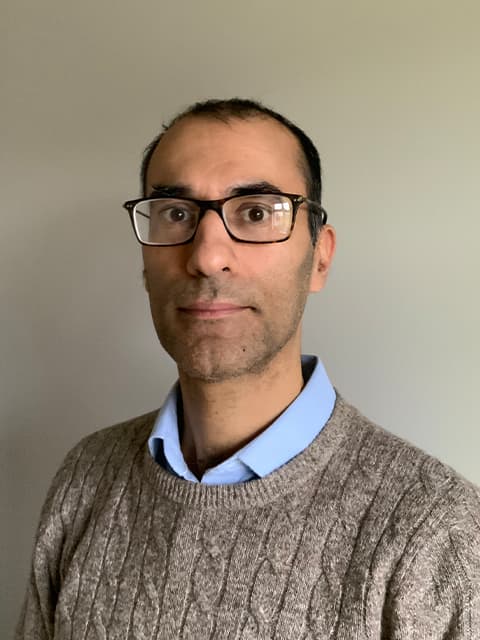
Tobias Pröll is a Professor at the Institute of Process and Energy Engineering within the Department of Biotechnology and Food Sciences at the University of Natural Resources and Life Sciences, Vienna (BOKU). He specializes in energy technology, process engineering, and sustainable energy systems, with a focus on carbon capture, biomass utilization, and building energy efficiency. His work bridges industrial process optimization and climate change mitigation strategies. Education: Dipl.-Ing. in Process Engineering (1995–2001), Dr. techn. in Mechanical Engineering (2001–2004), Habilitation in Energy Process Engineering (2012) His research explores fluidized bed reactors , negative emission technologies , and smart building control systems . Recent projects include optimizing hybrid electricity storage for renewable integration and developing low-tech predictive algorithms for heat pumps. Publications emphasize CO2 capture efficiency , dual fluidized bed gasification , and urban climate resilience . He leads initiatives for net-zero energy systems and biomass valorization . Key trends in his 15 most recent articles (2023–2025) highlight advancements in chemical looping combustion , forecast-based building control , and cost-effective carbon capture . These works span disciplines like chemical engineering , renewable energy , and urban environmental science . Pröll contributes to community projects and media discussions on climate policies, including consumer-level carbon taxes and carbon-neutral technologies. His affiliations include collaborations with institutions in Austria and international conferences on sustainable energy.
Hatice Neval Özbek is a Research Assistant at the Department of Food Engineering, Gaziantep University Institute of Science and Technology , with a focus on food chemistry and waste valorization. She holds a Doctorate (2015–2020) and Master’s degree (2012–2014) in Food Engineering from Gaziantep University, and a Bachelor’s degree in Food Engineering from Uludağ University (2008–2012). Her research emphasizes microwave-assisted extraction , biodegradable film production , and food waste recovery , particularly from pistachio shells , grapefruit peels , and olive pomace . Recent publications demonstrate expertise in xylose/xylitol production , pectin extraction , and drying kinetics for fruit and vegetable powders. She has supervised theses on snack bar formulation and grapefruit pectin extraction, and participated in 33 international conferences. Her work includes TUBITAK-funded projects on solar-assisted drying systems and microwave pretreatments for lignocellulosic fractionation.
Bahadır ACAR is an Associate Professor and currently serves as Department Head at Karabük University's Faculty of Technology, Department of Energy Systems Engineering. He has been affiliated with Karabük University since 2004, progressing from Research Assistant to Assistant Professor in 2011, and achieving the rank of Associate Professor in 2020. He also served as Technology Transfer Office Coordinator (2016-2020) and Deputy Department Head (2014-2016). His academic background includes a PhD in Mechanical Education from Karabük University (2011), Master's Degree from Zonguldak Karaelmas University (2007), and Bachelor's Degree from Gazi University (2001). He has received YÖKDİL English language certification with a score of 77 in 2020. Dr. ACAR's research primarily focuses on Solar Energy Systems and Installation Technology, with significant contributions in freeze-drying processes for agricultural products. His work spans thermal engineering applications across food preservation, renewable energy systems, and building technologies. He has developed expertise in drying kinetics, thermal analysis, and energy system optimization. His publication record shows a strong emphasis on freeze-drying techniques for various fruits and vegetables including strawberries, mushrooms, hawthorn, persimmon, kiwi, blueberries, rosehip, and carrots. His research also extends to solar drying systems for hazelnuts, wind turbine design, thermal energy storage, and photovoltaic applications. With a total of 79 publications including 54 articles, Dr. ACAR has established himself as a productive researcher in energy systems engineering. His work has been cited 275 times with an h-index of 9, demonstrating significant impact in his field. Dr. ACAR has supervised 11 Master's students and 1 PhD student, demonstrating his commitment to academic mentorship. His students have worked on diverse topics including solar energy plant design, strawberry freeze-drying, wind turbine design, and hybrid renewable energy systems. He has led 3 research projects as principal investigator and participated in 3 others as a researcher. His projects focus on concentrated solar energy panels, thermoelectric modules, hazelnut drying systems, vapor compression cooling systems, and saffron freeze-drying.
Geunpyo Hong is a Professor at the Department of Food Science and Biotechnology, Sejong University, Korea. He previously held academic positions at Jeju National University (Professor, 2014-2015), Konkuk University (Research Professor, 2012-2013), and conducted postdoctoral research at University of Saskatchewan (2010-2012), University of Kentucky (2009-2010), and Chonnam National University (2008-2009). Ph.D. in Agriculture, Konkuk University (2008) M.S. in Agriculture, Konkuk University (2003) B.S. in Agriculture, Konkuk University (2001) His research focuses on advanced food processing technologies including: Nonthermal sterilization using subcritical water and high-pressure systems Supercooling and flash freezing for food preservation Plant-based meat analogue development Biomass conversion through thermochemical and enzymatic methods Protein hydrolysis and functional food ingredient extraction Recent publications highlight trends in subcritical water hydrolysis (rice husks, spent coffee grounds, sea lettuce), plant-based meat substitutes (soy/mung bean proteins), and high-pressure food processing applications. His work bridges food chemistry, bioprocessing, and sustainable material conversion. Scientific recognition includes: Best Paper Award, Korean Society of Food Engineering Professor Hong actively contributes to food science through editorial roles in Food Science and Animal Resources (2018-present) and Food Science and Biotechnology (2024-present). His laboratory develops technologies for muscle food preservation , bioactive compound extraction , and plant protein texturization .
Olivier Rouaud is a Full Professor at Oniris in the Department of Food Processing, Management and Sustainable Development. He leads the OSE research team within the GEPEA laboratory (Génie des Procédés Environnement Agroalimentaire) and has been with Oniris since 2004, progressing from lecturer to his current position. His academic journey began with a doctorate in Thermal Engineering, Energy, and Process Engineering from the University of Nantes in 2002. Professor Rouaud's research focuses on heat and mass transfer in food engineering, with particular expertise in microwave heating, ohmic heating, electrohydrodynamics (EHD) drying, and food freezing technologies. He combines experimental approaches with numerical modeling to develop solutions that improve energy efficiency in food processing while maintaining or enhancing product quality. His work addresses practical challenges in thermal treatment processes for the food industry. His recent publications (2023-2025) show continued innovation in thermal processing, with significant contributions to understanding dielectric properties of foods, optimizing ohmic heating applications for baking, and developing phase change materials for cold chain applications. These works reflect his consistent focus on bridging fundamental thermal science with practical food engineering solutions. Professor Rouaud has received recognition including the Novatlante price in 2004 and has built a substantial research impact with 106 publications totaling over 36,000 reads and 1,876 citations on ResearchGate. He actively supervises graduate students, having guided approximately twenty Master's interns and ten doctoral students. His teaching responsibilities include applied thermodynamics, energy efficiency, heat transfer, electrothermal processes, and numerical simulation, closely aligning with his research expertise. As leader of the OSE research team, Professor Rouaud oversees projects investigating innovative thermal processing technologies, with ongoing work in microwave-assisted freezing, ohmic heating applications, and electrohydrodynamic enhancement of heat transfer processes for food systems.
Elle Koivunotko is a Postdoctoral Researcher at the University of Helsinki , Department of Pharmaceutical Biosciences. Her work focuses on nanofibrillated cellulose hydrogels, freeze-drying techniques, and wound healing applications. Current Projects: UPM PoDoCo Birch Notch (2025, project manager); GeneCellNa (2024-2026, participant). Education: Pharmacy (Pharmacist) qualification from the Faculty of Pharmacy. Research Trends: Over the past five years, Koivunotko has published 8 peer-reviewed works and contributed to 2 projects. Her research integrates biomaterial engineering , analytical spectroscopy , and regenerative medicine , particularly in freeze-drying-induced structural changes and cellulose-based wound dressings. Scientific Recognition: Albert Wuokko Award (2024) Over 100 citations (via Scopus profile) Collaborative Network: Active partnerships with Finnish institutions and industry (e.g., UPM-Kymmene Oyj). Supervision of Master's theses in biopharmaceutical formulations via Raman spectroscopy.
Holger Grohganz is an Associate Professor in the Department of Pharmacy at the Faculty of Pharmaceutical Sciences, University of Copenhagen, holding this position since May 2011. His academic journey spans multiple Nordic institutions, including prior appointments at Nord-Trøndelag University College and the University of Tromsø. His educational background includes: Ph.D. in Pharmacy, University of Tromsø (2004) Pharmacy degree, University of Erlangen-Nürnberg (1997) Registration as pharmacist (1998) Dr. Grohganz's research centers on stabilizing unstable pharmaceutical compounds, addressing critical challenges in drug development: structural instability of macromolecules and poor water solubility of small molecules. His work pioneers co-amorphous systems to enhance drug solubility while maintaining stability, alongside advancing freeze-drying techniques for protein therapeutics. Key methodologies include multivariate analysis and design of experiments for pharmaceutical process optimization. Co-amorphous drug formulations Freeze-drying and spray-drying of biologics Design of experiments (DoE) implementation Process analytical technology (PAT) His 2024-2025 publications reveal intensive focus on co-amorphous system stability under mechanical stress, crystallization mechanisms in hydrated systems, and novel electrospinning applications for drug delivery. Recent work extends to microfluidic liposome fabrication and inflammatory skin disease therapies using sustained-release dressings. Dr. Grohganz actively supervises Master's theses in Pharmacy and teaches core courses including 'Pharmacy 2 - Solid Dosage Forms' and 'Bachelor Project in Pharmacy,' emphasizing production, composition, and quality assurance of tablets and solid formulations. He leads research within the Solid State Pharmaceutics group at the University of Copenhagen, collaborating internationally on pharmaceutical development projects with emphasis on quality-by-design principles and advanced material characterization.
Professor Danish Malik is a Professor in Industrial Biotechnology at the Department of Chemical Engineering, Loughborough University, where he serves as MSc Programme Director for Biotechnology and Biomedical Engineering and leads the Advanced Biologicals and Phage Bioprocessing Research Group. His academic career at Loughborough began in 2003 as a Lecturer, progressing through roles including Chemical Engineering Department Research Coordinator (2008-2012) and Director of Research Degree Programmes (2012-2018), before becoming Reader in Industrial Biotechnology in 2020 and advancing to Professor. His research focuses on interdisciplinary product development and process design of novel biologics for therapeutic and biocontrol applications across pharmaceutical, consumer healthcare, and cosmetics industries. Key expertise includes upstream/downstream bioprocessing optimization (fermentation bioreactors, ultrafiltration, chromatography) for manufacturing bacteriophages and antimicrobial compounds, micro/nano-encapsulation of biotherapeutics for diverse delivery routes, solid dosage formulation using spray/freeze-drying technologies, and cell-based antimicrobial assay development. The work emphasizes translational research to accelerate bench-to-bedside discovery. Professor Malik actively collaborates with global blue-chip companies, SMEs, and academic institutions, welcoming PhD researchers and visiting fellows to join his translational research initiatives in biotechnology commercialization.
Lene Jørgensen is an Associate Professor at the Department of Pharmacy, Faculty of Health and Medical Sciences, University of Copenhagen since 2010. Previously, she served as Assistant Professor at the Department of Pharmaceutics and Analytical Chemistry, Faculty of Pharmaceutical Sciences, University of Copenhagen from 2005 to 2010. She holds a PhD degree from the Danish University of Pharmaceutical Sciences (2004) and a Cand. Pharm. degree. Her educational background includes: PhD from the Danish University of Pharmaceutical Sciences (2004) Cand. Pharm. degree Dr. Jørgensen's research focuses on the analysis of structure and stability of biomacromolecules in pharmaceutical processes and formulations. Her work examines how formulation affects protein stability and addresses regulatory aspects of protein product design and production. She specializes in protein formulation, drug delivery systems, and characterization techniques including FTIR, fluorescence, and dynamic light scattering. Her research has significant implications for developing stable biopharmaceutical products with proper functionality. Her publication record shows a consistent focus on protein and peptide stability in pharmaceutical formulations. Over the years, her research has evolved from fundamental studies on protein adsorption to more applied research on excipient selection for protein stabilization. Recent work emphasizes freeze-drying technologies and the chemical space of excipients for biopharmaceutical formulations. Her publications demonstrate expertise in bridging theoretical understanding with practical pharmaceutical development challenges, with several highly cited works including one with over 100 citations. Dr. Jørgensen actively supervises thesis projects for students in pharmacy, MPS, MIND and MRA programs. She teaches BA projects in Pharmacy and Master courses at MIND and/or MRA. Her academic service includes extensive peer review of manuscripts (30 instances mentioned) and various lecture and teaching activities both within and outside the university. Her research group focuses on pharmaceutical formulation science, particularly for biopharmaceuticals. The work involves characterization of protein behavior at interfaces, development of stable protein formulations, and investigation of novel excipients for biopharmaceutical delivery systems. Her research has practical applications as evidenced by being referenced in 72 patents, indicating significant industry impact.
Seongkyu Yoon is a Professor of Chemical Engineering at the Francis College of Engineering, University of Massachusetts Lowell. He serves as co-Director of the Massachusetts Biomanufacturing Center, UMass Site Director of the NSF/IUCRC Research Center (AMBIC - Advanced Mammalian Bioprocessing Innovation Center), and UMass technical lead for Manufacturing USA in Biomanufacturing (NIIMBL). His academic appointments and leadership roles position him at the forefront of biopharmaceutical manufacturing innovation and workforce development. Dr. Yoon's educational background demonstrates his interdisciplinary expertise: Ph.D. in Chemical Engineering (2001), McMaster University - Hamilton, Canada MBA (2017), Babson College - Wellesley, MA M.S. in Chemical and Biomolecular Engineering (1990), Korea Advanced Institute of Science and Technology - Daejon, Korea B.S. in Chemical Engineering (1988), Yonsei University - Seoul, Korea His research program focuses on systems engineering approaches to life sciences with three primary thrusts: Gene and Cell Therapy, Biomanufacturing Innovation, and Formulation and Drug Delivery. Within Gene and Cell Therapy, his group explores alternative hosts for Adeno-associated Virus production, gene therapy media optimization, CRISPR-CAS9 mediated genome engineering of HEK293 cells, and develops analytical methods for quantification of full, partial, and empty capsids in AAV products. His Biomanufacturing Innovation research includes AI-enabled hyperspectral imaging for cell culture monitoring, metabolic flux analysis of iPS cells, integrated MPC systems for bioprocess engineering, and digital-twin model development. In Formulation and Drug Delivery, his team works on single vial mass flow rate monitoring for pharmaceutical freeze-drying heterogeneity. Analysis of Dr. Yoon's recent publications reveals a strong trend toward advanced biomanufacturing technologies, particularly in viral vector production for gene therapy. His work integrates systems biology, metabolic modeling, and process analytics to address critical challenges in biopharmaceutical manufacturing. A significant portion of his research focuses on CHO cell culture optimization, glycosylation control, and continuous bioprocessing technologies, reflecting industry needs for more efficient and robust manufacturing platforms. Among his notable recognitions: Ward Chaired Professor of Biomedical Material Sciences (2016) NSF/IUCRC: AMBIC, Advanced Mammalian Bioprocessing Innovation Center (2016) Control and estimation of glycosylation profile via media supplementation based on intracellular models in mammalian cell cultures (2017) Data-fusion based platform development of population PKPD modeling and statistical analysis for bioequivalenc (2015) Dr. Yoon has mentored numerous graduate students, with many now working at major pharmaceutical and biotechnology companies including AbbVie, Alexion, BMS, Amgen, Takeda, and Genentech. His research group has received substantial funding from NSF, FDA, and industry partners, supporting an integrated approach to biomanufacturing innovation. He has also developed and led numerous professional training programs in bioprocessing, contributing significantly to workforce development in the biopharmaceutical industry. His research group operates within the Advanced Mammalian Biomanufacturing Innovation Center (AMBIC) and collaborates closely with the Biomanufacturing Innovation Institute. The team includes postdoctoral researchers, graduate students, and research staff working on various aspects of bioprocess engineering, systems biology, and biomanufacturing analytics. They maintain strong industry partnerships that ensure their research addresses real-world challenges in biopharmaceutical manufacturing.