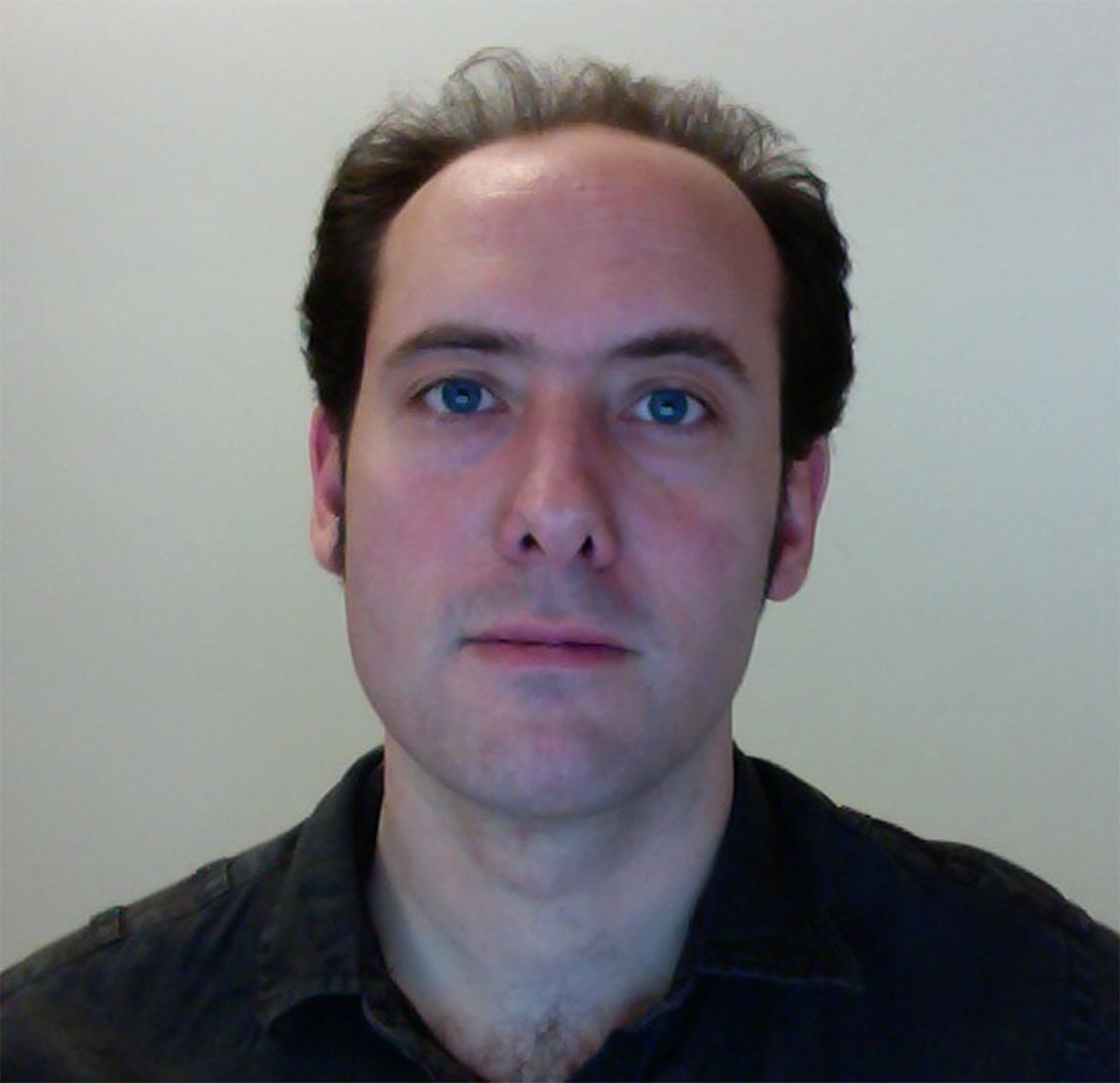
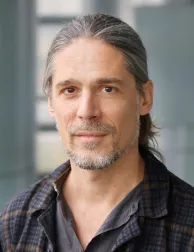
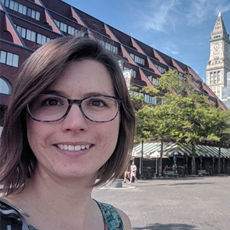
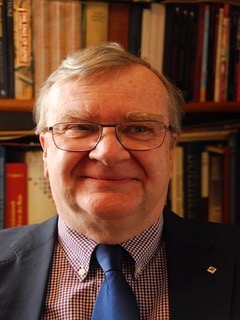
Matthias Stadtfeld is an Associate Professor at Weill Cornell Medicine, affiliated with the Graduate School of Medical Sciences and the Department of Medicine. His laboratory is dedicated to understanding epigenetic mechanisms that govern cell identity and function in mammals, using pluripotent stem cells and cellular reprogramming as central models. His research focuses on the interplay between transcriptional regulation, chromatin remodeling, and metabolic changes during cellular reprogramming. Key areas include the maintenance of epigenetic integrity, dysregulation in disease, and the role of genomic imprinting in development and cancer. The lab employs cutting-edge techniques such as CRISPR screening, epigenome profiling, and transgenic mouse models. The publications reflect a strong emphasis on epigenetic stability, loss-of-imprinting, and the functional analysis of chromatin regulators in both mouse and human systems, contributing to broader fields like regenerative medicine and developmental disorders. Supported by major research agencies and foundations Actively mentoring graduate students, including rotation trainees Integrates genetic engineering with functional genomics to dissect regulatory networks Scientific Awards: No specific awards listed in the provided text. Dr. Stadtfeld advises graduate students and is involved in training the next generation of scientists through the BCMB and Cell & Developmental Biology programs. His lab fosters a collaborative environment, welcoming new trainees and promoting outreach via social media and academic engagement. The Stadtfeld Lab investigates both known regulators of epigenetic stability and performs forward genetic screens to discover novel factors influencing epigenetic fidelity.
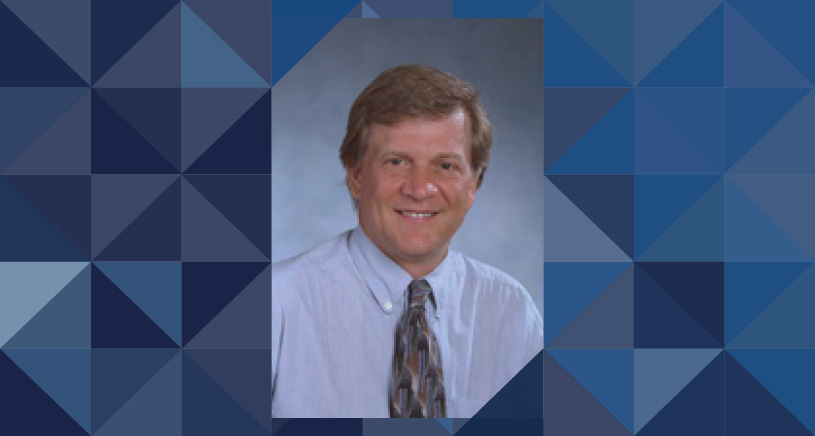
Charles Burant is Professor of Nutritional Sciences at the University of Michigan School of Public Health and holds a professorship in the Section of Metabolism, Endocrinology, and Diabetes within the Medical School's Department of Internal Medicine. He holds the endowed Dr. Robert C. and Veronica Atkins Professor of Metabolism chair. His clinical practice focuses on obesity, type 2 diabetes, and related metabolic disorders at the WK Kellogg Eye Center, Brehm Tower in Ann Arbor. Dr. Burant's research integrates multi-omic approaches (genomics, transcriptomics, proteomics, metabolomics) with clinical and behavioral phenotypes to unravel mechanisms of obesity, insulin resistance, and diabetes. His laboratory investigates pancreatic beta-cell metabolism, insulin secretion dynamics, and adult pancreatic progenitor cells for beta-cell regeneration. As director of the Michigan Metabolomics and Obesity Center (MMOC), he oversees the NIH-funded Nutrition Obesity Research Center and Michigan Regional Comprehensive Metabolomics Resource Core, providing critical infrastructure for metabolic disease research. The MMOC also coordinates the Investigational Weight Management Clinic, which combines clinical care with phenotypic tracking to study diabetes prevention and weight regain mechanisms in formerly obese patients. Analysis of his recent publications reveals dominant themes in multi-omic exercise physiology, causal metabolite-disease relationships, and tissue-specific metabolic adaptations. His work consistently emphasizes sexual dimorphism, temporal dynamics, and molecular mechanisms in metabolic disorders, particularly through large-scale consortia like MoTrPAC. Key focus areas include lipid metabolism in disease contexts, adipose tissue remodeling, and mitochondrial function across tissues. While no specific scientific awards beyond his endowed chair are listed, his leadership of major NIH-funded centers demonstrates significant recognition. His grant portfolio includes infrastructure support through the MMOC, NORC, and Metabolomics Resource Core, enabling extensive human and animal studies in metabolic diseases. Dr. Burant directs the MMOC's integration of research and clinical care through the Investigational Weight Management Clinic. His laboratory maintains active programs in insulin resistance mechanisms using animal models and explores pancreatic progenitor cell applications for diabetes therapy, representing forward-looking approaches to metabolic disease treatment.
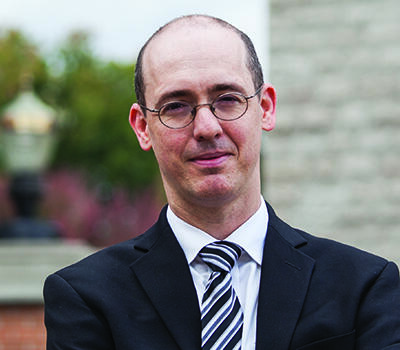
Salman Qureshi is an Associate Professor in the Department of Medicine at McGill University , with a focus on innate immunity and fungal infections . He serves as a Scientist at the Research Institute of the McGill University Health Centre (RI-MUHC) , contributing to the Translational Research in Respiratory Diseases Program and the Centre for Translational Biology . His research interests center on identifying molecular mechanisms in innate immunity that protect against respiratory and systemic infections , particularly Cryptococcus neoformans and Aspergillus fumigatus . He utilizes mouse models and genetic approaches to study host susceptibility factors and their immunological pathways, with applications in critically ill patients . Among 15 recent publications , his work spans fungal infections (2025), neutrophil function (2021), resistance and tolerance to infections (2019), TLR2 activation in cancer metastasis (2017), and mTOR inhibition in lung injury (2012). His scientific contributions remain unlisted in terms of awards.
Stephen Ramsey, an Associate Professor at Oregon State University, holds dual appointments in the School of Electrical Engineering and Computer Science (College of Engineering) and the Department of Biomedical Sciences (Carlson College of Veterinary Medicine). With a PhD in Physics from the University of Maryland, his postdoctoral training in computational genomics at the University of Washington, and professional experience at the Institute for Systems Biology and Center for Infectious Disease Research, Ramsey bridges computational methods with biomedical applications. Education : Ph.D., Physics, University of Maryland; M.S., Physics, University of Maryland; Sc.B., Mathematical Physics, Brown University Ramsey specializes in computational systems biology , focusing on bioinformatics , biomedical knowledge graphs , and precision medicine . His research integrates machine learning , gene regulatory network modeling , and multi-omics data analysis to address challenges in rare disease diagnostics , drug monitoring , and inflammatory disease mechanisms . Current work includes AI-driven biomedical translation and electrochemical biosensor development for non-invasive diagnostics . Recent publications highlight knowledge graph applications in translational biomedicine , causal network inference in clinical-environmental data integration , and cross-species cancer transcriptomics . His team develops tools like RTX-KG2 and PloverDB to standardize biomedical data sharing and semantic reasoning . Scientific Awards : 2019 Zoetis Award (Carlson College of Veterinary Medicine) 2016 NSF CAREER Award 2016 PhRMA New Investigator Award 2010 NIH K25 Mentored Quantitative Research Award Ramsey advises in computational biology courses (CS 446/546) and contributes to biomedical AI through projects like mediKanren for rare disease diagnostics . His NSF-funded research explores gene expression noise and regulatory network dynamics , while NIH and PhRMA grants support his translational medicine initiatives. He leads the Ramsey Laboratory , which develops graph-based reasoning tools for biomedical data translation and multi-omics integration . The lab's work spans comparative oncology models, electrochemical biosensors , and knowledge graph infrastructure for clinical decision support .
Allegra Hosford Scheirer is an Adjunct Professor in the Department of Earth & Planetary Sciences at Stanford University. Her research focuses on basin and petroleum system modeling, integrating 3D geologic frameworks with geochemical, tectonic, and fluid flow processes to evaluate hydrocarbon resource potential. She specializes in unconventional reservoir characterization, gas hydrate systems, and the application of advanced modeling techniques to complex sedimentary basins globally. Education: Ph.D. in Geology/Petroleum Geology (likely from Stanford or comparable institution, inferred from affiliation) Research interests span: 3D basin modeling of gas hydrate deposits in the Gulf of Mexico and New Zealand margins Thermal maturation and rock physics templates for unconventional shale reservoirs Integration of seismic interpretation with petroleum system analysis in Alaska, California, and Colombia Impact of tectonics and fluid migration on reservoir quality and hydrocarbon distribution Recent work emphasizes: Gas hydrate destabilization mechanisms linked to tectonic uplift Quantitative workflows for sweet spot identification in organic-rich mudrocks Multi-dimensional scaling methods for uncertainty quantification in reservoir properties Key projects include: San Joaquin Basin (CA) thermal history modeling Shublik Formation unconventional potential on Alaska's North Slope 3D petroleum system analysis of the Jeanne d’Arc Basin (Newfoundland) Her work bridges academic research and industry applications, focusing on improving resource assessment in complex geological settings.
Ivo Gomperts Boneca is a permanent researcher and head of the Laboratory of Biology and Genetics of the Bacterial Cell Wall at the Institut Pasteur, Paris, within the Department of Microbiology. His research focuses on peptidoglycan (PGN) metabolism in bacterial pathogens such as Helicobacter pylori , Neisseria meningitidis , and Leptospira interrogans , examining both bacterial physiology and host immune responses. He leads major funded projects including ERC-2024-SyG-AI4AMR, which integrates artificial intelligence into antibiotic discovery, and participates in the INCEPTION convergence institute for interdisciplinary research. Institut Pasteur, Paris, France Department of Microbiology Laboratory of Biology and Genetics of the Bacterial Cell Wall Principal Investigator, ERC grants Member, INCEPTION program His research interests center on understanding how the bacterial cell wall is assembled and remodeled during growth and division, and how PGN fragments influence host innate immunity. He investigates how pathogens modulate PGN to evade immune detection and how commensal bacteria contribute to gut homeostasis and disease prevention. His work bridges microbiology, immunology, and systems biology, with implications for antibiotic development and inflammatory disease treatment. The recent publications reflect a strong trend in microbial cell wall biology, host-pathogen interactions, and the gut-immune-brain axis. Themes include PGN dynamics in host tissues, bacterial shape modulation, immune sensing mechanisms, and the role of microbiota in inflammation and cancer immunotherapy. The integration of AI in antimicrobial discovery highlights a forward-looking approach to combating antibiotic resistance. ERC-2007-Stg-202283-PGNfromSHAPEtoVIR ERC-2024-SyG-AI4AMR INCEPTION convergence program Dr. Boneca mentors numerous PhD students and postdoctoral researchers, fostering a dynamic research environment. His lab receives substantial funding from the European Research Council and participates in collaborative, interdisciplinary grants. He leads projects on PGN assembly inhibition, gut microbiota effects on immunity and cancer therapy, and the development of optogenetic tools. His team includes research engineers, technicians, and administrative staff, reflecting a well-supported research structure. He is affiliated with core research platforms at the Institut Pasteur, including those in bioimaging and microbiology. His laboratory is embedded within a network of interdisciplinary teams working on infectious diseases, immunity, and microbial evolution. The integration of computational and experimental approaches is evident in his participation in AI-driven drug discovery initiatives.
Lene Uhrbom is Professor of Molecular Brain Tumor Research at Uppsala University's Department of Immunology, Genetics and Pathology within the Faculty of Medicine. She leads the Neuro-oncology and Neurodegeneration Research Programme and maintains an active research group focused on glioblastoma mechanisms. Her team includes PhD students Veera Jokinen and Ines Neves, Master's student Ellen Rahmqvist, doctoral assistant Xi Lu, and research assistant Rebeca-Noemi Imbria. Her research centers on neuro-oncology with emphasis on glioblastoma stem cells, molecular mechanisms of tumorigenesis, and cell-of-origin studies. She investigates how epigenetic regulation, signaling pathways, and tumor microenvironment interactions drive glioma development and therapeutic resistance. Her work bridges basic molecular biology with translational applications for improved diagnostics and treatments. Analysis of her 15 most recent publications reveals a strong focus on molecular subtyping of glioblastoma, stem cell biology, and therapeutic targeting. Her research consistently explores how cellular lineage, epigenetic regulation, and microenvironmental factors create distinct tumor subgroups with different clinical outcomes. Recent work has expanded into vascular biology, immunotherapy, and advanced imaging techniques for tumor detection. Professor Uhrbom has received significant recognition for her work, with publications in high-impact journals including Nature Communications, Cancer Cell, and Journal of Clinical Investigation. Her research has been featured in multiple news outlets, cited in patents, and referenced in Wikipedia, demonstrating its broad scientific impact. Her laboratory maintains an extensive collection of patient-derived glioblastoma models and employs advanced techniques including single-cell sequencing, epigenetic profiling, and sophisticated mouse models. Current projects focus on developing targeted therapies based on molecular subtyping and improving drug delivery across the blood-brain barrier. She actively collaborates with clinical neuro-oncology teams to translate basic findings into potential therapeutic strategies.
Martin Jonikas is a Professor of Molecular Biology at Princeton University and an Investigator of the Howard Hughes Medical Institute (HHMI). His research focuses on the biogenesis, function, and engineering of the pyrenoid—a phase-separated organelle in eukaryotic algae that enhances CO 2 fixation. He leads a dynamic research group at the Jonikas Lab, advancing fundamental cell biology with implications for agriculture and climate change mitigation. Education: Ph.D. in Molecular Biology and Genetics, University of California, San Francisco B.S. in Aerospace Engineering, Massachusetts Institute of Technology Jonikas's research lies at the intersection of molecular biology, cell biology, and synthetic biology. His lab investigates how the pyrenoid forms via liquid-liquid phase separation, how it organizes Rubisco and other carbon fixation components, and how this knowledge can be leveraged to engineer crops with enhanced photosynthetic efficiency. By developing genome-wide mutant libraries in Chlamydomonas reinhardtii , his team enables large-scale functional genomics in photosynthetic organisms. His recent publications reveal a strong trend toward understanding the spatial organization of chloroplasts, the structural basis of organelle assembly, and computational modeling of CO 2 -concentrating mechanisms. These works combine cutting-edge techniques such as cryo-electron tomography, interactome mapping, and high-throughput genetics. Scientific Awards: 2023 Tsuneko & Reiji Okazaki Award, Nagoya University, Japan 2022 Melvin Calvin-Andrew Benson Award, International Society of Photosynthesis Research 2020 Vilcek Prize for Creative Promise in Biomedical Science 2016 HHMI-Simons Faculty Scholar 2015 NIH Director's New Innovator Award 2010 Air Force Young Investigator Award 2006 Graduate Course Teaching Award 2005 NSF Graduate Research Fellowship Jonikas has secured significant funding from HHMI, NIH, and the Moore Foundation to support his research. His lab mentors numerous graduate students and postdoctoral researchers, fostering innovation in plant synthetic biology. He is actively involved in creating open resources for the scientific community, including mutant libraries and protein atlases. The Jonikas Lab is a multidisciplinary team combining genetics, biochemistry, structural biology, and computational modeling to decode the principles of organelle organization in algae. The lab’s long-term vision includes engineering functional pyrenoids into crop plants to boost yields and address global food security challenges.
Frédéric Guillaume is a Professor in the Organismal and Evolutionary Biology Research Programme at the University of Helsinki 's Faculty of Biological and Environmental Sciences. His work integrates computational and empirical approaches to study evolutionary processes under environmental change. Education: PhD in Evolutionary Biology (2005) and BSc in Biological Sciences (2001) from Université de Lausanne His research focuses on: Genetic architecture of complex traits Eco-evolutionary responses to climate change Genotype-phenotype mapping and adaptive constraints Forward-time simulation modeling using Nemo software Experimental evolution with Tribolium castaneum Recent publications (2021-2024) span: Quantitative trait analysis through identity-by-descent methods Gene expression evolution under novel environmental pressures Trade-offs between environmental robustness and evolvability Climate change impacts on alpine plant genetics Pleiotropy versus linkage in genetic correlation detection Active in academic service through: Supervision of Master's theses International research visits (ICTS 2024, UCSB 2022) Collaborative projects like WildAP (2023-2025) and MSCA SalmonScales (2023) He maintains the open science Nemo software ecosystem and contributes to initiatives like Peer Community Journal . His work combines theoretical modeling with experimental validation to predict species persistence under global change scenarios.
Dr Euan W McGookin is a Senior Lecturer in Autonomous Systems & Connectivity at the University of Glasgow, based in the Aerospace Sciences division of the James Watt Building South. He coordinates Glasgow-delivered aerospace degree programmes in Singapore and serves on the IFAC Technical Committee on Marine Systems, underlining his sustained engagement with both local and international academic activities. Education: 1st Class Honours Master of Engineering in Avionics, University of Glasgow PhD in Optimisation of Sliding Mode Controllers for Marine Applications, University of Glasgow (1997) Research Interests Dr McGookin’s core expertise lies in the design, simulation, control and physical realisation of autonomous robotic systems. His work spans Autonomous Underwater Vehicles (AUVs) , Unmanned Aerial Vehicles (UAVs) , Planetary & Terrestrial Rovers , and Biomimetic Robotics . He is particularly recognised for applying biologically inspired principles to robotic locomotion, navigation and control. Complementary themes include advanced control methodologies—Sliding Mode Control, H-infinity, Inverse Model Control—optimisation heuristics, guidance & navigation, fault detection & isolation (FDI), and system health monitoring for both terrestrial and space applications. Publication Trends Across 80 publications from 1995 to 2025, his work has evolved from early genetic-algorithm-based controller optimisation for marine vessels to cutting-edge multi-rover mission planning and health monitoring for planetary exploration. Recent outputs (2022–2025) concentrate on micro-rover coordination, friction modelling for planetary soils, reinforcement-learning-driven sensor fusion, and robust health-monitoring architectures, reflecting a strategic pivot toward space robotics while retaining strong roots in control theory and autonomous systems. Scientific Awards & Fellowships Member, IFAC Technical Committee on Marine Systems Grant & Advising Narrative While specific grant values are not disclosed, his continuous funding stream is evidenced by sustained publication output, international conference leadership, and ongoing supervision of postgraduate projects. Dr McGookin advises a steady cohort of PhD and MSc students whose theses align with his research themes—ranging from rover fault diagnosis to biomimetic AUV coordination—thereby fostering the next generation of control and robotics engineers. Laboratory & Team Dr McGookin heads research activities within the James Watt Building South, leveraging interdisciplinary laboratories that integrate simulation suites, rapid-prototyping facilities for AUV and UAV subsystems, and dedicated test rigs for biomimetic propulsion and rover mobility studies. Collaborative networks extend across the University of Glasgow’s Aerospace Engineering group, Singapore Institute of Technology partners, and international consortia such as ESA and IFAC.
Dr Megan McDonald is an Assistant Professor in the School of Biosciences at the University of Birmingham . Her research focuses on identifying and characterizing virulence genes in fungal pathogens of wheat and barley using next-generation sequencing tools. She specializes in long-read de novo genome assembly, genome annotation, and transposon analysis. Recent work explores transposon-mediated horizontal gene transfer and 3D chromosomal reconstruction techniques derived from sequencing data. Dr. McDonald holds a PhD in Plant Pathology from ETH Zürich (2012) and was awarded a Swiss National Science Foundation Fellowship for postdoctoral research at the Australian National University. In Australia, she was funded by wheat growers to study fungal plant pathogens, particularly genome plasticity and fungicide resistance. In 2020, she secured a Birmingham Fellowship to establish her independent research group at the University of Birmingham. Research Interests: Genomics of fungal pathogens Horizontal gene transfer mechanisms 3D chromosomal reconstruction using sequencing data Population genetics of plant pathogens Long-read sequencing applications Fungicide resistance dynamics Professional Memberships: Member of the British Society for Plant Pathology Member of the American Society for Microbiology Member of the Genetics Society of America Advising & Grants: Dr. McDonald has been funded by wheat growers in Australia and currently holds a Birmingham Fellowship. While no specific student names are listed, she actively supervises postgraduate research projects and encourages inquiries through her email. Her work integrates cutting-edge genomic tools to address agricultural challenges posed by fungal pathogens. Labs & Teams: As a Birmingham Fellow, her research group at the University of Birmingham focuses on advancing genomics-based strategies to combat plant diseases. Collaborations emphasize transposon dynamics and pathogen adaptation, leveraging interdisciplinary approaches to enhance crop resilience.
Dr. Noura Vyas is an Associate Professor of Mental Health in the Department of Psychology at Kingston University's Faculty of Business and Social Sciences. She serves as the Academic School Lead for Civic Engagement and has been with Kingston University since 2012, having previously held a Senior Lecturer position at Middlesex University. Dr. Vyas is also an Honorary Senior Lecturer at Imperial College London, Imperial College Healthcare NHS Trust. Dr. Vyas completed her PhD in Psychiatry at the Institute of Psychiatry, Psychology and Neuroscience (IoPPN), King's College London in 2008. Her educational background includes a BSc (Hons) in Psychology from City University London. She is a Chartered Psychologist and Associate Fellow of the British Psychological Society, a Chartered Scientist of The Science Council, and holds a Senior Fellowship with the Higher Education Academy. Dr. Vyas's research program focuses on understanding the pathophysiology of schizophrenia, particularly early-onset schizophrenia (EOS), using multimodal approaches including clinical assessment, cognitive testing, and advanced neuroimaging techniques. Her work investigates neurocognitive functioning in EOS patients and their first-degree relatives, brain oscillations and structural/functional abnormalities using magnetoencephalography (MEG), diffusion tensor imaging (DTI), and positron emission tomography (PET), and the effectiveness of mindfulness interventions on wellbeing in typical children. Her research bridges neuroscience, genetics, and clinical psychiatry to uncover the complex mechanisms underlying psychotic disorders. Analysis of Dr. Vyas's publications reveals a consistent trajectory from basic neuroimaging and genetic studies of schizophrenia toward more integrated approaches examining the interplay between multiple biological systems and clinical manifestations. Her work spans psychiatry, neuroscience, genetics, and psychology with increasing emphasis on translational research that connects basic findings to clinical applications. 2017: Women of the Year Award, British Asian Achievers Award 2017: Team Excellence Award, Succeed Canvas project, Rose Awards 2017: "Highly Commended" STEM Leader, Forward Ladies National Awards 2017: 'Inspirational Role Model of the Year' (Finalist), European Diversity Awards 2017: 'Women of the Future Awards – Science' (Finalist) 2017: Marquis Who's Who Lifetime Award 2017: Young Investigator Award, 13th World Congress of Biological Psychiatry 2016: Outstanding Women in Science, Technology & Mathematics (STEM), Precious Award 2016: Winston Churchill Travelling Fellowship 2011: Lindemann Trust Fellowship, English-Speaking Union Dr. Vyas has secured significant research funding from diverse sources including Fulbright, Winston Churchill Memorial Trust, UKRI, and institutional grants. Her leadership roles include Faculty Champion for Canvas implementation (2016-2018), KAPS Panel Assessor (2018-present), and Course Director for the Foundation Year in Social Sciences (2018-2022). She currently co-leads the MSc conversion (online) degree program and teaches across undergraduate and postgraduate courses including Psychology MSc, Clinical Applications of Psychology MSc, and various BSc Psychology programs. Dr. Vyas is actively engaged in public mental health initiatives as a series guest speaker on mental health with Resourceful Women's Network, Riverside Radio, Healing our Earth online platform, and Dharma Mandir. She organizes public engagement talks supporting mental health initiatives and contributes to KU Blogs on mental wellbeing topics. Her Instagram account @mentalhealth_connect serves as a platform for public education on mental health issues.
Maciej Jerzy Ogorzalek is a Full Professor and Head of the Department of Information Technologies at Jagiellonian University, Krakow, Poland. He holds positions at multiple international institutions, including Honorary Professorships in China and Chair Professorships in Hong Kong. His research focuses on circuits and systems design, nonlinear dynamics, fractal engineering, biomedical signal processing, and computational biology. Education: MSc (1979) and PhD (1987) in Electronic Engineering from AGH University of Science and Technology, Krakow, with habilitation (1992) and Professor title (1998). Research Interests: Fractal techniques for electronics and communications Chaos control and synchronization in engineering systems Bio-medical signal processing for skin cancer diagnosis Computational methods in systems biology Awards: IEEE Fellow (1997) - Second Polish recipient Guillemin-Cauer Award (2002) Senior Scientist Award (JSPS, 2001) IEEE Circuits and Systems Society President (2008) Key Contributions: Pioneered chaos control methodologies Developed fractal-based microelectronic designs Led interdisciplinary work in computational biology Authored over 260 publications and 42 keynote lectures
Tingting Gu, PhD is an Assistant Professor at the University of Oklahoma’s School of Biological Sciences. Her research focuses on neuronal plasticity mechanisms and advanced light microscopy techniques. She obtained her PhD from the University of Oklahoma and is a skilled microscopist with expertise in Neuroscience, Developmental Biology, and Genetics. Her work includes hormonal regulation studies of neuroendocrine cell plasticity and the development of protocols for whole-animal tissue clearing and light-sheet imaging. She co-led the acquisition of a Zeiss 780 inverted confocal microscope for the Samuel Roberts Noble Microscopy Laboratory (SRNML), enhancing imaging capabilities for OU researchers. Gu teaches the Advanced Light Microscopy course (BIOL/MBIO/PBIO 5394) and contributes to the SRNML’s educational and outreach initiatives. Her research integrates molecular biology with advanced imaging technologies, emphasizing 3D/4D whole-system imaging applications across diverse tissues, including mouse brains, pig heart valves, and whole fish specimens. She collaborates on projects involving biomechanical tissue analysis and microscopy education.
Guilhem Janbon is a Researcher and Head of the Laboratory of RNA Biology of Fungal Pathogens within the Mycology Department at the Institut Pasteur in Paris, France. He leads a multidisciplinary research team focused on understanding the molecular biology of human fungal pathogens, particularly Cryptococcus neoformans . His work bridges fundamental research on gene expression with translational applications in medical mycology. His primary research interests include: Transcriptome structure and plasticity in fungi Regulation of gene expression via alternative splicing and transcription start site (TSS) usage The role of long non-coding RNAs (lncRNAs) in fungal biology The biogenesis and function of fungal extracellular vesicles (EVs) Host-pathogen interactions and fungal virulence mechanisms His recent publications reveal a strong trend towards understanding dynamic gene regulation in response to environmental stress and its impact on antifungal resistance and virulence. A significant portion of his work explores the potential of fungal extracellular vesicles as both virulence factors and novel vaccine platforms, indicating a forward-looking approach to therapeutic development. Dr. Janbon actively mentors a team of young scientists, including PhD students and post-doctoral researchers, fostering the next generation of mycologists. He leads several research projects funded by the Institut Pasteur, such as those investigating lncRNAs and intron-dependent gene regulation in Cryptococcus . He is also involved in collaborative research, notably as a co-leader of the Pasteur International Unit on Fungal Extracellular Vesicles with partners in the UK and Brazil, highlighting his role in international scientific networks.