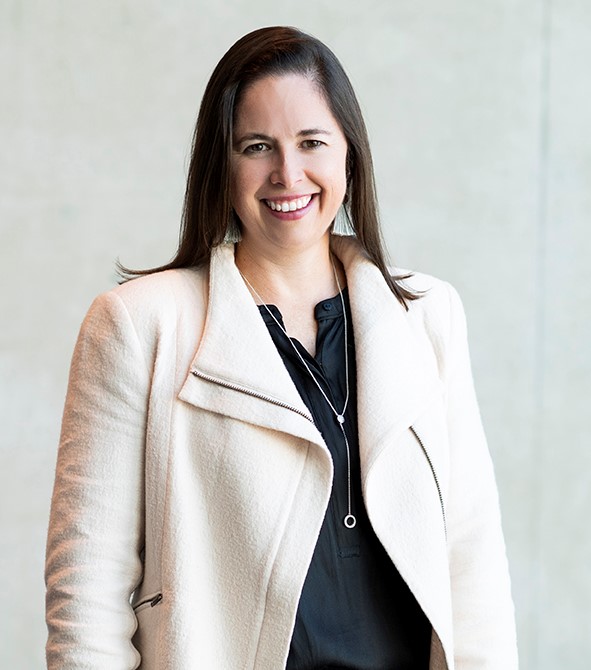
Dr. Jayani Chandrapala is an Associate Professor and Head of Department in Food Technology & Nutrition at RMIT University's School of Science. She holds editorial roles in journals like Food Chemistry Advances and Frontiers in Nutrition , and has led roles such as HDR Manager and Program Coordinator. Her research focuses on physical chemistry of food systems, dairy science, membrane processing, and functional foods. She has supervised over 25 research projects on topics like functional ingredient development, dairy product innovation, and bioactive compounds. Key interests include protein-carbohydrate interactions, non-thermal technologies, and food waste valorization. Education: BSc (Hons) in Chemistry (Sri Lanka), MSc and PhD in Food Chemistry (Monash University). Leadership roles include Assistant Associate Dean (2024) and Program Manager for the Bachelor of Food Technology & Nutrition (2020-2023). Teaches Food Chemistry and Food Manufacturing courses at undergraduate and postgraduate levels. Research outputs include over 135 publications, with recent work on milk-tea blends, buffalo milk processing, and functional food development. Active in industry collaborations and innovation projects, including space food perception studies and plant-based meat analogues.
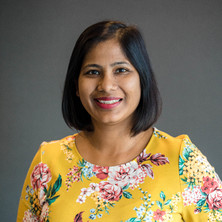
Connie Locher is an Associate Professor at the University of Western Australia (UWA), affiliated with the School of Allied Health, Pharmacy UWA Medical School, and the Institute for Paediatric Perioperative Excellence. She holds a PhD in Natural Product Chemistry from Charles Darwin University and a Staatsexamen in Pharmacy from the University of Tübingen. Her research focuses on natural product chemistry, particularly the analysis of Western Australian honeys and traditional medicinal plants, as well as paediatric formulations and complementary medicines. Education: PhD in Chemistry, Northern Territory University (2000) Staatsexamen in Pharmacy, University of Tübingen (1995) Research interests include bioactive compound isolation, honey formulations for wound care, and the role of wellness in health communities. She is a core member of UWA’s Centre for Optimisation of Medicines and actively contributes to the Cooperative Research Centre for Honey Bee Products (CRC HBP). Notable awards include Excellence in Teaching Awards (2014, 2017) and grants totaling 11 projects, such as the CHIPMUNK initiative for paediatric drug formulations and studies on honey’s antibacterial properties. Her work aligns with UN Sustainable Development Goals related to health and well-being. Lab and team involvement includes collaborations in CRC HBP Program 2 and leadership in honey testing methodologies, contributing to 80+ research outputs and datasets.
Associate Professor Amity James is a leading housing researcher at Curtin University's School of Accounting, Economics and Finance (Faculty of Business and Law). She serves as Discipline Lead for Property and Deputy Director of the Australian Housing and Urban Research Institute (AHURI) - Curtin Research Centre. Her research focuses on housing affordability, aging populations, and private rental sector dynamics, with particular attention to gendered housing disparities and older adult housing security. Education & Teaching Teaches Introduction to Property Markets (PROP2002) and Property Economics and Policy (PROP2001), blending academic rigor with real-world policy applications. Research Interests Her work examines: Housing policies affecting older adults Private rental market vulnerabilities Homelessness prevention strategies Intersection of housing and gender equity Urban development implications of demographic shifts Notable Achievements 2020 Affordable Housing and Homelessness Research Award (ShelterWA) 2018 Young Researcher of the Year (Curtin) Highly Commended 2020 Industry Project Award Grants & Collaborations Lead investigator on multiple AHURI-funded projects addressing housing insecurity, including those funded by Australian Government agencies. Collaborates with organizations like ShelterWA and the Council to Homeless Persons. Labs/Teams Leads Curtin's AHURI research hub, a multidisciplinary team producing influential policy reports on housing challenges faced by older Australians, renters, and marginalized groups.
Jochen Schweitzer is an Associate Professor of Strategy, Innovation, and Entrepreneurship at the University of Technology Sydney (UTS) Business School, and Director of UTS's Executive MBA program. He co-founded the UTS Innovation & Entrepreneurship Collaborative (IEC) to unite researchers in innovation policy. Prior to academia, he worked as a Principal at PricewaterhouseCoopers' Strategy practice, advising on innovation and strategic performance. His research focuses on entrepreneurship, design thinking, innovation ecosystems, and strategy, with publications in top journals like Journal of Product Innovation Management and Long Range Planning . He has received awards including the Best Paper Award at the Academy of Management and the Vice-Chancellor's Teaching Excellence Award. Jochen teaches courses such as Strategic Design Studio and Venture Launch, and supervises PhD candidates. His funded research projects include studies on future-oriented capabilities and innovation metrics in collaboration with government and industry partners. He actively engages with the entrepreneurship community through advisory roles and speaking engagements. Key roles include Director of Entrepreneurship (2018–2021) and Research Director for Strategy at UTS's Centre for Management and Organizational Studies (2011–2015). He holds a PhD in Strategic Management from UTS and is a sought-after consultant on strategy and innovation.
Dr. Suzi Mansu is a Senior Lecturer in the Department of Health and Biomedical Sciences at RMIT University, located at the Bundoora West campus. Her research focuses on Complementary and Alternative Medicine and Clinical Sciences, with a particular emphasis on acupuncture safety, herbal medicine efficacy, and systematic reviews in dermatology and infectious diseases. She has contributed to studies on birth-related trauma support, acne vulgaris treatments, and respiratory disorder management through traditional Chinese medicine frameworks. Education : No formal educational details provided in the text. Her research interests span acupuncture safety assessments, herbal formulations for skin and infectious conditions, and integrating digital tools into medical education. Recent work includes a 2025 scoping review on midwifery practices for birth-related trauma and a 2018 meta-analysis on acupuncture for acne vulgaris. Dr. Mansu is open to supervising Masters and PhD students in relevant fields. She has collaborated on interdisciplinary projects, including the SOPE educational model for online herbal medicine training.
Dr Sanjeev Gambhir is a Senior Research Fellow at the Intelligent Polymer Research Institute, University of Wollongong. With over 30 years of experience in chemistry, he leads bioinks synthesis and scale-up activities at TRICEP (Translational Research Initiative for Cellular Engineering and Printing) facility. His work bridges academic research with commercial translation, particularly in 3D bioprinting of living tissues. B.Sc. and M.Sc. in Organic Chemistry from Garhwal University Ph.D. in Organic Chemistry from Indian Institute of Petroleum Research focuses on 3D bioprinting technologies, graphene composites, conducting polymers, and hydrogel engineering. Key challenges addressed include biomaterial diversity limitations, bioprinted construct characterisation, and scalable bioink formulation. His work spans tissue engineering, regenerative medicine, and industrial applications. Major publications appear in Nature Communications , Journal of the American Chemical Society , and Advanced Materials . With 60+ peer-reviewed papers and an H-index of 28, his research on graphene composites and conducting hydrogels has significant citations in biomedical and materials science domains. Frater Award (Australian National Fabrication Facility, 2013) Active in mentoring junior staff and students, Gambhir collaborates with Inventia Life Science Pty Ltd and Professor Fiona Wood at the University of Western Australia. Current funding includes MRFF grants for intraoperative skin regeneration systems and translational projects through University of Wollongong infrastructure grants.
Professor Travis Klein leads the Cartilage Regeneration Laboratory at Queensland University of Technology (QUT) within the School of Mechanical, Medical and Process Engineering. His research spans biomedical engineering, focusing on cartilage regeneration, biofabrication, and development of advanced biomaterials for regenerative medicine. PhD in Bioengineering from University of California Co-founder of Gelomics Pty Ltd Founding Director of QUT Centre for Biomedical Technologies Klein's work integrates biomaterials , stem cell research , and mechanobiology to develop regenerative therapies for cartilage defects and osteoarthritis. His group applies similar technologies to cardiovascular and cancer applications through 3D cell culture systems and bioreactor engineering. Recent publications focus on hydrogel modifications , electrowriting techniques , and dynamic bioreactor systems for tissue engineering. His research has been recognized through competitive ARC fellowships and principal research roles in major grant projects. Recipient of 2011 ARC Industrial Transformation Training Centre Fellowship 2008 Australian Postdoctoral Fellowship awardee As an educator, Klein coordinates EGH438 - Biomaterials and ENN532 - Safety and Environmental Management , while lecturing in engineering mechanics and advanced manufacturing. He also supervises final year engineering projects ( EGH400 ).
Dr. Vinuthaa Murthy is a Senior Lecturer in Chemistry at the Faculty of Science and Technology , Charles Darwin University . Her research focuses on Computational and Analytical Chemistry to determine structural properties of Nanoparticles and Inorganic molecules , with applications in environmental remediation and biomedical fields . Education PhD in Theoretical Predictions of Group 13 Hydrides (Charles Darwin University, 2004) Master of Science in Physical Chemistry (Bangalore University, 1988) Bachelor of Science (Bangalore University, 1986) Her research integrates Molecular Dynamics , Quantum Chemistry , and Density Functional Theory to study metal carbides , zeolites , and layered double hydroxides . Recent projects include green synthesis of metal nanoparticles using native plant extracts for wastewater treatment and antibacterial applications , and developing fluorine-free firefighting foams through computational modeling. Representative articles (2020–2024) span Nanoparticle characterization , photovoltaic material design , and anti-cancer compound screening . Collaborations include institutions like Australian Nuclear Science and Technology Organisation (ANSTO) and research groups in environmental chemistry and materials science . Scientific Awards Vice-Chancellor’s Award for Outstanding Contribution to Student Learning (2012) Excellence in Research and Training (2022) Best Scientist in STEM Engagement (2023) She supervises PhD and HDR projects on nanoparticle synthesis , firefighting foam optimization , and Pollutant removal from water . Additional roles include Examiner for PhD/MSc theses and active membership in the Royal Australian Chemical Institute and university committees.
Timothy E. Long is a Professor at Arizona State University (ASU), holding joint appointments in the School of Molecular Sciences and the School for Engineering of Matter, Transport, and Energy . He serves as Director of the Biodesign Center for Sustainable Macromolecular Materials and Manufacturing . Long earned a B.S. in Chemistry from St. Bonaventure University (1983) and a Ph.D. in Chemistry from Virginia Tech (1987). His research focuses on sustainable polymer design, additive manufacturing (3D printing), and green chemistry principles. Key interests include developing degradable polymers, functional materials for advanced technologies, and integrating 3D printing with polymerization processes. He emphasizes circular economy principles, aiming to reduce environmental impact through recyclable and biodegradable materials. Long’s publications span over 200 peer-reviewed articles, with recent work addressing photopolymerization of latexes, non-isocyanate polyurethanes, and electroresponsive hydrogels. His group collaborates across disciplines, including chemical engineering, materials science, and biochemistry, promoting diversity in thought and innovation. He leads initiatives in ASU’s Biodesign Institute and teaches advanced courses in polymer science and sustainable materials. His research group actively engages in conferences and industry partnerships to translate fundamental research into practical applications.
Dr Matthias Kramer is a Senior Lecturer at the UNSW Canberra , School of Engineering and Information Technology. He has previously worked at the University of Queensland and the University of Stuttgart. His research focuses on open-channel hydrodynamics with an emphasis on multiphase flows, hydraulic structures, and measurement instrumentation. Education: PhD from University of Stuttgart (2015) on 'Air demand of impulse turbines in counter pressure operation' His research interests include open-channel flow dynamics, multiphase flow analysis, and the development of innovative flow measurement technologies . He has extensively published on topics such as air-water flow properties , turbulent free-surface flows , and plastic pollution transport in fluvial systems. His recent publications demonstrate a focus on environmental engineering , with strong emphasis on fluid dynamics , instrumentation , and hydrological systems . These works include studies on air-water flow measurement , plastic transport modeling , and hydraulic structure design . Dr Kramer has received multiple scientific awards including: UNSW Rector Funded Visiting Fellowship Research Infrastructure Scheme (Combined open-channel/wave flume) Substantial merit-based startup grant (UNSW Canberra) Establishment award (UNSW Canberra) DFG research fellowship on 'Air-water mass transfer at hydraulic structures' He currently supervises PhD candidate Hanwen Cui (joint with Dr Stefan Felder) and Masters student Reilly Cox (UNSW Sydney). Dr Kramer is involved in hydro-environmental research infrastructure at UNSW and serves on the Editorial Panel of ICE Water Management .
Professor Nidhi Bansal is a leading expert in dairy and food bioprocessing at the University of Queensland (UQ) , serving as the Director of Teaching & Learning in the School of Agriculture and Food Sciences. With over 150 publications and an h-index of 38 (Google Scholar), her work bridges agricultural sciences , food chemistry , and clinical nutrition . PhD in Dairy Chemistry (University College Cork, 2007) B.Tech in Dairy Technology (SMC College of Dairy Science, 2003) Research Focus: • Non-Thermal Processing: Leading UQ's 'non-thermal processing research program' since 2011, developing pulsed electric field (PEF) and high-pressure processing (HPP) to preserve milk biomolecules while ensuring microbial safety. • Non-Bovine Milk Systems: Pioneering research on camel milk and human milk , exploring their composition, enzymology, and bioactive properties. • Milk Protein Structure: Investigating protein interactions, denaturation, and functional properties like foaming, gelling, and emulsification. Recent Article Trends highlight contributions to Precision Fermentation , Milk Foam Science , and Camel Milk Applications . Her work has been cited in 103 countries across 25 disciplines, including Medicine and Chemical Engineering . Scientific Leadership: Program Lead for the $165M Food and Beverage Accelerator (FaBA) Trailblazer Grant CI on grants exceeding $183M from NHMRC, ARC, and industry partners Director of UQ’s Education and Training Program in the Strategic University Reform Fund ($6.9M) Mentoring Excellence: Supervised 27 HDR students (12 as principal advisor) and >60 coursework students. Authored multiple Food Chemistry and Journal of Dairy Science publications with significant impact on infant nutrition and food safety .
Professor Stephen Barkoczy is a full-time Professor at Monash University's Faculty of Law, Australia, with extensive expertise in taxation, superannuation, and venture capital investment law. He concurrently serves as Chair of the Innovation and Investment Committee of Industry Innovation and Science Australia and as a member of the International Faculty at the Vienna University of Economics and Business, where he lectures in the Master of Laws Program in International Tax Law. His academic qualifications from Monash University include: PhD (2002) Master of Taxation Law (1992) LL.B. (1986) B.A. in Indonesian and Malay (1984) Barkoczy's research spans Taxation Law, Superannuation Law, Venture Capital Law, and Investment Law, with critical analysis of regulatory frameworks in Australian and New Zealand contexts. His work examines tax policy evolution, investment mechanisms for innovation, and cross-jurisdictional legal structures, directly contributing to sustainable economic development through evidence-based legal solutions and government policy formulation. His recent publications (2022-2024) demonstrate sustained focus on foundational tax law education through authoritative textbooks including multiple editions of 'Foundations of Taxation Law' and 'Core Tax Legislation and Study Guide'. These works systematically cover Australian and New Zealand tax systems, emphasizing legislative interpretation, international tax coordination, and practical application of complex statutory frameworks across corporate, individual, and investment contexts. He has received exceptional recognition for teaching excellence, including: Vice Chancellor's Award for Teaching Excellence Monash Student Association's Outstanding Teaching Award for the Faculty of Law Dean of Law's Award for Excellence in Teaching Australian Learning and Teaching Council Award for Teaching Excellence in Law Prime Minister's Award for Australian University Teacher of the Year (2008) Professor Barkoczy actively supervises Honours, Masters, and PhD students while leading significant research initiatives including Australian Research Council (ARC) Discovery and Linkage projects. His funded work includes the ARC Linkage project 'Designing world-class venture capital programs to support commercialisation of Australian research' (2013-2018) and the ARC Discovery project 'Venture capital (VC) and tax expenditure programs - an international comparative analysis' (2005-2006), alongside consultancy grants from the Australian Taxation Office and Innovation Australia for specialized tax policy reviews.
Dr. Ram Bhusal is an NHMRC Investigator Fellow in the Biomedicine Discovery Institute (BDI) at Monash University. His research focuses on tick salivary proteins (evasins) and their role in inhibiting human chemokines for anti-inflammatory therapeutic development. He also explores evolutionary mechanisms of evasins to understand protein sequence-structure-function relationships. Dr. Bhusal holds a PhD in Chemical Biology from the University of Auckland (2014–2018), a master’s in Medicinal Chemistry from Wonkwang University (South Korea), and a bachelor’s in Pharmaceutical Sciences from Pokhara University (Nepal). Research interests include structural biology of chemokine interactions, protein engineering for therapeutics, and tuberculosis metabolism. He leads projects like 'Harnessing ticks' tricks to develop therapies for inflammatory diseases' and collaborates internationally. Awards include NHMRC Fellowships and travel grants for conferences. Dr. Bhusal accepts PhD students and has contributed to over 24 publications since 2010, spanning structural biology, drug discovery, and food science. Education: PhD (Chemical Biology): University of Auckland (2014–2018) MSc (Medicinal Chemistry): Wonkwang University (South Korea) BSc (Pharmaceutical Sciences): Pokhara University (Nepal) Awards: NHMRC Investigator Fellow (Monash University) Australian Peptide Conference Travel Award (2022) BDI ECR Support Fund (2022) Biomedicine Discovery Institute Travel Grant (2021) Projects: Suppression of Treg Recruitment in Cancer Immunotherapy (2025–2028) Harnessing ticks’ tricks for anti-inflammatory therapies (2024–2028) Research outputs highlight structural studies of evasins, probiotic effects on food systems, and tuberculosis enzyme mechanisms. His work bridges basic science and translational medicine, addressing global health challenges like inflammatory diseases and antimicrobial resistance.
Pouya Dehghankelishadi is a Research Fellow at Monash University's Department of Drug Delivery, Disposition and Dynamic. His work focuses on developing multi-functional drug delivery systems using porous silicon nanoparticles and gold nanoclusters for cancer treatment, particularly glioblastoma and breast cancer. He holds a PhD from the University of South Australia (2022) and a Doctorate of Pharmacy (PharmD) from Tehran University of Medical Sciences (2014). Education: PhD in Nanomedicine, University of South Australia (2022) Doctorate of Pharmacy (PharmD), Tehran University of Medical Sciences (2014) Research Interests: Targeted drug delivery systems for cancer therapy Nanoparticle engineering (porous silicon, gold nanoclusters) Theranostics and biomedical applications of nanomaterials Radiosensitiser delivery to tumour microenvironment Article Trends: His publications emphasize nanoparticle-based drug delivery systems, with recent work focusing on aptamer-targeted carriers, implantable biosensors, and stimuli-responsive nanocarriers for brain cancer treatment. Themes include nanomedicine design, cancer therapeutics, and biomedical imaging. Advising/Grants: No formal advisees listed. Research is conducted under Prof. Nicolas Voelcker's lab, with a focus on translational nanomedicine. Labs/Teams: Active member of Prof. Voelcker's lab at Monash University, contributing to interdisciplinary research in drug delivery and biomedical engineering.
David Fletcher is an Adjunct Professor at the University of Sydney's School of Chemical and Biomolecular Engineering. He holds a BSc and PhD in Mathematics from the University of Exeter (UK) and a Habilitation à Diriger des Recherches (HDR) from the Institut National Polytechnique de Toulouse (France). His expertise spans computational fluid dynamics (CFD), fluid-structure interaction (FSI), and multiphase flow modeling with applications in biomedical systems, pharmaceutical inhalers, and chemical engineering. Education: BSc Mathematics, University of Exeter (1979) PhD, University of Exeter (1982) HDR in Chemical Engineering, Université de Toulouse (2002) Research Interests: Coupled systems simulation (e.g., combustion, micro-flows, biomedical applications) CFD education and software development Bioinspired heart valve design for pediatric use PFAS degradation via CFD-optimized reactors Key Projects: Polymeric heart valve design collaboration with Cincinnati Children’s Hospital CFD modeling of pharmaceutical inhalers with Macquarie University Bubble column optimization for energy-efficient bioreactors Awards: Recognized among the Top 2% of global researchers in 2019, 2021, and 2023 (PLOS Biology ranking). International Collaborations: France (INP Toulouse), Malaysia (Universiti Malaysia Pahang), UK (University of Birmingham), USA (Ann & Robert H. Lurie Children’s Hospital). Students: Supervised PhD graduates now in academia (China, Saudi Arabia) and industry (Australia, India).