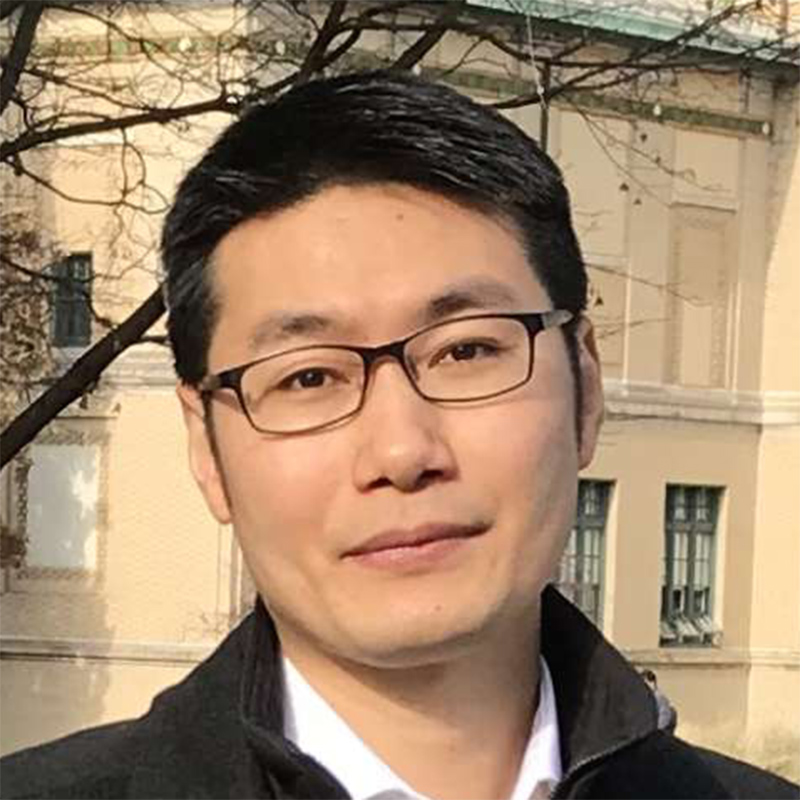
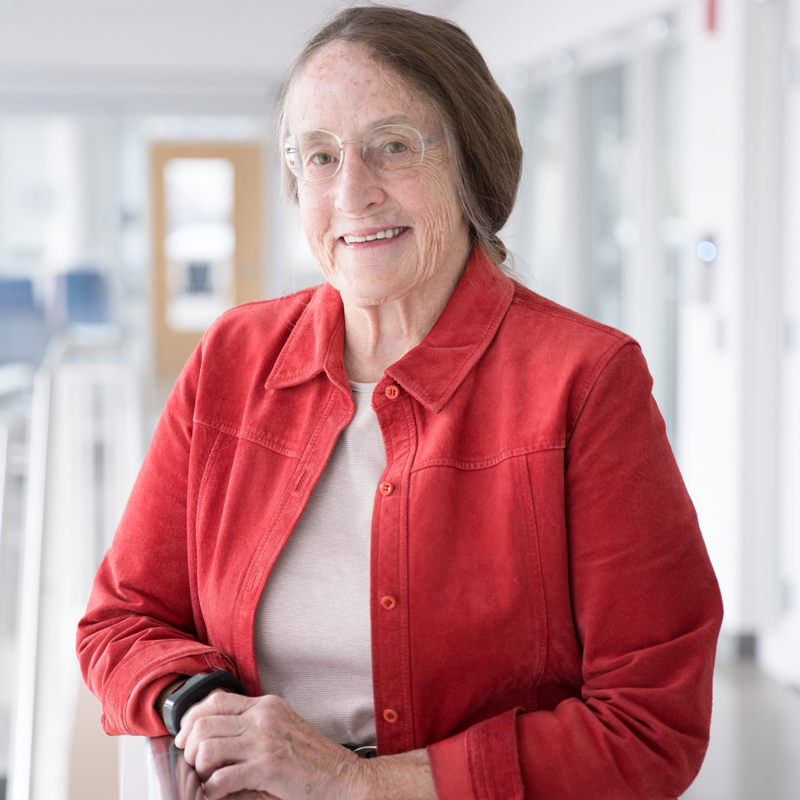
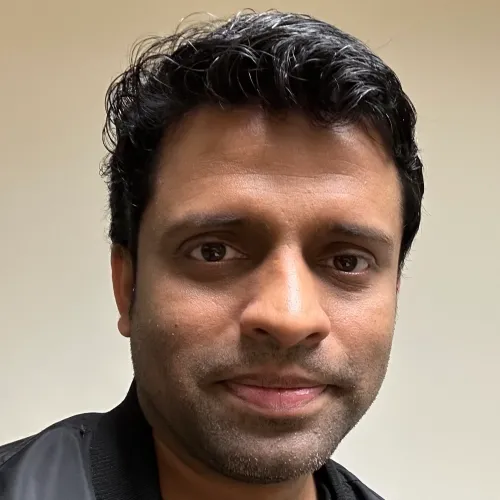
Kun Zhang is a Professor at Carnegie Mellon University's Department of Philosophy and an affiliate faculty member in the Machine Learning Department. His research bridges causal discovery, machine learning, and philosophical foundations of AI, with applications in neuroscience, computational finance, and climate analysis. His work focuses on: Automated causal discovery from heterogeneous data Causality-based learning for transfer and deep learning Philosophical principles of causation and machine learning Recent research trends emphasize causal representation learning, nonparametric modeling, and real-world applications across biomedical, financial, and Earth sciences. He leads the Causal Learning and Reasoning (CLeaR) group at CMU and collaborates with the Center for Integrative AI (CIAI) at MBZUAI.
Dr. Raphaela Veit is a Research Fellow in the Department of Classics at Humboldt-Universität zu Berlin's Faculty of Language, Literature and Humanities. Her academic career includes leadership roles in several DFG-funded projects, such as 'Averroes as a Physician' (2017-2024) and 'Studies on the Sources of Avicenna's Canon of Medicine' (2006-2010). She has held research positions at prestigious institutions including the University of Cologne's Thomas-Institute and the University of Tübingen's Department of Medieval Studies. Education: PhD in Medieval History/Islamic Studies (University of Tübingen, 2001) M.A./Maîtrise in History and Islamic Studies (University of Tübingen and Aix-Marseille I, 1996) Research Interests: Dr. Veit specializes in the transmission of Arabic medical knowledge to medieval Europe, focusing on key figures like Averroes and Avicenna. She examines how Islamicate medical texts were translated, adapted, and integrated into Latin and Hebrew scholarship, particularly in al-Andalus and Italy. Her work also explores manuscript studies, including calligraphic practices and textual provenance, as well as the interplay between religious doctrines and medical education in pre-modern contexts. Recent projects analyze the Canon of Medicine 's reception across cultures and the role of translational medicine in political and intellectual networks. Publications Trends: Her recent articles reveal sustained engagement with Avicenna’s Canon and its Latin adaptations, medieval medical translation networks (e.g., Andrea Alpago), and the textual layers connecting Greek, Arabic, and Latin medical traditions. She emphasizes the materiality of manuscripts and their role in transmitting knowledge, often collaborating with institutions like the Linden-Museum Stuttgart and the Thomas-Institute Cologne. Advising & Grants: Dr. Veit has extensive grant leadership experience, including DFG projects since 2006. Though no formal advisees are listed, her multi-institutional collaborations suggest mentorship roles in interdisciplinary teams. Grants supported her work on digitization (e.g., Digital Averroes Research Environment) and international workshops on Galen and Averroes' medical thought. Labs & Teams: She is part of the DFG-funded team for Galen's Commentary on the Hippocratic Aphorisms and previously led the Averroes as a Physician project. Her work intersects with the Institut für Klassische Philologie (HU Berlin), the Thomas-Institute (Cologne), and the Heidelberg Academy of Sciences and Humanities. She also engages with the 'Marburger Gespräche zur Alten Heilkunde' and the 'Digital Averroes Research Environment' (DARE) project, which digitized manuscripts and texts.
Craig Messner is a Lecturer at Johns Hopkins University, affiliated with the Alexander Grass Humanities Institute and the Center for Digital Humanities (CDH). He holds a PhD in English from UCLA (2021) and previously served as a post-doctoral researcher at CDH, focusing on non-standard dialectal English in 19th-century literature. His work bridges historical linguistics and digital humanities, emphasizing computational methods for analyzing literary dialects and textual variation. Education: PhD in English, UCLA, 2021 Research Interests: Dr. Messner specializes in 19th-century literary dialects, dialectology, and the application of computational tools to historical texts. His research explores how orthographic and linguistic variations in literature reflect sociolinguistic identities and temporal shifts. Current projects include developing curricula at CDH that integrate digital methodologies into humanities research. Publications: His recent work highlights trends in diachronic linguistic analysis, neural modeling of orthographic variants, and the intersection of NLP with literary studies. Earlier publications address narrative techniques in American literature and philosophical themes in literary space. Awards: No scientific awards explicitly mentioned in available texts. Advising & Grants: No formal advisees or grants listed. His role at CDH emphasizes curriculum development rather than direct student supervision. Labs/Teams: Active in CDH (Center for Digital Humanities), leading initiatives to build interdisciplinary curricula and computational tools for humanities research.
David Bell is an Associate Professor and Chair in the Department of Linguistics at Ohio University's College of Arts and Sciences. He is actively engaged in research and teaching, with a strong focus on pragmatics, discourse analysis, and the sociocultural dimensions of language. His office is located in Gordy Hall 383C, and he can be reached at belld@ohio.edu. Education: Ph.D. in Applied Linguistics, Boston University, 1994 MA in Linguistics, San Diego State University, 1989 PGCE (Post-Graduate Certificate of Education), University of Sussex, 1975 B.Sc. in Sociology, N.E. London University, 1970 David Bell's research centers on pragmatics and discourse markers , especially their use in academic and conversational contexts. He has also expanded into language and food studies , exploring how food-related discourse reflects identity, class, and cultural transfer—particularly in historical British contexts. His work often bridges linguistic theory with cultural and historical analysis, as seen in his collaborative studies on wine tasting notes, wartime Italian POW foodways, and early 20th-century advertising language. His recent publications demonstrate a shift toward interdisciplinary research combining linguistics , cultural history , and food studies . Themes include conviviality, commensality, stylistic variation in expert discourse, and the pragmatics of advertising. These works reveal a consistent interest in how language constructs social meaning across time and context. Scientific Awards: No awards listed in the provided text. As an Associate Professor and Chair, David Bell is likely involved in advising graduate students and leading departmental initiatives. While no specific grants are mentioned, his sustained publication record in top journals suggests a history of research productivity and academic leadership. He has collaborated extensively with Dr. Tony Moran on food-related linguistic projects, indicating an active research partnership. David Bell is associated with the Linguistics program at Ohio University. There is no mention of specific labs or research centers, but his role as Chair implies administrative and organizational leadership within the department.
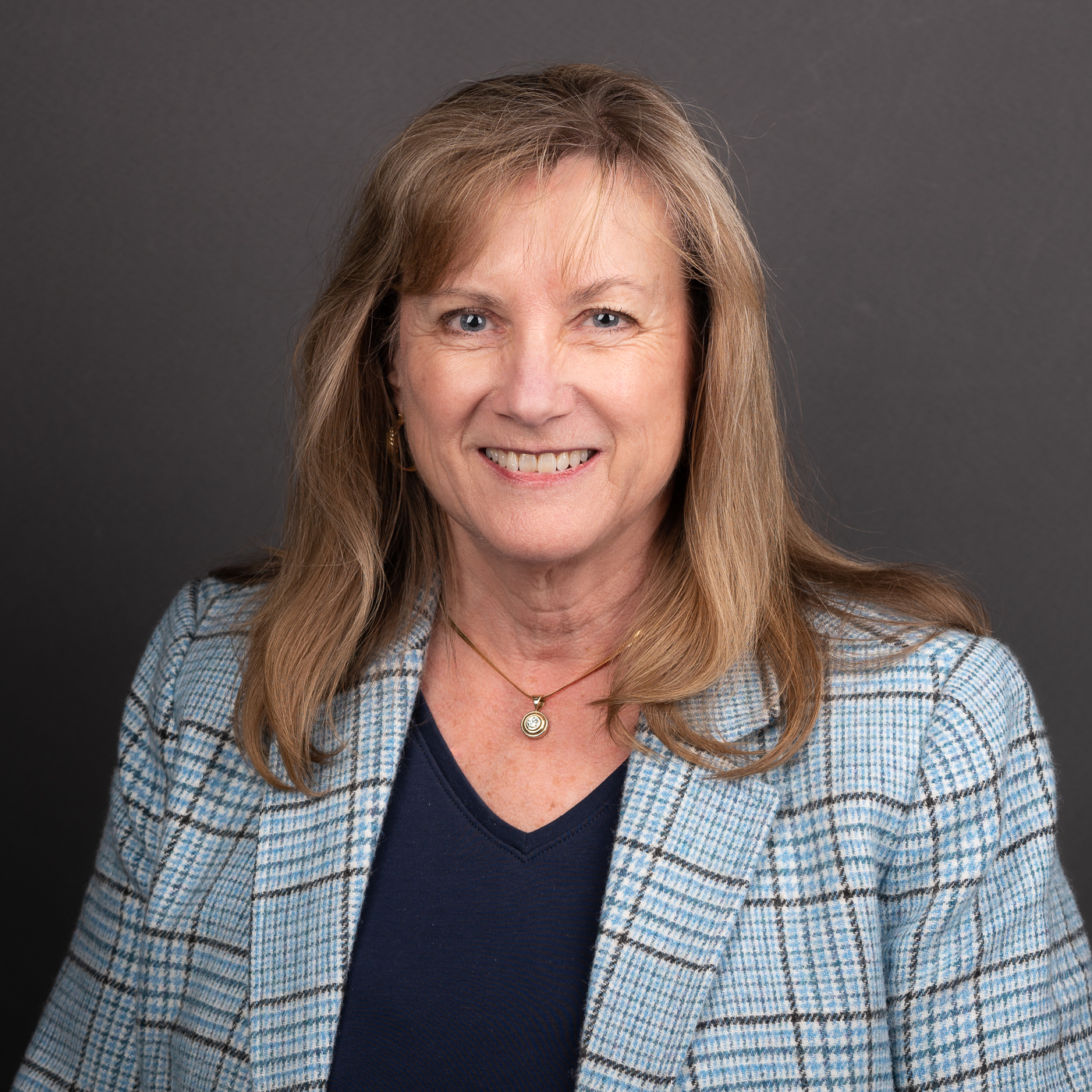
Dr. Paula Ruby is a Professor in the Department of Information Systems and Business Analytics at the Neil Griffin College of Business, Arkansas State University, where she has served for 20 years. Her work bridges information systems with educational innovation, focusing on practical tools for student learning. Research Interests: Her research centers on learning styles, note-taking skills, and learning transfer. She explores how cognitive and technological tools can enhance educational outcomes, particularly through mobile applications that support academic skills. Her work integrates pedagogy with information systems to improve learning efficiency. The recent publications and app developments reflect a strong trend in educational technology and cognitive learning support , particularly in note-taking and keyboarding skill development. These works demonstrate a consistent focus on translating academic skills into accessible digital tools for students. Scientific Awards: Patent titled TRANSLATOR Advising and Grants: While no formal advisees or grant funding are mentioned in the text, Dr. Ruby has co-authored multiple scholarly works and developed several educational applications, suggesting active research collaboration and potential project-based funding. Her textbook authorship and app development indicate significant scholarly output and educational impact. Labs and Teams: Dr. Ruby collaborates closely with Dr. Ralph Ruby on research and application development, including the creation of mobile apps such as Ruby Translator, Texting Champ, Keyboarding Champ, and Class Notes. This partnership functions as a research and development team focused on academic skill enhancement through technology.
Michel Lefftz is a Professor at Université Catholique de Louvain and Université de Namur, specializing in Baroque and medieval sculpture studies. His work spans material heritage analysis, prosopography, and iconographic traditions across Southern Netherlands, France, and Belgium. Key projects include Baroque and Rococo Sculpture in Namur , Pyrenean Marian Statuary , and Meuse Valley Quarries . Education: Doctor of History, Art and Archeology (Université Catholique de Louvain) Research Focus: Lefftz investigates stylistic evolution in Baroque sculpture, material provenance, and cross-regional artistic networks. His work bridges technical analysis (filigree decoration, limestone sourcing) with iconological interpretations (funerary symbolism, Marian imagery). Scientific Contributions: Over 186 research outputs and 11 projects since 2000 demonstrate expertise in sculpture characterization, chronology reassessment, and cultural heritage preservation. Recurring themes include Lambert Lombard's influence, Borman family workshops, and Meuse Valley geology. Awards & Recognition: Received honors since 1998, including roles as scientific committee member for major exhibitions like Bormain in Context (2024) and Guillaume de Jonckeu (2021). Academic Leadership: Supervised 39 research works and mentored PhD students such as Collard, S. and Van Hauwermeiren, C., combining formal analysis with interdisciplinary approaches to sculpture studies.
Prof. Dr. Dag Nikolaus Hasse, Chair of the History of Philosophy (Chair III) at the Institute of Philosophy, Julius-Maximilians-University of Würzburg, is a leading scholar in Greco-Arabic-Latin philosophical traditions. He directs the Arabic and Latin Corpus Project and the Center for Philology and Digitality. His research spans medieval science, Renaissance cultural polemics, and Islamic-Western intellectual exchange. Doctorate from the University of London (1997) Habilitation at Freiburg (2005) Academic positions in Göttingen, Yale, Warburg Institute, Tübingen His research focuses on Arabic influence in Europe , 12th-16th-century philosophical transmission , and DFG-funded projects on Cicero's Tusculanae Disputationes and Averroes' Metaphysics. The 15 most recent publications analyze Arabic-Latin textual traditions, Renaissance translation motivations, and environmental philosophy in medieval commentaries. Key awards include the 2016 Leibniz-Preis and 2018 Sheikh Zayed Book Award . He has supervised 13 PhDs on topics from Ptolemaic astronomy to Syriac translations, and actively engages public discourse through media interviews and ARD Alpha lectures.
Hüseyin serves as a Lecturer in the Department of Graphics at Kırıkkale University's Vocational School, holding this position since 2018 while concurrently managing the university's Press, Broadcasting and Public Relations Unit from 2018-2022. His academic foundation stems from Gazi University, where he completed all degrees in Fine Arts Education with specialization in Painting. His educational credentials include: PhD in Fine Arts Education (Gazi University, 2017-2024) Master's in Painting Education (Gazi University, 2017) Bachelor's in Painting Education (Gazi University, 2013) Hüseyin's research bridges educational technology with science pedagogy, focusing on AI-driven learning analytics, augmented reality applications, and computational thinking development. His work investigates how digital interventions like game-based learning and flipped classrooms transform conceptual understanding in physics concepts such as pressure systems and Hooke's law, while simultaneously cultivating 21st-century skills including entrepreneurial thinking and creative problem solving through Arduino-based STEM activities. Analysis of his publication trajectory reveals three dominant research vectors: (1) AI-enhanced misconception detection using NLP techniques, (2) immersive laboratory environments combining AR with traditional POE strategies, and (3) physical computing integration for developing algorithmic thinking. His recent 2023-2025 publications demonstrate increasing emphasis on educational data mining for personalized instruction and entrepreneurship skill cultivation within STEM contexts. No scientific awards were documented in the provided materials. Hüseyin's project portfolio includes achievement test development for physics concepts and experimental activity design for teacher training. His work spans formal classroom settings, university laboratories, and out-of-school learning environments, with notable focus on adapting REACT strategy implementation and flipped classroom models for laboratory instruction. Current projects emphasize AI-supported differentiated instruction and computational thinking development through tangible interfaces. His laboratory research examines the comparative effectiveness of virtual, computer-based, and augmented reality environments on student skills acquisition, with particular attention to graphical interpretation competencies and attitude formation. Collaborative knowledge construction remains central to his approach, as evidenced by consistent application of learning cycle models across diverse experimental contexts.
MARIA JESUS MORENO DOMINGUEZ is a Contracted Professor at the Faculty of Labor Sciences , University of Huelva, within the Department of Business Management and Marketing . She is affiliated with the research group HUM648 AGORA (Study Group on Educational Research) and has previously contributed to groups focused on tourism innovation and virtual business dimensions. PhD in Business Management (University of Huelva, 2003) Thesis: The Knowledge-Based Vision of the Company: A Case Study Research spans business management, knowledge transfer, leadership dynamics, and interdisciplinary healthcare topics Her recent publications highlight two distinct research trends: (1) Business and Organizational Studies , including knowledge management, leadership styles, and innovation in agro-industries and tourism, and (2) Healthcare and Medical Research , focusing on post-COVID recovery, acute aortic syndrome, and mood-physiology interactions. While her primary academic affiliation is in business disciplines, her collaborative work extends into clinical and public health domains. Scientific Awards : No explicit awards mentioned in the provided data. Collaborations : She has co-authored works across multidisciplinary areas, including collaborations with medical institutions and researchers, though no formal teams or labs are detailed in the source text.
Kovács László is a Professor at the Department of General Informatics within the Faculty of Information Technology at the University of Miskolc, Hungary. With a continuous academic career spanning from 1995 to present, he has established himself as a leading researcher in artificial intelligence, machine learning, and process mining. His work bridges theoretical computer science with practical applications in various domains including robotics, natural language processing, and educational technology. Professor Kovács' research interests focus on artificial intelligence, machine learning, process mining, natural language processing, graph theory, and formal concept analysis. His work demonstrates a strong emphasis on neural network applications, knowledge representation, and the development of novel algorithms for complex data structures. He has made significant contributions to the fields of explainable AI, event log analysis, and intelligent tutoring systems, with particular attention to the application of graph-based methods in knowledge representation. Analysis of his recent publications (2024-2025) reveals a strong trend toward interdisciplinary AI applications, particularly in process mining, educational technology, and robotics. His work shows increasing integration of neural network architectures with formal concept analysis, demonstrating innovation in knowledge representation techniques. The research spans theoretical foundations in lattice theory and concept hierarchies to practical implementations in robotic control systems and educational platforms, reflecting a balanced approach between theoretical computer science and applied AI. Professor Kovács has served as editor for significant publications including 'Artificial Intelligence Research at the University of Miskolc: Development of an analytical and robotic process automation system for high-load customer service' (2024), demonstrating leadership in his field. His research has been published in high-impact journals including Knowledge-Based Systems (SJR D1), Expert Systems with Applications (SJR D1), and Mathematics (SJR Q2), indicating the quality and significance of his contributions to the academic community.
Mårten Björkman is a Professor at the School of Electrical Engineering and Computer Science , Royal Institute of Technology (KTH) , specializing in Robotics, Perception and Learning . His research bridges 3D computer vision with multimodal sensor fusion, including force-torque sensing, to enhance human-robot interaction. Recent work focuses on modeling sequential data for robotic control, human movement prediction, and power systems. Key research areas include: Reinforcement learning for robotic systems Human movement analysis and prediction Implicit regularization in neural networks Online learning for dynamical systems Power system control with AI 3D perception through multi-view vision His recent publications span deep learning for assembly inspection , EEG-based brain-robot interfaces , safe reinforcement learning , and multimodal motion generation . The work intersects robotics, machine learning, and human-centric system design. The Robotics, Perception and Learning division at KTH hosts his research, equipped with state-of-the-art facilities for robotic vision and human interaction studies.
Mary Shaw is the A.J. Perlis Professor of Computer Science at Carnegie Mellon University's School of Computer Science (SCS), with a joint appointment at the Software Engineering Institute (SEI). She co-founded the SEI and served as Chief Scientist (1984-1987). Research Focus: Software architecture, value-based software engineering, end-user software engineering, and software reliability modeling. Education: Pioneered software engineering education frameworks and graduate curriculum guidelines. Grants: Involved in NSF-CCF-0438929, NSF-CCR-0325273, and Sloan Software Industry Center projects. Scientific Awards: National Medal of Technology and Innovation Stibitz Computer Pioneer Award Warnier Prize (1993) Fellow of IEEE Computer Society and AAAS Publications Trends: Recent work spans AI ethics in software, design space theory, adaptive systems, programming language philosophy, and empirical software research. She emphasizes bridging theoretical research with practical applications through projects like Vitruvius for software architecture and EUSES for end-user programming tools.
Anca Dinu is a Lecturer at the Faculty of Foreign Languages, University of Bucharest, with a dual academic background in Computer Science (PhD, 2011) and Theoretical Linguistics (MSc, 2004). Her work bridges computational methods with linguistic analysis, focusing on Romanian language processing and Romance language comparisons. PhD in Computer Science (University of Bucharest, 2011) MSc in Theoretical Linguistics (Faculty of Foreign Languages, 2004) Bachelors in Mathematics and Computer Science (University of Bucharest, 2003) Bachelors in Electrical Engineering (Politechnica University, 2002) Her research spans computational linguistics, natural language processing, and historical linguistics. Key areas include collocation detection, stress assignment in Romanian, temporal text classification, and linguistic creativity assessment. She contributes to digital humanities through tools like CoToHiLi for historical linguistics. Recent publications examine large language models (LLMs) in creativity comparison with humans, automatic victim-blaming detection, and literary text analysis. Her work integrates formal semantics, syntax, and quantitative methods across 20 years of scholarly output.
Abhijit Mishra is an Assistant Professor at the University of Texas School of Information, where he teaches courses in Applied Machine Learning, Natural Language Processing (NLP), Deep Learning, and Human-Centered Data Science. He holds a Ph.D. in Computer Science and Engineering from the Indian Institute of Technology Bombay and has previously worked as a research scientist at Apple and IBM Research, focusing on Siri and IBM Watson. Education: Ph.D. in Computer Science and Engineering (IIT Bombay) Bachelor of Technology in Computer Science and Engineering Research Interests: Machine Learning for NLP Large Language Models Cognition-Inspired NLP Multimodal Systems Conversational AI His recent publications focus on privacy-preserving AI, EEG-based text generation, hallucination detection in code summaries, and multimodal reasoning. He has received recognition for outstanding reviewing at EMNLP 2020 and ACL 2017. Abhijit mentors students in projects involving NLP, machine learning, and cognitive science applications, with recent theses on EEG-driven dialog systems and multilingual multimodal models.
Luca Cagliero is an Associate Professor (L.240) at the Department of Control and Computer Science (DAUIN) at Politecnico di Torino . He serves as Coordinator of the Interdepartmental Center SmartData@PoliTO - Big Data and Data Science Laboratory and Scientific Advisor for the Partnership Agreement with TIERRA. His research spans Data Science , Machine Learning , and Natural Language Processing , with a focus on Financial Data Mining , Generalized Pattern Mining , and Legal AI . Scientific Branch: IINF-05/A - Information Processing Systems (Area 0009 - Industrial and Information Engineering) ERC Sectors: PE6_7 (Artificial Intelligence), PE6_9 (Human Computer Interaction), PE6_11 (Machine Learning), PE6_10 (Web and Information Systems) His scientific awards include the GiovedìScienza Award (2013), Working Capital PNI (2011), and Optime. Recognition of Merit in the Study (2008). He is a Fellow of ACM (2010-) and Effective Member of IEEE (2010-). As an Associate Editor for journals like Expert Systems with Applications and Machine Learning with Applications , he contributes to academic publishing. His conference roles include Program Committee memberships at ACM SIGMOD 2023, IEEE ICDM 2021, and ACM CIKM 2018. Luca supervises PhD students in areas such as AI-driven Cybersecurity , Conversational AI , and Neural Explainers , including Aurora Gensale, Giuseppe Gallipoli, and Irene Benedetto. His commercial research contracts involve projects like AI for Trend Analysis (Intesa Sanpaolo), Predictive Maintenance , and Legal Document Processing . Key research trends include Retrieval Augmented Generation for visually-rich documents, Bias Mitigation in speech models, and Shapley Value Estimation for model explainability. His work bridges Natural Language Processing with Cybersecurity in automotive systems.