- Artificial Intelligence
- Machine Learning
- AI Governance
- +۱۲ مورد دیگر
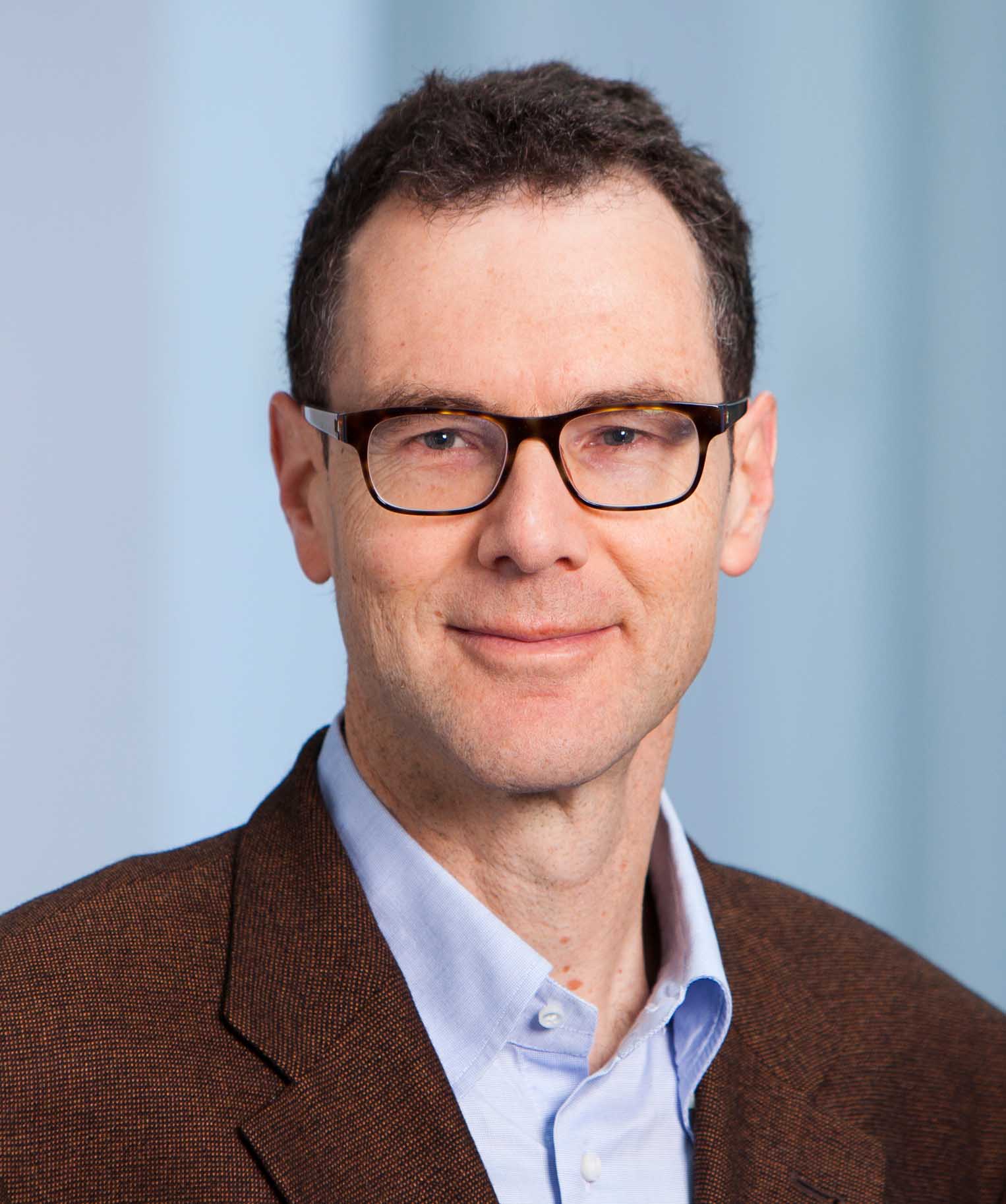
Henri van Soest is a Professor of Policy Analysis at the RAND School of Public Policy and a Senior Analyst at RAND Europe. He is based at RAND, a global policy research organization, where he leads studies on energy security, artificial intelligence governance, critical infrastructure protection, and European Union policy. His work supports key institutions including the European Union, UK government, and Dutch government. His research focuses on the intersection of technology and policy, particularly in energy systems and AI. Key areas include: AI governance and trustworthy AI tools Energy security and digitalisation of the power grid Critical undersea infrastructure protection Cybersecurity in energy systems Space technology regulation Societal resilience and national security The trend in his recent publications shows a growing emphasis on the dual-use nature of AI in critical infrastructure, balancing innovation with security and resilience. His work combines technical analysis with policy recommendations, often using modeling and expert elicitation. Much of his research addresses transatlantic and European policy challenges, especially in energy and security domains. Scientific contributions and policy impact are evident through frequent publications and expert submissions to governmental bodies. Notable outputs include evidence submissions to the UK Parliament and reports for the U.S. Department of Energy. While no formal awards are listed, his influence is reflected in high-level policy engagement. He has advised on grants and policy studies involving global teams, particularly in energy transition, AI infrastructure, and resilience planning. His prior experience includes energy policy research at the University of Oslo, cleantech analysis, and corporate governance in banking. He holds a Ph.D. from the University of Cambridge and a joint LL.M. from KU Leuven and the University of Zurich. Henri van Soest leads research within RAND Europe’s multidisciplinary teams focusing on science, technology, and security policy. His work often involves collaboration across international experts and institutions, particularly on EU and NATO-related security issues. He contributes to projects involving horizon scanning, Delphi studies, and quantitative modeling in policy contexts.