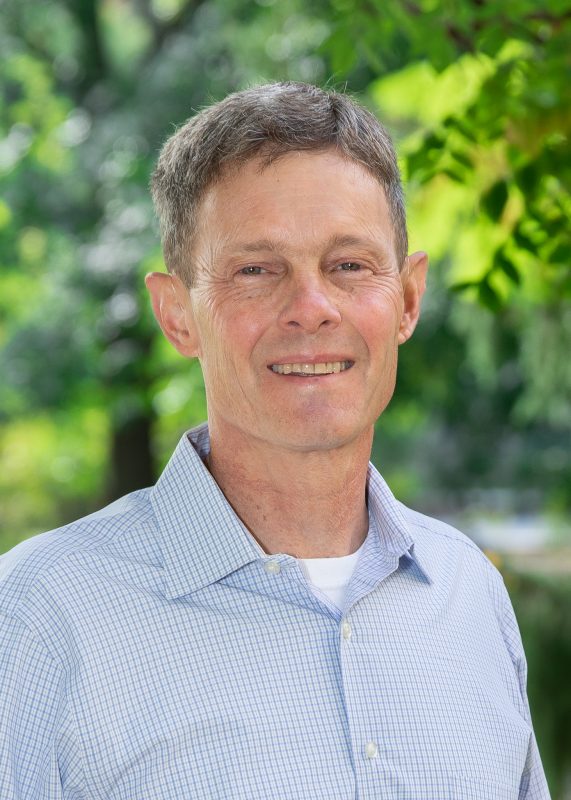
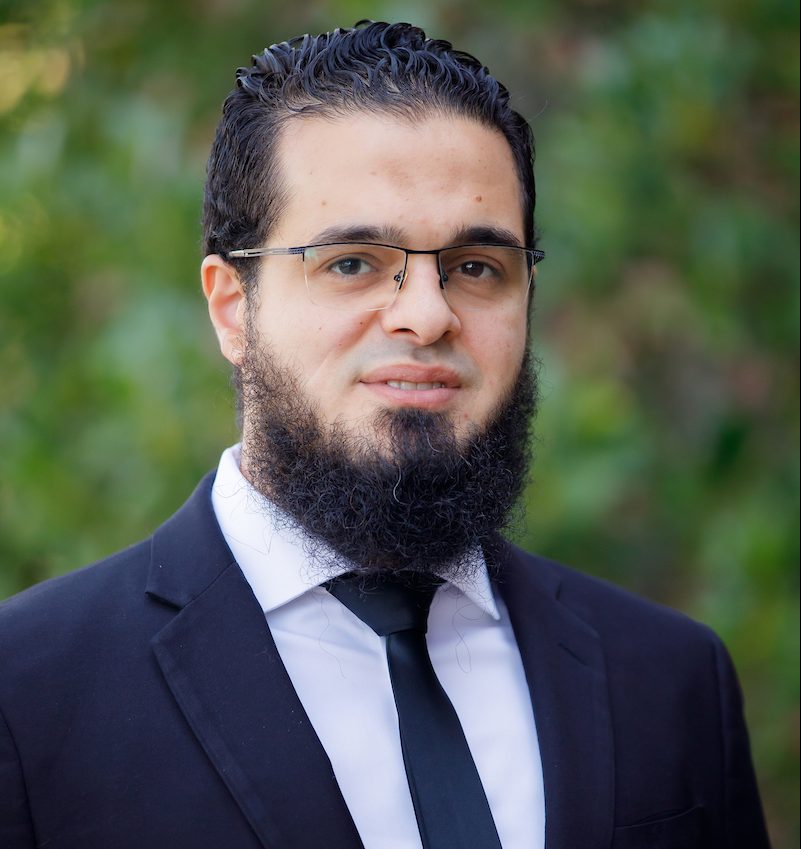
Dr. Yves Le Traon is a Full Professor of Computer Science at the University of Luxembourg, where he serves as Vice-Director of the Interdisciplinary Centre for Security, Reliability and Trust (SnT). He leads the 25-member SerVal research group (SEcurity, Reasoning and VALidation), focusing on software testing, security, and data-intensive systems. Previously, he chaired the CSC Research Unit (2013-2016) and pioneered model-driven engineering at INRIA. PhD and engineering degree in Computer Science from Institut National Polytechnique, Grenoble (1997) Former Associate Professor at University of Rennes (1998-2004) His research spans three main areas: innovative software testing and repair , Android security through static analysis and machine learning , and robust machine learning system design . Collaborations include industry leaders like PayPal, CREOS, and Cebi in fintech, smartgrid, and industry 4.0 domains. Awarded IEEE Fellow (2022) and Facebook Testing & Verification Research Award (2019) , he chairs editorial boards for STVR, SoSym, and IEEE Transactions on Reliability. His team has produced 20+ PhD graduates including Li Li (Monash University), Donia El Kateb (European Investment Bank), and Alexandre Bartel (SnT Research Associate). Commercial impact includes co-founding Datathings for runtime AI decision systems.
Lorenzo Strigini is a Professor of Systems Engineering at City St George's, University of London , where he has been affiliated since 1995 and served as Director of the Centre for Software Reliability from 2012–2024. His research focuses on dependability assessment , fault tolerance , and defense in depth for safety, security, and reliability in computer-based and socio-technical systems. He has also explored high-speed networking during his earlier career at the Italian National Research Council (IEI-CNR) and as a visiting scientist at UCLA and Bell Communications Research.
Peiyuan Chen is an Associate Professor at the Department of Electric Power Engineering, Chalmers University of Technology. He holds a B.Eng. from Zhejiang University (2004), an M.Sc. from Chalmers (2006), and a Ph.D. from Aalborg University (2010). His research focuses on power system operation and planning with wind power integration, emphasizing time series modeling, statistical analysis, and optimization. He contributes to projects on grid-forming converters, inertia estimation, frequency control, and renewable energy system stability. Research Interests: • Power Systems and Renewable Integration • Grid-Forming Converters and Stability Analysis • Time Series Modeling and Statistical Methods • Machine Learning for Energy Applications • Frequency Control and Synthetic Inertia Recent Publication Trends include studies on deep learning for heating load classification, wind turbine type optimization, fault ride-through capabilities, and inertia estimation in converter-dominated grids. His work bridges theoretical power system analysis with practical implementations in Nordic and European energy networks. Projects (2017-2024) include grants from the Swedish Energy Agency, Swedish Research Council (VR), and collaborations with institutions in Sweden, China, and Italy. Key areas: grid strength metrics, multiport converter applications, and citizen energy communities.
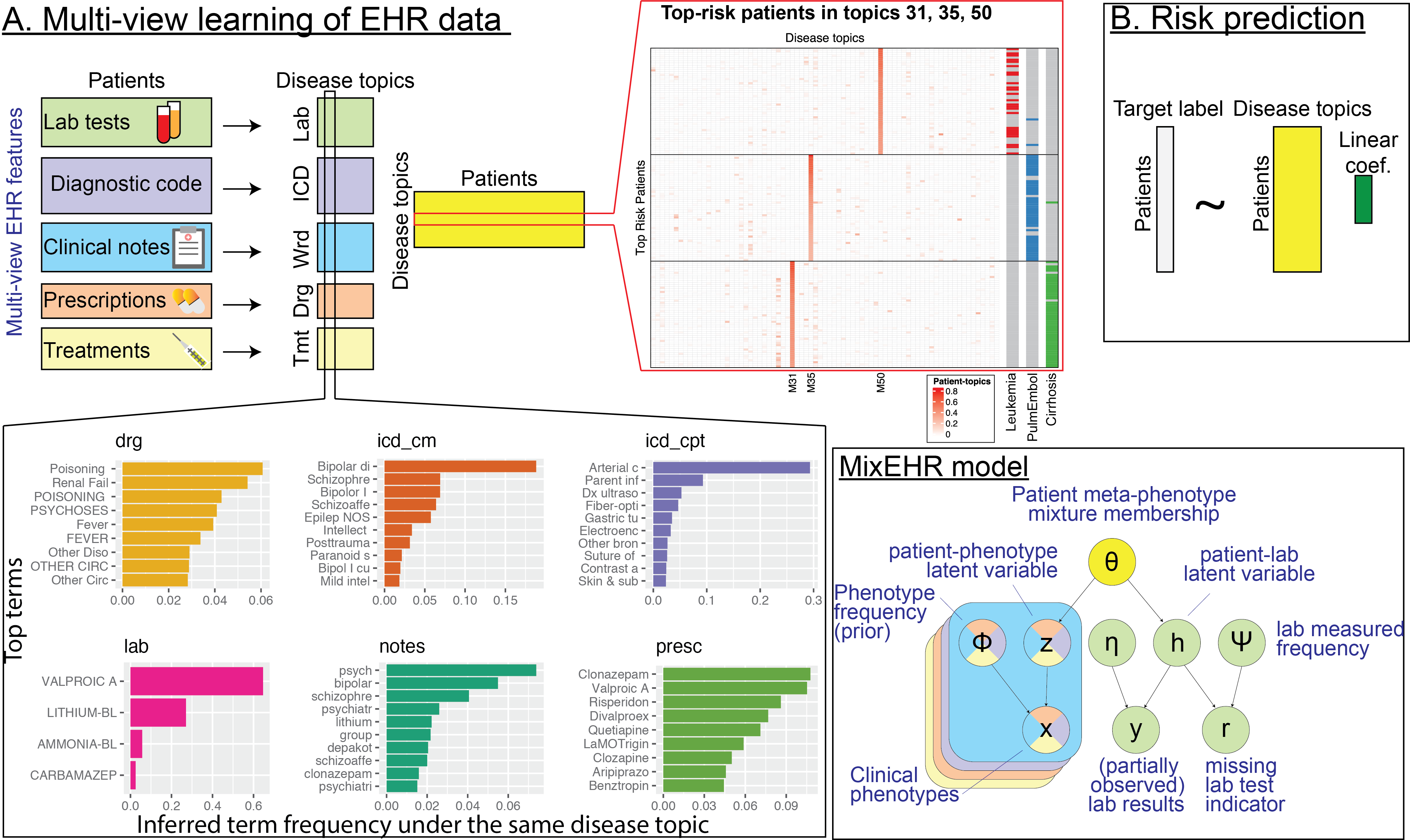
Yuè Li is a Professor in the Department of Computer Science at McGill University, where he leads the Li Lab focused on machine learning applications in genomics and healthcare. His research develops computational methods for analyzing electronic health records (EHR), single-cell multi-omics data, and population genetics. Dr. Li teaches core courses including Applied Machine Learning (COMP 551), Machine Learning in Genomics and Healthcare (COMP 565), and Computer Programming for Life Sciences (COMP 204). His research interests span: AI methods for computational biology and translational healthcare Multi-modal EHR integration and clinical topic modeling Time-series health forecasting and trajectory analysis Single-cell transcriptomics and epigenomics Polygenic risk modeling and causal variant inference Regulatory genomics and functional annotation integration Publications demonstrate strong focus on transformer architectures for healthcare forecasting, Bayesian methods for genomic inference, and neural topic models for clinical phenotyping. Recent work emphasizes foundation models for single-cell data and federated learning for EHR analysis. Scientific Awards: KDD HealthDay2022 Best Paper Award for seed-guided topic modeling Dr. Li mentors graduate students and postdoctoral researchers working on machine learning applications in biomedical domains. Current lab members include Master's students Bo-Hong Wang, Claris Gu, Neda Esfehani, and Ruilin Wang, along with postdoctoral researcher Dr. Jun Bai. The Li Lab operates within McGill's School of Computer Science, developing computational frameworks to integrate heterogeneous biomedical data for improved disease understanding and clinical decision support.
Domingo Savio Rodríguez Baena is a Professor at Pablo de Olavide University, affiliated with the Department of Computer Languages and Systems. His research focuses on data mining, bioinformatics, and computational biology, with a particular emphasis on biclustering algorithms, gene co-expression networks, and high-performance computing applications. PhD in Engineering, Data Science, and Bioinformatics (2012) from Pablo de Olavide University His work spans interdisciplinary domains, including recommender systems , livestock behavior analysis , and biological data interpretation . Recent articles highlight his contributions to multi-GPU optimization , ensemble learning , and historical database construction . Key collaborations include the DATAi Intelligent Data Analysis and DASE Data Analytics Science & Engineering research groups. He has developed tools like the CyEnGNet–App for gene network visualization and BIGO for gene enrichment analysis. Contact: dsrodbae@upo.es
Dr Andrew Elliott is a Senior Lecturer in the School of Statistics at the University of Glasgow. His research bridges Statistics , Computational Statistics , and Machine Learning & AI , with applications in Social & Urban Studies and Imaging, Image Processing & Image Analysis . Education: Not explicitly detailed in the text. Dr Elliott's work focuses on modeling in space and time , synthetic data generation , and network analysis . His recent publications explore fairness constraints in AI , agent swarms , and temporal network modeling , reflecting interdisciplinary applications in urban analytics and environmental science. His publications from 2014–2024 span network science , machine learning , image analysis , and geospatial studies . Key trends include privacy auditing , counterfactual explanations , and deep learning for network time series . Dr Elliott supervises doctoral students and has advised Zhengduo Zhao and Weiyue Zheng . He actively contributes to research groups in Statistics & Data Analytics and Machine Learning . Notable collaborations include work with Mihai Cucuringu and Gesine Reinert .
Dr. Sirojan Tharmakulasingam serves as a Lecturer and Research and Development Coordinator at the Signals, Information & Machine Intelligence lab within the Faculty of Engineering at the University of New South Wales (UNSW) Sydney. His work bridges theoretical machine learning with practical applications in edge computing and high-performance systems. His research spans multiple cutting-edge domains including machine learning, artificial intelligence, data science, edge computing, and high-performance computing. Dr. Tharmakulasingam specializes in developing next-generation inference models by integrating machine learning, signal processing, mathematical modeling, and computing across diverse data types including images, video, audio, and quantum molecular data. His work has significant implications for scientific computing, telecommunications, and healthcare applications. Analysis of his publication trends reveals a strong focus on practical AI implementations, with increasing emphasis on edge computing solutions, quantum applications, and energy-efficient models. His recent work demonstrates progression from foundational machine learning techniques toward specialized applications in scientific computing and real-time systems. Dr. Tharmakulasingam holds a Doctor of Philosophy from UNSW Sydney and a Bachelor of Science of Engineering from the University of Moratuwa in Sri Lanka. His academic journey reflects a strong foundation in both theoretical and applied engineering principles. As Research and Development Coordinator for the Signals, Information & Machine Intelligence lab, he oversees critical research infrastructure and collaborations. His work location in Room 447 of the EE&T Building (G17) places him at the heart of UNSW's engineering research ecosystem, with access to the Mark Wainwright Analytical Centre's extensive facilities.
Philip K. Hopke, Ph.D., serves as an Adjunct Professor in both the Department of Public Health Sciences and Department of Environmental Medicine at the University of Rochester School of Medicine and Dentistry. With a distinguished career spanning over five decades since earning his Ph.D. from Princeton University in 1969, Dr. Hopke has established himself as a global leader in environmental chemistry and air pollution research. Ph.D. in Chemistry, Princeton University (1969) M.A. in Chemistry, Princeton University (1967) B.S. in Chemistry, Trinity College (1965) Dr. Hopke's pioneering work focuses on particulate matter source apportionment , where he developed innovative methodologies like dispersion-normalized positive matrix factorization (DN-PMF). His research integrates chemometrics , atmospheric chemistry , and environmental epidemiology to address critical air quality challenges worldwide. Recent projects span China's megacities, Iran's water crisis, and New York State's vehicle emission regulations, with particular emphasis on health impacts of source-specific pollutants. Analysis of his 15 most recent publications reveals consistent focus on advanced source apportionment techniques , health outcomes linked to air pollution , and policy evaluation using sophisticated statistical modeling. His work increasingly incorporates machine learning approaches while maintaining rigorous chemical characterization of environmental samples. Scientific Recognition Fellow of both the Air and Waste Management Association (2021) and American Association for Aerosol Research Recipient of the Lifetime Achievement Award in Chemometrics (2014) Albert Nelson Marquis Lifetime Achievement Inductee (2018) Multiple international awards including the Fissan-Pui TSI International Aerosol Research Award (2018) Dr. Hopke maintains an exceptionally active research program with collaborators across six continents, evidenced by his 2025 publications from China, Iran, Kazakhstan, and the United States. His work bridges fundamental atmospheric science with practical public health applications, particularly in evaluating regulatory impacts on air quality and health outcomes.
Nikolaos Kourentzes is a Professor of Informatics at the University of Skövde , specializing in forecasting and operations research. His work bridges theoretical advancements in time series analysis with practical applications in supply chain management, tourism demand, and renewable energy forecasting. Academic Rank: Professor Department: Department of Information Technology Research Interests: His research focuses on hierarchical and temporal forecasting methodologies, integrating macroeconomic indicators into demand planning, inventory optimization, and machine learning applications. He explores forecast reconciliation, shrinkage estimators, and the role of expert judgment in predictive analytics. Recent Publications: Highlights include advances in hierarchical forecasting with leading indicators, probabilistic forecasts during crises like the pandemic, and complex smoothing techniques. His work spans journals such as Omega , International Journal of Forecasting , and European Journal of Operational Research . Collaborations: Kourentzes collaborates with researchers globally, including George Athanasopoulos, Rob Hyndman, and Robert Fildes, across domains like tourism analytics, tire industry forecasting, and public health modeling.
Dr. Yeo Howe Lim is a Professor and Department Chair of Civil Engineering at the University of North Dakota, with a focus on water resources engineering. He serves as Graduate Program Director for Civil and Environmental Engineering, teaching courses in fluid mechanics, hydrology, and applied hydraulics. Education: BEng & MEng from University of Canterbury, PhD from Memorial University of Newfoundland Research Areas: Open channel hydraulics, flood frequency analysis, streambank stabilization, urban stream revitalization, cold region hydrodynamics His research explores climate change impacts on flood patterns, hydrodynamic modeling of wetlands, and innovative use of Unmanned Surface Vehicles for aquatic studies. Recent publications emphasize lithium extraction technologies in oilfields, distributed Muskingum flood routing models, and optimization algorithms for cold climate water systems. Scientific awards include the Dean’s Outstanding Faculty Award (2013), ASCE Outstanding Reviewer recognition (2009), and the Institution of Civil Engineers (UK) Overseas Prize (2001). He has supervised numerous graduate students in hydrological modeling, including Mohammed Almousa and Vahid Atashi. Current projects involve HYCAT technology for bridge scour assessment, LiDAR bathymetry modeling, and climate change adaptation tools for cold region water management. His work bridges computational hydrology, hydraulic structure design, and sustainable water resource solutions.
Sally Pusede is an Associate Professor in the Department of Environmental Sciences at the University of Virginia's College of Arts & Sciences, where she directs atmospheric chemistry research and co-leads the Repair Lab. Her work bridges atmospheric science and environmental justice through measurements from ground, aircraft, and satellite platforms in urban and agricultural environments. Dr. Pusede earned her Ph.D. from the University of California Berkeley in 2014. Her educational background established the foundation for her interdisciplinary approach combining chemical measurements with community engagement. As an atmospheric chemist, Pusede investigates reactive nitrogen cycles, greenhouse gas emissions (particularly nitrous oxide), and neighborhood-level air pollution disparities. Her research employs spatial and temporal variability analysis to derive mechanistic insights into urban atmospheric processes, with emphasis on how pollution adversely affects human health and ecosystems. She is co-director of UVA's Repair Lab, which develops community-based solutions to environmental justice issues like coal dust pollution in Hampton Roads and industrial swine facility impacts in North Carolina. Analysis of her 15 most recent publications (2022-2025) reveals three dominant research thrusts: 1) Quantifying air pollution inequality using satellite remote sensing (especially nitrogen dioxide and ammonia), 2) Investigating reactive nitrogen chemistry in urban-agricultural interfaces, and 3) Developing community-driven repair frameworks for environmental justice. Her work consistently demonstrates how neighborhood-level pollution disparities contribute to health outcomes and ozone formation, particularly in communities of color. Dr. Pusede's scientific contributions have been recognized with prestigious awards including: Presidential Early Career Award for Scientists and Engineers (PECASE), Biden Administration, 2024 Future Horizons in Climate Science Turco Lectureship, American Geophysical Union, 2022 National Science Foundation (NSF) CAREER Award, 2021 NASA New Investigator Program Award, 2021 Environmental Sciences Organization Faculty Teaching Award, University of Virginia, 2016 She mentors graduate students through the Pusede Lab while securing major grants from NSF, NASA, and the White House Office of Science and Technology Policy. Her teaching portfolio includes EVSC 4380 (Air Pollution and Environmental Justice), EVSC 4490/7490 (Air Pollution), EVSC 5350 (Atmospheric Chemistry), and EVSC 3300 (Atmosphere and Weather). The Repair Lab operates as an interdisciplinary environmental justice hub where Pusede collaborates with community practitioners, embedding researchers in Virginia communities through its practitioner-in-residence program. This lab focuses on coal dust pollution in Hampton Roads and industrial swine facility impacts in Eastern North Carolina, using satellite data to document environmental injustices while co-developing solutions with affected residents.
Prof. Sander M. Bohte holds a part-time appointment as a Professor of Computational Neuroscience at the Swammerdam Institute for Life Sciences (SILS), University of Amsterdam, and is a researcher at the CWI Machine Learning group. His research focuses on computational models of neural information processing, emphasizing spiking neural networks, predictive coding, and reinforcement learning. He bridges computational neuroscience and machine learning, exploring how biological insights can improve neural network designs and vice versa. Key collaborations include work with Cyriel Pennartz (UvA), Pieter Roelfsema (NIN), and Steven Scholte (B&C). His applied research spans scientific machine learning applications in finance and genomics. He actively supervises MSc thesis students, prioritizing those from UvA, with projects ranging from biologically inspired neural architectures to efficient spiking network simulations. Research highlights include developing biologically plausible learning rules for deep networks, predictive coding models for sensory data, and spiking network models for working memory tasks. His work also addresses challenges in temporal dynamics and scalable neural computation, leveraging both theoretical and applied perspectives.
Sreenath Chalil Madathil is an Assistant Professor in the Department of Systems Science and Industrial Engineering at Binghamton University. His academic journey includes previous roles as Assistant Professor at the University of Texas at El Paso (2019–2021) and Research Scientist at the Watson Institute of Systems Excellence (WISE) at Binghamton University's Research Foundation (2017–2019). He holds a PhD and MS in Industrial Engineering from Clemson University, an MS in Data Science from the University of Texas at Austin, and a Bachelor of Technology in Electrical and Electronics Engineering from Mahatma Gandhi University, India. Dr. Madathil's research focuses on applying operations research, simulation modeling, and data science to address healthcare challenges such as patient-centered care and healthcare disparities. His work bridges theoretical methodologies with practical applications, including maternal healthcare equity, healthcare facility design, and supply chain resilience. He has secured funding from the National Science Foundation and the U.S. Department of Commerce. Prior to academia, he gained industry experience as a software consultant and client-side analyst at Cognizant Technology Solutions (2006–2011), alongside collaborations with Los Alamos National Lab and BMW Manufacturing. His research has been published in high-impact journals like Healthcare Management Science and Computers and Industrial Engineering . His professional expertise spans interdisciplinary projects, including optimizing healthcare workflows, analyzing social media data for public health interventions, and developing resilient microgrid systems. Current research trends include leveraging AI/ML techniques for healthcare analytics and improving operational efficiency in healthcare systems.
Randolph H. Wynne is a Professor in the Department of Forest Resources and Environmental Conservation at Virginia Tech, part of the College of Natural Resources and Environment. He holds a B.S. from the University of North Carolina (1986), M.S. (1993), and Ph.D. (1995) from the University of Wisconsin-Madison. His research focuses on remote sensing applications in forestry, natural resource management, ecological modeling, and earth system science. He co-authored the textbook Introduction to Remote Sensing , now in its sixth edition, and leads the Interdisciplinary Graduate Education Program in Remote Sensing at Virginia Tech. Key research themes include forest carbon management, LiDAR-based canopy structure analysis, and integration of satellite data into decision support systems. His work spans NASA-funded projects on forest management and USDA initiatives in digital soil mapping. Recent publications emphasize Landsat time-series analysis, lidar applications in forest ecology, and climate change impacts on forest productivity. Awards: Estes Memorial Teaching Award (ASPRS), Award in Forest Science (Society of American Foresters), NASA New Investigator (2001). Grants: Over $1.7M in funding from NASA, USDA NRCS, and the Forest Nutrition Cooperative. Labs/Teams: Director of Virginia Tech’s Interdisciplinary Remote Sensing Program and affiliated with the Center for Environmental Applications in Remote Sensing (CEARS).
Dr. Ahmad Alsharif is an Assistant Professor in the Department of Computer Science at the University of Alabama's College of Engineering. His research expertise spans applied cryptography, IoT security, cyber-physical systems security, and blockchain applications. He received his B.S. and M.S. in Electrical Engineering from Benha University, Egypt, and Ph.D. in Electrical and Computer Engineering from Tennessee Tech University. Research focuses on security challenges in critical infrastructure systems including smart grids, IoT networks, and UAV systems. Current projects investigate privacy-preserving machine learning techniques, adversarial attack resilience, secure data marketplaces, and attack detection mechanisms for distributed energy systems. His work combines cryptographic protocols with machine learning for trustworthy systems. Awards include the NSF Research Initiation Initiative Grant (NSF CRII) and Young Innovator Award from Egyptian Industrial Modernization Center.