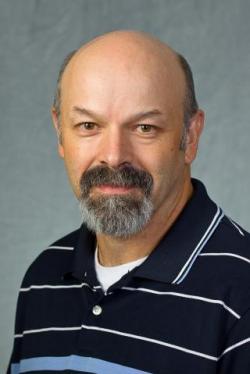
Alexandra Greenwald is an Assistant Professor of Anthropology and Curator of Ethnography at the Natural History Museum of Utah, University of Utah, since 2019. Her research focuses on North American archaeology, bioarchaeology, and behavioral ecology, with a particular emphasis on maternal energetics, isotopic dietary reconstruction, and ethno-experimental methods. Education: BA from Mills College (2007), PhD from University of California, Davis (2017) Her research interests include: Isotopic analysis of weaning and childhood diets Behavioral ecology of Indigenous cradle technology Lithic technology investment and mobility patterns Collaborative work with descendant communities Dr. Greenwald has secured significant funding, including: National Science Foundation grant (2024-2027) for Pleistocene-Holocene lifeways research Native American Voices Initiative grant (2022-2024) She actively engages in community outreach , including: Indigenous community collaboration for museum collections access Archaeology outreach programs at Salt Lake Community College
Professor Yueh-Lung Wu is a leading academic at the Department of Entomology, National Taiwan University. His research focuses on Insect Pathology, Insect Biotechnology, and RNA Interference (RNAi). He heads the Insect Pathology Laboratory, where his team investigates innovative pest control methods and bee health protection strategies. Ph.D. in Biotechnology, National Cheng Kung University (2008) M.S. in Life Science, National Central University (2001) B.S. in Forestry and Nature Conservation, Chinese Culture University (1999) His work explores miRNA applications in pest control, demonstrating how miRNAs can regulate viral infection cycles and enhance pest susceptibility to RNAi-based interventions. Additionally, his lab investigates histone deacetylase inhibitors (HDACi) to protect honeybees from pathogen-induced immune and neurological damage, showing that HDACi treatment increases gene expression related to immunity and memory, potentially benefiting the beekeeping industry. Recent publications highlight his expertise in RNAi efficiency for pest management, baculovirus engineering, and honeybee health. Collaborative studies with institutions like the University of Georgia and Academia Sinica underscore his interdisciplinary approach. Grants such as NSTC 111-2313-b-002-038-my3 and NSTC 110-2313-b-002-005 support his research. Professor Wu's lab, the Insect Pathology Laboratory, specializes in molecular mechanisms of host-parasite interactions, viral gene function, and epigenetic regulation in insect systems. His contributions extend to editorial roles in journals like Communications Biology and Scientific Reports .
Randy Raper is a Professor in the Biosystems and Agricultural Engineering department at Oklahoma State University , where he has been employed since 2012. He also serves as Assistant Director of the Oklahoma Agricultural Experiment Station and Assistant Vice-President of Facilities for the Division of Agricultural Sciences and Natural Resources. Education : PhD in Agricultural Engineering (Iowa State University, 1987), MS in Agricultural Engineering (Iowa State, 1985), BS in Agricultural Engineering (Mississippi State, 1983) Research Focus : Conservation systems, cover crop management, soil compaction mitigation, bioenergy crop production, and sustainable tillage practices Grants : Secured multiple USGS grants (2013-2017) for precipitation monitoring infrastructure His scholarly work spans soil mechanics, agricultural systems modeling, and bioenergy crop optimization. Recent publications examine tillage effects on forage sorghum yields, grazing impacts on soil strength, and sustainable biomass harvest thresholds. While he has not been explicitly referenced for scientific awards, his research has informed policy and practical applications in sustainable agriculture. Raper's career includes prior USDA-ARS roles in Alabama and Arkansas, where he developed subsoiling technologies and evaluated organic waste applications.
Prof. Dr. Jana Anja Eccard is a Full Professor of Animal Ecology at the University of Potsdam's Institute of Biology and Biochemistry. Her research integrates ecological and behavioral approaches to study animal adaptations across scales, focusing on personality-ecology links, biodiversity dynamics, predator-prey interactions, and anthropogenic impacts like urbanization and light pollution. Current projects investigate Behavioral adaptations to biological invasion processes Tri-trophic fear effects on biodiversity Parturition patterns in small mammals Long-term bioturbation experiments at Gülpe Biological Station Her publications span 2000–2020 with key contributions in Interspecific competition mechanisms Seasonal personality determination Spatial cognition in rodents Predation risk modeling Zoonotic disease ecology She has led DFG-funded projects on Behavioral responses to invasions Bioperturbation effects Learning in risk environments Her international research experience includes institutions in Finland, Germany, and Ireland.
Marina Brčić serves as an Assistant Professor within the Department of Field Crops, Forage and Grassland at the Faculty of Agriculture, University of Zagreb. Her academic career at the institution spans since 2009, progressing from Assistant Teacher (2009-2017) through Postdoctoral Student (2017-2022) to her current faculty position. Her research focuses on sustainable production systems for industrial crops, with office located in the 6th Pavilion, 3rd floor, room 315, and contactable via +385 1 239 3662. Her academic foundation includes a PhD from the University of Zagreb Faculty of Agriculture (2010-2017) with dissertation on "Agronomic and energy traits of rapeseed and spelt in dependency of cultivars and nitrogen fertilization", and a B.Sc. from Josip Juraj Strossmayer University Faculty of Agriculture in Osijek (2002-2008) focusing on pepper transplant dynamics. This background established her expertise in crop physiology and agronomic optimization. Dr. Brčić's research centers on industrial crop production technology, particularly examining nitrogen fertilization effects on oilseed rape, sugar beet, and flax yield/quality relationships. Her work integrates cultivar evaluation with sustainable farming practices, emphasizing resource efficiency in arable systems. Current investigations extend to genetic resource conservation within agricultural biodiversity frameworks. She has led multiple significant research initiatives: Evaluation and zonation of sugar beet varieties in Croatia (MOZS-funded, 2007-2013) as coordinator Conservation of agricultural genetic resources (European Agricultural Fund, 2024) as coordinator Oilseed and alternative crops in sustainable arable systems (University of Zagreb, 2015-2016) as coordinator Yield quality in oilseed rape/flax under nitrogen regimes (University of Zagreb, 2014) as coordinator Her teaching portfolio includes core agronomy courses such as Oilseed Crops, Industrial Plants, and Field Crops Management, delivered in both Croatian and English. While specific student advisement isn't documented in the source material, her project leadership demonstrates active mentorship in agricultural research.
Dubravko Maćešić serves as a Full Professor in the Department of Field Crops, Forage and Grassland at the University of Zagreb, specializing in sustainable agricultural systems and crop science. His research spans forage and field crop production, with emphasis on biological yield factors, game field enhancement for wildlife, and microbial communities in legume cultivation. Key interests include sustainable cereal systems, bioenergy cropping, and nutritional potential of forage crops for wildlife management, reflecting applied agricultural science focused on ecological balance and resource efficiency. Prof. Maćešić has led significant research initiatives, including: Nutritional potential of forage crops for wildlife nutrition (MZOS-funded, 2007-2013) Beneficial microbial communities in sustainable legume cultivation (MZOS-funded, 2007-2013) Plant protein feed production evaluation (VIP-funded, 2001-2003) Multiple University of Zagreb projects on sustainable field crop systems (2013-2017) No scientific awards or student advisees are documented in the provided materials.
Full Professor Zlatko Svečnjak serves in the Division for Plant Sciences at the Department of Field Crops, Forage and Grassland, Faculty of Agriculture, University of Zagreb. His office is located in the 6th pavilion, 3rd floor, room 321, with consultations held every Wednesday from 10 AM to 11 AM. His academic qualifications include: PhD in Agronomy (2000-2003), University of Zagreb Faculty of Agriculture MS in Agronomy (1996-2000), University of Zagreb Faculty of Agriculture BS in Agronomy (1991-1996), University of Zagreb Faculty of Agriculture Professor Svečnjak's research centers on sustainable agronomic practices for Croatia's staple crops, particularly winter wheat and corn. His work bridges applied field research with practical implementation for Croatian farmers, focusing on nitrogen management, crop physiology, and grain quality optimization. He has developed methodologies for sustainable cropping systems that balance productivity with environmental stewardship, with particular expertise in fertilization strategies across diverse production systems. His publication record (2006-2013) reveals consistent research on nutrient efficiency in cereal and oilseed crops. These works span agronomy, plant physiology, and soil science, with recurring themes in nitrogen utilization, yield component analysis, and grain quality parameters. The research demonstrates methodological rigor in field experimentation and direct applicability to agricultural practice. His scientific honors include: Fulbright Visiting Scholar (2017) at University of Lincoln - Nebraska Australia - Europe Scholarship for postdoctoral research at University of Western Australia Professor Svečnjak maintains an active advisory role through field days, extension meetings, and over 100 professional publications for farmers. His grant portfolio features significant projects including the Croatian Science Foundation's 'Biodostupnost karotenoida kukuruza' (2020-2024) and multiple MZOS-funded initiatives on sustainable field crop production (2007-2013). Current Coordinator: Sustainable Corn Carotenoid Bioavailability Project (Croatian Science Foundation) Former Coordinator: Sustainable Field Crop Production Systems (MZOS 2007-2013) University Projects: Sustainable Production of Field Crops (2014-2017) His international research collaborations span Rothamsted Research (UK), INRA Grignon (France), and Long Ashton Research Station, establishing a global framework for his work on integrated farming systems and nutrient management.
Dr. Danijela Jungić is an Assistant Professor at the Department of Soil Science , Faculty of Agriculture , University of Zagreb. Her research focuses on soil chemistry , soil quality and protection , and soil water deficit under climate change conditions. She teaches courses in Pedology , Soil Chemistry , and Land Use Evaluation , and consults with students on Mondays from 12 PM to 2 PM. Academic Qualifications: PhD (2012), University of Zagreb Master's Degree (2009), University of Zagreb Research Interests: Dr. Jungić investigates soil-plant-water relationships under climate change, specializing in soil erosion prevention , humus dynamics , and agricultural land suitability . Her work spans pedological assessments in Istria, Pannonian agroregions, and floodplains, with a focus on sustainable irrigation and nutrient management. Projects: She coordinates EU directive-compliant water protection initiatives in agricultural areas and regional soil quality monitoring programs. Her research includes modeling soil water retention, assessing humus depletion, and evaluating irrigation suitability in Međimurje and coastal regions. Teaching: Dr. Jungić contributes to courses in soil science, pedogeography, and environmental protection. She leads fieldwork and laboratory analyses for students across multiple faculties, including the Faculty of Science's Geography and Biology departments.
Emily Choy is an Assistant Professor in the Department of Biology at McMaster University, focusing on marine and Arctic ecology. Her work integrates Environmental Toxicology , Climate Change Biology , and Physiological Ecology to study how Arctic and marine species adapt to environmental stressors. Research Interests: Marine ecosystems, climate change impacts, contaminant biology, and energy budget analysis. Teaching: Instructs advanced research projects and ecology courses at the undergraduate level. Recent scholarly work spans Arctic seabird thermal tolerance , beluga whale dietary shifts , and mercury contamination trends . Publications highlight the intersection of climate change , toxicological stressors , and conservation strategies in polar regions. Teaching activities include Advanced Independent Research Project , Applied Biology Placement , and Senior Thesis supervision, emphasizing hands-on ecological and physiological research training.
Vladimir Dimitrijević is a Full Professor in the Department of Animal Husbandry at the Faculty of Veterinary Medicine, University of Belgrade. He teaches courses including Molecular Markers in Breed Analysis, Animal Behavior and Molecular Ecology, Kinology and Felinology, Sports Medicine for Horses, and Veterinary Genetics, reflecting his expertise in animal genetics and husbandry. His research centers on conservation genetics of Balkan endemic species, utilizing microsatellite markers for genetic diversity assessment, parentage verification, and individual identification in endangered breeds like the Banat donkey, Balkan donkey, Busha cattle, and Yugoslav Shepherd dog. His work bridges molecular biology with practical veterinary applications in livestock management and breed preservation. Analysis of his recent publications reveals consistent focus on Balkan genetic resources, with collaborative studies addressing conservation challenges through molecular techniques. Key themes include microsatellite validation for pedigree verification, physiological characterization of endangered breeds, and comparative analyses of traditional versus commercial animal production systems.
Professor Dragan Gvozdić is a full professor at the University of Belgrade Faculty of Veterinary Medicine, Department of Pathological Physiology. He has maintained a continuous academic career with extensive contributions to veterinary science, particularly in the fields of animal endocrinology, reproduction, and pathological physiology. His research interests focus on thyroid function in animals, selenium and iodine status in livestock, reproductive efficiency in dairy cows, and metabolic disorders during periparturient periods. His work demonstrates particular expertise in the relationship between hormonal profiles and reproductive outcomes in various domestic animal species. Analysis of his recent publications reveals a strong emphasis on the impact of nutritional interventions (particularly selenium supplementation) on animal health and reproduction, hormonal monitoring in dairy cattle management, and immunological aspects of common livestock diseases. His work bridges fundamental physiological research with practical veterinary applications. Professor Gvozdić has co-authored significant textbooks including 'Patološka fiziologija domaćih životinja' (Pathological Physiology of Domestic Animals, 2012) and 'Praktikum iz patološke fiziologije domaćih životinja' (Practical Manual of Pathological Physiology of Domestic Animals, 2016), which serve as important educational resources in veterinary education. His research has been consistently published in reputable veterinary journals including Acta Veterinaria-Beograd, Acta Veterinaria Hungarica, and Research in Veterinary Science, demonstrating his standing within the international veterinary research community.
Professor Milorad Mirilović is a full professor at the Department of Economics and Statistics within the Faculty of Veterinary Medicine at the University of Belgrade. With decades of academic experience, he has established himself as a leading expert in veterinary biostatistics and economics. His teaching portfolio includes critical courses such as Methodology of Scientific Research, Biostatistics and Informatics in Biomedical Sciences, Application of Econometric Methods, and Veterinary Economics and Management. Professor Mirilović's research interests span multiple domains of veterinary science with a strong emphasis on quantitative analysis. His work bridges veterinary medicine with economic and statistical methodologies, focusing on animal production economics, epidemiological studies, food safety assessment, and apiculture science. He has made significant contributions to understanding the economic aspects of veterinary practices and animal husbandry systems through rigorous statistical analysis and modeling. His extensive publication record demonstrates expertise across diverse areas including veterinary public health, livestock production economics, food quality assessment, and disease epidemiology. Professor Mirilović has published in both high-impact international journals and regional veterinary publications, with recent work focusing on gastrointestinal parasites in dogs, honey bee health, circovirus detection in wild boars, and economic evaluations of aquaculture systems. As an educator, Professor Mirilović has authored two significant textbooks: 'Biostatistics' (2018) and 'Biostatistics with Informatics' (2013), which serve as essential resources for veterinary students studying quantitative methods. His methodological approach combines theoretical statistical knowledge with practical veterinary applications. Throughout his career, Professor Mirilović has collaborated extensively with researchers across veterinary disciplines, particularly in epidemiology, food safety, and animal production. His work demonstrates consistent engagement with both theoretical statistical methodologies and their practical applications in solving real-world veterinary problems.
Ronald Trotta serves as an Assistant Professor of Ruminant Nutritional Physiology/Molecular Biology in the Department of Animal and Food Sciences at the University of Kentucky's College of Agriculture, Food and Environment. His research focuses on understanding the physiological and molecular mechanisms underlying nutrient utilization in ruminants, with particular emphasis on starch digestion, vascular function, and responses to feed contaminants. Dr. Trotta earned his B.S. in Animal Sciences from the University of Kentucky (2017), followed by an M.S. in Animal Science from North Dakota State University (2019), and completed his Ph.D. in Animal and Food Sciences at the University of Kentucky (2023). His research program centers on ruminant nutrition with specific expertise in starch digestion mechanisms, vascular physiology related to fescue toxicosis, and maternal-fetal nutrient partitioning. Dr. Trotta has made significant contributions to understanding how corn processing techniques affect starch availability, how ergot alkaloids impact vascular function through serotonin receptor pathways, and how maternal nutrition influences fetal development. His work bridges molecular biology with practical livestock production challenges, particularly in beef cattle systems. Dr. Trotta has authored or co-authored 26 peer-reviewed journal articles, 7 conference proceedings papers, and 16 abstracts, securing over $1.4 million in research funding as principal or co-investigator. His publications demonstrate a consistent focus on improving feed efficiency, understanding nutrient metabolism limitations, and addressing production challenges related to forage quality. Scientific Awards and Honors: 2023 ASAS Wettemann Graduate Scholar in Physiology Award 2023 UK Animal and Food Science Graduate Poster Symposium – 2nd Place 2022 ASAS National Young Scholar Award 2022 ASAS Wilson G. Pond International Travel Award 2022 UK Animal and Food Science Outstanding PhD Student Award Multiple Plains Nutrition Conference awards (2020-2022) Certified Angus Beef Graduate Colvin Scholarship (2021) North Dakota Soybean Council and Livestock Endowment Foundation Scholarships (2019) Dr. Trotta currently supervises 1 postdoctoral scholar, 2 visiting scholars, 1 M.S. student, and 5 undergraduate students. He teaches ASC 683: Protein Metabolism and ASC 689: Physiology of Nutrient Digestion and Absorption. His grant portfolio focuses on ruminant nutrition and physiology, with particular emphasis on improving starch digestion efficiency and understanding vascular responses to feed contaminants.
Eric Vanzant is an Associate Professor in the Department of Animal and Food Sciences at the University of Kentucky's Martin-Gatton College of Agriculture, Food and Environment. His appointment consists of 85% research and 15% teaching responsibilities. Dr. Vanzant has been with the University of Kentucky since 1998, progressing from Assistant Professor to his current position as Associate Professor since 2004. Dr. Vanzant earned his Ph.D. in 1993 from Kansas State University, where his dissertation focused on "Alfalfa as a Supplement for Beef Cows Grazing Winter Range" under Major Advisor Robert Cochran. He also completed his M.S. at Kansas State University in 1989 with a thesis on "Influence of Level and Type of Grain Supplementation on Intake and Utilization of Early-Summer, Bluestem-Range Forage by Beef Steers," and received his B.S. in Animal Science from The Ohio State University in 1986. His research primarily focuses on beef nutrition, with emphasis on developing programs to increase efficiency of forage-based livestock production, particularly regarding protein and energy nutrition. Additional research interests include assessing livestock's environmental impact and evaluating methodologies for continuous, remote health monitoring in confined and free-ranging livestock. His scholarly work demonstrates strong expertise in ruminant digestive physiology, nutrient metabolism, and forage utilization. Dr. Vanzant's extensive publication record since 2003 reveals consistent contributions to the field of animal science, particularly in beef cattle nutrition, intestinal physiology, and forage management. His work frequently appears in leading journals such as Journal of Animal Science, Canadian Journal of Animal Science, and Journal of Dairy Science, reflecting his expertise in molecular nutrition and practical beef production systems. As an educator, Dr. Vanzant teaches graduate and undergraduate courses including ASC 684 Advanced Ruminant Nutrition and ASC 378 Animal Nutrition and Feeding, which he team-teaches with Dr. Merlin Lindemann. His teaching complements his research focus, providing students with both theoretical knowledge and practical applications in animal nutrition.
Andres Arce is a Senior Lecturer in the School of Biological and Chemical Sciences at Queen Mary University of London, specializing in ecology and conservation biology with a focus on pollinator health. His research integrates molecular biology, ecology, and risk assessment to investigate the impacts of environmental stressors, particularly pesticides, on bee populations. His primary research interests include pollinator conservation, pesticide risk assessment, environmental genomics, and insect toxicology. Arce employs interdisciplinary methodologies combining field studies, genomic analyses, and molecular techniques to examine how anthropogenic factors affect bee physiology, behavior, and population dynamics. His work frequently addresses critical gaps in understanding sublethal pesticide effects and historical environmental changes through innovative use of museum specimens. Arce has made significant contributions to regulatory science, most notably as a key contributor to the 2023 EFSA guidance document on plant protection product risk assessment for bees, which has been referenced in 22 policy documents and cited over 295 times. His research has garnered substantial attention, with multiple publications picked up by hundreds of news outlets and referenced in policy frameworks. His collaborative network spans international institutions, with extensive work on DNA preservation in historical specimens and the ecological dynamics of social insects. Arce's research demonstrates strong policy relevance, particularly in developing evidence-based frameworks for pollinator protection and pesticide regulation.