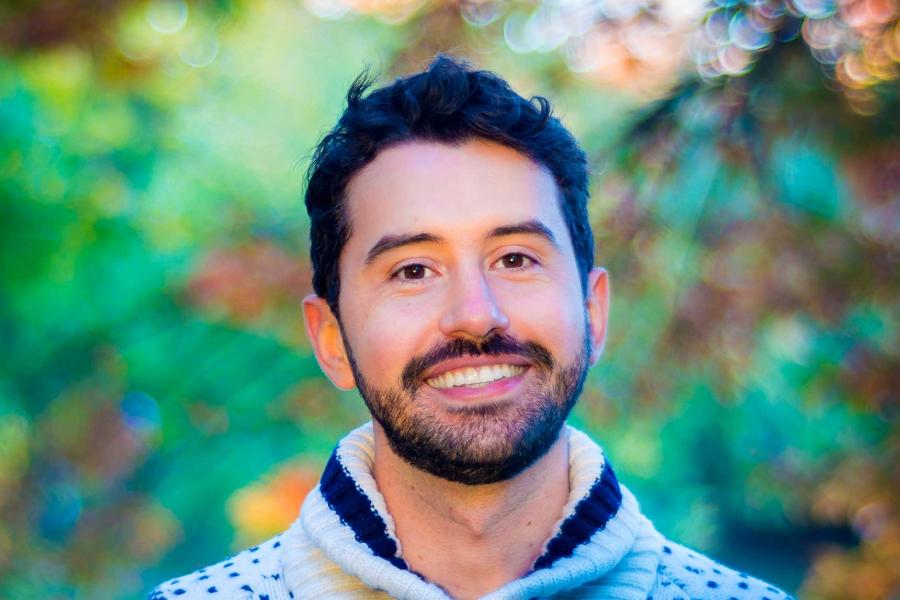
Mark Lee is an Adjunct Professor in the People Analytics department at NYU’s Tandon School of Engineering, specializing in Technology Management and Innovation. He holds a Ph.D. in Engineering Psychology from Georgia Institute of Technology (1996). Currently, he serves as Head of Research, Analytics, and Business Development at UL ComplianceWire, focusing on pharmaceutical and medical device manufacturing training. His research leverages large datasets to improve healthcare safety through regulatory compliance and best practices. Courses taught include Human Factors Engineering, Workplace Design, and Predictive Analytics. Education: Ph.D. in Engineering Psychology, Georgia Tech (1996) Key Roles: Adjunct Professor, Head of Research at UL ComplianceWire Research Focus: Human Factors, Training Systems Design, Healthcare Compliance His work spans auditory display systems for aviation (e.g., 3D audio cockpit interfaces) and ergonomic design for industrial products. Recent projects emphasize data-driven solutions for regulatory challenges in life sciences. Publications highlight studies on visual search strategies, age-related cognitive performance, and application of signal detection theory in decision-making. He actively collaborates with industry and government entities, exemplified by the FDA-UL Cooperative Research Agreement.
Dr. Derek G. Brewin is a Professor and Head of the Department of Agribusiness and Agricultural Economics at the University of Manitoba, within the Faculty of Agricultural and Food Sciences. He holds a PhD in Agricultural, Environmental and Regional Economics from Pennsylvania State University. Education: PhD, Agricultural, Environmental and Regional Economics, Pennsylvania State University, USA MSc, Agricultural Economics, University of Saskatchewan, Canada BSc, Agricultural Economics, University of Alberta, Canada Dr. Brewin's research focuses on spatial grain and oilseed markets, innovation in food processing and plant breeding, farm finance, and red meat supply chains. With 14 years of industry experience prior to his academic career, including roles as a lender and analyst in the agriculture sector, his work bridges practical industry knowledge with academic rigor. His current research projects examine the economics of crop rotations, grain transportation policy, plant location for oilseed processing, and the economics of perennial grains and forages with beef integration. His scholarly work shows a consistent focus on agricultural markets, transportation economics, and innovation policy, with a particular emphasis on Canadian agricultural systems. Recent publications analyze the impact of trade disruptions, pandemic effects on grain markets, and innovation policy in crop breeding. Scientific Awards and Recognition: Award-winning teacher of agricultural finance, marketing and risk management Past President of the Canadian Agricultural Economics Society Member and on Editorial Board of Northeast Agricultural and Resource Economics Association (NAREA) Member of the Structure and Performance of Agriculture and Agri-products Network Member of the Canadian Agricultural Innovation and Regulation Network Dr. Brewin has supervised numerous graduate students, with current students working on topics related to winter forage options, crop rotation profit impacts, and processing location impacts on farm prices. His professional service includes serving as a Senator at the University of Manitoba and as a director of Farm Management Canada and the Manitoba Rural Adaptation Council. Prior to his academic career, Dr. Brewin worked as a Corporate Advisor for the Canadian Wheat Board, a Policy Economist for Agriculture and Agri-Food Canada, and a farm lender. He was raised on a mixed irrigation farm in Purple Springs, Alberta, providing him with firsthand agricultural experience that informs his research and teaching.
Miguel Castillo is an Associate Professor in the Crop and Soil Sciences Department at North Carolina State University (NC State), leading the Forage & Grassland Program and serving as Grassland Science Specialist. He holds a Ph.D. in Agronomy from the University of Florida and an MBA from NC State. His work focuses on improving ecosystem services in agricultural and pasture-based livestock systems through integration of silvopasture, agroforestry, and advanced technologies like near infrared spectroscopy (NIRS) for management decisions. Dr. Castillo's education includes a B.S. in Plant and Animal Sciences from Zamorano University (2006), followed by M.S. and Ph.D. in Agronomy from the University of Florida (2009, 2013). His research spans international collaborations in tropical/sub-tropical environments, with expertise in forage crop management, bioenergy grasses, and sustainable livestock systems. He is fluent in Spanish and Portuguese. Research Interests: Forage-Livestock Systems Optimization Silvopasture Development Bioenergy Crop Production NIRS Applications in Agriculture Pasture-Based Livestock Management Climate Resilient Forage Crops Recent work emphasizes NIRS for rapid forage quality analysis, evaluating new bermudagrass cultivars, and advancing silvopasture systems in the southeastern U.S. and Peruvian Amazon. His publications address topics like poultry litter impacts, switchgrass management post-freeze, and frost-seeding clover into tall fescue pastures. Grant-supported research includes USDA-funded projects on forage conservation techniques and bioenergy crop development. He advises graduate students on forage systems and collaborates with industry partners on applied agronomic solutions. Labs/Teams: Directs the Forage & Grassland Program at NC State, collaborating with USDA and international research networks. Active in extension programs, publishing guides on forage management, hay production, and silvopasture implementation.
Dr. Alison McCarthy is an Associate Professor in Irrigation and Cropping Systems at the Centre for Agricultural Engineering , University of Southern Queensland . With a background in mechatronic engineering, she specializes in developing automated irrigation systems and machine vision technologies for cotton and dairy pasture management. Education: BEng (2006) and PhD (2010) from University of Southern Queensland Research Interests: Irrigation control systems Machine vision for soil and plant sensing Automation in agriculture Recent Publications highlight her work in nitrogen management, autonomous irrigation frameworks, and pest detection systems. These contributions align with her expertise in AI-driven agricultural solutions and sensor integration. Scientific Awards: 2024 Australian Future Cotton Leader 2021 WatSave Young Professionals Award 2018 Cotton Seed Distributors Researcher of the Year 2015 Queensland Young Tall Poppy Science Award 2014 Science and Innovation Award for Young Professionals Research Affiliations: Centre for Agricultural Engineering (CAE) Association of Australian Cotton Scientists (Full Member)
Professor James Cook is a Theme Leader for Plants, Animals and Interactions at the Hawkesbury Institute for the Environment (HIE) at Western Sydney University. He holds the academic rank of Professor and leads research focused on ecology, evolution, and symbiosis, with particular emphasis on pollination systems and insect ecology. Professor Cook received his BA in Zoology from Oxford University and his PhD in Evolutionary Biology from Imperial College London. His previous academic appointments include positions at La Trobe University, Imperial College London, and the University of Reading. Professor Cook's research interests lie at the intersection of ecology, evolution, and symbiosis , with particular emphasis on pollination systems and insect-microbe interactions . His work spans multiple scales from molecular to ecosystem levels, investigating how species interactions shape biological communities. He is particularly renowned for his expertise in fig-pollinator mutualisms and stingless bee biology . His research integrates field studies, laboratory experiments, and molecular approaches to address fundamental questions in evolutionary ecology while also addressing applied challenges in agricultural pollination and conservation biology . Analysis of Professor Cook's recent publications reveals a strong focus on pollination ecology and insect-microbe symbioses . His work spans both fundamental research on evolutionary processes and applied studies addressing agricultural challenges. A significant portion of his recent work examines stingless bees as potential managed pollinators for Australian horticulture, alongside investigations into alternative pollinators beyond honey bees. His research increasingly incorporates molecular methods to understand microbial communities and their impacts on host biology. There's also a growing emphasis on climate change impacts on pollination systems and the development of resilient pollination strategies for future agricultural systems. Natural Environment Research Council (NERC, UK) College Member (2007-2010) Royal Entomological Society Symbiosis Special Interest Group Convenor (2005-2012) Editorial Board Member, Journal of Evolutionary Biology (2005-2008) NERC Advanced Research Fellow (1998-2003) SERC Research Fellow (1993-1995) Royal 1851 Commission Research Fellow (1991-1993) Australian Entomological Society Conservation Committee Member (2017-present) Invited collaboration with Professor Wan-Jin Liao's group at Beijing Normal University Professor Cook currently leads multiple significant research projects focused on pollination services for Australian horticulture. His grant portfolio includes projects on stingless bee husbandry , alternative pollinators including flies, and pollinator health . He collaborates extensively with researchers across Australia and internationally, with projects spanning from basic research on fig-wasp mutualisms to applied studies on crop pollination. Professor Cook has authored over 70 research articles and six book chapters, demonstrating sustained research productivity throughout his career. Professor Cook's research involves extensive field, laboratory, and glasshouse work, with a strong emphasis on molecular methods. His work connects with collaborators across Australia, India, China, France, the UK, and the USA, creating a robust international research network focused on pollination ecology and insect symbioses. His leadership in the Plants, Animals and Interactions research theme at HIE provides a framework for integrating fundamental ecological research with practical applications for sustainable agriculture and conservation.
Rachel Schendel is an Assistant Professor in the Department of Animal and Food Sciences at the University of Kentucky's Martin-Gatton College of Agriculture, Food and Environment. Her research program focuses on the structural analysis of plant cell wall carbohydrates and their relationship to fermentation behavior, with applications in food ingredient development and agricultural waste utilization. Dr. Schendel's research interests include: Structural analysis of plant cell wall carbohydrates Relationship between carbohydrate structure and fermentation/digestion behavior Development of novel sources of prebiotics as food ingredients Utilization of agricultural and food processing waste products Her recent publications demonstrate a growing focus on hempseed polysaccharides, bourbon production byproducts, and mare milk composition, reflecting an expanding research portfolio that bridges traditional food chemistry with emerging agricultural applications. Her work combines advanced analytical techniques including NMR, LC-MS, and HPAEC-PAD for comprehensive structural characterization. Dr. Schendel has received recognition through two American Association of Cereal Chemists International fellowships: Endowment Fund Fellowship recipient (2013-2014) Elvira A. Tarleton Fellowship recipient (2012-2013) She serves on the Bioactives Committee of the American Association of Cereal Chemists International and is a member of the Institute of Food Technologists. Her mentoring experience includes advising eight diploma students and five bachelor thesis students during her time at Karlsruhe Institute of Technology, in addition to teaching laboratory classes in GC-MS analysis.
Dr. Derek Brake is an Assistant Professor in the Division of Animal Sciences within the College of Agriculture, Food and Natural Resources at the University of Missouri. He holds a Ph.D. and M.S. in Ruminant Nutrition from Kansas State University. Dr. Brake teaches courses in Ruminant Nutrition (AnSci 4332/7332) and Beef Production (AnSci 4975/4975W/7975). His research program focuses on fundamental and applied aspects of ruminant nutrition with particular emphasis on: Nutrient utilization efficiency in beef and dairy cattle Small intestinal starch digestion mechanisms Application of computer vision and AI for precision livestock management Metabolic adaptations to different feed sources Sustainable forage and crop utilization systems Analysis of his recent publications reveals strong research focus on: Innovative feed evaluation methods Metabolic interventions for improving cattle productivity Sustainable grazing and forage management systems Advanced technologies for livestock monitoring Mycotoxin mitigation strategies Dr. Brake maintains active collaborations with the beef and dairy industries with research aimed at simultaneously improving livestock productivity, economic returns for producers, and environmental sustainability of cattle production systems.
Jade d'Alpoim Guedes is an Assistant Professor in the Department of Anthropology at the University of California, San Diego (UCSD), and an affiliated researcher at the Scripps Institution of Oceanography. She specializes in environmental archaeology and ethnobiology, focusing on how human societies have adapted to climatic and environmental changes through agricultural and foraging strategies. Her work integrates archaeobotany, paleoclimate modeling, and computational analysis to study resilience in marginal environments across Asia. Education: Ph.D. in Anthropological Archaeology, Harvard University (2013) Postdoctoral Fellow, Department of Earth and Planetary Sciences, Harvard University (2013–2014) Research Interests: Her research explores the spread of agriculture across Asia, particularly on the Tibetan Plateau, and examines how prehistoric communities managed crop domestication and adaptation. Key projects include: High-altitude archaeology in Jiuzhaigou National Park, Sichuan Province Archaeobotanical analysis of Indus Valley sites (Harappa and Balakot) Climate change impacts on agricultural systems in China, Nepal, Thailand, and Pakistan Collaborations with crop scientists to study traditional landraces for modern resilience Publications: Recent work highlights: Climate-driven shifts in crop niches on the Tibetan Plateau Resilience strategies in marginal environments Archaeological evidence of early textile production and social complexity Grants & Collaboration: She collaborates with institutions like the Scripps Institution of Oceanography and international teams in Asia. Her research emphasizes interdisciplinary approaches to address modern agricultural challenges through archaeological insights.
Hannah Jones is a research-active academic specializing in sustainable agriculture, agroecology, and crop resilience. Her work is centered on enhancing ecosystem services in farming systems through biodiversity, pollination, and soil health improvements. She has published extensively in leading agricultural and environmental science journals, often collaborating with institutions and researchers in the UK. Her research interests include agroforestry, climate change adaptation in crops, pollination ecology, organic farming, and the physiological responses of wheat and legumes to environmental stress. She investigates how diverse cropping systems, such as ley farming and cover crops, can improve sustainability and resilience under changing climatic conditions. The analysis of her recent publications reveals a strong focus on interdisciplinary agroecological solutions. Her work spans plant physiology, soil science, microbiology, and food systems, demonstrating a systems-level approach to sustainable agriculture. Themes include enhancing pollination services, improving soil organic matter, breeding resilient crop varieties, and understanding crop responses to heat and drought stress. Hannah Jones has contributed to impactful research on wheat phenology, nitrogen use efficiency, and the role of genetic diversity in organic systems. Her studies on faba bean pollination under heat stress highlight the importance of insect pollinators in climate adaptation. She also explores consumer perceptions of organic food, bridging agronomic science with socio-agricultural dimensions.
Hans Smid is a researcher at Wageningen University & Research working in the Laboratory of Entomology. He holds a doctorate and serves as a research supervisor and collaborator on multiple projects focusing on insect behavior, particularly parasitoid wasps and their interactions with host plants and insects. Dr. Smid's research focuses on several key areas in entomology and insect neuroscience: Parasitoid wasp behavior and biological control applications Olfactory learning and memory in insects Neural mechanisms underlying insect behavior Plant-insect interactions, particularly in agricultural contexts Neuroethology of small-brained insects Brain size evolution in parasitic wasps His recent work shows a strong emphasis on understanding how insects like Pieris brassicae butterflies and Cotesia glomerata wasps use olfactory cues in their foraging and oviposition behaviors. This research has important implications for developing more sustainable agricultural practices through biological control methods, as evidenced by his 2024 publication on strawberry cultivation and parasitic wasp attraction. Dr. Smid's research has generated significant attention, with his work being picked up by 4 news outlets, posted by 9 X users, and shared on Facebook pages, indicating broad interest in his findings. His publications have accumulated readers on Mendeley and citations in Scopus. As a research supervisor, Dr. Smid has guided multiple PhD students including J. de Bruijn and J. Groothuis through their doctoral work. His collaborative approach is evident in the numerous multi-investigator projects he participates in, often working alongside colleagues like Marcel Dicke and Louise Vet. Current active projects include 'Apport, parasitic wasps as biodetectors' and 'Smart parasitoids: effective biological control.' Dr. Smid maintains an active research profile with continuous output, including multiple publications in 2024. His work bridges basic research on insect behavior with practical agricultural applications, demonstrating the real-world impact of entomological research.
Professor Ufuk Karadavut serves at Karabük University Faculty of Medicine, Department of Basic Medical Sciences, where he holds the position of Professor and currently serves as Vice Dean. Previously, he was Dean of the Faculty of Medicine from 2021-2022 and has held multiple leadership roles including Head of Department since 2020. With an extensive publication record of 493 works and significant contributions to both medical and agricultural statistics, his career spans multiple Turkish universities including Ahi Evran University and Bingöl University. PhD, Selçuk University, Institute of Science (2001-2005) Bachelor's Degree, Ankara University, Faculty of Agriculture, Department of Animal Science (1987-1991) Professor Karadavut's research spans biostatistics, medical informatics, and agricultural statistics, with particular expertise in statistical experimental design. His work bridges healthcare applications (medical informatics, clinical data analysis) with agricultural science (crop breeding, animal husbandry). He has developed statistical methodologies applicable across diverse fields, from analyzing palliative care outcomes to optimizing chickpea breeding programs for drought tolerance. His research demonstrates a consistent pattern of applying advanced statistical techniques to solve practical problems in both medical and agricultural contexts. Analysis of his recent publications reveals a strong focus on applying statistical methodologies to address contemporary challenges. In medical informatics, he examines healthcare quality, medical education, and pandemic impacts. In agricultural science, his work centers on crop improvement (particularly chickpeas and other legumes) and animal breeding. His statistical approaches include multivariate analysis, QTL mapping, growth modeling, and machine learning techniques, demonstrating methodological versatility across disciplinary boundaries. While specific awards aren't detailed in the available information, his h-index of 11 (UNIS) and 8 (WoS), along with 583 total citations, indicate significant scholarly impact. His research has attracted funding from major Turkish research bodies including TÜBİTAK and university-supported projects. Professor Karadavut has supervised 13 theses across multiple institutions and taught diverse courses ranging from medical bioinformatics to agricultural statistics. His research portfolio includes 31 projects, with recent work focusing on climate change adaptation in livestock, medical informatics applications, and advanced statistical methodologies for agricultural research. He has collaborated extensively with researchers across multiple Turkish institutions, demonstrating strong interdisciplinary networking capabilities.
Anna Treydte is an Associate Professor in Nature and Environmental Management with a focus on Sustainable Development at Stockholm University's Department of Physical Geography. She also holds Adjunct Professor positions at the University of Hohenheim (Ecology of Tropical Agricultural Systems) and the Nelson Mandela African Institution of Science and Technology (Department of Life Sciences and Bioengineering). Her work spans multiple continents, addressing biodiversity conservation and human-wildlife coexistence across temperate climates (Germany, Sweden, Italy), desert environments (Mongolia, Saudi Arabia), savanna systems (eastern and southern Africa), mountain regions (Andes), and tropical forests (China, Vietnam, Thailand, Tanzania). Dr. Treydte's research centers on biodiversity and conservation challenges in human-impacted, changing environments. She investigates how climate change and human activities alter structural, species, and functional biodiversity in natural and agro-ecological systems. Her work examines plant-animal interactions, animal population management, human-wildlife coexistence, and livestock impacts on rangelands. She specifically studies shifts in nutrient cycling, carbon stocks, and species diversity in landscapes under varying human land use pressure, including corridors, buffer zones, protected lands, and cultivated areas facing climate-induced weather extremes. She integrates socio-ecological aspects into her research, emphasizing that sustainable human-wildlife coexistence requires local stakeholder involvement in resource use decision-making. Analysis of her recent publications reveals a strong focus on landscape ecology, rangeland management, and human-wildlife conflict across diverse ecosystems. Her work combines field observations, GPS tracking of wildlife and livestock, socio-ecological surveys, and advanced spatial modeling techniques. Key thematic areas include pastoral mobility patterns, invasive species management, pollination networks in rangelands, and the impacts of land use change on wildlife habitat suitability. Her research consistently addresses the intersection of ecological processes and human livelihoods in changing environments. Dr. Treydte actively supervises numerous PhD, MSc, and BSc students across multiple institutions, with current projects investigating human-wildlife coexistence in Sweden and Tanzania, rangeland restoration techniques, and invasive plant species management. She leads several major research projects including 'Human-Wildlife Coexistence: Reaching a sustainable human-wildlife coexistence by understanding patterns, predicting conflict hotspots and improving communication' and 'Rangeland Ecology: Adapting to change – co-management scenarios of local pastoralists and protected area management to maintain cultural and biological diversity in the Dzungarian Gobi, Mongolia.' Her laboratory, 'NG| Landscape Ecology,' focuses on how landscape patterns, climate, and land use influence ecological processes, biodiversity, and ecosystems. The group employs interdisciplinary approaches that bridge natural and social sciences to address contemporary environmental challenges in a changing world.
Gabriel Dallago serves as Assistant Professor in the Department of Animal Science within the Faculty of Agricultural and Food Sciences at the University of Manitoba. His research integrates advanced data analytics with livestock production systems to enhance animal welfare and farm decision-making processes. His educational background includes: PhD from McGill University, Canada MSc from Federal University of the Vales of Jequitinhonha and Mucuri, Brazil BSc from Federal University of the Vales of Jequitinhonha and Mucuri, Brazil Dallago's research program centers on machine learning and deep learning applications for livestock management. Key initiatives include developing predictive models for animal bio-responses, integrating multimodal data streams to analyze complex farm systems, and optimizing dairy cow longevity through data-driven interventions. His work bridges computational science with practical agricultural challenges, focusing on tangible improvements in production efficiency and animal well-being. Precision monitoring of dairy cow behavior and welfare Early-life management impacts on herd productivity Computer vision applications for livestock assessment Economic modeling of livestock production systems Analysis of his 15 most recent publications (2022-2025) reveals strong thematic concentration in dairy science (47%), swine production (20%), and animal nutrition (20%), with consistent application of computational methods. Notable trends include increasing use of machine learning for welfare assessment (evident in 60% of recent works), growing emphasis on economic sustainability metrics, and innovative sensor integration for real-time livestock monitoring. Dallago teaches ANSC 7500 (Methodology in Agricultural and Food Sciences) and AGRI 4100 (Current Issues in Agricultural Systems), though specific advising relationships and grant details remain unreported in available materials. His research appears to operate through interdisciplinary collaborations leveraging computational tools and on-farm data collection systems, though dedicated laboratory descriptions are absent from current documentation.
Zane Grabau is an Assistant Professor in the Department of Entomology and Nematology at the University of Florida/IFAS . His work focuses on nematology, particularly the management of plant-parasitic nematodes in agronomic and horticultural crops. Primary research areas: Soybean Cyst Nematode (SCN), Root-Knot Nematodes, Integrated Pest Management (IPM), and cover crop strategies Key institutional affiliations: UF/IFAS Nematode Assay Lab, Agronomy Department Dr. Grabau specializes in nematode biology, population dynamics, and sustainable management practices. His research evaluates chemical control (fumigants, non-fumigants, aldicarb), cultural methods (cover crop rotation, fallow periods), and biological control strategies. Recent publications analyze nematode impacts on corn, soybean, sweetpotato, and cotton. He emphasizes practical diagnostics, soil sampling protocols, and economic considerations for growers. As a member of the UF/IFAS Nematode Assay Lab team, he contributes to molecular species identification and field-specific recommendations.
Dr. Stephanie Kulesza is an Assistant Professor at North Carolina State University (NC State), specializing in nutrient management and animal waste research. She is affiliated with the Animal Waste Management Lab, focusing on optimizing the use of animal manures in North Carolina's diverse cropping systems. Her work emphasizes maximizing crop yield and quality while minimizing environmental impacts, particularly through nutrient management strategies. Dr. Kulesza serves on critical state committees: the Senate Bill 1217 Interagency Committee (regulatory guidance for animal waste) and the Interagency Nutrient Management Committee (technical guidance). She teaches the annual Nutrient Management Training, a five-day certification course required for technical specialists writing nutrient management plans in North Carolina. Her research spans manure utilization in crop rotations, optimal application rates, and environmental risk mitigation. Key areas include soil phosphorus dynamics, poultry litter effects on weed emergence, and ammonia volatilization from manure injection. Recent studies also address antibiotic fate in soils and swine/slurry waste management. Her publications highlight themes in sustainable agriculture, environmental chemistry, and precision farming. She collaborates on applied research to bridge agricultural practices and environmental stewardship in North Carolina's agroecosystems.