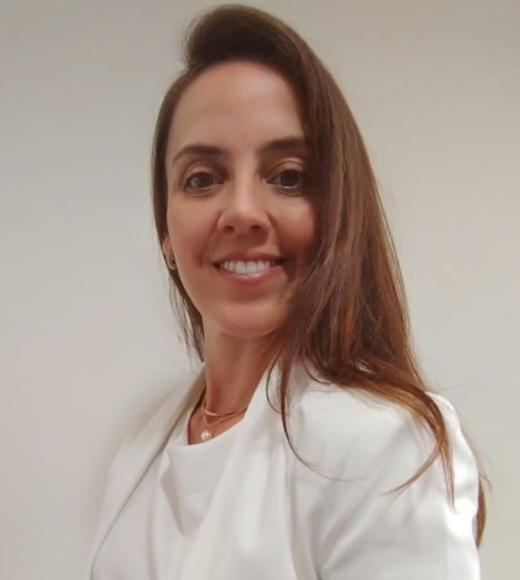
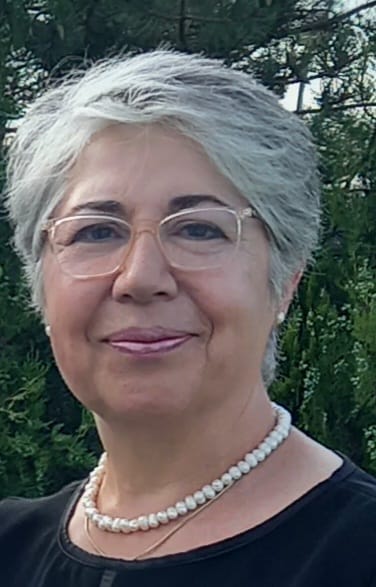
Yanyan Zhang is a Professor and Director of the Department of Flavor Chemistry at the University of Hohenheim. Her research focuses on aroma characterization, natural flavor production through biotechnology, and sensory quality improvement in foods and beverages. Research utilizes advanced techniques including GC-MS-Olfactometry and SAFE extraction to identify key flavor compounds and their formation pathways. Current projects explore fungal fermentation for novel non-alcoholic beverages and valorization of agricultural byproducts. Awards include the DECHEMA Young Scientist Award and Nestlé Silver Award for Flavor Science. Zhang serves on editorial boards and leads international research collaborations in food biotechnology.
Prof. Ruggero Bettini is a Full Professor of Pharmaceutical Technology at the Department of Food and Drug Sciences, University of Parma. He is a member of the Board of Directors and has held significant roles including Director of the Interdepartmental Center for Innovation in Health Products (Biopharmanet-Tec) and President of the Spin-off Committee. He founded PumeStars srl, Anemos Therapeutics srl, and co-founded M3datek srl. Education: PhD in Pharmaceutical Chemistry and Technology (University of Pavia, 1994); MS in Pharmacy (University of Parma, 1991) Academic Leadership: Coordinator of Biopharmaceutics-Pharmacokinetics PhD program (2015-2016); Active in European University Consortium for Pharmaceutical Sciences (ULLA) since 2015 Research Focus: Solid dosage forms for controlled drug delivery, nasal/pulmonary administration, particle engineering, solid-state chemistry, and pharmaceutical production processes. His research spans respiratory drug delivery systems, biomaterials for regenerative medicine, and pharmaceutical formulation optimization. Recent publications highlight anti-inflammatory microparticles, radiopharmaceutical validation methods, and novel approaches to pulmonary delivery of antivirals and immunomodulators. Scientific achievements include: 1999: J. Heller Journal of Controlled Release Outstanding Paper Award 2000: First Eurand Award for Oral Drug Delivery Research 2014: Listed in 'Who is Who in Thermal Analysis and Calorimetry' 2016: AAPS Fellow 2019: AIMBE Fellow He serves as Associate Editor of Pharmaceutics and editorial board member of multiple journals. His teaching portfolio includes courses on formulation development and pharmaceutical technology at both undergraduate and graduate levels.
Burcu Gökkaya Erdem is a Researcher at Gaziantep University, Faculty of Engineering, Department of Food Engineering. She specializes in food science and technology with a focus on edible films, food packaging, and preservation techniques. Her academic background includes: Doctorate in Food Engineering from Gaziantep University (2015-2021) Master's degree in Food Engineering from Gaziantep University (2012-2015) Bachelor's degree in Food Engineering from Çukurova University (2006-2011) Dr. Gökkaya Erdem's research primarily focuses on edible films and food packaging , with particular emphasis on protein-based materials, especially whey and soy protein isolates combined with various oils. Her work explores how these materials can improve food preservation while being environmentally sustainable. She investigates the physicochemical properties, water barrier capabilities, and antimicrobial characteristics of these novel packaging solutions. Her research also extends to traditional food products and processing methods in the Gaziantep region of Turkey, examining their quality, safety, and consumer acceptance. Her publication record shows a consistent focus on developing biodegradable and functional food packaging materials, with recent work exploring the incorporation of natural antimicrobials like essential oils into edible films. She has published in high-impact journals including Food Chemistry and Food and Bioprocess Technology, demonstrating the significance of her contributions to the field. Her scientific achievements include: University Master's Thesis Special Award (2014, Gaziantep University) University First Place in Faculty and Department (2011, ÇUKUROVA UNIVERSITY) Dr. Gökkaya Erdem has been actively involved in multiple research projects related to food engineering and packaging technology. She has served as a researcher on national projects supported by Higher Education Institutions and as a scholarship holder for a TÜBİTAK project focused on protein-lipid based edible coatings. Her current research includes developing bioactive and biodegradable food packaging materials using nanofiber technology and studying the effects of freeze-drying on cheese physical structure. She teaches laboratory courses including FE 111, FE 315, and FE 483, indicating her role in both research and education at Gaziantep University.
Dianna Bourassa is Associate Professor and Extension Specialist in the Department of Poultry Science at Auburn University’s College of Agriculture, with statewide responsibility for poultry extension programming. Her expertise integrates poultry processing, food-safety microbiology, and animal welfare, translating research into practical interventions for Alabama’s broiler industry. Education: PhD in Biochemistry and Molecular Biology MS in Poultry Science BS in Poultry Science Research & Extension Focus: Dr. Bourassa’s scholarship targets the control of Salmonella and Campylobacter throughout the broiler production chain, from breeder flocks to processed carcasses. She evaluates novel non-thermal decontamination technologies, antimicrobial alternatives, and the microbiological impact of no-antibiotics-ever (NAE) systems. A parallel stream investigates sustainable reuse of poultry processing wastewater through integrated aquaponic/poultryponic systems and the upcycling of slaughterhouse solids via black-soldier-fly bioconversion. Her welfare portfolio includes evaluating on-farm euthanasia methods and early-life behavior of broiler chicks. Across 150+ peer-reviewed works since 2004, her output clusters into four dominant themes: (1) pathogen prevalence and genomic epidemiology in integrated broiler complexes, (2) intervention validation (chemical, physical, nutritional, probiotic), (3) pre-harvest food-safety ecology (litter, dust, egg cuticle, transport flooring), and (4) circular-economy approaches to nutrient and water stewardship. The 2025 crop of papers illustrates accelerated adoption of whole-genome sequencing and meta-analytical techniques to benchmark interventions. While specific grant titles and dollar amounts are not listed, the depth and continuity of her applied program—spanning multi-year longitudinal trials, pilot-scale poultryponic systems, and statewide extension short-courses—signal sustained extramural support from USDA-NIFA, industry consortia, and Alabama Agricultural Experiment Station capacity funds.
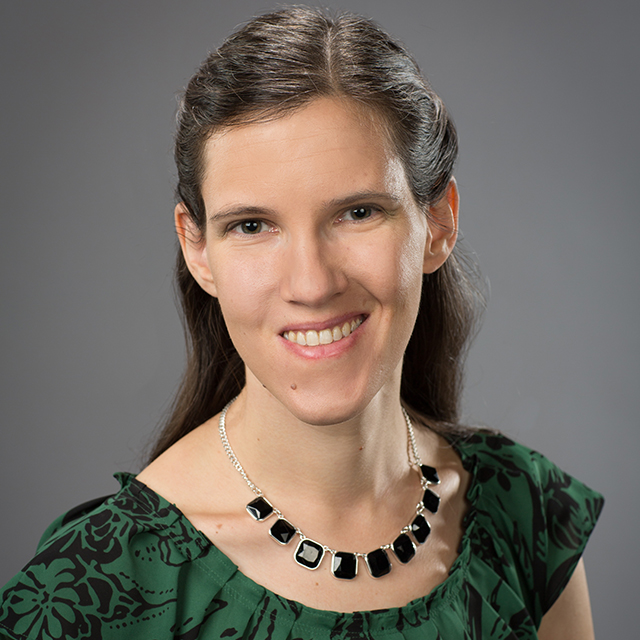
Jaqueline De Moraes is an Associate Specialist in the L. Wang Lab at the University of California, Davis (UC Davis), Department of Food Science and Technology. She holds a Ph.D. and M.S. from the Federal University of Santa Catarina, Brazil, and a B.S. in Food Engineering from the Federal University Foundation of Rio Grande, Brazil. Her research focuses on developing biodegradable films, innovative food drying techniques, and solutions to mitigate foodborne pathogens in low-moisture foods. She has expertise in non-thermal processing methods, industrial scaling, and food safety. Dr. De Moraes’ postdoctoral research at Cornell University and Alicon Co. explored non-thermal inactivation of pathogens. Her current work involves pathogen survival analysis in foods and optimizing drying technologies for nutritional retention. She actively engages in extension activities, teaching, and mentoring, contributing to the development of gluten-free products and sustainable food processing. Her research spans topics like starch-based films, conductive drying, pulsed light treatments, and the application of algae in food products. She collaborates on projects involving food texture analysis, microbial inactivation, and the utilization of upcycled ingredients in snacks and beverages. Education: Ph.D. in Food Engineering, Federal University of Santa Catarina, Brazil M.S. in Food Engineering, Federal University of Santa Catarina, Brazil B.S. in Food Engineering, Federal University Foundation of Rio Grande, Brazil Her work bridges food science, engineering, and sustainability, with contributions to both academic research and industry applications.
Professor Stefan Kasapis is a renowned academic in Food Science at RMIT University's School of Science. He holds the rank of Professor and has over 30 years of industry collaboration, focusing on developing novel food formulations. His research emphasizes structural, nutritional, and bioactive functionality of materials, particularly plant/marine polysaccharides, proteins, and bioactive compounds. Academic Roles: He has served as Assistant Dean of Research, Head of the Department of Food Sciences, and Coordinator of the Graduate Programme in Food Sciences. At RMIT, he coordinates advanced food technology courses at undergraduate and postgraduate levels, including BP199 (Bachelor of Science) and MC237 (Master of Food Science and Technology). Research Interests: His work explores conformation-structure-function relationships in food systems, including plant proteins, phenolics, dietary fiber, and delivery systems for bioactives. He leads a research group of 12 PhD students and two postdoctoral researchers, funded by ARC Linkage, Australia Awards, and FFW CRC. Awards & Recognition: He has received the RMIT Award for Research Excellence (2016), Royal Society of Chemistry Medal (1998), and a runner-up prize at the Institute of Food Science and Technology Annual Conference (1994). Labs & Industry: His lab focuses on techno-bio functionality of food materials, utilizing RMIT’s City and Bundoora facilities. He holds multiple patents for food innovations, including bioactive delivery systems and improved food formulations.
Stefano Bruno is an Associate Professor at the Department of Pharmacy, University of Parma with a focus on Biochemistry . He holds a PhD in Biochemical Sciences from the University of Turin (2002) and has been teaching since 2004, including courses like Applied Biochemistry and Clinical Biochemical Analysis across multiple degree programs. Education : 1997: MS in Pharmaceutical Chemistry, University of Parma 2002: PhD in Biochemical Sciences, University of Turin His research spans heme proteins , enzyme characterization , and pharmaceutical applications . Key areas include: Structural and functional analysis of hemoproteins (e.g., neuroglobin, cytoglobin) Development of blood substitutes via hemoglobin modifications Investigation of serine racemase and phosphoserine phosphatase in neurological contexts Protein immobilization in silica gels for functional studies His publications (70+ peer-reviewed, H-index 20) emphasize Antarctic bacterial proteins , enzymatic inhibition , and radiopharmaceutical quality control . He has supervised 8 PhD students and contributed to international conferences like the International Symposium on Blood Substitutes . Recent work includes fluorescent biosensors, NO sensing proteins, and covalent enzyme inhibitors for cancer therapy . Awards : No specific scientific awards listed. Teaching & Leadership : Active in PhD programs ( Biochemistry , Pharmaceutical Sciences ), international schools like the ULLA Summer School , and conference organization (e.g., New Challenges in Protein Science ).
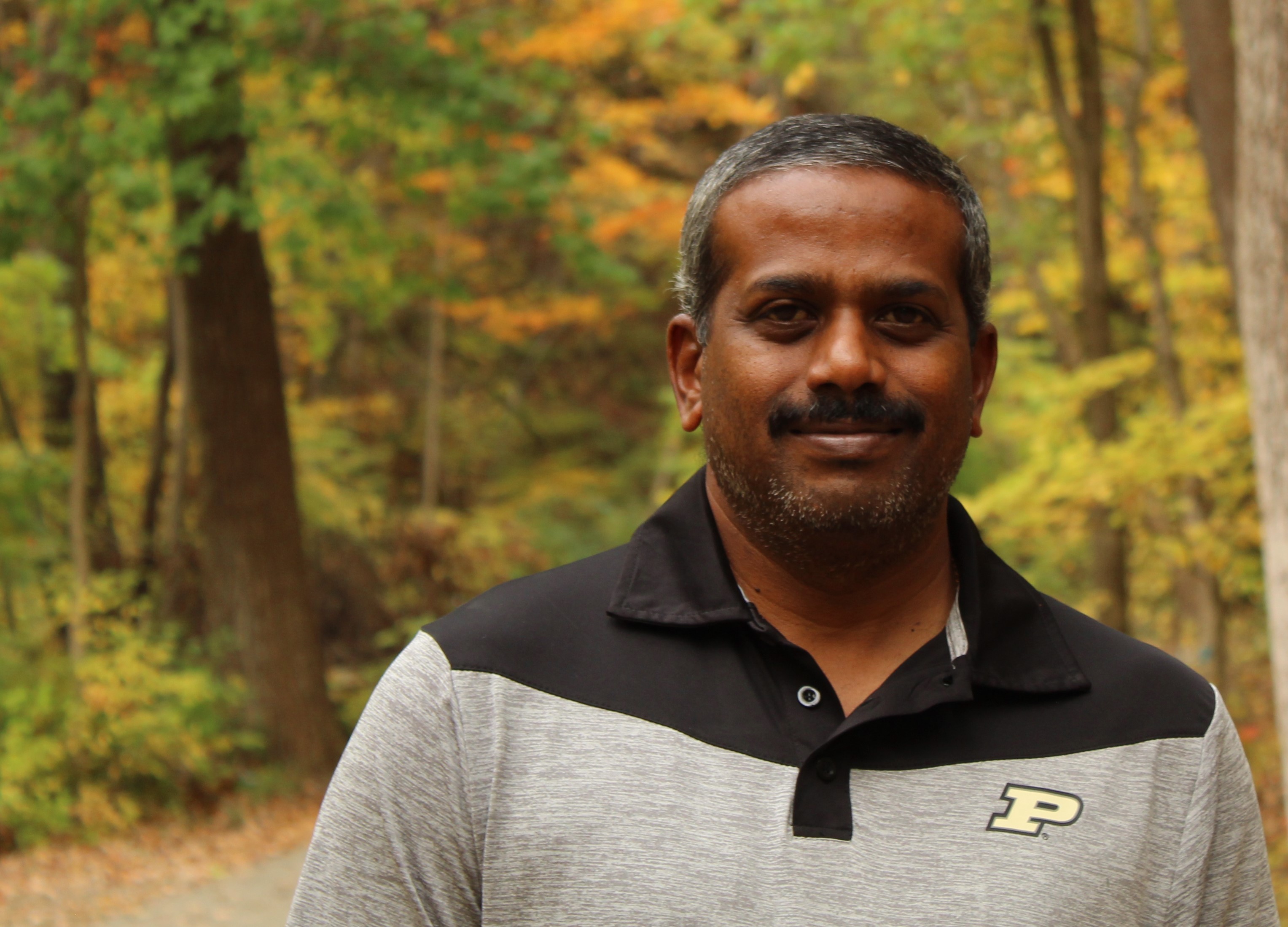
R.P. Kingsly Ambrose is a Professor in the Department of Agricultural & Biological Engineering at Purdue University, where he also serves as a University Faculty Scholar. His research focuses on particle technology applications in food, pharmaceutical, and biological process engineering, with an emphasis on powder flow, dust explosion prevention, and process modeling. He leads the Center for Particulate Products and Processes (CP3), equipped with advanced facilities like particle characterization tools (Malvern Morphologi G3-ID), a powder rheometer, and pilot-scale hoppers. His work addresses challenges in grain handling, safety, and sustainable agricultural practices. Recent projects include developing hermetic storage solutions, optimizing fertilizer design, and enhancing grain drying technologies. Ambrose collaborates with industry and academia to advance food safety, agricultural efficiency, and disaster mitigation strategies. His contributions span over 100 peer-reviewed publications and include innovations in dust monitoring systems and granular material behavior modeling.
Emily E. Jackson is an Associate Professor at the Department of Biology, University of Nevada, Reno. She specializes in food microbiology with a focus on genomic analysis of Cronobacter species, contributing to understanding their pathogenicity and genomic diversity in foodborne contexts. Education: Ph.D. in Microbiology, Nottingham Trent University, 2016 M.S. in Bacteriology, University of Wisconsin-Madison, 2007 B.S. in Genetic Biology and Microbiology, Purdue University, 2006 Dr. Jackson’s research explores microbial dynamics in food safety, particularly Cronobacter species in powdered infant formula and raw milk. Her work integrates molecular methods, genomic analysis, and strain characterization. Her publications highlight advancements in pathogen detection, microbial taxonomy, and food safety protocols. Key trends include genomic insights into Cronobacter, biofilm formation, and validation of rapid molecular techniques for foodborne pathogens. Scientific Awards: FDA Honor Award for Rapid Molecular Method Development IAFP European Symposium Student Travel Award Queen’s Anniversary Prize for Higher Education
Dr. Alessandra Rossi is an Assistant Professor at the Faculty of Pharmacy, University of Parma, specializing in drug delivery systems and pharmaceutical technology. Her research focuses on polymorphism of drugs, drug-excipient interactions, oral/nasal/pulmonary delivery systems, and nano/microparticle characterization. PhD in Pure and Applied Chemistry (University of Strathclyde, 1998) Erasmus/Socrates Research Fellowship (University of Gent, 1993-1994) Novartis Pharma AG Research Fellowship (Heriot-Watt University, 1998) Key research areas include: Development of oral hydrophilic matrices for controlled drug release Characterization of nasal and pulmonary delivery systems for targeted therapies Microencapsulation and agglomeration techniques for improved bioavailability Design of dry powder inhalers and heart-targeting nanoparticle systems Application of Quality by Design in pharmaceutical development Recent publications highlight her work in Acai oil-based organogels for topical cosmetics Microparticle systems for lung-targeted antioxidants Ligand-functionalized nanocarriers for liver cancer therapy Optimization of dry powder inhalation technologies Scientific awards and fellowships: Erasmus/Socrates Research Fellowship (1993-1994) Novartis Pharma AG Fellowship (1998)
Francesca Buttini is an Associate Professor at the University of Parma 's Department of Food and Pharmaceutical Sciences, where she earned her PhD in 2004. She also serves as a Visiting Professor at the Institute of Pharmaceutical Science, King's College London (since 2014), and as an Affiliated Key Researcher at the Research Center Pharmaceutical Engineering GmbH in Graz, Austria (since 2016). PhD in Biopharmaceutics Pharmacokinetics (University of Parma, 2007) Degree in Pharmaceutical Science (University of Parma, 2003, cum laude ) Her research focuses on innovative pulmonary product design , including pressurized and dry powder inhalers. Her work emphasizes patient-centered approaches, addressing respiratory disease challenges through advanced drug delivery systems. She has published over 100 articles and holds 12 patents. Recent publications highlight her expertise in nasal drug delivery , neuroinflammation therapy , and COVID-19 aerosol dynamics , demonstrating interdisciplinary applications of pharmaceutical technology in respiratory and neurological fields. DDL Emerging Scientist Award (UK Aerosol Society, 2017) She founded PlumeStars , an SME developing orphan drugs for lung diseases, and serves on the Scientific Advisory Board of Alveolus Bio (US), which engineers lung-targeted probiotics. Her teaching portfolio includes Galenic Preparations Laboratory for pharmacy students since 2015/2016.
Nafel Doğdu is a Lecturer at the Akdeniz University , affiliated with the Technical Sciences Vocational School and the Department of Electricity and Energy . Since 2003, he has focused on Mechanical Engineering , particularly in Additive Manufacturing , Nuclear Technology , and Radiation Safety . In 2023, he also served as a Misafir Araştırmacı (Visiting Researcher) at Gazi University's Additive Manufacturing Technologies Research and Application Center. His research interests span Materials Science , Mechanical Vibrations , and Biocompatibility Analysis . Recent studies include Numerical Optimization of Laser Powder Bed Fusion (2025) and Multi-Objective Optimization of AlSi10Mg Alloy (2024), reflecting his expertise in advanced manufacturing techniques and process optimization. Peer Review Activities: SCI Journal: Journal of Mechanical Science and Technology (2019-2024) SCI Journal: Journal of Brazilian Society of Mechanical Sciences and Engineering (2018, 2021) Professional Memberships: Antalya Bilirkişiler Derneği (2011-2021)
Professor Sevim Kaya is a distinguished faculty member at Gaziantep University, Faculty of Engineering, Department of Food Engineering. With a career spanning over three decades, she has held academic roles including Research Assistant (1985–1995), Doctor Lecturer (1995–2002), Associate Professor (2002–2007), and Professor since 2007. Education: PhD in Food Engineering, Gaziantep University (1995) MSc in Food Engineering, Middle East Technical University (1988) BSc in Food Engineering, Middle East Technical University (1984) Her research focuses on food packaging technologies, dairy engineering, edible films, moisture dynamics, and rheological properties of traditional foods. Recent work involves antimicrobial packaging films, cheese preservation, and edible coating development using whey and soy proteins with essential oils. She has published extensively in international journals (SCI/SSCI) and supervised numerous graduate theses. Key projects include Active packaging films for cheese shelf-life extension , Spirulina-enriched food preservation , and Edible film industrialization . She teaches courses such as Stability of Food Products , Active Packaging , and Cheese Technology , with over 20 years of graduate supervision experience.
Dr. Denis Ring is a Lecturer in Process & Chemical Engineering at University College Cork (UCC), with extensive experience spanning over three decades in academia and industry. He holds a PhD (2012) and multiple postgraduate teaching qualifications from UCC, alongside earlier degrees from the University of Strathclyde and Cork Institute of Technology. His roles include teaching core courses like Pharmaceutical Engineering and Process Design, as well as supervising student projects and contributing to laboratory resources. Dr. Ring is a Fellow of the Institution of Chemical Engineers (FIChemE) and a member of Engineers Ireland and ISPE. His research focuses on pharmaceutical process optimization, particularly in granulation and modified-release drug production, alongside interests in Pharma 4.0, powder technology, and sustainable manufacturing. He actively promotes engineering education through initiatives like the KNEX Challenge and has organized international conferences such as the 3rd International Symposium for Engineering Education (ISEE2010), emphasizing sustainability in engineering curricula. Dr. Ring collaborates with industry partners to bridge academic and industrial practices, emphasizing practical applications of process design and safety. His publications span topics including buffer management in biopharmaceuticals, Industry 4.0's role in pharmaceutical manufacturing, and the integration of sustainability into engineering education. He has supervised numerous student projects, contributing to the development of future engineers capable of addressing global challenges through sustainable and innovative solutions.
Alessandro Chiado' is a Fixed-term Tenure-Track Assistant Professor at the Polytechnic University of Turin , affiliated with the Department of Applied Science and Technology (DISAT) and the PolitoBIOMed Lab - Biomedical Engineering Lab . Scientific disciplinary sector: BIOS-07/A - Biochemistry (Area 0005 - Biological Sciences) ERC skills: Genetic tools for medical diagnosis, Non-medical biotechnology, Medical technologies for disease monitoring, Spectroscopic techniques Research Interests focus on Antimicrobial Aptamers , Biosensors , MicroRNAs , and Protein Engineering . His work integrates nanotechnology with biochemical assays, particularly using SERS spectroscopy for food authenticity verification and biomedical diagnostics. Recent Work Trends include portable diagnostic platforms (e.g., DESPITE FRAUD project), glioma stem cell crosstalk inhibition strategies ( PRECISE project ), and advanced biosensor design. Articles emphasize FESEM image analysis , miRNA detection , and graphene-based microwave sensors . Scientific Awards :- CoV-Ab2 patent for SARS-CoV-2 seroprevalence testing- National patent for silver nanoparticle-porous silicon sensor Teaching Roles : Course collaborator in Materials and Characterizations for Micro and Nanotechnologies and Principles of Pharmaceutical Biotechnology across multiple engineering programs (Chemical, Aerospace, Automotive, Design). Supervised Research : PhD student Ettore Grimaldi's work on metal-dielectric nanostructures for SERS spectroscopy . Labs include the Vibrational Spectroscopy and Nano-optics Laboratory , Biochemistry Lab , and Nanoscience Labs (Organic Chemistry, Powder Chemistry, Vibrometric).