- Hepatic Metabolism
- Nuclear Receptors
- Wilson's Disease
- +۱۲ مورد دیگر
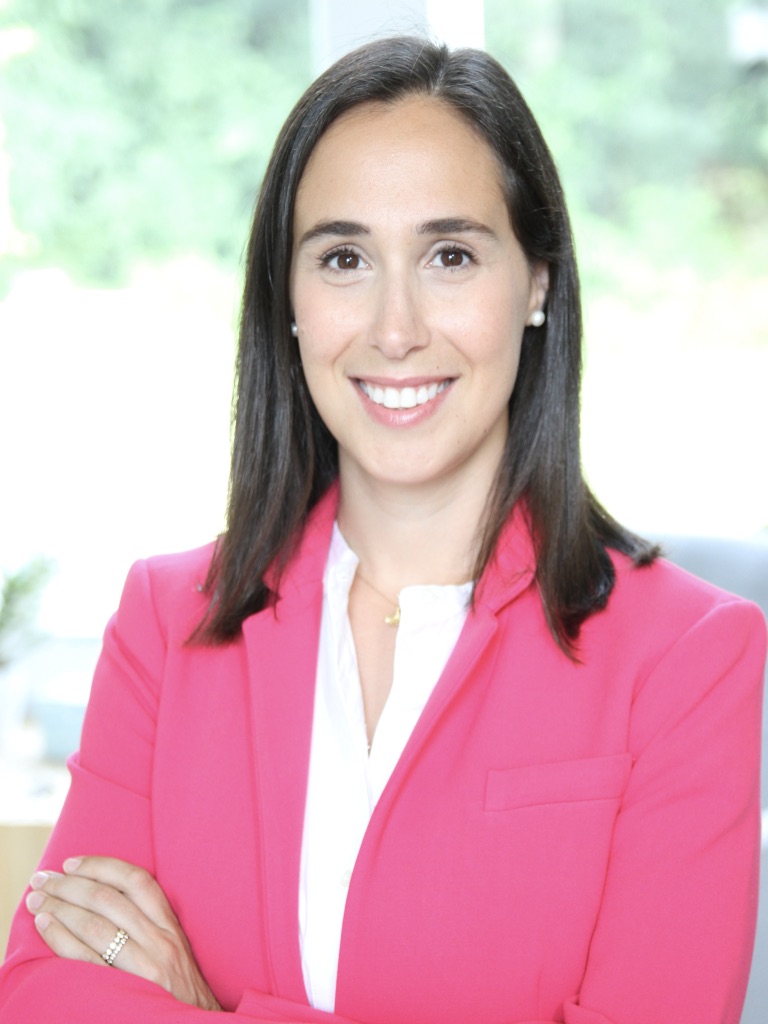
Clavia Ruth Wooton-Kee, Ph.D. , is an Assistant Professor at Baylor College of Medicine in the Department of Pediatrics, with secondary appointments in Nutrition and Molecular and Cellular Biology. She leads an independent research laboratory at the USDA/ARS Children’s Nutrition Research Center in Houston, Texas, where she investigates the role of nuclear receptors in hepatic metabolism and chronic liver diseases, particularly Wilson’s disease. Her lab uses the Atp7b-/- mouse model to study metabolic dysfunction and copper-induced redox stress. Education: BSc in Biology and Chemistry, Union College (1996) MS in Biochemistry, University of Louisville School of Medicine (1999) PhD in Toxicology, University of Kentucky College of Medicine (2008) Her research focuses on how excessive copper disrupts nuclear receptor signaling (FXR, HNF4α, LRH-1), leading to bile acid dysregulation, mitochondrial damage, and spontaneous liver nodules. She explores therapeutic strategies involving nuclear receptor ligands and investigates transcriptomic and proteomic signatures in chronic liver diseases. Analysis of her recent publications reveals a strong focus on nuclear receptor biology, bile acid metabolism, Wilson’s disease, and metabolic adaptations during lactation. Her work spans molecular mechanisms, animal models, and translational applications, with a growing emphasis on gene regulation and therapeutic targeting. Scientific Awards: Presidential Poster Award, AASLD: The Liver Meeting, 2023 Dr. Wooton-Kee has received continuous grant funding from NIH/NIDDK and USDA/CRIS, including an R01 grant on nuclear receptor dysfunction in Wilson’s disease and a K01 Career Development Award. She has mentored researchers and presented her findings internationally, including at the Wilson Disease Aarhus Symposium in 2024. She also serves as a Faculty Senator at Baylor College of Medicine. Her lab is part of the USDA/ARS Children’s Nutrition Research Center, which provides state-of-the-art facilities including advanced laboratories, metabolic kitchens, and research volunteer accommodations, enabling cutting-edge research in pediatric nutrition and liver disease.