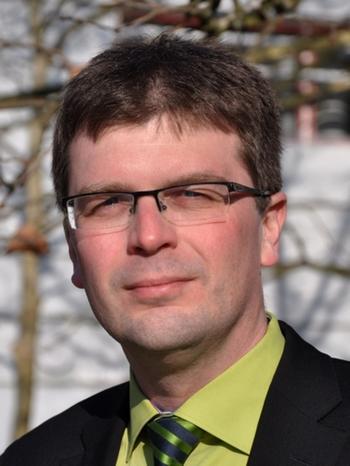
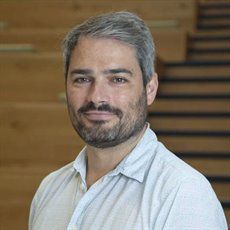
Prof. Dr. Mathias Christmann is a faculty member at the Institute of Chemistry and Biochemistry, Freie Universität Berlin , leading the research group in Organic Chemistry . His work focuses on strategic and methodological challenges in synthetic chemistry, particularly in total synthesis, organocatalysis, and renewable resource transformations. Position: Professor Contact: mathias.christmann@fu-berlin.de Location: Takustr. 3, Room 24.16, 14195 Berlin Research Interests include: Natural product-inspired small molecule synthesis for biological pathway modulation Minimizing C-C bond formations through selective functionalization of terpene building blocks Organocatalytic and metal-catalyzed reactions in multistep sequences Flow chemistry applications for scalable and sustainable synthesis Biological evaluation of TRPC channel agonists/antagonists for cancer therapy Publication Trends highlight expertise in total synthesis of complex terpenoids, organocatalysis for stereocontrolled reactions, flow chemistry for late-stage transformations, and TRPC4/5 channel modulation in renal cancer studies. His group pioneers asymmetric desymmetrization , photo-oxidation protocols , and electrosynthesis methods with minimal reagent waste. Advisees include PhD candidates Jan-Hendrik Dickoff , Mayar Elbendary , Nadine Kreidt , Tobias Olbrisch , Kamar Shakeri , and Zhen Wang , focusing on terpene-based drug discovery and catalytic reaction design.
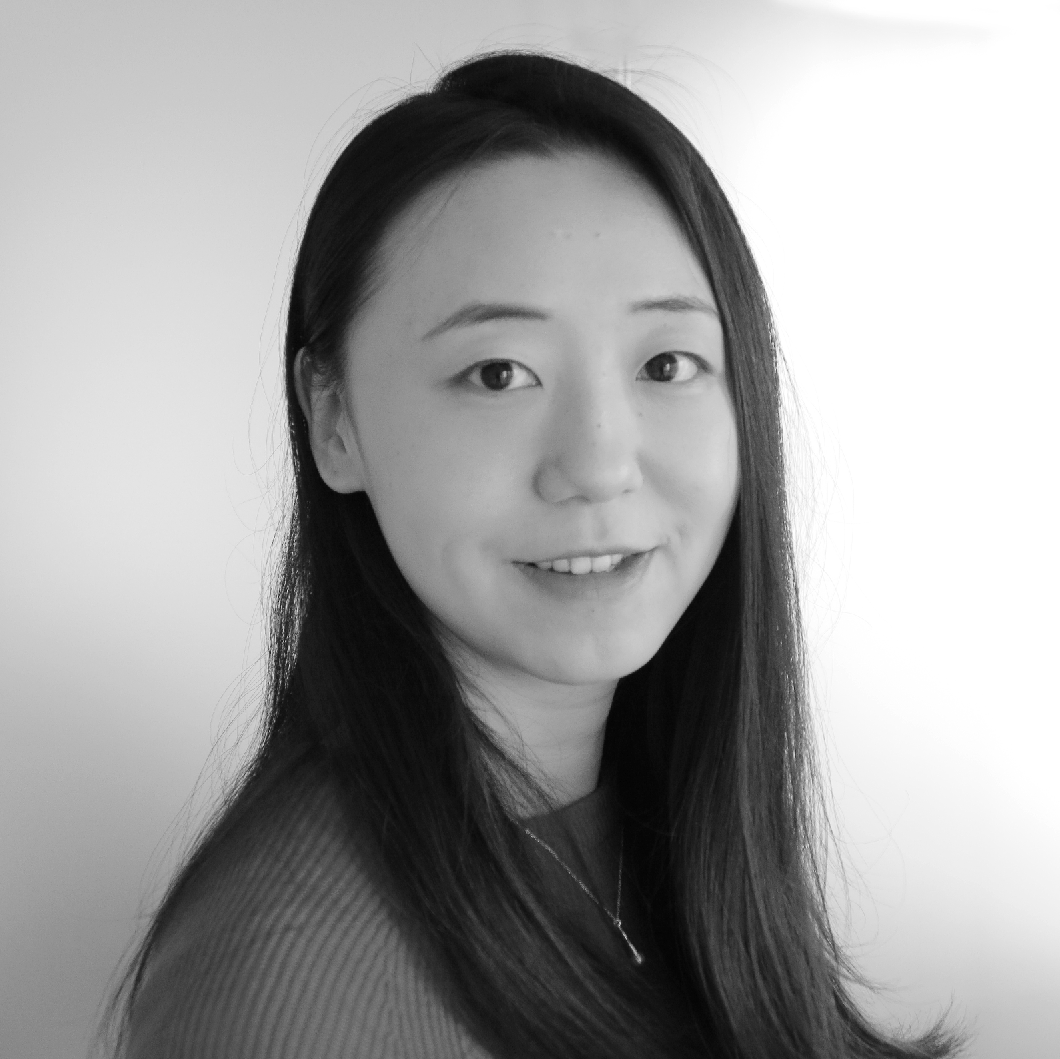
Yali Tang is an Assistant Professor in the Department of Mechanical Engineering at Eindhoven University of Technology (TU/e), specializing in fluid dynamics and transport phenomena within multiphase flows and physicochemical conversions . Her work targets Iron Power technology , green steel production , and alkaline water electrolysis for hydrogen generation, combining advanced computational models with experimental validation . Education: Master's in Chemical Engineering from Sichuan University (2011) PhD in Mechanical Engineering at TU/e (2015) with Prof. Hans Kuipers Research Interests: She focuses on interphase interactions , interfacial transport mechanisms , and high-resolution simulations (down to 40 nm mesh) to predict bubble coalescence and film dynamics. Her studies on hydrogen bubble growth , dendritic iron formation , and gas distribution in electrolyzers aim to refine reactor design and industrial processes. Collaborations with industrial partners ensure practical applicability of her computational models. Recent Publications: Her 2025 work includes dimensional analysis of liquid film formation, solutal Marangoni effects in electrolysis, and X-ray validation of gas distribution models. Earlier studies (2020–2023) cover defluidization behavior of iron fines, CFD-DEM modeling of raceways, and acoustic field applications in particle dynamics. Labs & Collaborations: She leads computational efforts within the Power & Flow group under Prof. Niels Deen, contributing to the EIRES Research cluster. Her work bridges academic research with industrial innovation in fluid dynamics and energy transition technologies.
N.K. Anand is a Distinguished Professor of Mechanical Engineering at Texas A&M University, holding the James J. Cain III Regents Professorship. He leads research in advanced computational methods and thermal-hydraulic systems, with affiliations to Multidisciplinary Engineering and Nuclear Engineering programs. His work focuses on physics-informed machine learning, finite volume methods, and aerosol transport in nuclear reactor contexts. Education: PhD (Mechanical Engineering, Purdue University, 1983), M.S. (Kansas State University, 1979), and B.E. (Bangalore University, 1978). Awards include the ASME James Harry Potter Gold Medal (2020) and multiple teaching/administrative excellence awards from Texas A&M. Research emphasizes fluid dynamics modeling (e.g., PINNs for periodic flows, turbulent deposition studies), heat pipe systems, and nuclear reactor thermal-hydraulics. His Versatile Test Reactor (VTR) contributions include cartridge loop designs and aerosol transport experiments. Active in high-temperature reactor safety, with facilities studying pebble beds, helical coil exchangers, and HTGR upper plenum dynamics. Publications span physics-informed ML applications, finite volume techniques, and nuclear thermal systems. Grants supported development of advanced CFD tools and reactor safety infrastructure. His lab collaborates on international nuclear energy projects and emerging AI-driven simulation methodologies.
Ashwani K. Gupta is a Distinguished University Professor at the University of Maryland, holding the Minta Martin Professorship in Engineering. He serves as Professor in the Department of Mechanical Engineering, Professor at the Institute of Physical Science and Technology, and Affiliate Professor in the Department of Aerospace Engineering. With over 45 years of experience in combustion engineering since graduating from Southampton University in 1970, Gupta has established himself as a leading authority in advanced combustion technologies. Dr. Gupta earned his Ph.D. from the University of Sheffield in 1973, followed by a D.Sc. from the same institution in 1986 and another D.Sc. from Southampton University in 2013. His academic journey includes six years at MIT as a research staff member and three years at Sheffield University as an independent research worker before joining the University of Maryland in 1983. Gupta's research focuses on revolutionizing combustion technology through innovations in swirl flows, high-temperature air combustion (HiTAC), and distributed combustion systems. His pioneering work on 'colorless distributed combustion' has enabled ultra-low emission combustion processes with significant applications in gas turbine engines and waste-to-energy conversion. His research spans biofuels, CO2 utilization, sulfur chemistry, waste conversion, and advanced laser diagnostics, addressing critical challenges in sustainable energy and environmental protection. Analyzing his recent publications reveals a strong emphasis on waste-to-energy conversion, biomass processing, and CO2-assisted technologies. Gupta's work demonstrates a clear trajectory toward sustainable energy solutions, with increasing integration of artificial intelligence for combustion optimization and emission control. His research bridges fundamental combustion science with practical engineering applications for cleaner energy systems. Among Gupta's numerous accolades are: Election to Fellowship of the Royal Academy of Engineering (2023) Honorary Fellowship of the Royal Aeronautical Society (2020) Recognition as one of the top 2% of scientists worldwide by Stanford University (2022-2024) Multiple prestigious medals from ASME and AIAA including the Soichiro Honda Medal (2018) and AIAA Air Breathing Propulsion Award (2014) Honorary doctorates from three international universities Gupta has secured substantial research funding throughout his career, resulting in over 850 technical papers, three books, 18 edited books, and 22 book chapters. He has delivered over 100 plenary/keynote/invited presentations at international conferences. His mentorship has shaped numerous graduate students who continue to contribute to the field of combustion engineering. Gupta directs the Combustion Laboratory at the University of Maryland, which serves as a hub for cutting-edge research in sustainable combustion technologies. The Combustion Laboratory, under Gupta's leadership, has become a center of excellence for advanced combustion research, particularly in distributed combustion systems, waste-to-energy conversion, and alternative fuels. The lab maintains strong collaborations with industry partners and international research institutions, facilitating technology transfer and practical implementation of research findings. Gupta's team employs state-of-the-art diagnostics and computational tools to advance fundamental understanding while developing practical engineering solutions for cleaner energy systems.
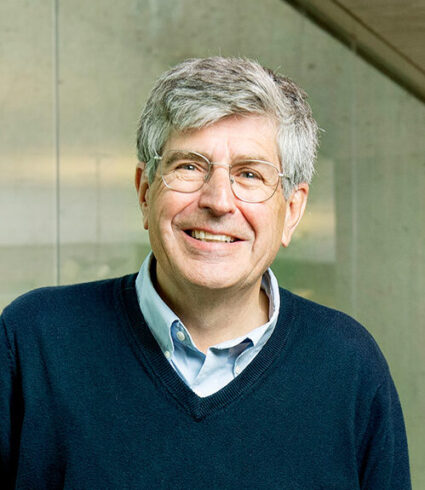
Anne E. White is the School of Engineering Distinguished Professor of Engineering and associate vice president for research administration at the Massachusetts Institute of Technology (MIT). She serves in the Department of Nuclear Science and Engineering within MIT's School of Engineering and is a key researcher at the Plasma Science and Fusion Center (PSFC). White has held significant leadership roles including NSE department head from 2019 to 2023 and co-chair of the MIT Climate Nucleus from 2021 to 2024. She currently chairs the Fusion Energy Sciences Advisory Committee (FESAC), providing federal advisory input to the U.S. Department of Energy Office of Science. White received her PhD in physics from UCLA, where she conducted research at the Electric Tokamak. Her early career included research positions at the National Spherical Torus Experiment at Princeton Plasma Physics Laboratory and the DIII-D National Fusion Facility at General Atomics before joining MIT as a faculty member. Her educational background laid the foundation for her expertise in plasma physics and fusion energy research. Professor White's research focuses on magnetic fusion energy, specifically on understanding turbulent transport in magnetically confined fusion plasmas. Her work spans diagnostic development, novel experimentation, and validation of nonlinear gyrokinetic codes. She aims to demonstrate nuclear fusion as a practical part of the world's sustainable energy future. Her group develops and uses radiometers, reflectometers, and interferometers to measure fluctuations in plasma density, temperature, and flows in tokamaks. This research is critical for improving predictive capabilities of turbulent transport models, which is essential for developing viable fusion reactors. Analysis of Professor White's recent publications reveals a strong focus on plasma diagnostics and turbulence measurements across multiple tokamak facilities. Her work spans experimental measurements on ASDEX Upgrade, Alcator C-Mod, NSTX, and DIII-D tokamaks, with particular emphasis on electron temperature fluctuations, turbulence characterization, and transport model validation. A significant theme is the development and application of novel diagnostic techniques for simultaneous measurements of multiple plasma parameters. Her research increasingly incorporates computational approaches, including gyrokinetic simulations and machine learning methods, to interpret experimental data and advance predictive capabilities in fusion plasma physics. Professor White has received numerous prestigious awards throughout her career: Fellow, American Physical Society Division of Plasma Physics (2019) Cecil and Ida Green Career Development Professor, MIT (2014) American Physical Society Katherine E. Weimer Award (2014) Fusion Power Associates Excellence in Fusion Engineering Award (2014) Junior Bose Award for Excellence in Teaching, MIT (2014) PAI Outstanding Faculty Award from MIT student chapter of the American Nuclear Society (2013) Norman C. Rosenbluth Career Development Professor, MIT (2012-2014) Department of Energy Early Career Award (2011-2016) Marshall N. Rosenbluth Outstanding Doctoral Thesis Award (2009) As an educator and mentor, Professor White has advised numerous students through MIT's Department of Nuclear Science and Engineering. She has taught courses including Principles of Plasma Diagnostics, Seminar in Fusion & Plasma Physics, and Introduction to Plasma Physics. Her leadership extends to developing educational resources, notably leading a team in 2018 to create a free MITx MOOC focused on nuclear science and engineering for global high school learners. Professor White has secured significant research funding through Department of Energy awards, including the Early Career Award (2011-2016) and various fusion energy fellowships throughout her career. Her research group at MIT's Plasma Science and Fusion Center has contributed to multiple major fusion facilities and has been instrumental in advancing understanding of plasma turbulence and transport. Professor White leads the Fusion and Plasmas Lab at MIT, which focuses on diagnostic development and turbulence measurements in fusion plasmas. Her team has made significant contributions to research on four major tokamaks: Alcator C-Mod, ASDEX Upgrade, DIII-D, and National Spherical Torus Experiment Upgrade. At MIT's Plasma Science and Fusion Center, she previously served as assistant division head for magnetic fusion energy collaborations and ran the Gyrokinetic Simulation Working Group and the Alcator C-Mod Transport Group. Her lab maintains close collaboration between experimental work, theoretical modeling, and computational simulation to advance the understanding of plasma turbulence and transport phenomena critical for fusion energy development.
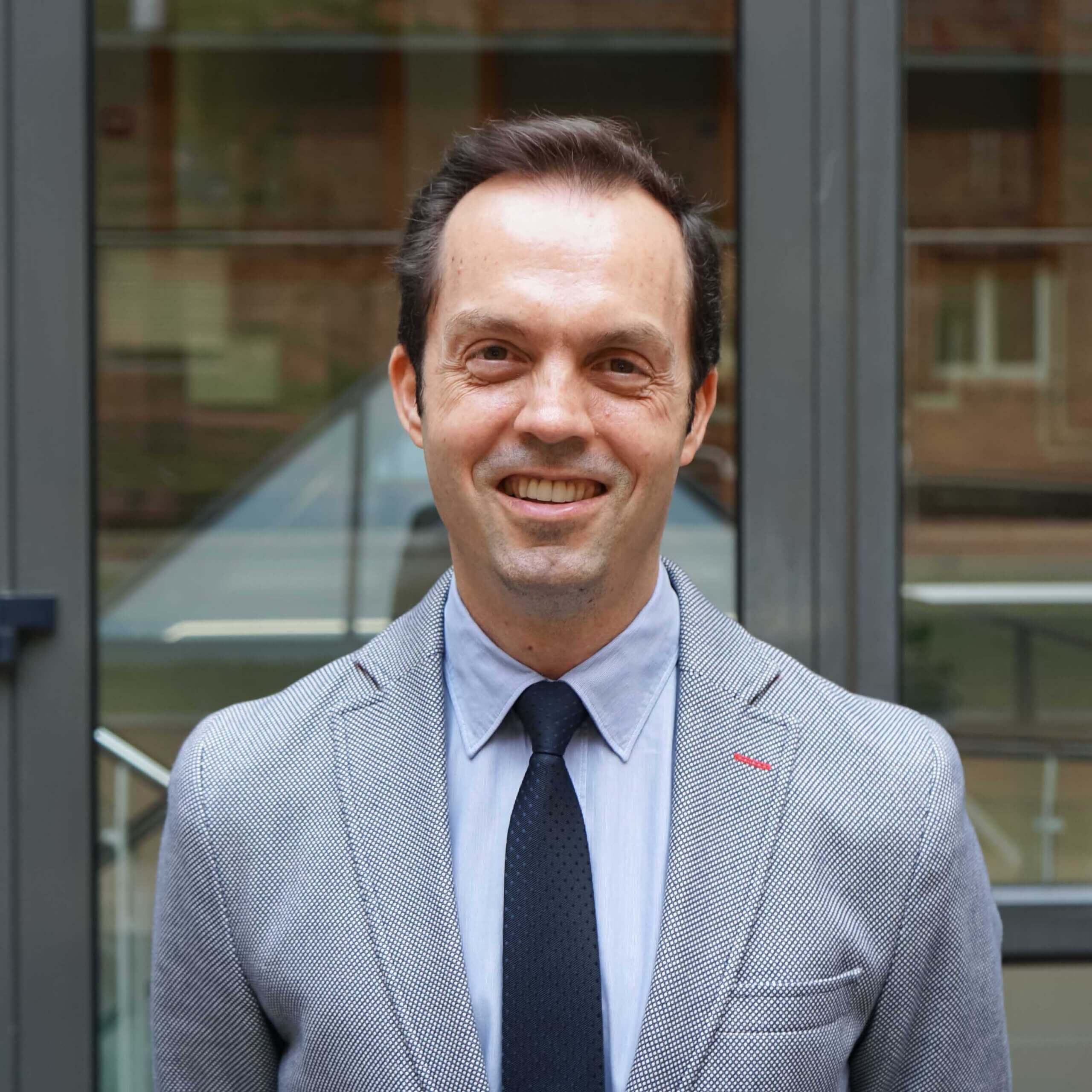
Sergi Colominas Fuster, PhD , is a Full Professor and Coordinator of the Master’s Degree in Analytical Chemistry at the Department of Analytical and Applied Chemistry, IQS School of Engineering, Universitat Ramon Llull. He has been serving in this leadership role since 2021 and was promoted to Full Professor in 2025. His educational background includes a PhD in Chemistry (2006, URL), a Chemical Engineering degree (2001, IQS), and a Degree in Chemistry (1999, URL). Sergi's research is centered on the design, development, and characterization of electrochemical sensors , with a strong emphasis on applications in nuclear fusion technology and bioanalysis . His work focuses on sensors for molten metals and biosensors, particularly for detecting hydrogen and tritium in fusion reactors. He is an active member of the EQBA – Electrochemistry and Bioanalysis Group , which specializes in analytical, electrochemical, spectrometric, and optical techniques. His recent publications (2023–2025) highlight advancements in 3D-printed perovskite-based high-temperature electrochemical sensors for hydrogen monitoring in fusion environments. These works demonstrate innovation in fabrication techniques such as cold isostatic pressing and 3D printing, contributing to safer and more efficient fusion energy systems. Key research projects he is involved in include: EUTECTIC : Industrial production of Li-6 enriched lead-lithium eutectic for nuclear fusion. ECSINFUS : Development of electrochemical sensors for fusion applications. EUROFUSION : Implementation of fusion roadmap activities under Horizon Europe. He has secured research grants from competitive programs such as AGAUR and the European Commission, reflecting his leadership in fusion-related analytical chemistry. His work bridges materials science, electrochemistry, and energy technology. Sergi contributes to multiple academic programs, including the Master’s in Analytical Chemistry, Materials Science and Engineering, Pharmaceutical Chemistry, and the PhD in Chemistry and Chemical Engineering, indicating his broad academic engagement and mentorship.
Professor Klavs F. Jensen is the Warren K. Lewis Professor of Chemical Engineering and Professor of Materials Science and Engineering at MIT. His research focuses on integrating automation, machine learning, and robotics to accelerate materials discovery and pharmaceutical synthesis. He leads the Jensen Research Group, pioneering automated reaction systems with online analytics and optimization algorithms. Education: MS in Chemical Engineering (Technical University of Denmark, 1976); PhD in Chemical Engineering (University of Wisconsin, 1980). Research Interests: Thermochemistry, electrochemistry, photochemistry, Bayesian optimization, high-throughput experimentation, and AI-driven synthesis planning. He collaborates with MIT’s Machine Learning for Pharmaceutical Discovery Consortium to develop algorithms for drug development and process chemistry. Awards: Member of National Academy of Sciences (2017), Member of National Academy of Engineering (2002), Fellow of the American Association for the Advancement of Science (2007), and Fellow of the National Academy of Inventors (2022). Grants & Labs: Editor-in-Chief of Reaction Chemistry and Engineering ; holds 63 US patents and over 490 journal articles. His lab’s innovations include ASKCOS (open-source synthesis planning software) and automated platforms for closed-loop molecular discovery.
Bruño Fraga is an Assistant Professor in the Department of Civil Engineering at the University of Birmingham, part of the School of Engineering. He specializes in Computational Fluid Dynamics (CFD) with a focus on turbulent and multiphase flows, particularly in applications like indoor air quality, water treatment, and airborne pathogen transport. His research group develops models such as Multiflow3D, addressing challenges in multiphase flow dynamics and environmental engineering. Education: MEng in Environmental Engineering (University of Santiago de Compostela, 1st class honors), MSc in Applied Math and Numerical Simulation (University of A Coruña), PhD in Civil Engineering (Universities of A Coruña and Chalmers). Research Interests: CFD modeling, bubble-induced turbulence, indoor air quality, water treatment technologies, and multiphase flow dynamics. Dr. Fraga leads major projects such as Fusion Forest (£1m, UKRI) and the IAQ-EMS initiative (£1m, Met Office), focusing on indoor air quality and pathogen transmission modeling. His work includes collaborations with organizations like Deltares Institute and Severn Trent, addressing wastewater treatment and environmental challenges. He is co-leader of the Fluids Research Group and the Water Technology stream at the University of Birmingham’s Water Centre. Scientific Awards: National Outstanding Graduate Prize (2011). Advising & Grants: Supervises graduate students in CFD and multiphase flow research. Oversees grants totaling over £2.1M, including fusion forest and buildair projects. Focuses on translating CFD expertise into real-world solutions for public health and environmental sustainability. Labs & Teams: Leads the Multiflow3D development team and collaborates with the Fluids Research Group and Water Technology stream.
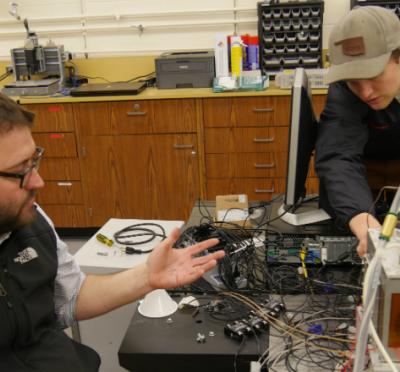
Joshua Gess is an Associate Professor in the Mechanical, Industrial, and Manufacturing Engineering department at Oregon State University's College of Engineering. He joined Oregon State in 2015 and serves as a co-principal investigator at the Enhanced Heat Transfer Laboratory, where he leads research in thermal management solutions for high-performance microelectronics. His educational background includes: PhD, Mechanical Engineering, Auburn University, 2015 MS, Mechanical Engineering, Auburn University, 2012 B.E., Mechanical Engineering, Vanderbilt University, 2005 Before academia, he worked as a mechanical engineer at SSOE Group (including consulting for Johns Manville) and Northrop Grumman where he focused on military communication equipment. Professor Gess specializes in advancing thermal management solutions for high-performance microelectronic equipment. His research spans multiple scales, examining single and two-phase heat transfer on the macro-scale with passive and active liquid immersion techniques, as well as on the micro and nano scale for complex embedded thermal management solutions. He combines fundamental heat transfer knowledge with novel experimental methods such as two-phase PIV and high-speed image capture to develop reliable and energy-efficient cooling solutions for demanding electronics systems. His publication record demonstrates a clear trajectory toward increasingly sophisticated thermal management solutions, with recent work focusing on additive manufacturing applications for cooling systems, semiconductor thermal management, and nuclear reactor cooling systems. His research has significant implications for data center energy efficiency, where even small improvements in cooling efficiency could save enormous amounts of energy that could be returned to the grid. Gess is deeply committed to mentoring graduate students, emphasizing the practical applications of engineering principles. He attributes his interest in engineering to childhood influences like the movie RoboCop and the TV series MacGyver, and finds the reality of engineering work just as gratifying as he'd imagined. He particularly values the moments when his graduate students "get it" and watching them grow with each new accomplishment. As a person with a disability himself, Gess is passionate about establishing more robust support systems for people with disabilities at Oregon State. He is working with the School of Public Health to start an adaptive sports program, with the goal of building infrastructure that allows anyone to feel welcome and pursue advanced degrees at the university.
Mark Martinez-Klimov is a researcher in the Department of Chemical Engineering at Åbo Akademi University, Faculty of Science and Engineering. His work focuses on catalysis for sustainable energy and renewable fuel production, with an emphasis on heterogeneous catalysis, biomass conversion, and CO2 utilization. He is actively involved in experimental and kinetic studies of catalytic processes. Research Interests: His primary research areas include hydrodeoxygenation, dry methane reforming, combustion synthesis, and catalytic upgrading of bio-oil and biomass derivatives. He investigates catalyst design, deactivation mechanisms, and process optimization using advanced characterization techniques such as X-ray diffraction, scanning electron microscopy, and thermogravimetric analysis. His work supports the development of cleaner energy technologies and circular chemical processes. The analysis of his recent publications (2021–2025) reveals a consistent focus on sustainable catalytic processes, particularly in renewable jet fuel production, hydrogenation of sugars, and CO2 valorization. His research spans both fundamental catalyst development and applied reaction engineering, often in continuous flow systems such as trickle bed reactors. The work integrates material science with chemical engineering principles to address challenges in energy transition. Scientific Awards: No awards explicitly mentioned in the provided text. Advising and Grants: While specific students or grants are not listed, his collaborative publication pattern with senior researchers like Dmitry Murzin and Pavel Mäki-Arvela suggests involvement in major research projects, likely funded by national or EU-level grants. He appears to contribute to team-based research in catalysis and sustainable technologies, potentially mentoring junior researchers and PhD students within the group. Labs and Teams: Mark is part of a prominent catalysis research group at Åbo Akademi University, specializing in sustainable chemical processes. The team leverages advanced synthesis methods (e.g., solution combustion, impregnation) and characterization tools to develop novel catalysts for energy and environmental applications. Their work is highly collaborative, involving both national and international partners in the field of green chemistry and renewable fuels.
Xiaolei Fan is an Associate Professor in the Department of Chemical Engineering at The University of Manchester. He holds a BEng in Environmental Engineering from Jilin Institute of Chemical Technology (2003), an MRes in Chemical Engineering from East China University of Science and Technology (2006), and a PhD in Continuous Flow Heterogeneous Catalysis from the University of Bath (2010). His research focuses on nonthermal plasma catalysis, CO2 conversion, catalytic biorefinery, and zeolite-based catalysts. He has contributed to over 180 publications, supervised 20+ students, and led projects like the EU-funded SPACING initiative for biofuel production. Research interests include porous materials, reaction engineering, and process intensification through structured reactors/catalysts. He chairs the RSC Heterogeneous Catalysis committee and has organized conferences like the International Conference on Environmental Catalysis. His work aligns with UN Sustainable Development Goals, particularly in clean energy and sustainable chemistry. Education: BEng (Environmental Engineering), Jilin Institute of Chemical Technology, 2003 MRes (Chemical Engineering), East China University of Science and Technology, 2006 PhD (Chemical Engineering), University of Bath, 2010 Awards: Lee Hsun Lecture Award (2018) Zhenxing Scholar Professor Award (2018) Outstanding Achievement Recognition (2018) Grants/Projects: SPACING: Sustainable Production of ACrylic Acid from Renewable Waste Glycerol (2021–2024) Labs/Teams: Catalysis and Porous Materials Group at The University of Manchester
Ali Mani is an Associate Professor of Mechanical Engineering at Stanford University and a faculty affiliate at the Institute for Computational and Mathematical Engineering. He earned his PhD in Mechanical Engineering from Stanford in 2009, following an M.S. (2004) and B.S. (2002) from Stanford and Sharif University of Technology, respectively. His research focuses on fluid mechanics, turbulence, and numerical simulations, with applications in multiphase flows, electrokinetic systems, and applied mathematics. His group develops high-fidelity simulation tools and reduced-order models to understand transport processes in turbulent and chaotic systems. Research interests include turbulence modeling, two-phase flow dynamics, and electrochemical transport. Recent work explores eddy viscosity operators, nonlocal transport phenomena, and computational methods for multiphase systems. The group's studies often bridge experimental validation and numerical analysis to improve predictive engineering models. Key contributions span electrokinetic transport in porous media, superhydrophobic surface slip effects, and phase field modeling. His lab’s work is supported by grants focusing on fluid dynamics, renewable energy systems, and advanced simulation frameworks.
Dr. Zheng Yuan is an Associate Professor (Senior Lecturer) in the School of Computer Science at the University of Sheffield. Previously, they held roles as an Assistant Professor at King's College London and a Research Associate at the University of Cambridge's Department of Computer Science and Technology. Their primary research focuses on machine learning and deep learning applications in natural language processing (NLP), particularly in educational technology, healthcare, creativity, and multilingual contexts. Key projects include computer-assisted language learning (CALL), human-centered NLP in education, computational code-switching, and creative AI. Education includes a PhD and MPhil in Natural Language Processing from the University of Cambridge, and a BSc(Eng) from Queen Mary University of London. They hold affiliated positions at the University of Cambridge, King's College London, and are a Fellow of Trinity College, Cambridge. They contribute to The Alan Turing Institute's Data-Centric Engineering Programme and hold FHEA status (2024-). Research interests span educational NLP, multilingual systems, transfer learning, and explainable AI. They actively organize workshops and serve on editorial boards (e.g., PeerJ Computer Science) and conference committees (ACL/EMNLP). Recent activities include co-organizing NLP workshops at ACL 2025 and NAACL 2024, alongside roles in professional societies like the ACL Professional Conduct Committee. Awards include Fellowship of the Higher Education Academy (2024-) and ASEFClassNet18 Faculty Collaboration (2025-). They welcome PhD applications in NLP and machine learning, emphasizing interdisciplinary applications.
Mo Jiang is a Researcher in the Department of Chemical & Life Science Engineering at Virginia Commonwealth University's College of Engineering. His research focuses on advanced crystallization processes for energy storage materials and pharmaceutical manufacturing. He specializes in continuous manufacturing techniques such as slug-flow reactors, aiming to improve material uniformity, scalability, and process efficiency. His work bridges chemical engineering principles with practical applications in battery technology and drug substance development. Research Interests: Continuous crystallization and manufacturing systems Slug-flow synthesis of battery cathode materials Process optimization for pharmaceuticals and energy storage Scalable synthesis of uniform microcrystals His recent articles highlight advancements in low-cobalt/cobalt-free lithium-ion battery cathodes, pharmaceutical crystallization methods, and the application of computational fluid dynamics to enhance manufacturing processes. These studies emphasize improving material performance, reducing costs, and achieving sustainable production methods. While no formal academic awards are listed, his prolific publication record demonstrates expertise in interdisciplinary engineering solutions. He collaborates on projects involving process design, real-time monitoring, and the integration of advanced manufacturing technologies.
Kyle Doudrick serves as an Associate Professor in the Department of Civil and Environmental Engineering and Earth Sciences at the University of Notre Dame, with his office located in 166 Fitzpatrick Hall of Engineering. His research program bridges environmental engineering and materials science to address critical water quality challenges. Education Ph.D. in Environmental Engineering, Arizona State University (2013) M.S. in Civil Engineering, University of Memphis (2008) B.S. in Civil Engineering, University of Memphis (2006) Research Focus : The Doudrick Lab pioneers physical-chemical treatment technologies targeting emerging contaminants including PFAS, micro/nanoplastics, and oxyanions. His group develops solar-activated photocatalytic systems for water purification and wastewater-to-hydrogen conversion, while investigating fundamental processes in catalytic, adsorptive, thermal, photochemical, and electrochemical treatment. Current work emphasizes understanding contaminant fate in natural and engineered systems through advanced analytical methods. Publication Trends : Recent works (2019-2020) demonstrate a cohesive research trajectory centered on electrochemical and photocatalytic water treatment. Key themes include nanomaterial stability for contaminant degradation, hybrid processes for persistent pollutants like PFOS, and innovative reactor designs such as hydrogel membranes. These publications span environmental engineering, materials chemistry, and sustainable energy conversion, reflecting interdisciplinary approaches to water security challenges. Laboratory Operations : The Doudrick Lab maintains a mission-driven focus on developing cost-effective, scalable solutions that integrate seamlessly with existing water infrastructure. Research activities combine fundamental material science with practical engineering applications, targeting real-world implementation of contaminant removal technologies while advancing scientific understanding of emerging pollutant behavior.