University Medical Center Hamburg-EppendorfGermany
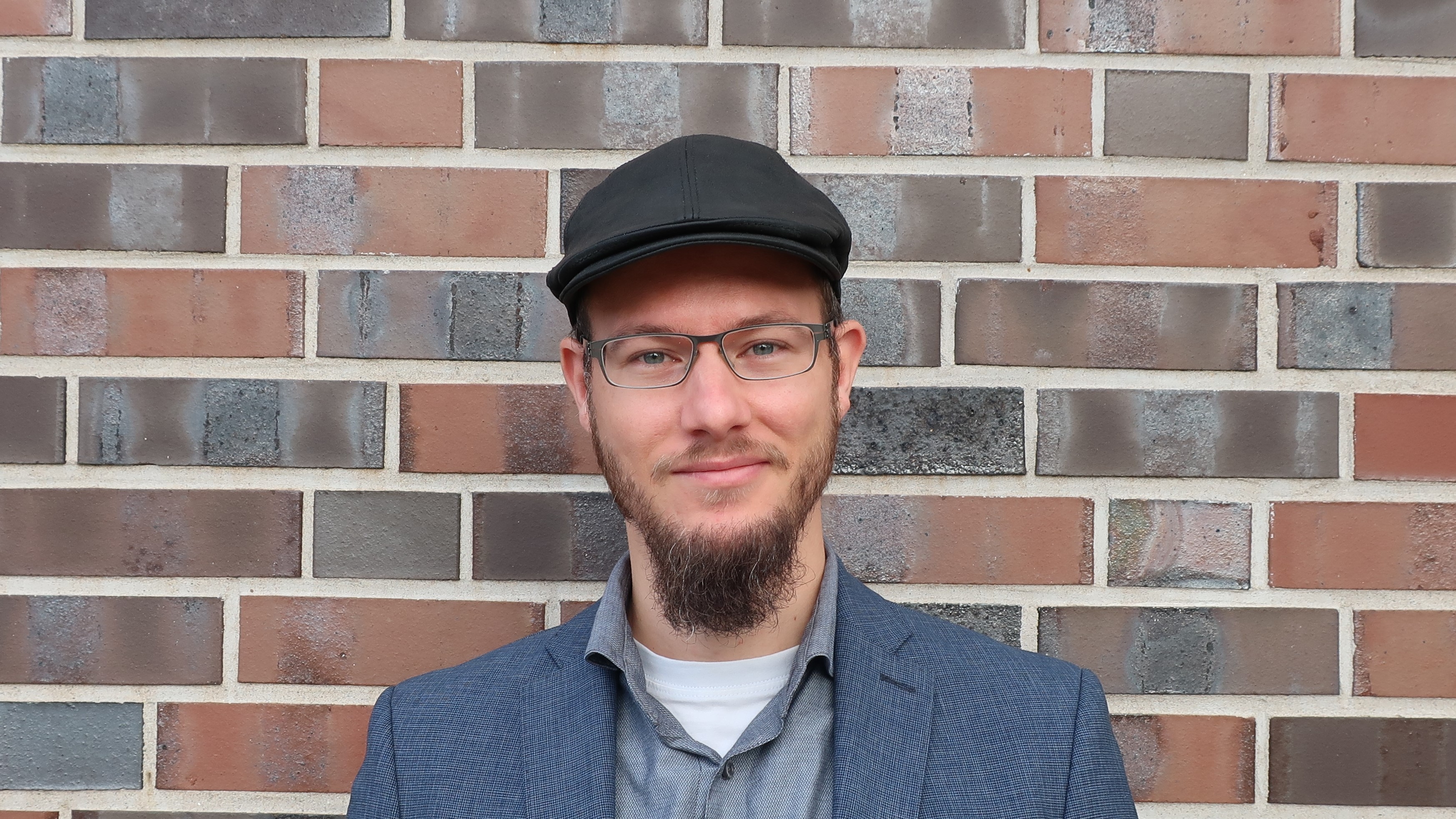
Stefan Kluge is a Professor at the Department of Intensive Care within the University Medical Center Hamburg-Eppendorf . With over 150 publications in 2025-2024 alone, his work focuses on critical care medicine, sepsis, ARDS, and cardiogenic shock. His recent research explores ARDS impact on liver cirrhosis outcomes Hyperoxia effects in traumatic brain injury Biomarkers for cardiogenic shock prognosis Novel retrograde limb perfusion techniques during ECPR Dual-energy CT for body composition analysis He contributes extensively to German national guidelines for nosocomial pneumonia and participates in multi-center critical care trials. Stefan Kluge's collaborations span neuro-intensive care , cardiovascular research , and infection/immunity domains. His work integrates machine learning applications and medical informatics to improve ICU decision-making.
University Medical Center Hamburg-EppendorfGermany
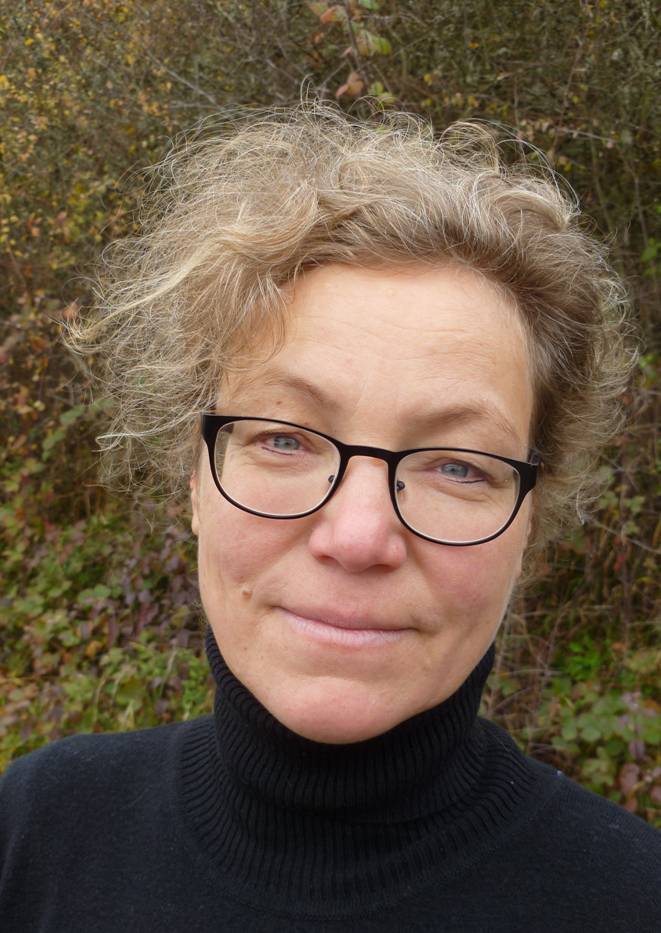
Prof. Dr. med. Franz Lennard Ricklefs is a Senior Physician and Head of the Working Group at the Department of Neurosurgery, University of Hamburg Faculty of Medicine. He is a Medical Specialist in Neurosurgery with cross-disciplinary expertise in neuro-oncology, molecular pathology, and extracellular vesicle research. Affiliations: University Medical Center Hamburg-Eppendorf (UKE), European Liquid Biopsy Society (ELBS), International Consortium on Meningiomas (ICOM) Research Interests: His work focuses on neurosurgical oncology, particularly glioblastoma and meningioma pathobiology. He investigates DNA methylation patterns, extracellular vesicle biomarkers, and liquid biopsy implementation in clinical neuro-oncology. Additional interests include surgical outcomes for epilepsy and aneurysm management. Article Trends: Over the last decade, Dr. Ricklefs has published extensively on: Extracellular vesicle applications as liquid biopsy markers DNA methylation subclasses for glioblastoma and meningioma Multicenter surgical outcome benchmarking Immune evasion mechanisms in neuro-oncology Technological innovations in neurosurgical visualization Molecular characterization of rare CNS tumors Professional Contributions: He co-authored the MISEV2023 guidelines for extracellular vesicle studies and participates in international consensus reviews for meningioma classification. His collaborations span institutions across Europe and North America.
Leibniz Institute for Zoo and Wildlife ResearchGermany
Dr. Andrew Bassett serves as Head of the Cellular and Gene Editing Research group at the Wellcome Sanger Institute, where he develops cutting-edge genome engineering techniques using human pluripotent stem cells to investigate neurodegenerative diseases including Alzheimer's and Parkinson's. His work focuses on scaling genetic screening approaches and improving CRISPR specificity for modeling complex disease mechanisms. His academic training includes: PhD at the MRC Laboratory of Molecular Biology (MRC-LMB) with Andrew Travers on chromatin remodelling in heterochromatin formation Postdoctoral research with David Baulcombe at the University of Cambridge studying small RNA roles in chromatin modification Additional postdoctoral work with Chris Ponting at the MRC Functional Genomics Unit (MRC-FGU) in Oxford, where he pioneered CRISPR applications in Drosophila Bassett's research program centers on developing advanced genome engineering methodologies for precise modulation of gene expression networks during development and neurodegeneration. His group specializes in creating complex editing events (SNPs, paired knockouts, enhancer perturbations) within iPSC-derived models, with particular emphasis on epigenetic regulation and transcriptional control. Current projects integrate single-cell 'omics and phenotypic assays to decode genetic causes of neurodegenerative disorders through the OpenTargets consortium. Analysis of his 15 most recent publications reveals dominant trends in CRISPR technology development (35%), neurodegenerative disease modeling (30%), and single-cell functional genomics (25%). His work consistently bridges methodological innovation with disease mechanism studies, increasingly incorporating multi-omics approaches and expanding into cancer immunology and infectious disease applications since 2022. As group leader, Bassett mentors postdoctoral researchers and PhD students while securing major funding for genome engineering initiatives. His team operates within the Sanger Institute's Cellular Operations division and maintains critical partnerships with the OpenTargets consortium for therapeutic target validation. The laboratory specializes in high-throughput screening platforms using iPSC-derived neural and microglial models, with recent methodological advances including scSNV-seq and ONE-STEP tagging systems that significantly enhance precision genome editing capabilities.
Prof. Dr. Oliver Hayden holds the Heinz-Nixdorf-Chair for Biomedical Electronics at the TUM School of Computation, Information and Technology, Technical University of Munich. His research develops innovative in-vitro diagnostic techniques using interdisciplinary approaches spanning electronics, optics, microfluidics, and materials science. Current investigations focus on magnetic/optical diagnostics for blood cell analysis. Education includes a biochemistry degree and doctorate (1999) from the University of Vienna, postdoctoral work at Harvard University, and a teaching qualification in Analytical Chemistry. Professional experience encompasses positions at IBM Research Zurich and Siemens Healthcare, where he pioneered organic electronic techniques for medical diagnostics prior to joining TUM in 2017. Research explores biomedical electronics, microfluidic systems, and materials science for diagnostic applications. Recent publications demonstrate strong focus on quantitative imaging and magnetic cytometry for blood analysis, particularly in point-of-care diagnostics, COVID-19 severity assessment, and leukemia detection. Scientific Awards: European Inventor Award (2017) AMA Innovation Award (2016) Siemens NTF Award for Medical Imaging Patents (2013) Young Investigator Award, Society of Austrian Chemists (2002)
Ludger Klein is a Professor at the Ludwig-Maximilians-Universität München (LMU Munich) and leads the Department of Immunology . He serves as Group Leader and Scientific Manager of the Flow Cytometry Facility at the Biomedical Center Munich. T cell Development Central Tolerance Regulatory T Cells T Cell Repertoire Analyses His research focuses on understanding how the thymic microenvironment orchestrates T cell fate decisions, particularly through mechanisms like deletion of self-reactive T cells and induction of regulatory T cells. Recent publications highlight studies on T cell receptor dynamics, MHCII regulation in cortical epithelial cells, and the role of thymic B cells in antigen presentation for tolerance induction. Key collaborators and advisees include doctoral researchers like Joao Teixeira de Freitas , Madlen Steinert , and Chunyan Wu , as well as former PhD students such as Tobias Haßler and Julia von Rohrscheidt . Ludger Klein's lab is based at the Biomedical Center Munich, with expertise in flow cytometry and immune tolerance mechanisms. The group has published extensively on T cell biology and autoimmune disease prevention.
University Medical Center Hamburg-EppendorfGermany
Antonia Beitzen-Heineke is a Medical Specialist in Internal Medicine, Hematology, and Oncology at the University Medical Center Hamburg-Eppendorf (UKE). She holds dual affiliations in the II. Medical Clinic and Polyclinic (Center for Oncology) and the Institute of Tumor Biology within the Center for Experimental Medicine. Her expertise spans oncology, hematology, and hemostaseology , with a focus on cardio-oncology, chemotherapy-induced toxicity, and coagulation disorders in cancer patients. Her research emphasizes translational studies in tumor biology, including the molecular mechanisms of coagulation activation in acute myeloid leukemia and the role of AXL inhibition in myeloproliferative neoplasms. She also investigates long-term cardiovascular effects of cancer therapies, leveraging cardiac MRI for early detection of myocardial dysfunction. Publications highlight her work on thrombosis in paroxysmal nocturnal hemoglobinuria, checkpoint inhibitor immunotherapy’s impact on hemostasis, and athlete cardiac adaptations. She collaborates with multidisciplinary teams in radiology, immunology, and pharmacology. Her clinical roles involve managing patients with hematologic malignancies and complex coagulation pathologies. No scientific awards are explicitly noted, but her active research profile underscores contributions to cardio-oncology and thrombosis biology.
Iris Bruchhaus is a Professor and head of the 'Biology of Host-Parasite Interactions' research group at the Bernhard Nocht Institute for Tropical Medicine (BNITM) in Hamburg. She holds a doctoral degree from BNITM and habilitation from the University of Hamburg (UHH), becoming an extraordinary professor in 2007. Her research focuses on understanding host-parasite interactions, particularly with Entamoeba histolytica (amoebiasis) and Plasmodium falciparum (malaria). Key areas include the molecular mechanisms of pathogen invasion, cytoadhesion of infected erythrocytes, and endothelial cell interactions. Her work employs comparative proteomics, transcriptomics, and organoid models to study virulence factors and disease progression. Her research group is part of the SPP 2332 PoP initiative, investigating projects such as cytoadhesion dynamics under febrile conditions (Project 3), parasite locomotion in viscoelastic environments (Project 12), and virtual parasite modeling (Project 14). Collaborative efforts include atomic force microscopy and laminar flow systems to analyze receptor-ligand interactions. Contact details: bruchhaus@bnitm.de, +49 40 42818472.
Summary Prof. Tim Kacprowski is a Professor and Head of Data Science in Biomedicine at the Peter L. Reichertz Institute for Medical Informatics (PLRI), jointly affiliated with TU Braunschweig and Hannover Medical School. His research focuses on integrating computational methods with biomedical challenges, particularly in network medicine, federated learning, and alternative splicing analysis. Key projects include the development of the NeDRex platform for drug repurposing and the FeatureCloud framework for privacy-preserving federated learning in healthcare. Research Interests His work spans multiple domains: Network Medicine: Leveraging molecular networks for disease module identification and drug discovery. Data Science: Advanced analytics for biomedical data, including ECG monitoring, microbiome studies, and flow cytometry. Federated Learning: Developing decentralized AI systems to protect patient data while enabling collaborative research. Alternative Splicing: Investigating splicing patterns in diseases like cancer and kidney disorders. Publications Trends Recent publications emphasize tools for drug repurposing (NeDRex-Web), ethical AI in clinical decision-making, and microbiome dynamics in chronic diseases. His work bridges computational methods with clinical applications, addressing challenges in precision medicine and healthcare technology. Labs & Collaborations As head of the Data Science group at PLRI, he leads interdisciplinary teams advancing biomedical informatics. Collaborations span institutions in Germany and internationally, focusing on translational research and AI-driven healthcare solutions.
Helmholtz Centre for Environmental ResearchGermany
Prof. Dr. Susann Müller is Senior Scientist and Group Leader of the Flow Cytometry Working Group at the Department of Applied Microbial Ecology, Helmholtz Center for Environmental Research (UFZ) in Leipzig, Germany. Since 2011, she has held an Associate Professor position for Microbiology at Leipzig University’s Faculty of Life Sciences, bridging fundamental microbial ecology with environmental biotechnology applications through single-cell analytics. Education: 1985: Diploma in Biochemistry, Martin Luther University Halle-Wittenberg 1992: PhD, University of Halle-Wittenberg (Population dynamics of S. cerevisiae) 2003: Habilitation, Technical University Dresden (Multiparametric Cytometry) Her research pioneers microbial community flow cytometry to extract single-cell high-dimensional data, applying macroecological concepts to quantify stability metrics (resistance, resilience, displacement speed, elasticity) in engineered systems. Current focus includes bio-based circular economy initiatives: developing the carboxylate platform for sustainable chemical production and biological phosphate recovery from wastewater streams for resource valorization. Recent publications (2021-2025) reveal consistent innovation in flow cytometry applications, with emphasis on stability assessment in bioreactors, predator-prey dynamics in complex communities, and real-time monitoring of wastewater systems. She integrates ecological theory with multi-omics and data science to decode microbial assembly principles across environmental, agricultural, and industrial contexts. Professional roles: President, German Society of Cytometry (DGfZ, 2008-2010) Associate Editor, Microbiology for Cytometry Part A ISAC Educational Committee (2011-2012) and Scholars Program Committee (2013-2015) Current grants: PHOM project (SMWK InfraProNet 2024-2027): €449,160 for wastewater phosphorus recovery Z-PROJECT (DFG 2022-2025): €556,550 for bacterial biofilm analysis PROMICON (EU H2020 2021-2025): €200,000 for industrial microbiome consortia Moore Foundation (2020-2024): $23,000 for archaeal evolutionary tools Chinese Scholarship Council (2022-2026): Artificial community construction The Flow Cytometry Working Group under her leadership at UFZ develops standardized mock communities (Nature Protocols 2020), automated analysis tools (flowEMMi), and cytometric barcoding methods. It collaborates with Leipzig University, Technical University Dresden, and international partners including UC Santa Barbara, driving innovations in real-time environmental monitoring and wastewater treatment optimization.
Dr. Florian Merget is a senior researcher ( Oberingenieur ) at the Institut und Lehrstuhl für Integrierte Photonik at RWTH Aachen University since 2011. His research spans silicon photonics , photonic integrated circuits (PICs) , and their applications in biomedical imaging , quantum optics , and optical communication systems . Education : Diplom-Ingenieur and PhD in Electrical Engineering from RWTH Aachen University Research Areas : Photonic device design (grating couplers, modulators, external cavity lasers), optical packaging, quantum interfaces, and biomedical photonics His recent publications focus on silicon nitride components for biomedical and quantum applications, alignment-tolerant optical couplers , and nonlinear optical transmission systems . Collaborations include work with Jeremy Witzens, Alvaro Moscoso Martir, and other photonics experts. Key contributions involve photonic interposer technology , resonant modulator design , and spin qubit-photon interfaces . He has also filed patents related to optical alignment and photonic integration .
Prof. Dirk Busch is a Professor and Director of the Institute of Medical Microbiology, Immunology and Hygiene at the Technische Universität München (TUM). He leads the focus group 'Clinical Cell Processing and Purification' at TUM's Institute for Advanced Study. His research focuses on infection immunology, particularly antigen-specific T cell mechanisms and translational applications in immune cell-based therapies. He chairs the German Center for Infection Research (DZIF) and is a member of the German National Academy of Sciences Leopoldina. Education: Studied medicine in Mainz and Freiburg (1993), completed clinical training in pediatric infectious diseases at Würzburg (1993–1996), and held a DFG scholarship at Yale University (1996–1999). Qualified as a professor in 2003 and completed his residency in medical microbiology at TUM in 2005. Research interests include developing diagnostic tools and cell therapies using immune cells, with a focus on T cell engineering and chronic infection dynamics. He co-founded STAGE Cell Therapeutics GmbH and T Cell Factory BV. Awards include the Science Day Award (2008), Wilhelm Vaillant Prize (2003), and Gerhard Hess Research Prize (2000). Key research contributions span T cell receptor engineering, memory T cell biology, and MHC multimer-based cell isolation techniques. His work bridges basic immunology with clinical applications in cell therapy and infection control.
Iwan Schie serves as Working Group Leader at the Leibniz Institute of Photonic Technology (Leibniz-IPHT) in Jena, Germany, where he leads the Spectroscopy / Imaging Multimodal Instrumentation research group. His work bridges analytical chemistry, biomedical engineering, and clinical applications with a focus on developing Raman spectroscopy-based diagnostic tools. Dr. Schie maintains an active research program with numerous publications in high-impact journals across multiple disciplines. Dr. Schie's research centers on Raman spectroscopy applications in medical diagnostics and environmental monitoring. His work demonstrates particular expertise in developing multimodal imaging systems that combine Raman spectroscopy with complementary techniques like optical coherence tomography and fluorescence imaging. His research spans both fundamental methodological development and clinical translation, with several studies focusing on cancer diagnostics across multiple organ systems including head and neck, bladder, and colon cancers. The environmental applications of his work include microplastic detection and pollen analysis. Analysis of Dr. Schie's publication record reveals a clear trajectory toward clinical implementation of Raman spectroscopy technologies. His recent work increasingly focuses on regulatory-compliant medical device development, with multiple studies conducted in accordance with European Medical Device Regulation standards. The publications demonstrate progression from ex vivo validation studies to in vivo clinical applications, with particular emphasis on workflow integration within surgical settings. His collaborative approach is evident through extensive co-authorship networks spanning physics, engineering, and clinical medicine. Dr. Schie has made significant contributions to advancing Raman spectroscopy methodology, with publications addressing critical challenges in device stability, spectral analysis, and multimodal integration. His work on establishing clinical workflows represents important steps toward routine clinical adoption of these technologies. The practical impact of his research is demonstrated through development of systems like the invaScope Raman endoscopy platform for bladder tumor diagnosis. As Working Group Leader at Leibniz-IPHT, Dr. Schie oversees research activities in spectroscopy and multimodal imaging instrumentation. His team develops advanced optical systems for biomedical applications with particular focus on real-time tissue characterization during surgical procedures. The research environment supports both fundamental methodological development and applied clinical translation, with strong emphasis on regulatory compliance for medical device development.
Dr. Ingo Kampen is a researcher and lecturer at the Institute for Particle Technology within the Faculty of Mechanical Engineering at Technische Universität Braunschweig. He serves as Head of Division for "Pharma and Bio Particle Technology" and has been leading the Research Group "Mechanical Biotechnology" since 2006. His academic background includes a doctoral degree (Dr.-Ing.) in 2005 with research on "Einfluss der Zellaufschlussmethode auf die Expanded Bed Chromatographie" (Influence of Cell Disruption Method on Expanded Bed Chromatography). He completed his studies in Biotechnology at TU Braunschweig between 1995 and 2001, following professional education as a chemical-technical assistant from 1992 to 1994. Dr. Kampen's research interests span across particle technology with applications in biotechnology and pharmaceutical engineering. His work focuses on: Mechanical properties of biological particles and cells Particle analysis in micro and nanometer ranges Process engineering for biotechnological applications Pharmaceutical particle technology Cell disruption methods and their effects Biomechanical characterization of microorganisms His publication record demonstrates significant contributions to understanding enzyme crystal mechanics, particle separation techniques, and the impact of mechanical processing on microbial systems. His research shows a strong interdisciplinary approach combining mechanical engineering principles with biotechnology and pharmaceutical sciences, with practical applications in drug formulation, probiotic production, and biocatalyst development. Dr. Kampen teaches several courses including "Grundlagen der Umweltschutztechnik" (Fundamentals of Environmental Protection Technology), "Mechanische Verfahrenstechnik" for biotechnologists, and specialized courses on microscopy and particle analysis in the micron and nanometer range.
Constanze Jakwerth serves as Group Leader of the Airway Immunology Research Group at Helmholtz Munich's Institute of Allergy Research (IAF), holding the academic rank of Privatdozent (equivalent to Associate Professor) through the Technical University of Munich. Her work investigates epithelial barrier leakage in allergic diseases and environmental impacts on rising allergy incidence amid climate change. Her educational background includes molecular medicine studies across Freiburg, Providence (RI), and Harvard Medical School, followed by a PhD in Hematooncology from Technical University of Munich focusing on chronic lymphocytic leukemia pathogenesis. Key professional milestones feature postdoctoral work at ZAUM since 2015, Deputy Group Leadership since 2022, and ongoing habilitation in Molecular Immunology at TUM. Research centers on airway immunology mechanisms where environmental triggers (allergens, viruses, pollutants) interact with epithelial barriers to drive diseases like asthma and allergic rhinitis. She examines epithelial-immune cell cross-talk involving T cells and macrophages, Th1/Th2 mediator effects, and biomarker identification for allergic inflammation. A major focus involves allergen-specific immunotherapy's impact on epithelial barriers using advanced 3D-culture models. Recent publications (2024-2025) reveal strong translational focus across asthma biomarker discovery, SARS-CoV-2 hepatic pathogenesis, and immunotherapy response monitoring. These works leverage high-dimensional techniques including single-cell RNA-sequencing and 40-color flow cytometry to dissect disease mechanisms at cellular resolution. Scientific recognition includes: Helmholtz Munich Best Paper Award (2024) EAACI Congress oral presentation prize (2023) DZL Annual Meeting poster prize (2023) IFIR Young Investigator Award (2009) Studienstiftung des Deutschen Volkes scholarships (2007-2010, 2008) Dr. Jakwerth actively mentors young scientists in translational research while advocating for clinic-basic research integration. Her work receives institutional support through German Center for Lung Research (DZL) frameworks and Helmholtz Munich resources, though specific grants aren't detailed in source materials. She leads the Airway Immunology Group within Helmholtz Munich's IAF, operating through the Center of Allergy & Environment (ZAUM) joint venture with TUM. The team employs primary organotypic 3D-cultures, 40-color flow cytometry, and single-cell sequencing to model airway disease mechanisms under environmental stressors.
Rhenish Friedrich Wilhelm University of BonnGermany
Professor Andreas Schlitzer leads the Quantitative Systems Biology research group at the Life and Medical Sciences Institute (LIMES) , University of Bonn. His work focuses on myeloid cell development, particularly dendritic cells, monocytes, and macrophages, using single-cell sequencing and computational approaches. Institution: University of Bonn Research Unit: LIMES Institute, Unit 2 (Molecular Immune & Cell Biology) His research investigates how immune cells acquire tissue-specific adaptations and functional specialization through transcriptomic and functional studies. Recent projects include spatial-omics techniques for gastrointestinal analysis and understanding macrophage heterogeneity in inflammatory contexts. Key article trends highlight innate immunity , metabolic reprogramming , developmental cell biology , and computational immunology . Awards include the Postdoktorandenpreis der Robert-Koch-Stiftung . The lab employs cutting-edge flow cytometry , in vivo assays , and multiplexed tissue imaging to map myeloid cell systems.

/bilder/personen/beitzenheinekeantonia_20150813_05_kontaktbild.jpg)