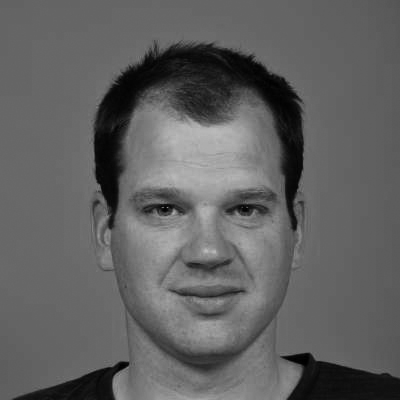
Dr. Robert Pillsbury serves as an Associate Professor in the Department of Biology and Microbiology at the University of Wisconsin Oshkosh, where he conducts research on freshwater ecosystems and teaches courses spanning introductory biology to advanced diatom taxonomy. Education: B.S. in Fisheries, University of Minnesota, St. Paul (1983) M.S. in Biology, University of Minnesota, Duluth (1986) – Thesis: The pH-independent effect of aluminum on cultures of phytoplankton from an acidic Wisconsin lake Ph.D. in Biology, Bowling Green State University (1993) – Dissertation: Factors influencing the structure of benthic algal communities in acid lakes Research Focus: His work integrates algal taxonomy , invasive species ecology , and ecosystem assessment . Key projects examine Didymosphenia geminata bloom mechanics in oligotrophic streams, diatom-based metrics for agriculturally impacted watersheds, and using Cladophora mat diatoms to trace Great Lakes beach-closing events. This research addresses critical management questions for tribal wild rice habitats and recreational waters. Publication Trends: Over 30 years, Pillsbury's work consistently bridges fundamental limnology and applied management. Early research focused on metal toxicity in acidic lakes (1986-1990), shifting to zebra mussel impacts (1994-2002), then expanding to diatom metrics and invasive species (2003-2006). His publications emphasize field-based approaches in the Great Lakes region with strong ties to tribal communities and conservation agencies. Student Engagement: Actively recruits graduate and undergraduate researchers for field projects across Wisconsin, Michigan, and South Dakota. Confirms consistent funding for student-involved projects through grants supporting work at Trout Lake Station, Sokaogon Chippewa wetlands, and Boundary Waters sites. Field Operations: Research spans multiple ecosystems including northern Wisconsin lakes, Door County coastal zones, Black Hills streams, and tribal wild rice beds. This distributed approach enables comparative studies of stressor impacts across disturbance gradients.