Dr. Sun Kim is a Research Fellow in the School of the Environment at The University of Queensland (UQ), affiliated with the Faculty of Science. He holds a PhD in Marine and Estuarine Ecology from UQ (2019). His research focuses on coral reef ecology, climate change impacts, and marine biodiversity conservation. Key areas include coral resilience to thermal stress, species vulnerability assessment, and ecological modeling frameworks to address data gaps. Research Interests : Climate change impacts on marine ecosystems Coral reef dynamics and conservation Biogeography and species distribution modeling Ecological data synthesis and uncertainty reduction Funding : Recent grants include projects on kelp biogeography in Korea, coral reef indicators for the Great Barrier Reef, and Symbiodiniaceae symbiosis research. His work bridges theoretical ecology with applied conservation strategies. Advising & Grants : Currently not supervising students, but actively collaborates on interdisciplinary projects. His funding portfolio includes support from the Australian Institute of Marine Science, Korean Ocean Science & Technology Institute, and the Australian Biological Resources Study. Labs/Teams : Engages with global coral reef research networks and collaborative initiatives on marine spatial planning and climate resilience strategies.
Associate Professor Sami J. Taipale is affiliated with the Department of Biological and Environmental Science at the University of Jyväskylä. His research focuses on understanding the ecological consequences of environmental changes on aquatic ecosystems, leveraging lipidomics and traditional limnological methods. Key interests include the impact of climate change (e.g., eutrophication, browning) on fatty acid synthesis, terrestrial organic carbon dynamics in lake food webs, and plastics recycling. He holds an active role as Associate Professor and previously served as a Senior Lecturer at the same institution. His projects, funded by organizations such as the Research Council of Finland and the Finnish Environment Institute, investigate topics like microplastic degradation, mercury biomagnification, and fatty acid transfer in food webs. Notable collaborations include work on the fate of plastics in the Baltic Sea and the nutritional quality of freshwater organisms under climate change. Taipale leads the Aquatic Sciences group and contributes to the WET School of Resource Wisdom at JYU. Research activities span over 121 publications, emphasizing fatty acid analysis, microbial ecology, and environmental engineering. His work bridges laboratory experiments, field studies, and advanced analytical techniques such as compound-specific isotope analysis to address global environmental challenges.
Dr. Norman Duke is a Professorial Research Fellow at James Cook University with over 40 years of experience as a mangrove ecologist. He leads an active research group on marine tidal wetlands at JCU and heads the JCU Mangrove Hub and MangroveWatch Ltd, a not-for-profit organization focused on mangrove conservation and community science partnerships for effective monitoring and assessment of healthy mangroves and saltmarsh tidal wetlands. Master of Science - Botany, James Cook University (1981-1984) Doctor of Philosophy, James Cook University (1986-1988) Bachelor of Science with Honours, James Cook University (1973) Dr. Duke specializes in global mangrove floristics, biogeography, climate change adaptation, vegetation mapping, pollution and coastal habitat condition assessment. His work bridges ecology, climate science, and conservation biology, with a particular focus on understanding how mangrove ecosystems respond to environmental stressors. His research has taken him to diverse locations including the Smithsonian Tropical Research Institute in Panama, where he served as Scientist in Charge from 1989-1992. He has published more than 290 articles and technical reports, including his authoritative books 'Australia's Mangroves' (2006) and 'New Caledonian Mangroves' (2023). Analysis of Dr. Duke's recent publications reveals a strong focus on climate change impacts on mangroves, particularly the 2015-2016 El Niño event that caused massive dieback in Australia's Gulf of Carpentaria. His work combines field observations with genomic studies of mangrove species, hybridization patterns, and the development of innovative monitoring techniques for mangrove health assessment. The research spans multiple disciplines including ecosystem ecology, evolutionary biology, climate science, and conservation management. Lifetime Achievement Award - MMM Fellow (2023) Dr. Duke has secured substantial funding for mangrove research, currently managing 22 active projects including 'Protecting valuable shoreline mangroves of northern Australia' (2024-2026) and 'SmartCoast: Coastal management digital twin pilot in Torres Strait' (2024-2025). His research program integrates field studies, remote sensing, and community science approaches to address critical questions about mangrove resilience in the face of climate change. He has previously held positions as Principal Research Fellow at the University of Queensland (1998-2011) and Senior Research Scientist at the Australian Institute of Marine Science (1993-1998). He heads the JCU Mangrove Hub, which coordinates research on marine tidal wetlands, and MangroveWatch Ltd, a not-for-profit organization that engages communities in monitoring mangrove health. His work with traditional owners and local citizens to better manage Great Barrier Reef estuarine wetlands demonstrates his commitment to collaborative approaches to coastal management.
Dr. Gustavo Espinoza-Vergara is an ARC DECRA Fellow at the Australian Institute for Microbiology & Infection (AIMI) within the Faculty of Science at the University of Technology Sydney (UTS). His research focuses on understanding bacterial survival mechanisms under environmental stresses, particularly interactions with higher organisms and protozoan predation. Key areas include pathogen persistence in ecosystems, virulence evolution, and antibiotic resistance. Education: Bachelor in Pharmacy and Chemistry (Universidad de Valparaíso, Chile, 2006-2011) PhD in Biotechnology (University of New South Wales, Australia, 2015-2019) Research Interests: His lab explores how bacterial pathogens adapt to predation by protozoa, leading to enhanced virulence and antibiotic resistance. Studies include Vibrio cholerae’s survival in food vacuoles, biofilm dynamics, and environmental reservoirs of pathogens. Techniques used span microbiology, genomics, and ecological modeling. Key Contributions: Published work reveals protozoan predation drives genetic diversification in bacteria, enhancing their pathogenicity. Recent findings highlight SOS response-mediated DNA integration in V. cholerae and metabolic adaptations in V. vulnificus. These studies underscore environmental niches as critical for pathogen evolution. Awards: Eureka Prize for Scientific Research (2021) Becas Chile PhD Scholarship (2013) Teaching: Teaches Biotechnology Solutions to Infectious Diseases (2020), integrating research insights into curriculum. Labs/Teams: Active in AIMI, collaborating on projects linking environmental microbiology to public health outcomes. Current focus includes developing predictive models for pathogen reservoirs and antibiotic resistance spread.
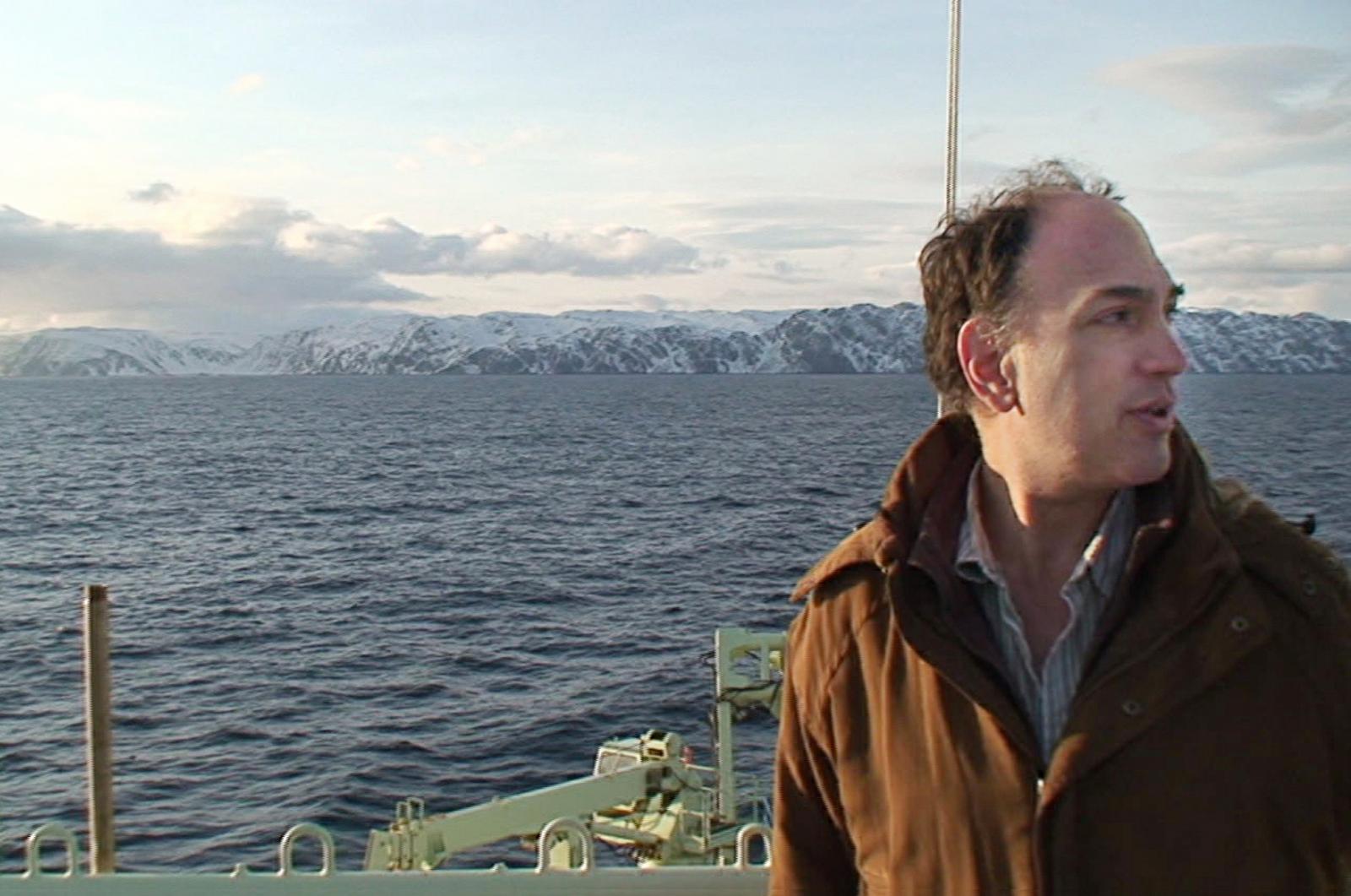
Nicholas Makris is a Professor of Mechanical and Ocean Engineering at the Massachusetts Institute of Technology and Director of the Laboratory for Undersea Remote Sensing . His research spans acoustics, remote sensing, ocean ecology, and planetary exploration , with applications ranging from hurricane monitoring to violin acoustics. Education: 1983 BS in Physics, MIT 1990 PhD in Ocean Engineering, MIT Research Interests include expanding sensory limits through acoustic and optical wave propagation, imaging marine life with Ocean Acoustic Waveguide Remote Sensing (OAWRS), and applying statistical estimation to environmental sensing. His work bridges ocean engineering, planetary science, and musical instrument physics . Scientific Trends in his 15 most recent articles focus on marine ecosystem imaging via OAWRS, perception theory (Weber's Law), Europa ice shell analysis , and violin acoustic evolution . Methodologies emphasize wave propagation, statistical estimation, and nonlinear sensing techniques . Scientific Awards include the Secretary of the Navy/Chief of Naval Operations Scholar of Oceanographic Sciences William I. Koch Professor of Marine Technology Bose Research Fellowship Advising & Grants : While no student list is provided, his work involves mentoring through collaborative oceanographic expeditions and grants for OAWRS development and planetary acoustics . He has advised on UN Floating City programs and US fisheries policy .
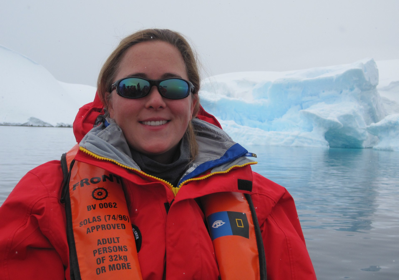
Prof. Alexandra H. Techet is a Professor of Mechanical and Ocean Engineering at MIT's Department of Mechanical Engineering. She leads the Experimental Hydrodynamics Laboratory (EHL), focusing on experimental investigations of hydrodynamics problems relevant to naval engineering and ocean science. Her research integrates advanced imaging techniques like 3D PIV/PTV and biomimetic design to study fluid-structure interactions, free surface flows, and unsteady propulsion mechanisms in marine systems. Prof. Techet holds a B.S.E. from Princeton University and M.S./Ph.D. from MIT's Joint Program with WHOI. Education: B.S.E. in Mechanical & Aerospace Engineering, Princeton University (1995) M.S. in Oceanographic Engineering, MIT/WHOI Joint Program (1998) Ph.D. in Oceanographic Engineering, MIT/WHOI Joint Program (2001) Research Interests: Prof. Techet's work addresses hydrodynamics challenges in naval systems and marine environments through experimental methods. Key areas include: Biologically inspired propulsion (fish swimming, jumping mechanics) Fluid-structure interaction in offshore platforms 3D imaging techniques for multiphase flows Water entry dynamics and spray hydrodynamics Development of autonomous underwater vehicles Her EHL lab employs cutting-edge experimental setups like light field cameras and synthetic aperture PIV for high-resolution flow visualization. Awards & Recognition: 2011, 2009, 2007, 2005 APS Gallery of Fluid Motion Prize 2004 ONR Young Investigators Award 2002-2004 Doherty Professorship for Ocean Utilization Teaching & Outreach: Prof. Techet teaches core courses in hydrodynamics and design principles for ocean engineering systems. She co-directs the Naval Engineering Education Center (NEEC) at MIT and advises the MIT Marine Technology Society chapter. Her pedagogy emphasizes hands-on learning through lab modules linked to ongoing research projects, such as biomimetic underwater vehicle design and offshore energy systems. Lab & Collaborations: The EHL collaborates with Woods Hole Oceanographic Institution to develop oceanographic instrumentation. Recent projects include studying archer fish jumping mechanics, unsteady vortical wakes, and high-speed ship hydrodynamics. Prof. Techet also explores applications of light field imaging for autonomous robotics and real-time flow analysis.
Dr. Bruno Vieira Ribeiro is a Research Fellow at Curtin University's John de Laeter Centre within the Faculty of Science and Engineering. He also holds a Lecturer position in the same faculty since 2022, contributing to courses such as Structural Geology and Geological Mapping. His research focuses on multidisciplinary geoscience, including rock deformation processes, accessory mineral geochemistry, and tectonic events. He specializes in developing analytical tools using laser ablation mass spectrometry, such as mica Rb-Sr and garnet Lu-Hf geochronology. Bruno has been recognized with awards including the 2023 Curtin Research and Engagement Awards (Early Career Researcher) and the 2021 Best Referee for Geoscience Frontiers . His work bridges microscale mineral analysis with large-scale tectonic reconstructions, particularly in the Ribeira Belt (Brazil) and Pilbara Craton (Australia). Key research themes include continental margin evolution, supercontinent assembly, and deformation mechanisms in shear zones. Teaching roles: Course Coordinator for Masters of Geosciences and instructor for Structural Geology, Fieldwork Techniques, and Geological Mapping. Research affiliations: Monash University (2019–2023 as Teaching Assistant/Online e-Exams supervisor). His publications (over 25 articles) span structural geology, geochronology, and tectonics, with recent emphasis on Rb-Sr and Lu-Hf dating of deformation-related minerals. Collaborative projects involve institutions like the University of Western Australia and Monash University. Bruno is actively involved in the Curtin Research and Engagement community and contributes to the Office of the Provost's initiatives.
Wenbo Liu is an Assistant Professor in the Department of Agricultural and Biological Engineering at Mississippi State University, affiliated with the Coastal Research and Extension Center. He holds a PhD in Mechanical Engineering from Stevens Institute of Technology, an MS from the same institution, and a BS in Mechanical Engineering from Taiyuan University of Technology, China. His research focuses on additive manufacturing, composite materials, fluid mechanics, and machine design, with particular emphasis on seafood processing machines, vegan seafood 3D printing, and waterjet cutting systems. Dr. Liu's expertise includes the development of automated food processing systems, material extrusion additive manufacturing for silicone composites, and energy harvesting technologies. His work bridges mechanical engineering principles with food industry applications, addressing challenges in seafood singulation, fish cutting automation, and sustainable material utilization. He actively recruits PhD students to advance research in waterjet cutting, fish processing automation, and food 3D printing technologies. His research portfolio includes collaborations with the Mississippi Agricultural and Forest Experiment Station and involvement with neural engineering initiatives. He maintains certifications in structural inspection from the International Code Council, enhancing his contributions to industrial and infrastructure-related projects. Dr. Liu's lab at the Coastal Research and Extension Center focuses on innovative seafood processing solutions and advanced manufacturing techniques. His interdisciplinary approach combines mechanical engineering, materials science, and computer vision to drive advancements in food industry automation and sustainable production methods.
Caye Drapcho is an Associate Professor in the Department of Environmental Engineering and Earth Sciences at Clemson University, part of the College of Engineering, Computing and Applied Sciences (CECAS). She holds a Ph.D. in Biosystems Engineering from Clemson University (1993) and a B.S./M.S. in Environmental Management from Pennsylvania State University. Her research focuses on sustainable biofuels, environmental remediation, and microbial kinetics, with active projects in algal biotechnology, microbial fuel cells, and biological hydrogen production. Dr. Drapcho has received the Lund BE Professor of the Year award four times (2004, 2005, 2008, 2011). She teaches courses such as Biological Kinetics and Reactor Modeling (BE 4100/6100) and Heat and Mass Transport in Biosystems Engineering (BE 4120/6120). Her work integrates bioprocess modeling with real-world applications, including carbon capture systems and biofuel production from agricultural byproducts. Recent research emphasizes algal systems for nutraceutical production and carbon sequestration, alongside advancements in anaerobic fermentation using Thermotoga neapolitana. Her textbook Biofuels Engineering Process Technology (2nd ed., 2020) is a key resource in the field. Collaborations span academic, industrial, and international partners to address global challenges in sustainability and renewable energy.
Professor Lisa Bain is a faculty member in the Department of Biological Sciences at Clemson University within the College of Science. Her research focuses on understanding how environmental toxicants like arsenic affect developmental processes and cell fate determination. She holds a Ph.D. in Toxicology from North Carolina State University and a B.S. in Environmental Health Sciences from the University of Georgia. Her research investigates mechanisms by which toxicants in drinking water disrupt stem cell differentiation and development in models such as rodents, zebrafish, and human pluripotent stem cells. Techniques employed include molecular biology, epigenetic analysis, and biochemical assays. Key findings include arsenic's impact on intestinal stromal cells, neuronal differentiation, and long-term functional effects. Recent publications emphasize sex-specific effects of arsenic on intestinal signaling, Hippo pathway involvement in stem cell differentiation, and osteogenic impairment by synthetic compounds. Her work has been supported by grants such as a $367K initiative to trace arsenic's disruption of developing cells. Lab members include Ph.D. students Melanie Garcia, Erin Levon, and Scott Ventrello, along with undergraduate Kayla Lea. Courses taught include Toxicology, Cell Biology, and Senior Seminar. She actively participates in professional organizations like the Society of Toxicology and Society of Environmental Toxicology and Chemistry.
Dr. Peter van den Hurk is an Associate Professor in the Department of Biological Sciences at Clemson University's College of Science, where he also serves as Program Coordinator for the Graduate Program in Environmental Toxicology. His laboratories are located in Jordan Hall 224/225, and his office in Long Hall 237. With a career spanning environmental consulting, academic research, and toxicology education, he investigates detoxification mechanisms in animals exposed to environmental contaminants. Education: Ph.D. in Marine Science, College of William & Mary (1998) M.S. in Zoology/Marine Biology, University of Amsterdam (1988) B.S. in Geology and B.S. in Biology, State University Groningen (1983) Research Focus: Dr. van den Hurk explores how animals process environmental toxins through evolved detoxification pathways, with emphasis on liver functions and bile-mediated excretion. His current projects include: tire wear particle toxicity in estuarine species, acetaminophen effects in reptiles/birds, and bioremediation of microplastics using floating treatment wetlands. His work employs biomarkers to assess toxicant exposure and evolutionary adaptations across species. Publication Trends: Recent articles (2017-2024) demonstrate a strong focus on emerging contaminants like microplastics and nanoparticles, phylogenetic comparisons of detoxification mechanisms, and biomarker development in aquatic species. His research bridges field studies (e.g., river pollution assessments) with laboratory investigations of biochemical pathways. Academic Service: Dr. van den Hurk actively reviews for toxicology journals and NSF/NIH grant panels. As Associate Member of the Graduate Faculty at the Medical University of South Carolina, he extends his collaborative network. He mentors students through undergraduate research courses and creative inquiry projects. Teaching: Courses include Principles of Toxicology (ETOX 4300/6300), Fundamentals of Ecotoxicology (ETOX 4370/6370), Biomarkers in Environmental Toxicology (ETOX 8310/8311), and specialized seminars/labs focusing on wildlife pharmaco-toxicology.
Philip A. Yuya, Associate Professor in the Department of Mechanical & Aerospace Engineering at Clarkson University’s Coulter School of Engineering & Applied Sciences, also holds affiliation with the Center for Advanced Materials Processing (CAMP). His research integrates theoretical and experimental mechanics of materials to elucidate structure–property–function relationships across a spectrum of materials—from ultra-hard mineralized tissues to ultra-soft polymers and biomaterials. Education Ph.D. in Engineering Mechanics, 2008 – University of Nebraska-Lincoln M.S. in Engineering Mechanics, 2004 – University of Nebraska-Lincoln B.S. in Mechanical Engineering, 1998 – University of Nairobi, Kenya Research Focus Dr. Yuya’s central theme is understanding how micro- and nano-scale structure dictates macroscopic mechanical behavior. He specializes in nanoscale mechanical characterization , employing contact resonance force microscopy (CR-FM) and nanoindentation to probe viscoelastic, elastic, and anisotropic properties of materials. Constitutive modeling complements these experiments, enabling the design of advanced biomaterials, nanofiber scaffolds, and polymer thin films with tailored performance. A second major thrust examines biological and biomedical materials , including trabecular bone and temporomandibular joint cartilage, investigating how aging, menopause, and cryopreservation alter intrinsic mechanical integrity at the nanoscale. Publication Trends From 2007 to 2015, Dr. Yuya’s peer-reviewed output underscores sustained productivity in three intersecting domains: (i) development and refinement of CR-FM and dynamic nanoindentation methodologies for viscoelastic property extraction; (ii) nanomechanical analysis of conjugated polymer films and electrospun nanofibers for organic electronics and tissue engineering; and (iii) high-resolution mechanical mapping of bone and mineralized tissues to inform clinical and biomechanical studies. Scientific Awards & Honors No specific awards explicitly listed in the provided text. Advising & Funding While individual student names are not supplied, Dr. Yuya mentors graduate researchers working on nanocomposite hydrogels, polymer conversion kinetics, and bone biomechanics projects. Funding sources include NSF and industry partnerships through CAMP, supporting instrumentation such as nanoindenters and AFM platforms. Labs & Facilities Research is conducted within CAMP’s shared instrumentation suite, housing state-of-the-art nanoindentation systems and contact-resonance AFM capabilities, complemented by cell-culture and polymer processing laboratories for biomaterial synthesis and characterization.
Briana Doering is an Assistant Professor in the Department of Anthropology at the University of Wyoming. Her research focuses on understanding human decision-making in past environments through mixed methods, including zooarchaeology, isotopic dietary analysis, and geospatial modeling. She collaborates with Indigenous communities, such as the Dene, to study Subarctic adaptations to environmental and social changes. Dr. Doering holds a B.A. from Barnard College (2012), an M.A. from the University of Michigan (2016), and a Ph.D. from the University of Michigan (2020). She teaches courses in archaeology, GIS, zooarchaeology, and archaeological method/theory. Her NSF Career Grant (2023) supports research on past Alaskan environments through cooking practices. Her fieldwork spans central Alaska, Australia, Egypt, Georgia, Mexico, Madagascar, and Wyoming. Research interests include migration patterns, Indigenous knowledge systems, and human-environment interactions. She currently mentors students in isotopic chemistry and Alaska-focused projects, offering funded opportunities. Recent research highlights include multiscalar analyses of Athabascan migration drivers and paleodiet reconstruction using isotopic methods. She emphasizes interdisciplinary approaches, integrating traditional knowledge with scientific techniques to address climate change impacts on ancient societies.
Dennis Allen is a Research Professor Emeritus and Resident Director of the Baruch Marine Field Lab at the University of South Carolina . He is affiliated with the McCausland College of Arts and Sciences and the School of the Earth, Ocean, and Environment. His research focuses on estuarine ecosystems, particularly long-term changes in fauna linked to climate, nekton behavior, and trophic dynamics. Education : B.S. Biology (Hobart College, 1972), M.S. Biology (Lehigh University, 1974), Ph.D. Biology (Lehigh University, 1978). Research Interests : Allen investigates climate-driven shifts in estuarine communities, nekton habitat use, and nutrient cycling in coastal systems. His work combines field studies, experimental manipulations, and ecological modeling. Recent studies include tidal migration patterns of nekton and dissolved nutrient subsidies from nekton to salt marsh creeks. Publications : Over 50 peer-reviewed articles and books, emphasizing estuarine ecology and coastal processes. Recent work highlights climate impacts on estuarine fauna and nekton behavior in intertidal habitats. Awards : 2017 Honorary Member Award, Southeastern Estuarine Research Society 2003 Distinguished Service Award, National Estuarine Research Reserve Association Advising and Leadership : Advised multiple graduate students, including R. L. Lehnert and K. Bretsch , and mentored postdocs like Susanne Haertel-Borer . Served as Director of the North Inlet-Winyah Bay National Estuarine Research Reserve (1992–2001) and President of the Estuarine Research Federation (2001–2003). Labs & Collaborations : Leads the Baruch Marine Field Lab, a premier facility for coastal research. Collaborates with agencies like NOAA and the South Carolina Environmental Law Project on coastal science initiatives.
Dr. Patrick Nahirney is a Professor of Anatomy and Histology at the University of Victoria (UVic), affiliated with the Division of Medical Sciences. He teaches human gross anatomy and histology to medical students in the Island Medical Program and conducts research on neurogenesis, neuromuscular diseases, and synaptic ultrastructure. His work focuses on Alzheimer’s disease, stress-induced memory loss, and muscle/nerve tissue regeneration. Education: BSc from Washington State University MSc and PhD from University of British Columbia (UBC) Research Interests: Synapse ultrastructure, myogenesis, live-cell imaging, electron microscopy. Current projects include studying prenatal stress effects on hippocampal synapses, ethanol-induced neurodevelopmental disorders, and applicability of exercise therapy. His lab uses high-resolution microscopy to explore structural changes in neurological conditions like autism and schizophrenia. Grants & Funding: $662,490 CIHR Grant (2018-2023) examining cholinergic nuclei in Parkinson’s-like conditions $375K CFI-BCKDF Leaders Opportunity Fund for a new transmission electron microscope NSERC Discovery Grant investigating prenatal stress impacts on synapse ultrastructure Students & Advising: Supervised over a dozen graduate and honours students in areas like traumatic brain injury, Fragile X syndrome, and muscle cell fusion. Current MSc student Charlotte Copas is investigating microvascular damage post-TBI. Labs/Teams: Leads microscopy research using advanced electron tomography and immunocytochemical techniques. Collaborates internationally on cannabinoid receptor localization and neurodevelopmental studies. Co-director of UVic’s Centre for Biomedical Research.