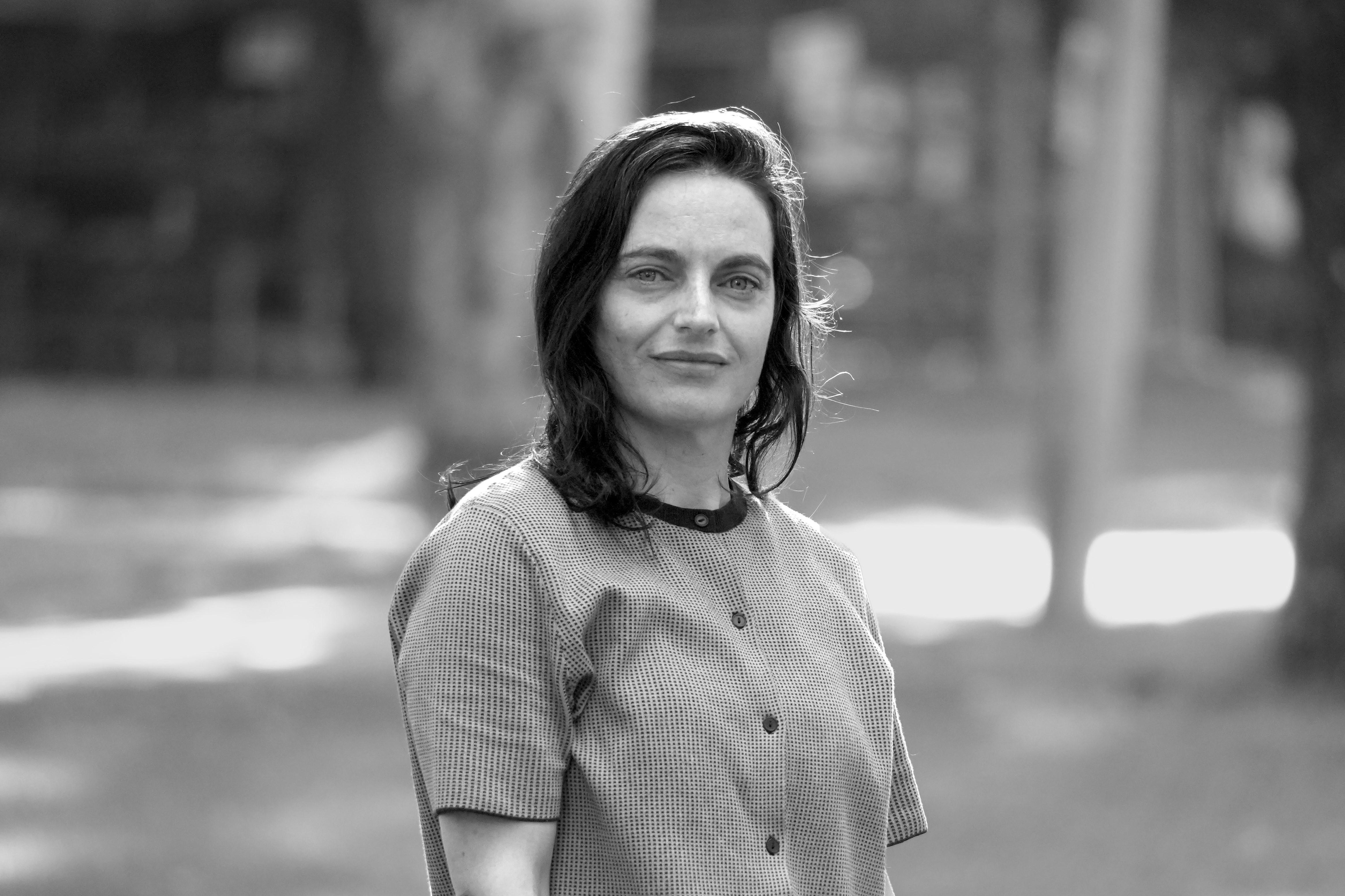
Timothy J. Lewis is a Professor in the Department of Mathematics at the University of California, Davis, with a research focus on mathematical physiology, neurobiology, and excitable media. He has held positions at UC Davis since 2004, progressing from Assistant to Associate to Full Professor. Ph.D. in Mathematics (University of Utah, 1998) M.S. in Mathematics (University of Utah, 1993) M.Sc. in Physiology (McGill University, 1991) B.Sc. in Physiology and Physics (McGill University, 1988) His research interests include: Mathematical modeling of excitable media Neurobiology of electrically coupled neurons Cardiac electrophysiology and pharmacology Weakly coupled oscillator theory Dynamical systems in biological contexts His recent work spans computational neuroscience, cardiac drug interactions, and biomechanical systems. Key trends include: Modeling subcellular cAMP compartmentation Optimizing neurocardiac digital twins Analyzing sodium channel blocker efficacy Investigating spiral wave stability in excitable tissue Scientific awards include: 2011 G. Thomas Sallee Award for undergraduate teaching 2007 Galois Group Service Award He has mentored numerous graduate and undergraduate students, including: Jiawei Zhang (Ph.D. 2013, now at University of Arizona) Michael Schwemmer (Ph.D. 2010, now at Battelle Memorial Institute) Steffen Docken (current Ph.D. candidate)
Brendan Higgins serves as an Associate Professor in the Department of Biosystems Engineering within Auburn University's Samuel Ginn College of Engineering. His research focuses on sustainable biological processes that incorporate algae and bacteria for waste remediation, water quality improvement, and production of high-value products. With funding from organizations including the USDA, NSF, and USGS, Higgins leads innovative projects addressing critical environmental challenges in agriculture and water management. Dr. Higgins received his educational foundation from prestigious institutions, earning his B.S. in Civil Engineering from Northwestern University, followed by an M.S. in Transportation Technology & Policy and a Ph.D. in Biological Systems Engineering from the University of California-Davis. His academic journey in Davis, California, cultivated his appreciation for environmental protection and sustainability that drives his current research. Ph.D. Biological Systems Engineering, University of California-Davis M.S. Transportation Technology and Policy, University of California-Davis B.S. Civil Engineering, Northwestern University Higgins' research spans multiple innovative areas including poultryponics (recycling poultry processing wastewater for crop irrigation), aquaponics (integrating fish farming with hydroponic crop production), algal cultivation on agricultural wastewaters for animal feed production, and upcycling solid wastes from poultry processing. His laboratory employs advanced analytical techniques including HPLC, LCMS, GCMS, quantitative PCR, and microbial community analysis to investigate organism interactions in biological treatment systems. Analysis of Higgins' recent publications reveals a strong focus on sustainable waste-to-resource conversion, particularly in poultry and aquaculture industries. His work demonstrates expertise in nutrient cycling, pathogen dynamics in food production systems, and developing practical solutions for wastewater treatment that simultaneously create valuable products. The geographical focus on Southeastern US conditions reflects his commitment to regionally relevant solutions for agricultural waste management. Higgins actively mentors graduate and undergraduate students in his laboratory, with documented success in guiding students through degree completion and research competitions. His REU (Research Experience for Undergraduates) program, funded by the National Science Foundation, provides valuable research opportunities for students interested in bioprocessing and waste valorization. Current grants support projects including poultry waste conversion, aquaponics optimization, and drinking water quality research funded by USDA, NSF, USGS, and municipal water utilities. The Bioprocess Engineering Laboratory led by Higgins features capabilities in algae and bacteria cell culture, sterile handling (BSL2 certified), multiple chromatography techniques for metabolite analysis, ion chromatography for nutrient analysis, quantitative PCR, and microbial community analysis. The lab operates pilot-scale systems including the "poultryponics" system for growing lettuce with treated poultry wastewater and one of the largest university-based aquaponics facilities in the country, which supplies produce to campus dining services and local markets.
Dr. Twan Stoffers is a Postdoctoral Researcher at the Leibniz-Institute of Freshwater Ecology and Inland Fisheries (IGB), Berlin, affiliated with the Community and Ecosystem Ecology Department. His work focuses on fish ecology, freshwater biodiversity, river restoration, and conservation biology. He leads the Aquatic Ecogeography research group and actively contributes to projects like BioAgora, which bridges scientific research with policy and societal needs. His expertise includes fish population dynamics, elasmobranch biology, and transboundary conservation strategies. Research Interests: Ontogenetic shifts in fish populations Habitat heterogeneity and connectivity in river systems Conservation of migratory fish species Ecological impacts of river restoration policies Global swimways for freshwater biodiversity Publications highlight his work on river restoration efficacy, shark conservation, and policy interfaces. He has collaborated extensively across Europe and the Caribbean, emphasizing stakeholder collaboration for effective conservation. Current projects include analyzing the EU Nature Restoration Law’s implementation challenges and advancing science-policy dialogue through BioAgora. Key Achievements: Published in high-impact journals like Nature Ecology & Evolution and Conservation Biology Developed frameworks for assessing river restoration longevity Promoted transboundary conservation strategies for migratory fish
Shaun McGuinness is an Honorary Research Associate at Bangor University's School of History, Law and Social Sciences, specializing in medieval Welsh ecclesiastical history. His academic journey includes a PhD (2021) and MA in Welsh History (2012) from Bangor University, preceded by legal qualifications from Leeds University. His research centers on medieval bishops of Bangor and St Asaph, with expertise in episcopal acta, church history, and medieval Welsh law. McGuinness has produced significant scholarly output including the 2025 monograph Bangor Episcopal Acta, 1092-1306 , multiple book chapters on Welsh historiography, and numerous peer-reviewed articles and reviews examining ecclesiastical power, princely politics, and medieval documentation. His publication trends reveal deep engagement with Welsh ecclesiastical history through primary source editions, analysis of bishop-prince relationships, and contributions to understanding medieval Welsh identity. Methodologically, his work combines paleography, diplomatics, and historical analysis of Latin acta. Ranulf Higden Palaeographical Scholarship (x2) Royal Historical Society Grant Nominated for 'Best Postgraduate Teacher' (2019) McGuinness has taught undergraduate modules including 'Princes to Tudors' and 'Europe in the High Middle Ages,' demonstrating commitment to pedagogy alongside research. His current project involves compiling episcopal acta for St Asaph bishops. While not leading formal research teams, his work connects with international medieval scholarship through conferences at Cambridge, Leeds, and Cardiff.
LIU Nengye is a Full-time Associate Professor of Law and Director of the Doctor of Law and Commercial Governance (DLCG) Programme at Singapore Management University's Yong Pung How School of Law. He holds a Doctor of Law from Ghent University (2012), and LLM/LLB degrees from Wuhan University (China). His academic career includes previous roles as Director of Macquarie University's Centre for Environmental Law, Senior Lecturer at the University of Adelaide, and a Marie Curie Research Fellow at the University of Dundee. His research focuses on Ocean Law, International Environmental Law, Polar Governance, and Chinese Environmental Law. Notable works include analyses of the Law of the Sea's role in planetary crises, governance of marine protected areas in the Southern Ocean, and China's evolving engagement with Antarctic and Arctic policies. He leads the Singapore Sustainable Futures Initiative and chairs international committees on Polar Law and Environmental Governance. Recent publications emphasize geopolitical shifts in Antarctic governance, challenges to marine biodiversity treaties, and the legal dimensions of green shipping transitions. He serves on editorial boards of Marine Policy, Polar Record, and Ocean Development and International Law. His work bridges legal frameworks with emerging environmental challenges in polar regions and global ocean governance.
Dr. AM (Affif) Grazette serves as a Research Manager within the Bio Process Engineering department at Wageningen University & Research. His work focuses on advancing scientific and technological solutions in cellular agriculture, particularly addressing challenges related to cultivated meat, fish, and animal-free dairy products. He oversees interdisciplinary research initiatives aimed at developing scalable bioprocesses for cellular agriculture products. As a contact person for the Cellular Agriculture dossier, he leads efforts to tackle major scientific challenges in the 'cellag' space. His professional activities include coordinating MSc internship programs (BPE70224 and BPE70324) for Bioprocess Engineering students, fostering academic-industry collaboration through educational supervision. No ancillary activities were reported as of February 2024. Research interests emphasize bioprocess optimization, sustainable food systems, and cellular agriculture innovation. While no specific grants or awards are documented here, his role indicates significant contributions to applied research in this emerging field.
Lovell "Tu" Jarvis is a Professor in the Department of Agricultural & Resource Economics at the University of California, Davis. He serves as Faculty Director of Global Centers for Latin America and the Caribbean and Executive Director of the UC Davis Chile Life Sciences Innovation Center. International trade policy Agricultural economics Animal disease control Dr. Jarvis's research focuses on the intersection of international commodity agreements and domestic policy in developing countries, particularly Latin America. His work examines the economic impacts of land reforms, trade liberalization, and animal disease management, including studies on foot-and-mouth disease, PRRS, and Chilean agricultural modernization. He also explores climate change adaptation and sustainable agriculture in arid regions and developing economies. Recent publications highlight his expertise in agricultural biotechnology (rbST), epidemiological economics , and policy modeling for disease control. His interdisciplinary approach combines economic analysis with ecological research across diverse contexts, from Midwest swine farms to African rangelands.
Hao Cheng is an Assistant Professor in the Department of Animal Science at the University of California, Davis. His research focuses on developing statistical methods, computational algorithms, and software tools for quantitative and statistical genetics, particularly in the context of genomic prediction, genome-wide association studies, and functional genomics. He is affiliated with the Graduate Groups in Animal Biology, Biostatistics, and Integrative Genetics and Genomics. Dr. Cheng’s work emphasizes cross-disciplinary approaches, combining genetics, computer science, and animal science to address challenges in precision breeding, disease resistance, and trait improvement. His lab explores applications in diverse species including pigs, poultry, rainbow trout, and plants, with recent projects involving AI-driven phenotyping and secure genomic data collaboration frameworks. His research has produced tools like VTag for automated video-based phenotyping and XSim for simulation of breeding programs. His publications reflect a focus on methodological advancements in genomic prediction (e.g., MegaLMM, JWAS software), functional conservation between species (human-pig comparisons), and integrative approaches using multi-omics data. He also investigates practical applications such as improving nitrogen-use efficiency in maize and enhancing disease resilience in aquaculture species. While no specific awards are cited in the provided materials, his contributions to genomic methodology and computational biology indicate significant scholarly impact. His advising and grant activities are not detailed here, though his research program likely involves graduate students in genetics, biostatistics, and computational biology. Dr. Cheng’s laboratory is located in 2239 Meyer Hall, UC Davis, and maintains active collaborations across academia and industry to advance translational genetics in agriculture and animal health.
Sander Nijdam is an Associate Professor in the Elementary Processes in Gas Discharges (EPG) group at Eindhoven University of Technology (TU/e). He focuses on transient plasma phenomena, including streamers, microwave discharges, and EUV-induced discharges, with applications in both industrial and natural contexts like lightning. His research bridges fundamental physics and practical engineering solutions. Education: MSc in Applied Physics, TU/e (2000) PhD in Experimental Plasma Physics, TU/e (2011) Affiliations: EPG Group Lead Course Instructor (e.g., Electromagnetism and Optics) His research investigates the dynamics of transient discharges, aiming to control and utilize these phenomena. Key projects include plasma-assisted combustion optimization, surface charging diagnostics, and lightning physics. Nijdam’s work contributes to UN Sustainable Development Goals through energy and environmental applications. Research Trends: Recent articles focus on electric field measurements in streamers, plasma-ignition combustion, and advanced diagnostics like E-FISH and Pockels effect. These studies emphasize interdisciplinary methods, combining experiments with numerical simulations. Awards: Noah Hershkowitz Early Career Award (2017) NWO Veni Award (2014) ERC Consolidator Grant (2024) Grants/Projects: Defect-Driven Local Charging (2022–2027) Plasma Power: Plasma Torch Design (2021–2027) PhotoLitho Surface Charging (2020–2027) Labs/Teams: Leads the EPG group, collaborating on plasma diagnostics and combustion projects. Active in media engagements to explain lightning science and plasma technology.
John Eadie is a Professor and the Dennis G. Raveling Endowed Chair in Waterfowl Biology at the University of California, Davis, affiliated with the Department of Wildlife, Fish and Conservation Biology in the College of Agricultural and Environmental Sciences. He has been at UC Davis since 1995, progressing from Assistant Professor to Distinguished Professor in 2022. Colleagues praise his humility, clarity in teaching, and dedication to supporting underrepresented students through initiatives like the Wood Duck Internship Program, which he founded in 2003 and has engaged over 500 students. Eadie’s research integrates behavioral ecology, population dynamics, and conservation strategies for waterfowl and wetlands. He emphasizes the importance of preserving wetlands and addressing climate change, drought, and urbanization impacts. His work includes agent-based modeling for habitat and harvest management and studies on conspecific brood parasitism, nest survival, and migratory patterns. Recent articles highlight innovative approaches to understanding stress responses in captive birds and ecological effects of agricultural practices. In 2023, he received the UC Davis Teaching Prize, donating the $60,000 award to establish a scholarship promoting diversity in wildlife biology. He also contributed to the North American Waterfowl Management Plan, serving as a leader in its Continental Assessment Team. Eadie’s advising and mentorship are pivotal in shaping the next generation of conservationists, while his participation in the Avian Sciences and Animal Behavior Graduate Groups expands his academic impact. His advocacy for diversity in conservation professions underscores his commitment to equitable representation. Eadie collaborates on projects such as the SWAMP agent-based model for wetland management and explores genetic admixture in endangered species like the Hawaiian duck. His legacy combines rigorous scholarship with a passion for education, reflecting his belief that conservation requires both scientific insight and inclusive mentorship.
Jacqueline Sarah Glencross is a researcher affiliated with the Scottish Oceans Institute at the University of St Andrews. She holds a PhD in Marine Biology, focusing on the impacts of fishing on African penguin foraging behaviors. Her work bridges marine ecology, conservation biology, and fisheries management. Key research interests include penguin behavior, climate change impacts on marine ecosystems, and the development of frameworks for addressing seabird conservation challenges. Glencross has contributed to peer-reviewed journals such as ICES Journal of Marine Science and Marine Ecology Progress Series , addressing topics like marine heatwaves, fishery-penguin conflicts, and mass mortality events in seabird populations. She actively participates in academic activities, including peer review for journals like Ecological Applications and presentations at conferences. Her research emphasizes interdisciplinary solutions to balance fisheries sustainability with wildlife conservation goals. Her doctoral thesis, completed in 2025, examines how commercial fishing practices influence African penguin foraging strategies, with implications for conservation policy. Glencross collaborates internationally on marine conservation projects and has engaged in educational outreach, such as participating in the School of Biology Undergraduate Careers day to mentor students.
Liz Johnson is an Assistant Professor in the Division of Nutritional Sciences at Cornell University, part of the College of Human Ecology. Her research focuses on sphingolipid-dependent host-microbe interactions, infant nutrition, and microbiome dynamics. She employs advanced techniques such as high-throughput sequencing and lipidomics to study how microbial sphingolipids influence host metabolism, insulin signaling, and disease prevention. Her work also explores the role of sphingolipids in human milk and their impact on infant gut microbiome development. Research Interests: Host-microbe signaling pathways Sphingolipid metabolism in health and disease Infant nutritional programming Microbiome-liver axis interactions Recent studies highlight her lab’s exploration of microbiome-driven mechanisms in metabolic disorders and skin health. Collaborative projects with institutions studying lipid metabolism and aquaculture nutrition further extend her research portfolio. Awards: No scientific awards were explicitly mentioned in the provided texts. Advising & Grants: The Johnson Lab conducts research funded by grants focusing on microbiome and metabolic health. Specific grant details are not listed here, but the lab actively collaborates on projects analyzing diet-microbiome interactions and lipid biomarkers. Labs/Teams: The Johnson Lab at Cornell University is dedicated to advancing understanding of host-microbe interactions through lipidomics and microbiome analysis. The lab collaborates with groups in nutritional sciences and microbiology to address translational questions in human health.
John Driscoll is an Adjunct Professor at the Institute for Resources, Environment and Sustainability within the Faculty of Science at the University of British Columbia . He serves as a fisheries science and policy analyst for the David Suzuki Foundation , bridging academic research with real-world environmental policy. Research Interests: Driscoll focuses on integrating food systems perspectives into fisheries management. His work examines: Quantifying fisheries' nutrient yields Environmental impacts of bait fisheries Climate change mitigation through seaweed aquaculture Marine-to-terrestrial nutrient transfers Principles for long-term fisheries resilience Ecosystem-based approaches to fisheries management Scientific Contributions: His research spans climate modeling for seaweed farms, historical nutrient yield assessments, and bycatch reduction strategies. He has developed frameworks for integrating fisheries into broader food sustainability dialogues. Professional Engagement: Driscoll collaborates with NGOs and policymakers to advance sustainable seafood practices. His LinkedIn profile ( www.linkedin.com/in/john-david-driscoll ) provides ongoing updates about his interdisciplinary work.
Gabriela Ferraro is a Research Fellow at the School of Cybernetics, Australian National University , specializing in Natural Language Processing (NLP) and Computational Linguistics . Her work focuses on multidisciplinary applications for social good, including: Text simplification and language learning technology Mental health detection through language analysis Preservation of endangered languages E-health systems development In 2021, she was awarded the Woman in Science Career Award by the Commonwealth Scientific and Industrial Research Organization (CSIRO). She actively participates in academic leadership as a member of the Australasian Language Technology Association Committee . Her recent research spans: Transfer learning for hate speech detection Continual learning with noisy data Transformer-based semantic parsing Context-aware neural optimization Lexical taxonomy construction Scientific Awards : Woman in Science Career Award (CSIRO) Gabriela combines technical expertise with ethical priorities, leading projects that intersect NLP, healthcare, and environmental monitoring. She also emphasizes teaching and student supervision as integral parts of her academic practice.
Stephanie Crofts is an Assistant Professor of Biology at the College of the Holy Cross. Her research focuses on biomechanics and functional morphology, applying principles from physics and engineering to study how organisms adapt their morphology to ecological roles. She earned her Ph.D. from the University of Washington, Seattle, and teaches courses such as Introduction to Mechanisms of Multicellular Life and Comparative Vertebrate Anatomy . Her work investigates functional trade-offs and evolutionary constraints in specialized morphologies, particularly in dentition and defensive structures like spines and fangs. She employs CT scanning, physical specimens, and computational models to explore how morphological changes enable diversification and ecological adaptation. Key research themes include puncture mechanics in snake fangs, sea urchin spine functionality, and the biomechanics of predator-prey interactions in marine species. Crofts’ recent articles span studies on frugivorous fish dentition, sea urchin anatomy under environmental stress, and the biomechanics of defensive spines across taxa. Her interdisciplinary approach bridges comparative anatomy, evolutionary biology, and material science. No scientific awards are explicitly listed, though her active research program includes grants and collaborations in biomechanical modeling and ecological adaptation studies.