Erland Viberg Joensen is an Associate Professor in History at the Faculty of History and Social Sciences, The University of the Faroe Islands. His academic journey includes a PhD in Social and Cultural History (2003), an MA in History and European Ethnology from Aarhus University (1994), and a Bachelor's from the University of the Faroe Islands (1990). He also pursued a minor in European Ethnology at the University of Copenhagen (1992-1994). Research focuses on Social and Cultural History of the Faroe Islands Maritime History as a multidisciplinary lens Industrial and Business History of the 19th-20th century British Social History influences North Atlantic Societies and their transitions Teaching spans courses like Culture, Identity and Politics (2000), Contemporary Faroese History (2003-2007), and Urban History (2008). His work aligns with the UN Sustainable Development Goals in Education. External roles include Curator at the Faroe Islands National Museum (2017-2022), Head of the conservation project at the Whaling Station (2011-2022), and memberships in academic and cultural boards such as ICOM Denmark and the Faroese Science Council.
Carolina Castro-Sanguino is a marine ecologist at the Marine Spatial Ecology Lab within the University of Queensland . Her research focuses on coral reef dynamics, particularly the ecological roles of calcareous algae and herbivory impacts. She combines field experiments , laboratory studies , and mechanistic modeling to understand reef carbonate budgets under climate change. PhD in Marine Ecology (University of Queensland, Australia) Prior affiliations: Global Change Institute, Australian Institute of Marine Science Her research interests include: Quantifying Halimeda contributions to reef sediment production Assessing impacts of temperature , light , and herbivory on algal growth Analyzing COTS control strategies for reef conservation Evaluating marine reserve effectiveness in northern GBR Key findings from her work: Demonstrated 3x higher carbonate production in Acropora refuges Developed individual-based models for predicting sediment budget trajectories Quantified herbivory-driven Halimeda depletion rates (up to 50%) Current work at MSEL involves creating a decision-support system for COTS management. She has received funding from the PADI Foundation and Australian Coral Reef Society, with research permits from GBRMPA. Collaborations span institutions including AIMS and Khaled bin Sultan Living Oceans Foundation.
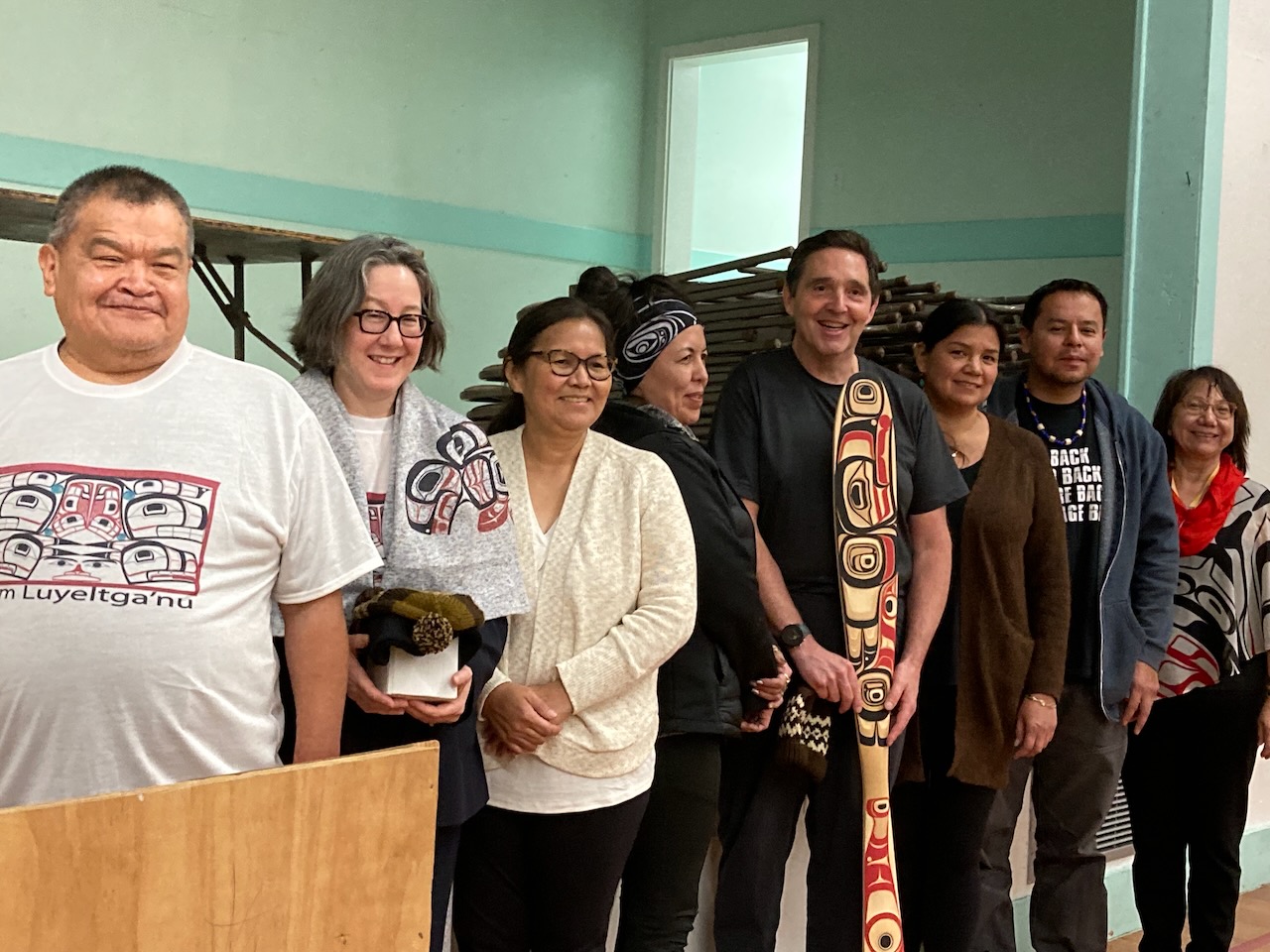
Charles Menzies (hagwil hayetsk), a member of Gitxaała Nation and enrolled member of the Tlingit and Haida Tribes of Alaska, is a Professor in the Department of Anthropology within the Faculty of Arts at the University of British Columbia. He serves as Director of the Ethnographic Film Unit at UBC and coordinates the ecological anthropology research group Forests and Oceans for the Future. Menzies is also an elected joint-faculties senator on the UBC-V Senate (2020-2026) and previously served on the UBC Board of Governors (2017-2020, 2023-2026). He completed his undergraduate degree in anthropology and sociology at Simon Fraser University (1988), followed by an MA in Social Anthropology at York University (1988) and a PhD in Cultural Anthropology from the City University of New York (1998). Menzies' research focuses on Indigenous knowledge systems, natural resource management (particularly fisheries), political economy, contemporary First Nations' issues, maritime anthropology, and the archaeology of north coast BC. His work bridges socio-cultural anthropology with archaeological methods, particularly through the Laxyuup Gitxaaɫa project which documents the traditional territory of Gitxaaɫa Nation. He has conducted field research in north coastal BC, Canada; Brittany, France; and Donegal, Ireland, with a particular emphasis on Indigenous-led approaches to research and knowledge production. His scholarly output demonstrates consistent engagement with issues of Indigenous sovereignty, collaborative research methodologies, and critiques of colonial power structures. Recent work shows increasing focus on visual anthropology through ethnographic film, Indigenous futurisms, and decolonizing academic research practices. Menzies frequently publishes on the intersection of Indigenous knowledge and environmental management, particularly regarding salmon ecosystems and maritime communities. Menzies has supervised numerous graduate students whose work focuses on natural resource management, municipal politics, local development projects, climate change, and food security. His students now work in NGOs, government agencies, and academic institutions. He founded and directs the Ethnographic Film Unit at UBC and established the online journal New Proposals. His current research projects include Laxyuup Gitxaaɫa, which combines archaeological and socio-cultural anthropology to document Gitxaała Nation's traditional territory.
Gonzalo Carlos Malvarez García is a Professor at Pablo de Olavide University , affiliated with the Department of Geography, History and Philosophy . He serves as Head of the Physical Geography Area and Coordinator of the Academic Committee for the Doctorate in Environment and Society. His research groups include COSTAS (Coastal Environments) and GCRL (Global Change Research Lab) . He holds a PhD in Environmental Science from the University of Ulster (UK). His teaching includes Physical Geography , Coastal Geography , Spatial Planning , and Geographic Information Science at both undergraduate and doctoral levels. Research Interests: Coastal geomorphology and sediment dynamics Anthropogenic impact on coastal systems Integrated Coastal Zone Management (ICZM) Coastal resilience and risk assessment Application of geospatial technologies Historical-environmental interactions Key Contributions: Pioneering studies on sediment budgets affected by reservoirs in Mediterranean coasts Analysis of Roman-era coastal industrial settlements Development of morphodynamic indicators for coastal management Interdisciplinary approaches to coastal tourism sustainability Implementation of SDI systems for coastal governance Storm impact modeling on coupled human-natural coastal systems
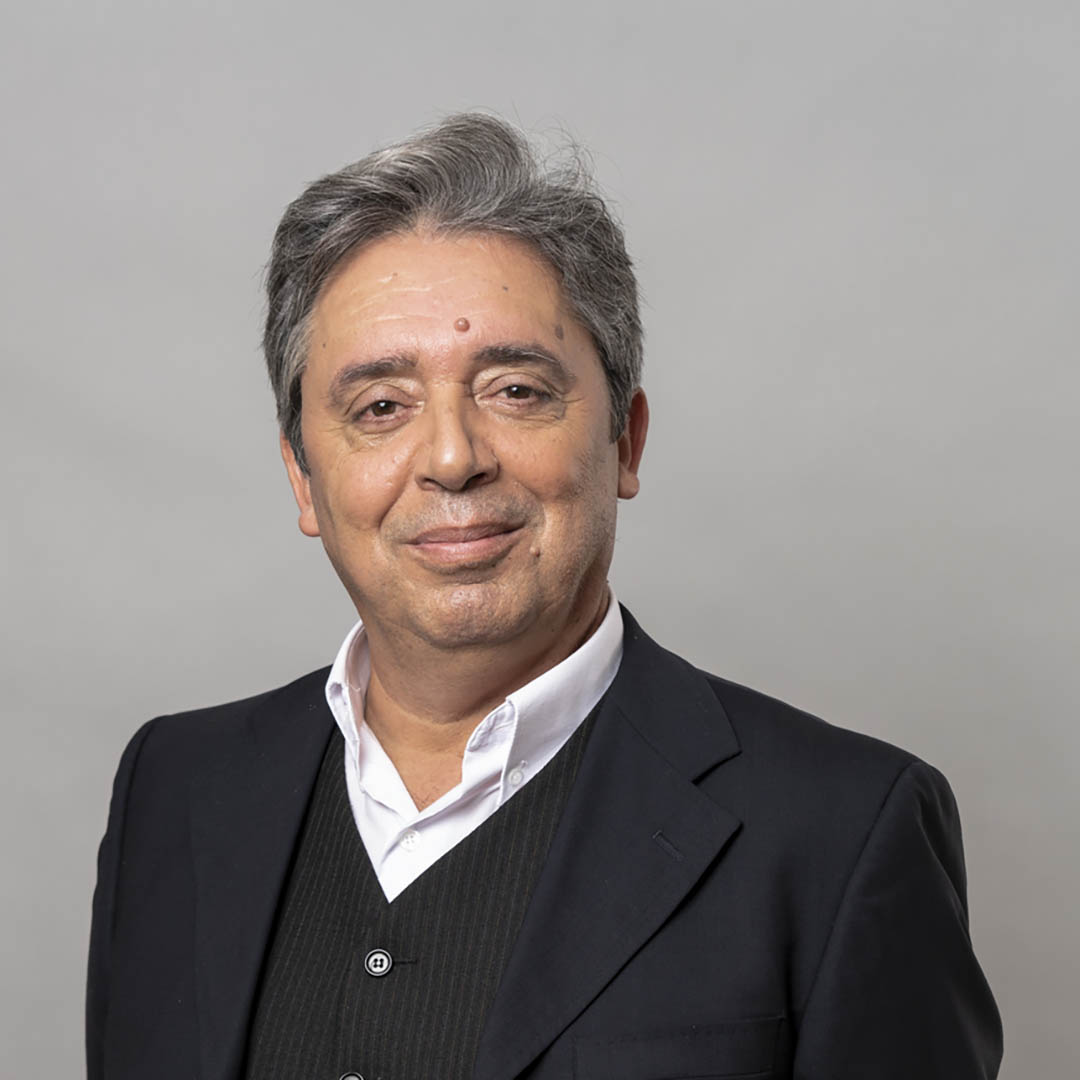
Manuel Francisco Pacheco Coelho is a faculty member at Instituto Superior de Economia e Gestão (ISEG) , Universidade de Lisboa. His academic career focuses on Sustainable Development , Fisheries Management , and Natural Resources Economics , with significant contributions to policy analysis and institutional economics. Research Interests : Sustainable development, fisheries governance, climate change policy, corporate social responsibility, and game theory applications to environmental commons. Teaching : Coordinates courses on sustainable development and natural resources, with extensive supervision of Master's theses. Publications : Recent work includes analyses of fisheries discards, high seas treaties, renewable energy impacts, and pandemic-induced economic decisions. Supervisions : Mentored over 40 Master's students on topics ranging from corporate sustainability to climate adaptation policies.
Óscar Ignacio De Castro González serves as a Part-Time Substitute Teacher in the Department of Art, City and Territory at the University of Las Palmas de Gran Canaria, specializing in urban planning and territorial development within tourism-affected coastal regions of the Canary Islands. His educational trajectory includes: Architect degree (2011) with thesis on vertical free space in Las Palmas de Gran Canaria Master's Degree in Management of Artistic and Architectural Heritage (2016) Doctorate (2021) on collective space in Maspalomas-Costa Canaria tourist city Research centers on tourism-driven urban transformation , collective space dynamics , and climate resilience in island contexts. His work examines commercial architecture evolution, coastal landscape regulation, and tourism pressure impacts through empirical case studies in Gran Canaria, bridging theoretical urban frameworks with practical territorial planning challenges. Publication analysis reveals concentrated expertise in Canary Islands tourism urbanism (2019-2023), with dominant themes of spatial resilience and collective infrastructure. While primarily focused on architectural geography, he demonstrates interdisciplinary reach through environmental chemistry collaborations. Academic advising includes supervising master's research on tourism/collective landscapes, reflecting his mentorship role in heritage and urban studies programs.
Milena Krstić is an Associate Professor at the Department of General Education, Faculty of Veterinary Medicine, University of Belgrade. Her research spans interdisciplinary domains including bioinorganic chemistry, electrochemistry, and animal nutrition. Current Affiliation: University of Belgrade, Faculty of Veterinary Medicine Email: milena@vet.bg.ac.rs Research Interests Milena Krstić's work focuses on: Design and application of metal complexes (e.g., ruthenium, platinum) for bioactive and pharmaceutical purposes Electrochemical sensor development for drug and toxin detection Environmental toxicology studies of heavy metals in aquatic ecosystems Nutritional analysis of animal feed and dietary interventions in poultry Recent Publications Her recent publications highlight trends in metal-based drug design, electroanalytical methods for pharmaceuticals, and environmental/animal nutrition research. Key areas include N-alkylphenothiazine ligands, thermal stability studies of metal complexes, and mycotoxin/feed safety assessments. Collaborations Milena Krstić collaborates with multidisciplinary teams across chemistry, veterinary science, and environmental research, often focusing on metal complexes' biological applications and food chain safety.
Thanh Hoang Hai is a researcher at Flinders University 's Department of Biological Sciences, specializing in aquaculture science with expertise in molecular biology, microbiology, nutrition, and macroalgae reproduction. His work focuses on optimizing red macroalgae biomass and improving aquaculture systems. Education: Ph.D. in Aquaculture Science (2017, Flinders University) M.Sc. in Fish Nutrition (University of the Philippines) B.Sc. in Aquaculture Veterinary (Vietnam National University) Research Interests: Red macroalgae reproduction and morphology Fish nutrition and water quality management Reproductive biology and aquatic animal health Microbial interactions in aquaculture systems Environmental science applications in aquaculture Honors & Grants: Australian Award Scholarship (2012-2016) Southeast Asian Regional Development Scholarship AIT undergraduate scholarship Teaching: Lab instructor for courses including Introduction to Biology (BIOL1301), Aquaculture Nutrition (BIOL2731), and Plant Biology (BIOL3711). Supervises student research in aquaculture and biological sciences.
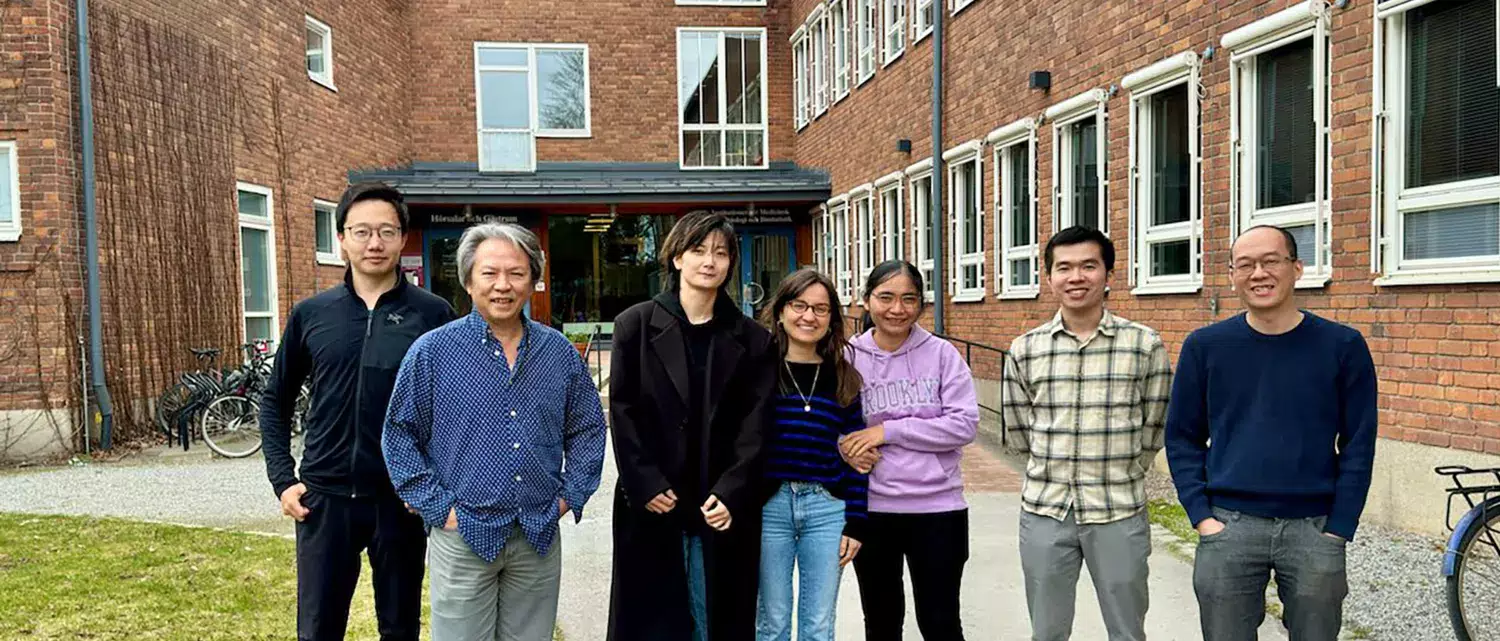
Trung Nghia Vu is a Principal Researcher at the Department of Medical Epidemiology and Biostatistics at Karolinska Institutet in Stockholm, Sweden. His research group focuses on developing and applying statistical and bioinformatics methods for molecular biology and medicine, with particular emphasis on cancer genomics and pharmacogenomics. Dr. Vu received his PhD from the Department of Mathematics and Computer Science at the University of Antwerp, Belgium (2009-2014), following an MSc in Computer Engineering from Korea Aerospace University (2006-2008) and a BSc in Technology from Vietnam National University in Hanoi (2000-2004). His research focuses on developing statistical and bioinformatics methodologies for analyzing high-throughput omics data, with specific interests in single-cell sequencing analysis, characterization of cancer omics, and pharmacogenomics. His group has developed 20 statistical and bioinformatics tools available through Biostat Wiki Primary research areas include gene/isoform quantification, detection of abnormal RNAs, single-cell RNA-seq analysis, and drug response prediction Current projects focus on breast cancer and Acute Myeloid Leukemia (AML) Analysis of Dr. Vu's recent publications reveals a strong focus on cancer genomics, particularly in AML and breast cancer. His work bridges computational biology with clinical applications, developing methods for spatial transcriptomics, drug synergy prediction, and circular RNA analysis. The research demonstrates a clear trajectory toward precision medicine applications, with increasing emphasis on personalized drug response prediction and pathway activation modeling. Dr. Vu actively supervises multiple students and researchers, including both completed PhD students (Quang Thinh Trac, Lu Pan, Wenjiang Deng) and ongoing supervisees (Gulser Caliskan, Meghana Alugunoolla, Yuying Li, Aron Arzoomand). His research is supported by significant grants from the Swedish Research Council, CancerFonden, and Karolinska Institutet. He leads the Computational Medicine and Bioinformatics research group at Karolinska Institutet, which collaborates with international clinical and systems-biology researchers. The group maintains active development of bioinformatics tools and maintains the Biostat Wiki platform for academic use. Dr. Vu also contributes to teaching through master's and doctoral courses in biostatistics and R programming at Karolinska Institutet.
Hamid Ghanavi is a Researcher in Sensory Biology at Lund University . His work focuses on applying novel genetic and genomic technologies to address evolutionary biology questions, with expertise in next-generation sequencing (NGS) wetlab techniques, bioinformatics, and phylogenomics. Current projects include museomics approaches to Drosophilidae family phylogenomics, eDNA technique development, and population genomics of endangered killifishes. Education : BSc and MSc in Spain from Complutense University of Madrid , with thesis work on the Capoeta genus phylogeography in Iran. Research Collaborations : Spanning Lepidoptera diversification, mosquito host preference genomics, hydrophilid phylogenomics, and livestock dog ancestry. Techniques : NGS library prep, bioinformatics, eDNA metabarcoding, GWAS, phylogenetic analysis. Research Trends from his recent publications highlight integrative studies across evolutionary genetics, biogeography, and biodiversity conservation in insects and aquatic species. His work aligns with UN Sustainable Development Goals , particularly biodiversity protection (SDG 15). Professional Activities include invited talks (e.g., on climate change impacts) and participation in interdisciplinary projects like airborne eDNA biodiversity monitoring. His scientific outreach has garnered significant social media attention (over 100 X/Bluesky mentions) and academic readership (e.g., 9 Mendeley readers).
John Birger Stav is an Associate Professor at the Norwegian University of Science and Technology (NTNU) , affiliated with the Department of Physics . His work focuses on Vocational Education and Training (VET) with a strong emphasis on digital learning tools and work-based learning in aquaculture and technical training. His research interests include: Designing modern digital learning environments for VET Integrating work-based and e-learning methodologies Promoting sustainable training programs in aquaculture Developing peer learning and recognition of prior learning (RPL) frameworks Harmonizing European VET qualifications and standards Recent publications highlight his contributions to quality assurance , industry partnerships , and innovative teaching methods in VET. He has led projects like BlueMentor and BlueEDU , focusing on aquaculture workforce development and cross-border educational collaboration.
Karen Watanabe is an Associate Professor in the School of Mathematical and Natural Sciences at Arizona State University (ASU). She is also affiliated with the School of Medicine and Advanced Medical Engineering and holds the title of Senior Global Futures Scholar within the Global Futures Scientists and Scholars program. Her work integrates mathematical modeling with biological systems to address environmental and reproductive health challenges. Education: Ph.D. in Mechanical Engineering (Bioengineering focus) – University of California, Berkeley M.S. in Mechanical Engineering – University of California, Berkeley B.S. in Chemical Engineering (Biomedical Engineering) – Northwestern University Research Focus: Dr. Watanabe develops computational models to understand how environmental chemicals affect living organisms, particularly focusing on reproductive health. Her current projects include modeling ovarian development in mice and the hypothalamic-pituitary-gonadal axis in fathead minnows. She also works on dynamic energy budget models for fish and quantitative adverse outcome pathway (AOP) models for predictive toxicology. Recent Research Trends: Her recent publications emphasize the integration of computational tools with biological data to predict reproductive outcomes from chemical exposure. This includes building databases like MOTHER-DB for ovarian histology and developing AOPs for endocrine disruptors. Awards and Recognition: Scientific and Technological Achievement Awards – U.S. Environmental Protection Agency Grants and Projects: Dr. Watanabe is the Principal Investigator on several active and completed grants, including: NIH-funded project on in vitro to in vivo extrapolation of toxicant effects on ovarian function NSF-funded MOTHER project for multispecies ovary tissue histology Workforce training and environmental health education initiatives Research Website and Profiles: Visit her research website and ORCID profile for more details.
Michael Tlusty is a Professor at the School for the Environment , University of Massachusetts Boston, and serves as Graduate Program Director. His interdisciplinary research bridges sustainability science, marine ecology, and seafood systems. Education: BS in Animal Science (University of Illinois Urbana), PhD in Biology (Syracuse University), Postdocs in Fish Behavioral Science (University of Arkansas) and Animal Behavior (Clark University) His work focuses on transforming aquatic food systems through technology, stakeholder collaboration, and sustainable practices. Key areas include marine seafood supply chain management, aquarium trade conservation, and climate change impacts on shellfish like American lobsters. Recent publications highlight his expertise in wildlife trade data digitization, antimicrobial resistance in aquaculture, and sustainable feed innovations. He also explores policy challenges in fisheries management and the societal implications of seafood sustainability claims. Dr. Tlusty’s lab investigates physiological responses to climate stressors, shell disease in crustaceans, and innovations for reducing illegal wildlife trade through automated detection systems.
Per-Olav Moksnes is a Professor in the Department of Marine Sciences at the University of Gothenburg, where he serves as a researcher and lecturer in marine ecology. He concurrently holds the position of Marine Environmental Coordinator at the Swedish Institute for the Marine Environment, bridging academic research with practical environmental management. His research program focuses on three core areas: Larval behavioral and dispersal mechanisms in marine larvae Seagrass community ecology and restoration Recruitment ecology in benthic crabs Analysis of his 15 most recent publications (2020-2025) reveals a dominant emphasis on seagrass ecosystems, particularly eelgrass (Zostera marina), with recurring themes including genetic diversity monitoring, restoration ecology, biogeographic patterns, and ecosystem service valuation. His work consistently integrates genetic, biophysical, and ecological approaches across international collaborations, addressing critical conservation challenges such as climate change impacts, biodiversity loss, and blue carbon dynamics. Notable methodological strengths include large-scale monitoring frameworks, seascape genomics, and cross-continental comparative studies. As Marine Environmental Coordinator, Moksnes contributes directly to policy development through environmental compensation frameworks and coastal management strategies. His research on societal costs of seagrass loss and novel monitoring techniques demonstrates strong applied relevance for environmental governance. While specific grant funding isn't detailed, his extensive international collaborations suggest robust research support.
Olga Ortega-Martinez is a Researcher at the Department of Marine Sciences , University of Gothenburg. As an EMBO Fellow , her work focuses on molecular and developmental biology , stem cell behavior , and regeneration mechanisms in marine organisms, particularly echinoderms . Her research explores gene regulatory pathways shared between embryonic development and adult regeneration, with implications for chordate evolution . Institution: University of Gothenburg Department: Marine Sciences Email: olga.ortega-martinez@marine.gu.se Current projects investigate biomineralization and cell lineage regulation in brittlestars ( Amphiura filiformis ), integrating genomics and molecular biology to understand regenerative capacity and environmental stress adaptation . Her group examines how ocean acidification disrupts developmental pathways, linking these findings to global ecological challenges. Scientific contributions include studies on: Brittlestar genome (2024) - Echinoderm regeneration genomics Chondroitin sulfate roles (2017) - Glycobiology in regeneration Environmental stress impacts (2014, 2010) - Ocean acidification effects Marine population genetics (2022, 2023) - Ecotype differentiation Publications span marine molecular biology , regenerative medicine , and environmental genomics . Her work bridges fundamental developmental biology with applied climate change research , using advanced transcriptomic and proteomic techniques to analyze gene expression during regeneration and stress adaptation.