
Rhonda S. Hackworth is an Associate Professor of Music Education at the University of Mississippi, where she serves as Head of Music Education and Graduate Program Coordinator. She holds a Ph.D. in Music Education from the University of Missouri-Kansas City Conservatory of Music and an M.M. in Vocal Performance. Current role: Associate Professor of Music Education Key responsibilities: Graduate Program Coordinator, thesis/dissertation director Previous institutions: Rutgers University, Syracuse University, University of Missouri-Kansas City Research Interests Dr. Hackworth specializes in vocal health for music educators and students, with a secondary focus on music perception. Her work examines vocal hygiene practices, the impact of teaching experience on vocal health, and musical tension in Debussy’s compositions. She has published extensively in journals like the Journal of Research in Music Education and International Journal of Music Education , and her research spans both empirical studies and literature reviews. Publications Trends Her scholarship bridges music education and vocal health, particularly addressing how pedagogical practices affect vocal wellness. Subfields include behavioral intervention strategies, multilingual text analysis in vocal works, and choral participation models. Professional Engagement Dr. Hackworth presents research at international and national conferences, with presentations in Greece, China, and Italy. She also performs as an alto soloist in concert, opera, and musical theater settings.
جستجوی استاد راهنمای دانشگاهی
برای مسیر پژوهشیتان، استاد راهنما، استاد دانشگاه و پژوهشگر مناسب را پیدا کنید و با آنها ارتباط بگیرید.
نمایش ۱۶-۳۰ از ۱٬۳۲۸ استاد راهنما
اطلاعات پروفایلها از صفحات عمومی دانشگاهها گرفته شده و ممکن است بهروز نباشد.
Kristi Murray Costello is an Associate Professor in the Department of English at Old Dominion University (College of Arts & Letters). She serves as the Associate Chair of Writing Studies and English General Education, and as the Four-Year College Chair of Writing Across Virginia. Her academic leadership and research focus on emotional labor, writing program administration, and interdisciplinary writing pedagogy.
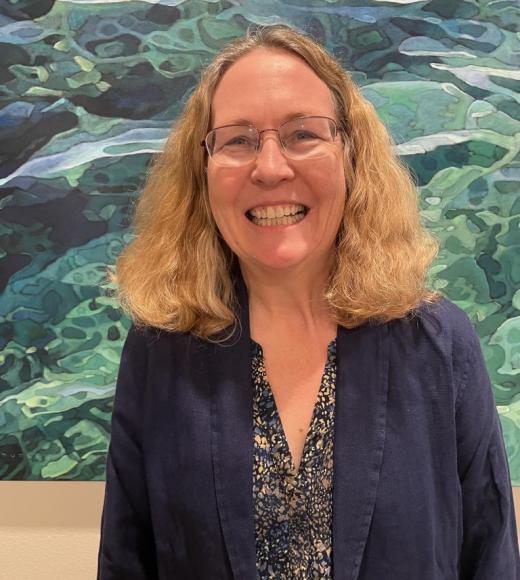
Dr. Dana Ferris is a Professor in the University Writing Program at the University of California, Davis (UC Davis). She previously held leadership roles including Director of the UWP, Associate Director of English for Multilingual Students, and Associate Director of UWP 1. Her academic career spans over three decades, including 18 years at California State University, Sacramento, where she directed the TESOL MA program and ESL writing programs. She earned her B.A. from UC Davis, M.A. degrees from California State University, Sacramento and the University of Southern California (Linguistics), and a Ph.D. in Applied Linguistics from USC. Her research focuses on second language literacy, teacher preparation, and response strategies for student writing. She has authored nine books and over 60 scholarly works, including Teaching L2 Composition and Written Corrective Feedback in Second Language Acquisition and Writing . Ferris has served as co-editor of the Journal of Second Language Writing and founding editor of the Journal of Response to Writing , contributing significantly to academic discourse in her field. Ferris has received numerous awards, including the Best Article Award from the Journal of Second Language Writing and three-time finalist for the President's Award for Scholarly Achievement. She actively contributes to academic governance, serving on boards for CATESOL and TESOL. Beyond academia, she is an avid San Francisco Giants fan and writer for their fan blog under the pseudonym DrLefty. Key Roles: Professor, UWP Leadership, Journal Editorships Education: B.A. UC Davis (English/Creative Writing), M.A. Sacramento State (TESOL), M.A./Ph.D. USC (Linguistics/Applied Linguistics) Research Themes: Second Language Writing, Corrective Feedback, Multilingual Education Professional Activities: Board Member of CATESOL, TESOL Committees, and CCCC Standing Committee on Second Language Writing Her work bridges theory and practice, emphasizing evidence-based approaches to writing pedagogy while advocating for inclusive practices in multilingual education. Ferris's publications and editorial contributions have shaped curricula and teaching methodologies globally.

Eileen Elizabeth Espinozaمشاهده پروفایل
استاد مدعو
- Creative Writing
- Poetry
- Nonfiction
- +۵ مورد دیگر
Ms. Eileen Espinoza is an Adjunct Professor of English at Shepherd University, teaching in the Department of English and Modern Languages since Fall 2023. She holds an M.F.A. in Nonfiction from the University of California, Riverside, and also teaches poetry in the M.F.A. program at Maharishi International University. Her academic roles include composition instruction in Shepherd's first-year writing program. Education: B.A. from Shepherd University (2015), M.F.A. in Nonfiction (UC Riverside) Research Interests: Creative writing (poetry/nonfiction), death studies, LGBTQ+ studies, spirituality, and publishing. Her work explores grief rituals, nature, and pop culture through lyrical nonfiction and poetry. Notable publications include works in the Los Angeles Review of Books , Bellvue Literary Review , and Joyland Magazine . She co-founded Boshemia , a feminist arts magazine, in 2016. Her 2024 book Carrying the Bones examines grief rituals in Western societies. Key Awards: 2021 McQuern Award in Nonfiction, finalist for Annie Dillard Award (2021), finalist for Marica and Jan Vilcek Poetry Prize (2020). Lives in Shepherdstown with her wife, poet Joshua Jennifer Espinoza, and frequently resides in the Mojave Desert. Active in interdisciplinary projects bridging literature and environmental/cultural studies.
Faye Harwellمشاهده پروفایل
استادیار مهمان
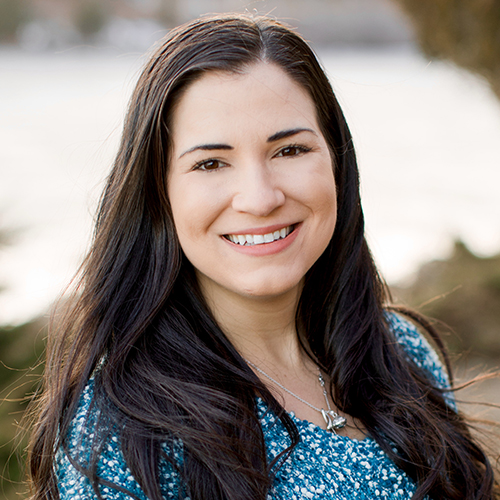
Faye Harwell serves as a Visiting Assistant Professor in the Department of Anthropology at Boston University, specializing in biological anthropology and primatology with a focus on orangutan biology and life history evolution. Her research bridges fieldwork in Indonesia with comparative analyses of captive and wild great ape populations. Dr. Harwell's academic background includes: Ph.D. in Biological Anthropology from Boston University (2023) M.A. in Biology from Clark University B.A. in Biology from Clark University Her research program centers on sexual dimorphism in orangutan body composition, life history parameters (including age at first birth and longevity), and evolutionary endocrinology. She employs innovative field methodologies like laser photogrammetry to study wild Bornean orangutans in Gunung Palung National Park, examining morphological development, hormonal cycles, and ecological adaptations. Her work connects primate biology to broader questions in human evolution and fossil hominin analysis. Analysis of her 15 most recent publications (2020-2025) reveals consistent thematic focus on orangutan biology, with dominant threads in sexual dimorphism (particularly male bimaturism and flanging processes), life history theory, and methodological innovation in non-invasive measurement techniques. Her scholarship integrates biological anthropology, conservation science, and evolutionary biology to address questions about great ape evolution and implications for understanding hominin fossil records. No documented scientific awards or fellowships were identified in available sources. Dr. Harwell teaches specialized courses including AN 558: Human Sex Differences and AN 559: Evolutionary Endocrinology. While specific grant details and graduate student mentorship records aren't publicly documented, her active publication record and fieldwork involvement suggest ongoing research collaborations. She participates in professional communities such as the Northeastern Evolutionary Primatologists (NEEP) network. She is actively involved with the Gunung Palung Orangutan Project, a 25-year interdisciplinary initiative combining long-term primate research with community-based conservation efforts in Indonesian Borneo. This project represents a critical nexus of field biology, habitat protection, and sustainable conservation practices focused on endangered Bornean orangutans.

Michelle LaFrance is an Associate Professor in the English Department at George Mason University, specializing in Writing and Rhetoric. Her research focuses on feminist methodologies, institutional ethnography, community writing, and writing program administration. She holds a Ph.D. from the University of Washington (2009) and has published extensively on topics like academic labor, e-portfolios, and writing center pedagogy. Her recent work examines discourses of volunteerism and belonging in urban communities. Dr. LaFrance teaches courses on critical pedagogy, feminist research, and public writing. Her major awards include the 2021 College Composition and Communication Research Impact Award for her book Institutional Ethnography: A Theory of Practice for Writing Studies Researchers , which also received an Honorable Mention from the International Writing Across the Curriculum Association. She has supervised numerous graduate students in areas such as queer worldmaking, linguistic justice, and composition pedagogy. Education: Ph.D., University of Washington, 2009 Key Affiliations: Director of Graduate Studies, Writing Program Administrator LaFrance's research emphasizes materialist frameworks and participatory methods. She explores the intersections of writing studies with issues of labor, space, and community engagement. Recent projects include analyzing writing instructors' negotiations of language standards and reimagining equity practices in two-year colleges.
- Apocalypticism (Ancient to Contemporary)
- Apocalypticism and Popular Culture
- Biblical Apocrypha and Pseudepigrapha
- +۵ مورد دیگر
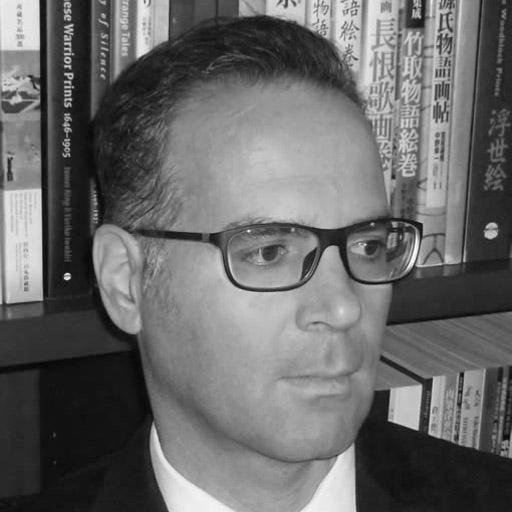
Lorenzo DiTommaso serves as Professor in the Department of Religions and Cultures at Concordia University, Montreal, where he has progressed from Assistant Professor (2004) to full Professor (2013), including service as Department Chair. His academic home encompasses Jewish Studies and Christianity programs, with biennial teaching of the graduate religion and popular culture seminar. Ph.D. in Religious Studies, McMaster University (2002) Postdoctoral Fellow, Yale University Divinity School (2001-03) NEH Postdoctoral Fellow, Center for Medieval and Renaissance Studies, Saint Louis University (2003-04) DiTommaso's research constitutes a comprehensive exploration of apocalyptic speculation across temporal and cultural boundaries, from ancient Near Eastern traditions to contemporary digital media. His work uniquely bridges textual scholarship on biblical apocrypha and medieval manuscripts with cutting-edge analysis of apocalyptic expression in video games, anime, and popular music. The intellectual scope spans apocalyptic historiography , manuscript studies , apocalyptic and millenarian movements , and religion in contemporary media , with distinctive expertise in Japanese cultural intersections. His methodological approach combines rigorous textual analysis with interdisciplinary cultural theory, particularly examining how apocalyptic frameworks shape human responses to crisis across historical periods. Analysis of his recent publications reveals a pronounced shift toward contemporary apocalyptic manifestations, with nearly half of his 2021-2024 output focusing on digital media, video games, and modern cultural phenomena. Simultaneously, he maintains deep engagement with medieval manuscript traditions and early Jewish-Christian apocalyptic literature, demonstrating remarkable versatility across historical periods. The thematic through-line remains apocalyptic determinism versus human agency , examined through diverse lenses from ancient prophecy to interactive gaming environments. Bibliographical Society of America - Pine Tree Foundation Fellowship in Hispanic Bibliography (2019) Nicky Carpenter Fellow in Manuscript Studies Marilyn Hollinshead Visiting Scholar (2023) Research Fellow at Herzog August Bibliothek (2024) DiTommaso has supervised over 20 graduate students since 2019 across diverse apocalyptic topics including disability studies in biblical interpretation, Satanism in virtual communities, and environmental apocalypse in radical movements. His research has been continuously supported by four major SSHRC grants (2004-07, 2007-11, 2011-16, 2018-24), supplemented by specialized fellowships at premier manuscript repositories including the Vatican Film Library, Herzog August Bibliothek, and special collections at Michigan State and Minnesota universities. He co-organizes the biennial 'Through a Glass Darkly' Symposium on Apocalyptic with Colin McAllister, now in its eighth year, rotating between Colorado Springs and Montreal. The 'Through a Glass Darkly' symposium serves as his primary collaborative platform, fostering international scholarly exchange on apocalyptic themes. He maintains active research partnerships with institutions including the Enoch Seminar and Azrieli Institute for Israel Studies, while leveraging special collections access at major libraries for manuscript-based projects. Current work on apocalyptic comic art involves collaboration with special collections at Michigan State and Minnesota universities, demonstrating his commitment to bridging traditional textual scholarship with contemporary cultural analysis.
Valentina Di Stasio is a Full-time Professor of Sociology at the European University Institute's Department of Political and Social Sciences. She joined the EUI in 2024 after holding positions as Assistant and Associate Professor at Utrecht University, where she co-founded and co-led the Interuniversity Network on Diversity, Equity & Inclusion. Her academic journey includes a postdoctoral fellowship at Nuffield College, University of Oxford, and research positions at the WZB Social Science Center in Berlin. Di Stasio earned her PhD from the University of Amsterdam in 2014 with a dissertation titled 'Why education matters to employers: A vignette study in Italy, England and the Netherlands,' which received the 'Best PhD thesis of the year' award from the European Consortium for Sociological Research (ECSR). Her research primarily addresses labor market inequalities with a focus on gender, ethnic, and racial discrimination. She employs comparative approaches and experimental methods including correspondence tests and factorial surveys. Her recent work examines Islamophobia, anti-Muslim discrimination, and ethnic and gender stereotypes from an intersectional perspective. In 2021, she received an ERC Starting Grant for the TARGETS project (2022-2027), a cross-national multi-actor study on ethnic discrimination in the workplace, and currently serves as co-PI of the Horizon Europe project EqualStrength. Di Stasio's publications span high-impact journals including Annual Review of Sociology, British Journal of Sociology, and Journal of Ethnic and Migration Studies. Her recent research output demonstrates a consistent focus on discrimination mechanisms across European labor markets, with particular attention to religious, ethnic, and gender intersections. ERC Starting Grant for TARGETS project (2022-2027) Best PhD thesis award from European Consortium for Sociological Research She supervises PhD students including Chiara Guasti and Maša Krajnc, and has coordinated significant research projects including the GEMM project, the first cross-nationally harmonized correspondence test conducted simultaneously in five countries (Britain, Germany, Netherlands, Norway, Spain). Her work combines theoretical innovation with methodological rigor, contributing substantially to our understanding of discrimination processes in contemporary European societies.
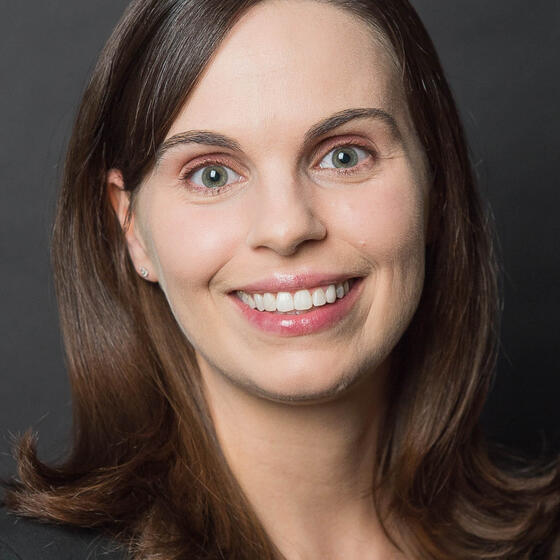
Shannon Walters is Associate Professor of English in Temple University’s College of Liberal Arts and affiliated faculty in both the First-Year Writing Program and the Gender, Sexuality & Women’s Studies program. Since arriving at Temple in 2009 she has built an internationally recognized profile at the intersection of rhetoric-composition and disability studies. Education: PhD in English and Women’s Studies, Pennsylvania State University Research & Scholarly Focus: Walters’ scholarship fuses rhetoric and composition with disability, gender, and animal studies. Her 2014 monograph Rhetorical Touch: Disability, Identification, Haptics (University of South Carolina Press) theorizes tactile rhetorics and disabled embodiment. Ongoing projects explore neurodiverse writing pedagogies, multimodal accessibility, critical animal studies, and graphic narratives, producing articles in PMLA , JAC , DSQ , and other flagship journals. Recent Publication Trends: Across 2005-2022 Walters has published seventeen peer-reviewed pieces that collectively advance three intertwined trajectories: (1) crip/queer rhetorical theory and temporalities, (2) neurodiversity-informed composition and technical communication pedagogy, and (3) interspecies rhetorics that link disability and animal studies through comics and multimedia texts. Teaching & Mentoring: She teaches undergraduate writing (Analytical Reading & Writing, Social Issues in Literature, Women in Literature) and graduate seminars in rhetoric-composition, while regularly offering special-topics honors courses on disability and identity. No individual advisees are listed in available sources. Affiliations & Service: Walters serves as core faculty in the Gender, Sexuality & Women’s Studies program and participates actively in Temple’s interdisciplinary disability-studies community. Office: Mazur Hall 1051.
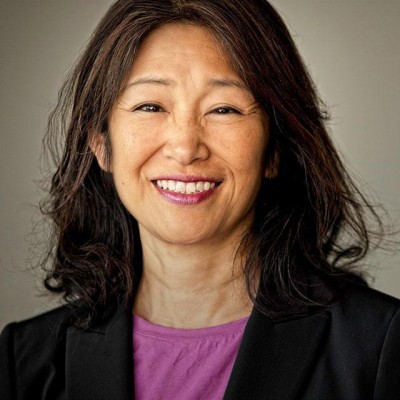
Naoko Ellis is a Professor in the Department of Chemical and Biological Engineering at the University of British Columbia, Faculty of Applied Science. Her work bridges advanced multiphase reaction engineering with pressing sustainability challenges, focusing on fluidized-bed technologies for CO₂ capture, biomass valorisation, and clean energy production. Research Interests Multiphase reaction engineering & fluidized beds CO₂ capture via calcium looping and chemical looping combustion Biomass gasification, pyrolysis, and tar mitigation Bio-oil upgrading and biochar engineering for environmental applications Engineering education innovation for sustainability literacy Recent publications (2020-2024) reveal an integrated approach combining rigorous reactor modeling, novel catalyst development, and educational scholarship. Energy and environmental engineering dominate the portfolio, with emerging use of machine-learning tools for process optimisation and extensive exploration of biochar and bauxite-residue valorisation. Scientific Recognition Guest editor for memorial special issues honouring Prof. John R. Grace (Canadian Journal of Chemical Engineering, Powder Technology, 2023-2024) Invited prefatory contributions on chemical engineering education (Canadian Journal of Chemical Engineering, 2024) Advising & Grant Landscape No specific student names or funding details were provided in the supplied text; however, the breadth of collaborative publications and education-focused papers indicates active supervision of graduate researchers and leadership in curriculum-development grants. Labs & Teams Operates within the multiphase reaction engineering laboratory environment at UBC Chemical and Biological Engineering, leveraging pilot-scale fluidized-bed facilities and advanced analytical instrumentation for thermochemical conversion studies.

Adam Pactonمشاهده پروفایل
دانشگاهی
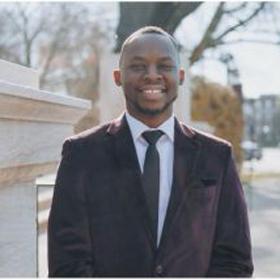
Adam Pacton is an Associate Teaching Professor at Arizona State University's College of Integrative Sciences and Arts, where he serves as the Dean's Fellow for AI Literacy and Integration and the English 105 Course Coordinator in the Writers' Studio. He has been at ASU since January 2016, contributing significantly to online education through MOOCs and innovative writing instruction. Ph.D. in Rhetoric and Composition, University of Wisconsin-Milwaukee (2015) M.A. in English, East Tennessee State University (2009) B.A. in Philosophy, Marquette University (2001) His research and teaching focus on bridging personalization and scale in writing instruction. Key areas include composition theory, pedagogy, writing program administration, disability studies, and multimodal composition. He is deeply engaged in online, hybrid, and MOOC-based education, emphasizing accessibility and innovation. His recent publications and presentations reflect a strong interest in scalable writing instruction, grammar pedagogy, and inclusive composition practices. Themes across his work include educational access, peer tutoring, and the integration of technology in writing education. ASU President's Award for Innovation (2017, 2021) Society for Disability Studies Tanis Doe Prize (2013) University of Wisconsin-Milwaukee Distinguished Graduate Student Fellowship (2013) James A. Sappenfield Fellowship (2012) Dr. Pacton has advised on the development of Study Hall and Crash Course YouTube playlists and has served on multiple university committees related to composition and faculty hiring. He is also active in editorial roles, including as a reviewer for Pedagogy and copyeditor for Queen City Writers . He leads initiatives in writing assessment and curriculum development, particularly in large-scale and online contexts. He has coordinated writing programs at multiple institutions and is involved in the assessment redesign and online composition instruction. His service includes leadership in writing centers, curriculum committees, and faculty development workshops.
- Rhetoric
- Composition
- Writing Studies
- +۵ مورد دیگر
Dr. Olalekan T. Adepoju is a Lecturer in the Department of English at the College of Staten Island, City University of New York (CUNY). He holds a PhD in Rhetoric and Composition from the University of Louisville and has academic training from institutions in Nigeria. He teaches first-year writing and upper-level courses such as Writing Across the Curriculum, emphasizing critical thinking and inclusive perspectives. Education: PhD in Rhetoric and Composition, University of Louisville, USA MA in English, University of Ibadan, Nigeria BA/Ed in English, University of Ilorin, Nigeria His research focuses on rhetoric, transnational writing, empathy in communication, and writing center practices. His work explores how language shapes identity, ideology, and pedagogy across cultural and institutional contexts. He has published in journals such as Rhetoric Review , Writing Center Journal , and International Journal of Multidisciplinary Perspectives in Higher Education . His recent publications examine graduate application rhetoric, hate speech in Nigerian elections, spatial metaphors in disciplinary writing, and asynchronous writing center consultations, reflecting a strong interdisciplinary approach to writing studies and communication. Scientific Awards: No awards listed in the provided text. Dr. Adepoju is actively engaged in teaching and scholarly research. He advises students informally through writing instruction, though no formal advisees are listed. He is involved in writing center scholarship and contributes to conversations on inclusive pedagogy and global rhetorical practices. He is based in Building 2S, Room 232 at CSI. Laboratories and Teams: No specific labs or research teams are mentioned in the text. However, his work in writing center studies suggests potential involvement with writing center initiatives or collaborative research groups in rhetoric and composition.
Thangavel Thevarمشاهده پروفایل
مدرس ارشد
Dr. Thangavel Thevar is a Senior Lecturer in the School of Engineering at the University of Aberdeen, where he has been teaching since 2005. He completed both his undergraduate degree (First Class Honours in Electrical Engineering) and PhD (in Laser Engineering) at the University of Aberdeen in 1989 and 1993 respectively. Prior to his academic career, he accumulated approximately 10 years of industrial R&D experience in the USA, working on solid-state laser development and holographic applications. Dr. Thevar's research focuses on several key areas: Digital holography for imaging of marine plankton and micro-particles Laser Induced Breakdown Spectroscopy (LIBS) for subsea applications Laser-based instrumentation development Development of solid-state lasers for scientific, industrial, and medical applications Engineering applications of holography His most notable recent achievement is leading a team that developed the weeHoloCam, a state-of-the-art ultracompact underwater holographic camera for imaging microorganisms. Weighing just 3.5 kg, this system is the lightest and most compact of its kind, capable of imaging 240 ml/s and continuously recording up to 200,000 holograms. The system incorporates a rapid hologram processor and an AI-based image classifier. This technology has significant applications in marine studies including spatial and temporal monitoring of plankton species, monitoring harmful plankton & micro-jellyfish, study of vertical transport of floc, and monitoring microplastic pollution in the ocean. Dr. Thevar has secured numerous research grants as Principal Investigator, including projects funded by Sustainable Aquaculture Innovation Centre (SAIC), BBSRC, DEFRA, and Defence & Security Accelerator (DSTL). His current research portfolio demonstrates strong interdisciplinary connections between optical engineering, marine science, and environmental monitoring. His scientific contributions include: Royal Academy of Engineering Visiting Teaching Fellow Award (2010-2013) US patent 8,494,012 B2 for Raman converters Development of alexandrite lasers and ruby holographic lasers during his industrial R&D period Work on US government contracts for non-destructive inspection methods for military aircraft and the space shuttle Sabbatical work at NASA Langley Research Centre developing diode pumped Thulium YALO lasers As an educator, Dr. Thevar has served as Coordinator of MSc Oil & Gas Engineering (2007-2020), Undergraduate Level 1 Coordinator, and has contributed to various committees including Quality Assurance and Students' Progression. He currently teaches courses including Principles of Electronics, Electrical & Mechanical Systems, Control Systems, and supervises individual projects at both undergraduate and postgraduate levels. He is accepting PhD students interested in Engineering research. Dr. Thevar is actively involved in professional organizations, serving as Technical Programme Chair for IEEE/OES Oceans Conference 2007, on organizing committees for various conferences, as a committee member of the Instrument Science and Technology Group (Institute of Physics), and as a member of both IET and IEEE. He also serves as a reviewer for optics-based journals.
Sharon Dean is a Professor at the University of Cincinnati specializing in American ethnic literature, women's literature, film studies, and composition pedagogy. She previously served as Acting Associate Director at the Center for Women's Studies, where she developed courses on American women writers and Black women in film. Her research focuses on African American literary traditions, cinematic representation, and pedagogical strategies. Education: Doctor of Arts from the University of Illinois (1971). Research interests span African American literature (particularly Harlem Renaissance women writers), film aesthetics in independent Black cinema, storytelling strategies in composition classes, racial impersonation in slave narratives, and comparative analysis of minstrelsy and cinematic cross-dressing. Her work frequently examines intersectional identities and cultural negotiations through literature and film. Awards include: Provost’s Award for Senior Faculty Mentor (2003) University of Cincinnati College of Evening and Continuing Education Fellowship (1997-1999) Grant leadership includes major projects like the NEH-funded 'Negative to Positive: Strategies for Using Black Film' ($150,000), FIPSE-supported Center for Women's Studies initiatives ($140,000), and curriculum development grants for first-year composition programs. Her scholarship frequently integrates community engagement with academic research.
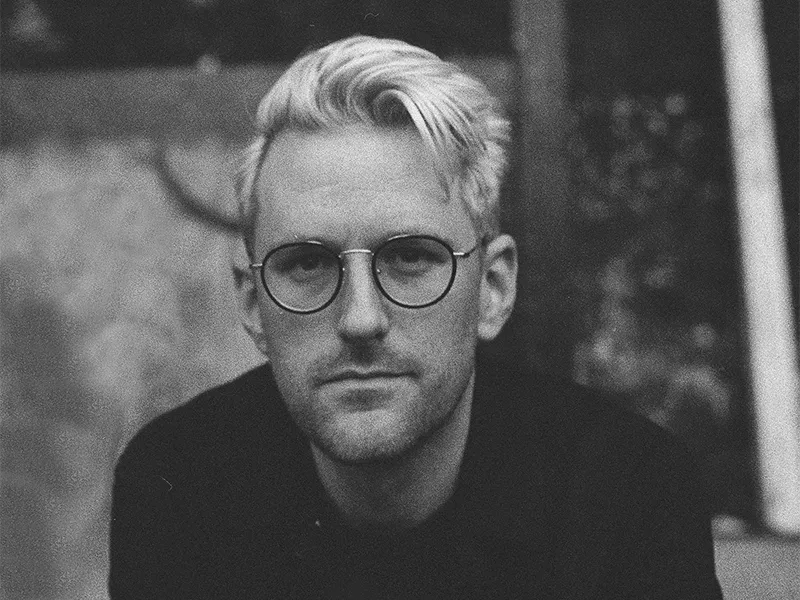
David Kumler is Writing Faculty in the Department of English, where he teaches composition, creative writing, American & Anglophone literature, cultural studies, and social-movement theory. A musician, artist, and scholar, he draws on interdisciplinary training in religious studies, creative writing, and American literature to explore horror, popular culture, and political resistance. Education: PhD in American Literature and Culture, University of Washington MFA in Creative Writing, The University of Alabama BA in Religious Studies, Belmont University Research Focus: Kumler’s work interrogates the nexus of popular culture, horror, political dissidence, and racial capitalism . His dissertation, Into the Seething Vortex: Occult Horror and the Subversion of the Realistic , traces how contemporary antiracist and feminist activism mobilize occult horror tropes to destabilize dominant realist narratives. His current project investigates convergences between evangelical Christianity and the horror genre during the 1980–90s Satanic Panic and the ascendancy of the religious right. Teaching: He has designed and led courses in first-year composition, multimodal composition, expository writing, creative writing, American and Anglophone literature, cultural studies, and social movement theory, emphasizing critical making and multimedia approaches to textual production.