Massachusetts Institute of TechnologyUnited States
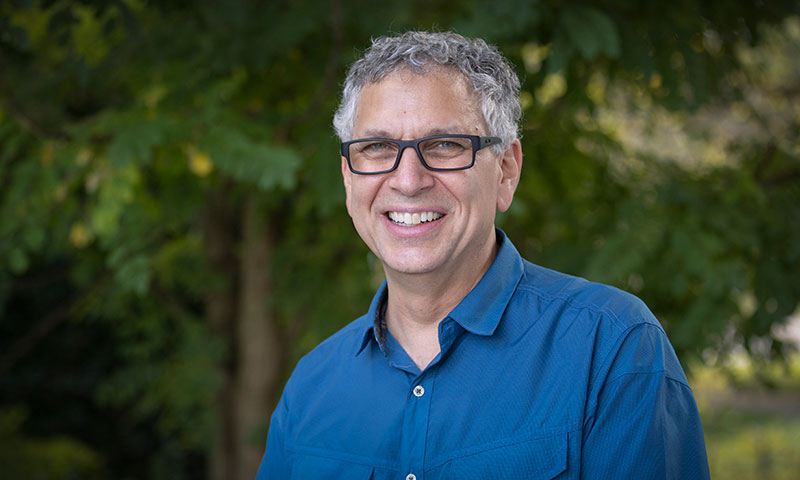
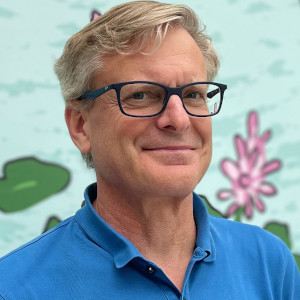
Charles F. Harvey is a Professor in the Department of Civil and Environmental Engineering at the Massachusetts Institute of Technology (MIT), where he investigates hydrology, carbon cycling, and groundwater contamination. His work spans tropical peatlands, arsenic pollution in South Asia, and coastal groundwater dynamics, with field sites in Borneo, Bangladesh, and Vietnam. Education: B.A. in Mathematics (Oberlin College, 1986), M.S. in Applied Earth Science (Stanford University, 1992), Ph.D. in Geological and Environmental Sciences (Stanford University, 1996). Harvey’s research focuses on hydrogeology , carbon sequestration , and contaminant transport . He explores how groundwater flow and biogeochemical processes interact in tropical peatlands and coastal systems, with significant implications for climate change and water security. His recent publications emphasize tropical peatland hydrology , arsenic mobilization , and coastal groundwater exchange , integrating field experiments, remote sensing, and computational models. Scientific Awards AGU Fellow GSA Fellow Meinzer Award (GSA) Prince Sultan bin Abdulaziz International Prize for Water M. King Hubbert Award for Hydrology NSF Young Investigator Award Harvey leads the Harvey Lab , mentoring students and researchers in projects ranging from groundwater arsenic mitigation to coastal marsh biogeochemistry . His work bridges terrestrial and marine systems , addressing critical planetary challenges.
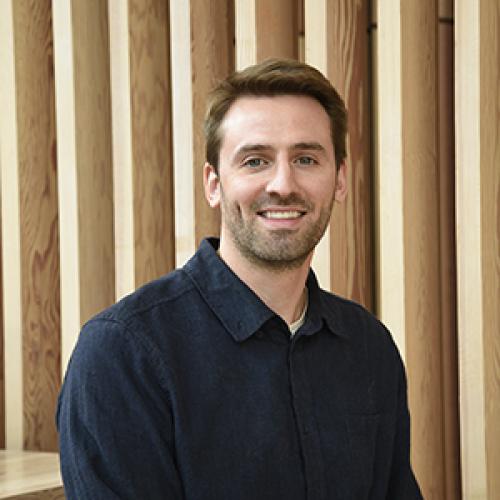
Jacob Bukoski is Assistant Professor and Director of the Forests and Climate Change graduate certificate at Oregon State University's College of Forestry. His research examines forest carbon dynamics, climate mitigation, and international forestry. Education includes: PhD in Environmental Science from UC Berkeley MS in Environmental Science from Yale University BA in Environmental Studies from UNC Chapel Hill Research focuses on carbon accumulation in forests, mangrove conservation, and climate policy integration. Teaches interdisciplinary courses on social-ecological systems and forest carbon analysis. Recent publications quantify carbon storage in global plantations and mangrove ecosystems. Current projects investigate albedo impacts on reforestation protocols and coastal conservation synergies. Directs graduate studies in Forests and Climate Change.
London School of Economics and Political Science (LSE)United Kingdom
Thomas Smith is an Associate Professor in Environmental Geography at the London School of Economics (LSE), specializing in wildland fires, tropical environmental change, and peatland management. He joined LSE in 2018 after lecturing at King’s College London and has held visiting fellowships at institutions including the National University of Singapore and Monash University Malaysia. His research focuses on biomass burning’s role in the Earth system, particularly greenhouse gas emissions from tropical peatlands and savannas. Smith’s expertise includes infrared spectroscopy, wildfire modeling, and land management decision support. He emphasizes interdisciplinary approaches to address fire emissions, agricultural practices, and their environmental impacts. Notable awards include being Highly Commended for Research Guidance & Support at the LSESU Teaching Excellence Awards 2019. His recent work involves field experiments (e.g., GAMBUT project) and citizen science initiatives to measure air pollution. Collaborative research spans global wildfire dynamics, climate change impacts, and policy interventions in Southeast Asia’s haze season. Smith contributes to both academic discourse and practical solutions for sustainable land use and climate resilience.
Mark Abbott is a Professor at the University of Pittsburgh, specializing in paleoclimatology and environmental science. He holds a PhD from the University of Minnesota (1997) and conducted postdoctoral research at the University of Massachusetts. His research integrates stratigraphy, geochemistry, and isotopic analysis to study climate change impacts on human societies and environmental systems. Abbott leads projects recovering lake sediment cores to document Holocene climate variability, focusing on annual-resolution records for temperature and drought reconstructions. He has authored over 50 peer-reviewed articles, with recent work emphasizing monsoon dynamics, Arctic mercury deposition, and tropical Andean glacial retreat. His fieldwork spans North America, South America, and Asia, including collaborative projects in Alaska, Peru, and India. Education: PhD in Geology (Minnesota, 1997), MS (Colorado, 1991), BA in Biology (Colorado, 1987) Postdoctoral Training: Climate System Research Center (UMass) Research interests include reconstructing past environmental changes via lacustrine archives, with emphasis on human-environment interactions. His lab analyzes stable isotopes, organic biomarkers, and sedimentology to address critical climate questions. Recent studies highlight climate-vegetation-fire linkages in the Pacific Northwest and Holocene lake-level changes in Canada/Yunnan. Recent articles focus on decadal-to-millennial climate shifts in mountain regions, Arctic permafrost dynamics, and anthropogenic impacts on lake ecosystems. Abbott’s work is supported by grants from NOAA and the NSF, with field sites in the Canadian Rockies, Himalayas, and Alaskan Arctic.
Min Chen is an Assistant Professor in the Department of Forest and Wildlife Ecology at the University of Wisconsin–Madison, affiliated with the Russell Labs. His research focuses on terrestrial ecosystem modeling, remote sensing applications, and human-Earth system interactions. He holds a PhD in Earth & Atmospheric Sciences from Purdue University, an MS in Remote Sensing and GIS from Beijing Normal University, and a BS in Computer Science from Beijing Normal University. His postdoctoral work included roles at the Carnegie Institution for Science and Harvard University. Research interests include forest carbon dynamics, methane emissions from wetlands, wildfire risk analysis, and the integration of remote sensing with Earth system models. His work emphasizes advancing methods for global-scale environmental monitoring using satellite and drone technologies. Notable contributions include studies on forest edge dynamics, vegetation-climate feedbacks, and the application of machine learning in ecological modeling. Recent publications highlight advancements in leaf trait prediction using transfer learning, global wetland methane flux modeling, and the impacts of climate change on land-use patterns. His lab develops innovative approaches to track terrestrial carbon cycles and assess human-driven environmental changes. Ongoing projects explore urban land expansion effects on carbon balances and phenological shifts under global change scenarios.
Lara A. Souza is an Associate Professor and Associate Director of the School of Biological Sciences at the University of Oklahoma. Her research focuses on global change impacts on plant communities and ecosystem processes, including climatic change, biological invasions, and resource gradients. She investigates how biodiversity mediates ecosystem properties like productivity and carbon dynamics across spatial and temporal scales, working in temperate prairies, tropical savannas, and montane meadows. Education: PhD in Ecology and Evolutionary Biology (University of Tennessee), MS in Biology (Appalachian State University). Her work integrates field experiments, remote sensing, and data modeling to address global change challenges. She holds no explicit scientific awards listed here but has an extensive publication record. Research emphasizes functional diversity and ecosystem responses to global stressors. Recent studies explore fire exclusion effects, drought impacts, and warming interactions with plant communities. She collaborates on projects involving environmental DNA for endangered species detection and satellite-based ecosystem modeling. No advising or grant details are provided in the text. Lara’s lab focuses on climate-ecosystem interactions, with ongoing projects in Oklahoma and tropical regions. Her work highlights the need for adaptive management strategies in the face of climate shifts and invasive species pressures.
David Finkelstein is an Associate Professor in the Department of Geosciences at Hobart and William Smith Colleges, where he has been a faculty member since 2013. He earned his Ph.D. from the University of Illinois at Urbana-Champaign and holds advanced degrees from the University of Massachusetts, Amherst. His academic affiliations include prior roles as a Research Assistant Professor and Lab Manager at the University of Massachusetts and as an Assistant Professor at the University of Tennessee. Ph.D., University of Illinois at Urbana-Champaign M.S., University of Massachusetts, Amherst B.S., University of Massachusetts, Amherst Dr. Finkelstein's research centers on limnogeology and biogeochemistry , with a focus on the chemical evolution of lake systems, stable isotope geochemistry, and microbial life in extreme environments. His work integrates aqueous geochemistry, organic molecular analysis, and microbiological methods to reconstruct paleoenvironments and climate change across geological timescales, including the Holocene, Pleistocene, Cretaceous, and Triassic periods. He has extensively studied lake sediments, wildfires, and the environmental impacts of the 2010 Gulf of Mexico oil spill. His recent publications show a strong trend in using biogeochemical proxies and isotopic signatures to understand past climate variability, human-environment interactions, and extreme environmental conditions. His research often involves multidisciplinary collaborations and field-based studies in diverse regions such as Russia, Iran, and Central America. Dr. Finkelstein is actively involved in scientific communities, with affiliations including: International Association of Limnogeology American Geophysical Union Geological Society of America Geochemical Society SEPM (Society for Sedimentary Geology) He has advised numerous research projects and mentored students in geoscience, though specific names are not listed. His teaching includes courses such as Stable Isotope Geochemistry, Limnology, and Environmental Geochemistry, reflecting his expertise in both theoretical and applied aspects of earth sciences. Dr. Finkelstein has not received any explicitly listed scientific awards in the provided text, but his publication record in high-impact journals demonstrates significant scholarly contributions. He does not appear to lead a named laboratory or research center, but his work is deeply embedded in field and laboratory-based geochemical analysis.
Matthew Jones is a NERC Independent Research Fellow at the University of East Anglia's School of Environmental Sciences, specializing in wildfire-climate interactions and carbon cycle dynamics. His research focuses on quantifying wildfire impacts under climate change, mitigating fire risks, and advancing global carbon budget monitoring. Co-leading the State of Wildfires Report, he evaluates extreme fire events' causes and future risks. As part of the Global Carbon Project, he tracks human-driven climate impacts through emissions and land-use data. Jones holds a PhD in Physical Geography from the University of Exeter (2018) and has conducted postdoctoral research at Swansea University and UEA. He has secured NERC funding to study wildfire geography and leads projects on lightning fires, prescribed burns, and fire management strategies. Key research areas include fire emissions modeling, climate mitigation strategies, and interdisciplinary fire science. His work has been recognized with awards like the NERC Fellowship and CarbonBrief's Top Climate Paper. Jones actively collaborates internationally, contributing to UN Sustainable Development Goals focused on climate action and ecosystem protection.
Professor Riikka Rinnan (University of Copenhagen) is a leading expert in ecosystem-atmosphere interactions, focusing on volatile organic compounds (VOCs) in Arctic environments. Her groundbreaking discovery of VOCs in permafrost has advanced climate prediction models, revealing complex interactions between climate warming, insect herbivory, microbial activity, and vegetation shifts. Current position: Professor, Department of Biology, University of Copenhagen Major research themes: Permafrost VOCs, Arctic climate feedbacks, plant-insect-microbial interactions International collaborations: China, Germany, Russia Her work combines field expeditions in extreme Arctic conditions with laboratory experiments and advanced VOC analysis. Climate warming experiments show VOC emissions could increase 40-fold with combined warming and insect attacks, while Arctic soils may act as unexpected VOC sinks. Key publications appear in Nature Communications , Nature Geoscience , and Global Change Biology . Riikka Rinnan has received prestigious awards including the EliteForsk Award, European Research Council Consolidator Grant, and Sapere Aude Research Leader. She leads international research teams, advises five PhD candidates, and supervises four postdocs (including two Marie Curie fellows). Her Siberian expedition plans demonstrate commitment to real-world scientific challenges.
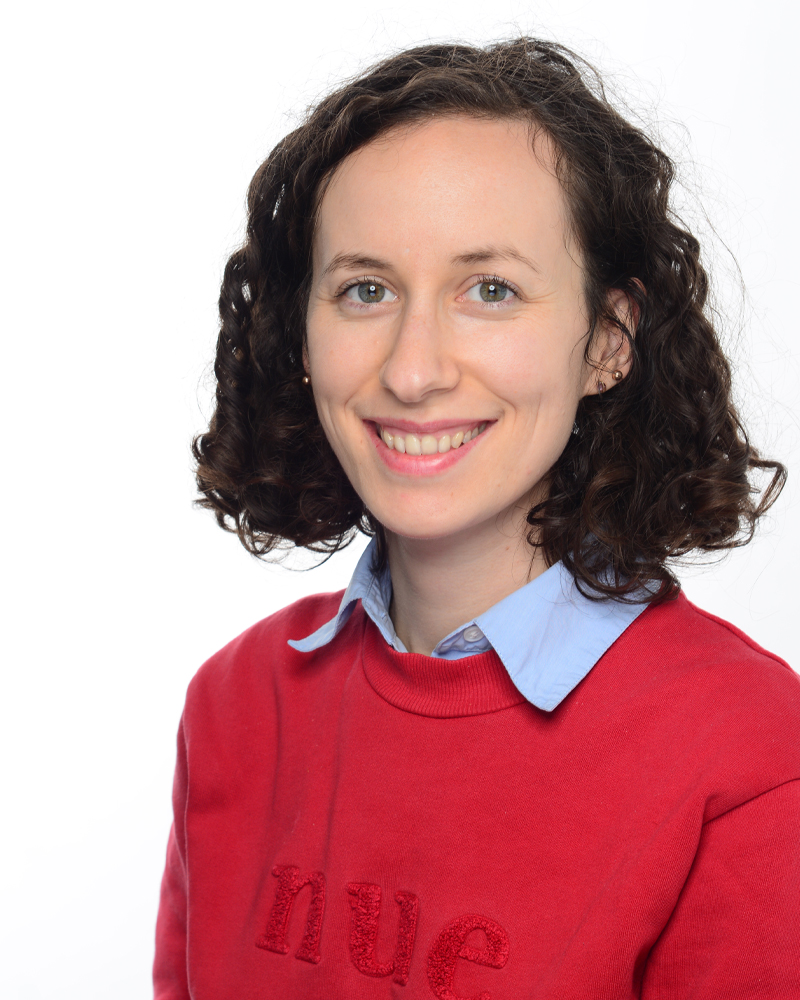
Maureen Beaudor is a Research Fellow in the High Meadows Environmental Institute (HMEI) at Princeton University. Her research focuses on the nitrogen cycle's key processes and their interactions with climate change and human activities, particularly in agricultural and environmental contexts. She develops and applies Earth System Models to investigate how climate change and food/ feed production impact atmospheric chemistry and nitrogen dynamics. Her work integrates interdisciplinary approaches, combining biogeochemical cycles, atmospheric chemistry, and land-use modeling to address global environmental challenges. She collaborates with the Carbon Mitigation Initiative (CMI) at HMEI to explore mitigation strategies and their regional water quality consequences. Her recent publications emphasize ammonia emissions from agriculture and livestock, fire emissions' role in nitrogen cycles, and the development of advanced modeling frameworks for nitrogen pathways. These studies contribute to understanding climate-ecosystem feedbacks and informing sustainable agricultural policies. Maureen holds no scientific awards listed but actively contributes to global emission inventories and climate scenario analyses. She advises no students but collaborates extensively with interdisciplinary teams in environmental modeling and data validation.
Paul D. Brooks is a Professor in the Department of Geology/Geophysics at the University of Utah, where he has been a faculty member since July 2014. His research focuses on understanding water, energy, and biogeochemical cycling in seasonally snow-covered catchments, with increasing emphasis on predicting how climate and land use changes impact snow accumulation, ablation, and snowmelt-derived surface and ground water resources. His educational background includes a BS in Biology and Chemistry from Florida State University, followed by an MS in Ecohydrology (1991) and PhD in Biogeochemistry (1995), both from the University of Colorado, Boulder. Prior to his position at the University of Utah, Dr. Brooks was a Professor in the Department of Hydrology and Water Resources at the University of Arizona from December 2000 to June 2014. Dr. Brooks' research spans multiple disciplines within earth sciences, focusing primarily on hydrology, ecohydrology, and biogeochemical cycling in mountainous, snow-dominated environments. His work examines how climate change affects snowmelt processes, groundwater-surface water interactions, and water resource availability in the western United States. He employs a combination of field measurements, isotope hydrology, and modeling approaches to understand complex hydrological processes across multiple spatial and temporal scales. His research increasingly involves collaboration with stakeholders to translate scientific findings into practical water resource management applications. Analysis of Dr. Brooks' recent publications reveals a strong focus on groundwater-surface water interactions in snowmelt-dominated systems, with particular attention to how climate change affects streamflow generation processes. His work bridges fundamental hydrological science with practical water resource concerns, examining topics such as runoff efficiency, groundwater storage dynamics, and the impacts of land cover changes on hydrological processes. A significant portion of his recent research investigates the Western United States water resources under changing climate conditions. AGU Fellow (American Geophysical Union) Dr. Brooks actively mentors graduate students through thesis research (both PhD and Master's level) as evidenced by his teaching activities. His lab conducts research supported by various grants focused on understanding water resources in mountainous regions, particularly examining how climate change affects snowmelt hydrology and water availability. He collaborates extensively with researchers across multiple institutions, as demonstrated by his numerous co-authored publications with scientists from various universities and research organizations. Dr. Brooks leads research efforts through his lab at the University of Utah and is involved with the Wasatch Environmental Observatory, a mountain-to-urban research network in the semi-arid Western US. His work integrates field measurements across complex terrain to understand how topography, vegetation, and climate interact to control water, energy, and biogeochemical cycling in seasonally snow-covered environments.
Peter M. Homyak is an Associate Professor in the Department of Environmental Sciences at the University of California, Riverside (UCR). He leads research on microbial and abiotic controls of soil trace gas emissions, focusing on nitrogen and phosphorus cycling in dryland and alpine ecosystems. His work integrates soil science, biogeochemistry, and climate change impacts. Homyak earned his Ph.D. in Soil and Water Science from UCR in 2012, following M.S. and B.S. degrees in environmental sciences. He has received prestigious awards including the 2017 S.A. Wilde Early Career Achievement Award and the 2016 Gene E. Likens Outstanding Publication Award. His research is supported by grants from NSF, USDA, and state agencies. Homyak mentors a diverse group of students, including PhD candidates Elizah Stephens and Aral Greene, and leads the Homyak Lab, which explores wildfire impacts, nitrogen cycling, and soil microbial resilience. Key research themes include mechanisms of nitric oxide (NO) and nitrous oxide (N2O) emissions, nitrogen saturation in xeric systems, and the role of pyrophilous microbes post-wildfire. He collaborates on global projects assessing dryland biogeochemistry and climate change consequences. Homyak also emphasizes STEM outreach, mentoring underrepresented students and engaging in K-12 education initiatives.
Paul Leadley is a Professor at the University of Paris-Saclay, France, where he directs the Population and Community Ecology group within the Ecology, Society and Evolution Laboratory (IDEES). His research focuses on global change impacts on terrestrial ecosystems, biodiversity, and ecosystem functioning through field experiments and mathematical modeling. His educational background includes a B.S. in Science from Pennsylvania State University (1981), an M.S. in Botany from North Carolina State University (1985), and a Ph.D. in Ecology from San Diego State University and UC Davis (1993). Prior to his professorship, he worked as a research technician at San Diego State University, Smithsonian Environmental Research Center, and New Mexico State University, followed by post-doctoral research at the University of Basel. Leadley investigates climate change and rising CO2 impacts on plant diversity, biodiversity-ecosystem functioning relationships, and nutrient competition between plants and soil microorganisms. His experimental work centers on California and temperate grasslands, examining fire, temperature, CO2, nitrogen deposition, and precipitation interactions. He develops multi-scale models from rhizosphere nutrient fluxes to regional climate change projections, collaborating with institutions like INRA, Stanford University, and Northern Arizona University. His research integrates field experiments with mathematical modeling to quantify uncertainties in global change projections. His recent publications (2008-2012) reveal consistent themes: climate change impacts on biodiversity via species distribution modeling, interactive effects of multiple global change drivers on soil nitrogen cycling, and development of biodiversity scenarios for policy. Key methodological approaches include multi-model comparisons, experimental manipulations of grassland ecosystems, and trait-based biodiversity assessments. Scientific Awards: No specific awards listed in the provided text. Leadley has directed five Ph.D. students: Alexandra Gastine, Romain Barnard, Xavier Raynaud, Audrey Niboyet, and Sandrine Fontaine. He has secured major research grants including QDiv (770 k€, 2005-2009), SCION (470 k€, 2010-2012), and HumboldtCES (450 k€, 2010-2012). Current projects focus on biodiversity modeling (MOBILIS), biome boundary shifts, and climate change impacts on forests. He participates in international assessment processes including IPBES and IPCC. He leads the Population and Community Ecology team at IDEES Laboratory, comprising approximately 30 researchers, engineers, technicians, and graduate students. The team operates experimental sites in California grasslands and collaborates with national networks including FRB, AllEnvi, and GIS Climat, Environnement, Société. Current initiatives include eco-evolutionary approaches to climate change impacts and development of adaptive forest management strategies.
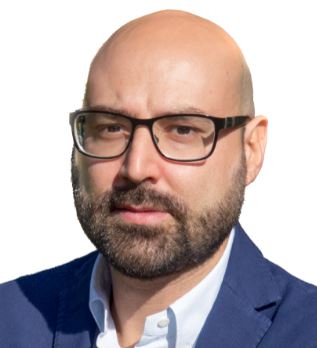
Simone Fatichi is a Full Professor at the Department of Civil and Environmental Engineering, National University of Singapore (NUS), since July 2024. Previously, he held roles as Associate Professor at NUS (2020–2024), Research Associate/Lecturer at ETH Zurich (2011–2020), and postdoctoral fellow at the University of Firenze (2010–2011). He earned an International PhD in Civil and Environmental Engineering (2010) and MSc/BSc degrees in Environmental Engineering from the University of Firenze (Italy). His research focuses on hydrology, biogeosciences, and climate change impacts, addressing vegetation functioning, water/soil resources, carbon cycle dynamics, and urban ecohydrology. He leads developments of models like AWE-GEN (weather generator), Tethys-Chloris (ecohydrological model), and Urban Tethys-Chloris (urban model). His work spans global change effects in natural and urban environments, with emphasis on mechanistic process understanding. Key awards include the 2023 NUS Young Researcher Award, 2020 AGU Hydrologic Sciences Early Career Award, and the prestigious 2019 Antonio Feltrinelli Prize. He serves as an editor for Water Resources Research and reviewer for over 50 journals. His recent articles highlight urban climate impacts, soil carbon dynamics, and ecohydrological modeling advancements. His contributions bridge environmental engineering, climate science, and ecological processes, with applications to sustainable urban planning and natural resource management. Current projects include modeling crop yields under climate change and quantifying vegetation cooling benefits in cities.
Terri S. Hogue is a Professor in the Department of Civil and Environmental Engineering at the Colorado School of Mines, where she also serves as Dean of Earth and Society Programs and Director of the Center for a Sustainable WE 2 ST. Her work bridges engineering, hydrology, and environmental sustainability, with a strong focus on semi-arid regions. Education: PhD in Hydrology and Water Resources, University of Arizona, 2003 MS in Hydrology and Water Resources, University of Arizona, 1998 BS in Geology, University of Wisconsin-Eau Claire, 1995 Her research focuses on hydrologic and land surface processes, particularly in the context of water resource management, climate variability, urbanization, and natural hazards. She integrates field observations, remote sensing, and modeling to study catchment responses to wildfires, urban development, and climate change. Her work emphasizes improving hydrologic forecasts and understanding human-environment interactions in water-limited systems. The 15 most recent publications highlight consistent themes in hydrologic modeling, remote sensing applications, evapotranspiration estimation, post-wildfire hydrology, and urban water systems. Her research spans both observational and computational methods, with strong applications to real-world water management challenges in the western U.S. Scientific Awards and Honors: NSF Faculty Early Career Development (CAREER) Award, 2009 NSF Fellowship Trainee Award (multiple years) NASA Earth Observing System (EOS) Graduate Fellowship, 2001–2002 AMS Journal of Hydrometeorology Editor’s Award, 2011 UCLA Professor of the Year (2004, 2007, 2010) Appointment to National Academy of Sciences Board on Atmospheric Sciences and Climate, 2013 AMS Science and Policy Colloquium Fellowship, 2002 Multitude of scholarships and fellowships from NASA, NSF, and professional societies Dr. Hogue has been actively involved in advising and research leadership through her Hogue Research Group and the Center for a Sustainable WE 2 ST. She has secured significant grants, including the NSF CAREER Award, and contributes to national science policy through service on the AGU Hydrology Section and the National Academy of Sciences. Her work emphasizes interdisciplinary collaboration, data-driven modeling, and sustainable solutions for water-stressed regions. She leads the Hogue Research Group and the Center for a Sustainable WE 2 ST, both of which focus on integrated water, energy, and environmental systems. These teams bring together engineers, hydrologists, and environmental scientists to tackle pressing sustainability challenges through research, education, and policy engagement.