معرفی
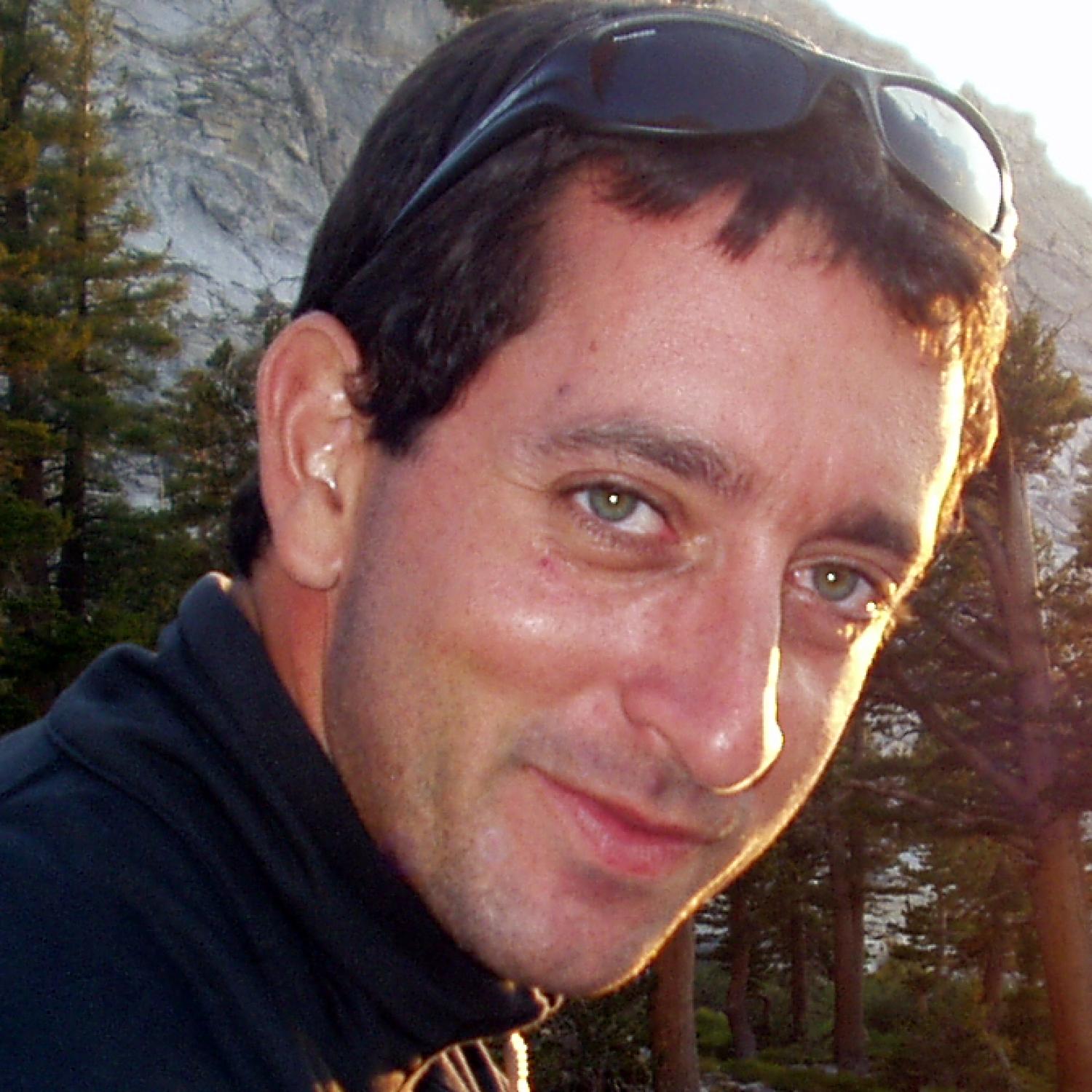
Paul D. Brooks is a Professor in the Department of Geology/Geophysics at the University of Utah, where he has been a faculty member since July 2014. His research focuses on understanding water, energy, and biogeochemical cycling in seasonally snow-covered catchments, with increasing emphasis on predicting how climate and land use changes impact snow accumulation, ablation, and snowmelt-derived surface and ground water resources.
His educational background includes a BS in Biology and Chemistry from Florida State University, followed by an MS in Ecohydrology (1991) and PhD in Biogeochemistry (1995), both from the University of Colorado, Boulder. Prior to his position at the University of Utah, Dr. Brooks was a Professor in the Department of Hydrology and Water Resources at the University of Arizona from December 2000 to June 2014.
Dr. Brooks' research spans multiple disciplines within earth sciences, focusing primarily on hydrology, ecohydrology, and biogeochemical cycling in mountainous, snow-dominated environments. His work examines how climate change affects snowmelt processes, groundwater-surface water interactions, and water resource availability in the western United States. He employs a combination of field measurements, isotope hydrology, and modeling approaches to understand complex hydrological processes across multiple spatial and temporal scales. His research increasingly involves collaboration with stakeholders to translate scientific findings into practical water resource management applications.
Analysis of Dr. Brooks' recent publications reveals a strong focus on groundwater-surface water interactions in snowmelt-dominated systems, with particular attention to how climate change affects streamflow generation processes. His work bridges fundamental hydrological science with practical water resource concerns, examining topics such as runoff efficiency, groundwater storage dynamics, and the impacts of land cover changes on hydrological processes. A significant portion of his recent research investigates the Western United States water resources under changing climate conditions.
- AGU Fellow (American Geophysical Union)
Dr. Brooks actively mentors graduate students through thesis research (both PhD and Master's level) as evidenced by his teaching activities. His lab conducts research supported by various grants focused on understanding water resources in mountainous regions, particularly examining how climate change affects snowmelt hydrology and water availability. He collaborates extensively with researchers across multiple institutions, as demonstrated by his numerous co-authored publications with scientists from various universities and research organizations.
Dr. Brooks leads research efforts through his lab at the University of Utah and is involved with the Wasatch Environmental Observatory, a mountain-to-urban research network in the semi-arid Western US. His work integrates field measurements across complex terrain to understand how topography, vegetation, and climate interact to control water, energy, and biogeochemical cycling in seasonally snow-covered environments.