Prof. Manfred Bischoff is the Vice Rector for Research and Sustainable Development at the University of Stuttgart and a Professor heading the Institute for Structural Mechanics (IBB) in the Faculty of Civil and Environmental Engineering. His research focuses on advanced structural mechanics, adaptive systems, and computational methods in engineering. He has held leadership roles in the university's rectorate since 2021, emphasizing sustainable research and early career development. His work spans structural analysis, finite element methods, biomimetic engineering, and smart materials. Notable contributions include studies on adaptive truss structures, nonlinear stability analysis, and the application of data-driven models in structural dynamics. Recent projects include investigations into railway bridge control systems and co-design frameworks for composite materials. Prof. Bischoff's research integrates computational design with experimental validation, with applications in civil infrastructure, aerospace, and biomechanics. His leadership in the Collaborative Research Centre 1244 (SFB 1244) has advanced adaptive skins and structures, blending mechanical engineering principles with environmental sustainability.
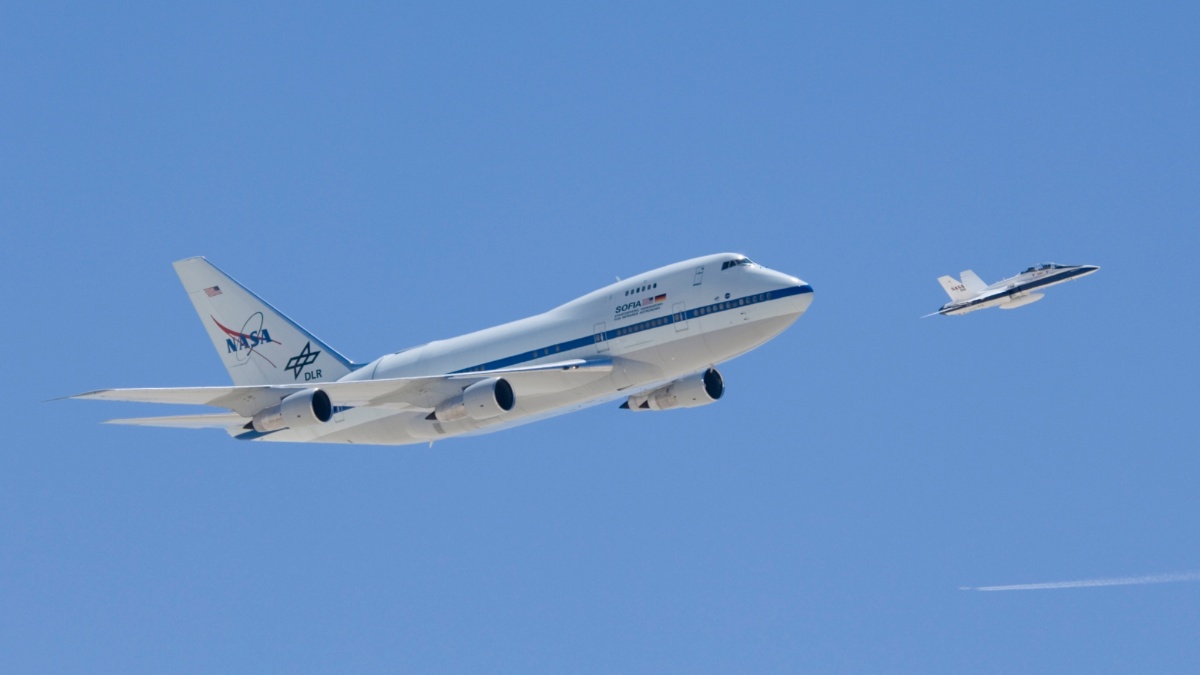
Professor Jörg F. Wagner Professor Wagner holds the Chair of Flight Metrology at the University of Stuttgart's Faculty 6: Aerospace Engineering and Geodesy. His research integrates flight measurement technology, structural dynamics, gyroscopic systems, and experimental mechanics, emphasizing the synergy between theoretical modeling and experimental validation. Key areas of focus include: Aircraft-based astronomy (SOFIA telescope) Historical preservation of gyroscopic instruments Integrated motion measurement for flexible structures Biomechanics and navigation systems Interdisciplinary projects combining mechatronics and space engineering Recent work emphasizes the SOFIA telescope's structural performance optimization, MEMS sensor applications in navigation, and digital preservation of historical gyroscopes via 3D modeling. His team collaborates on large-scale astronomical projects like MICADO for the Extremely Large Telescope (ELT). Scientific contributions span over 25 years, with publications addressing vibration control, inertial technology heritage, and pedagogical innovation in engineering education.
Yanan Guo is a Doctoral Researcher and Research Associate at the Institute of Building Structures and Structural Design (ITKE) within the Cluster of Excellence IntCDC at the University of Stuttgart. Their work focuses on computational design, structural optimization, and sustainable architecture, particularly through the use of fiber-reinforced polymers and innovative fabrication techniques like coreless filament winding. Education: M.Sc. Research Interests: Yanan Guo specializes in computational co-design frameworks for fiber composite building systems, mechanical modeling of segmented shells, and sustainable material applications in architecture. Their projects emphasize the integration of simulation, fabrication, and data analysis to optimize structural performance and material efficiency. Key Projects: IntCDC Research Project 13-1: Transient Form Finding and Mechanical Modeling of Segmented Fibre Composite Shells IntCDC Research Project 12-2: Computational Co-Design Framework for Fibre Composite Building Systems BamX! Pavilion (EPFL, 2022): Bamboo woven deployable structures LivMatS Pavilion: Natural fiber filament-wound composites Publications: Yanan Guo's work explores active-bending structures with natural fiber profiles, fiber layup optimization using lamination parameters, and computational co-design for coreless wound composites. Their research demonstrates how data-driven workflows can enhance architectural innovation through material-fabrication synergy.
Eva Klintström is a researcher affiliated with the Department of Diagnostics and Specialist Medicine at Linköping University. Her work focuses on bone structure analysis and early diagnosis of osteoporosis, leveraging advanced imaging techniques such as photon-counting detector CT, energy-integrating detector CT, and cone-beam CT (CBCT). She collaborates with interdisciplinary teams in the Radiological Sciences Unit (RAD) and contributes to research in biomedical engineering and radiology. Her research integrates computational modeling, image analysis, and finite element analysis to study trabecular bone mechanics. Recent publications highlight applications of machine learning for super-resolution 3D CT models, automated segmentation algorithms for bone structure, and comparative studies of CT imaging modalities in maxillofacial and dental contexts. Eva Klintström actively participates in clinical research, including studies on biomarkers in juvenile idiopathic arthritis and their correlation with temporomandibular joint (TMJ) MRI findings. Her work spans both in vitro and in vivo methodologies, emphasizing the translation of imaging data into diagnostic and therapeutic insights. Key collaborations include researchers from the Department of Health, Medicine and Care (HMV) and institutions like Karolinska Institute and Uppsala University. Her studies often employ finite element analysis and region-growing algorithms to assess bone strength and microstructure.
Shoichi Yamada is a Professor at the Faculty of Advanced Science & Engineering in Waseda University . With a PhD from the University of Tokyo, his research spans astrophysics, high-energy physics, and computational methods for core-collapse supernovae and compact object formation. Key research areas: Core-collapse supernova mechanisms Neutrino flavor conversions Rotating star equilibria Boltzmann neutrino transport Gravitational wave sources Multi-dimensional hydrodynamics His 245+ peer-reviewed publications (h-index 51) focus on neutrino transport algorithms, supernova explosion dynamics, and flavor instability analysis. Recent work (2025) involves subgrid modeling for neutrino flavor conversions and machine learning applications to radiation hydrodynamics. Major research contributions include: Development of the W4 method for nonlinear equation solving Systematic studies of collisional neutrino instabilities First-principles simulations with full Boltzmann neutrino transport Investigations into muon-induced flavor instabilities Quantum mechanical radiation modeling Multi-dimensional stellar structure formulations
Karin Leiderman, PhD, is an Associate Professor in the Department of Mathematics and a member of the UNC Lineberger Comprehensive Cancer Center. She also holds appointments in the Department of Biochemistry and Biophysics and the Computational Medicine Program at the University of North Carolina at Chapel Hill. Her research integrates mathematical modeling, computational simulations, and experimental approaches to study biochemical and biophysical mechanisms in blood coagulation, clot formation, and bleeding disorders with applications in hemophilia and cancer-associated thrombosis. She leads the Leiderman Research Group, which develops open-source software frameworks like clotFoam for simulating thrombus formation under flow. Recent publications highlight her work on: Mathematical analysis of anticoagulant drugs (emicizumab, concizumab) and their impact on coagulation Computational modeling of lipid surface enzyme kinetics and HIV-1 Env protein binding Development of multiscale models for hemostasis and thrombosis Scientific awards include: NSF CAREER Award (2020) Colorado School of Mines Faculty Excellence Award (2021) W.M. Keck Graduate Student Mentorship Award (2020) Invited State-of-the-Art Speaker at ISTH (2022) Dr. Leiderman has mentored numerous graduate and undergraduate students, including Jamie Madrigal (PhD, UNC), Kenji Miyazawa (PhD, UNC), and Nicholas Danes (PhD, Colorado School of Mines). Her research is supported by NIH R01 funding and focuses on contextualizing findings across mathematical and biological communities.
Francesco Pietra serves as a Lecturer in the School of Mechanical, Industrial & Aeronautical Engineering at the University of the Witwatersrand, Johannesburg. His academic career spans mechanical engineering education and research with consistent publication output since 2014. His educational qualifications include: BEng in Aeronautical Engineering MSc in Applied Computational Mechanics from University of Applied Sciences MSc in Aeronautical Engineering Dr. Pietra's research expertise centers on Finite Element Analysis (specializing in non-linear mechanics and vibrations), Structural Analysis, Fatigue, and Optimization. A significant recent development is his application of these methodologies to Sports Engineering, particularly archery biomechanics. His work consistently bridges computational modeling with experimental validation, addressing both industrial challenges (shot peening, structural integrity) and human-centered design problems in sports equipment. Analysis of his 13 publications (2014-2024) reveals evolving research trajectories. Early work focused on industrial processes like shot peening optimization and structural analysis of mechanical components. Since 2020, there has been a strategic pivot toward sports engineering applications, with three high-impact publications in 2023-2024 examining archery equipment performance, archer perception, and shooting dynamics. This demonstrates his ability to transfer core mechanical engineering competencies to novel interdisciplinary domains. No scientific awards are currently documented in his public profile. As a Lecturer, Dr. Pietra contributes to mechanical engineering education while maintaining active research. His recent publication rate suggests ongoing grant-supported activities, though specific funding sources aren't listed. Prospective students interested in computational mechanics, structural analysis, or sports engineering applications would find relevant research opportunities, particularly in the growing field of archery biomechanics where he has established recent expertise. Though no dedicated laboratory is specified, his research methodology combines advanced computational simulations (non-linear finite element analysis) with experimental validation, utilizing university facilities for mechanical testing and biomechanical assessment.
Professor Pauliina Damdimopoulou is a leading researcher in reproductive biology at Karolinska Institutet's Department of Women's and Children's Health. She leads the "Chemicals and female fertility" research group, investigating how environmental chemicals impact female fertility and ovarian function. With over 15 years of experience in endocrinology, reproductive biology and toxicology, she has established herself as an expert in reproductive toxicology and currently serves as ERC ambassador and Professor since 2025. Her educational background includes: Docent (Associate Professor) in endocrine physiology (2015, University of Turku, Finland) Docent in toxicology (2021, Karolinska Institutet) Professor Damdimopoulou's research focuses on environmental exposures like industrial chemicals and air pollution and their links to reduced fertility in women. She's particularly interested in how these exposures affect ovaries and oocytes, which form before birth and represent a finite, non-renewable resource. Her work combines epidemiological studies with controlled in vitro exposure studies to unravel molecular mechanisms by which chemicals affect ovarian function, with the ultimate goal of developing better tools for reproductive toxicity testing. Her recent publications (2023-2025) show a strong interdisciplinary focus on how specific chemical classes (phthalates, PFAS, persistent organic pollutants) affect ovarian function, follicular development, and female fertility. There's a clear trend toward developing better in vitro models for reproductive toxicity testing, mapping molecular pathways affected by environmental chemicals, and translating these findings into improved regulatory frameworks. Her work bridges epidemiology, molecular biology, toxicology, and clinical reproductive medicine. Her scientific awards include: ERC Consolidator Grant (2023) - EUR 2 million for the SAFER project (SAfeguarding female FERtility-development of human-relevant in vitro tools for reproductive toxicity) Professor Damdimopoulou has extensive experience in academic mentoring, having supervised numerous undergraduate students through laboratory training, MSc thesis projects, and served as main supervisor for multiple PhD students. She has formal training in higher education pedagogy and doctoral student supervision. Her research is supported by significant grants including the ERC Consolidator Grant for the SAFER project, which aims to develop human-relevant in vitro tools for reproductive toxicity testing to replace current animal-based methods. She leads the "Chemicals and female fertility" research group at Karolinska Institutet and co-leads the Environmental Endocrinology Focus Area of the European Society of Endocrinology. Her lab develops advanced tissue culture models including 3D spheroid systems and works with human ovarian tissue samples to study chemical effects on reproductive function. The group maintains active collaborations with researchers across Europe and participates in major research initiatives focused on endocrine disruption and reproductive health.
Łukasz Żmuda-Trzebiatowski is a Senior Lecturer at the Department of Structural Mechanics within the Faculty of Civil and Environmental Engineering at Gdańsk University of Technology. His office is located in the Main Building (Gmach Główny), room 467 D1, and he can be contacted at luktrzeb@pg.edu.pl or +48 58 348 62 98. His research focuses on structural stability and buckling analysis, with particular expertise in thin-walled structures, silos, and pedestrian bridges. His work combines theoretical analysis with computational methods, primarily using finite element modeling to investigate structural behavior under various loading conditions. Analysis of his publication record reveals a consistent research trajectory in structural stability since 2013, with particular emphasis on the relationship between natural frequencies and buckling loads. His work often compares different analytical approaches (linear vs. non-linear, static vs. dynamic) and validates findings against normative procedures. Recent publications show increasing application of his research to educational tools for structural engineering students. His research methodology combines numerical simulations with experimental validation, particularly in the context of pedestrian bridge analysis. He frequently collaborates with P. Iwicki on structural stability problems.
Professor Neil Currie is a chartered structural engineer (FIStructE) and chartered civil engineer (MICE) at the University of Salford's School of Science, Engineering & Environment. With over 25 years of industry experience in structural engineering design, he brings extensive practical knowledge to his academic role. His affiliations include the Centre for Future Engineering at the University of Salford, where he conducts research on innovative structural solutions. Professor Currie's educational background includes: Bachelor's Degree in Civil Engineering (1994-1997) Doctor of Philosophy in "Kinky Structures" (2011-2020, completed part-time) Postgraduate Certificate in Academic Practice (2010-2012, completed part-time) His research interests focus on creating sustainable and innovative structural solutions, with particular emphasis on Low Carbon Design of Structures , Retrofitting Existing Structures , Reduction of Embedded Carbon in Structures , Deployable Structures , Adaptable Structures , Timber Design , and Lightweight Structures . Much of his work incorporates biomimetic principles, drawing inspiration from natural phenomena to develop novel engineering approaches. Professor Currie has published extensively on topics related to deployable structures, disproportionate collapse analysis of timber buildings, and innovative teaching methods in structural engineering. Professor Currie has led significant research projects including a KTP with Technocover (2017-2019). His industry experience spans a wide range of projects from £200m mixed-use developments and 50-storey buildings to innovative tensile fabric structures, deployable structures, and sustainable timber buildings. He has also contributed to advancing engineering education through the implementation of the inverted classroom approach for structures modules.
Dr. Ali Kadir is a Reader in Mechanical Engineering at the University of Salford's School of Science, Engineering & Environment. Previously serving as International Exchange Director for the School of Computing, Science and Engineering for nearly two decades until 2020, he currently acts as Admissions Tutor for BEng (Hons) and MEng (Hons) programmes in Aeronautical Engineering and Aircraft Engineering with Pilot Studies. With extensive teaching experience spanning Engineering Mathematics, Engineering Dynamics, and Mechanical Systems across multiple engineering disciplines, his academic career demonstrates deep commitment to engineering education. Dr. Kadir's educational background includes: BSc (Hons) Applicable Mathematics (Part Time, 1985-1991) - Project: Finite element analysis of heat transfer problems PhD in High temperature gas turbine micro and nanocoating CFD, FEA and experimental (Part Time, 2013-2021) His research spans multiple interconnected domains with primary focus on high temperature corrosion, micro and nano coating materials for jet engines, Finite Element Analysis, and Computational Fluid Dynamics. Additional research thrusts include biomechanics and orthopaedic engineering (particularly bone fracture analysis), electromagnetic smart materials, medical fluid dynamics, and renewable energy systems with nanofluid solar collectors. His methodology consistently integrates advanced mathematical modeling, finite element simulation, computational fluid dynamics, and experimental validation through flame spray coating techniques. Dr. Kadir's publication trajectory reveals strong interdisciplinary trends, with recent work (2022-2025) increasingly focused on nanofluid applications across aerospace, marine engineering, medical technologies, and renewable energy systems. His research demonstrates sophisticated integration of computational and experimental approaches to solve multi-physical engineering problems, with particular emphasis on nano-scale materials engineering and cross-domain applications. Professional recognition includes: Fellow of the Institute of Mathematics and its Applications (FIMA) As an active PhD supervisor, Dr. Kadir mentors students in high temperature corrosion modeling, nanocoatings development for aerospace/medical/marine applications, orthopaedic biomechanics (spinal analysis, bone stress modeling), and mathematical modeling of electromagnetic smart fluids. He serves as Associate Director of the Multi-physical Engineering Sciences Research Group (MPESG) under Prof. Anwar Bég, which provides critical infrastructure for computational and experimental research across engineering disciplines. The MPESG facilitates collaboration between theoretical modeling, simulation, and experimental validation, with strong industry connections in aerospace, marine engineering, and medical device sectors that enable translation of research findings into practical engineering solutions for complex real-world challenges.
Larisa Malysheva is a Lecturer in the Department of Engineering within the School of Science, Engineering & Environment at the University of Salford. She has held this position since 2015, transitioning from part-time (2015-2020) to full-time status. Her academic journey includes a PhD in Accelerator Physics from the University of Liverpool (2010) and prior research roles at the Lavrentyev Institute of Hydrodynamics (Russia) and University of Hamburg. Her research focuses on computational methods for engineering systems, particularly finite element modeling of linear/nonlinear structural mechanics problems relevant to particle accelerators and advanced mechanical engineering. Key application areas include heat load studies in target materials for the International Linear Collider (ILC), biomagnetic blood flow, and smart hydrogel robotics. She employs numerical algorithms and tools like ANSYS FLUENT for simulations in aerodynamics, magneto-thermoelasticity, and wave energy systems. As an educator, she leads Engineering Mathematics modules (Levels 1-4), Foundation Year Engineering Methodology, and Computational Aerodynamics. Her pedagogical approach integrates computational techniques with practical laboratory applications. She holds a Postgraduate Certificate in Education (PGCE, 2017-2018) and Fellow status with the Higher Education Academy (FHEA). Diploma in Mechanics and Applied Mathematics (1984-1990) PhD in Physics of Accelerators, University of Liverpool (2005-2010) PGCE (2017-2018) Her scientific contributions are closely tied to the Centre for Future Engineering at Salford, where she collaborates on projects involving computational hydrodynamics, plasma actuation, and bio-inspired propulsion systems. She actively presents findings at international conferences, with 15 documented presentation outputs spanning tsunami run-up simulations, metallic polymer coatings, and supersonic aerodynamics.
Marius Henriksen serves as a Clinical Professor with a dual appointment at the University of Copenhagen's Department of Clinical Medicine and the Capital Region of Denmark. His primary academic affiliation is with the Internal Medicine: Rheumatology division, where he conducts extensive research on musculoskeletal disorders, particularly knee osteoarthritis. His work bridges clinical practice and academic research through collaborations with Bispebjerg and Frederiksberg Hospital and The Parker Institute. Henriksen's research focuses on orthopedic rehabilitation, pain mechanisms, and clinical trial methodology. His work spans biomechanical analysis of joint function, evaluation of weight loss interventions for osteoarthritis management, pharmacological treatments for fibromyalgia, and advanced imaging techniques for assessing bone structure in osteoarthritis. He employs both quantitative sensory testing and finite element modeling to understand pain mechanisms and joint loading patterns. His recent publications (2025) demonstrate strong emphasis on knee osteoarthritis research, with significant contributions to understanding exercise interventions, imaging biomarkers, and comparative effectiveness of treatments. The publications reveal consistent methodology using randomized controlled trials, systematic reviews, and advanced biomechanical modeling approaches. Henriksen actively collaborates with international research networks, as evidenced by multi-center trials and international patient surveys. His work shows particular strength in translating biomechanical findings into clinical applications for osteoarthritis management. His research output is substantial with 139-191 publications documented across institutional profiles, demonstrating consistent productivity over two decades (2004-2025). The research receives attention through news outlets, academic blogs, and social media platforms, with significant Mendeley readership indicating scholarly impact.